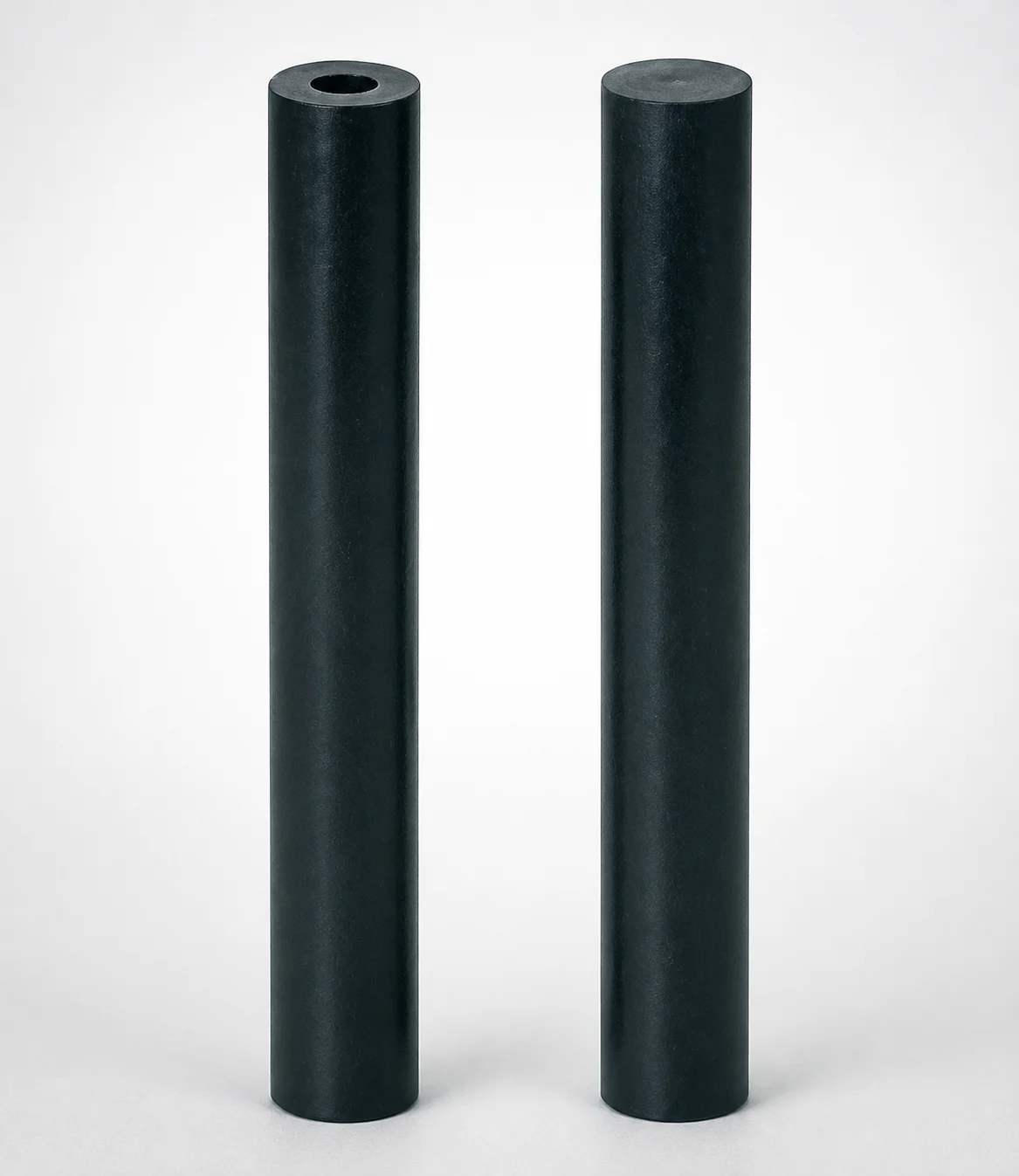
Heavy Duty Urethane Springs Pillar Shape
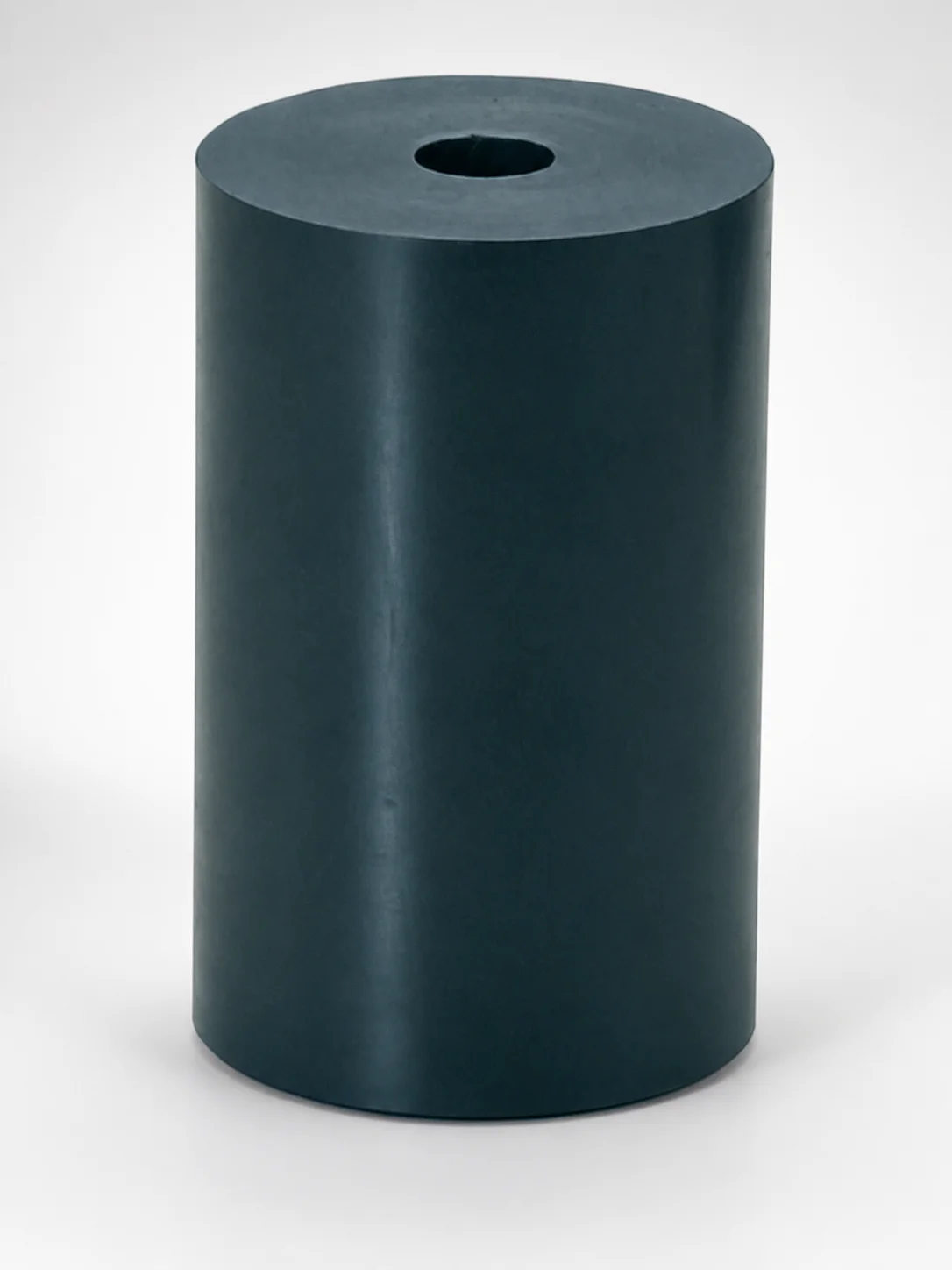
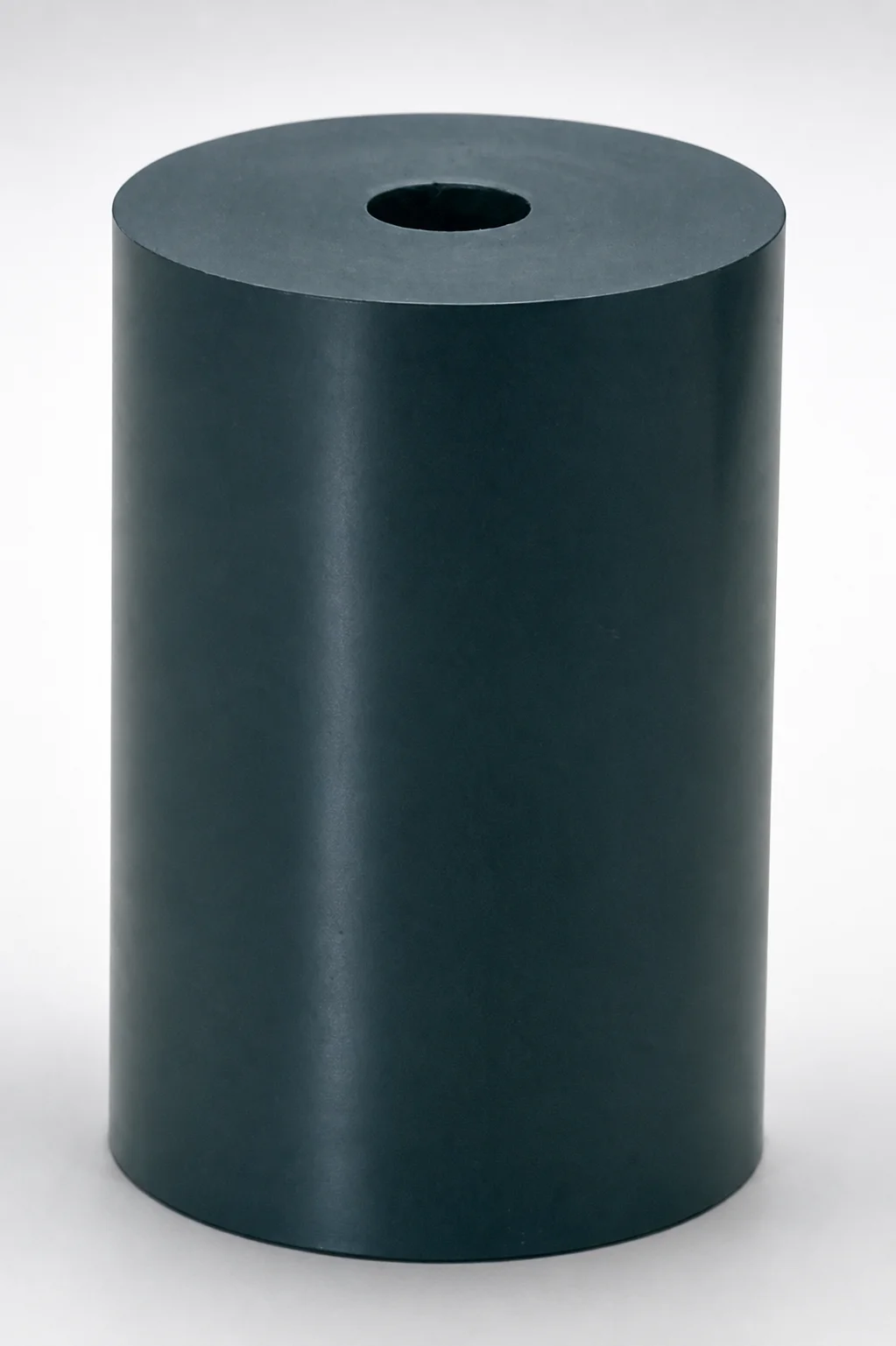
Heavy Duty Urethane Springs pillar shape are engineered for heavy-load applications, using Shore A90 urethane to maintain stable force and predictable recovery under compression. Their pillar form factor supports reliable placement in die and fixture assemblies.
- Urethane spring design in a pillar shape for consistent installation and load response
- Built from heavy-load urethane material rated Shore A90 for robust durability
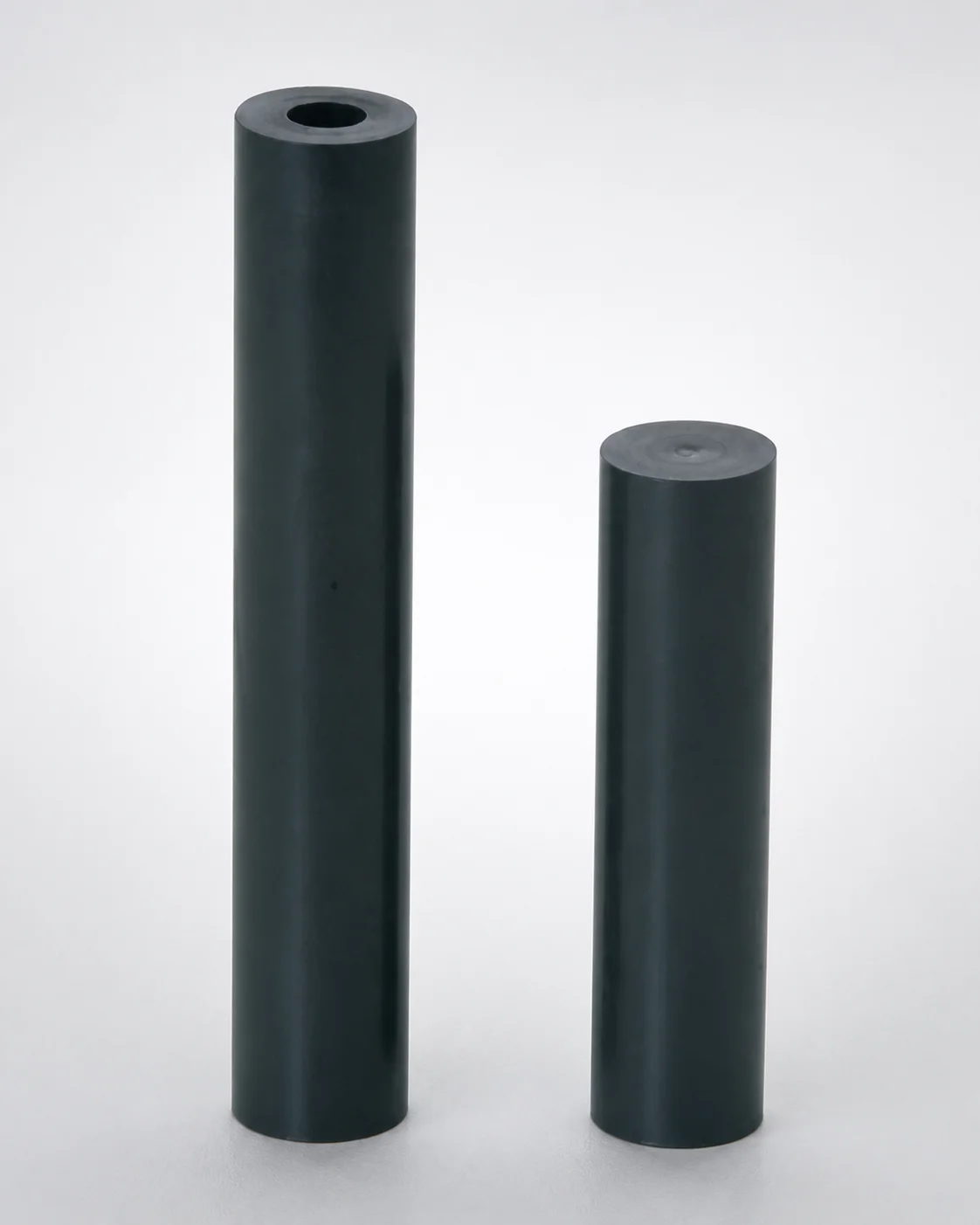
- Optional hole or no-hole counterbore layout to match common mounting methods
- Used in tooling components requiring controlled compression, return, and vibration damping
Specifications
20 configurations available
| Hole/Counterbore | Length (L) (mm) | D (Outer diameter) (mm) | type |
|---|---|---|---|
| None | 200 | 8 | - |
| None | 200 | 10 | - |
| None | 200 | 15 | - |
| None | 200 | 20 | - |
| None | 200 | 25 | - |
| None | 500 | 30 | - |
| None | 500 | 40 | - |
| None | 500 | 50 | - |
| None | 500 | 60 | - |
| None | 500 | 80 | - |
| None | 500 | 100 | - |
| Hole | 200 | 15 | - |
| Hole | 200 | 20 | - |
| Hole | 200 | 25 | - |
| Hole | 500 | 30 | - |
| Hole | 500 | 40 | - |
| Hole | 500 | 50 | - |
| Hole | 500 | 60 | - |
| Hole | 500 | 80 | - |
| Hole | 500 | 100 | - |
Product Guide
Application Scenarios+
This heavy-load urethane spring pillar form is used inside injection mold tooling and jigs where controlled compression, repeatable recovery, and stable positioning are required under cyclic duty. The pillar shape helps ensure predictable load transfer and helps keep the spring aligned during assembly and operation.
- Automotive and industrial connector molds: Use the hole version to fasten the spring to a backing plate or shutoff fixture, supporting return force and damping micro-vibration during clamp/open cycles.
- Medical device housing tooling: Employ the Shore A90 urethane to maintain consistent force over compression while helping reduce transmission of shock between ejector-related subassemblies and the mold base.
- Large-part fixtures and stack molds: Choose the no-hole variant when integrating into a pocket or bracket where mechanical retention relies on surrounding features rather than fasteners.
Its Shore A90 formulation is suited to heavy loads because it sustains stable force behavior while resisting excessive set compared with softer urethanes.
Material & Process Details+
These urethane springs are made from Shore A90 hardness polyurethane, selected for heavy-load compression service in mold tooling. Shore A90 provides a balance of wear resistance and toughness: it maintains dimensional stability and predictable rebound, while still absorbing mechanical shock to reduce vibration effects.
As urethane springs are elastomeric components rather than quenched steel, they are typically manufactured through molding/press forming and then finished for dimensional control. Therefore, there is no steel-style heat treatment such as quenching, tempering, or nitriding implied for this product variant.
- Hardness trade-off: Higher Shore A increases load capacity and reduces compression set, but reduces maximum deflection compared with softer urethanes.
- Hole/Counterbore variant: The presence of a hole affects local stress concentration; selecting the appropriate counterbore layout supports stable installation under repeated cycling.
Sizing & Selection Guide+
Select the spring diameter D (outer diameter) and length L to match the available space and the required compressive stack-up in the mold assembly. Available outer diameter range is 8 ~ 100 mm, and available lengths are 200 mm or 500 mm.
- Match to cavity/core clearance: Ensure the installed spring height (based on L) fits the vertical gap between the contacting plates or brackets in the tooling.
- Match to load path stability: Choose D so the spring contacts a guided area without excessive lateral play, improving consistent force response.
- Choose hole vs no-hole: Use the Hole version when you need a fastener-based mounting for repeatable positioning; use None when retention is achieved by surrounding geometry or a pocket.
Confirm that the selected variant allows the spring to compress uniformly within the assembly travel and does not bottom out, especially in heavy-load applications.
Frequently Asked Questions
Should I choose the hole or no-hole urethane pillar spring version for stable force in mold tooling?+
What ranges of diameter and length are available for this urethane pillar spring?+
Why is Shore A90 specified for heavy-load injection mold tooling applications?+
Is this urethane spring heat-treated like steel components (quenching/tempering or nitriding)?+
How do I prevent the urethane pillar spring from losing performance due to improper compression in a mold assembly?+
Related Products
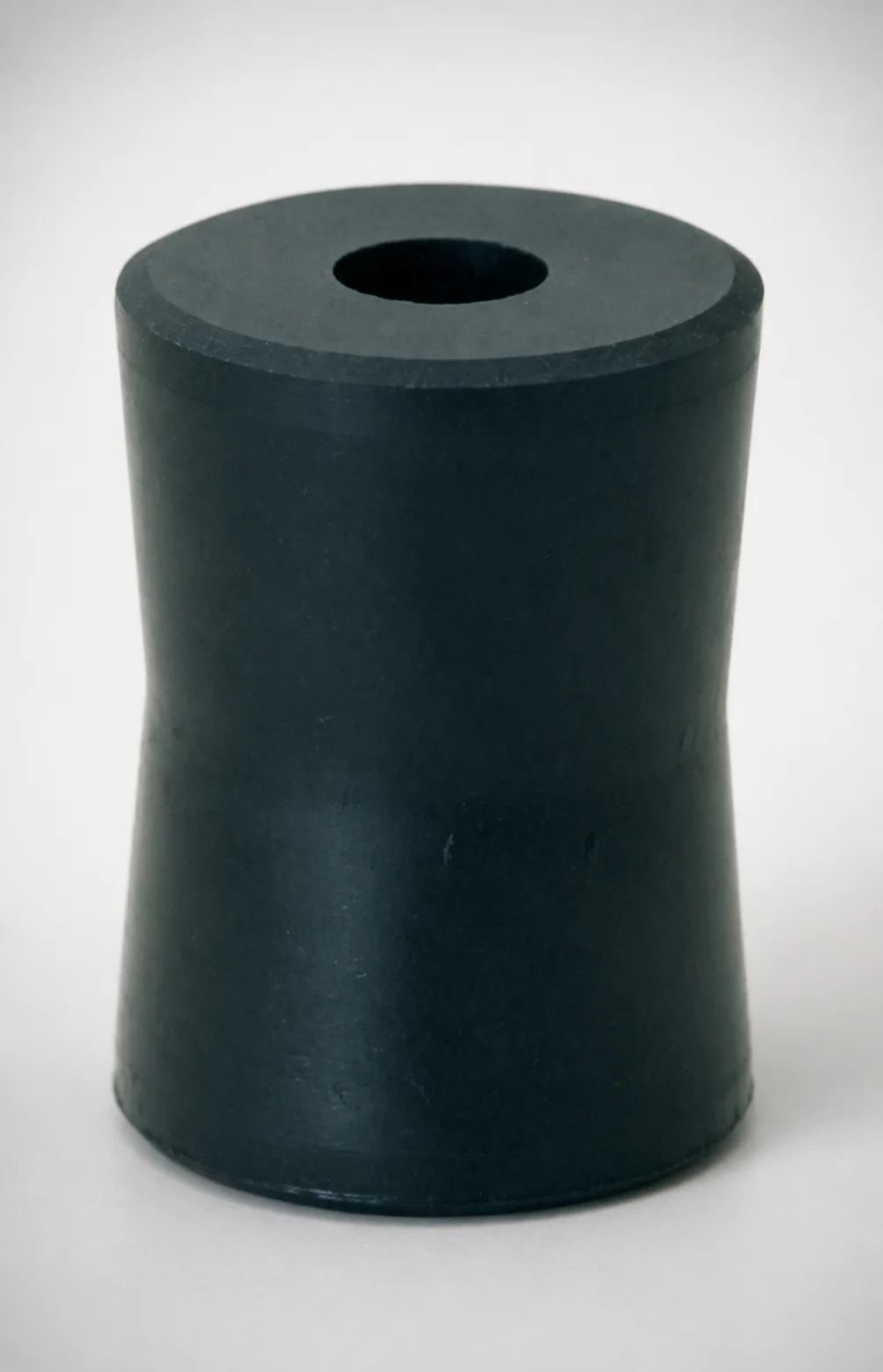
EX Series Heavy-Duty Urethane Pillar Springs (Through Hole)
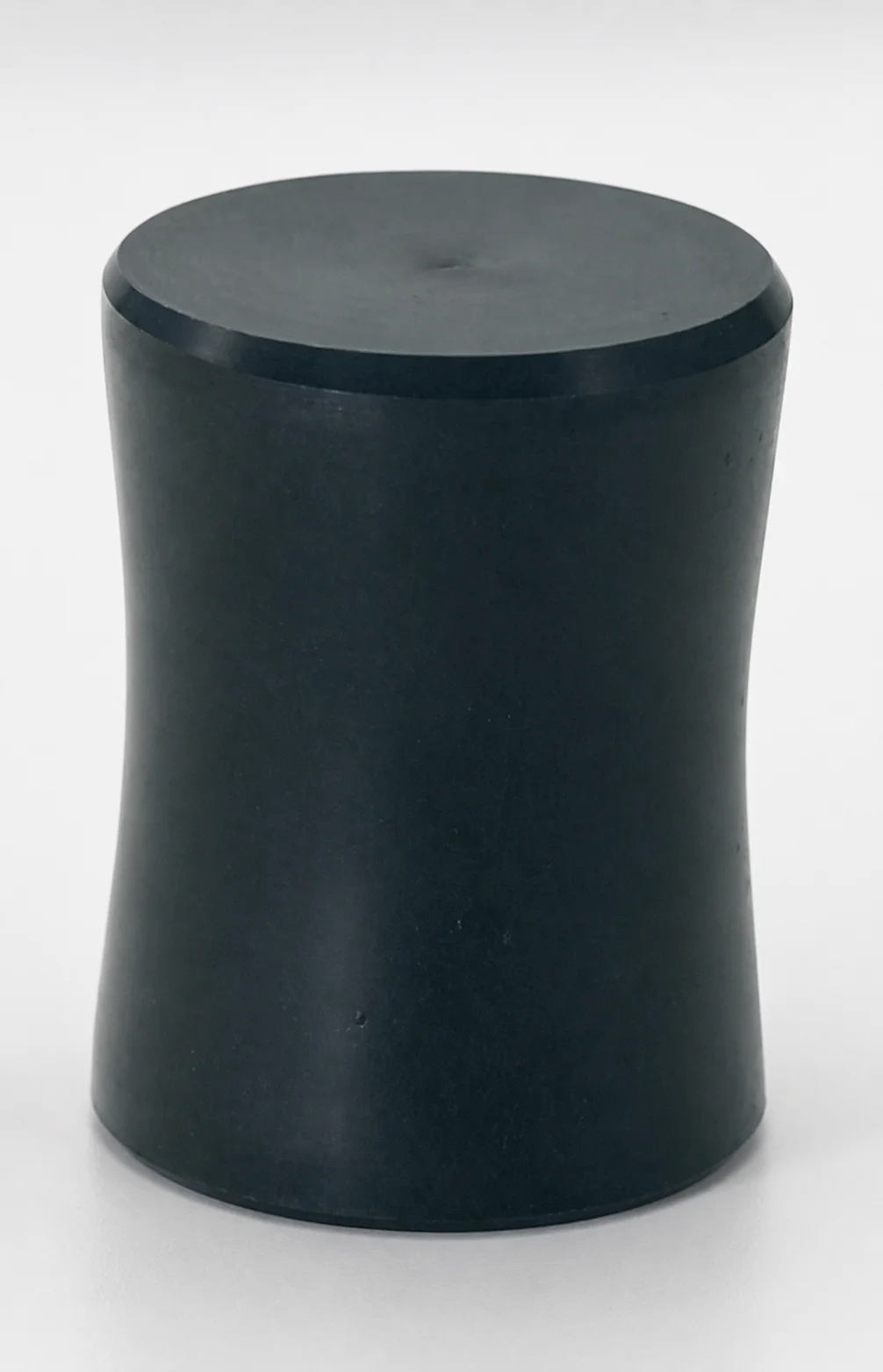
EX Series Heavy Duty Urethane Springs Pillar Hourglass
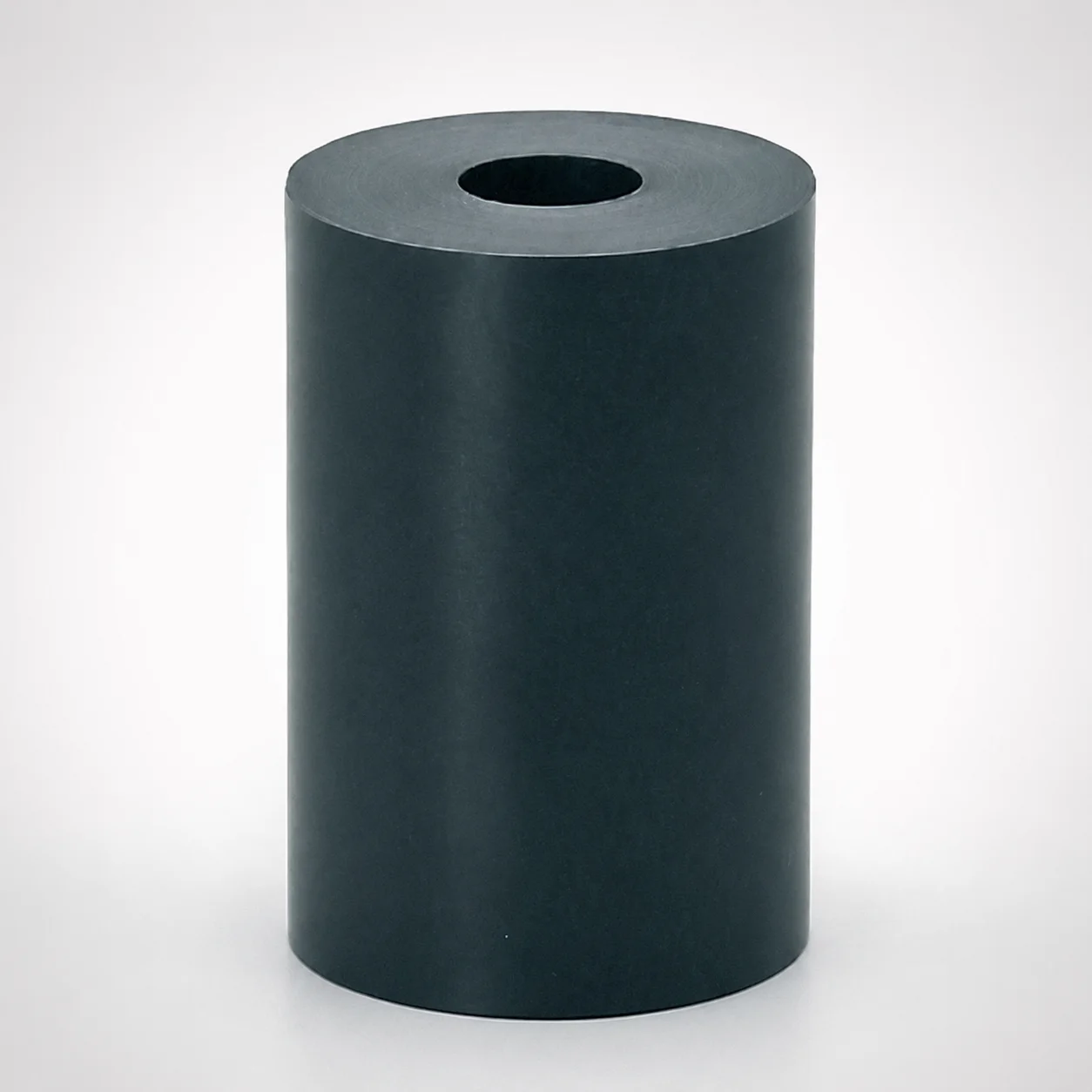
Heavy Duty Urethane Pillar Springs - A Series, Through Hole
E Series Heavy Duty Urethane Springs - Pillar Type Through Hole
EL Series Heavy Load Urethane Pillar Springs Through Hole
Heavy Load Urethane Pillar Springs Through Hole
Need Custom Specifications?
Our engineering team can help with custom configurations, material selection, and volume pricing.