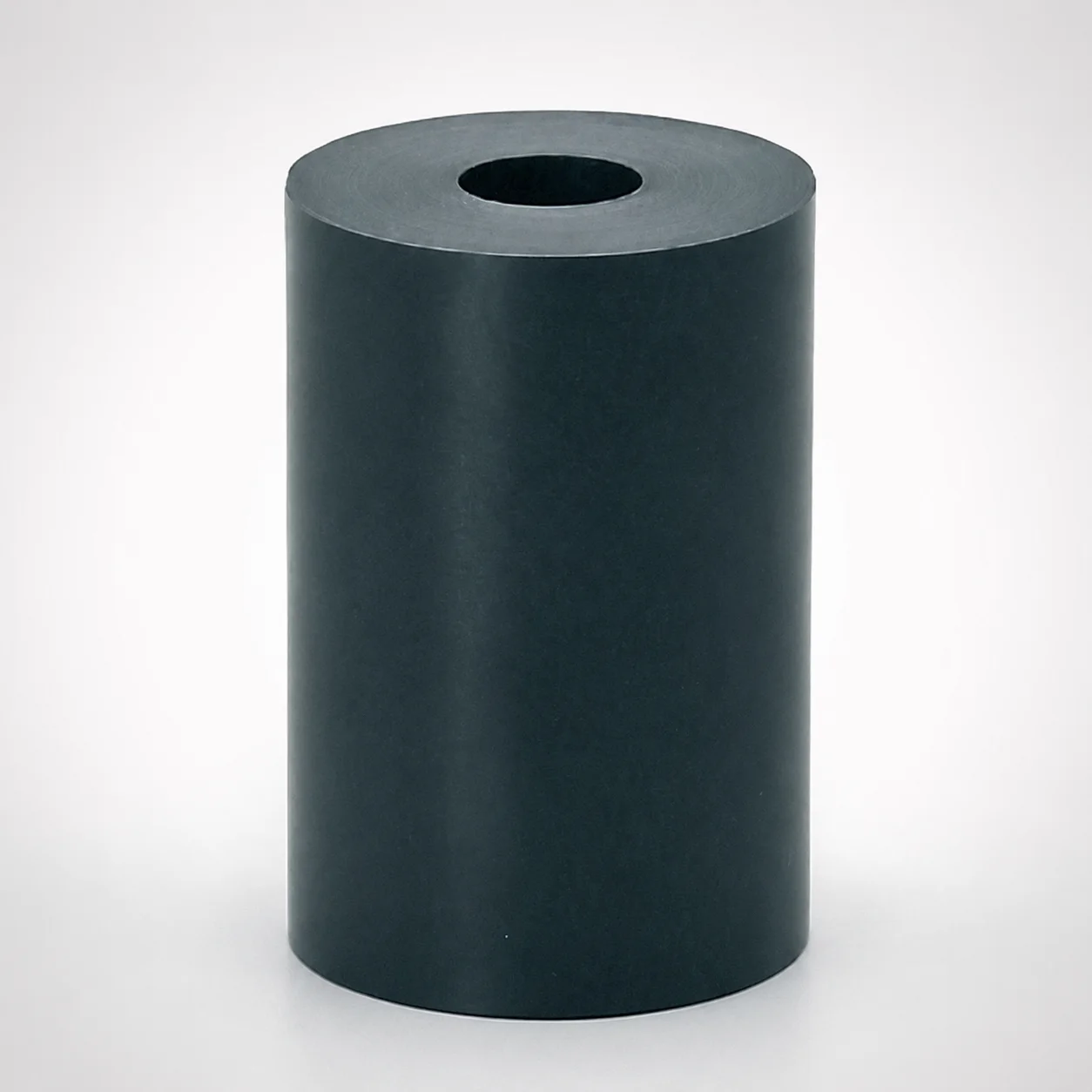
Heavy Duty Urethane Pillar Springs - A Series, Through Hole
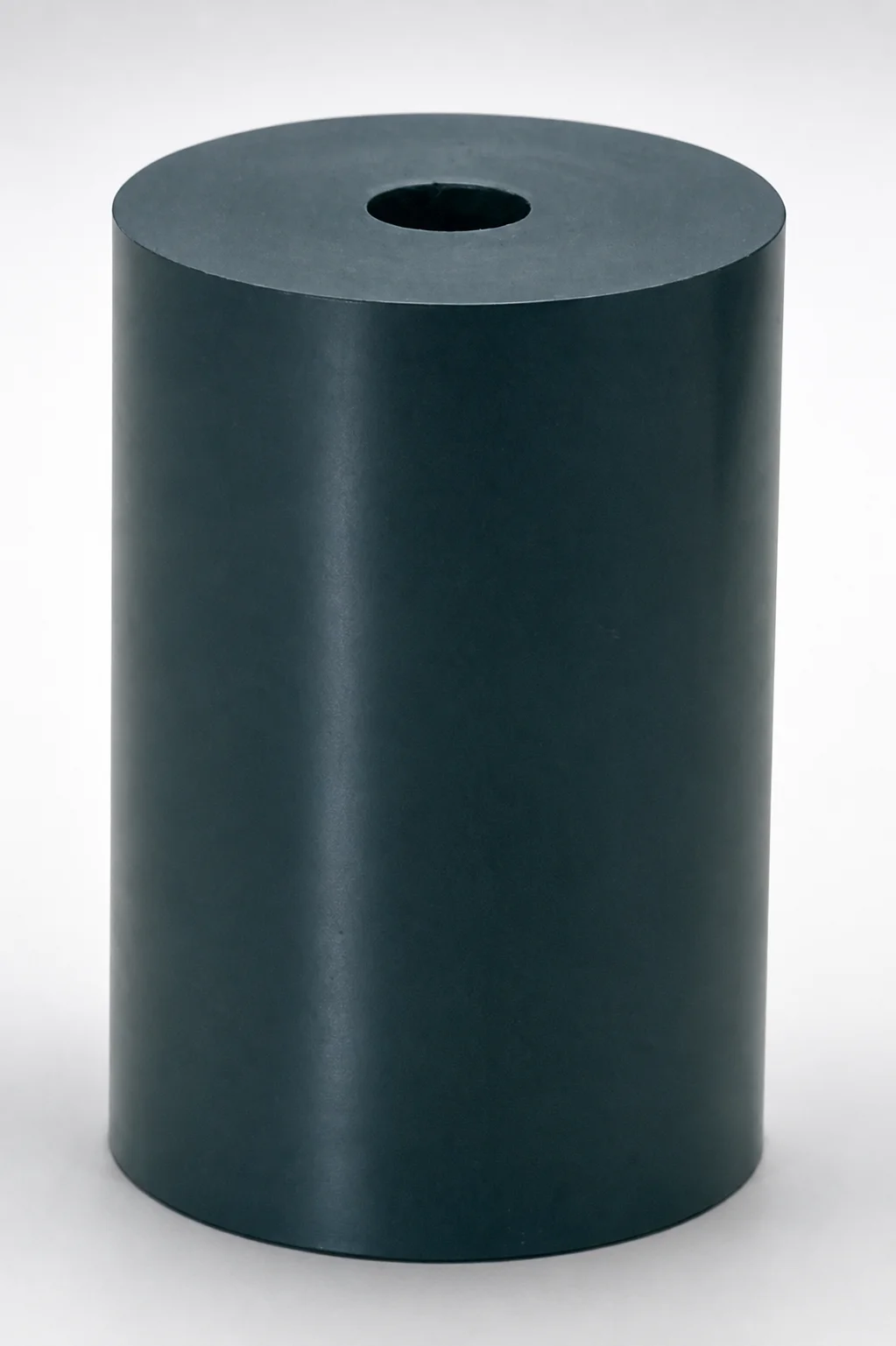
Heavy Duty urethane pillar springs (A Series) with a through hole are engineered for heavy loads, using Shore A90 urethane and providing up to 25% max elongation for stable return under strain.
- Pillar spring through-hole shape supports direct placement and controlled compression in dies and fixtures
- Heavy-load urethanes with Shore A90 balance resilience and durability for frequent cycles
- Type A construction helps maintain consistent spring response across selected working ranges
- Built for industrial tooling applications requiring reliable cushioning and predictable deflection
Specifications
10 configurations available
| Maximum Load (N) | Length (L) (mm) | D (Outer diameter) (mm) | Additional inner diameter C1 chamfering | type |
|---|---|---|---|---|
| 981 | 25 ~ 40 | 15 | Yes | - |
| 1765 | 25 ~ 40 | 20 | Yes | - |
| 2648 | 25 ~ 50 | 25 | Yes | - |
| 3531 | 25 ~ 60 | 30 | Yes | - |
| 6276 | 40 ~ 60 | 40 | Yes | - |
| 10787 | 50 ~ 80 | 50 | Yes | - |
| 17652 | 50 ~ 80 | 60 | Yes | - |
| 29420 | 60 ~ 100 | 80 | Yes | - |
| 49720 | 120 | 100 | No | - |
| 49720 | 80 ~ 120 | 100 | Yes | - |
Product Guide
Application Scenarios+
Through-hole urethane pillar springs are used in injection mold tooling wherever the return action must remain stable under repeated press cycles and elevated loads. They are commonly specified for automotive connector and sensor housing molds, where lifters, stripper areas, or guide fixtures benefit from controlled compression and predictable deflection—especially when parting forces fluctuate during ejection.
- Large-area cushioning: The through-hole design enables straightforward placement and alignment in die blocks for consistent load distribution.
- Heavy-load fixture return: A Shore A90 urethane grade supports frequent cycling while limiting dimensional drift through controlled elasticity.
- High-deflection scenarios: With up to 25% maximum elongation during use, these springs help maintain reliable return in long-stroke compression regions.
For designs requiring industrially robust cushioning rather than metal spring rebound, this A-series variant is suited to predictable deflection and repeatable performance within the specified load and size ranges.
Material & Process Details+
This heavy-duty pillar spring uses urethane with Shore A90 hardness, selected to balance resilience and durability for high cyclic loading in tooling. Urethane elastomers are manufactured to maintain consistent mechanical response across working ranges, providing stable compression set behavior for repeated mold movements.
- Hardness / mechanical trade-off: Shore A90 offers higher load capacity than softer urethane grades, at the expense of slightly reduced ultimate flexibility.
- Wear resistance vs. toughness: Increased hardness improves wear resistance under frequent contact and compression, while still retaining toughness through elastic deformation rather than brittle fracture.
- Heat treatment: As an elastomer, it is not hardened via steel-style quench & temper or nitriding; dimensional stability is achieved through polymer manufacturing and curing rather than metal heat treatment.
If you need different deflection behavior, consider alternate urethane hardness grades (not provided in this dataset) to tune return force and allowable elongation.
Sizing & Selection Guide+
To select the correct heavy-duty urethane pillar spring, match the outer diameter (D), length (L), and resulting maximum load to your mold’s expected compression and safety margin. Available ranges for this A-series through-hole format are D = 15–100 mm and L = 25–120 mm.
- Step 1: Choose diameter (D) to fit the die space and to provide the contact area your fixture requires.
- Step 2: Choose length (L) so the spring remains within its working compression region and maintains stable return throughout the cycle.
- Step 3: Verify load using the provided Maximum Load (N) = 981–49,720 N range, selecting a value that covers your maximum expected force with appropriate reserve.
- Step 4: Check inner chamfer option: the dataset indicates Additional inner diameter (C1) chamfering can be Yes/No; use the option that best supports your insertion geometry.
Tolerance details are not specified in the provided parameters; therefore, confirm your mounting hole size and clearance requirements with your supplier drawings for the chosen D and through-hole arrangement.
Frequently Asked Questions
How do I select the correct maximum load for an injection mold ejector or stripper return mechanism?+
What dimension ranges are available for the through-hole urethane pillar spring (D and L)?+
Does the through-hole design affect mounting or alignment compared to a non-through-hole pillar spring?+
What does Shore A90 imply for heavy-duty mold applications and allowable deflection?+
How does the optional C1 inner chamfering (Yes/No) influence selection?+
Related Products
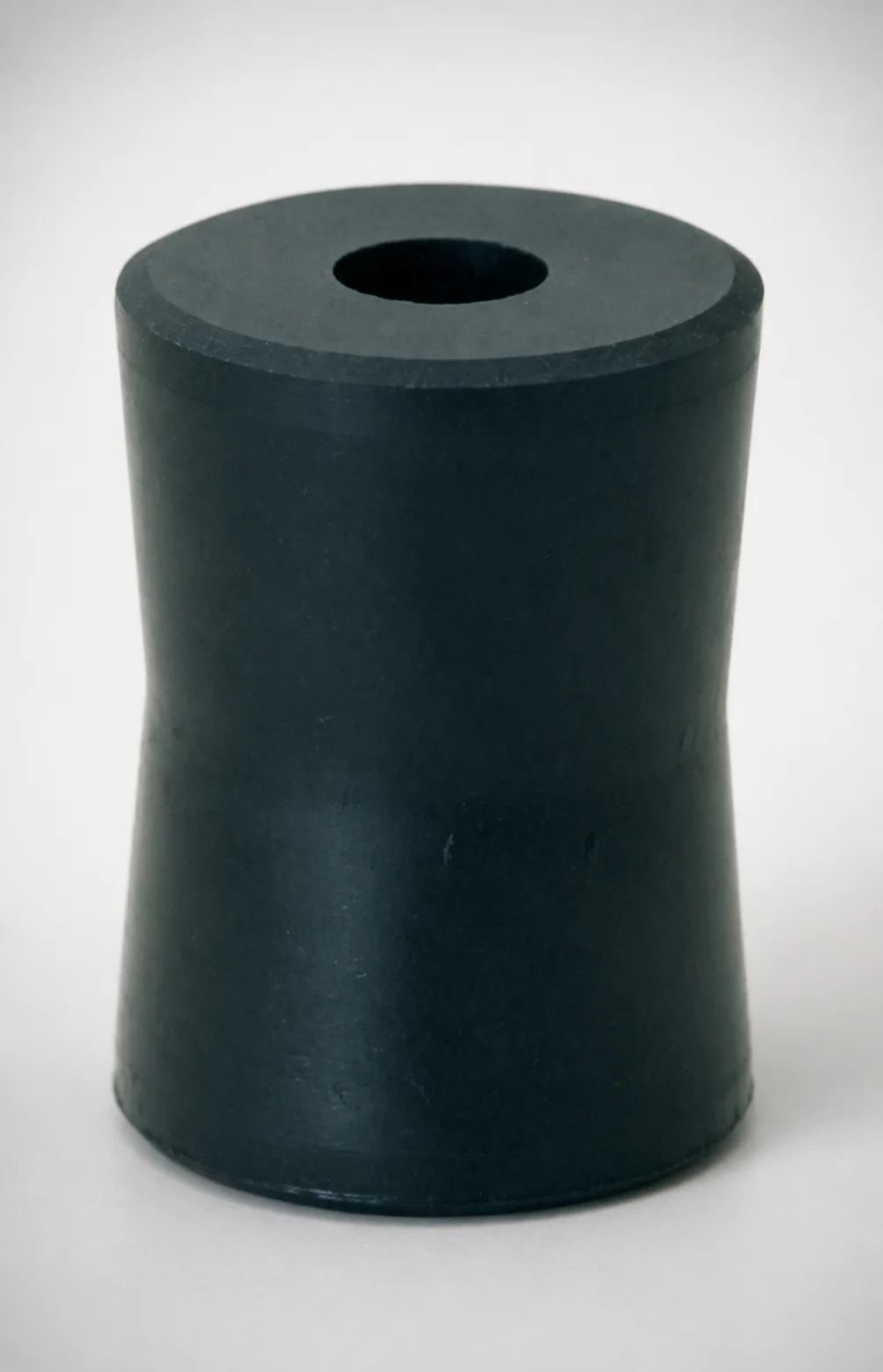
EX Series Heavy-Duty Urethane Pillar Springs (Through Hole)
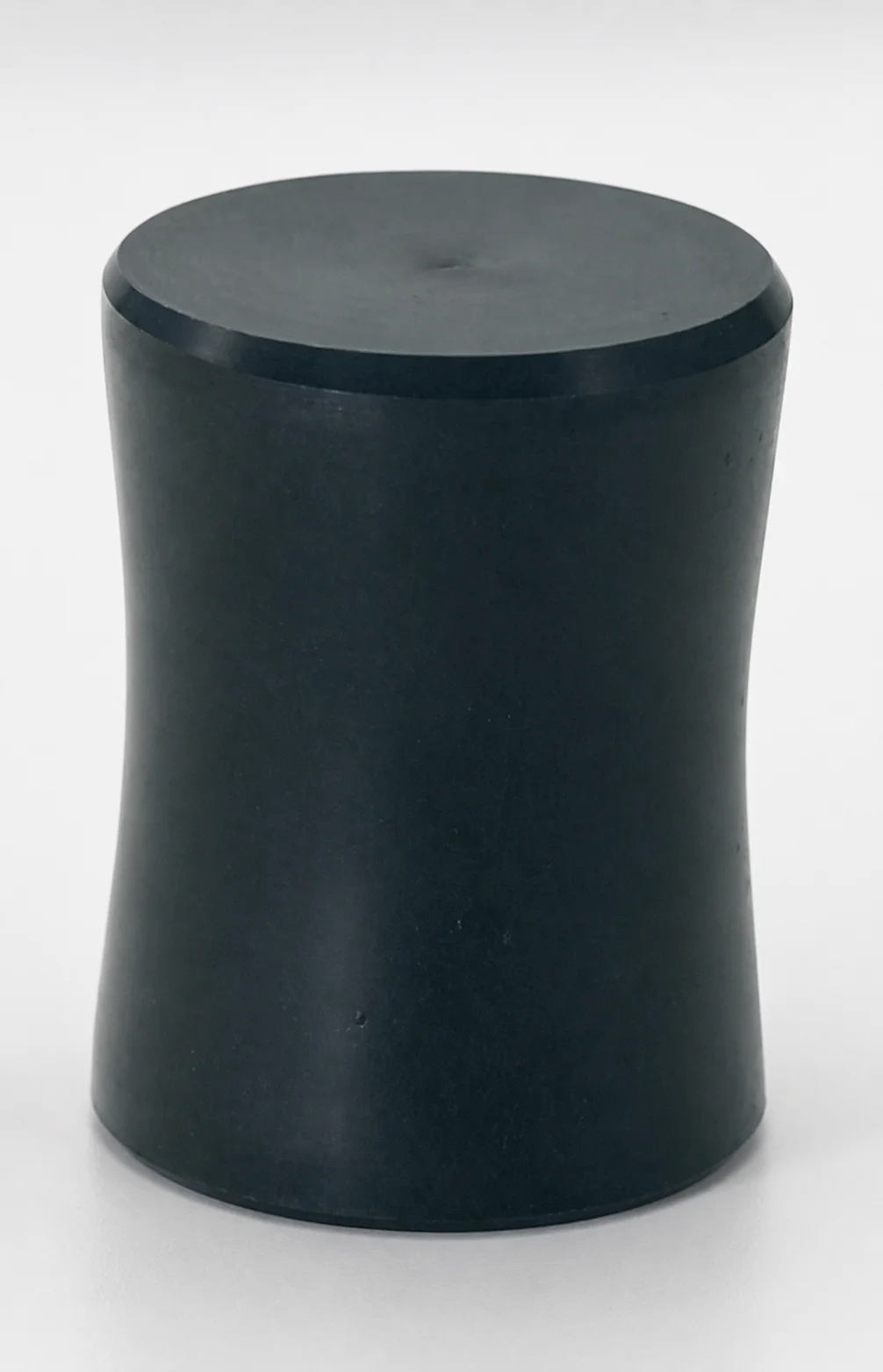
EX Series Heavy Duty Urethane Springs Pillar Hourglass
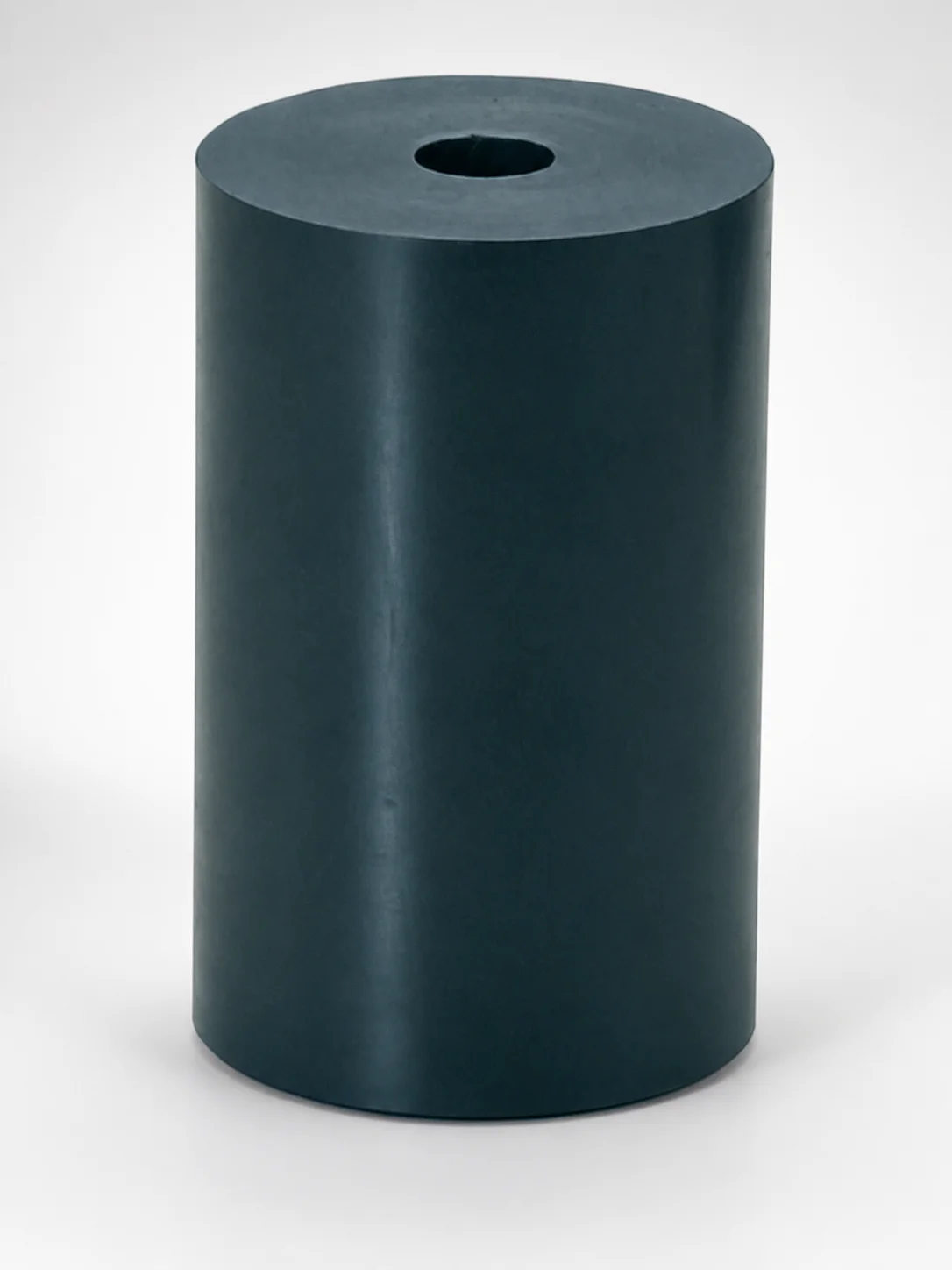
E Series Heavy Duty Urethane Springs - Pillar Type Through Hole
EL Series Heavy Load Urethane Pillar Springs Through Hole
Heavy Duty Urethane Springs Pillar Shape
Heavy Load Urethane Pillar Springs Through Hole
Need Custom Specifications?
Our engineering team can help with custom configurations, material selection, and volume pricing.