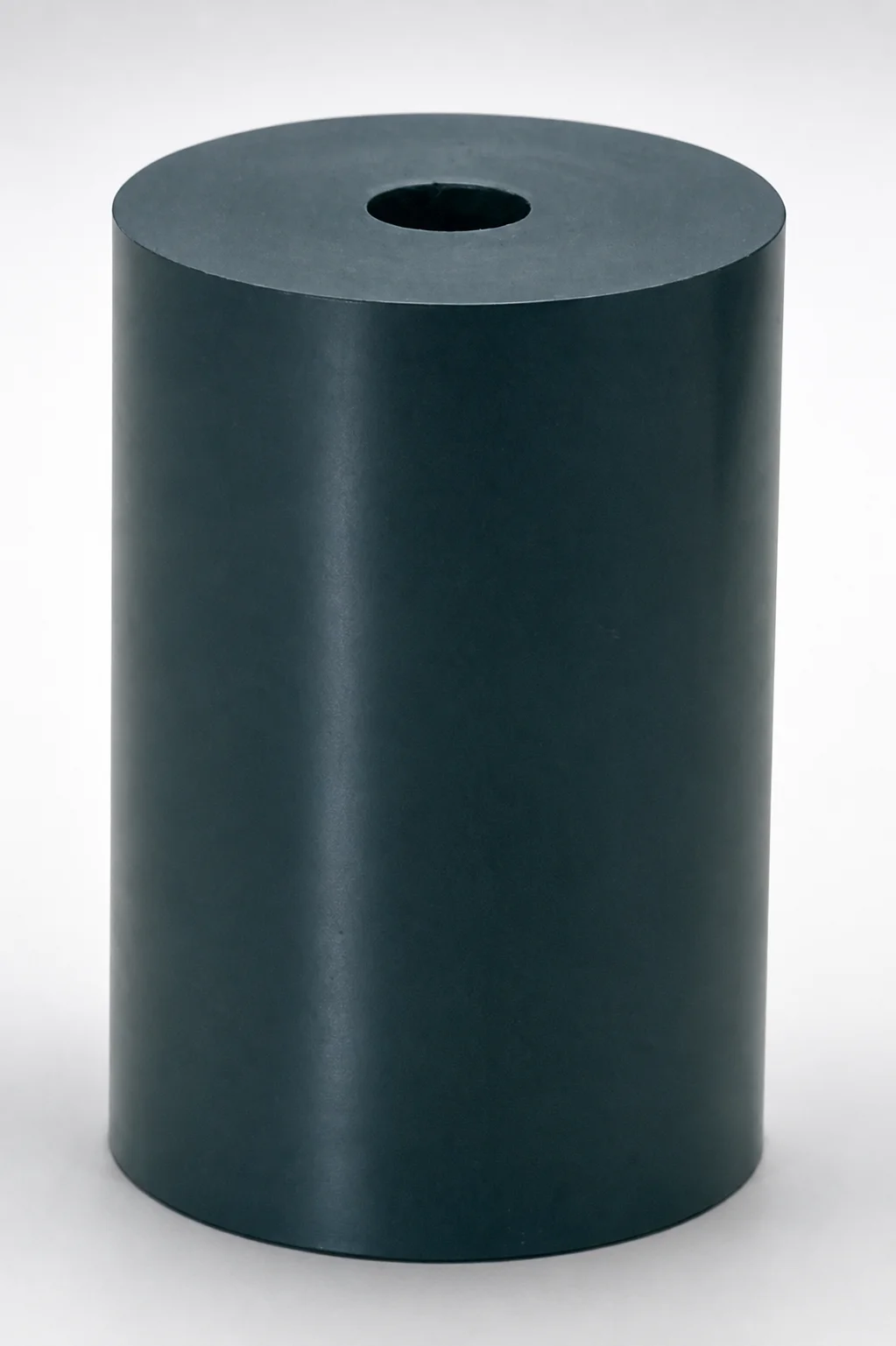
EL Series Heavy Load Urethane Pillar Springs Through Hole
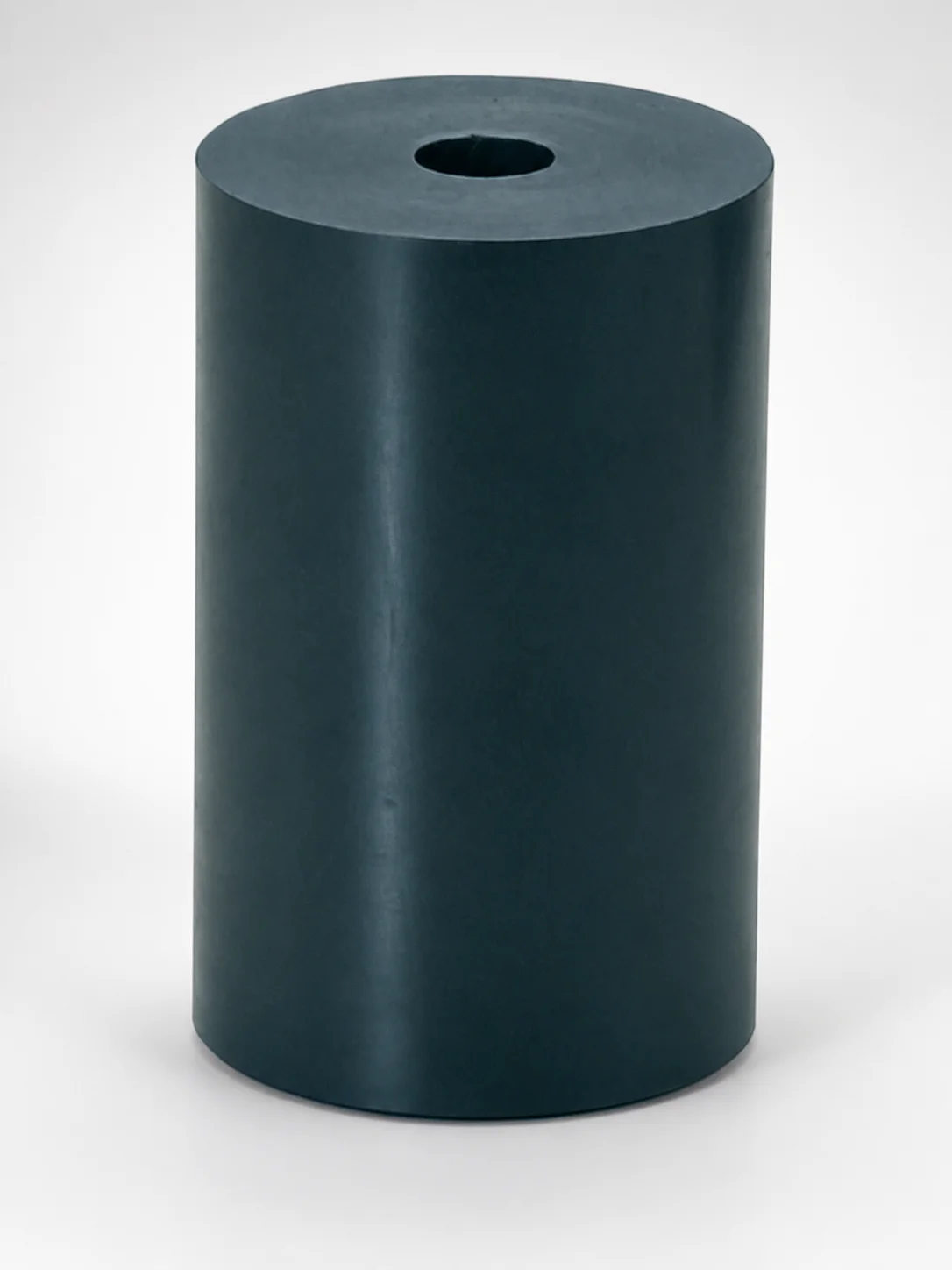
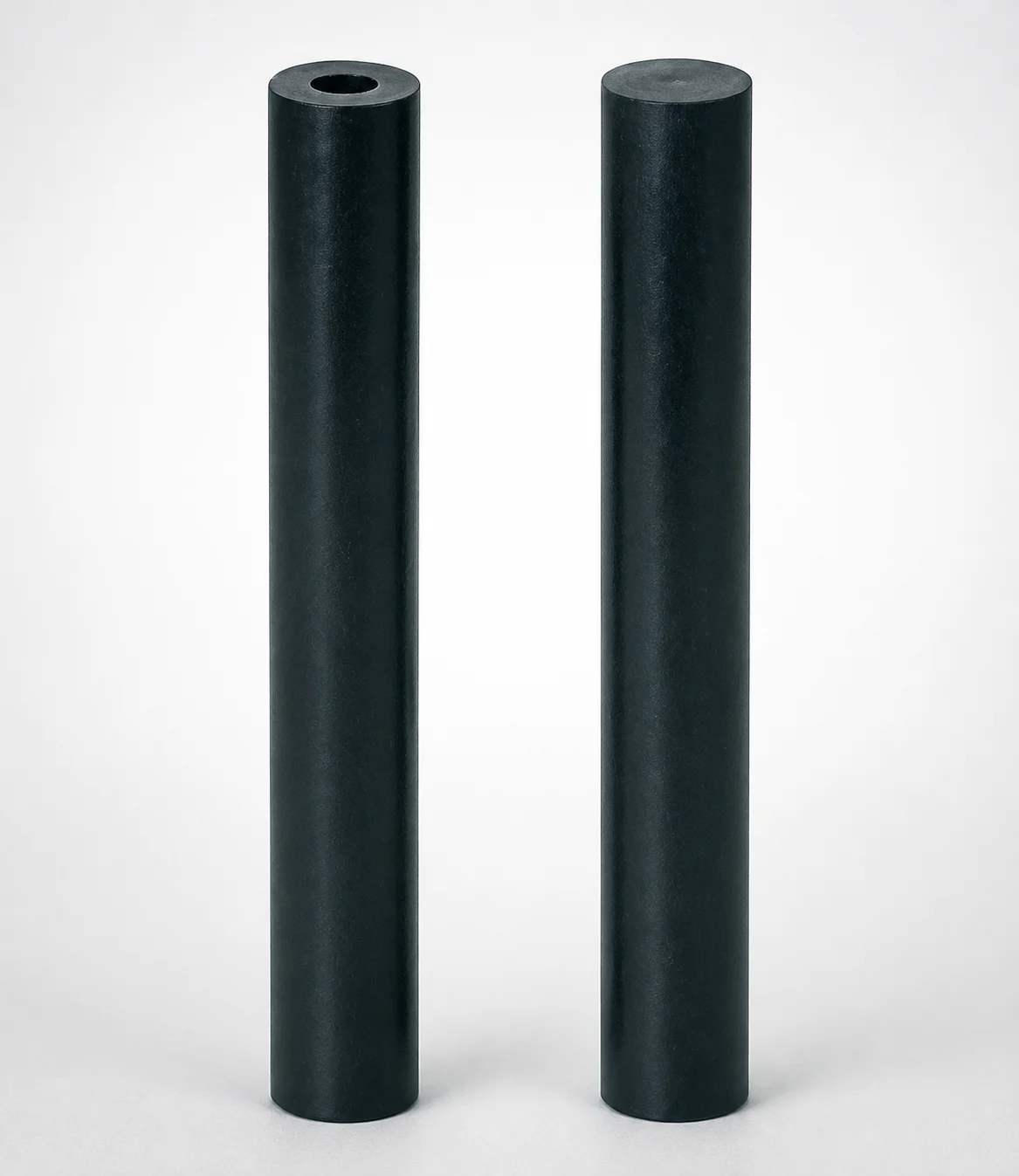
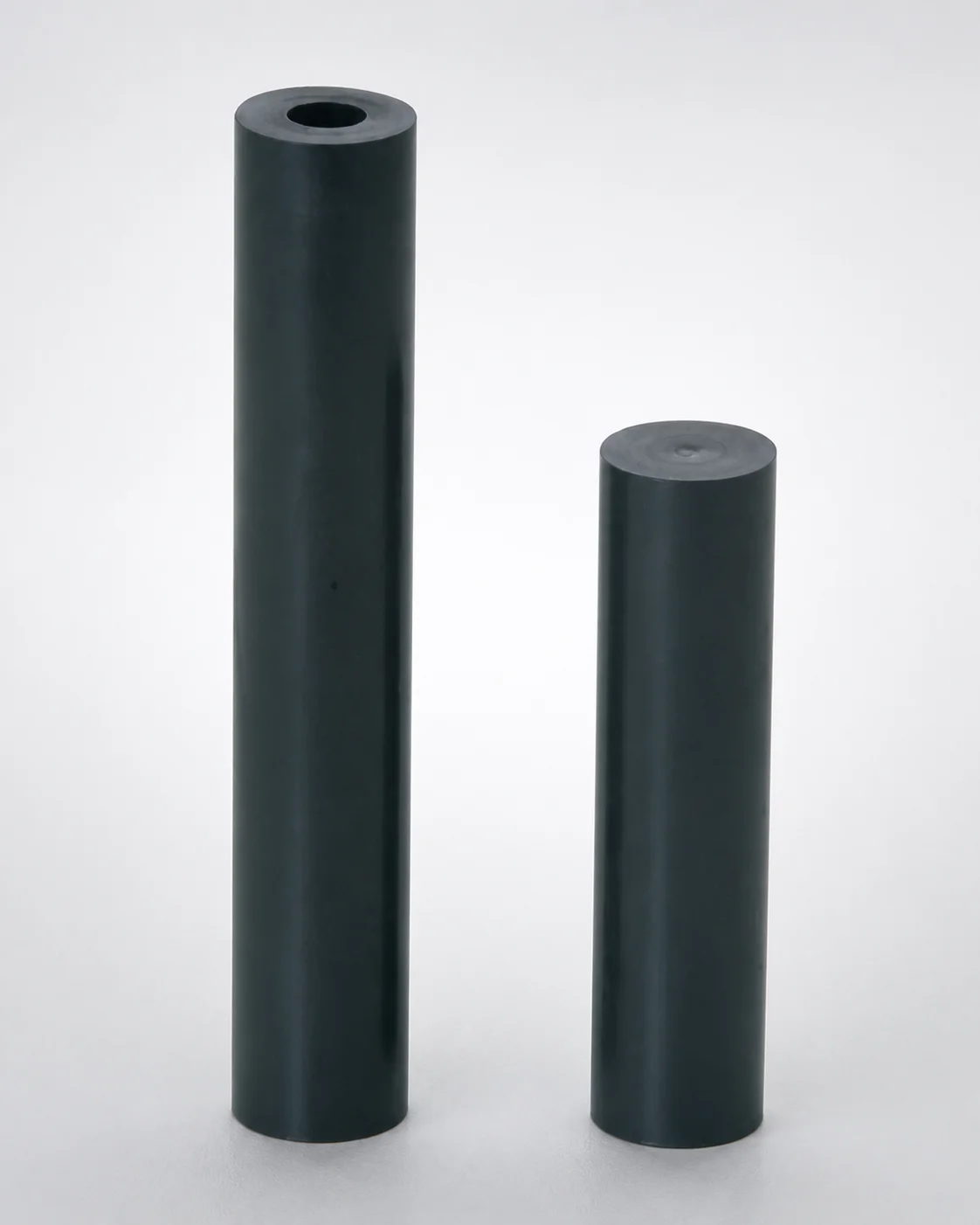
Heavy load urethane pillar springs (EL series) use shore A90 urethanes for high loading performance in tooling and forming equipment. The through-hole pillar shape simplifies installation and alignment under demanding cycles.
- Pillar shape with through-hole design supports stable mounting
- Heavy-duty urethane compound, Shore A90 for load capacity
- Type EL configuration provides consistent spring characteristics
- Used in die, press, and industrial fixtures requiring controlled force
Specifications
6 configurations available
| Length (L) (mm) | D (Outer diameter) (mm) | d (Inner diameter) (mm) | type |
|---|---|---|---|
| 15 ~ 200 | 40 | 14 | - |
| 15 ~ 200 | 50 | 14 | - |
| 15 ~ 200 | 70 | 14 ~ 22 | - |
| 15 ~ 200 | 90 | 14 ~ 22 | - |
| 50 ~ 250 | 100 | 22 | - |
| 50 ~ 250 | 110 | 22 | - |
Product Guide
Application Scenarios+
These heavy-load urethane pillar springs are designed for through-hole mounting in injection mold tooling where a reliable, controlled return force is needed. The EL configuration helps maintain consistent spring characteristics across the stroke, which is valuable when parts experience repeated loading during production.
- Automotive and appliance component molding: use the through-hole pillars in die areas or auxiliary tooling to drive and return slides, lifters, or ejector accessories. The Shore A90 urethane supports dependable return under demanding cycle counts.
- Industrial forming and press fixtures: integrate the pillars as force-controlled rebound elements for fixture hold-downs and post-operation reset. The stable through-hole geometry improves alignment during repeated actuation.
- General high-duty molding auxiliaries: suitable for tooling systems requiring load-capable elastic recovery rather than metal spring return.
Because the product uses Shore A90 urethane and a through-hole pillar design, it is well-suited for applications that require predictable force with straightforward installation.
Material & Process Details+
The EL series uses a Shore A90 urethane compound, engineered for high loading performance and dependable elastic return in tooling systems. Urethane materials provide favorable wear resistance against repeated contact and offer better vibration damping than many metal spring solutions.
- Hardness/behavior: Shore A90 indicates a relatively stiff elastomer, balancing higher load capacity with controlled deflection.
- Heat treatment: urethane pillar springs are typically supplied in their molded, functional state; they are not specified with conventional steel heat-treatment steps such as quenching/tempering or nitriding.
- Manufacturing process: the through-hole pillar body is formed as a molded urethane component to maintain geometry for alignment and force consistency.
Compared with steel springs, urethane shifts the performance emphasis toward return consistency, damping, and durable contact behavior rather than extreme elastic recoil at very high temperatures.
Sizing & Selection Guide+
Select the urethane pillar spring dimensions by matching your mold or fixture space envelope and the required load-return behavior. Use the provided options to choose the outer diameter (D) and inner diameter (d) that align with your mounting features.
- Length (L): choose from 15–200 mm or 50–250 mm depending on available stroke/stack-up space.
- Outer diameter (D): select 40, 50, 70, 90, 100, or 110 mm to fit the tooling recess and ensure adequate contact area.
- Inner diameter (d): select 14, 14–22 mm, or 22 mm to clear the through-bolt or locating post while maintaining structural integrity.
For through-hole assemblies, confirm the through-hole alignment in your plate/base and maintain proper clearance for installation. Because this is a molded urethane component, verify that the chosen L and D do not interfere with adjacent moving parts through the full cycle.
Frequently Asked Questions
Which dimensions should I verify first when integrating EL series through-hole urethane pillars into a mold base?+
Start with L (length) from 15–200 mm or 50–250 mm to match your stack-up and stroke clearance. Then confirm the outer diameter D (40, 50, 70, 90, 100, 110 mm) fits the recess or mounting envelope. Finally, verify the inner diameter d options (14, 14–22, or 22 mm) provide the required clearance for the through-bolt or locating post.
How does Shore A90 urethane performance affect return force in tooling compared with metal springs?+
This EL series uses Shore A90 urethane, which is intended for heavy-load applications with reliable elastic return. Urethane typically provides better damping characteristics than many steel spring setups, helping stabilize motion during repeated cycles. The trade-off is that urethane is generally selected for controlled return behavior rather than maximum recoil at extreme stiffness.
What mounting advantage does the through-hole pillar design provide for repeated mold cycling?+
The through-hole pillar shape simplifies installation and supports stable mounting and alignment under demanding cycles. By using the correct d (14, 14–22, or 22 mm) with your through-bolt/post, the component maintains consistent positioning relative to the tooling base. This reduces the risk of shift that can affect return timing and force consistency.
I need a longer elastic element—how do I choose between the two length ranges listed for EL series pillars?+
The product lists two length (L) ranges: 15–200 mm and 50–250 mm. Select the range that covers your required free length while ensuring there is no interference at the end of the cycle. Also check that the selected D and d maintain correct clearance around the through-hole mounting features throughout motion.
Are there heat-treatment steps like quenching/tempering or nitriding for the EL series urethane pillars?+
The input specifications describe the EL series as urethane components based on Shore A90 hardness, without specifying steel heat-treatment processes such as quenching/tempering or nitriding. As a molded urethane pillar spring, it is selected primarily for its elastomer hardness and molded geometry for force consistency and installation alignment.
Related Products
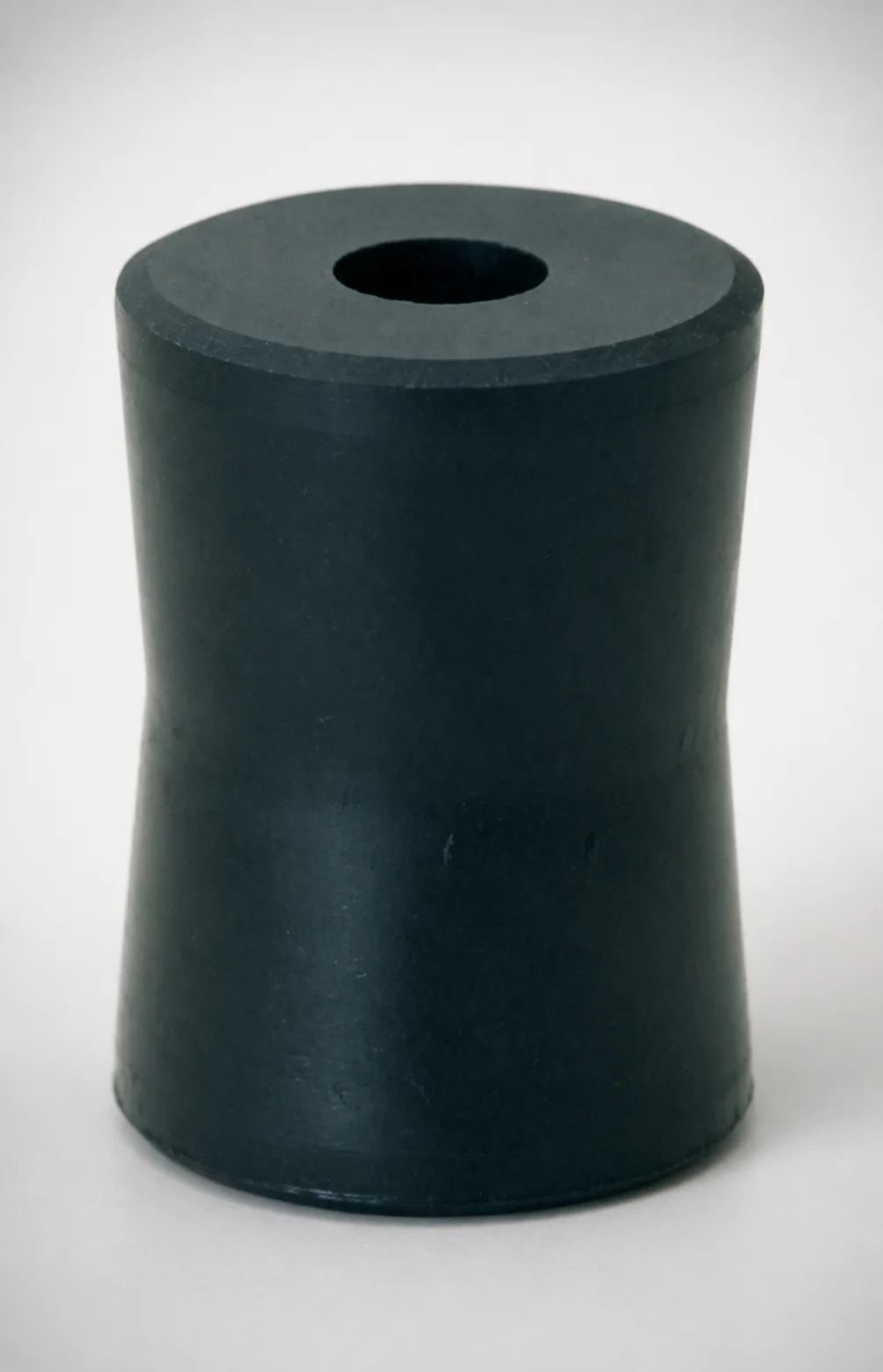
EX Series Heavy-Duty Urethane Pillar Springs (Through Hole)
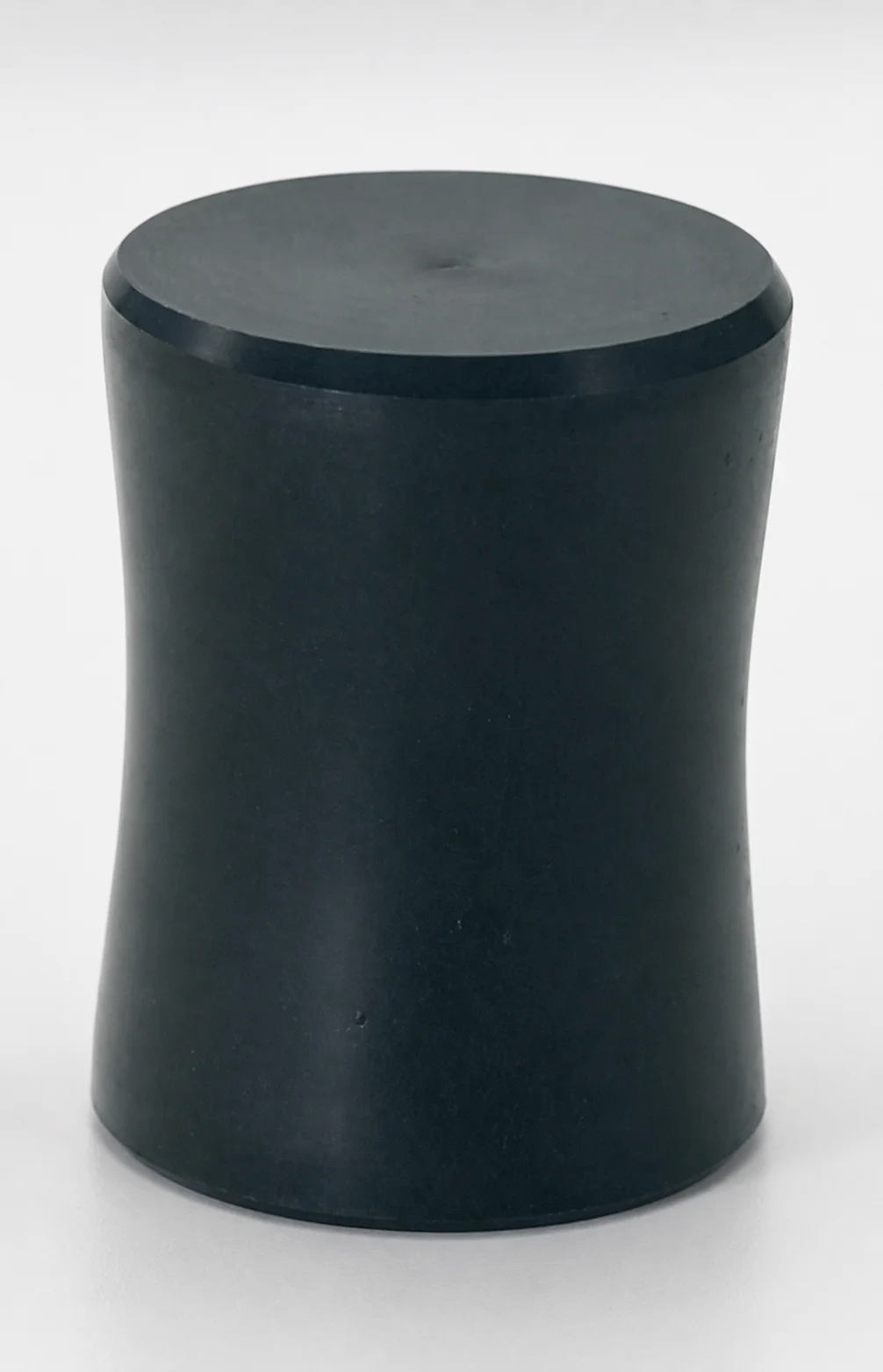
EX Series Heavy Duty Urethane Springs Pillar Hourglass
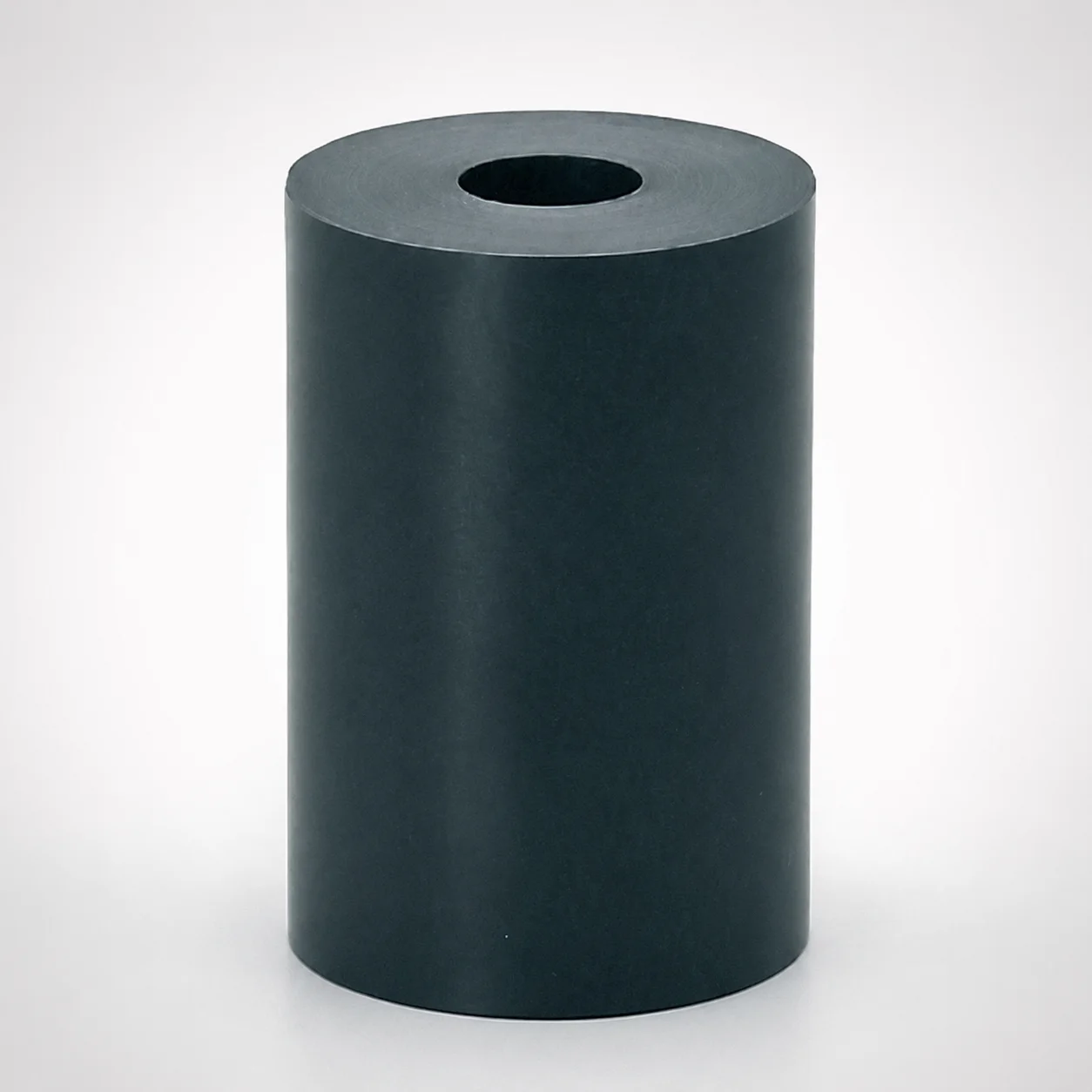
Heavy Duty Urethane Pillar Springs - A Series, Through Hole
E Series Heavy Duty Urethane Springs - Pillar Type Through Hole
Heavy Duty Urethane Springs Pillar Shape
Heavy Load Urethane Pillar Springs Through Hole
Need Custom Specifications?
Our engineering team can help with custom configurations, material selection, and volume pricing.