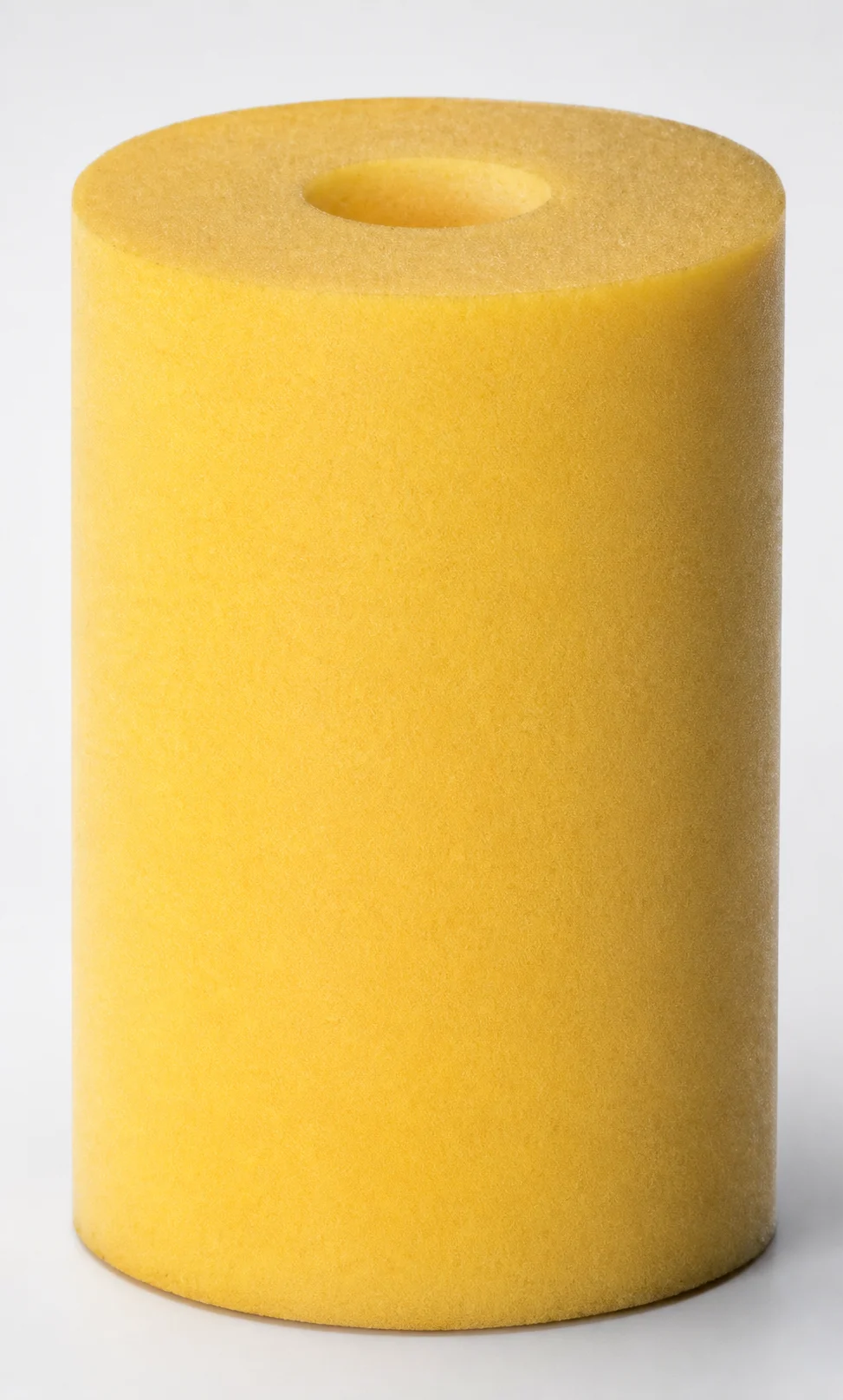
Porous Urethane Foam for High-Deflection PA Series
Porous Urethane Foam for High-Deflection PA Series is engineered as high-deflection urethane foam with a pillar form factor and a through hole. Its porous structure helps manage deformation for stable performance under varying loads.
- Pillar shape design with through hole for secure alignment in fixtures
- PA type high-deflection urethane supports controlled compression behavior
- Up to 40% max. elongation for reliable energy absorption during cycles
- Suitable for molded assemblies and damping support applications requiring consistent deflection
Specifications
25 configurations available
| Maximum Load (N) | Length (L) (mm) | D (Outer diameter) (mm) | type |
|---|---|---|---|
| 1471 | 30 | 30 | - |
| 1471 | 40 | 30 | - |
| 3040 | 40 | 40 | - |
| 3040 | 50 | 40 | - |
| 3040 | 60 | 40 | - |
| 5541 | 40 | 50 | - |
| 5541 | 50 | 50 | - |
| 5541 | 60 | 50 | - |
| 5541 | 80 | 50 | - |
| 7257 | 50 | 60 | - |
| 7257 | 60 | 60 | - |
| 7257 | 80 | 60 | - |
| 7257 | 100 | 60 | - |
| 13729 | 60 | 80 | - |
| 13729 | 80 | 80 | - |
| 13729 | 100 | 80 | - |
| 13729 | 130 | 80 | - |
| 21771 | 80 | 100 | - |
| 21771 | 100 | 100 | - |
| 21771 | 120 | 100 | - |
| 21771 | 160 | 100 | - |
| 30793 | 80 | 120 | - |
| 30793 | 100 | 120 | - |
| 30793 | 120 | 120 | - |
| 30793 | 160 | 120 | - |
Product Guide
Application Scenarios+
This porous, high-deflection urethane foam component is used in injection-molded assemblies where controlled compression and repeatable force are required. The pillar form factor with a through hole helps engineers locate and stabilize the spring element within a fixture, reducing misalignment during cycling.
- Automotive interior and vibration-damping stacks: When vibration levels vary, the porous structure manages deformation while maintaining predictable damping response. The high-deflection PA-type urethane supports stable compression under fluctuating loads.
- Consumer electronics protective/support modules: The through hole enables reliable positioning in housings or brackets so the spring returns to a consistent deflection profile after repeated impacts.
- Medical and precision equipment interfaces (non-critical where elastomer use is acceptable): The design supports energy absorption with up to 40% max. elongation, helping protect adjacent components during assembly and service loads.
For these scenarios, selecting the correct outer diameter and length ensures the desired maximum load range and deflection behavior.
Material & Process Details+
The component uses a high-deflection PA-type urethane foam, engineered for controlled compression and energy absorption. Its porous microstructure distributes stress and helps limit localized collapse, supporting repeatable force behavior across load cycles.
- Hardness / wear behavior: As a urethane foam spring element, it is optimized for flexibility and damping rather than metal-like wear resistance; wear is typically governed by compression fatigue and abrasion at contact points.
- Toughness trade-off: Higher deflection capability improves impact energy absorption, but it can reduce stiffness compared with denser elastomers under the same geometry.
- Heat treatment: No metal heat treatment (e.g., quench & temper, nitriding) is applicable because the product is a molded foam elastomer, not a steel mold part.
When comparing options within urethane spring families, prioritize foam density/structure (high-deflection behavior) rather than hardness-focused metal properties.
Sizing & Selection Guide+
Select foam geometry to match the spring envelope and the required force level. Use the provided ranges for outer diameter (D) of 30–120 mm and length (L) of 30–160 mm to fit the mold insert cavity/fixture space and to achieve the target compression performance.
- Match maximum load: Choose a D/L combination that falls within the specified maximum load (N) range of 1471–30793 N for your expected working load with appropriate safety margin.
- Plan for through-hole alignment: Since this variant includes a through hole, ensure your locating pin/bolt diameter and positioning in the molded assembly are compatible with the foam’s hole feature to prevent shear or off-axis compression.
- Tolerance and fit: Foam elements compress elastically, but tight alignment still matters—use clearance for assembly features to account for foam deformation during installation and cycling.
This product is sized by fixed dimensions (D and L) within the stated ranges; pick the nearest available size and then validate compression deflection against your assembly cycle conditions.
Frequently Asked Questions
How do I select the correct outer diameter (D) and length (L) to achieve a target maximum load within 1471–30793 N?+
Use the specified ranges of D = 30–120 mm and L = 30–160 mm to fit your available space while targeting the required maximum load. Because maximum load is geometry-dependent, adjust D and/or L together and confirm the chosen configuration sits within the 1471–30793 N range for your design condition.
What is the purpose of the pillar shape with through hole in this urethane foam spring?+
The pillar form factor improves axial stability in compression, while the through hole provides a reference for locating and aligning the foam in fixtures or assemblies. This helps reduce misalignment that can cause uneven compression and inconsistent deflection over repeated cycles.
Is the foam designed for controlled compression, and how does “high-deflection” affect performance?+
Yes. The PA-type high-deflection urethane foam is intended for controlled compression behavior, where the porous structure helps manage deformation under varying loads. High-deflection generally means greater allowable deflection/energy absorption compared with stiffer elastomer options, but you should validate stiffness for your mounting conditions.
What does “up to 40% max. elongation” mean for cycle life and installation?+
The stated up to 40% max. elongation indicates the foam can accommodate substantial deformation during operation while still supporting energy absorption. For reliable cycling, avoid operating near maximum elongation; instead, design around a lower working deflection and confirm durability for your load and environment.
Are there steel heat treatment considerations when integrating this foam into tooling or assembly designs?+
No metal heat treatment is applicable to the foam itself because it is a molded urethane elastomer component. When integrating into tooling/assemblies, focus on alignment and contact surfaces rather than quench & temper or nitriding processes used for steels.
Related Products
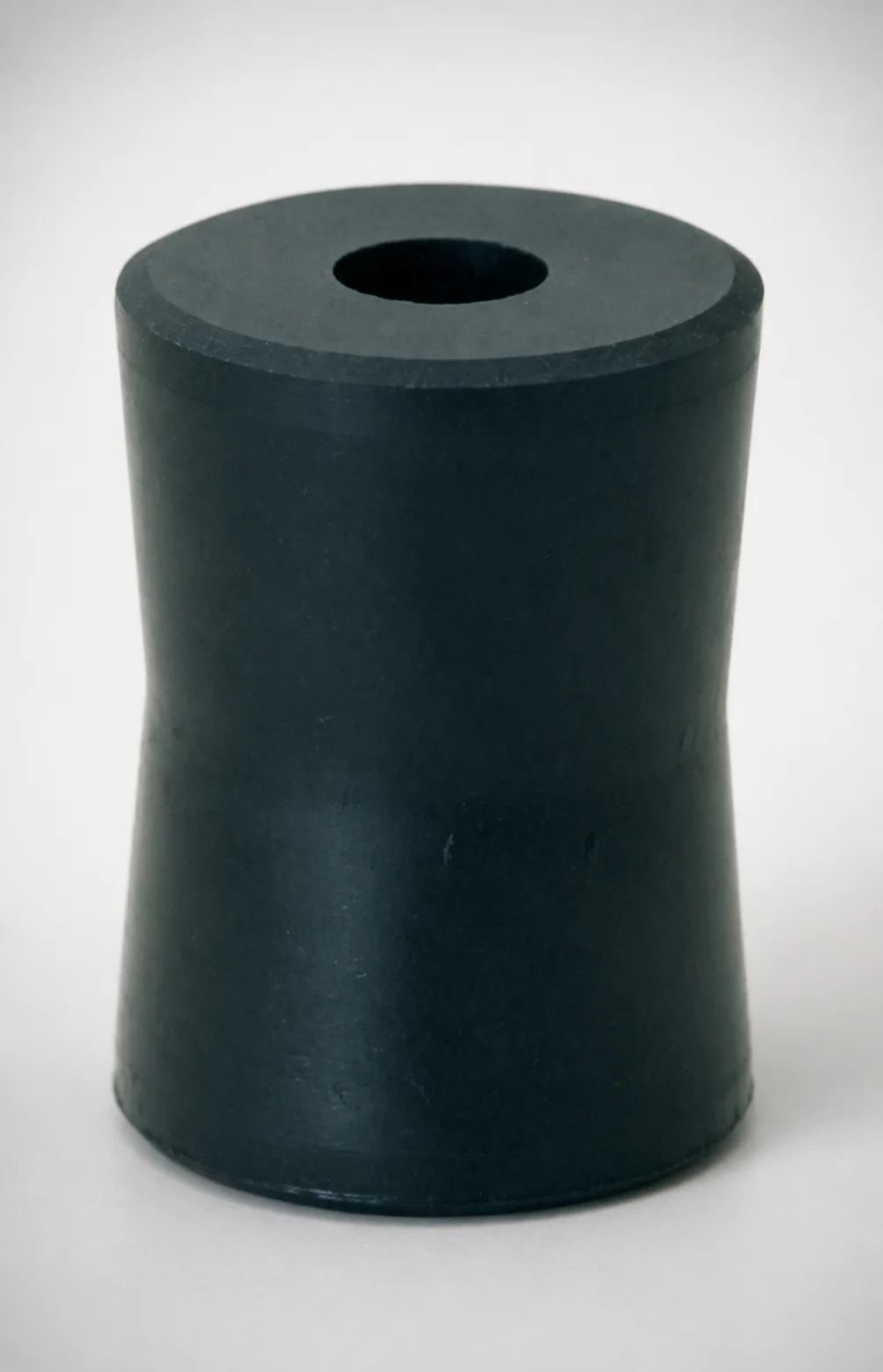
EX Series Heavy-Duty Urethane Pillar Springs (Through Hole)
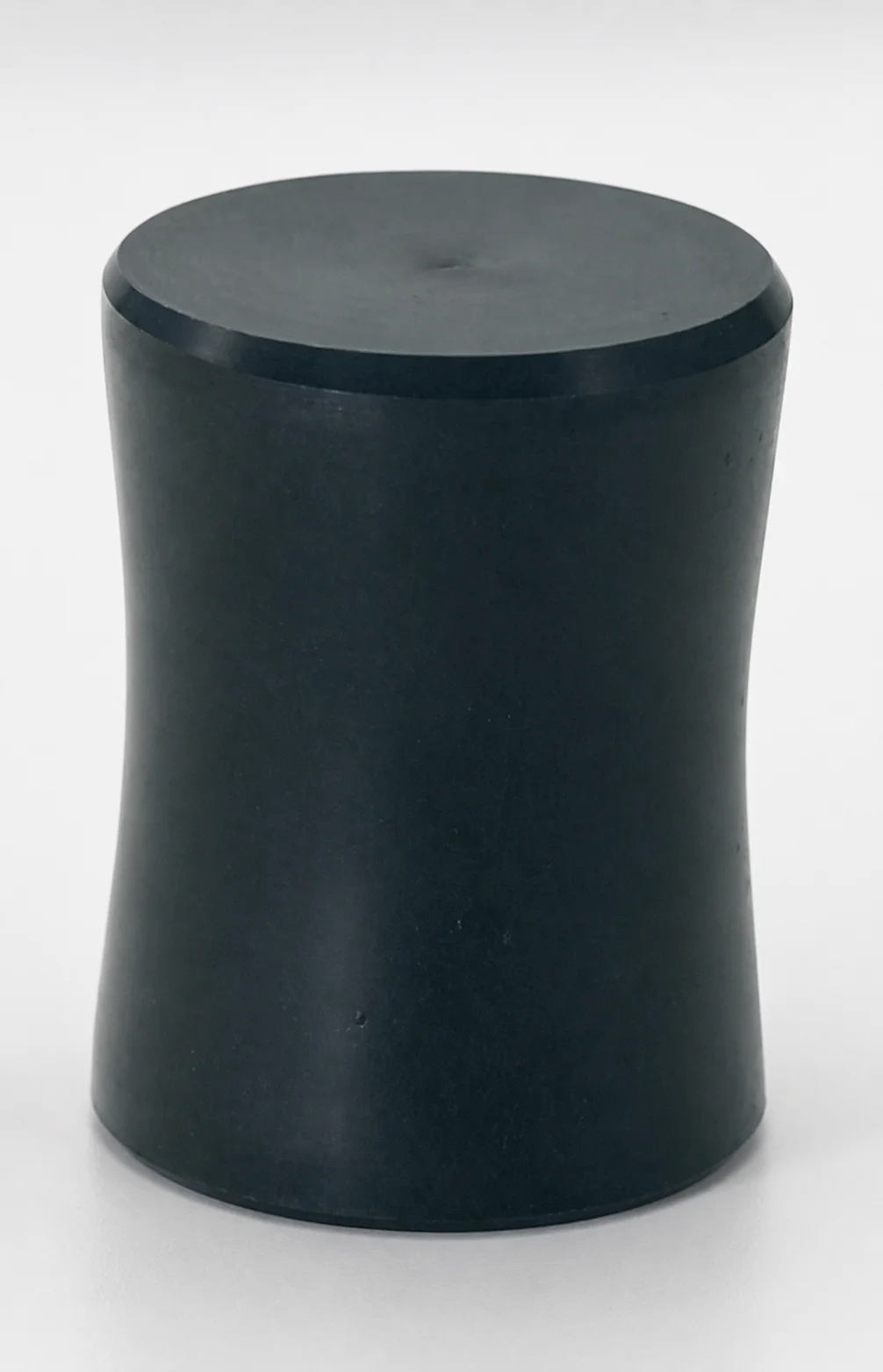
EX Series Heavy Duty Urethane Springs Pillar Hourglass
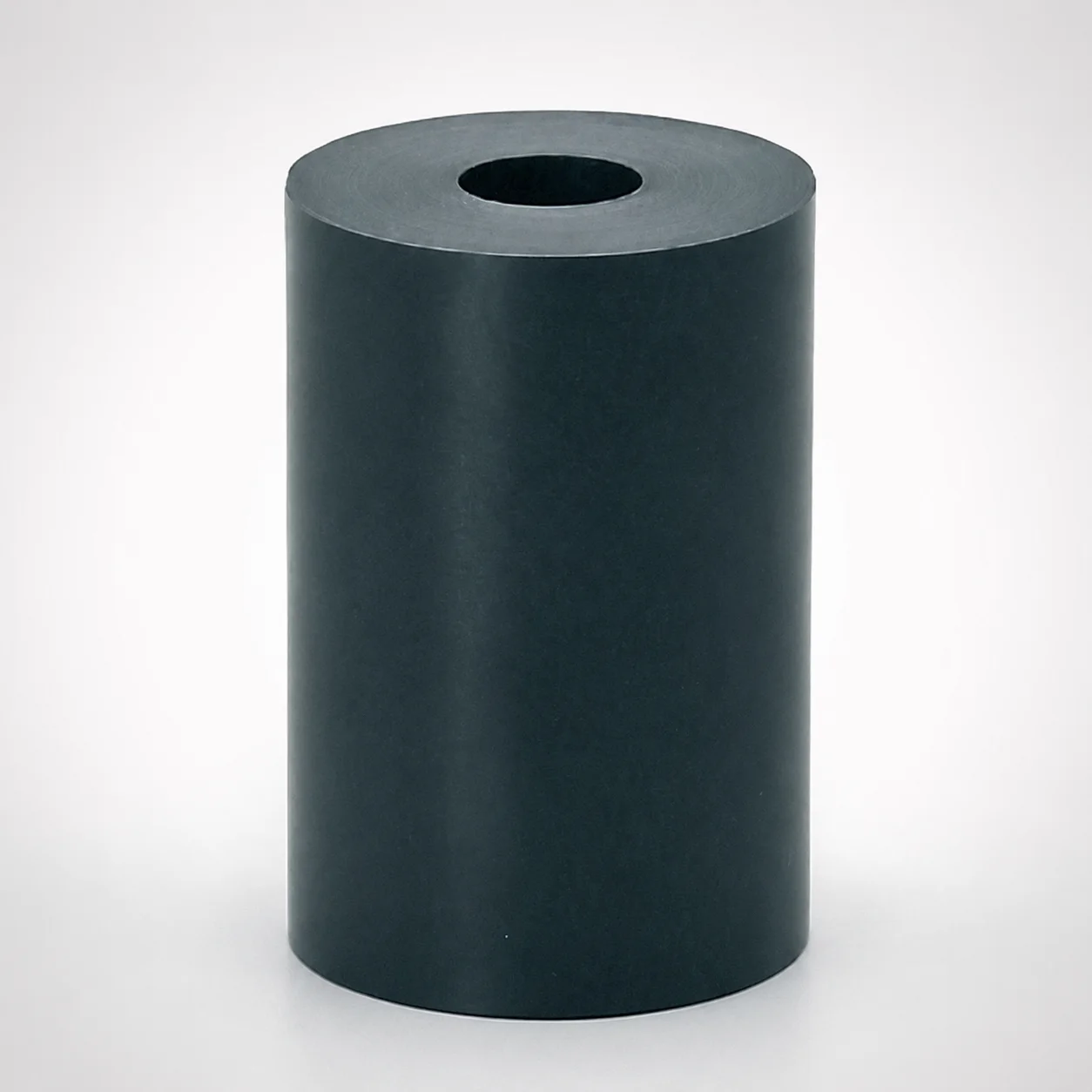
Heavy Duty Urethane Pillar Springs - A Series, Through Hole
E Series Heavy Duty Urethane Springs - Pillar Type Through Hole
EL Series Heavy Load Urethane Pillar Springs Through Hole
Heavy Duty Urethane Springs Pillar Shape
Need Custom Specifications?
Our engineering team can help with custom configurations, material selection, and volume pricing.