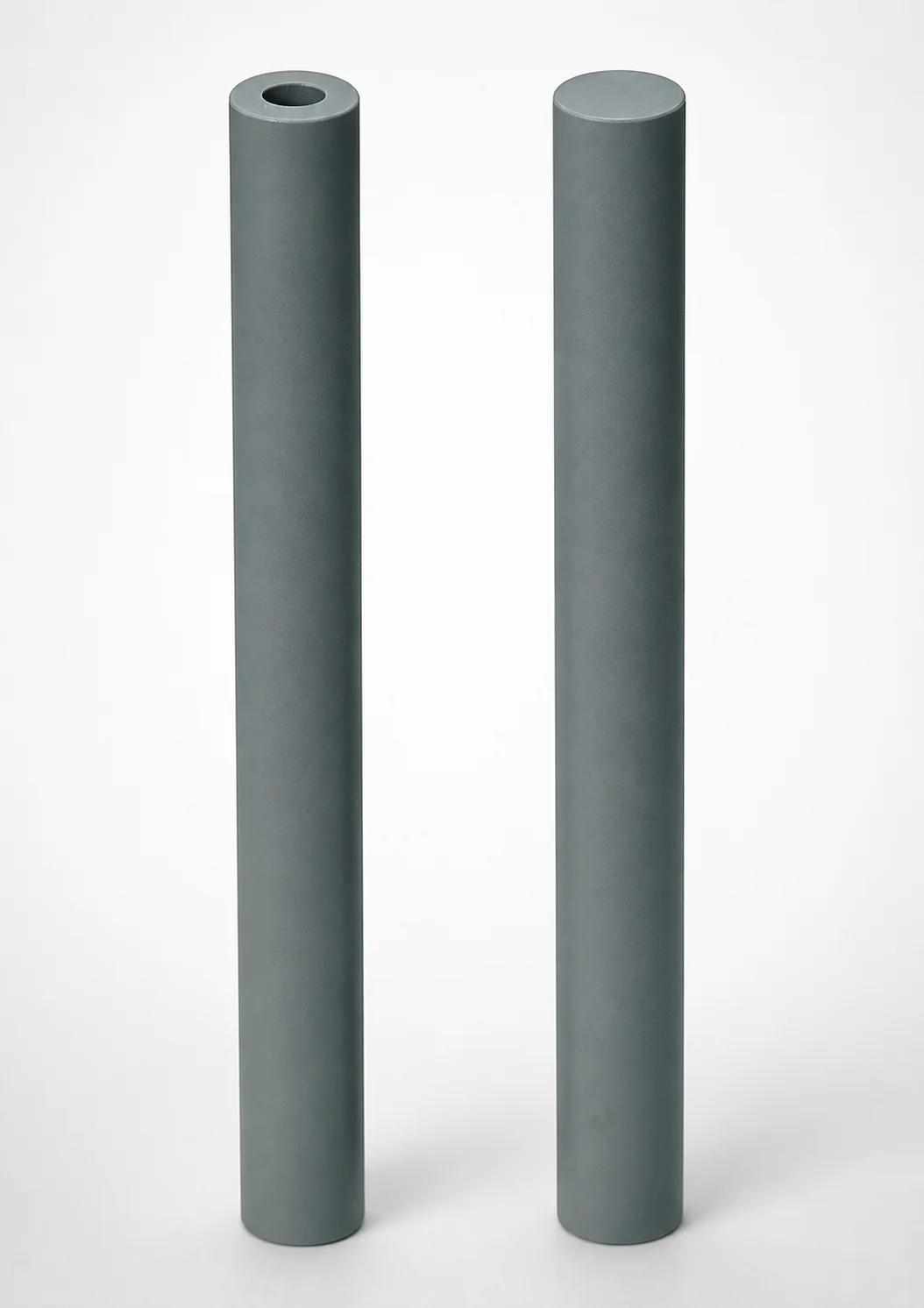
LAN Series Low Repulsion Urethane Pillar Springs
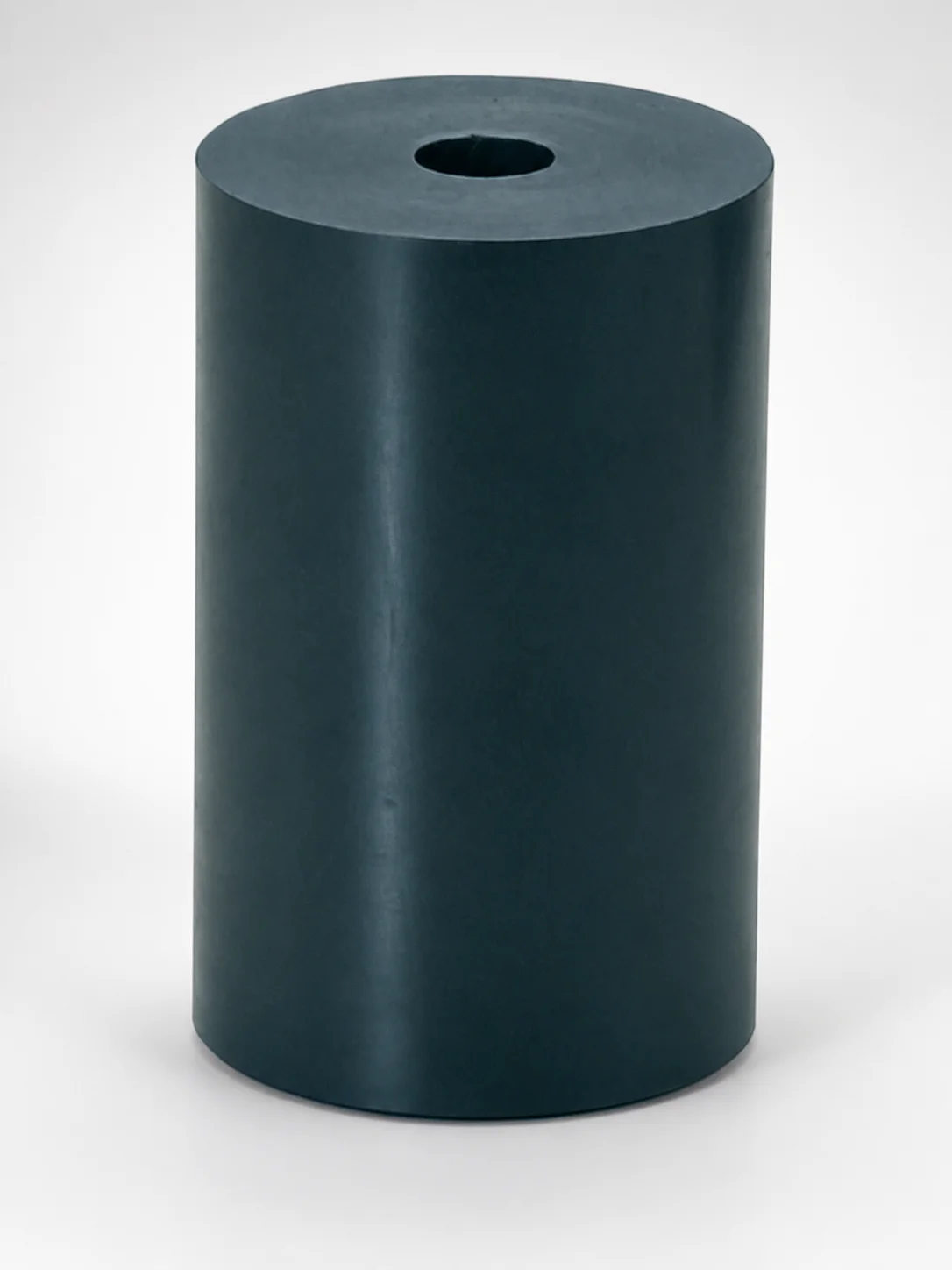
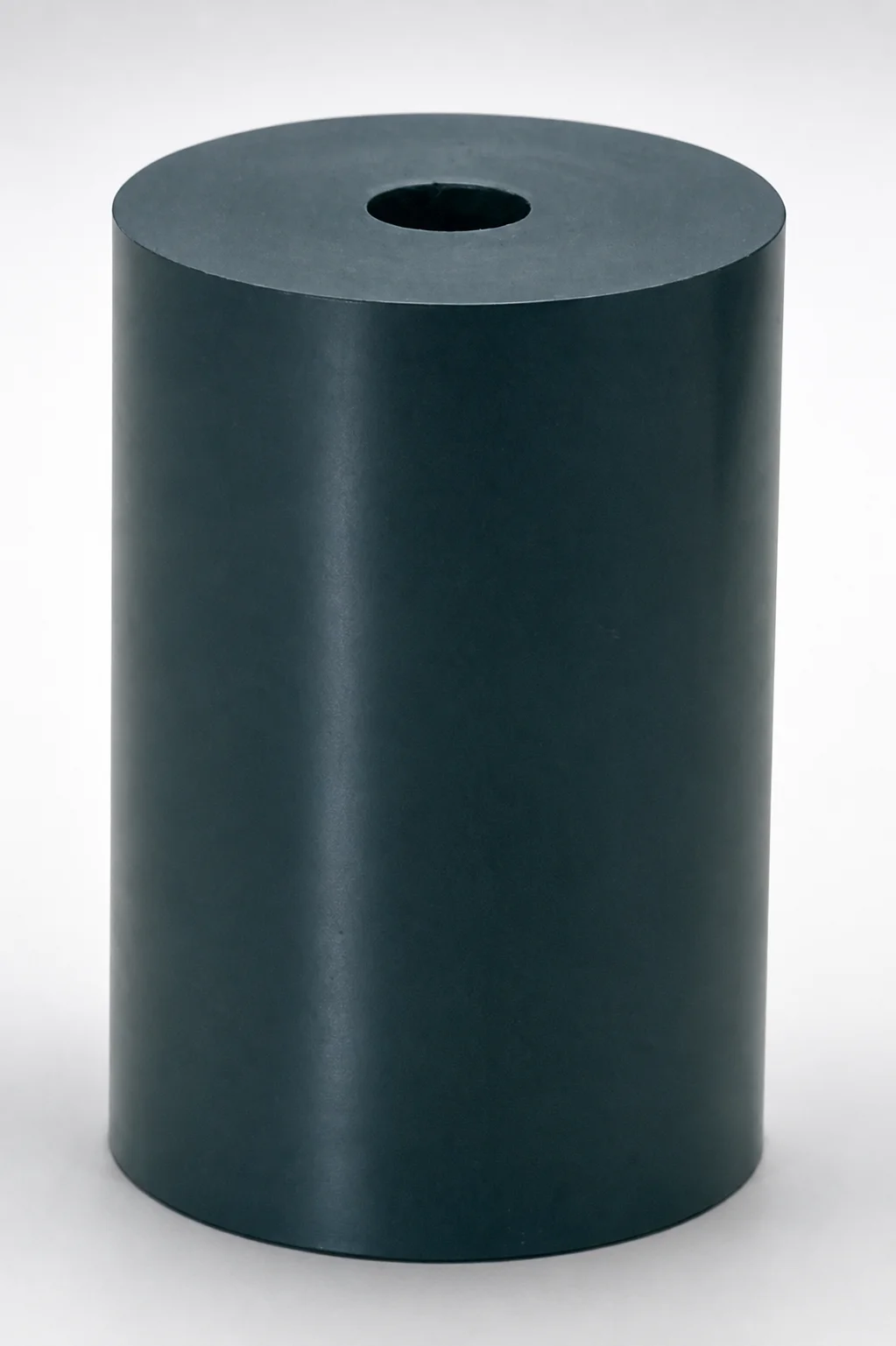
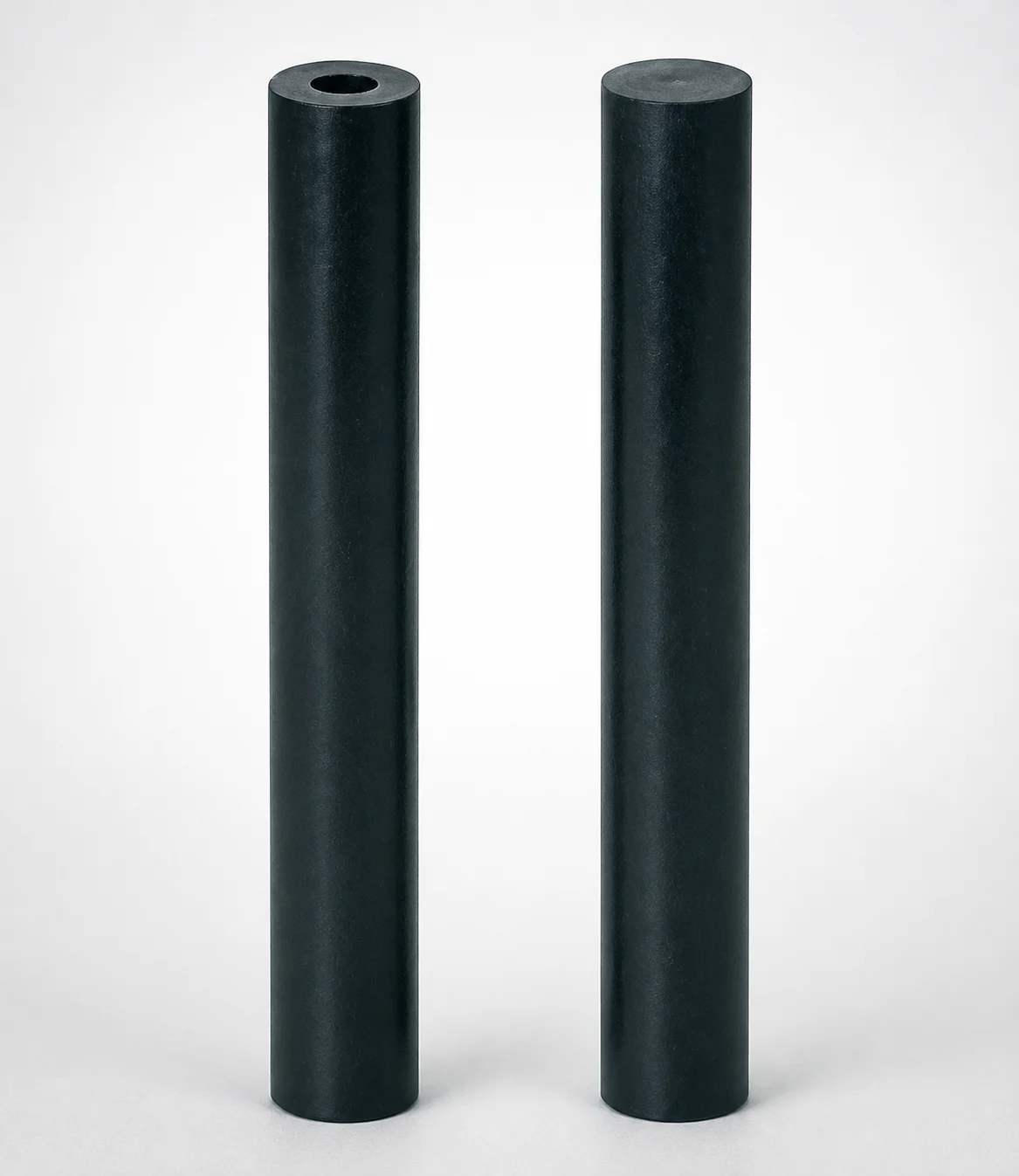
LAN Series low repulsion urethane pillar springs (Shore A70) are designed for controlled motion and reduced rebound in precision dies and auxiliary tooling. The pillar geometry supports consistent contact under repetitive loads.
- Pillar shape improves positional stability during spring cycling
- Low repulsion urethane (Shore A70) helps manage return behavior
- Through-hole mounting option enables secure installation in tooling
- Used in die height control, ejector support, and return applications
Specifications
24 configurations available
| Hole/Counterbore | Length (L) (mm) | D (Outer diameter) (mm) | type |
|---|---|---|---|
| Hole | 10 ~ 200 | 20 | - |
| Hole | 10 ~ 200 | 25 | - |
| Hole | 10 ~ 200 | 30 | - |
| Hole | 10 ~ 200 | 40 | - |
| Hole | 10 ~ 200 | 50 | - |
| Hole | 10 ~ 200 | 60 | - |
| None | 200 | 20 | - |
| None | 200 | 25 | - |
| None | 200 | 30 | - |
| None | 300 | 40 | - |
| None | 300 | 50 | - |
| None | 300 | 60 | - |
| None | 10 ~ 200 | 20 | - |
| None | 10 ~ 200 | 25 | - |
| None | 10 ~ 200 | 30 | - |
| None | 10 ~ 200 | 40 | - |
| None | 10 ~ 200 | 50 | - |
| None | 10 ~ 200 | 60 | - |
| Hole | 200 | 20 | - |
| Hole | 200 | 25 | - |
| Hole | 200 | 30 | - |
| Hole | 300 | 40 | - |
| Hole | 300 | 50 | - |
| Hole | 300 | 60 | - |
Product Guide
Application Scenarios+
Low repulsion urethane pillar springs are used in injection mold tooling where a controlled, repeatable return force is needed during frequent cycling. With a Shore A70 urethane formulation and a pillar geometry that improves positional stability, this variant is suited for precision stop-and-return mechanisms and auxiliary assemblies.
- Die height control and localized cushioning: The stable pillar contact helps maintain consistent behavior across repeated open/close cycles, reducing rebound that can otherwise affect part quality.
- Ejector support and return assistance: Use the spring to support uniform actuator return while managing return behavior with low repulsion urethane.
- Auxiliary tooling fixtures and positional return: The through-hole mounting option enables secure installation and reliable alignment within die blocks.
Select this urethane pillar style when you require smooth cycling and repeatable return characteristics rather than high-stiffness metal spring performance.
Material & Process Details+
This series uses low repulsion urethane with a Shore A70 hardness, chosen to control return behavior and reduce rebound in die tooling. Urethane at Shore A70 provides a balanced trade-off of elastic recovery and moderate stiffness, helping maintain stable contact under repetitive loads.
- Wear resistance vs. toughness: Urethane offers good damping and controlled motion, but it generally trades off higher abrasion resistance compared with hardened steels used for long-life metal springs.
- Heat treatment: No steel quench-and-temper process applies for this urethane spring; performance is driven by the elastomer formulation and molding process rather than metallurgical hardening.
- Manufacturing process: Pillar geometry is formed during urethane molding, with mounting configuration (hole vs. none) created to suit tooling assembly.
Compared with metal spring steels, this urethane variant emphasizes controlled rebound and stable cycling over maximum load capacity.
Sizing & Selection Guide+
To select the correct LAN urethane pillar spring size, match both the outer diameter (D) and the spring length (L) to the cavity/core pocket and contact area in your die. The available D sizes are 20, 25, 30, 40, 50, and 60 mm.
- Choose length (L): Standard options are 10–200 mm plus discrete lengths of 200 mm and 300 mm. Select the length that provides the intended working stroke allowance in the assembled tooling stack-up.
- Match outer diameter (D): Ensure the molded pillar OD fits the guide/seat location without interference. If your tooling has a counterbore, select the appropriate hole/counterbore option indicated as Hole, None.
- Fit and tolerances: Use your die seat clearance and centering tolerances to maintain stable contact during cycling. For through-hole mounting, confirm fastener clearance and alignment to avoid side-load that could alter return behavior.
Keep the spring seated consistently across all positions to maintain repeatable return force in the mold.
Frequently Asked Questions
How do I choose the correct outer diameter (D) for a LAN urethane pillar spring in my die seat?+
What length (L) should I specify for the required working stroke in tooling stack-up?+
Is a through-hole mounting option available, and when should I use it?+
What does “low repulsion” mean for return behavior, and how does Shore A70 relate to performance?+
Does this urethane spring require steel-style heat treatment (quench and temper) for hardness control?+
Related Products
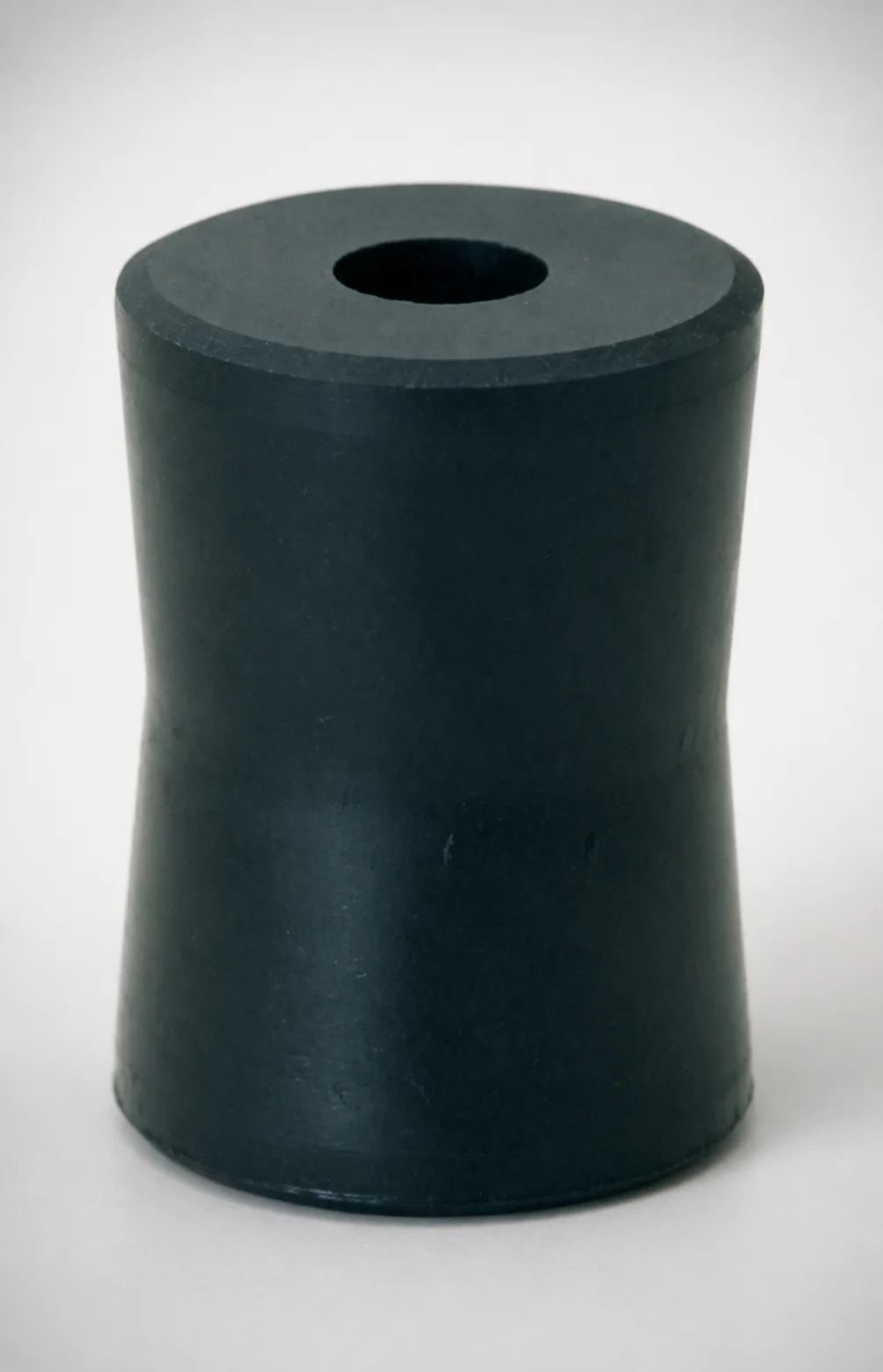
EX Series Heavy-Duty Urethane Pillar Springs (Through Hole)
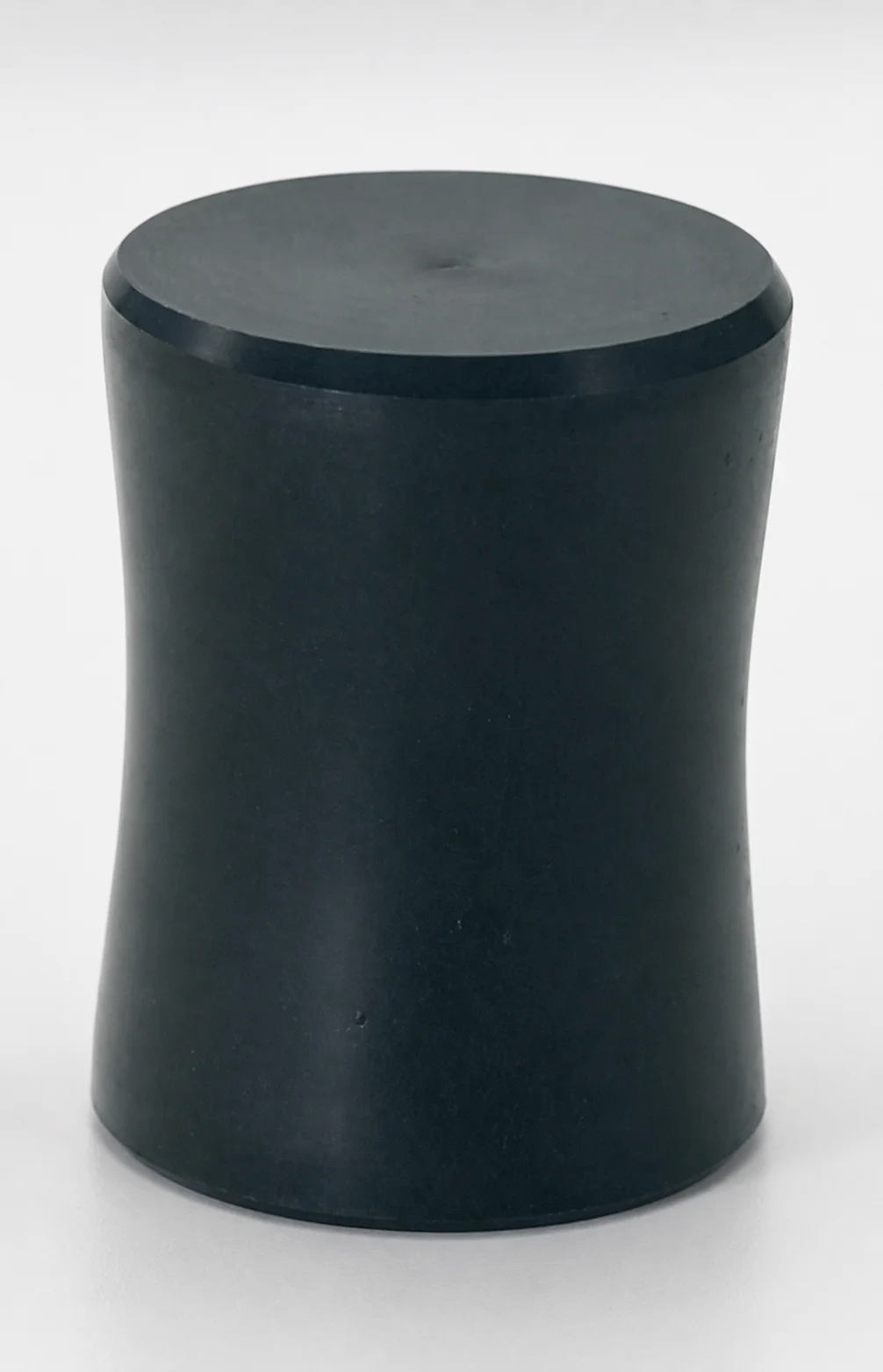
EX Series Heavy Duty Urethane Springs Pillar Hourglass
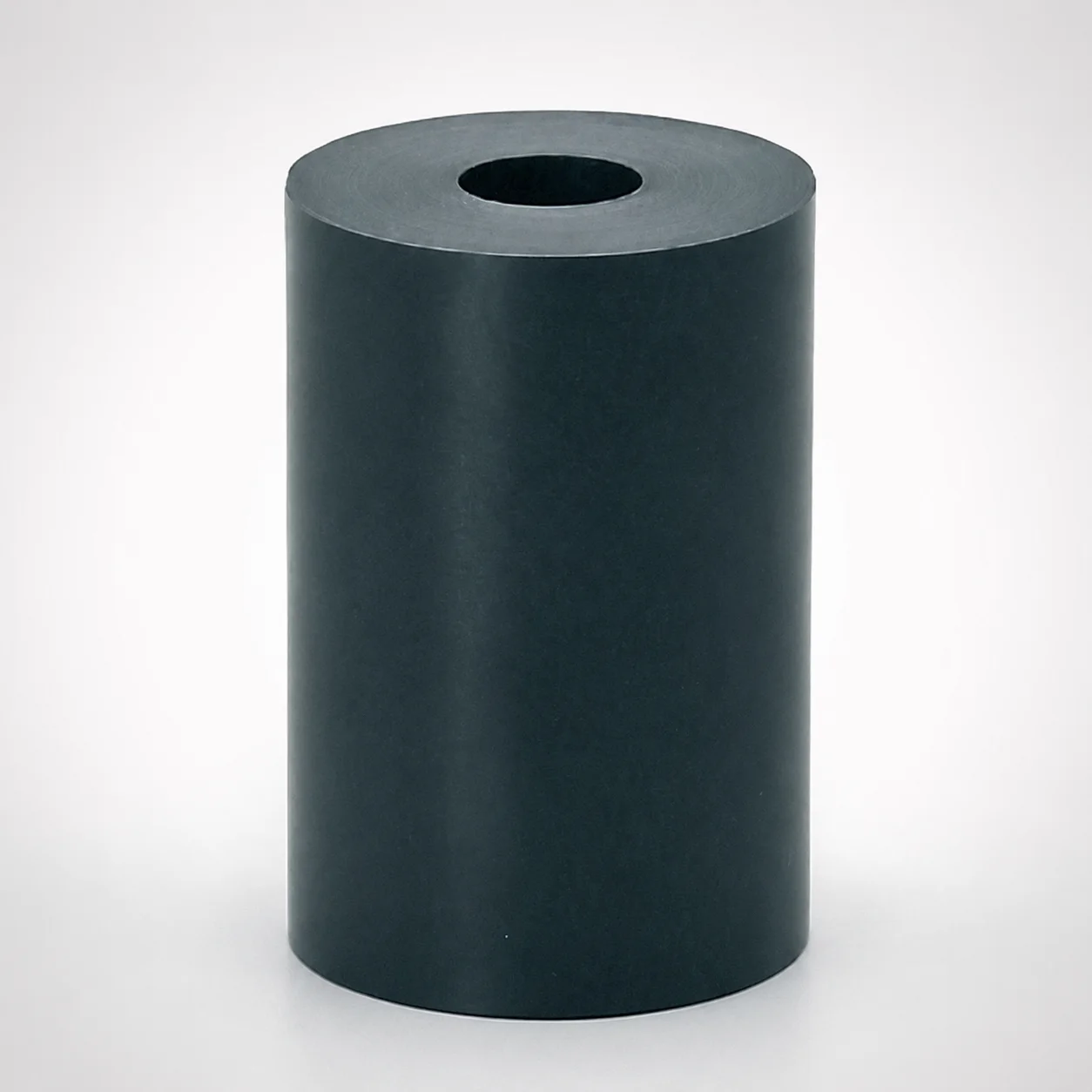
Heavy Duty Urethane Pillar Springs - A Series, Through Hole
E Series Heavy Duty Urethane Springs - Pillar Type Through Hole
EL Series Heavy Load Urethane Pillar Springs Through Hole
Heavy Duty Urethane Springs Pillar Shape
Need Custom Specifications?
Our engineering team can help with custom configurations, material selection, and volume pricing.