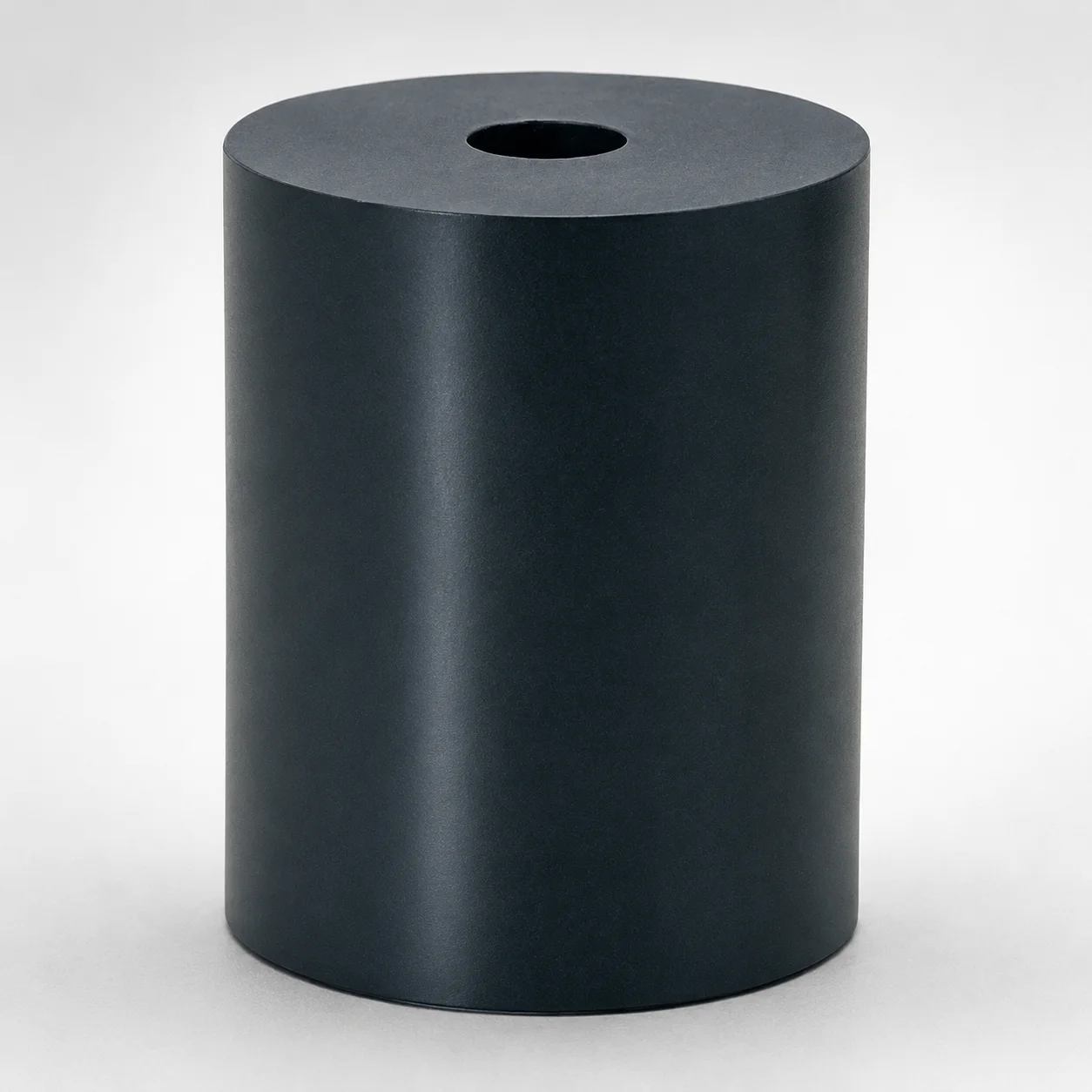
AZ Type Heavy Duty Urethane Springs Pillars - Counterbore
Heavy duty urethane springs pillars (AZ type) with counterbore are designed for heavy-load applications, using Shore A90 urethane compounds to hold performance under compression. The pillar shape and counterbore mounting improve assembly stability and repeatability in die and press tooling.
- Counterbore hole geometry supports secure seated installation for consistent support
- Heavy-load urethane formulation with Shore A90 resists deflection during repeated cycles
- Up to 20% max. elongation helps maintain spring behavior under load variations
- Built for die springs and press components needing reliable elastic return
Specifications
14 configurations available
| Maximum Load (N) | Length (L) (mm) | D (Outer diameter) (mm) | type |
|---|---|---|---|
| 1275 | 25 | 20 | - |
| 1275 | 30 | 20 | - |
| 1275 | 35 | 20 | - |
| 1275 | 40 | 20 | - |
| 1765 | 25 | 25 | - |
| 1765 | 30 | 25 | - |
| 1765 | 35 | 25 | - |
| 1765 | 40 | 25 | - |
| 3530 | 30 | 30 | - |
| 3530 | 35 | 30 | - |
| 3530 | 40 | 30 | - |
| 5884 | 30 | 40 | - |
| 5884 | 35 | 40 | - |
| 5884 | 40 | 40 | - |
Product Guide
Application Scenarios+
These AZ type heavy duty urethane springs pillars are used inside injection molding and press tooling as elastic support elements where die and slide positions must remain stable under repeated cycling. The counterbore mounting improves seated retention in housings/plates, helping maintain consistent spring behavior during thermal cycles.
- Automotive connector and bracket molding: Employ pillars with counterbore to support ejector or die-side spring packs where high clamping loads can otherwise shift elastic components and change deflection.
- Industrial actuator and housing components: Use for press inserts and die shoes that require predictable return force; the heavy-load urethane formulation helps resist deformation over long duty cycles.
- Packaging and appliance parts: Suitable for high-cycle forming tools needing repeatable compliance; the counterbore helps keep assembly alignment consistent, reducing variation in part-level dimensions.
With selectable maximum loads (1275–5884 N) and lengths (25–40 mm), engineers can match stiffness needs without changing the mounting concept.
Material & Process Details+
This product uses urethanes with Shore A90 as the load-bearing elastomeric material. Shore A90 indicates a higher hardness than standard urethane spring grades, which increases load capacity and helps maintain performance under compression.
- Performance trade-off: Higher Shore hardness generally improves wear resistance and reduces excessive deflection, but it can increase sensitivity to misalignment and localized stress if mounting is not seated correctly.
- Elongation capability: Up to 20% maximum elongation supports resilient return under load fluctuations.
- Heat treatment: As an elastomer spring element, it is not specified as quenched/tempered or nitrided like steel tooling; instead, performance is governed by the urethane compound formulation and geometry.
When comparing elastomer options, selecting Shore A90 is typically preferred for heavy-load, repeat-cycle applications that need controlled deflection and stable elastic response.
Sizing & Selection Guide+
Correct sizing starts by matching the pillar’s maximum load and dimensions to the cavity/core support needs. Choose among maximum load ratings of 1275, 1765, 3530, or 5884 N based on the expected compression force in the die/press station.
- Length (L): Select 25, 30, 35, or 40 mm to ensure the pillar fits within the available stack height while keeping the required working compression range.
- Outer diameter (D): Select 20, 25, 30, or 40 mm to match the counterbore/seat diameter in the mounting plate or component.
Use the counterbore feature to achieve repeatable seating; this is important for consistent deflection and return force. Since explicit tolerance values are not provided in the available specifications, engineers should follow their tooling drawing standards and ensure the counterbore seating geometry supports full contact without introducing side loading.
Frequently Asked Questions
How do I select the correct AZ heavy duty urethane pillar based on load for my die spring support?+
Use the provided maximum load ratings: 1275, 1765, 3530, or 5884 N. Pick the rating that covers the expected compressive force in your tooling under worst-case conditions, then verify that the selected L (25–40 mm) provides the needed working height.
This approach aligns stiffness capacity with the elastic return requirements of the station.
Which length options (L) are available, and how does length affect stack height in mold tooling?+
The available lengths are 25, 30, 35, and 40 mm. Select length to match the stack height between the mold/press components so the pillar operates within the intended compression region during cycling.
A mismatch can change the effective deflection and may lead to inconsistent return force.
What outer diameter (D) sizes can be used with the counterbore mounting feature?+
The available outer diameters are 20, 25, 30, and 40 mm. Choose the D that matches the counterbore seat geometry in your mounting plate or die base so the pillar can seat securely using the counterbore design.
Correct seating helps maintain stable deflection repeatability under load cycles.
What does Shore A90 mean for deflection control and heavy-load durability?+
Shore A90 indicates a relatively hard urethane compound designed for heavy-load performance. Compared with softer elastomer spring options, it typically provides improved load capacity and reduced excessive deflection over repeated compression.
The product description also specifies up to 20% maximum elongation to support resilient behavior under load variations.
Is there any steel-like heat treatment (quench/temper or nitriding) expected for these urethane spring pillars?+
No quench/temper or nitriding process is specified because this component is an urethane spring element. Performance is driven by the urethane compound (Shore A90) and the pillar/counterbore geometry.
For tooling, focus on correct seating alignment and fit to prevent localized stress concentrations.
Related Products
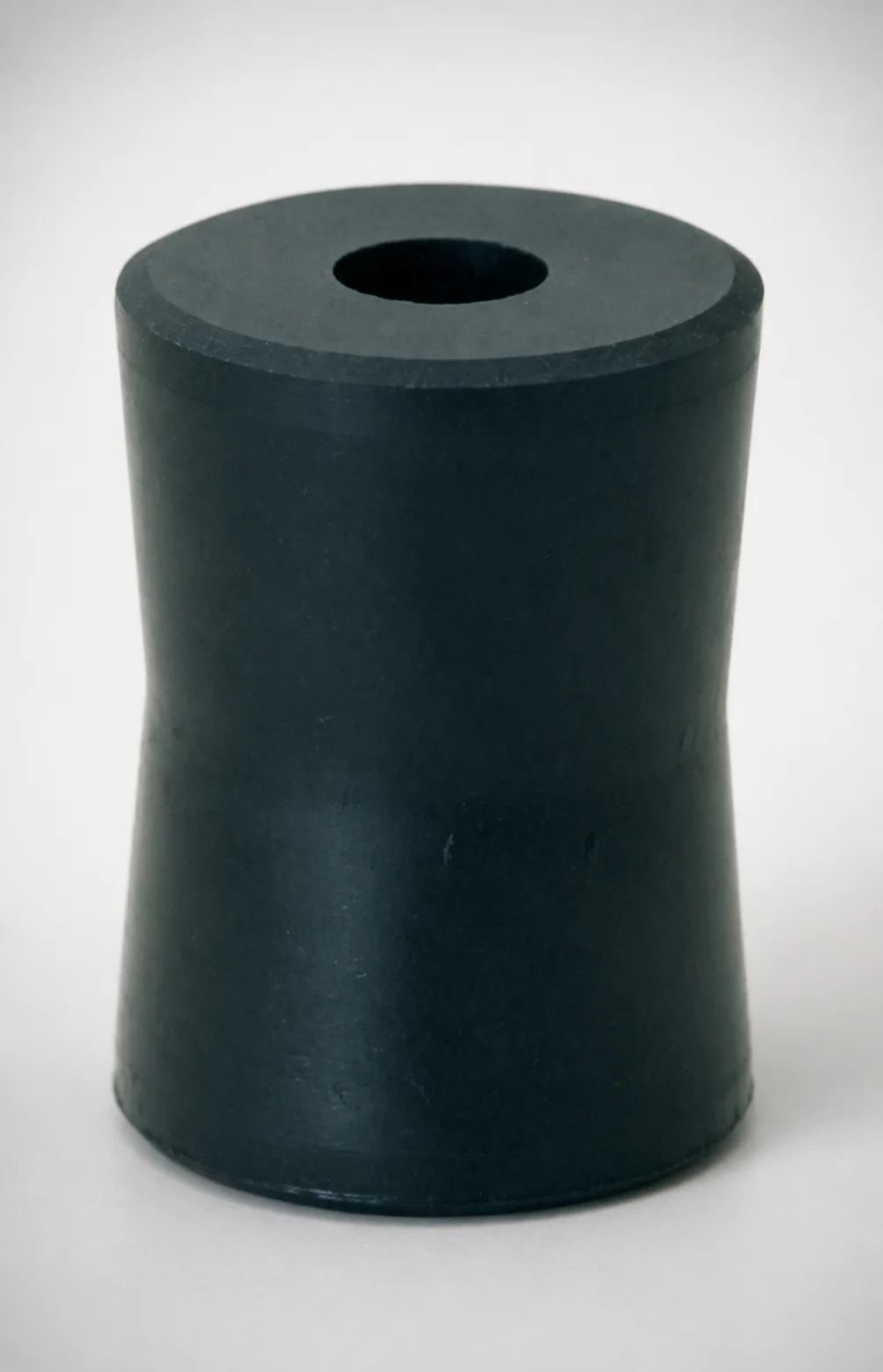
EX Series Heavy-Duty Urethane Pillar Springs (Through Hole)
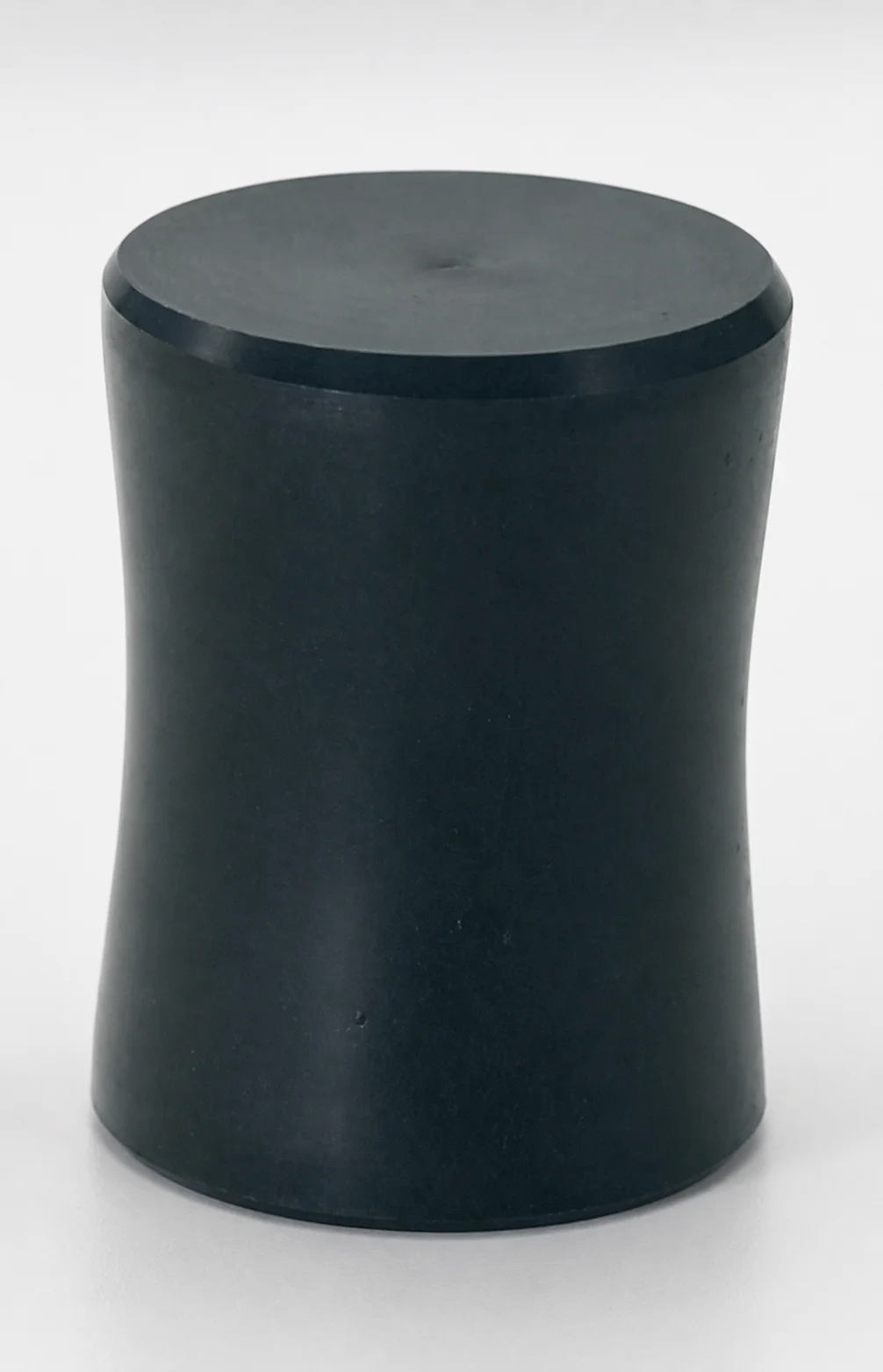
EX Series Heavy Duty Urethane Springs Pillar Hourglass
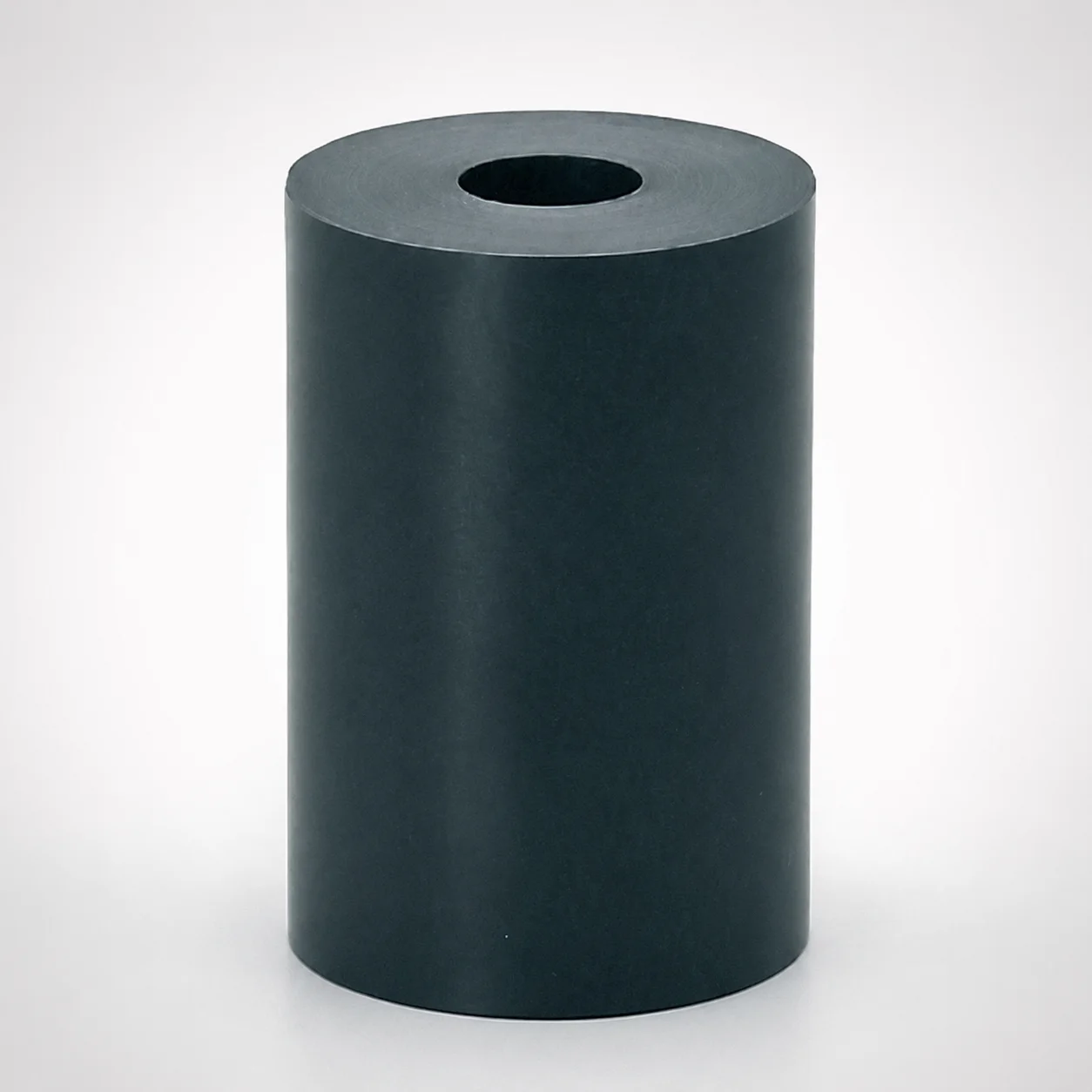
Heavy Duty Urethane Pillar Springs - A Series, Through Hole
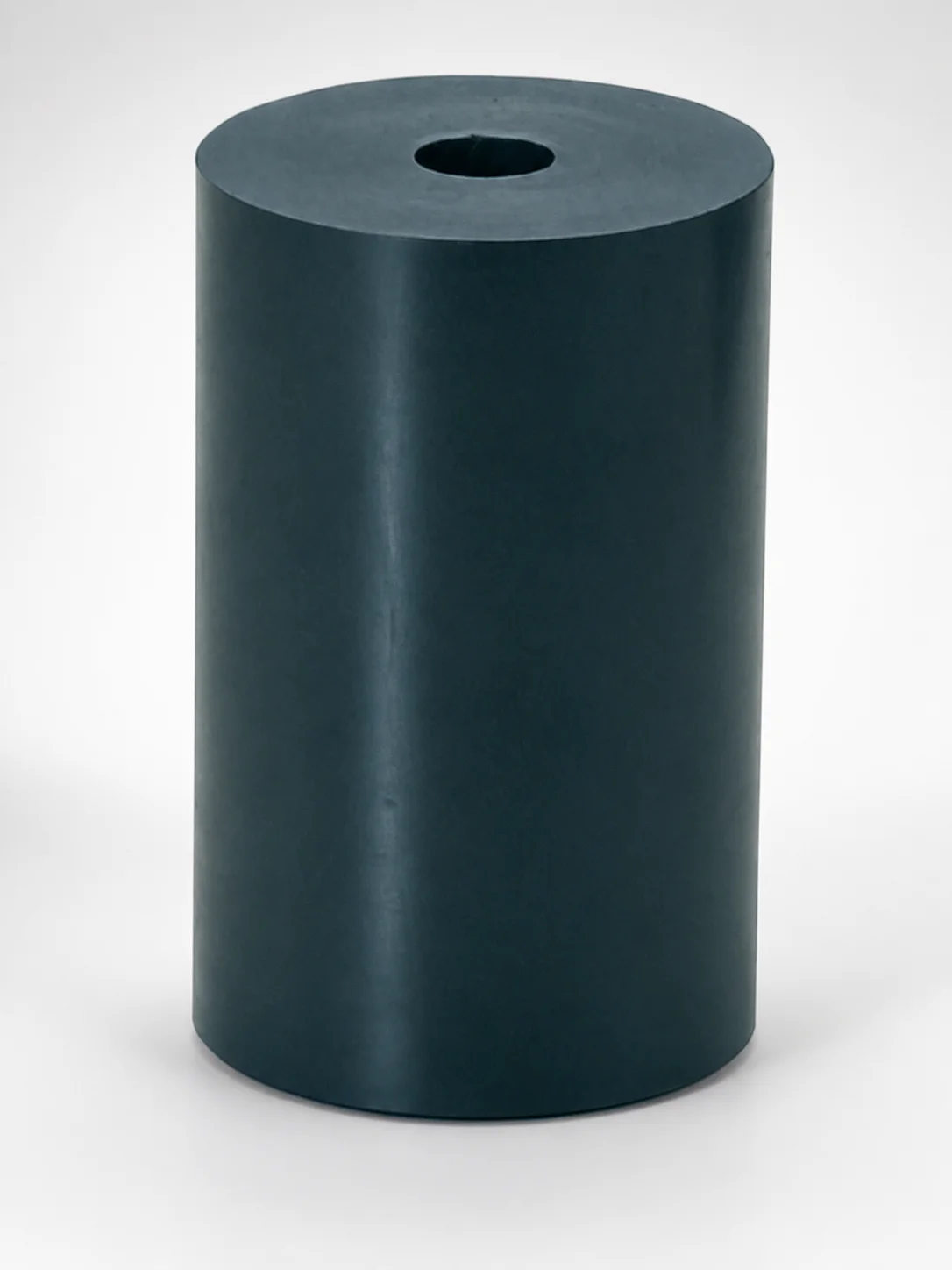
E Series Heavy Duty Urethane Springs - Pillar Type Through Hole
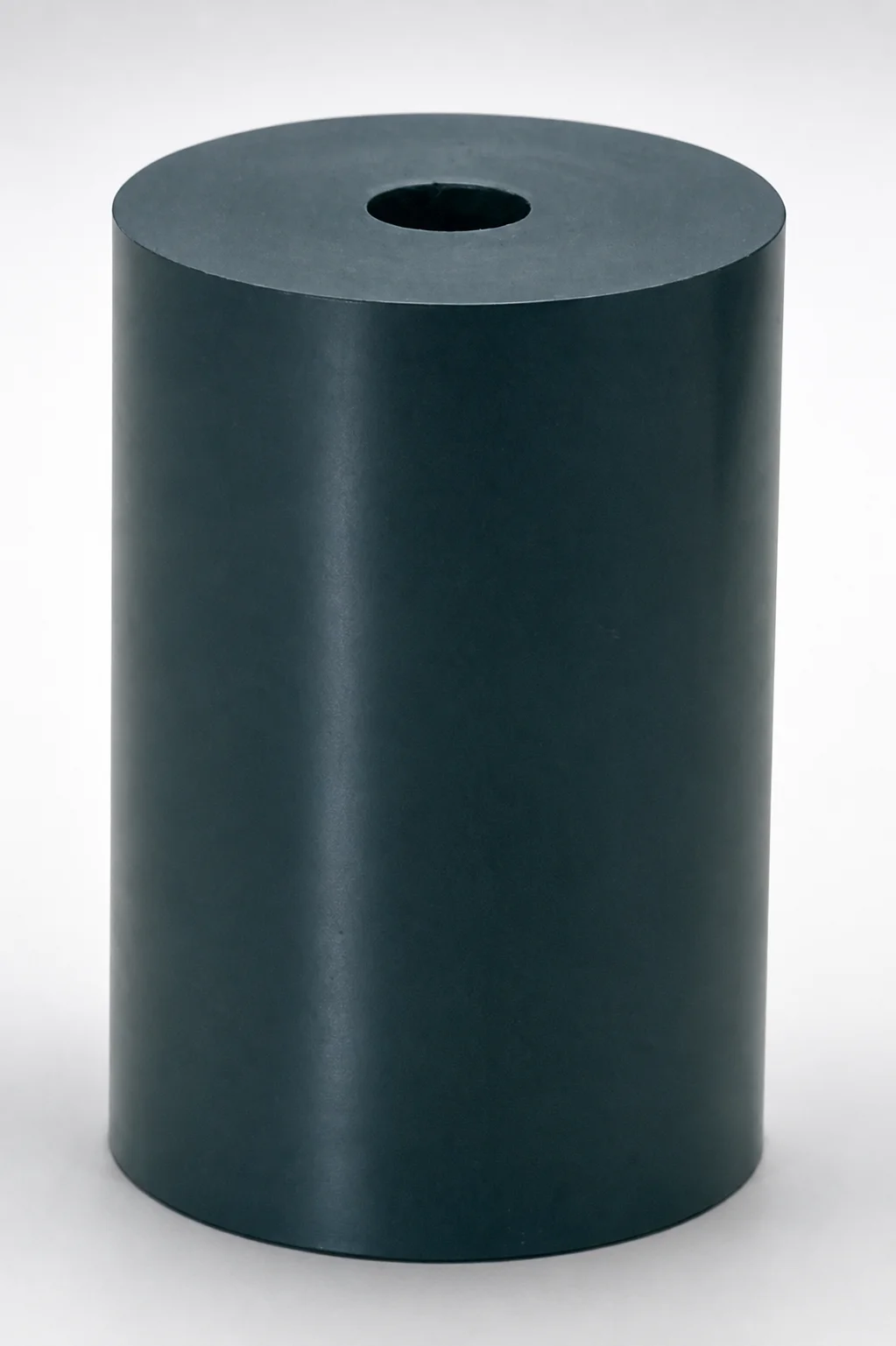
EL Series Heavy Load Urethane Pillar Springs Through Hole
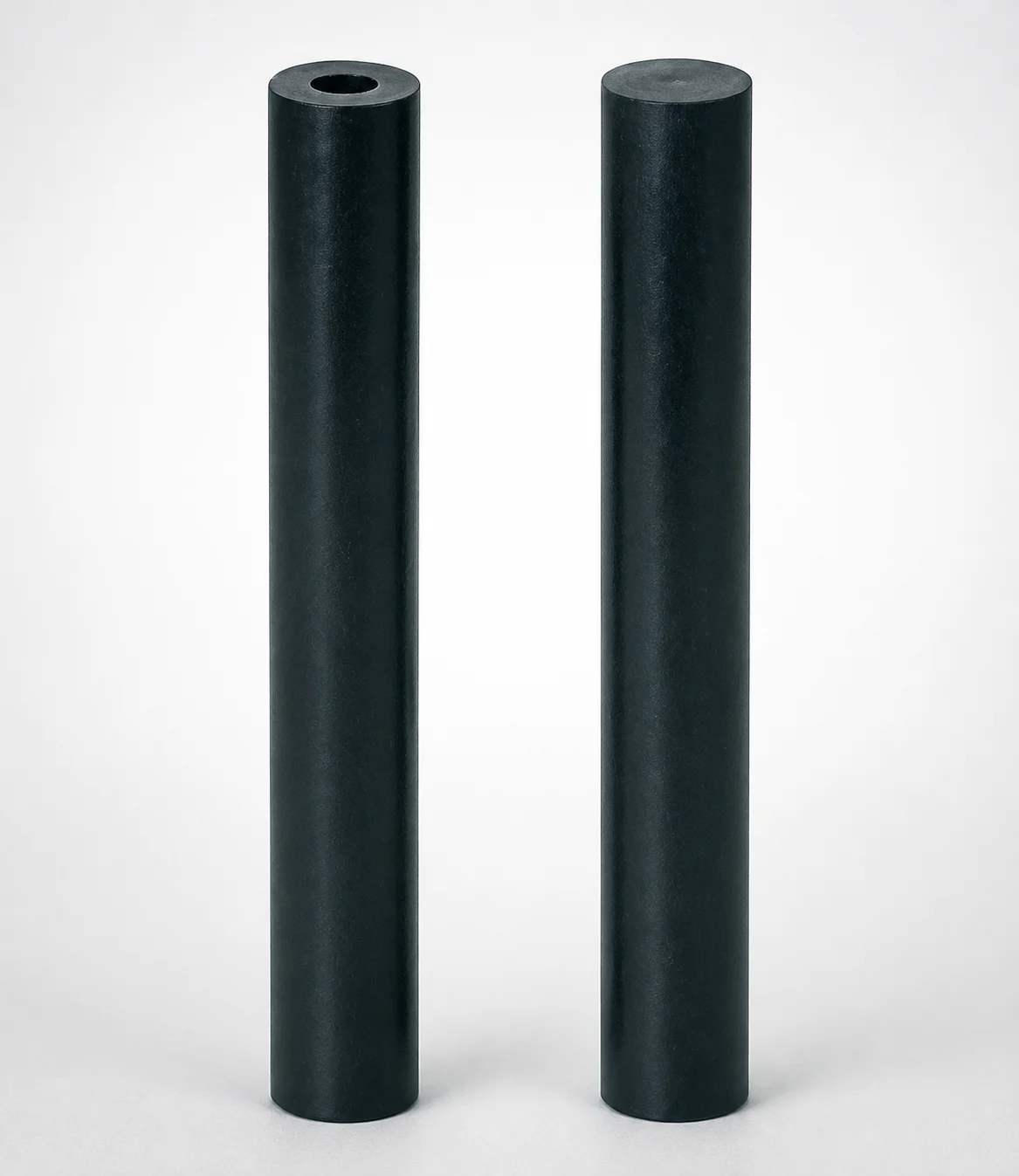
Heavy Duty Urethane Springs Pillar Shape
Need Custom Specifications?
Our engineering team can help with custom configurations, material selection, and volume pricing.