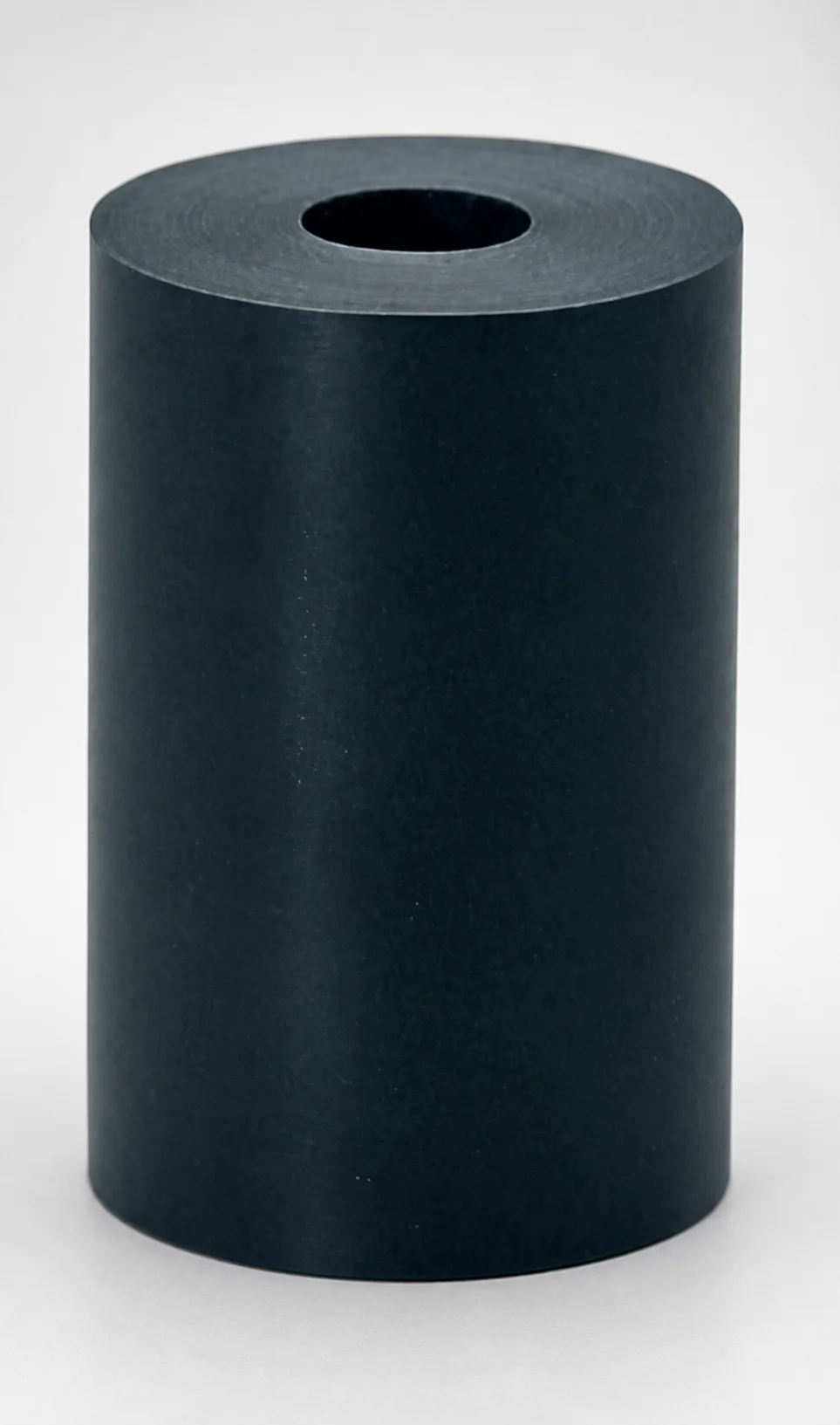
AZX Type Heavy Load Urethane Pillar Springs with Counterbore
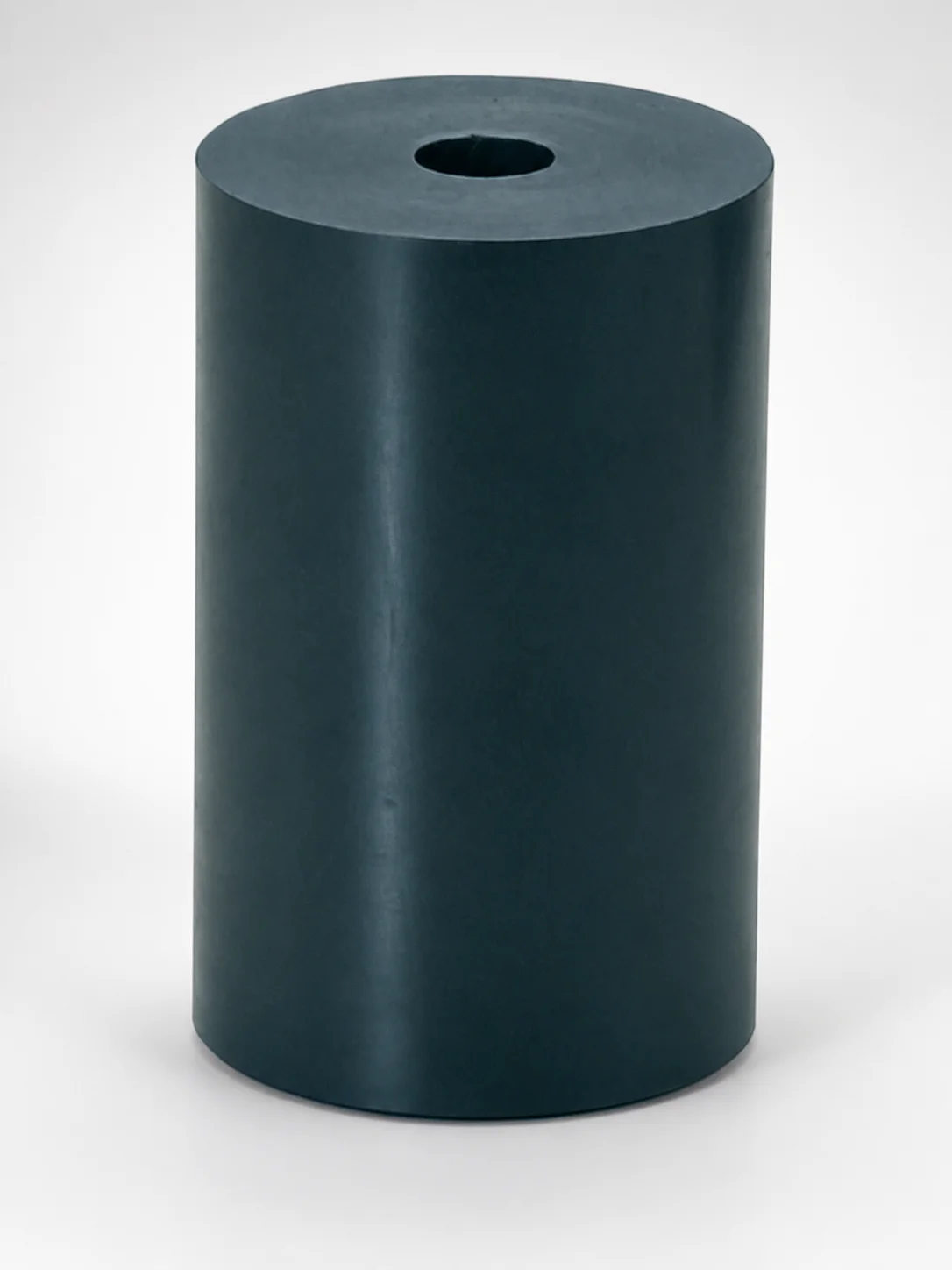
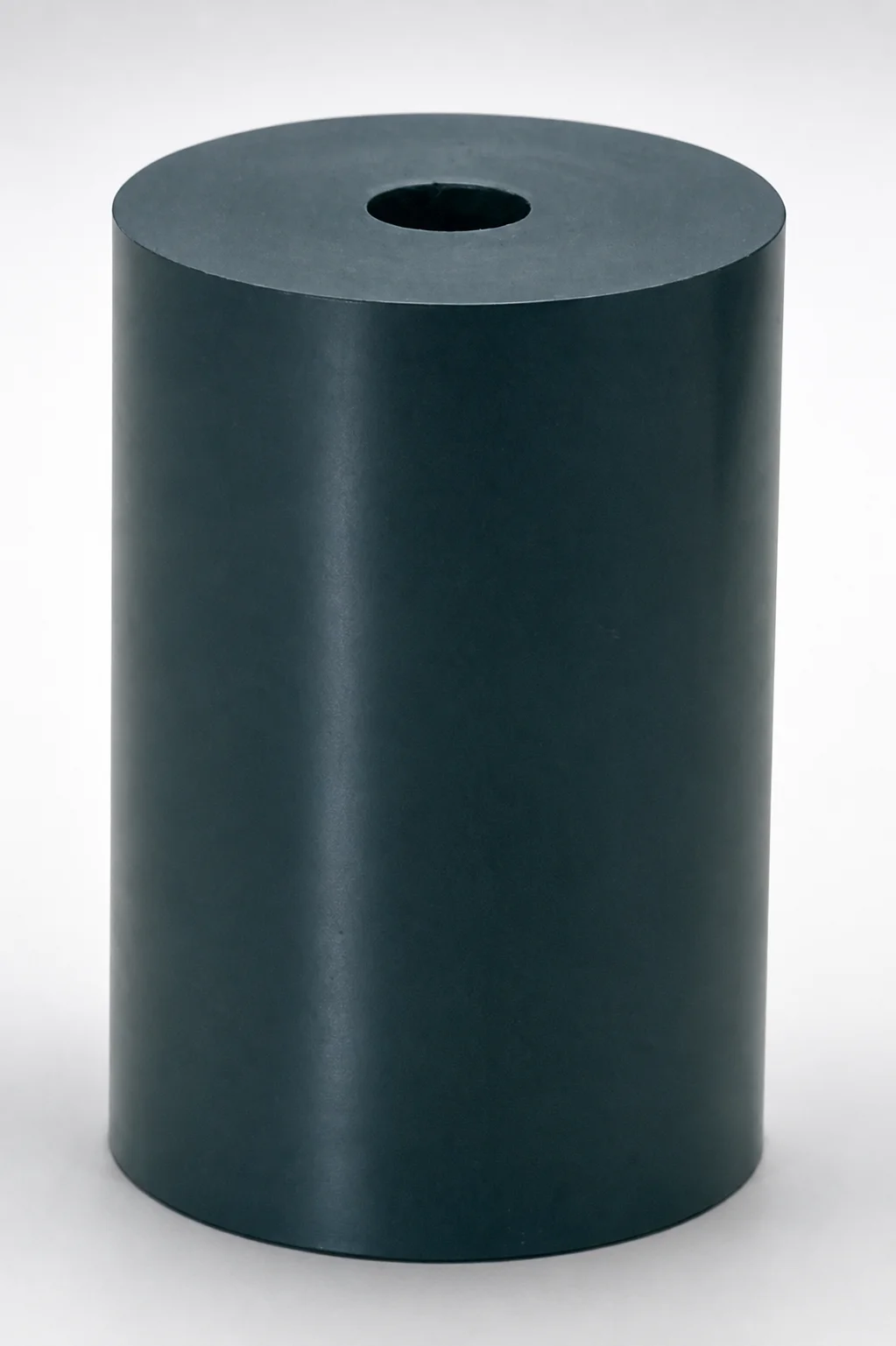
AZX Type heavy load urethane pillar springs (Shore A90) are designed for stable force return in heavy-duty tooling. The pillar shape with a counterbore supports secure installation and consistent performance under load.
- Pillar spring form for predictable return force in heavy-load applications
- Built from Shore A90 urethane for dependable compression resistance
- Counterbore design provides stable seating for bolted assembly
- AZX type construction for repeatable die motion and return
Specifications
7 configurations available
| Length (L) (mm) | D (Outer diameter) (mm) | H (Gimlet hole length) (mm) | M (Nominal bolt diameter) | type |
|---|---|---|---|---|
| 20 ~ 80 | 25 | 5 ~ 80 | 6 ~ 8 | - |
| 20 ~ 80 | 30 | 5 ~ 80 | 6 ~ 8 | - |
| 25 ~ 150 | 40 | 5 ~ 150 | 10 ~ 12 | - |
| 25 ~ 150 | 50 | 5 ~ 150 | 10 ~ 12 | - |
| 25 ~ 150 | 60 | 5 ~ 150 | 10 ~ 12 | - |
| 25 ~ 200 | 80 | 5 ~ 200 | 12 ~ 16 | - |
| 25 ~ 200 | 100 | 5 ~ 200 | 12 ~ 16 | - |
Product Guide
Application Scenarios+
This AZX heavy-duty urethane pillar spring variant is used inside injection mold die sets where a stable, repeatable return force is required for moving components. Typical placements include automotive connector housings and trim insert tooling, where parting and ejector-related motions must return reliably under higher cycle loads.
The counterbore and pillar geometry help support consistent seating in bolted assemblies, reducing variation in die return travel when temperature and duty cycle change. It is also suitable for consumer electronics and appliance housings, where moderate-to-high load but limited space demands a compact spring package with predictable force behavior.
- Counterbore supports secure, repeatable mounting for stable die motion
- Shore A90 urethane provides high compression resistance for heavy-load return
- AZX construction supports consistent return force across repeated cycles
Choose this configuration when you need compression-set resistance and dependable die return without relying on metallic spring fatigue under constant compression.
Material & Process Details+
This product uses Shore A90 heavy-duty urethane designed for stable force return under compression. Urethane pillar springs are valued for their ability to maintain performance with improved compression resistance compared with softer elastomers, helping reduce drift in die return behavior over long production runs.
Because the specified material is urethane, the heat treatment focus is on the elastomer’s molding and curing process rather than steel quenching or nitriding. The key manufacturing steps are typically urethane molding, followed by controlled cure to achieve the target Shore hardness and dimensional stability.
- Material behavior: higher Shore A90 generally increases load capacity but can reduce maximum deflection compared with lower-Shore urethanes
- Wear resistance: suited for repeated compression cycles in die return applications where metallic springs may fatigue
- Toughness trade-off: urethane maintains elastomeric resilience, but extreme heat or sharp abrasive contamination can accelerate wear
Hardness is specified as Shore A90; no HRC value applies because this is not a steel component.
Sizing & Selection Guide+
Select the spring size by matching the outer diameter (D), overall length (L), and gimlet hole length (H) to the available space and the mechanical stack-up in your mold. The available ranges for this series are L: 20–80 mm, 25–150 mm, or 25–200 mm; D: 25–100 mm; and H: 5–80 mm, 5–150 mm, or 5–200 mm.
Then confirm the bolt interface using the nominal bolt diameter (M). This series supports M: 6–8 mm, 10–12 mm, or 12–16 mm; choose the M range that matches your die return mounting bolt size and counterbore fit.
- Match D to the guide/pocket clearance in the die set
- Match L to the required spring working height
- Match H to the counterbore/gimlet depth so seating is consistent
- Ensure your bolted assembly maintains stable contact in the counterbore to avoid return travel variation
Follow your mold manufacturer’s tolerance stack-up for clearance around D and correct thread engagement for the selected M range; the counterbore is intended to improve seating repeatability.
Frequently Asked Questions
How do I choose the correct outer diameter (D) for AZX urethane pillar springs with counterbore?+
What length options (L) should I consider for the required working height in the mold?+
How do I match the gimlet hole length (H) to the counterbore depth to ensure stable seating?+
Which nominal bolt diameter (M) range is compatible with my die return mounting hardware?+
What material hardness and compression performance can I expect from Shore A90 urethane pillar springs?+
Related Products
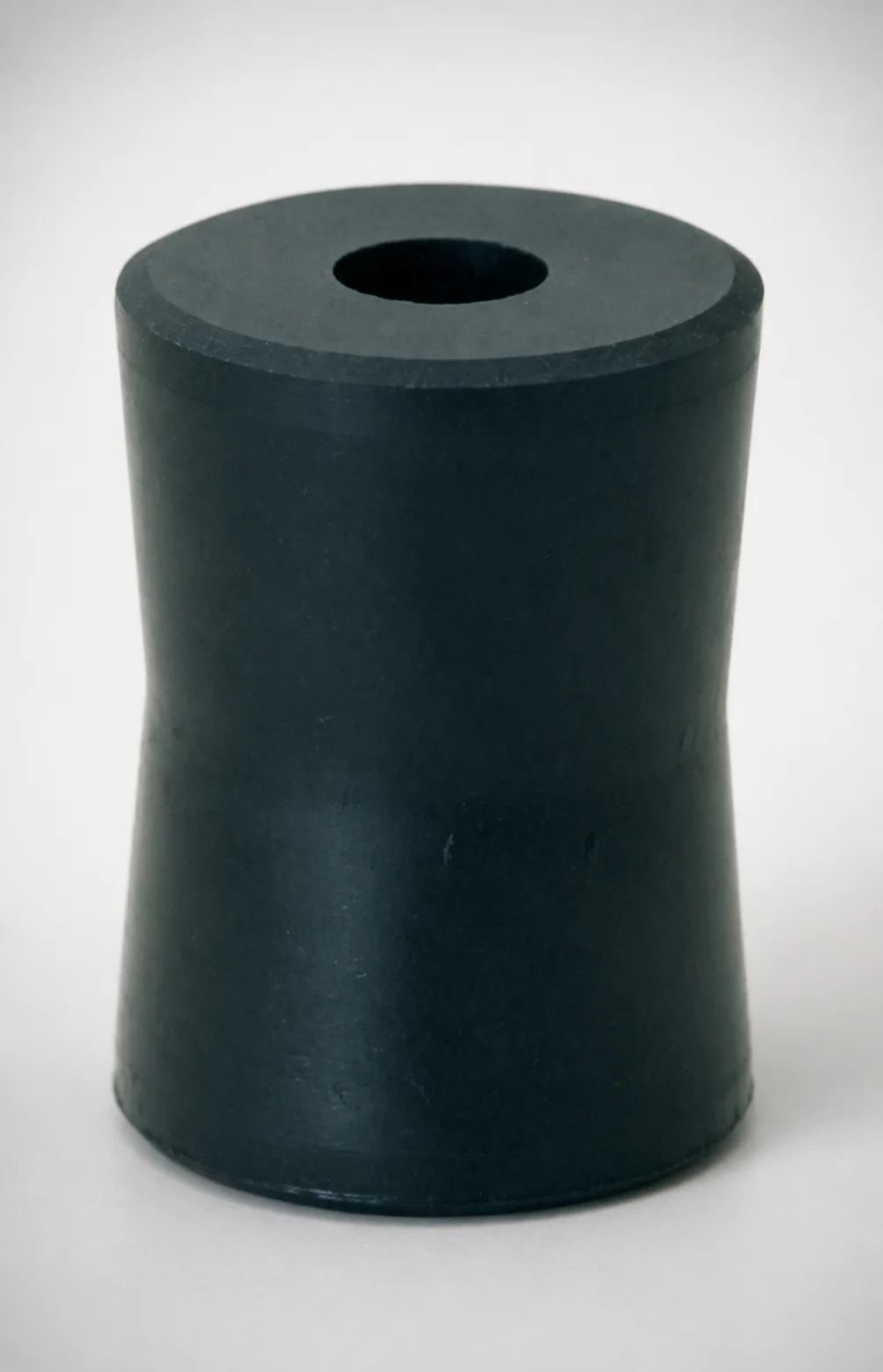
EX Series Heavy-Duty Urethane Pillar Springs (Through Hole)
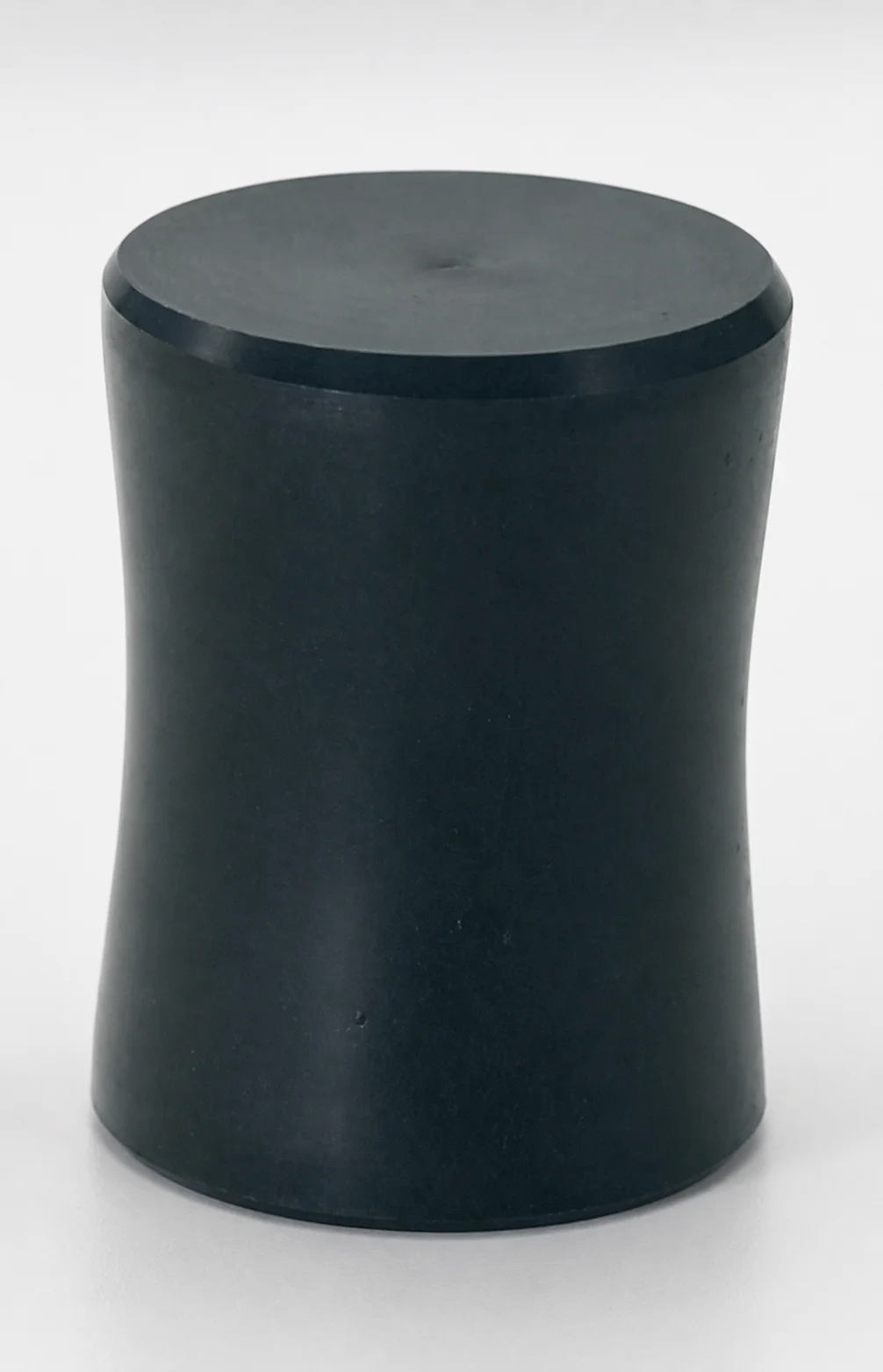
EX Series Heavy Duty Urethane Springs Pillar Hourglass
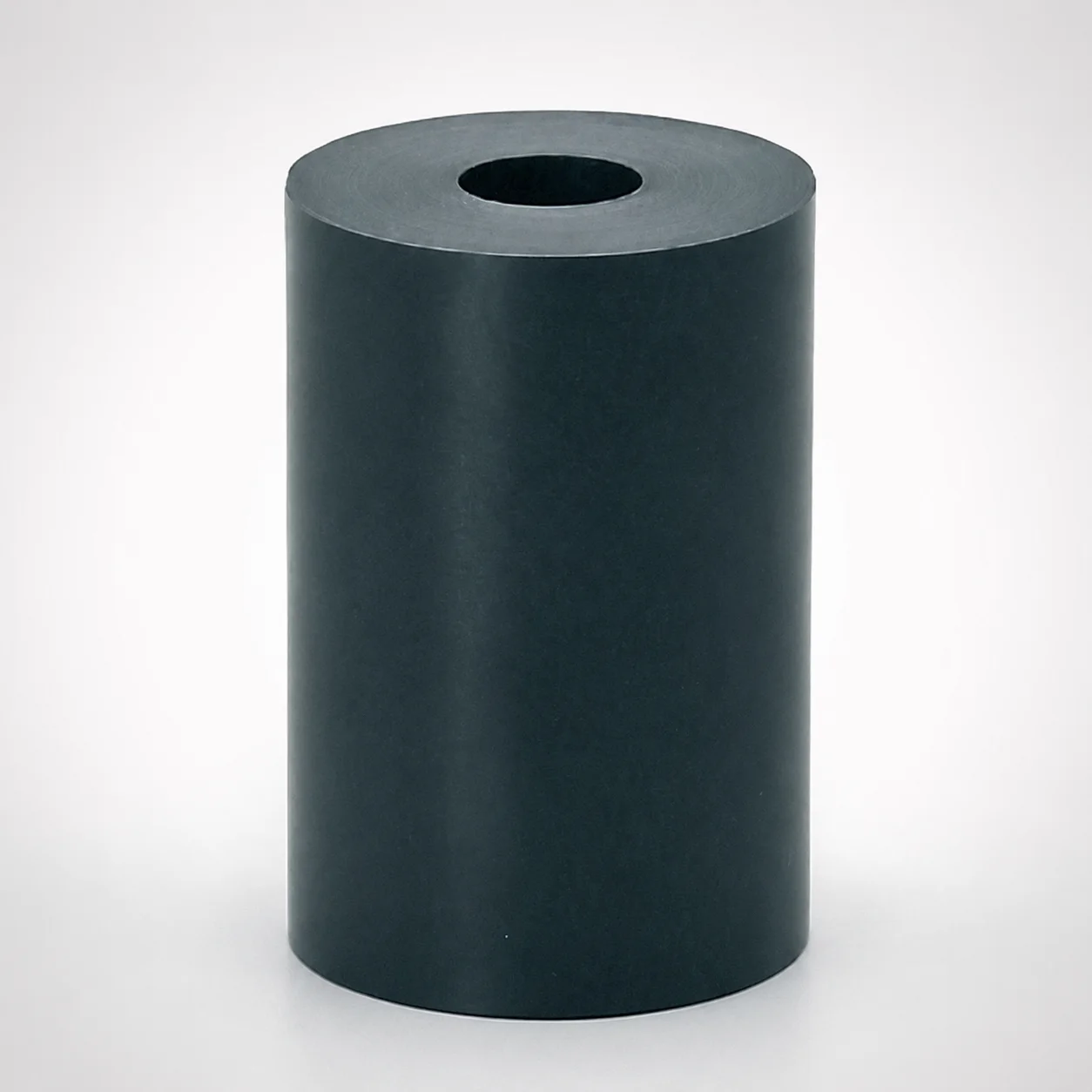
Heavy Duty Urethane Pillar Springs - A Series, Through Hole
E Series Heavy Duty Urethane Springs - Pillar Type Through Hole
EL Series Heavy Load Urethane Pillar Springs Through Hole
Heavy Duty Urethane Springs Pillar Shape
Need Custom Specifications?
Our engineering team can help with custom configurations, material selection, and volume pricing.