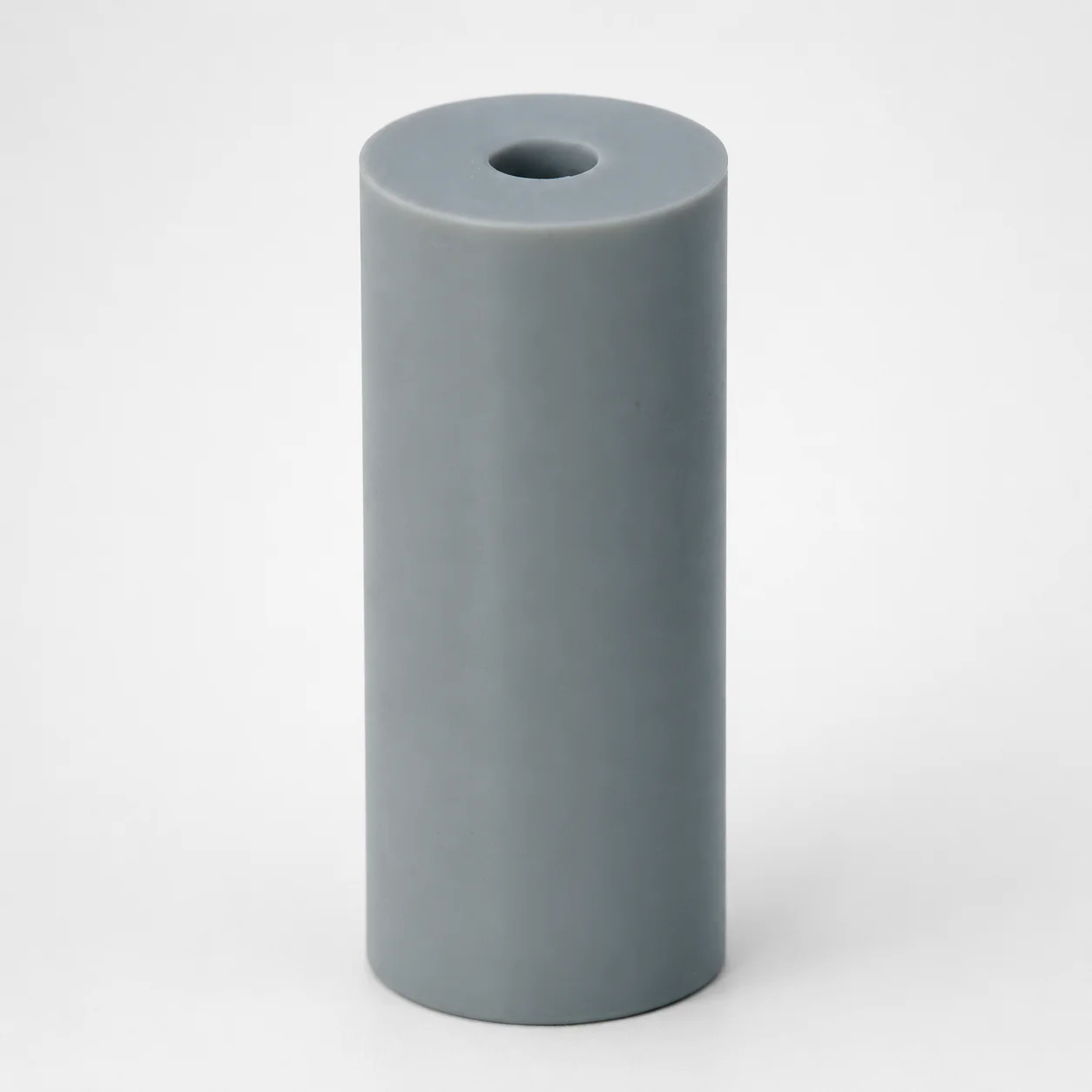
AZNX Series Low Repulsion Urethane Springs Pillars, Counterbore
AZNX Series low repulsion urethane springs pillars (shore A70) are engineered for stable load behavior with a counterbore hole style. They suit die and tooling applications where consistent spring response is required under repeated cycles.
- Counterbore pillar geometry for reliable seating in tool cavities
- Low repulsion urethane formulation (shore A70) for controlled movement
- Urethane spring stock designed to accept configured lengths and hole depths
- AZNX type construction for repeatable performance in industrial tooling
Specifications
4 configurations available
| Length (L) (mm) | D (Outer diameter) (mm) | H (Gimlet hole length) (mm) | M (Nominal bolt diameter) | type |
|---|---|---|---|---|
| 20 ~ 60 | 25 | 5 ~ 80 | 6 ~ 8 | - |
| 20 ~ 60 | 30 | 5 ~ 80 | 6 ~ 8 | - |
| 25 ~ 100 | 40 | 5 ~ 100 | 10 ~ 12 | - |
| 25 ~ 100 | 50 | 5 ~ 100 | 10 ~ 12 | - |
Product Guide
Application Scenarios+
These low repulsion urethane spring pillars with counterbore holes are used inside injection mold tooling to stabilize relative movement between moving components, such as the interface between ejector systems and guided tooling sections. The counterbore geometry helps the pillar seat consistently in a tool cavity, supporting repeatable positioning under cycling loads.
They are well-suited for automotive and industrial connector molds, where long run times require predictable spring response to maintain alignment and return motion without introducing excessive rebound. The Shore A70 low repulsion urethane formulation supports controlled load behavior, making it easier to tune motion response in assembly fixtures.
- Small alignment fixtures and die stations: use the specified outer diameter (D = 25/30/40/50 mm) to match available pocket space.
- Counterbore retention designs: match the gimlet hole length (H = 5–80 or 5–100 mm) to the required engagement depth.
- Bolted assemblies: select the nominal bolt diameter (M = 6–8 or 10–12) for proper clamping compatibility.
Material & Process Details+
The AZNX series uses a low repulsion urethane formulation with Shore A70, chosen to provide controlled movement and load response under repeated cycling. Urethane springs typically balance elastic resilience (good return behavior) with wear resistance appropriate for tooling interfaces that experience moderate mechanical stress.
Manufacturing is generally based on precision urethane molding to achieve the counterbore and hole geometry without the dimensional variability common to metal spring components. Unlike steels, this type of component does not rely on carburizing, quenching, or nitriding for performance; instead, the key properties come from the cured urethane microstructure and hardness selection.
- Hardness: Shore A70 (tuned for controlled movement rather than maximum stiffness).
- Trade-off: compared to harder elastomers, Shore A70 can offer better damping and return stability, while softer grades would typically allow larger deflection.
Sizing & Selection Guide+
Start by matching the pillar outer diameter D to the mold pocket or guide feature that accepts the pillar: available sizes are D = 25, 30, 40, or 50 mm. Next, choose the overall length L based on your stack height and required free working travel: L = 20–60 mm or L = 25–100 mm, depending on the configuration range.
For counterbore retention, select the gimlet hole length H to ensure adequate engagement depth for the fastener region: H = 5–80 mm or H = 5–100 mm. Then verify the bolt compatibility by choosing the nominal bolt diameter M in the correct range (6–8 or 10–12).
- Fit/tolerance considerations: treat counterbore seating as a functional fit—confirm clearance and seating depth so the pillar sits squarely under clamping.
- Configurable dimensions: L, D, H, and M are variable within the stated ranges; keep H aligned with the actual hole depth in your tool design.
Frequently Asked Questions
Which pillar outer diameter (D) should I choose for my urethane spring pocket?+
Select D = 25, 30, 40, or 50 mm to match the available pocket/guide dimension in your mold tooling. Using the correct D ensures proper seating of the counterbore geometry and reduces risk of uneven load distribution during cycling.
How do I determine the correct overall length (L) versus gimlet hole length (H) for a counterbore design?+
Use L (either 20–60 mm or 25–100 mm) to satisfy your required stack height and working travel. Then choose H (either 5–80 mm or 5–100 mm) to match the required engagement depth in your tool cavity so the pillar seats properly in the counterbore area.
What bolt diameter range (M) is compatible with this AZNX urethane pillar type?+
This series supports nominal bolt diameters in two ranges: M = 6–8 and M = 10–12. Verify your fastener’s nominal diameter falls within the correct range to ensure the counterbore hole geometry and clamping function are compatible.
Is Shore A70 suitable for repeated cycling where low rebound is desired?+
The AZNX variant uses low repulsion urethane with Shore A70 to control movement and load response under repeated cycles. If your application needs predictable return behavior without excessive rebound, Shore A70 is typically selected to tune elastic stiffness at the tooling interface.
Does this component require steel heat treatment (quenching/nitriding) like metal springs?+
No. The AZNX pillar is a molded urethane spring component characterized by its Shore A70 hardness, and performance comes from urethane formulation and curing rather than steel heat treatment. Heat-treat steps like quenching or nitriding are not applicable to the same extent as for steel spring pillars.
Related Products
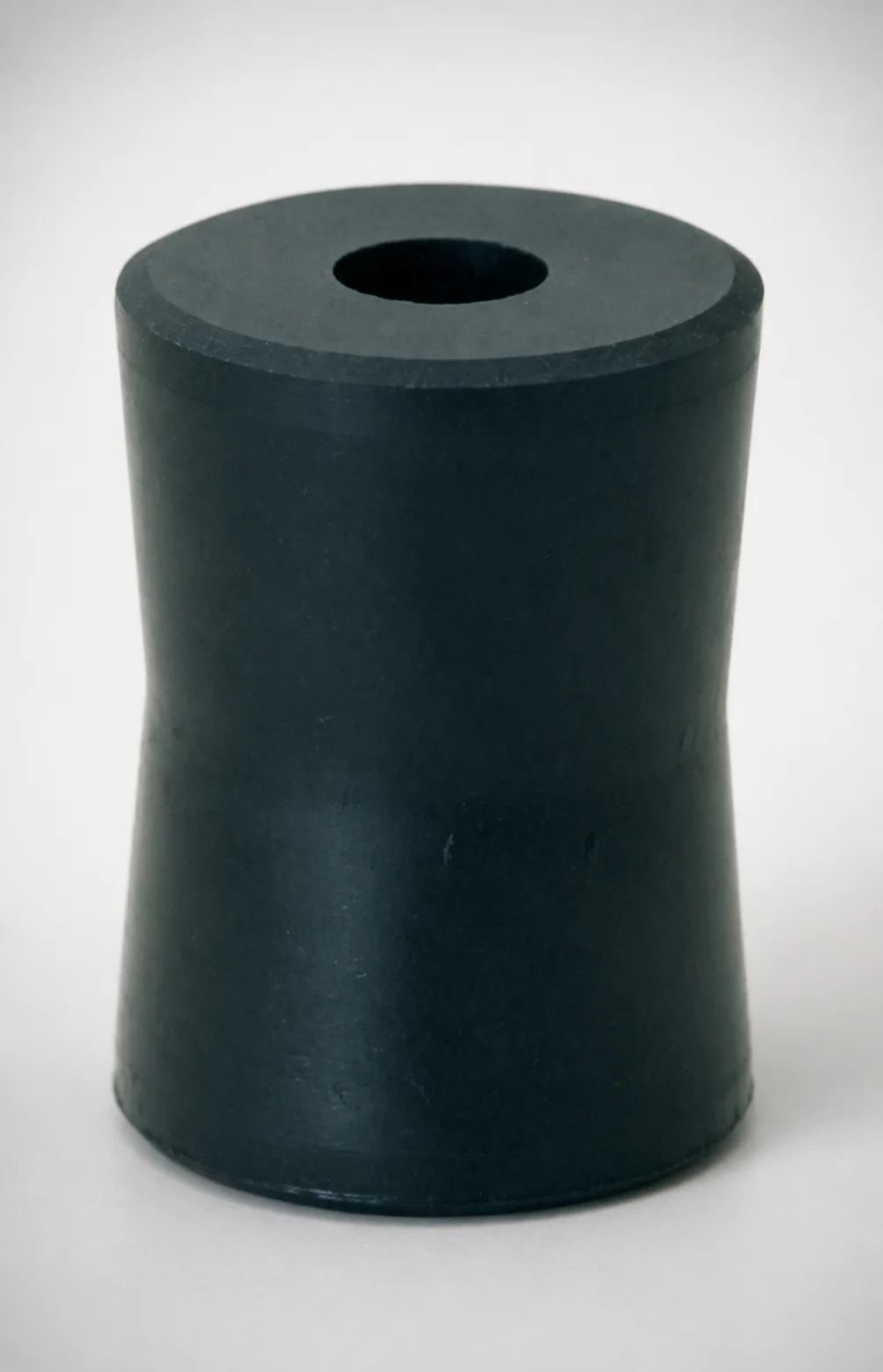
EX Series Heavy-Duty Urethane Pillar Springs (Through Hole)
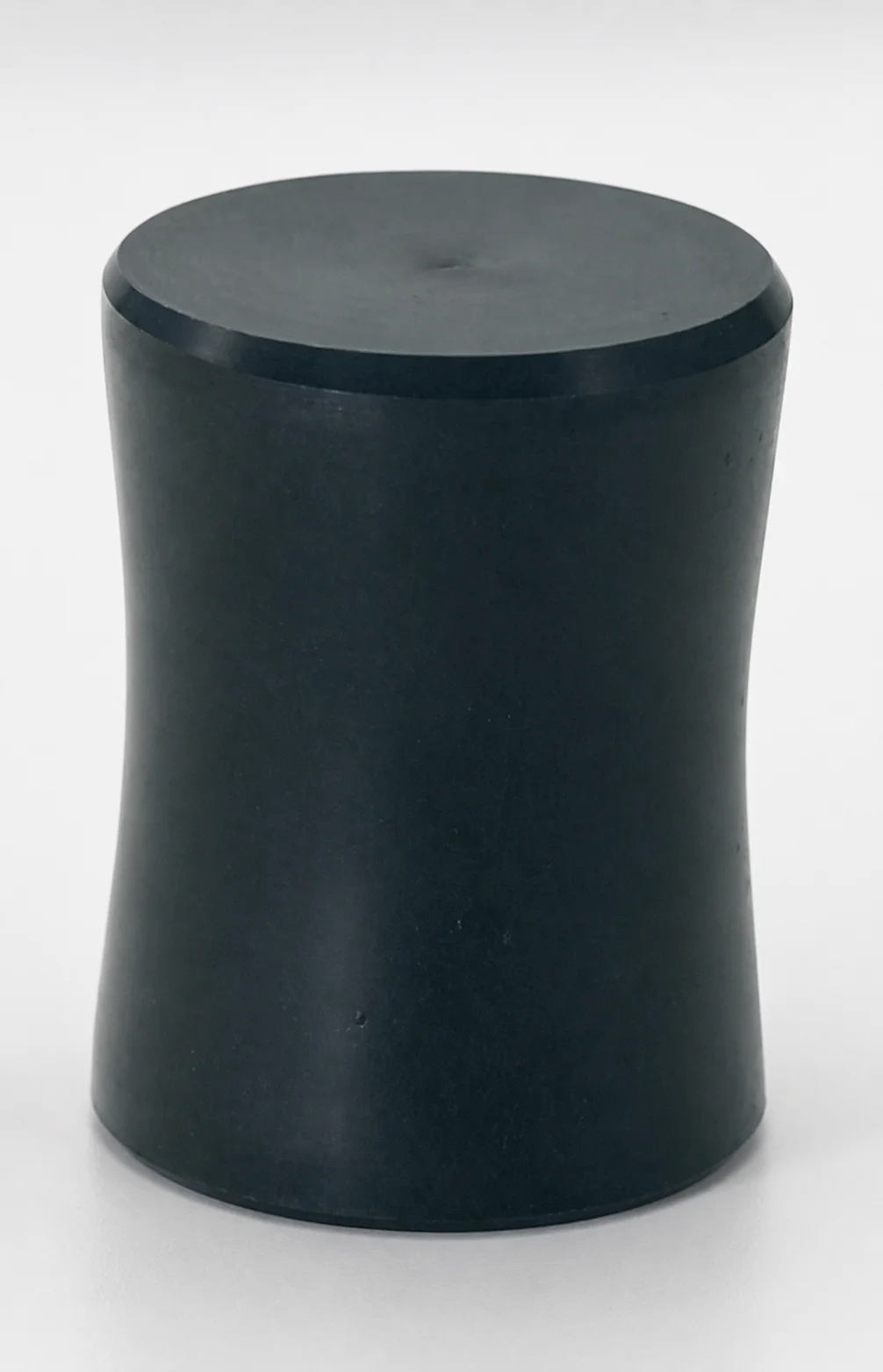
EX Series Heavy Duty Urethane Springs Pillar Hourglass
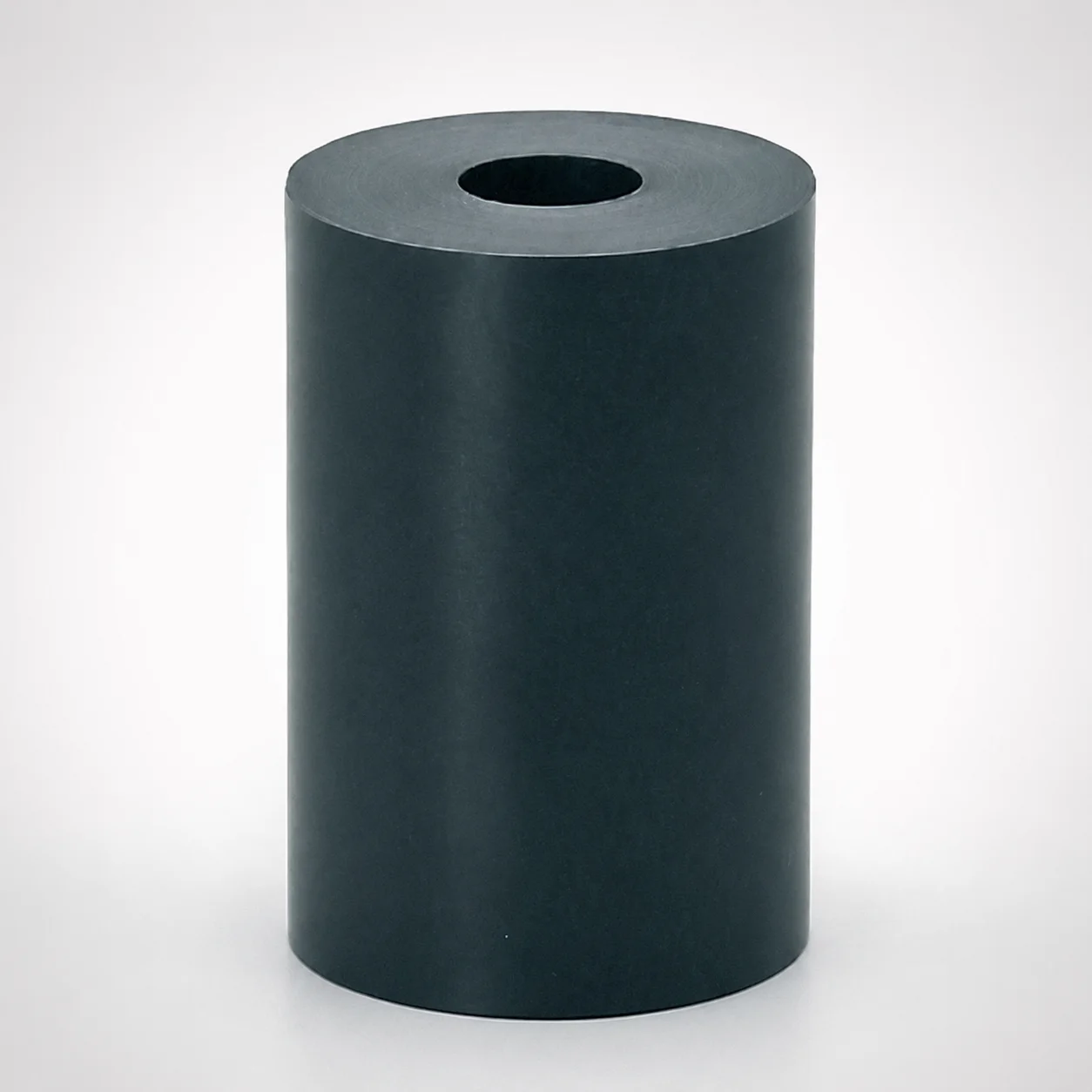
Heavy Duty Urethane Pillar Springs - A Series, Through Hole
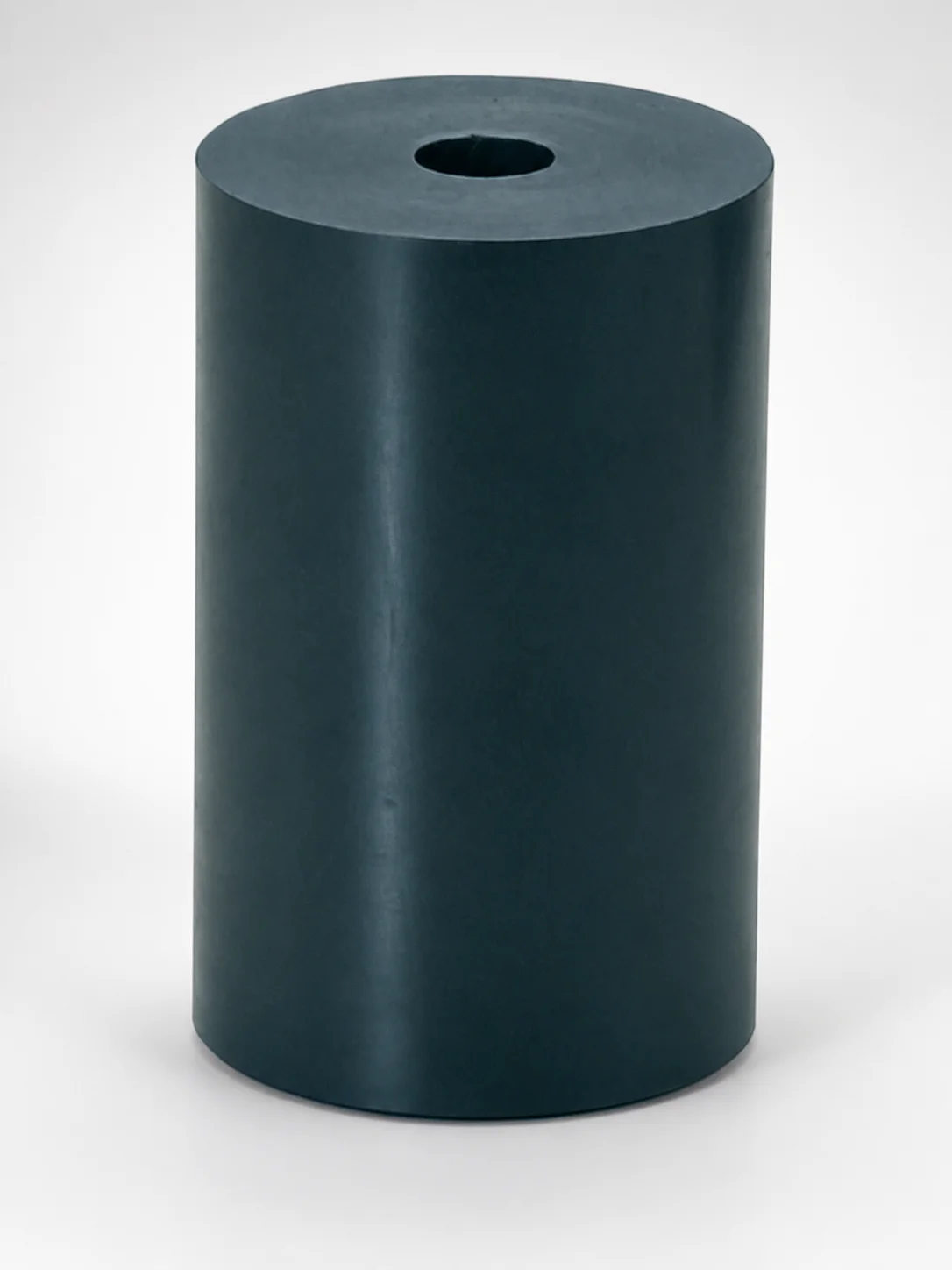
E Series Heavy Duty Urethane Springs - Pillar Type Through Hole
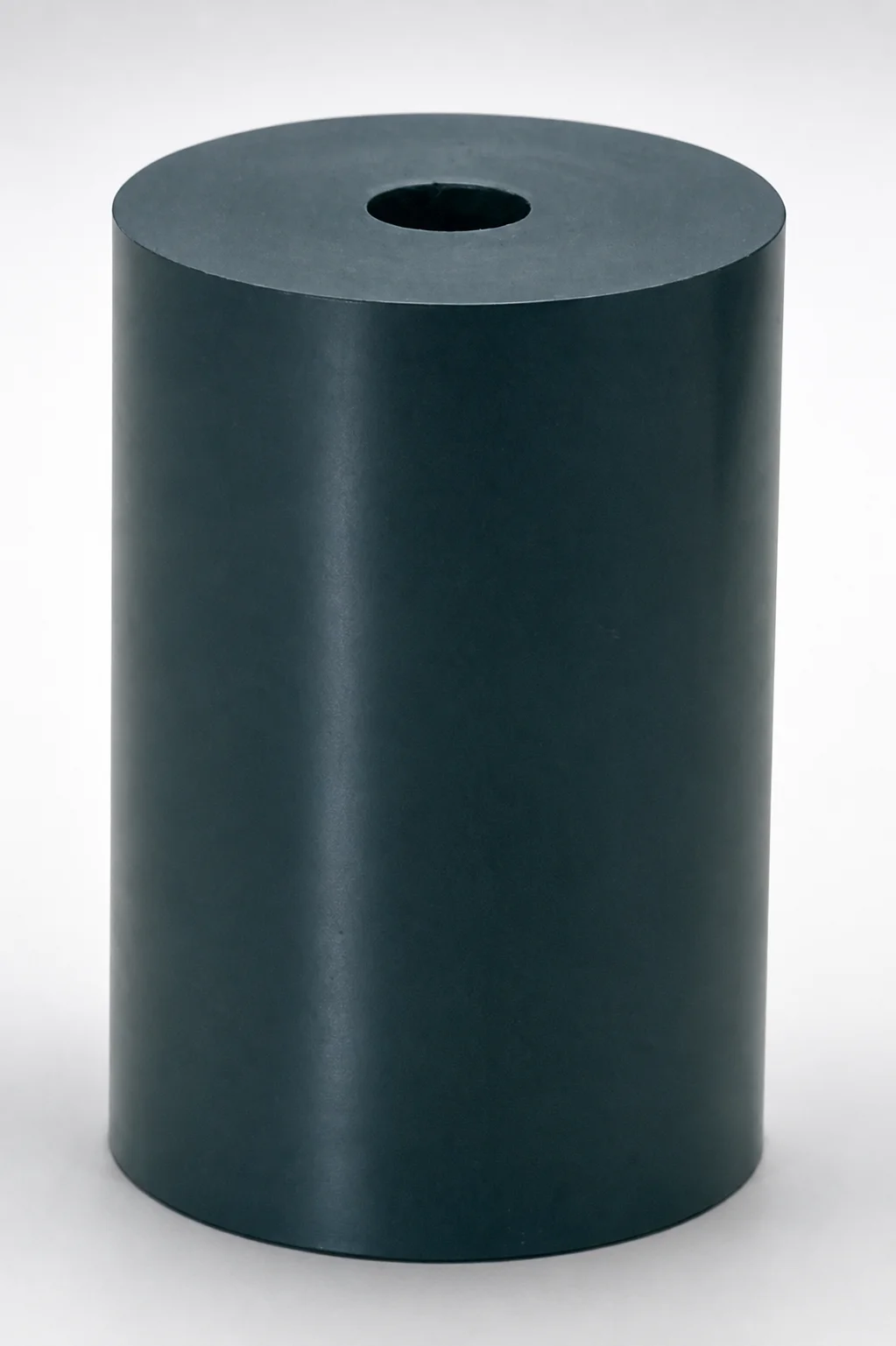
EL Series Heavy Load Urethane Pillar Springs Through Hole
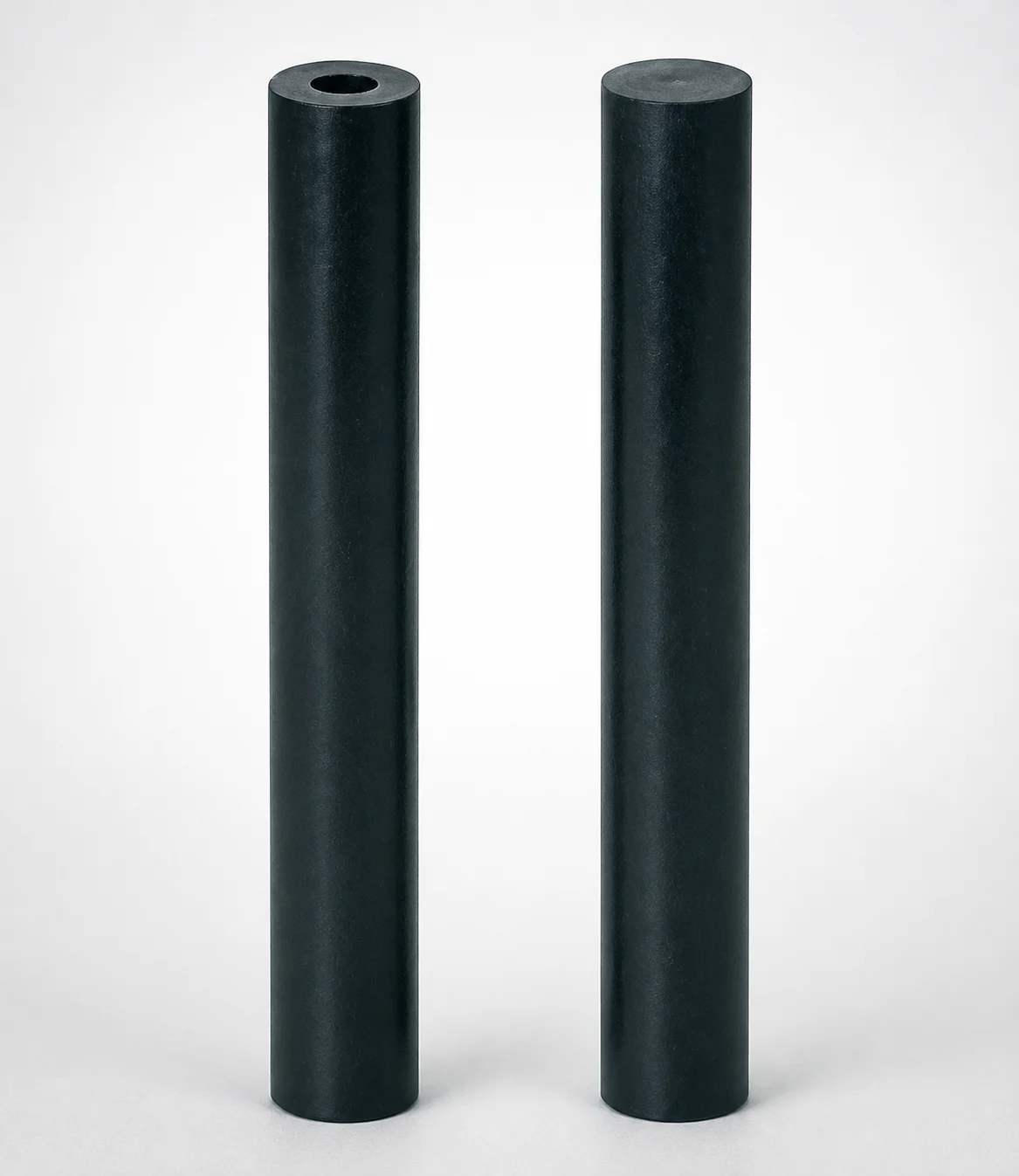
Heavy Duty Urethane Springs Pillar Shape
Need Custom Specifications?
Our engineering team can help with custom configurations, material selection, and volume pricing.