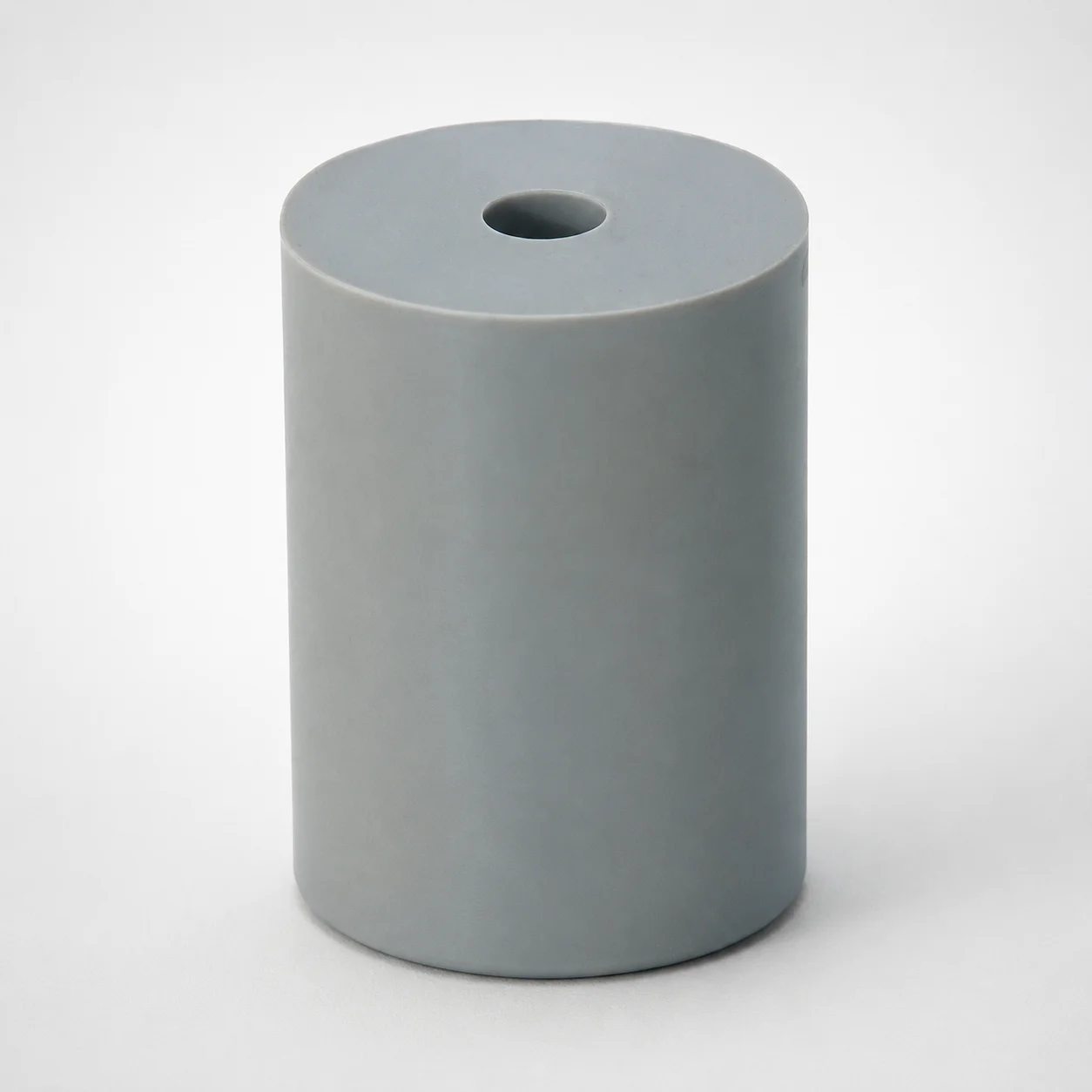
AN Series Low Repulsion Urethane Pillar Springs (Through Hole)
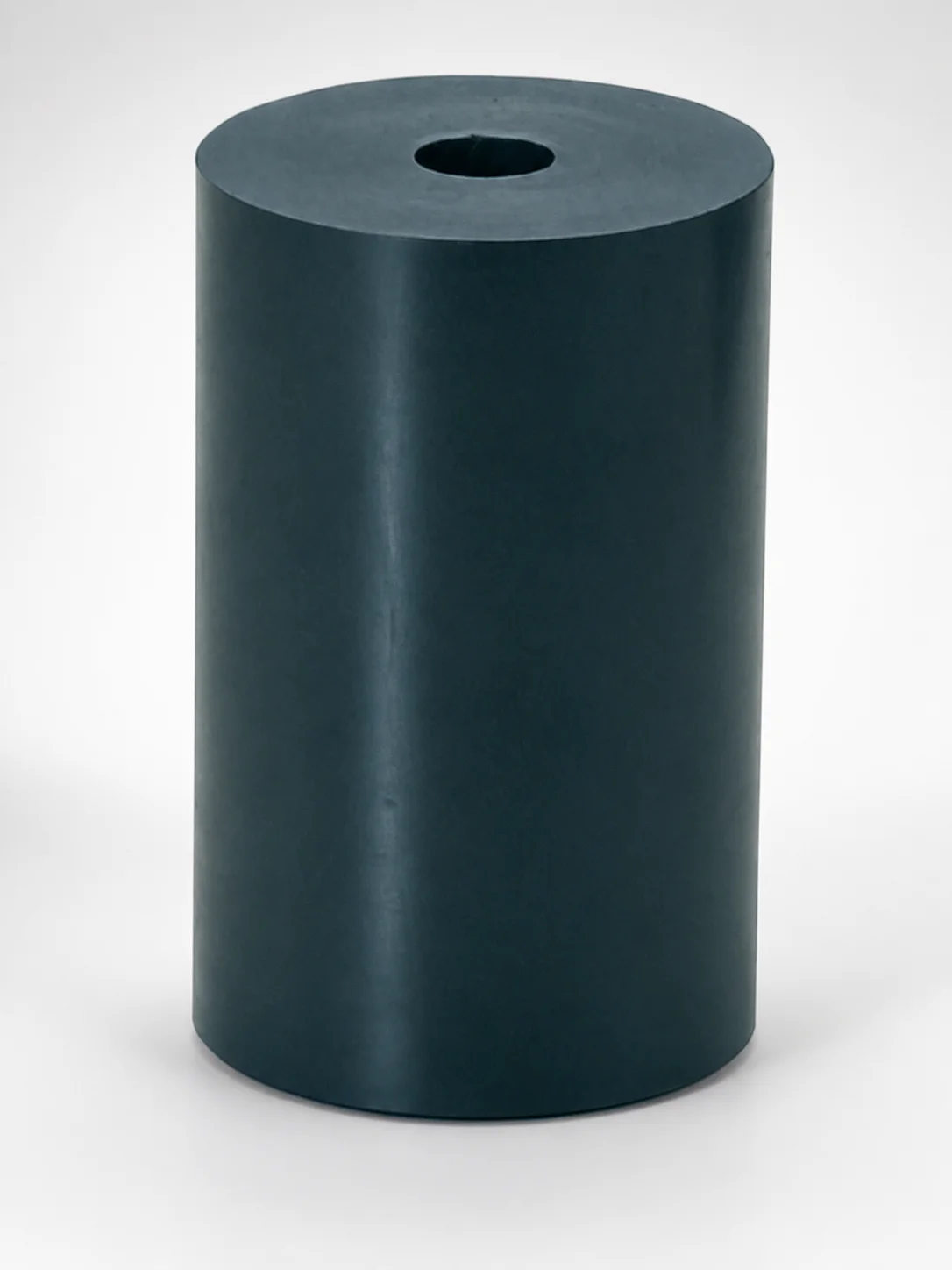
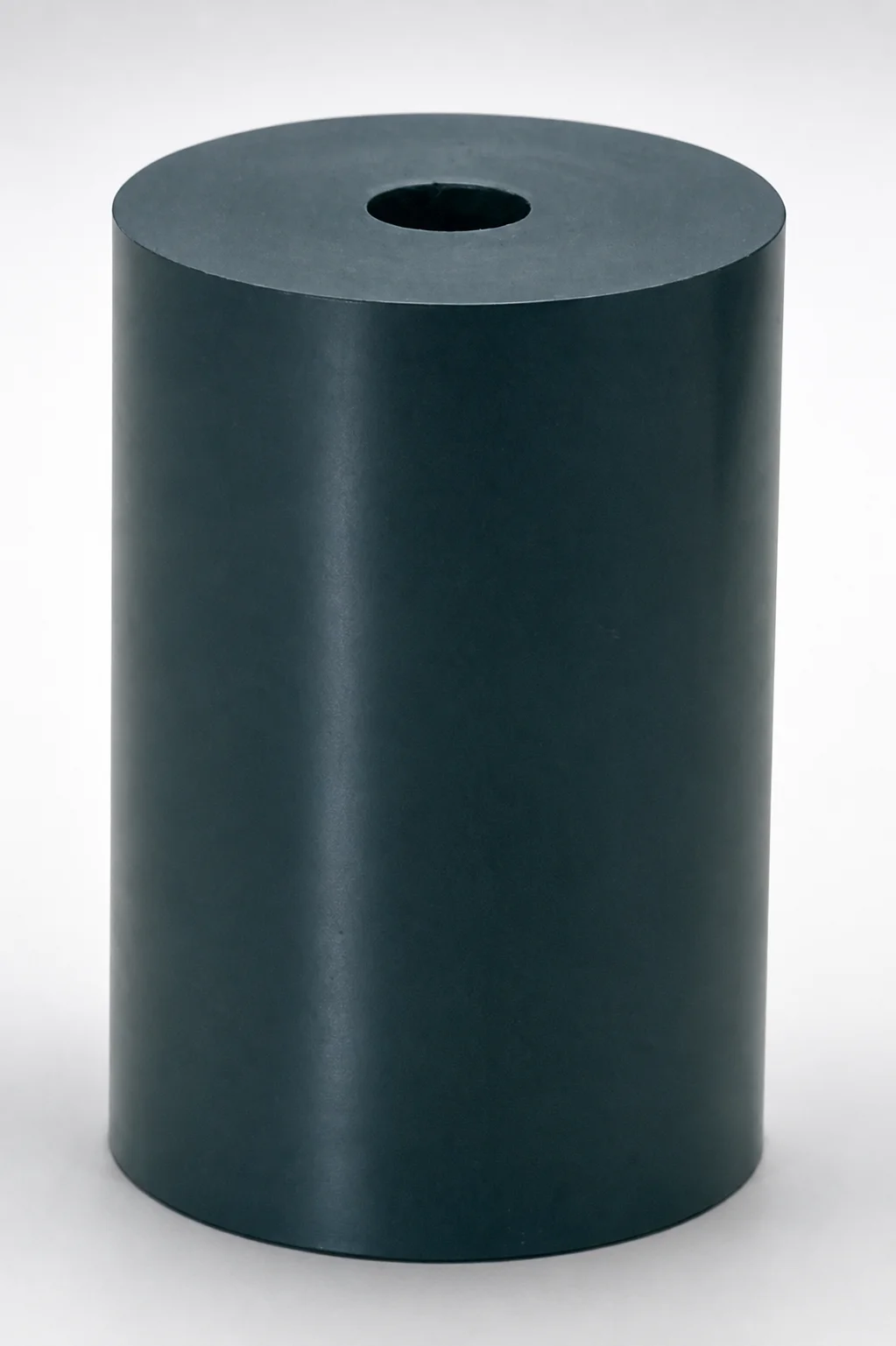
AN Series low repulsion urethane pillar springs are engineered with low-repulsion urethane (shore A70) and through-hole style mounting to deliver consistent return behavior in die and fixture systems. The pillar geometry supports predictable compression and elongation under repeated cycles.
- Pillar shape with through-hole design for reliable mounting and repeatable positioning
- Low repulsion urethane (shore A70) tuned for controlled response
- Up to 25% max. elongation to tolerate deflection during service
- AN type urethane spring material selection for stable performance in industrial tooling
Specifications
26 configurations available
| Maximum Load (N) | Length (L) (mm) | D (Outer diameter) (mm) | type |
|---|---|---|---|
| 617 | 25 | 20 | - |
| 617 | 30 | 20 | - |
| 617 | 35 | 20 | - |
| 617 | 40 | 20 | - |
| 912 | 25 | 25 | - |
| 912 | 30 | 25 | - |
| 912 | 35 | 25 | - |
| 912 | 40 | 25 | - |
| 912 | 45 | 25 | - |
| 912 | 50 | 25 | - |
| 1245 | 30 | 30 | - |
| 1245 | 35 | 30 | - |
| 1245 | 40 | 30 | - |
| 1245 | 45 | 30 | - |
| 1245 | 50 | 30 | - |
| 1245 | 55 | 30 | - |
| 1245 | 60 | 30 | - |
| 2549 | 40 | 40 | - |
| 2549 | 50 | 40 | - |
| 2549 | 60 | 40 | - |
| 4028 | 50 | 50 | - |
| 4028 | 60 | 50 | - |
| 4028 | 80 | 50 | - |
| 5962 | 50 | 60 | - |
| 5962 | 60 | 60 | - |
| 5962 | 80 | 60 | - |
Product Guide
Application Scenarios+
Where it fits in injection mold tooling: this through-hole urethane pillar spring is used in return mechanisms inside jigs, fixtures, and molded-part ejection/actuation systems where stable, repeatable compression and rebound are required.
- Automotive component molds: employ the spring to control return stroke in auxiliary tooling (e.g., slide support, small lifter/stop-return functions). The low-repulsion Shore A70 urethane helps achieve a controlled deflection response under repeated cycles, reducing rebound variability.
- Consumer electronics housings: integrate into fixtures that need consistent clamp/opening behavior to maintain part alignment. The through-hole pillar mounting provides reliable positioning through the tooling, supporting stable return even when loads fluctuate.
- Industrial die/fixture systems: use for controlled springback during compression and elongation, especially where the tooling must tolerate deflection; the design supports up to 25% max. elongation for service tolerance.
Material & Process Details+
This variant uses low-repulsion urethane with a specified hardness of Shore A70. The low-repulsion characteristic is intended to moderate the rebound force (repulsion), promoting a more controlled return behavior under repeated compression.
- Material behavior: urethane in this hardness range balances flexibility and damping, supporting predictable compression/elongation in tooling.
- Wear resistance vs. toughness trade-off: higher hardness generally improves wear and dimensional stability, while maintaining sufficient toughness for cyclic return; exact wear and toughness values depend on load level and cycle rate.
- Heat treatment / forming state: the provided specification focuses on urethane hardness and performance behavior; no steel-grade heat treatment, quench/temper, or nitriding steps are stated for this product.
When comparing options, selecting a different urethane hardness level typically changes the force-deflection curve and rebound character; this Shore A70 selection is tuned for controlled response.
Sizing & Selection Guide+
To select the correct pillar spring, match the required geometry to the mold/tool cavity or fixture interface, then verify the load capacity for your duty cycle.
- Choose the outer diameter (D): available sizes are 20, 25, 30, 40, 50, 60 mm. Select the D that fits your mounting recess/guide spacing without interfering with adjacent steel features.
- Choose the installed length (L): available lengths are 25 to 80 mm. L should be selected to achieve the needed working stroke while remaining within safe operating deflection.
- Validate maximum load: maximum load is offered in discrete ratings of 617, 912, 1245, 2549, 4028, 5962 N. Ensure your expected compressive load (including safety margin for peak conditions) stays at or below the selected maximum load.
- Deflection tolerance: this design supports up to 25% max. elongation, which helps tolerate tooling deflection during service.
Note on tolerances: no explicit dimensional tolerance values are provided in the data; confirm fit by checking your through-hole mounting clearance requirements against your tooling drawings and allowable backlash.
Frequently Asked Questions
Which load rating (617–5962 N) should I select for a return mechanism, and how do I account for peak conditions?+
Pick the maximum load rating from 617, 912, 1245, 2549, 4028, or 5962 N so your expected compressive load (including peak conditions) does not exceed the selected rating.
The material is Shore A70 low-repulsion urethane, so the spring’s force response is designed for controlled return; however, duty-cycle verification is still required for your specific stroke and frequency.
How do I choose the correct D (outer diameter) among 20, 25, 30, 40, 50, and 60 mm for through-hole mounting?+
Select D based on the tooling recess/clearance available for the pillar body. The set offers discrete outer diameters: 20, 25, 30, 40, 50, 60 mm.
Because explicit tolerance values are not provided here, validate fit using your drawing tolerances and the through-hole location accuracy of your mold/tool plate.
What installed length range (L = 25–80 mm) is suitable to achieve the required working stroke without exceeding elongation limits?+
Choose L within 25 to 80 mm to position the pillar so the working stroke stays within safe deflection.
This series design supports up to 25% max. elongation, which helps tolerate deflection during service; confirm your required stroke against that operating limit for the load setting you select.
Why is the low-repulsion urethane (Shore A70) preferred for controlled return in mold fixtures?+
The spring uses low-repulsion urethane with specified hardness of Shore A70, intended to moderate rebound force compared with higher-repulsion elastomer formulations.
This supports more stable return behavior in tooling where repeatability matters, such as alignment and return in fixture systems under cyclic compression.
Does this urethane pillar spring require steel heat treatment or specify a hardness like an HRC steel spring?+
No steel grade, quench/temper, nitriding, or HRC hardness is specified for this product because it is a urethane spring.
The key hardness/selection parameter given is Shore A70, along with performance constraints like up to 25% max. elongation and the discrete maximum load ratings.
Related Products
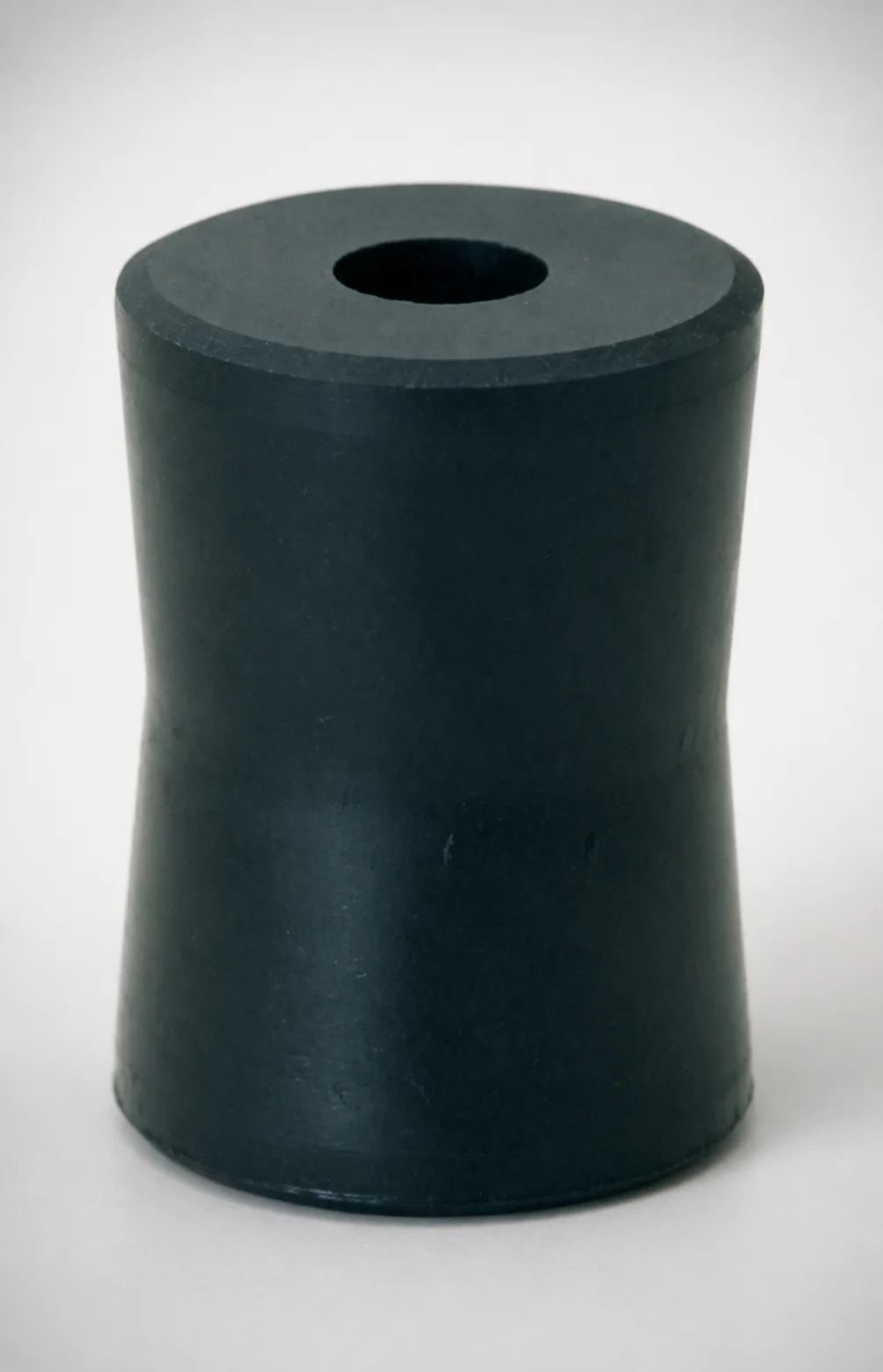
EX Series Heavy-Duty Urethane Pillar Springs (Through Hole)
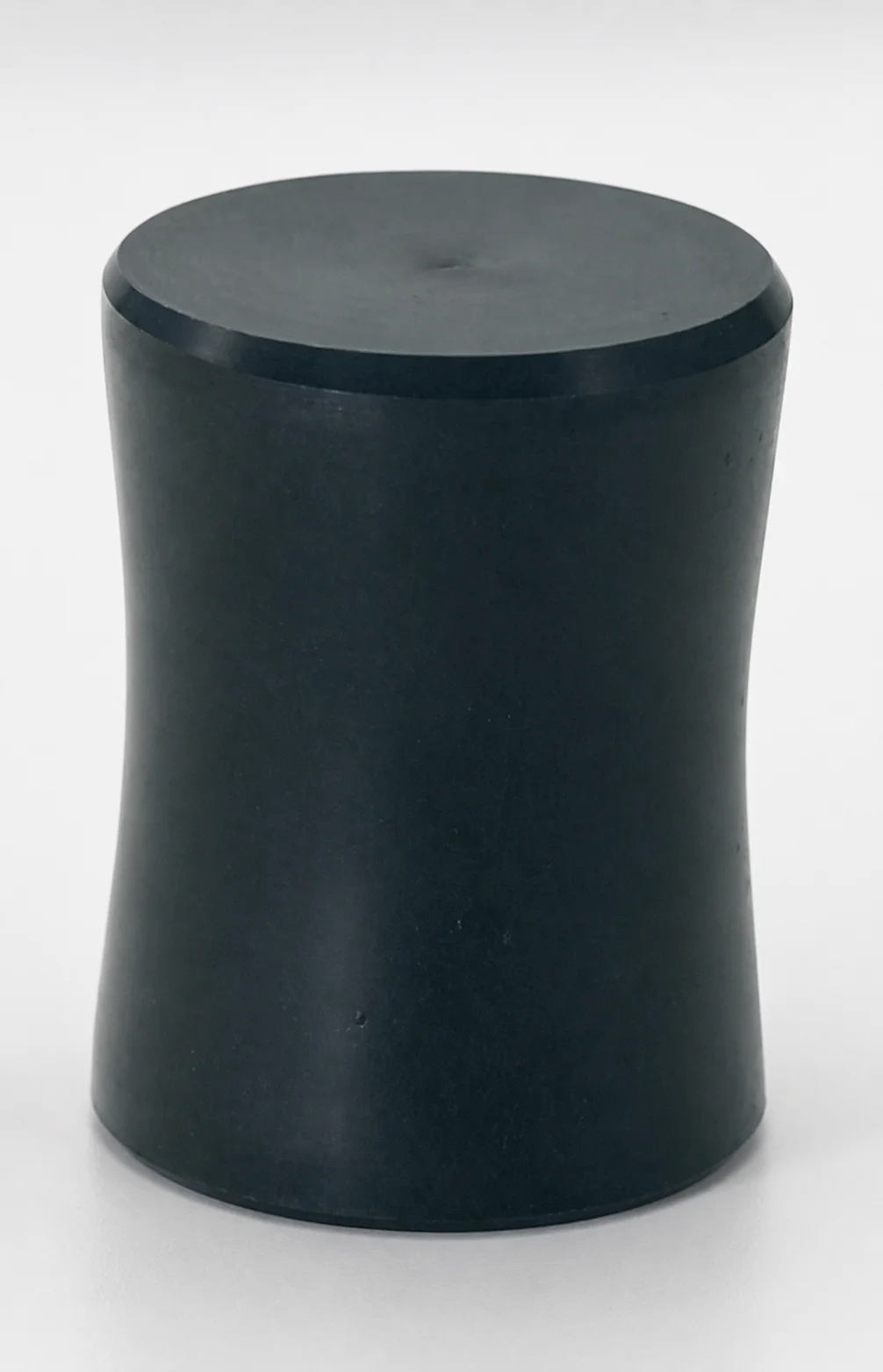
EX Series Heavy Duty Urethane Springs Pillar Hourglass
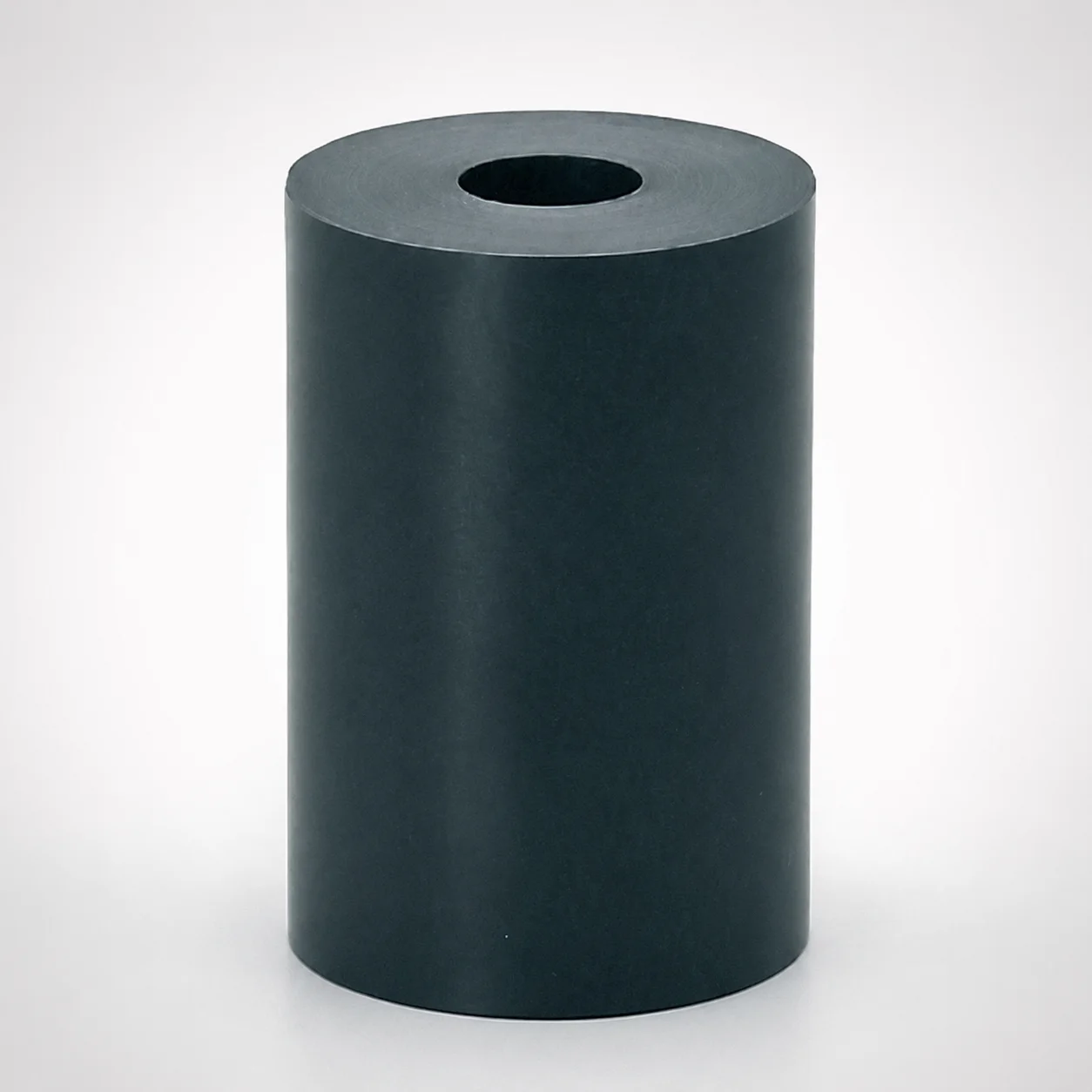
Heavy Duty Urethane Pillar Springs - A Series, Through Hole
E Series Heavy Duty Urethane Springs - Pillar Type Through Hole
EL Series Heavy Load Urethane Pillar Springs Through Hole
Heavy Duty Urethane Springs Pillar Shape
Need Custom Specifications?
Our engineering team can help with custom configurations, material selection, and volume pricing.