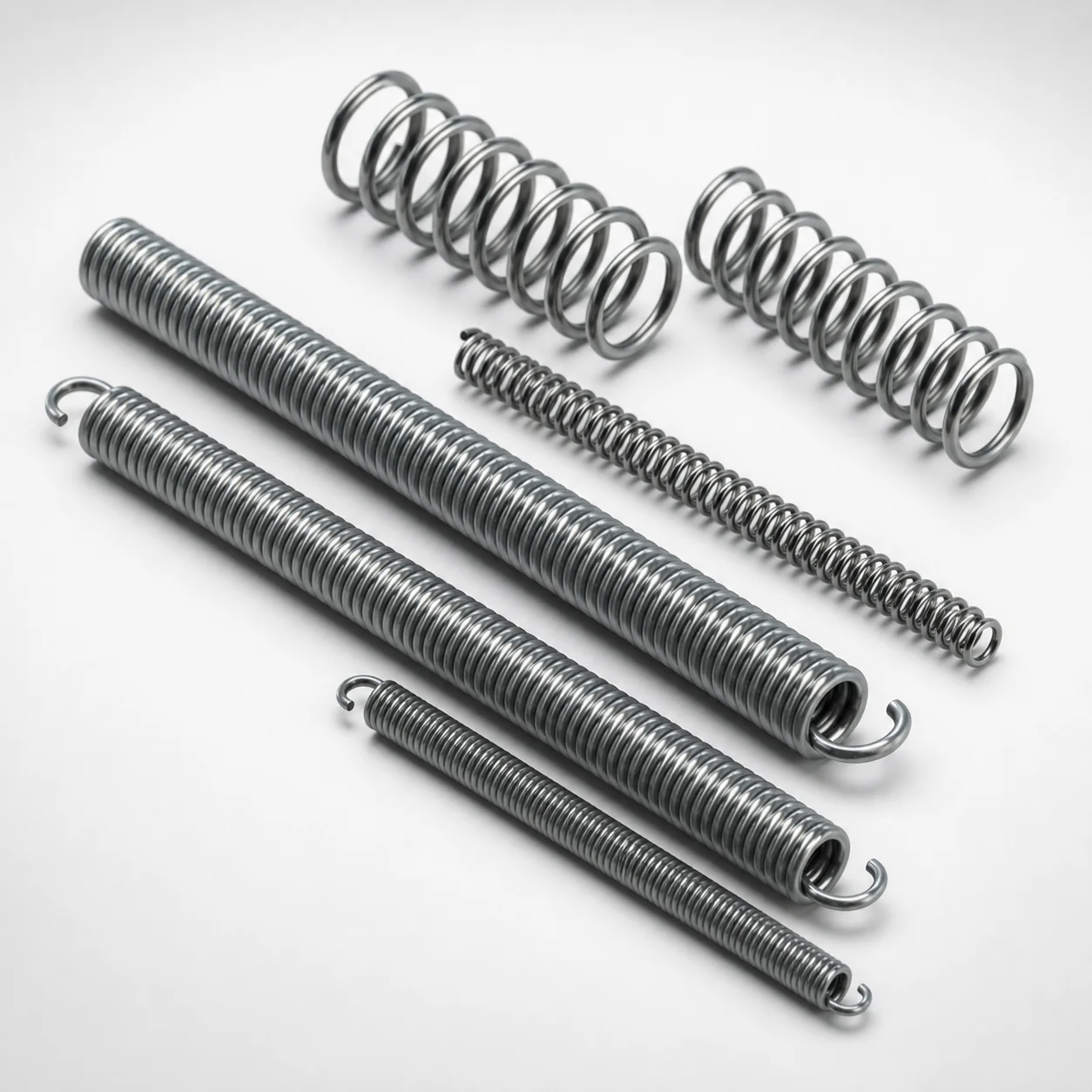
Utility Round Wire Springs (Compression/Extension/Midget)
Utility round wire springs (compression/extension/midget) by Lamina are designed to provide dependable tension and compression for industrial support. They help absorb shocks and vibration while maintaining consistent performance in general assembly and machinery.
- Round wire coil design supports stable tension or compression for reliable load transfer
- Durable steel construction improves shock/vibration absorption and helps protect sensitive components
- Spring family coverage supports multiple build needs, including midget-sized configurations
- Common for machinery, automotive, and general assembly where consistent operation is required
Specifications
5 configurations available
| Type of Spring |
|---|
| Midget Spring |
| Compression Spring |
| Extension Spring |
| Compression Spring |
| Compression Spring |
Product Guide
Application Scenarios+
This utility round wire spring series is used in injection mold tooling where a compact, repeatable force is needed for support, actuation, or stability. Its round-wire coil form helps deliver steady tension or compression, making it suitable for mechanisms that must maintain load transfer across repeated cycles.
- Mold clamp and component support systems: Use the compression or extension variant to help absorb vibration and maintain consistent contact force on small tooling interfaces, reducing chatter-related wear.
- Automotive connector and small part molding: The midget configuration is well-suited for tight spaces around guides or ejector-adjacent assemblies, where stable force helps protect delicate components during high-cadence operation.
- General machinery and vibration-control subassemblies: Choose the matching spring type to manage shock loads and maintain predictable movement in assemblies that experience intermittent impacts.
Across these scenarios, the correct choice of type (compression, extension, or midget) aligns the spring’s force behavior with the tool’s functional direction.
Material & Process Details+
The provided specifications define this as a round wire coil spring family with three selectable types: Midget Spring, Compression Spring, and Extension Spring. However, no steel grade, hardness (HRC), heat-treatment state, or dimensional tolerance data were included in the source parameters.
For utility round wire coil springs used in tooling support and vibration control, engineers typically require a balance of wear resistance and toughness. This balance is commonly achieved via spring-grade steels and appropriate heat treatment (often quenched and tempered or other spring-appropriate processes) to control residual stress and fatigue performance.
- Compression vs. extension behavior: material and heat treatment must be selected to maintain elastic recovery under the dominant loading mode.
- Trade-off: higher hardness increases wear resistance but can reduce toughness and fatigue life if not properly tempered.
- Note: since no grade comparison data is supplied, specific SK/ASTM equivalences and target HRC cannot be stated from the provided input.
Sizing & Selection Guide+
Selection is primarily based on the required spring type and the available space in the tool. The specification parameters indicate three build options: Midget Spring, Compression Spring, and Extension Spring. Use the spring type that matches the functional direction of force in your mold mechanism: compression for pushing loads together, extension for pulling loads apart, and midget for limited envelope designs.
- Match the mechanical role: if the tooling needs a closing/contact force, select the compression variant; if it needs a return-to-position or pull-back behavior, select the extension variant.
- Envelope constraints: when the working area is constrained, choose the midget spring configuration to fit within the reduced space around guides or small actuating linkages.
- Dimensional matching: the input data does not include explicit wire diameter, coil count, free length, or outside diameter ranges. Confirm these from the specific product drawing before locking cavity/core clearances.
- Tolerance/fit considerations: for spring seating and stability, plan for installation clearances appropriate to the mounting interface; verify spring tolerances to prevent bind during travel.
Frequently Asked Questions
Which variant should I choose for a tooling mechanism that requires a closing/contact force—compression or extension?+
When is the Midget Spring the right choice in mold or automation builds?+
Do I need to match a specific spring steel grade or hardness (HRC) for reliable vibration control in tooling?+
How do I size the spring to avoid bind in a moving tooling assembly?+
Can the same round-wire spring family be used across different machine applications if the loading direction changes?+
Related Products
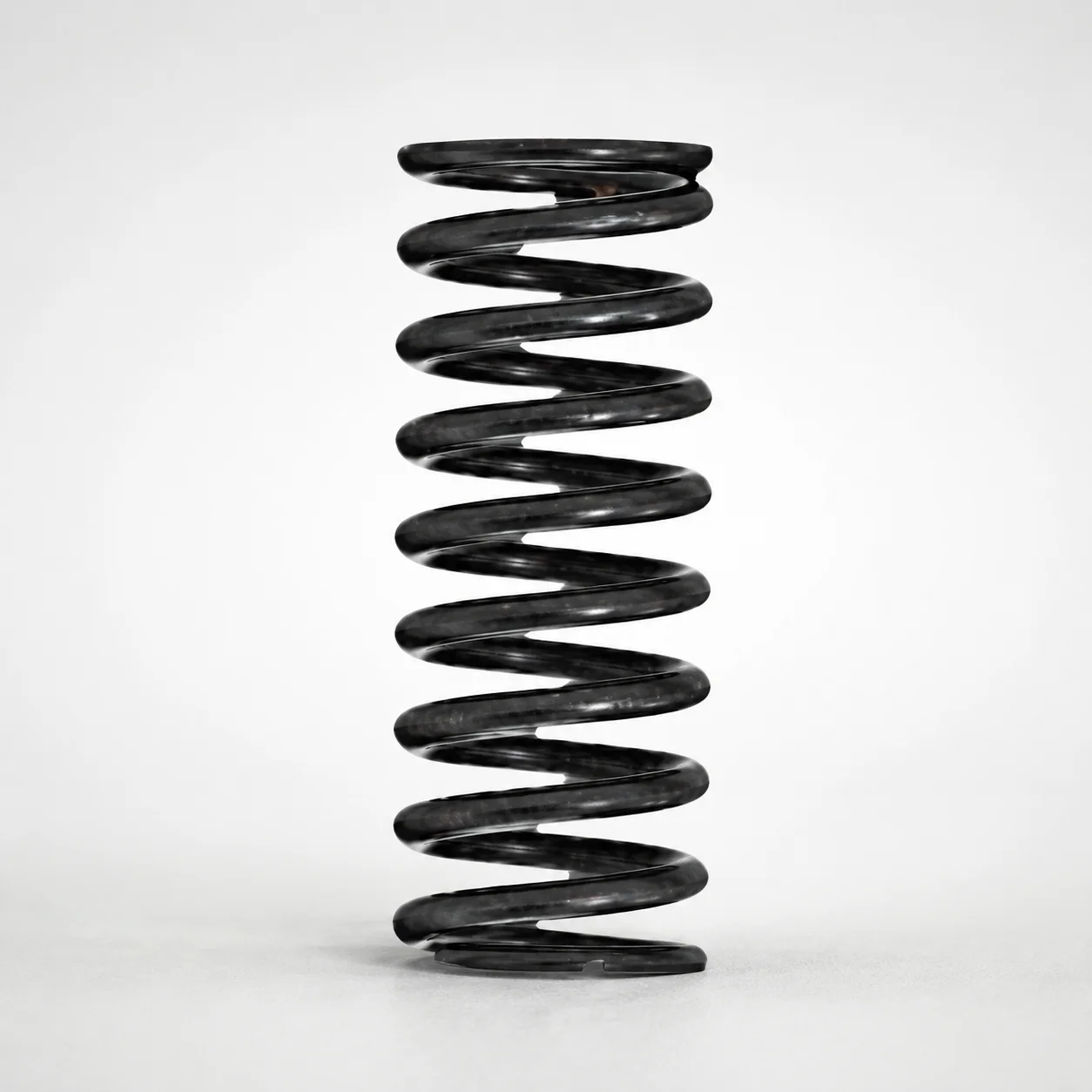
Round Wire Coil Springs - 75% Deflection, WY Series
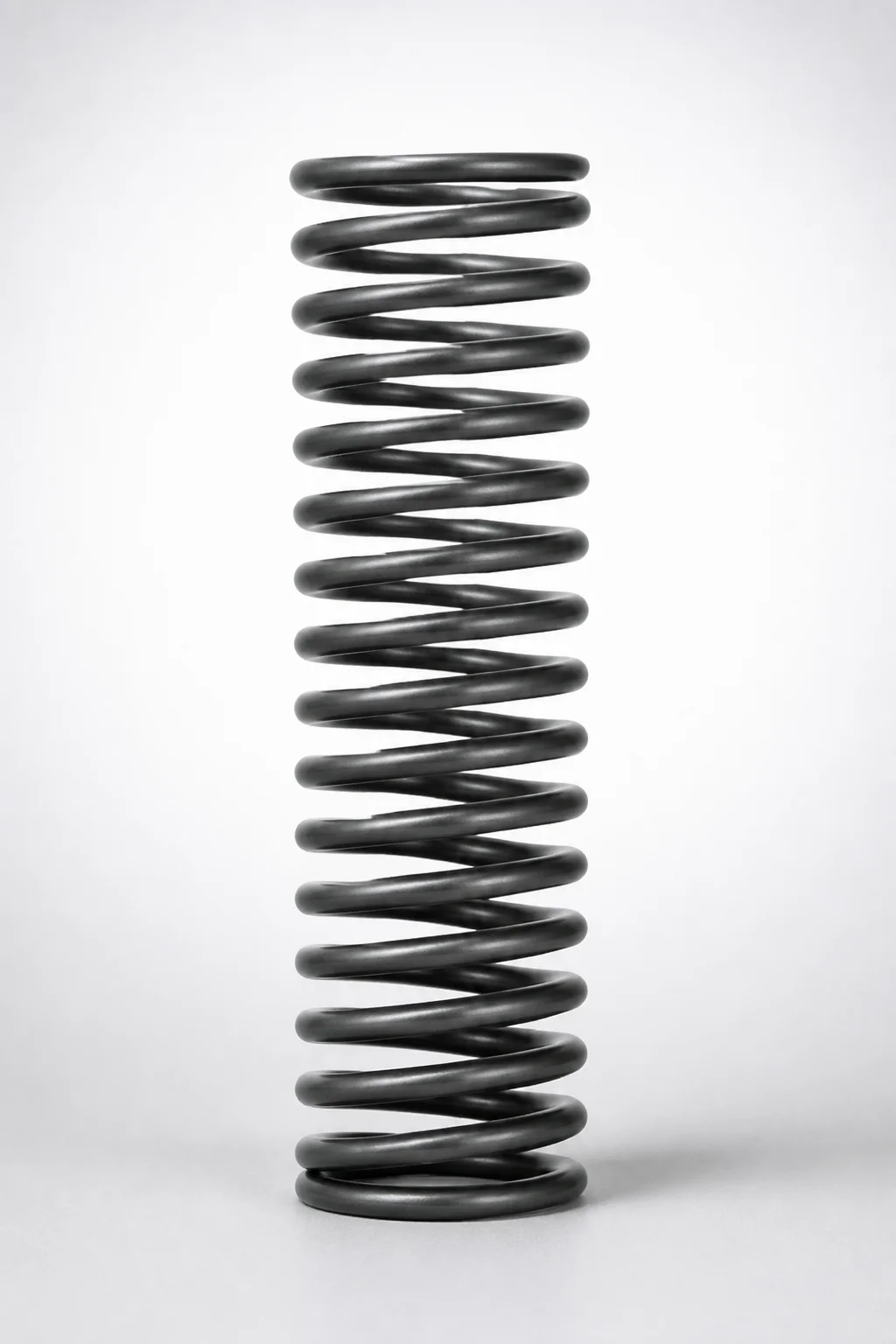
WR Series Round Wire Coil Springs 60% Deflection
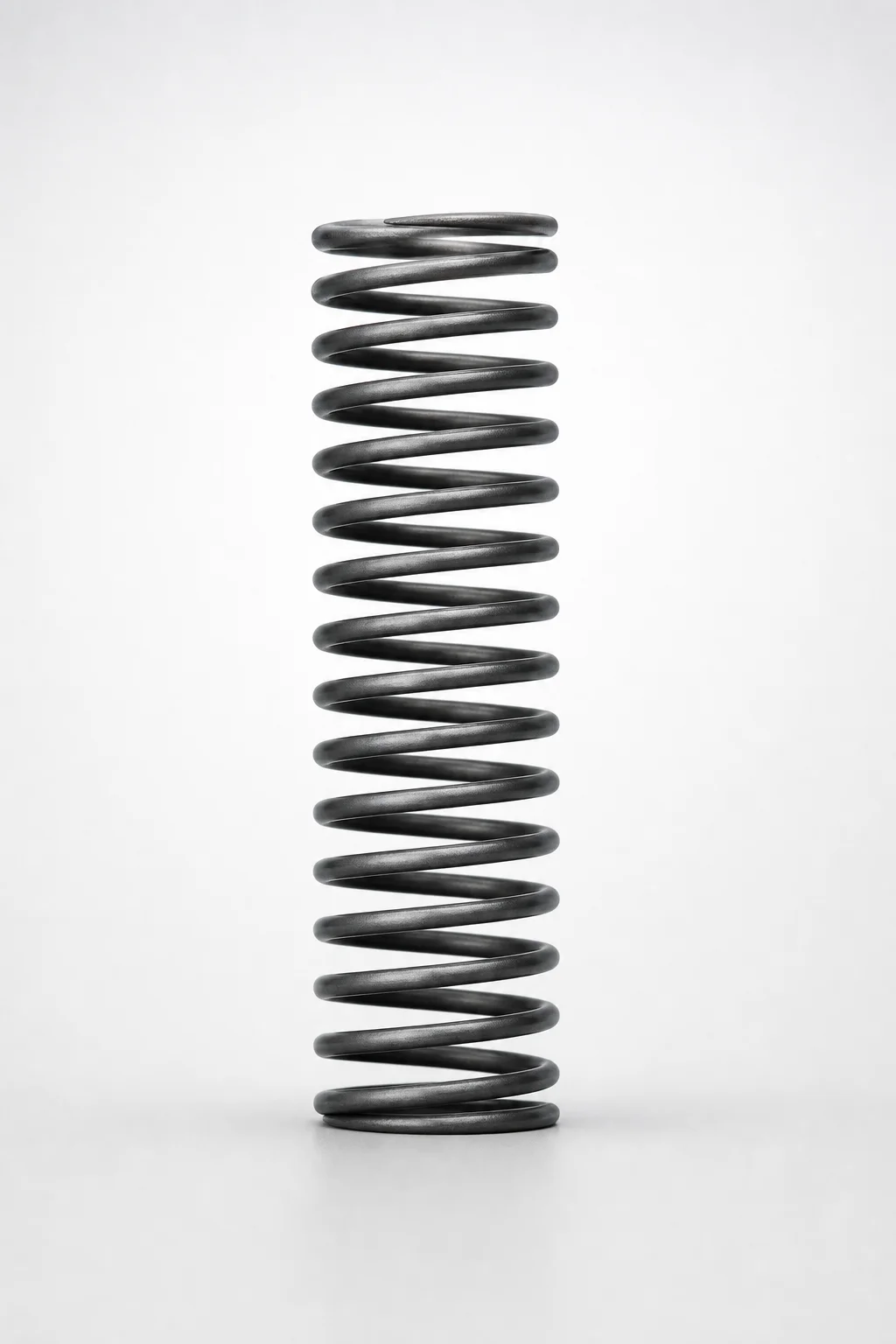
Round Wire Coil Springs - 45% Deflection WF Series
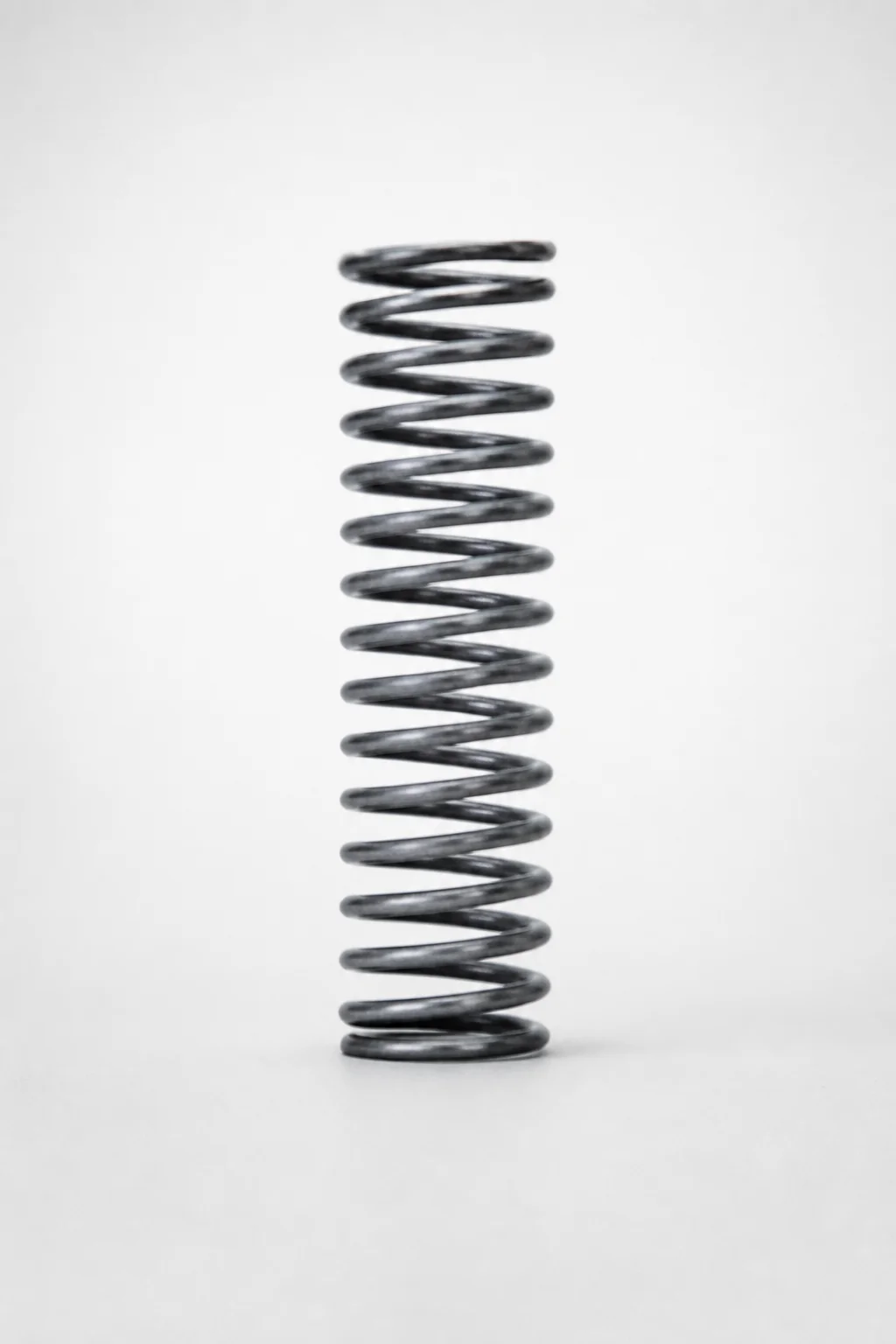
Piano Wire Round Wire Coil Springs - 40% Deflection, WL Series
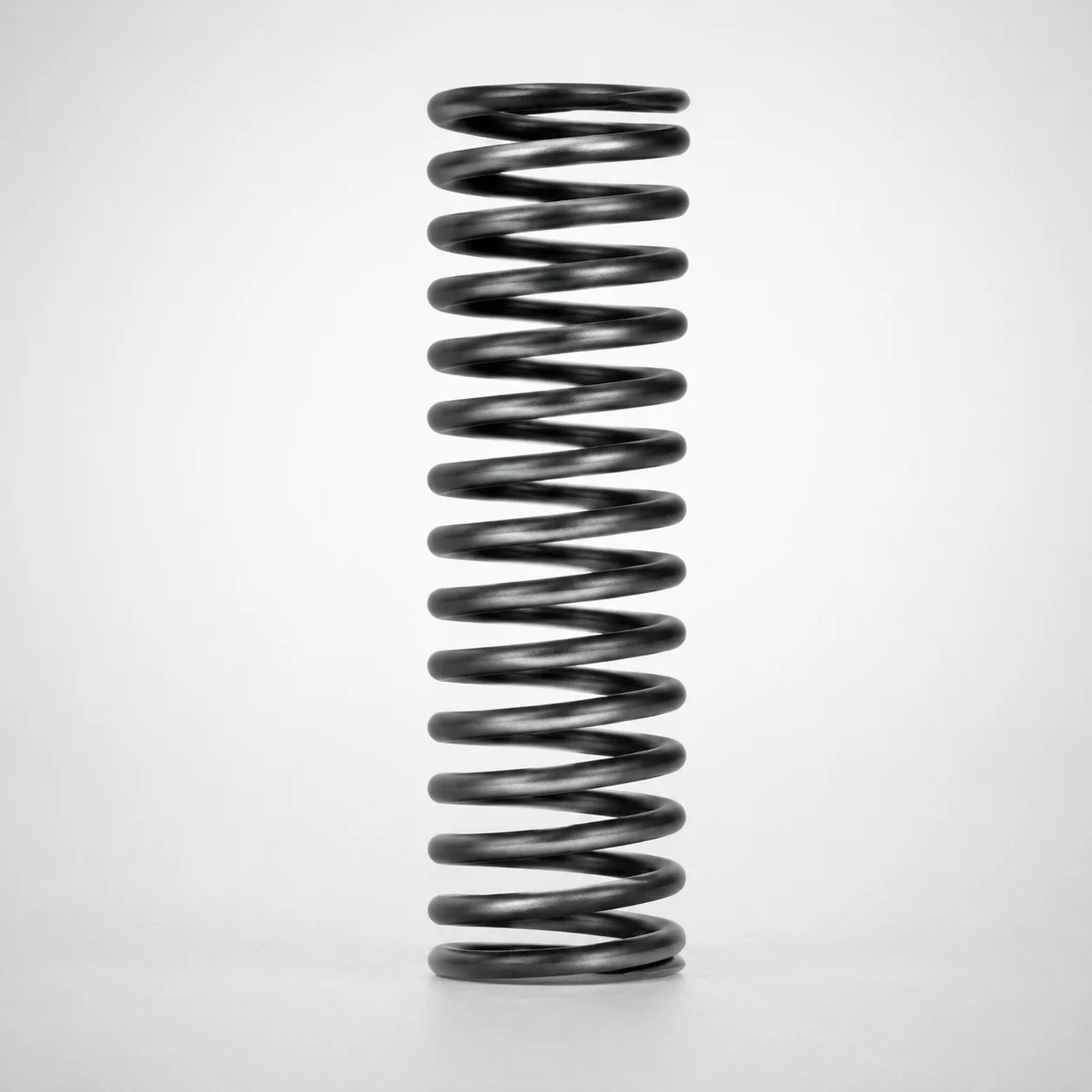
WT Series Round Wire Coil Springs 40% Deflection
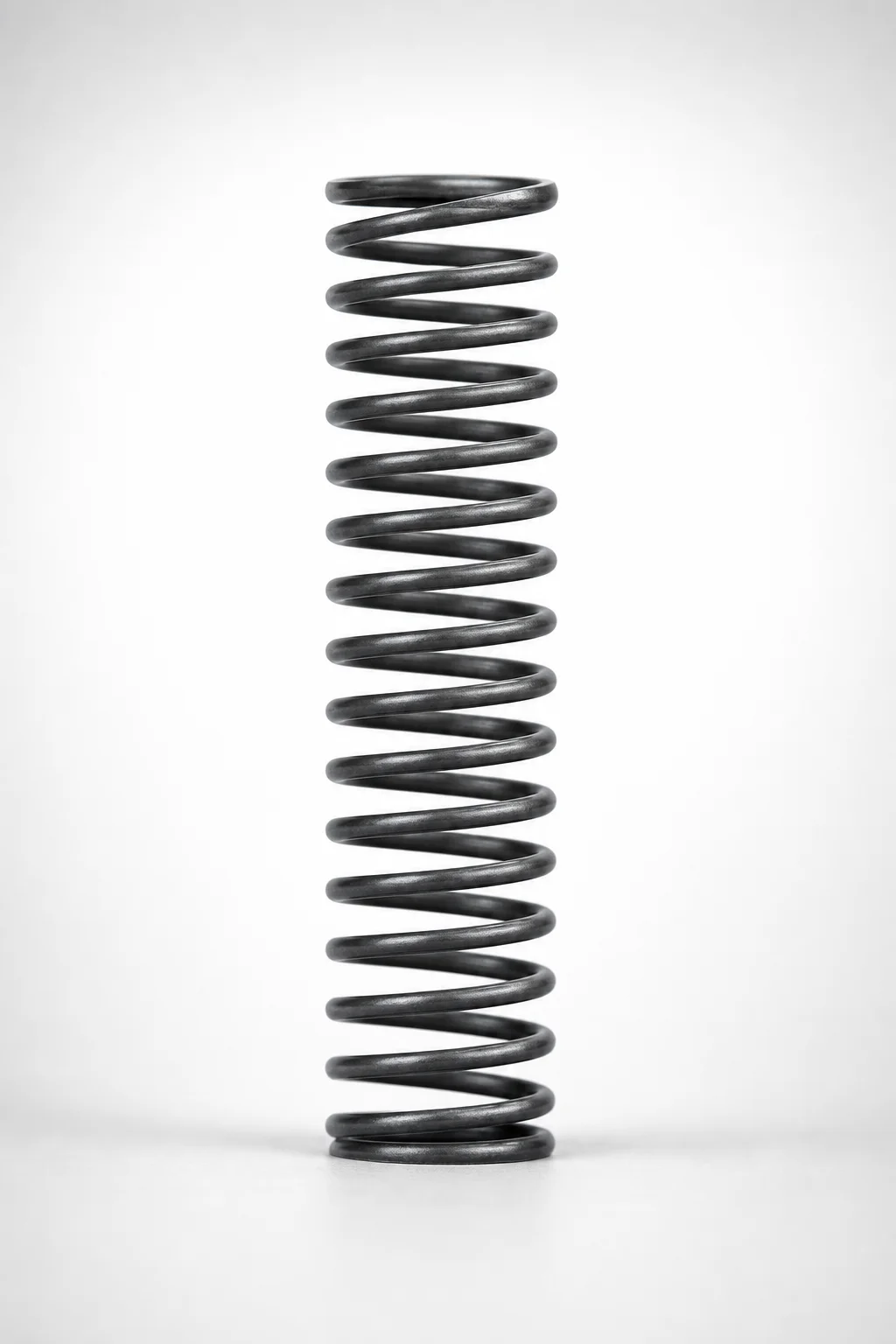
WM Series Round Wire Coil Springs 35% Deflection
Need Custom Specifications?
Our engineering team can help with custom configurations, material selection, and volume pricing.