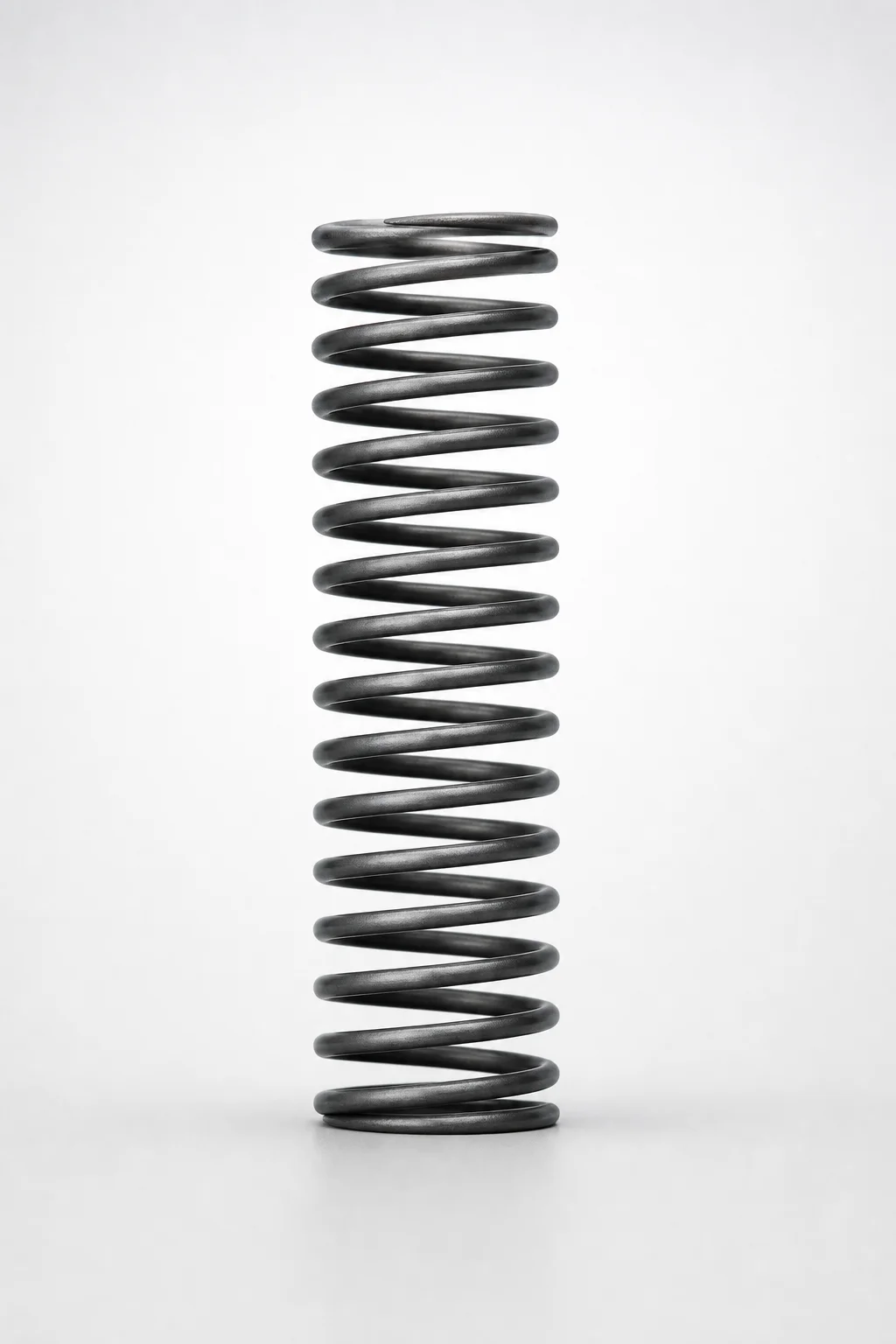
Round Wire Coil Springs - 45% Deflection WF Series
Round Wire Coil Springs - 45% Deflection WF Series are compact piano wire springs engineered for consistent load response at 45% deflection, supporting stable performance in mechanical assemblies.
- WF series geometry provides 45% deflection characteristics for predictable actuation
- Built from piano wire for dependable elasticity and repeatable spring behavior
- Available in configurable spring constant and load ranges for design matching
- Used in fixtures, clamps, and mechanisms requiring smooth extension or compression
Specifications
182 configurations available
| Spring Constant (N/mm) | Maximum Load (N) | Outer Diameter D (mm) | Length L (mm) | type |
|---|---|---|---|---|
| 0.5 | 1.1 | 3 | 5 | - |
| 0.5 | 2.2 | 3 | 10 | - |
| 0.5 | 3.2 | 3 | 15 | - |
| 0.5 | 4.4 | 3 | 20 | - |
| 0.5 | 5.5 | 3 | 25 | - |
| 0.5 | 6.6 | 3 | 30 | - |
| 0.5 | 7.6 | 3 | 35 | - |
| 0.5 | 8.8 | 3 | 40 | - |
| 0.5 | 1.1 | 4 | 5 | - |
| 0.5 | 2.2 | 4 | 10 | - |
| 0.5 | 3.2 | 4 | 15 | - |
| 0.5 | 4.4 | 4 | 20 | - |
| 0.5 | 5.5 | 4 | 25 | - |
| 0.5 | 6.6 | 4 | 30 | - |
| 0.5 | 7.6 | 4 | 35 | - |
| 0.5 | 8.8 | 4 | 40 | - |
| 0.5 | 9.8 | 4 | 45 | - |
| 0.5 | 10.8 | 4 | 50 | - |
| 0.5 | 12.1 | 4 | 55 | - |
| 0.5 | 12.7 | 4 | 60 | - |
| 0.5 | 14.3 | 4 | 65 | - |
| 0.5 | 15.4 | 4 | 70 | - |
| 0.5 | 1.1 | 5 | 5 | - |
| 0.5 | 2.2 | 5 | 10 | - |
| 0.5 | 3.2 | 5 | 15 | - |
| 0.5 | 4.4 | 5 | 20 | - |
| 0.5 | 5.5 | 5 | 25 | - |
| 0.5 | 6.6 | 5 | 30 | - |
| 0.5 | 7.6 | 5 | 35 | - |
| 0.5 | 8.8 | 5 | 40 | - |
| 0.5 | 9.8 | 5 | 45 | - |
| 0.5 | 10.8 | 5 | 50 | - |
| 0.5 | 12.1 | 5 | 55 | - |
| 0.5 | 12.7 | 5 | 60 | - |
| 0.5 | 14.3 | 5 | 65 | - |
| 0.5 | 15.4 | 5 | 70 | - |
| 0.5 | 1.1 | 6 | 5 | - |
| 0.5 | 2.2 | 6 | 10 | - |
| 0.5 | 3.2 | 6 | 15 | - |
| 0.5 | 4.4 | 6 | 20 | - |
| 0.5 | 5.5 | 6 | 25 | - |
| 0.5 | 6.6 | 6 | 30 | - |
| 0.5 | 7.6 | 6 | 35 | - |
| 0.5 | 8.8 | 6 | 40 | - |
| 0.5 | 9.8 | 6 | 45 | - |
| 0.5 | 10.8 | 6 | 50 | - |
| 0.5 | 12.1 | 6 | 55 | - |
| 0.5 | 12.7 | 6 | 60 | - |
| 0.5 | 14.3 | 6 | 65 | - |
| 0.5 | 14.7 | 6 | 70 | - |
Product Guide
Application Scenarios+
These round wire coil springs are used inside injection-molded mechanical assemblies where a compact elastic element must deliver repeatable force over a controlled stroke. The WF series is specified around 45% deflection, making it suitable for designs that require stable actuation during partial compression or extension rather than full-stroke travel.
- Automotive and industrial connectors: employ the spring to maintain contact pressure or to bias latching features, benefiting from predictable load response at 45% deflection for reliable mating cycles.
- Appliance fixtures and clamps: use the spring to smooth extension/compression in mechanisms with constrained space; the piano wire design supports consistent force so the clamping action stays uniform.
- Assembly & kinematic mechanisms: pair with molded slides or push mechanisms to return parts after actuation, leveraging configurable spring constant and load ranges to match the required force at working stroke.
The availability of multiple outer diameters (3–27 mm) and lengths (5–90 mm) helps engineers fit the spring into tight mold-driven subassemblies without changing the basic elastic behavior.
Material & Process Details+
This spring series is built from piano wire, a high-carbon steel typically selected for strong elastic performance and good dimensional stability under repeated cycling. Piano wire’s key advantage is its ability to provide a repeatable spring constant and controlled load response when the spring is compressed to a defined operating deflection.
- Heat treatment: piano wire is commonly supplied and processed in a hardened condition, then formed and often tempered to balance hardness with resilience. (Exact heat-treatment parameters are not provided in the supplied specs.)
- Properties: high wear resistance and good fatigue life for repeated actuation; however, higher hardness can reduce toughness if over-tempered or improperly processed.
- Trade-off guidance: for assemblies exposed to harsh shock, ensure the chosen spring constant/load range does not push the wire beyond the intended deflection envelope.
When comparing material options in coil spring design, piano wire generally prioritizes elastic accuracy and fatigue strength over maximum ductility, which suits precision mechanical actuation.
Sizing & Selection Guide+
Select dimensions by matching the spring’s working load requirement at the intended stroke to the WF series load behavior at 45% deflection. Then verify fit using outer diameter D (3–27 mm) and length L (5–90 mm) against the available cavity space and guide clearances.
- Step 1 – Force matching: choose the target maximum load from 1.1–35.3 N that corresponds to the required actuation force for your molded mechanism.
- Step 2 – Geometry fit: ensure the outer diameter D (3–27 mm) fits the surrounding housing/guide while allowing assembly clearance and preventing binding.
- Step 3 – Stroke packaging: set the length L (5–90 mm) so the spring can compress to the design point without solid height contact (solid height not provided, so validate with your spring pack design).
- Tolerance and fit: because spring dimensions influence alignment, use a clearance strategy around D and L to account for assembly tolerances in the molded features.
Spring constant is configurable (0.5 or 1.0 N/mm in the provided range), so treat stiffness and maximum load as the primary selection knobs, with D and L as the constraint checks.
Frequently Asked Questions
How do I select the correct maximum load for this WF series spring at the 45% deflection working point?+
What spring constant options are available and how do they affect stiffness and response?+
How should I choose outer diameter D and length L to fit a molded housing without binding?+
Are the spring dimensions fixed or configurable for different designs?+
What material should I assume for load-bearing fatigue performance in this spring design?+
Related Products
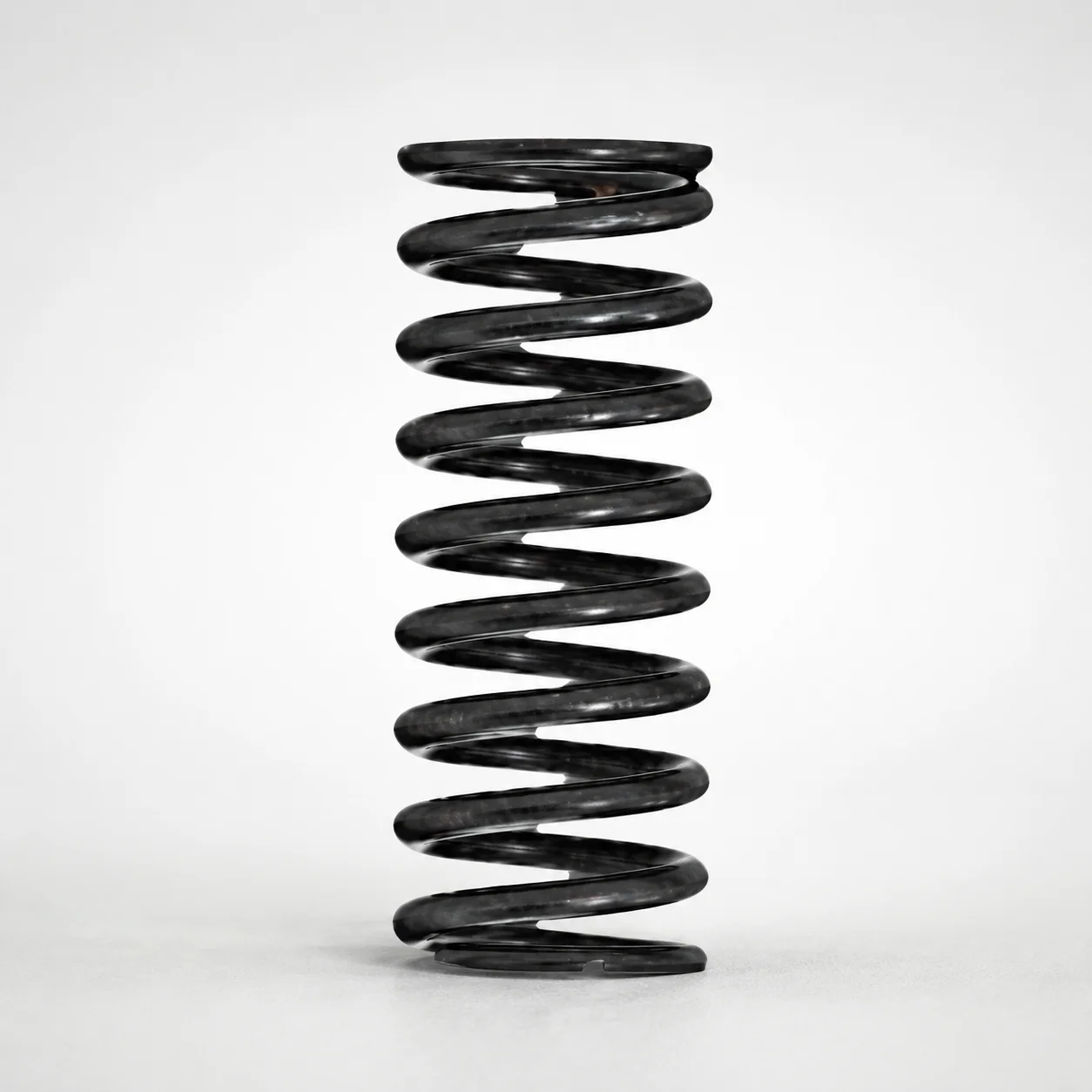
Round Wire Coil Springs - 75% Deflection, WY Series
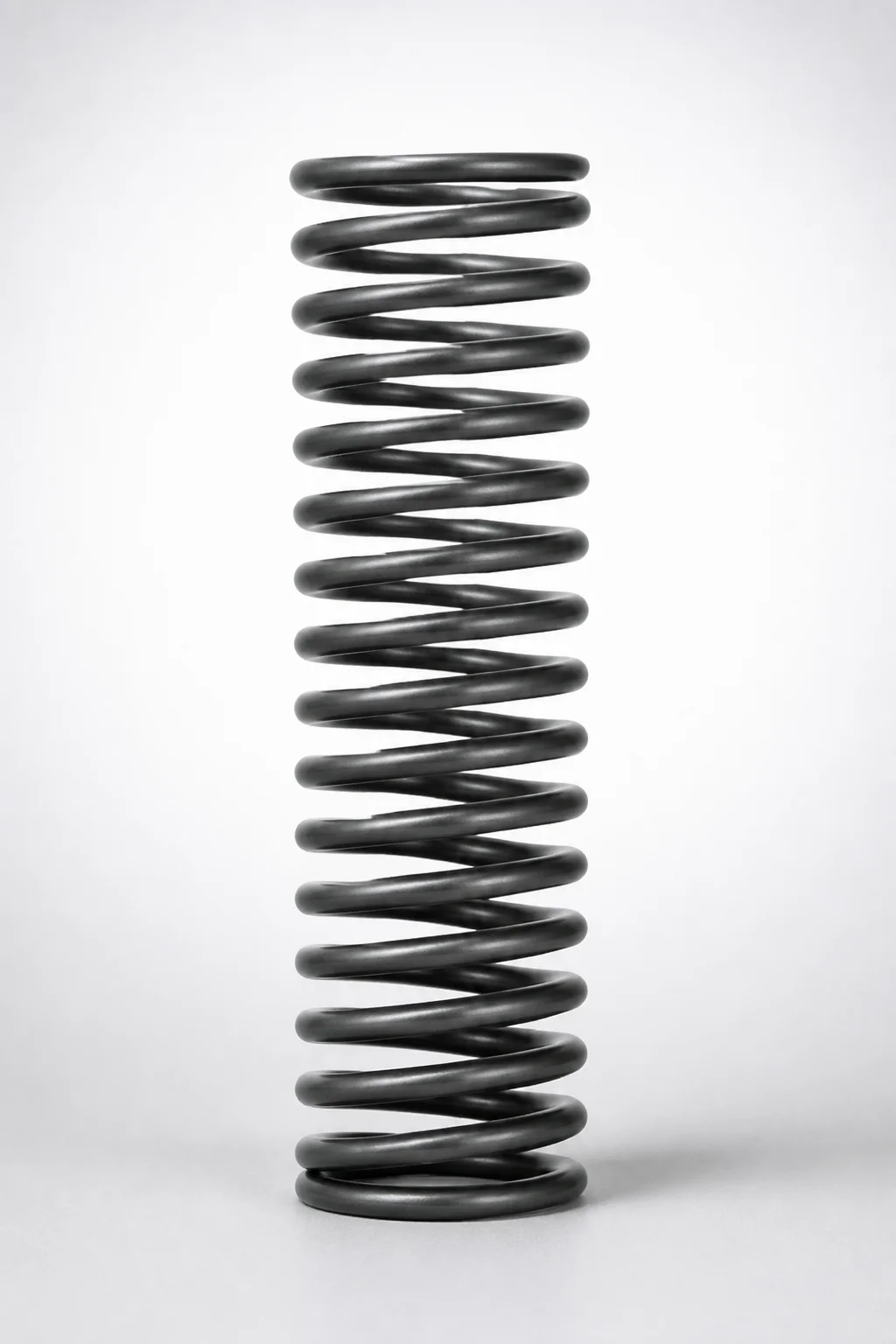
WR Series Round Wire Coil Springs 60% Deflection
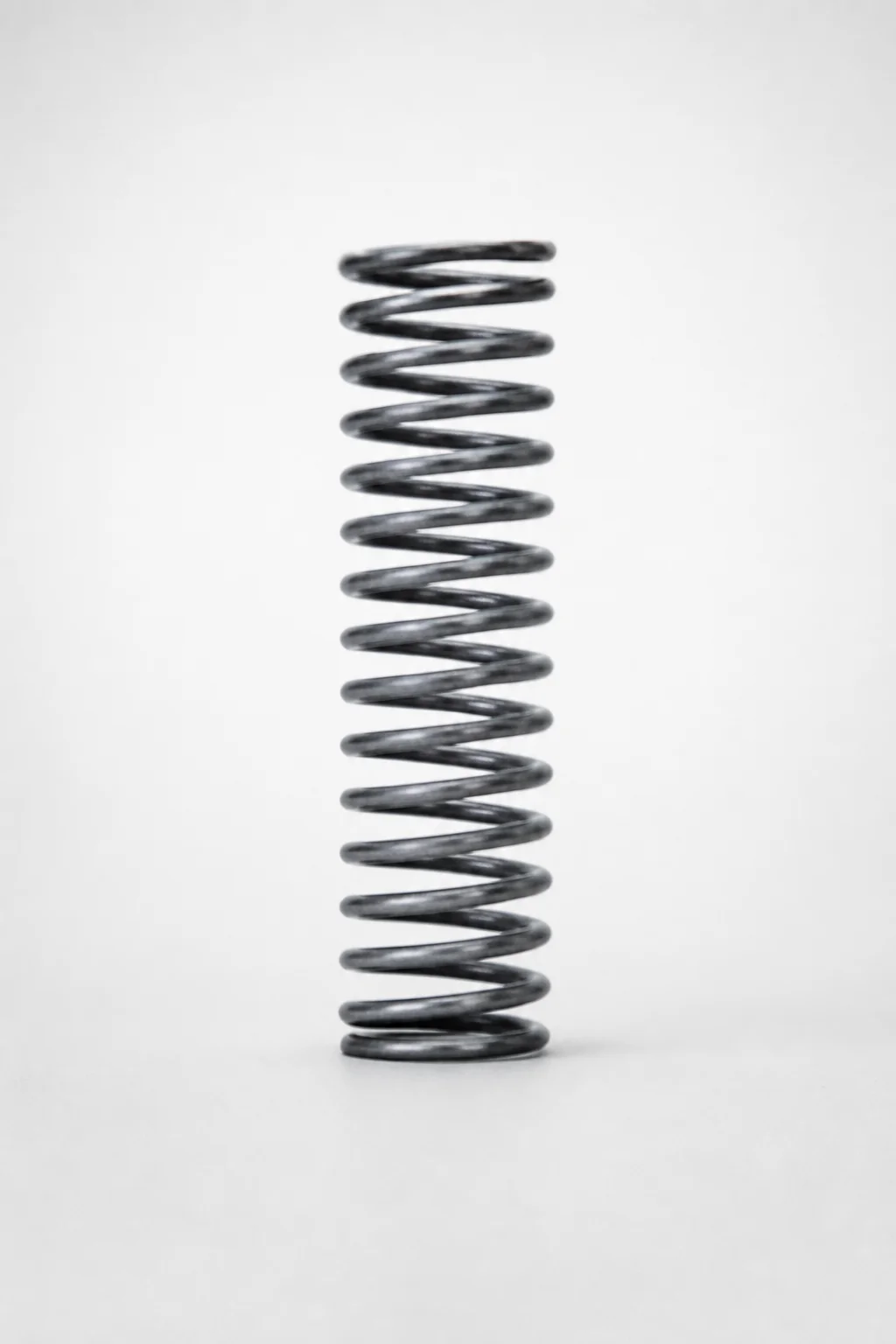
Piano Wire Round Wire Coil Springs - 40% Deflection, WL Series
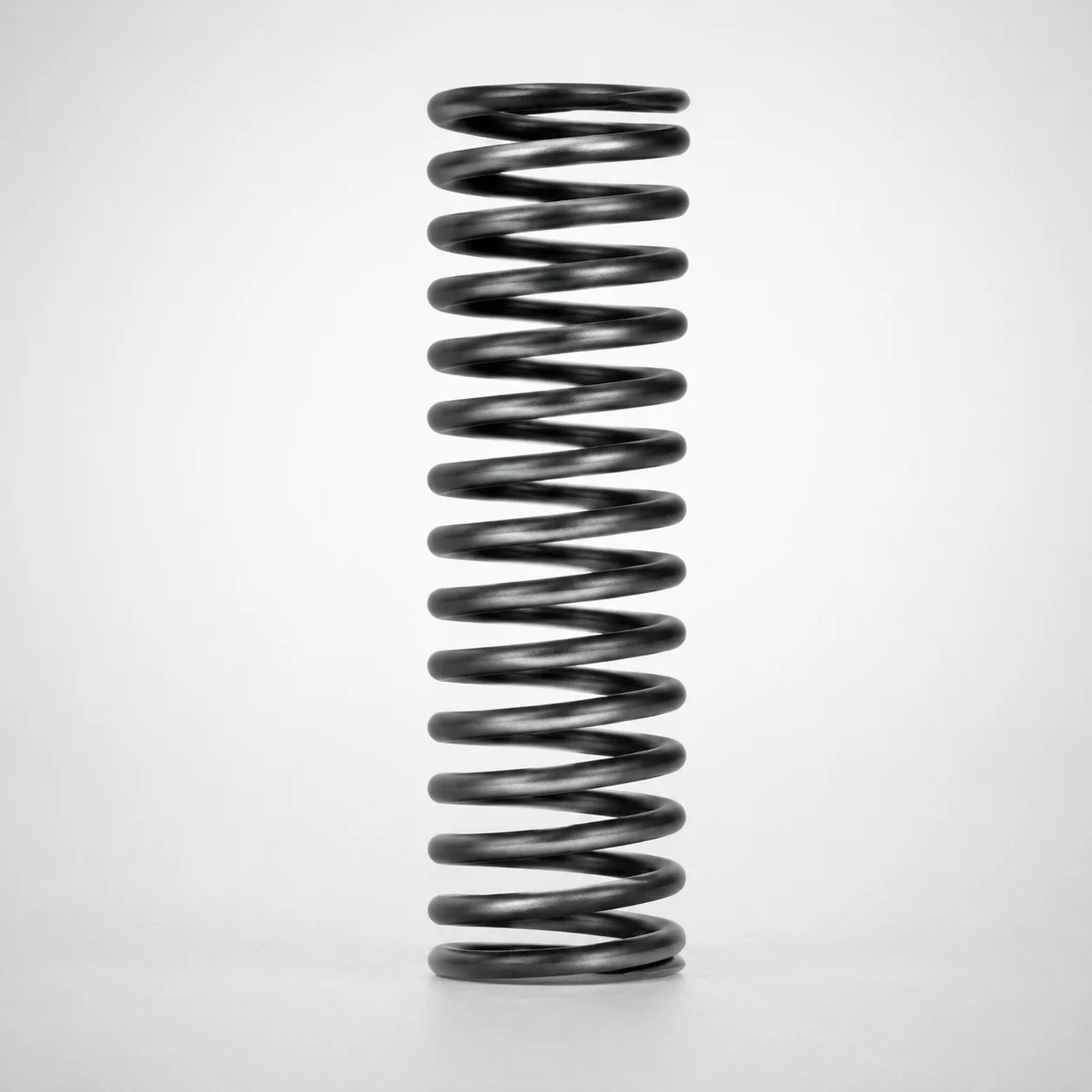
WT Series Round Wire Coil Springs 40% Deflection
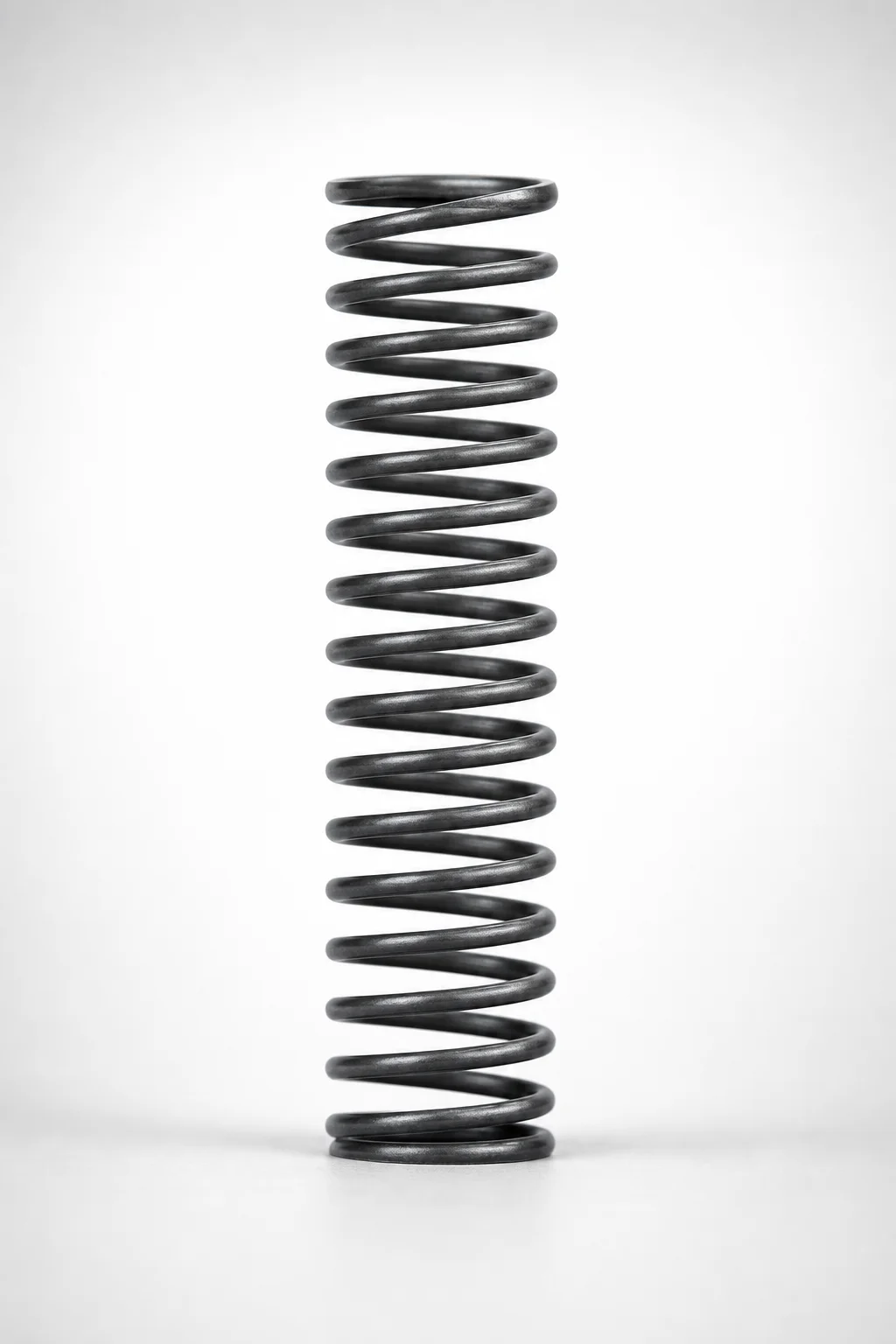
WM Series Round Wire Coil Springs 35% Deflection
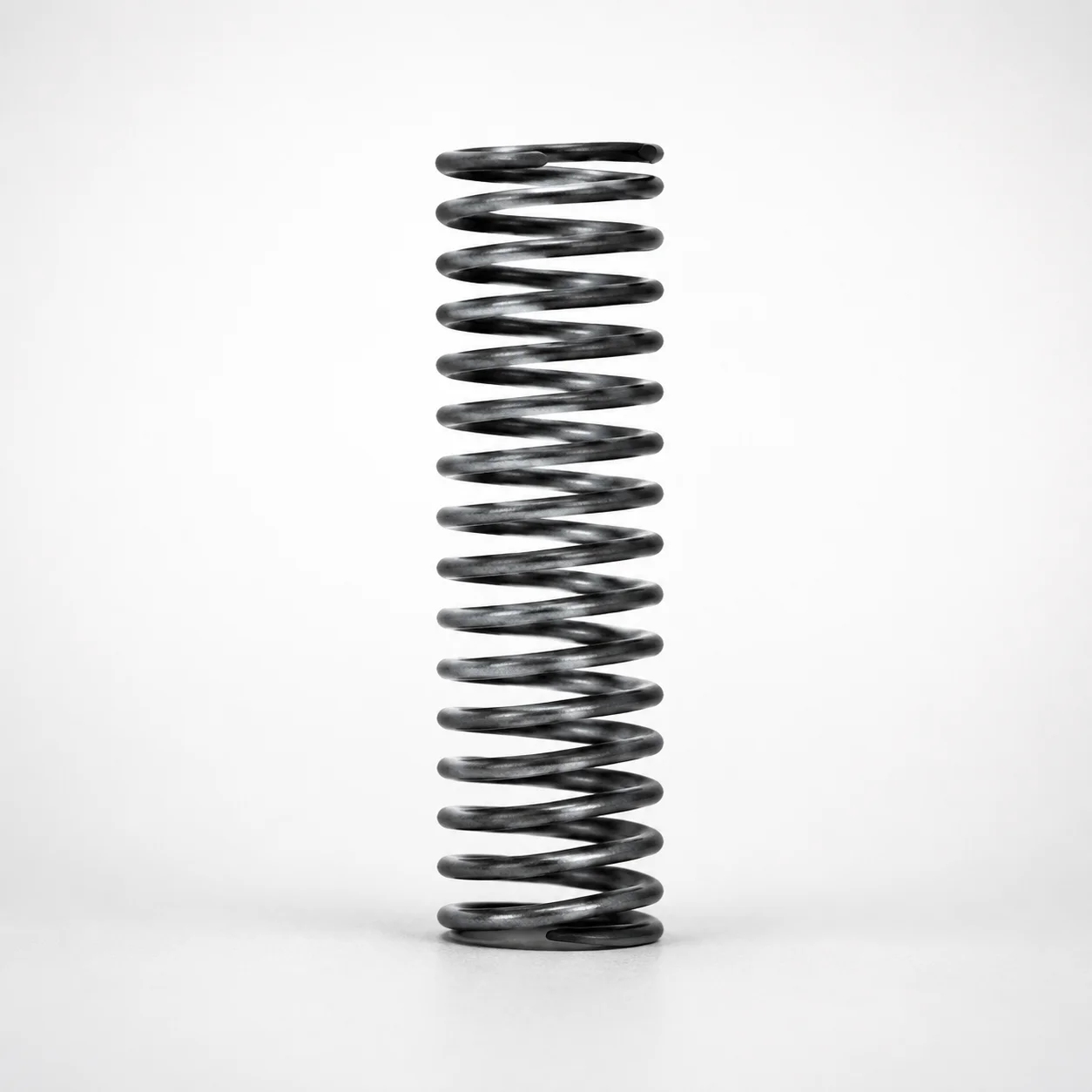
WH Series Round Wire Coil Springs - 30% Deflection
Need Custom Specifications?
Our engineering team can help with custom configurations, material selection, and volume pricing.