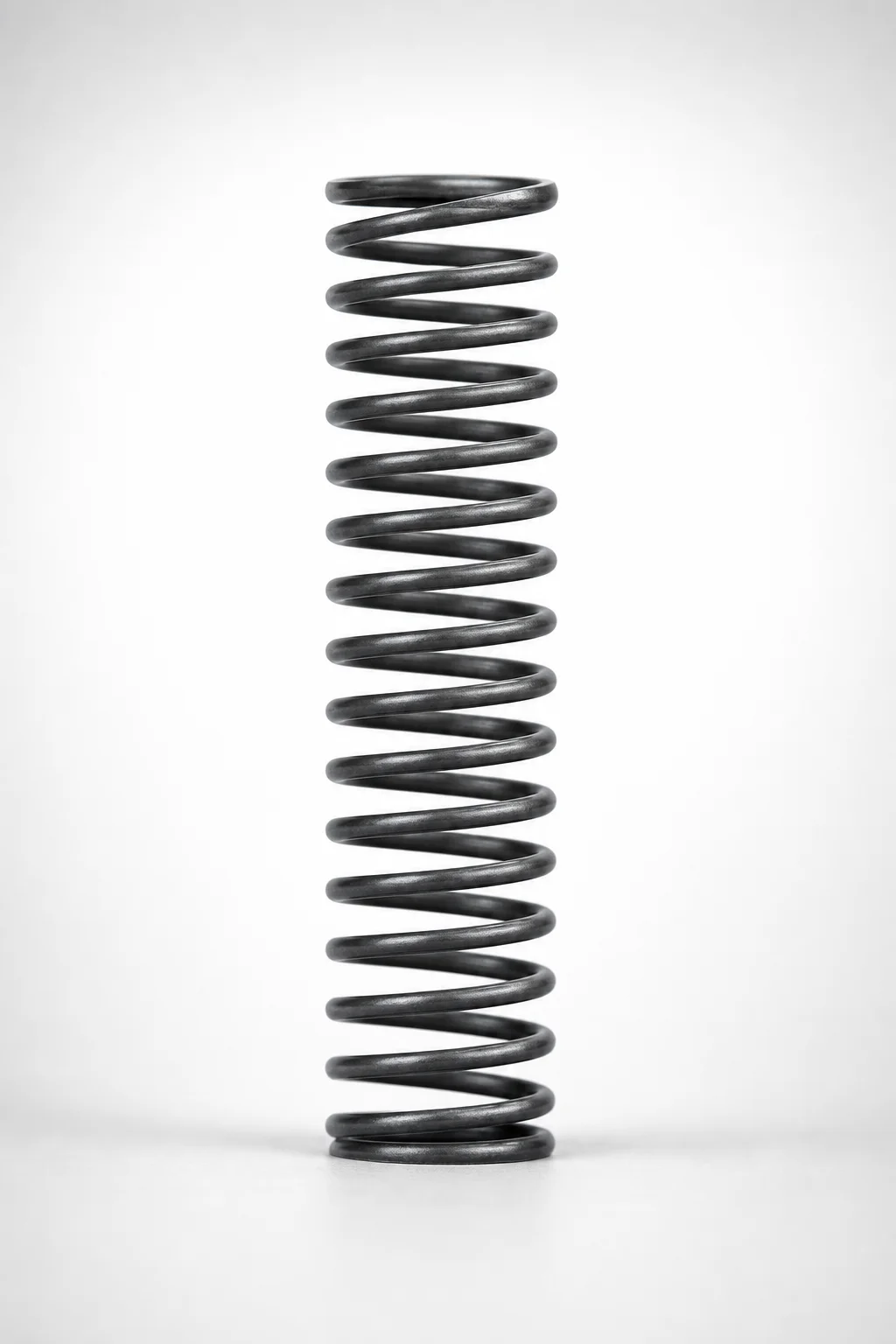
WM Series Round Wire Coil Springs 35% Deflection
WM Series round wire coil springs are engineered from piano wire to deliver dependable tension and compression for motion control tasks requiring up to 35% deflection. The round-wire design supports consistent spring response across build configurations.
- Built on WM series type for stable spring characteristics
- Round wire coil construction from piano wire for durability
- Configured for 27–35% allowable deflection ratio ranges
- Suitable for industrial fixturing, load return, and controlled compression
Specifications
182 configurations available
| Spring Constant (N/mm) | Allowable Deflection Ratio (%) | Maximum Load (N) | Outer Diameter D (mm) | Length L (mm) | type |
|---|---|---|---|---|---|
| 2.0 | 35 | 3.4 | 3 | 5 | - |
| 2.0 | 35 | 6.9 | 3 | 10 | - |
| 2.0 | 35 | 10.3 | 3 | 15 | - |
| 2.0 | 35 | 13.7 | 3 | 20 | - |
| 2.0 | 30 | 14.7 | 3 | 25 | - |
| 2.0 | 30 | 17.7 | 3 | 30 | - |
| 2.0 | 35 | 3.9 | 4 | 5 | - |
| 2.0 | 35 | 6.9 | 4 | 10 | - |
| 2.0 | 35 | 10.8 | 4 | 15 | - |
| 2.0 | 35 | 13.7 | 4 | 20 | - |
| 2.0 | 35 | 17.7 | 4 | 25 | - |
| 2.0 | 35 | 20.6 | 4 | 30 | - |
| 2.0 | 35 | 24.0 | 4 | 35 | - |
| 2.0 | 30 | 23.5 | 4 | 40 | - |
| 2.9 | 35 | 4.9 | 5 | 5 | - |
| 2.9 | 35 | 9.8 | 5 | 10 | - |
| 2.9 | 35 | 14.7 | 5 | 15 | - |
| 2.9 | 35 | 20.6 | 5 | 20 | - |
| 2.9 | 35 | 25.5 | 5 | 25 | - |
| 2.9 | 35 | 30.4 | 5 | 30 | - |
| 2.9 | 35 | 35.3 | 5 | 35 | - |
| 2.9 | 35 | 41.2 | 5 | 40 | - |
| 2.9 | 35 | 46.1 | 5 | 45 | - |
| 2.9 | 30 | 43.5 | 5 | 50 | - |
| 2.9 | 30 | 49.0 | 5 | 55 | - |
| 2.9 | 30 | 53.0 | 5 | 60 | - |
| 2.9 | 27 | 52.0 | 5 | 65 | - |
| 2.9 | 28 | 58.8 | 5 | 70 | - |
| 2.9 | 35 | 4.9 | 6 | 5 | - |
| 2.9 | 35 | 9.8 | 6 | 10 | - |
| 2.9 | 35 | 14.7 | 6 | 15 | - |
| 2.9 | 35 | 20.6 | 6 | 20 | - |
| 2.9 | 35 | 25.5 | 6 | 25 | - |
| 2.9 | 35 | 30.4 | 6 | 30 | - |
| 2.9 | 35 | 35.3 | 6 | 35 | - |
| 2.9 | 35 | 41.2 | 6 | 40 | - |
| 2.9 | 35 | 46.1 | 6 | 45 | - |
| 2.9 | 35 | 51.0 | 6 | 50 | - |
| 2.9 | 35 | 55.9 | 6 | 55 | - |
| 2.9 | 30 | 53.0 | 6 | 60 | - |
| 2.9 | 29 | 54.9 | 6 | 65 | - |
| 2.9 | 28 | 58.8 | 6 | 70 | - |
| 2.9 | 28 | 65.9 | 6 | 80 | - |
| 2.9 | 35 | 9.8 | 8 | 10 | - |
| 2.9 | 35 | 14.7 | 8 | 15 | - |
| 2.9 | 35 | 20.6 | 8 | 20 | - |
| 2.9 | 35 | 25.5 | 8 | 25 | - |
| 2.9 | 35 | 30.4 | 8 | 30 | - |
| 2.9 | 35 | 35.3 | 8 | 35 | - |
| 2.9 | 35 | 41.2 | 8 | 40 | - |
Product Guide
Application Scenarios+
WM round-wire coil springs are commonly used inside injection mold tooling where controlled return force and damping of mechanical motion are required. In automated line fixtures, they can provide reliable tension for ejector-plate or coupler mechanisms, maintaining consistent response through cycles where the allowable deflection ratio is set within the 27–35% range.
- Automotive connector and sensor molds: use for controlled load return in linkages that retract components after actuation; the piano-wire round section supports predictable spring behavior under tension/compression.
- Consumer appliance and general industrial mold assemblies: suitable for fixturing and limited-travel compression stops where deflection is managed to the specified ratio.
- Packaging and transfer tooling: supports motion control tasks that require repeatable force for short strokes, aligned to the spring constant (2.0–4.9 N/mm) and maximum load limits.
This variant is well-suited because it is designed around round-wire piano wire construction and calibrated for up to 35% deflection, helping engineers size spring travel and force without over-stressing the mechanism.
Material & Process Details+
This spring series is made from piano wire, a high-carbon music wire known for high tensile strength and good fatigue resistance in repeated loading. The round-wire geometry promotes uniform stress distribution, supporting stable tension and compression performance over many cycles.
- Heat treatment state: piano wire springs are typically supplied in a hardened spring-temper condition (manufactured for elastic recovery); exact hardness and treatment method are not specified in the provided data.
- Hardness / wear-resistance trade-off: the hardened, elastic spring temper provides excellent fatigue performance, while wear characteristics mainly depend on contact surfaces and not on the bulk wire hardness alone.
- Performance tuning: selection is driven by allowable deflection ratio (up to 35%) and spring constant (2.0–4.9 N/mm), balancing force output against deflection limits.
If higher wear or corrosion resistance is required at rubbing contact points, engineers typically address this through surface materials or design separation, since the provided specifications only identify piano wire without alternative steel grades.
Sizing & Selection Guide+
To select the correct WM round-wire coil spring, match the required deflection and force budget to the spring’s rated ranges. Start by confirming the available travel against the allowable deflection ratio: variants are listed at 35%, 30%, and 27–29%. Then ensure the resulting load does not exceed the maximum load (3.4–171.6 N).
- Pick spring constant: choose the target stiffness from 2.0, 2.9, or 4.9 N/mm to achieve the needed force per unit deflection.
- Match outer diameter D: select D = 3–27 mm to fit within the mold/tooling space and clearance envelopes.
- Match installed/overall length L: choose L = 5–100 mm so the spring sits correctly between seats or guides without coil bind.
Use the allowable deflection ratio to calculate safe compression/tension travel from the working length, and verify clearance for end coils and guidance. Tolerance and fit data are not provided, so confirm final fit requirements with your mold assembly drawing and procurement standards.
Frequently Asked Questions
Which WM spring variant should I choose if my mechanism allows up to 30% deflection?+
How do I size the spring diameter and length for limited space in an injection mold mechanism?+
What stiffness options are available for WM round-wire coil springs and how does that affect force selection?+
Can I use these springs for both tension return and compression stops in mold tooling?+
Is the material piano wire sufficient for high-wear contact surfaces in moving mechanisms?+
Related Products
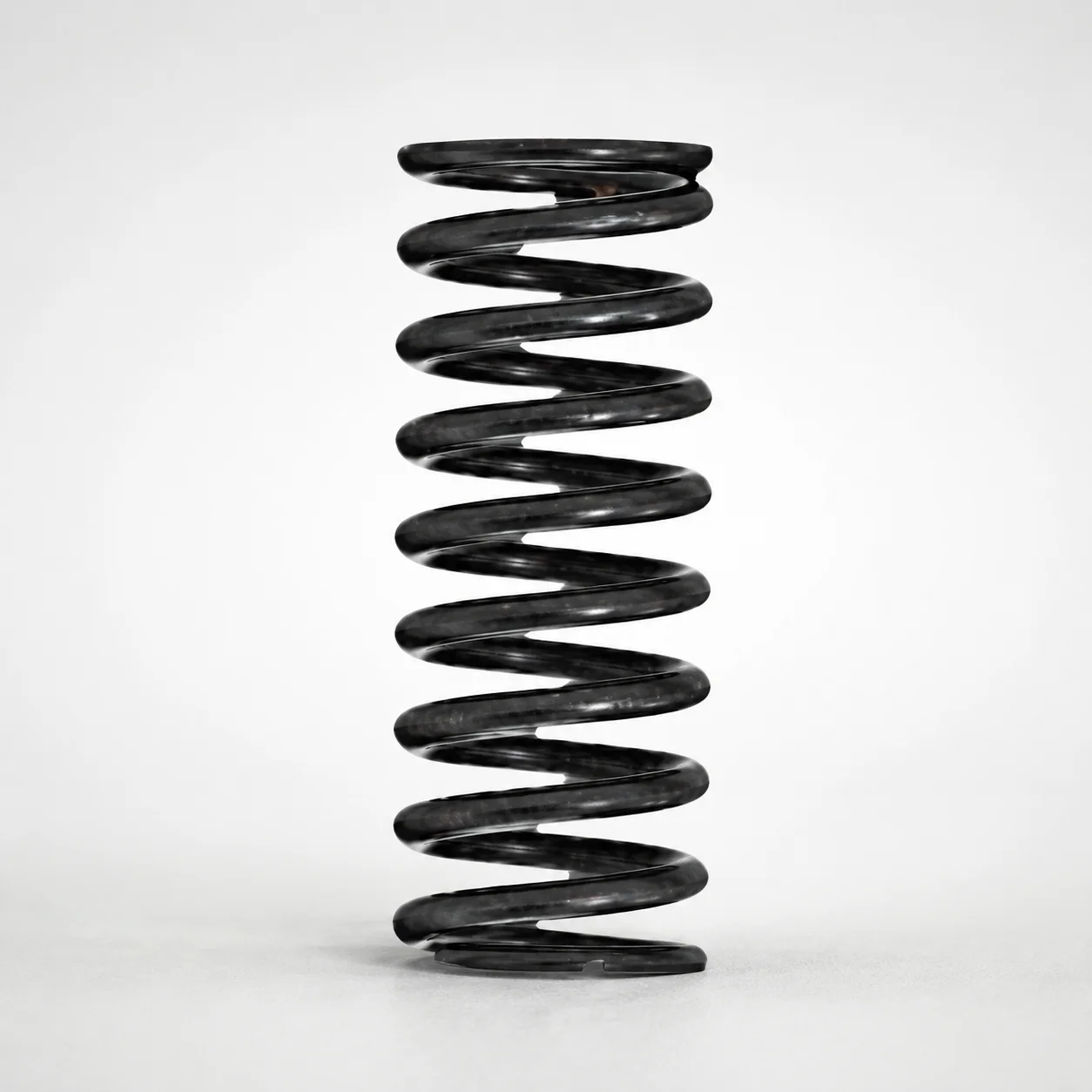
Round Wire Coil Springs - 75% Deflection, WY Series
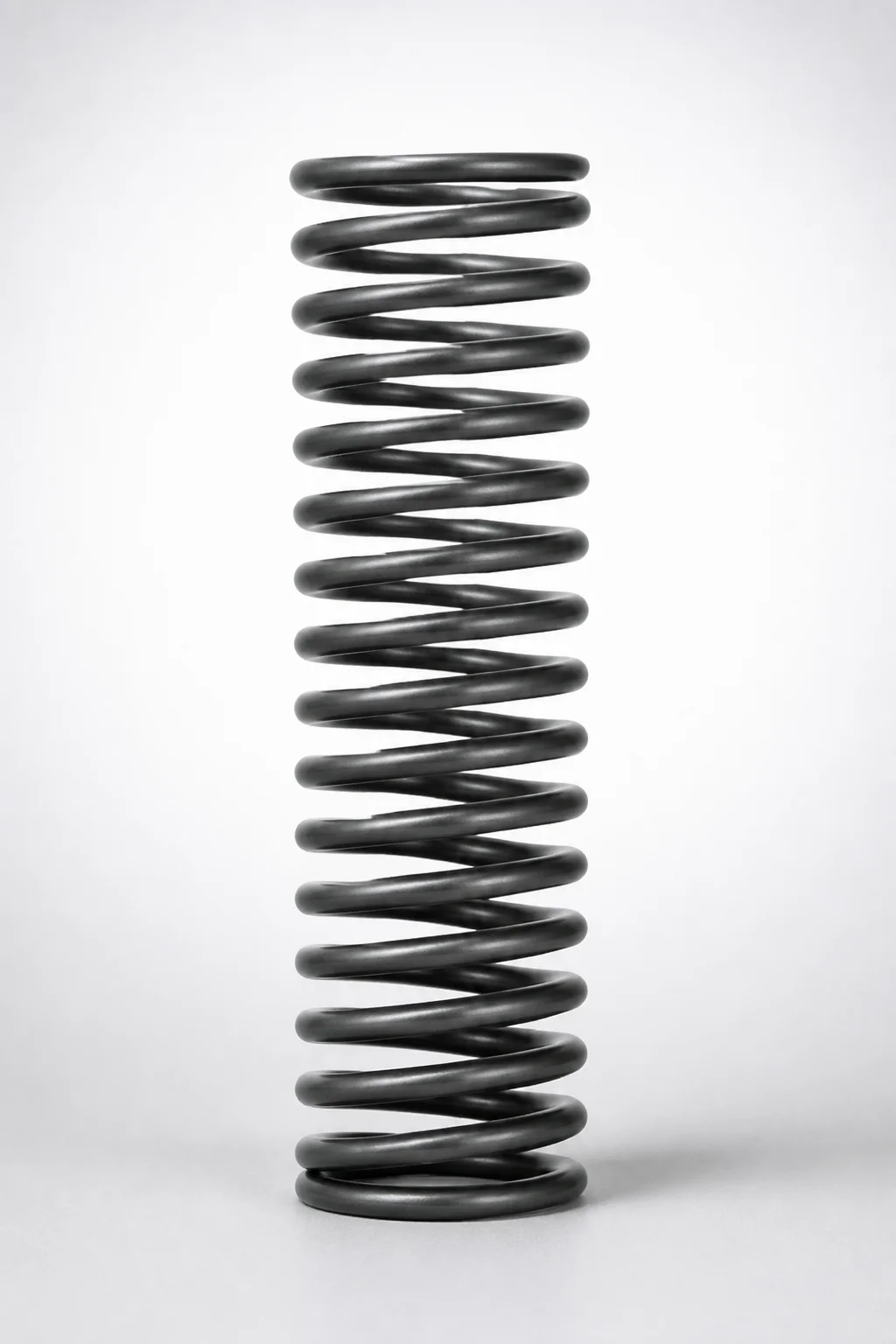
WR Series Round Wire Coil Springs 60% Deflection
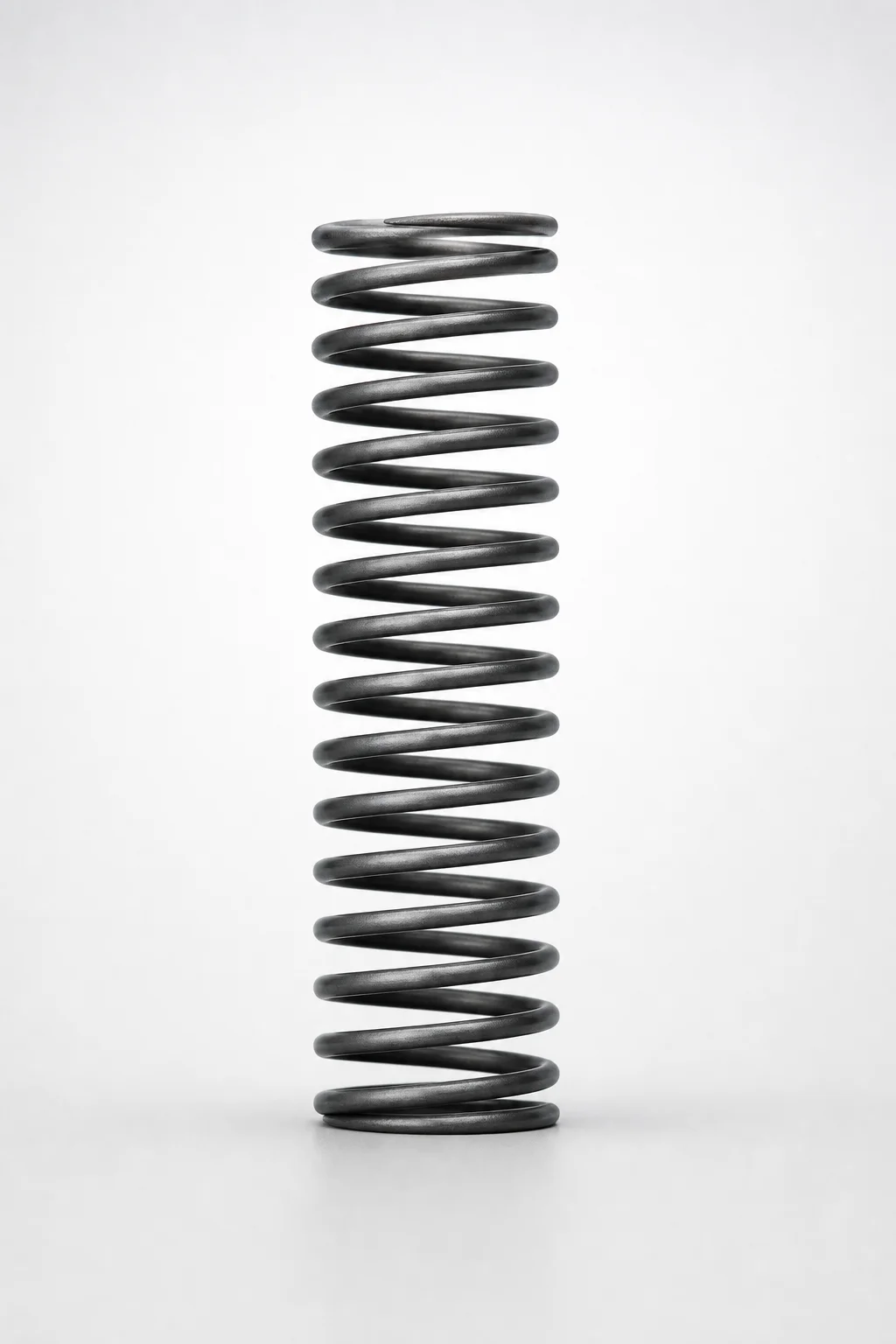
Round Wire Coil Springs - 45% Deflection WF Series
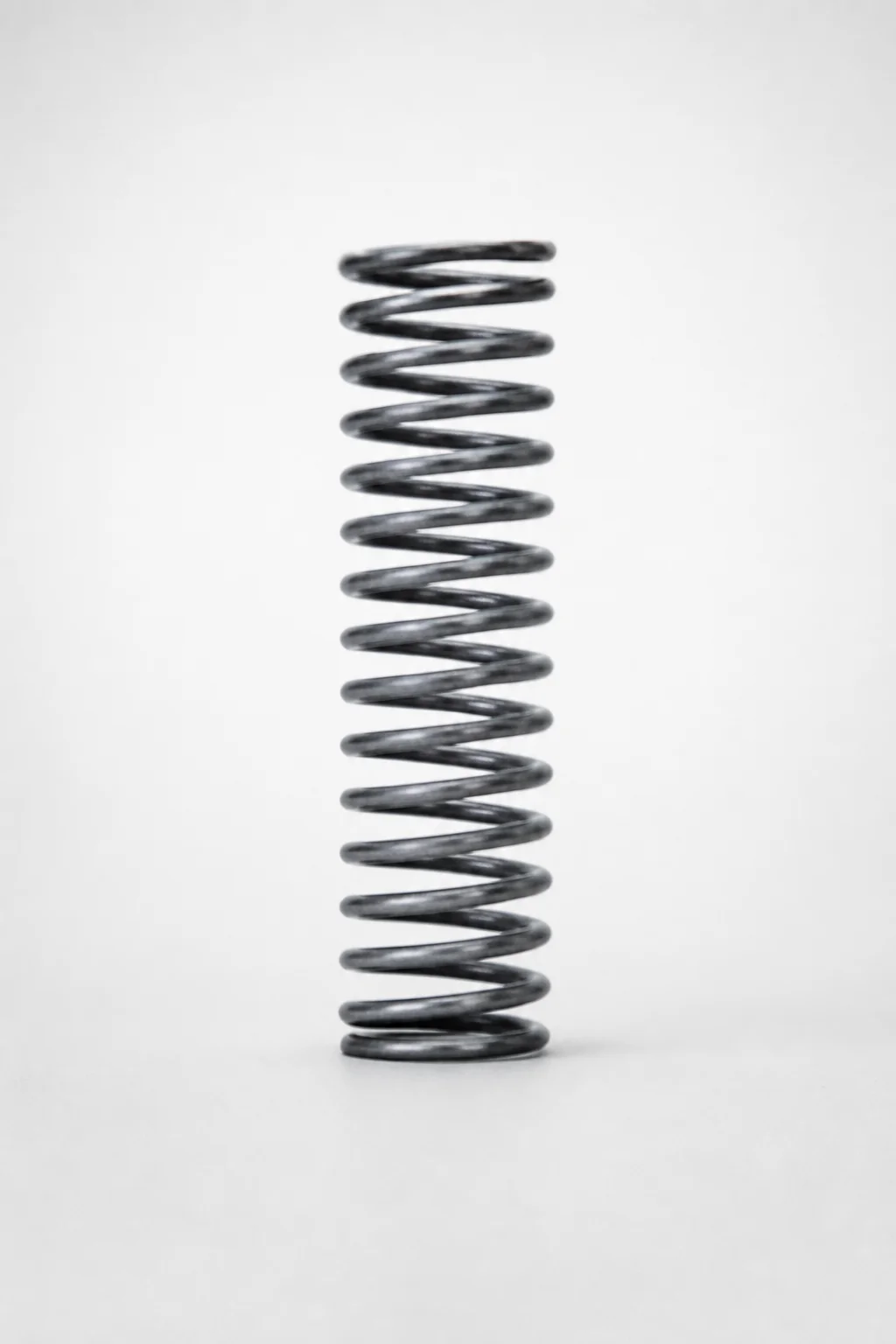
Piano Wire Round Wire Coil Springs - 40% Deflection, WL Series
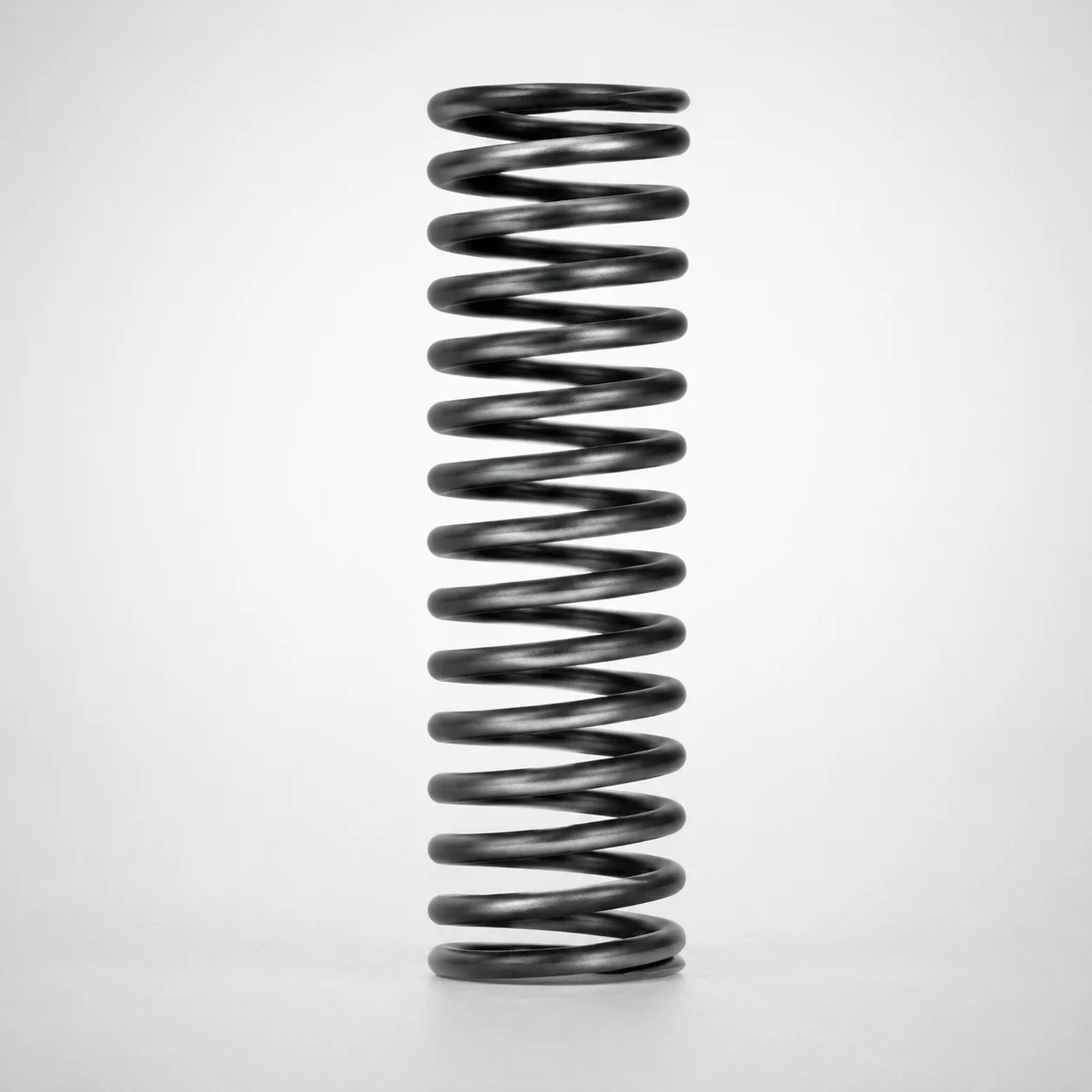
WT Series Round Wire Coil Springs 40% Deflection
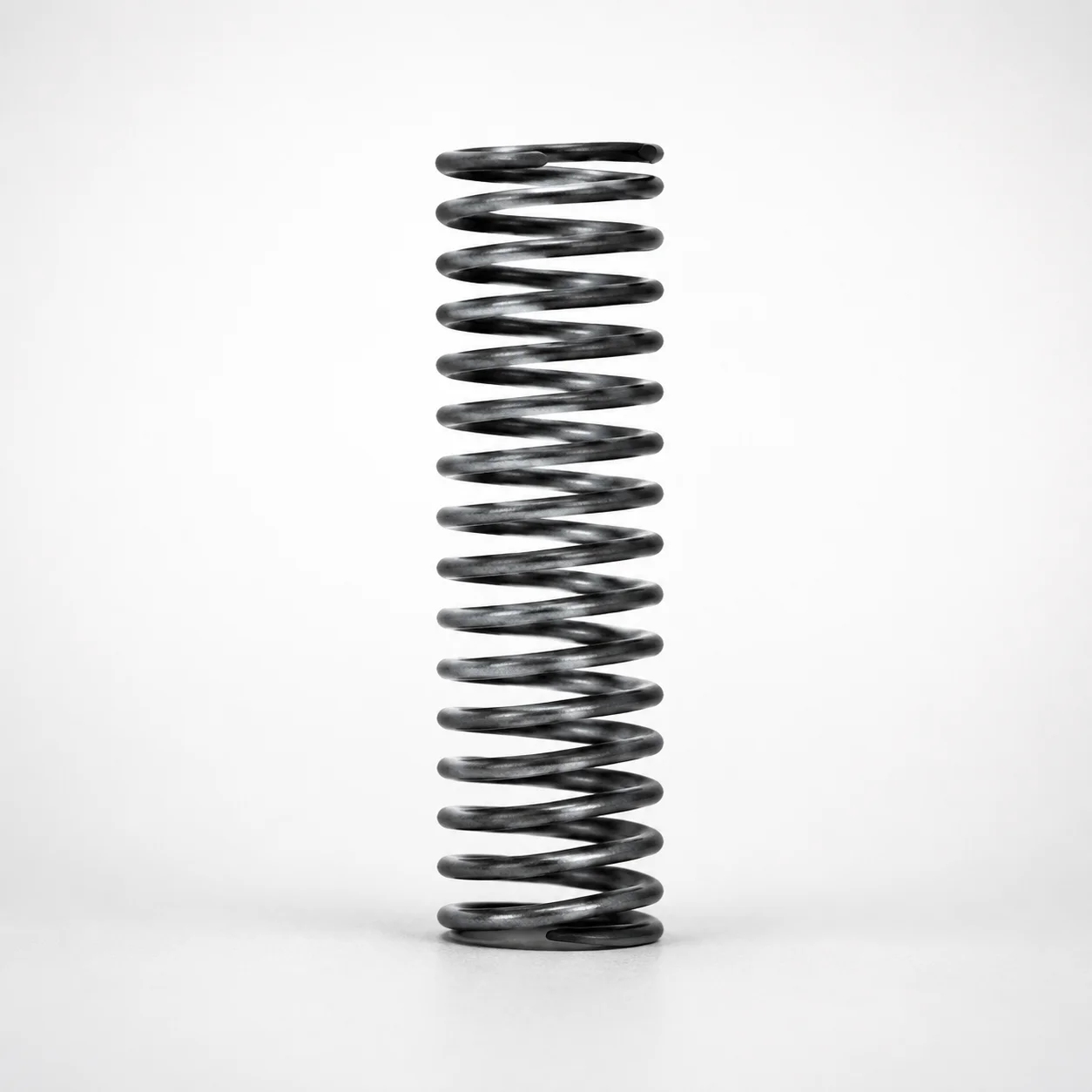
WH Series Round Wire Coil Springs - 30% Deflection
Need Custom Specifications?
Our engineering team can help with custom configurations, material selection, and volume pricing.