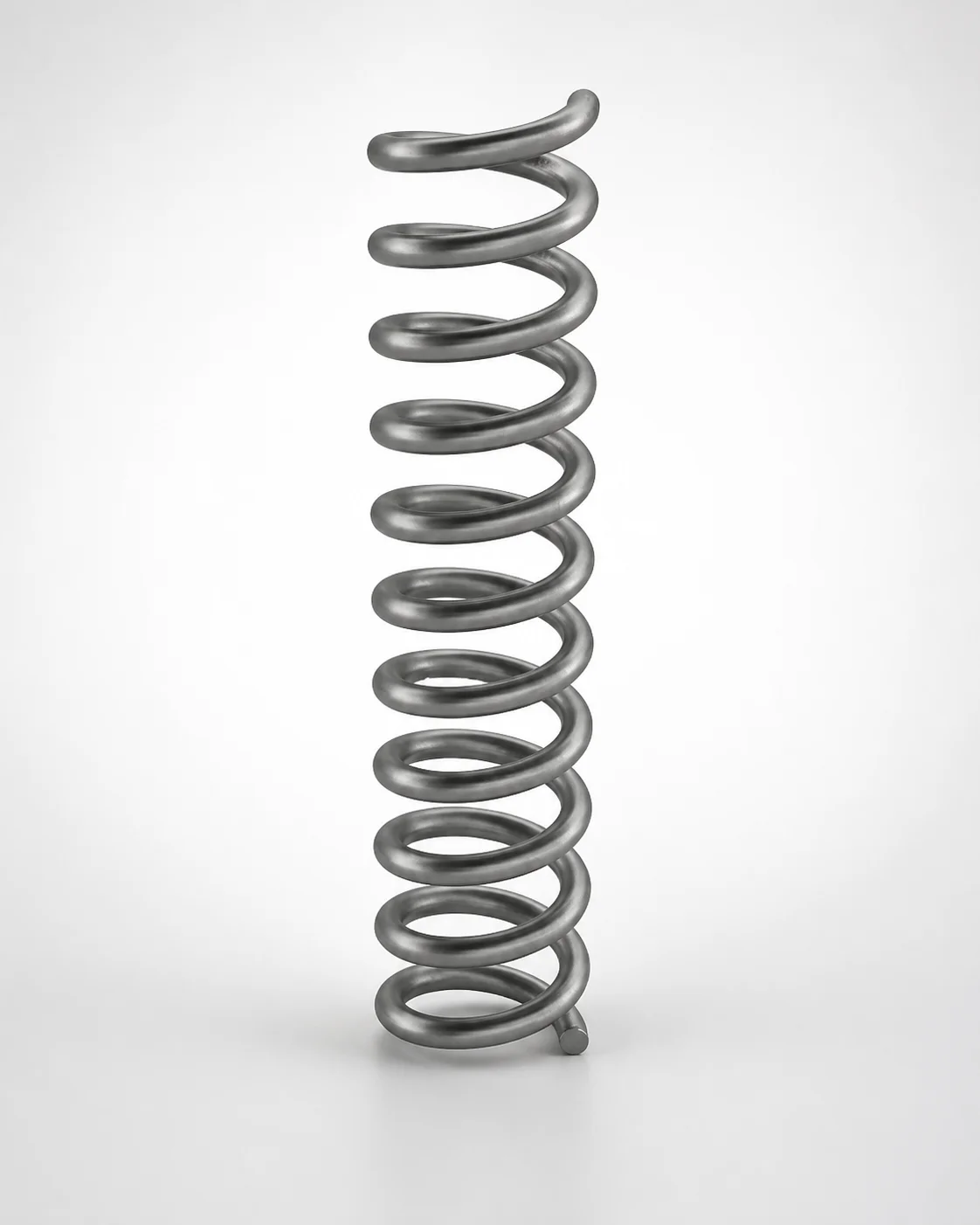
Round Wire Springs - Plain Ends, 10 in Length Carbon Steel
Round Wire Springs - plain ends, 10 in length carbon steel (Lamina) are precision coil springs made from steel round wire to deliver consistent support and resilience across varying loads. They absorb shock and vibration to help protect sensitive assemblies in demanding equipment.
- Plain-end round wire coil design supports stable load response
- Carbon steel wire offers reliable elasticity and wear-resistant durability
- Engineered for smooth vibration damping and shock absorption
- Commonly used in industrial machinery, fixtures, and resilient support applications
Specifications
64 configurations available
| Outer Diameter D (in) | Length L (in) | Type of Spring |
|---|---|---|
| .087 | 10 | Music Wire |
| .089 | 10 | Music Wire |
| .116 | 10 | Music Wire |
| .120 | 10 | Music Wire |
| .176 | 10 | Music Wire |
| .180 | 10 | Music Wire |
| .180 | 10 | Music Wire |
| .178 | 10 | Music Wire |
| .240 | 10 | Music Wire |
| .238 | 10 | Music Wire |
| .241 | 10 | Music Wire |
| .248 | 10 | Music Wire |
| .242 | 10 | Music Wire |
| .238 | 10 | Music Wire |
| .243 | 10 | Music Wire |
| .302 | 10 | Music Wire |
| .304 | 10 | Music Wire |
| .304 | 10 | Music Wire |
| .303 | 10 | Music Wire |
| .305 | 10 | Music Wire |
| .302 | 10 | Music Wire |
| .366 | 10 | Music Wire |
| .361 | 10 | Music Wire |
| .365 | 10 | Music Wire |
| .368 | 10 | Music Wire |
| .365 | 10 | Music Wire |
| .365 | 10 | Music Wire |
| .368 | 10 | Music Wire |
| .426 | 10 | Music Wire |
| .425 | 10 | Music Wire |
| .425 | 10 | Music Wire |
| .427 | 10 | Music Wire |
| .429 | 10 | Music Wire |
| .430 | 10 | Music Wire |
| .488 | 10 | Music Wire |
| .488 | 10 | Music Wire |
| .495 | 10 | Music Wire |
| .492 | 10 | Music Wire |
| .490 | 10 | Music Wire |
| .495 | 10 | Music Wire |
| .500 | 10 | Music Wire |
| .479 | 18 | Carbon Steel |
| .493 | 18 | Carbon Steel |
| .520 | 18 | Carbon Steel |
| .532 | 18 | Carbon Steel |
| .612 | 18 | Carbon Steel |
| .678 | 18 | Carbon Steel |
| .676 | 18 | Carbon Steel |
| .675 | 18 | Carbon Steel |
| .805 | 18 | Carbon Steel |
Product Guide
Application Scenarios+
Round wire coil springs with plain ends are commonly integrated into injection mold tooling where resilient support and vibration control are required. In automotive connector and insert molds, they help maintain stable clamp and ejector-position behavior by absorbing shock from intermittent mechanical loads, reducing the risk of misalignment or chatter during cycling.
For medical device housings, these springs can be used in fixture systems and precision locating setups that experience frequent start-stop movement. The plain-end geometry enables consistent seating against mating surfaces, supporting repeatable force over the specified 10 in spring length.
In electronics and consumer goods molds, round wire springs are also used as vibration-damping components for workholding fixtures and auxiliary mechanisms. The carbon steel variant is suited for these applications because it provides reliable elasticity for resilient support while remaining practical for general industrial machinery environments.
Material & Process Details+
This series is offered in Music Wire or Carbon Steel, both selected for spring performance in tooling and machinery interfaces. Where carbon steel is specified, the intent is to balance elasticity and durability for resilient support under cyclic loads.
- Carbon Steel: typically delivered in a heat-treated spring-ready condition to achieve workable elasticity and toughness for shock/vibration control.
- Music Wire: generally used when higher elastic response and fatigue resistance are prioritized.
Material choice is a trade-off: music wire commonly emphasizes fatigue performance, while carbon steel can be more practical for robust, general industrial vibration damping. For both types, the manufacturing process starts with round wire forming into a coil, followed by heat treatment appropriate to the selected grade to set the spring’s elastic characteristics and improve wear behavior at contact zones.
Sizing & Selection Guide+
To select the correct round wire spring for your mold tooling, match the outer diameter (D), length (L), and spring type to the mechanical space and required force path. For this series, D ranges from 0.087 to 1.82 in, and the available lengths are 10 in or 18 in.
In cavity/core support or vibration-damping assemblies, the spring must fit between the seating surfaces with clearance for deflection. Choose L = 10 in when the available stacked height or fixture envelope is constrained, and use L = 18 in when longer stroke stability is needed.
- Verify the clearance envelope for D (outer diameter) to avoid coil interference.
- Plan for end seating with plain ends so the spring contacts flat mating surfaces consistently.
- If your design controls force through deflection, confirm the installed length and allowable compression within the cavity/core or fixture limits.
Spring type selection (Music Wire vs Carbon Steel) should align with the expected vibration frequency and fatigue requirements.
Frequently Asked Questions
What outer diameter (D) range is available for the round wire spring used in mold fixtures?+
This series supports outer diameter D from 0.087 to 1.82 in. Select D based on the clearance between the two seating surfaces and ensure the coil outer profile does not interfere with nearby tooling features.
Is the plain-end configuration suitable for locating or resilient support in injection mold tooling?+
Yes. Plain ends are designed for stable seating against mating surfaces, which helps maintain consistent load transfer in resilient support and vibration-damping applications. This can be beneficial in fixtures where repeatable contact reduces chatter during mold cycling.
How do I choose between 10 in and 18 in spring length for a mold assembly?+
Use L = 10 in when the stack height or fixture envelope limits installed length. Choose L = 18 in when your mechanism requires a longer spring to achieve the needed deflection range while avoiding coil bind.
Which spring type should I select for higher cyclic vibration fatigue: Music Wire or Carbon Steel?+
The series offers Music Wire or Carbon Steel. If your design prioritizes fatigue performance under frequent vibration and cycling, Music Wire is typically the better-fit choice; carbon steel is selected for resilient support and practical durability in industrial machinery environments.
What dimensions must be checked first to prevent coil interference during mold operation?+
Start by verifying outer diameter D against the available clearance, since D ranges up to 1.82 in. Then confirm the available height for the selected L (10 or 18 in) and ensure plain ends can seat without misalignment or unintended side loading.
Related Products
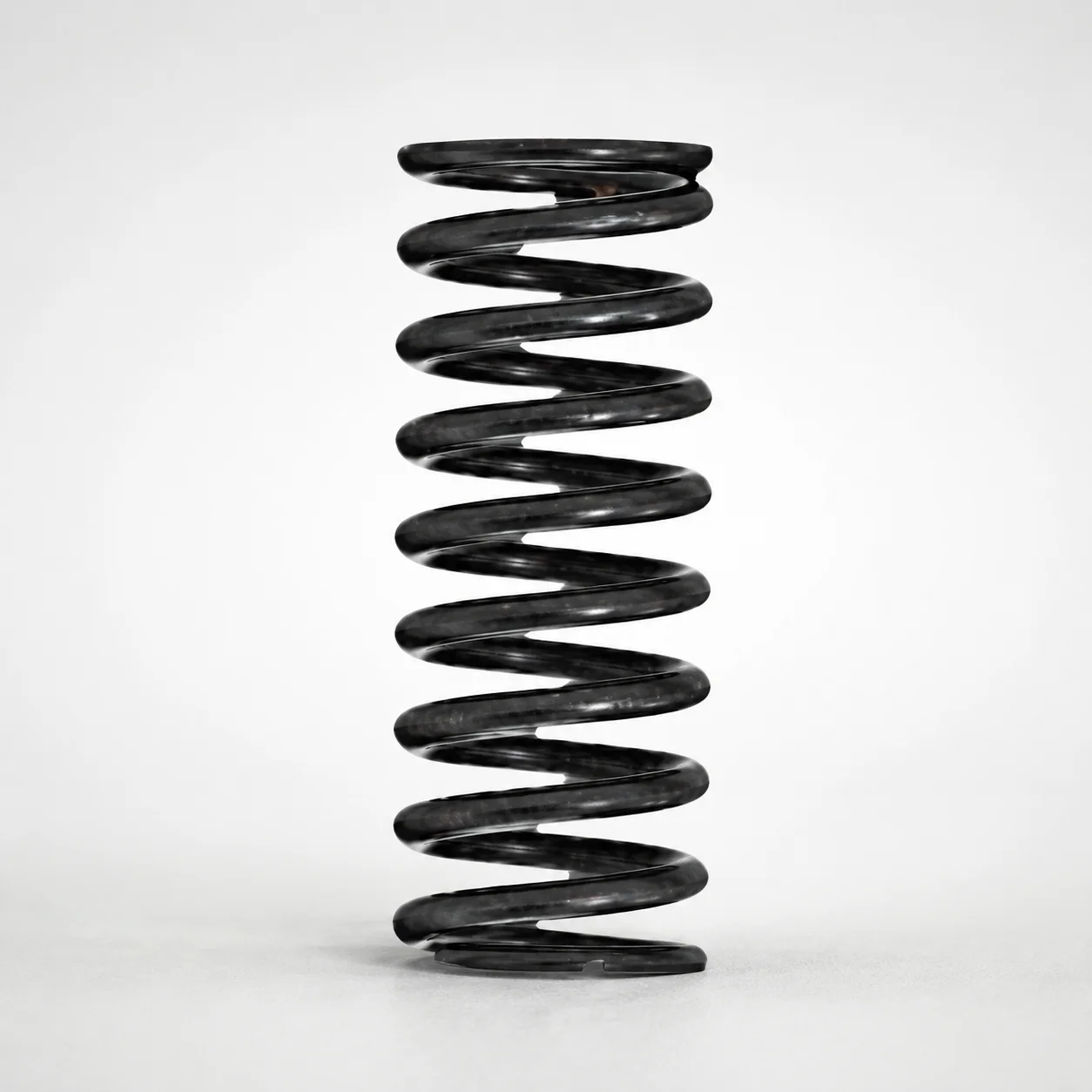
Round Wire Coil Springs - 75% Deflection, WY Series
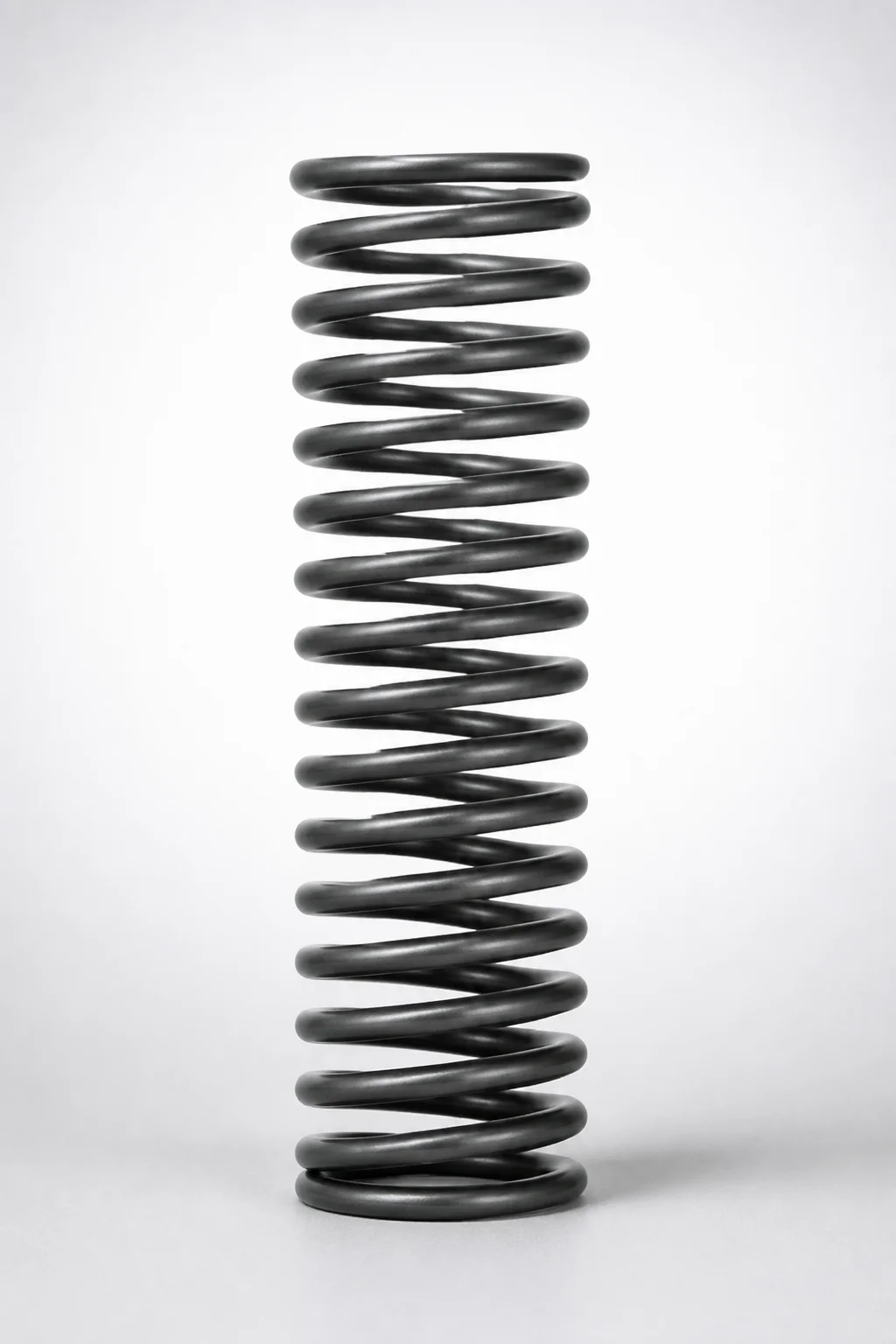
WR Series Round Wire Coil Springs 60% Deflection
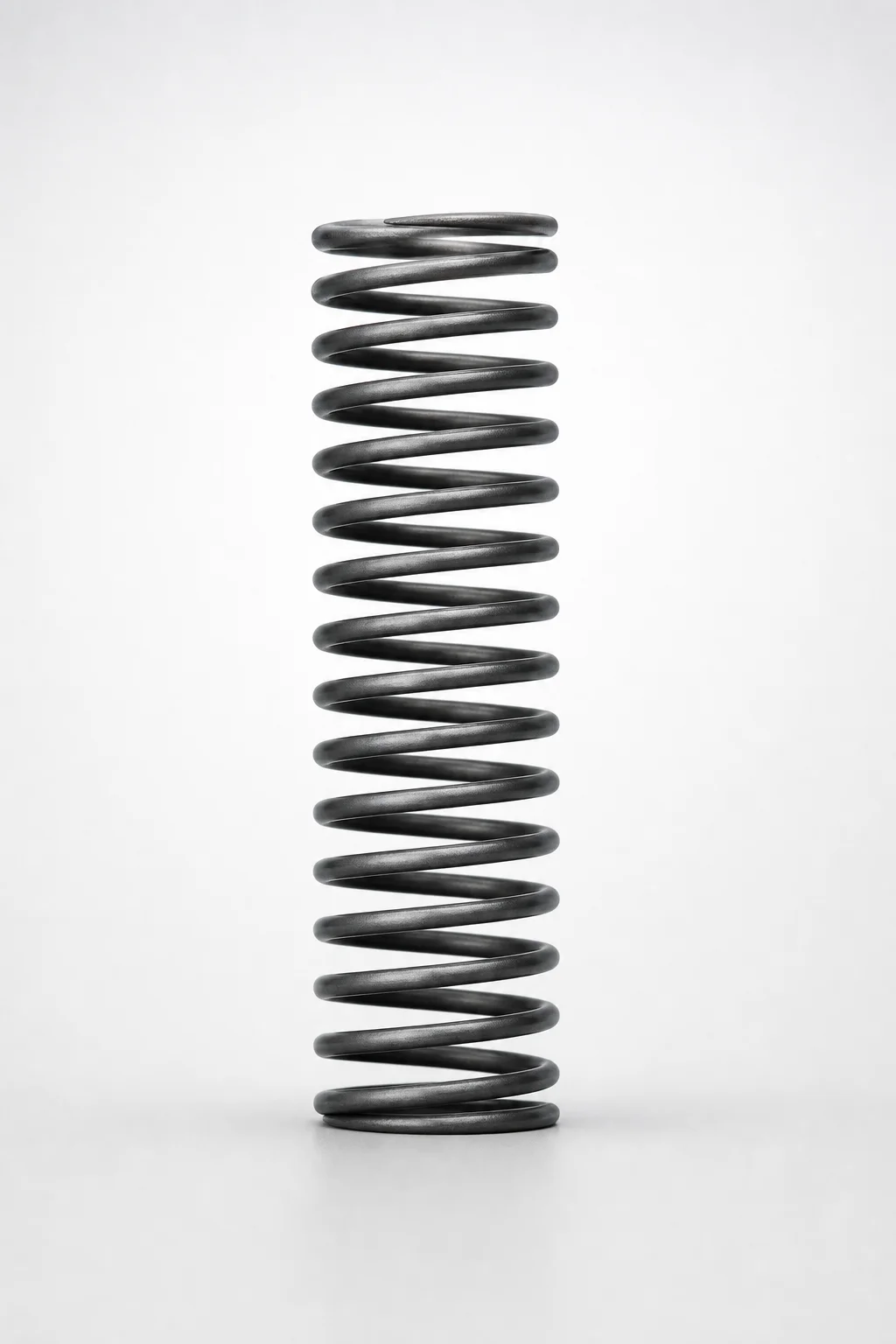
Round Wire Coil Springs - 45% Deflection WF Series
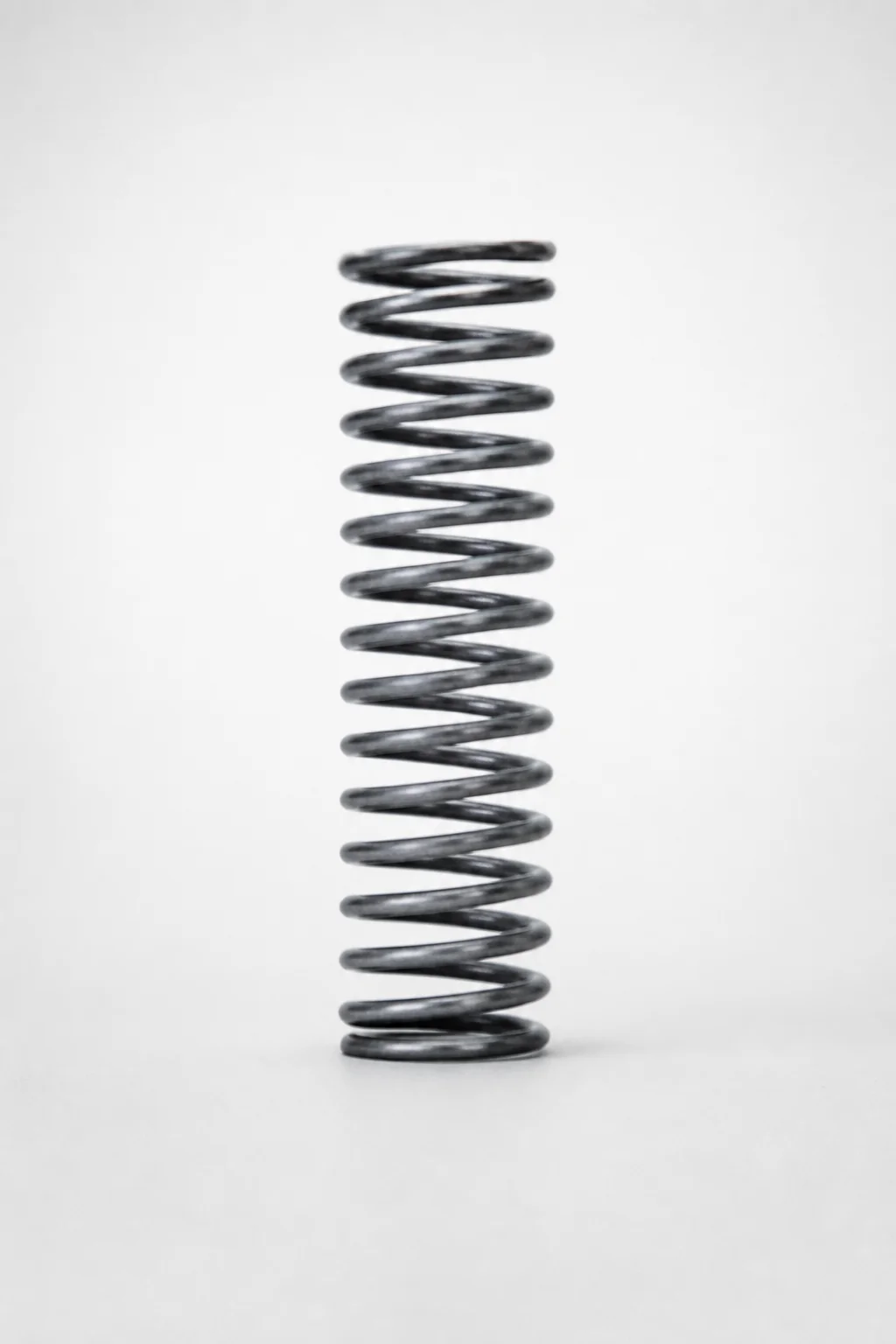
Piano Wire Round Wire Coil Springs - 40% Deflection, WL Series
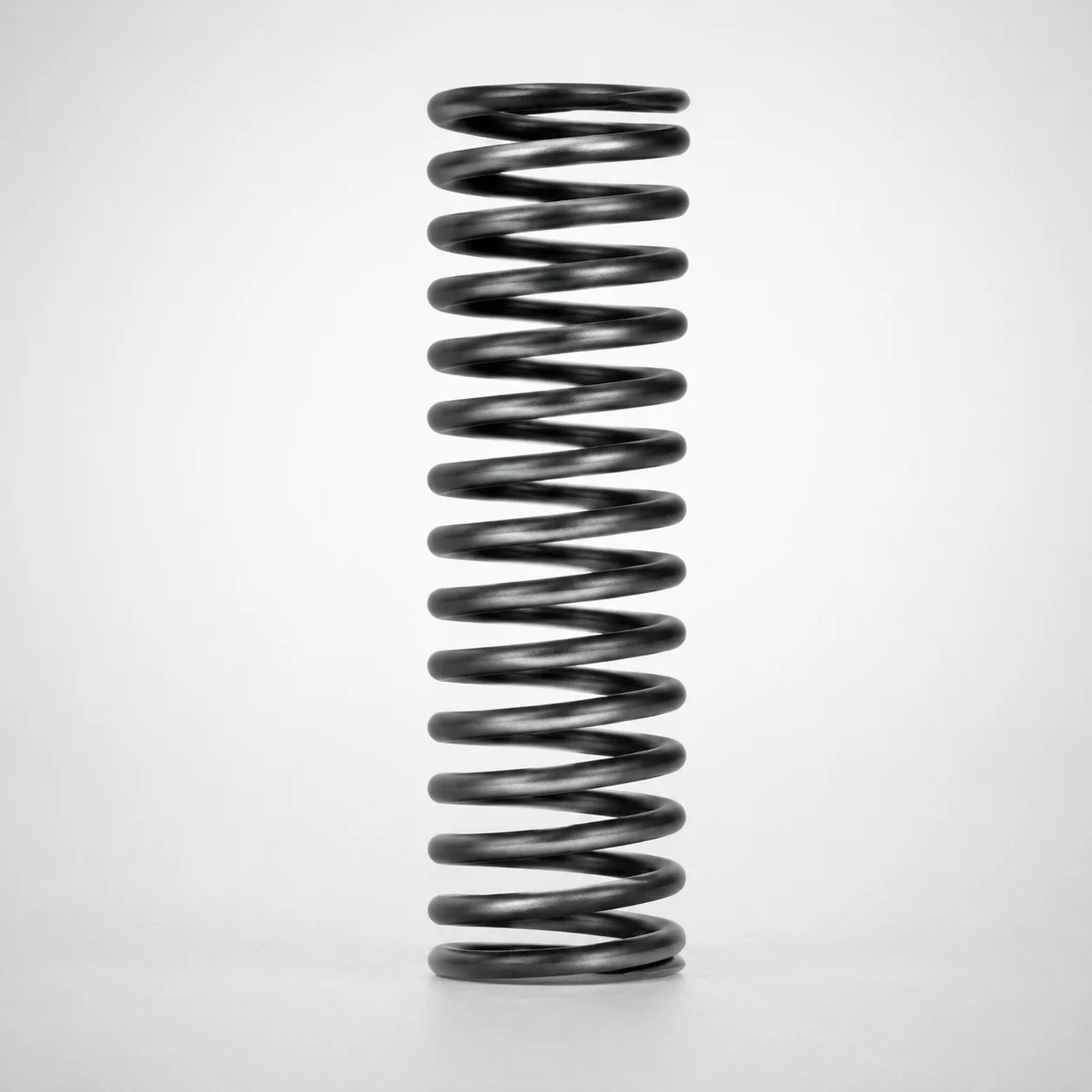
WT Series Round Wire Coil Springs 40% Deflection
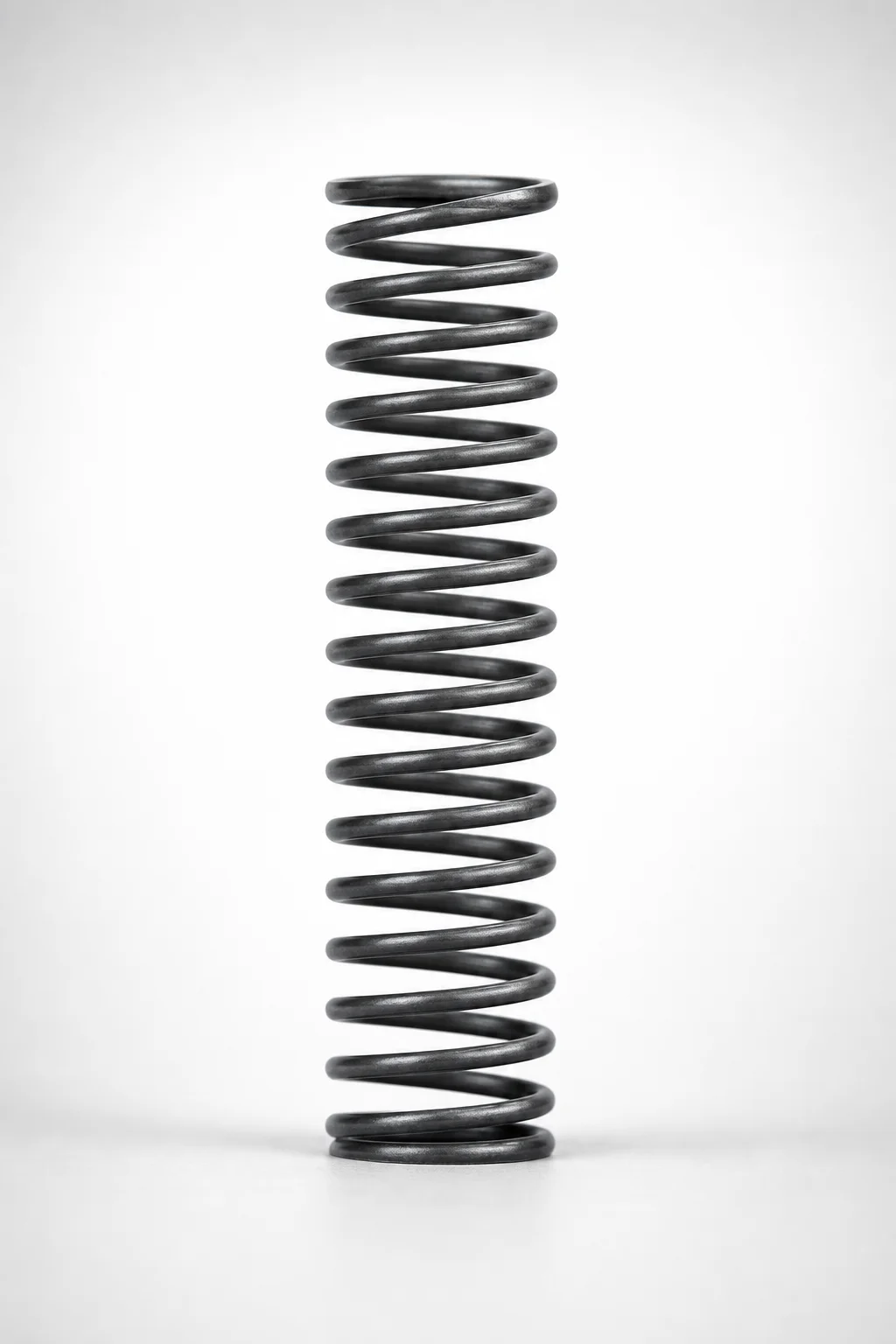
WM Series Round Wire Coil Springs 35% Deflection
Need Custom Specifications?
Our engineering team can help with custom configurations, material selection, and volume pricing.