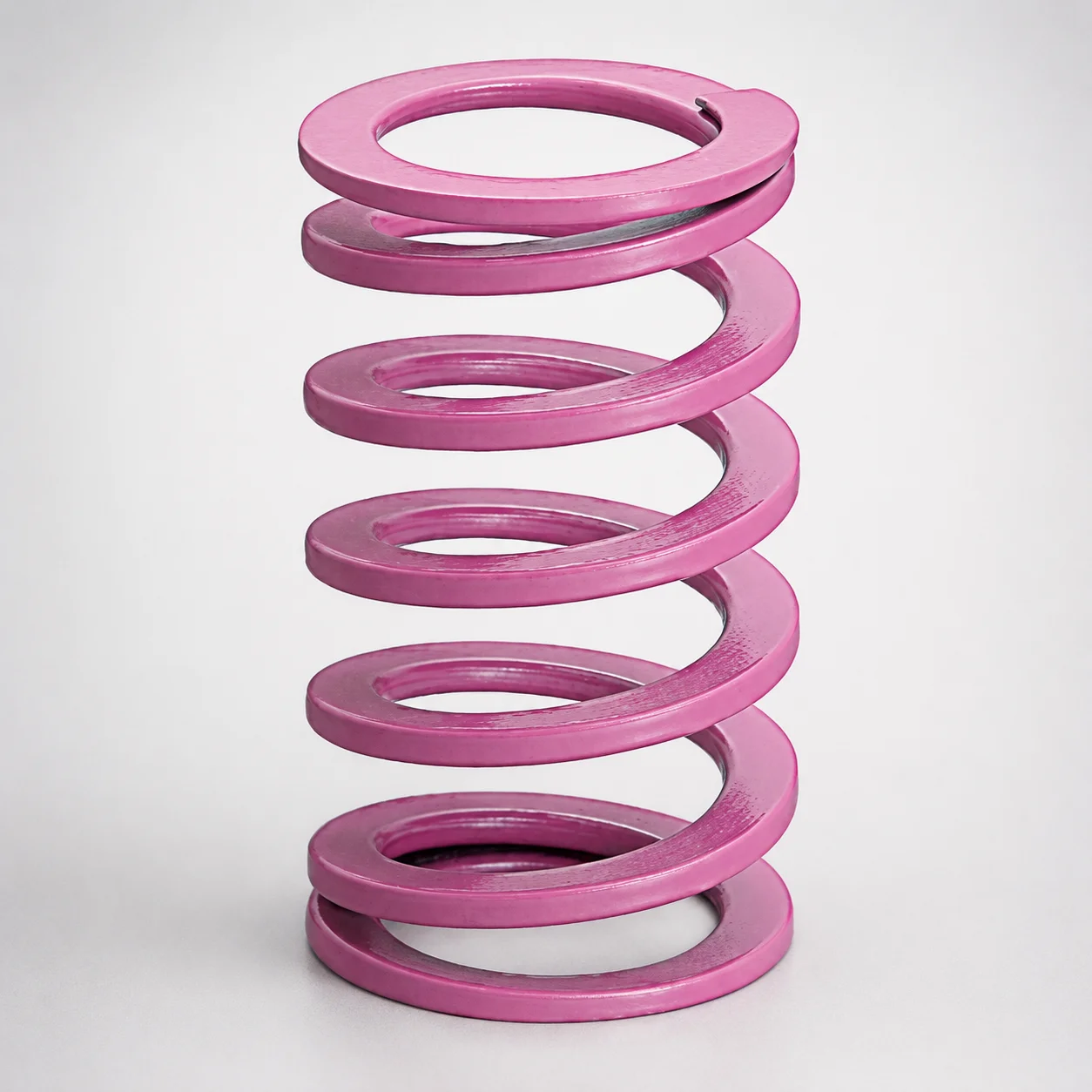
JIS Standard Chrome Silicon Medium Duty Die Spring 60% Deflection
Medium Duty Die Spring 60% Deflection (Chrome Silicon, JIS) is an oil-tempered coil spring designed for medium load die applications. It provides controlled deflection behavior to help maintain stable forming and consistent return under cycle loads.
- Built for 60% deflection to support predictable medium-load performance
- Oil-tempered chrome silicon wire construction supports load durability and stability
- Compatibility with JIS specifications for reliable fit in standard die setups
- Available with coated or no-coating options to match shop corrosion requirements
Specifications
358 configurations available
| Allowable Deflection Ratio (%) | Maximum Load (N) | Outer Diameter D (mm) | Length L (mm) | Coating Removal | type |
|---|---|---|---|---|---|
| 55 | 30 | 6 | 15 | No coating | - |
| 55 | 30 | 6 | 20 | No coating | - |
| 60 | 32 | 6 | 25 | No coating | - |
| 60 | 32 | 6 | 30 | No coating | - |
| 60 | 32 | 6 | 35 | No coating | - |
| 60 | 32 | 6 | 40 | No coating | - |
| 55 | 31 | 8 | 15 | No coating | - |
| 60 | 34 | 8 | 20 | No coating | - |
| 60 | 34 | 8 | 25 | No coating | - |
| 60 | 34 | 8 | 30 | No coating | - |
| 60 | 34 | 8 | 35 | No coating | - |
| 60 | 34 | 8 | 40 | No coating | - |
| 60 | 34 | 8 | 45 | No coating | - |
| 60 | 34 | 8 | 50 | No coating | - |
| 60 | 34 | 8 | 55 | No coating | - |
| 60 | 34 | 8 | 60 | No coating | - |
| 60 | 34 | 8 | 65 | No coating | - |
| 60 | 34 | 8 | 70 | No coating | - |
| 60 | 34 | 8 | 75 | No coating | - |
| 60 | 34 | 8 | 80 | No coating | - |
| 55 | 50 | 10 | 15 | No coating | - |
| 60 | 55 | 10 | 20 | No coating | - |
| 60 | 55 | 10 | 25 | No coating | - |
| 60 | 55 | 10 | 30 | No coating | - |
| 60 | 55 | 10 | 35 | No coating | - |
| 60 | 55 | 10 | 40 | No coating | - |
| 60 | 55 | 10 | 45 | No coating | - |
| 60 | 55 | 10 | 50 | No coating | - |
| 60 | 55 | 10 | 55 | No coating | - |
| 60 | 55 | 10 | 60 | No coating | - |
| 60 | 55 | 10 | 65 | No coating | - |
| 60 | 55 | 10 | 70 | No coating | - |
| 60 | 55 | 10 | 75 | No coating | - |
| 60 | 55 | 10 | 80 | No coating | - |
| 60 | 55 | 10 | 90 | No coating | - |
| 55 | 60 | 12 | 20 | No coating | - |
| 60 | 66 | 12 | 25 | No coating | - |
| 60 | 66 | 12 | 30 | No coating | - |
| 60 | 66 | 12 | 35 | No coating | - |
| 60 | 66 | 12 | 40 | No coating | - |
| 60 | 66 | 12 | 45 | No coating | - |
| 60 | 66 | 12 | 50 | No coating | - |
| 60 | 66 | 12 | 55 | No coating | - |
| 60 | 66 | 12 | 60 | No coating | - |
| 60 | 66 | 12 | 65 | No coating | - |
| 60 | 66 | 12 | 70 | No coating | - |
| 60 | 66 | 12 | 75 | No coating | - |
| 60 | 66 | 12 | 80 | No coating | - |
| 60 | 66 | 12 | 90 | No coating | - |
| 55 | 112 | 14 | 25 | No coating | - |
Product Guide
Application Scenarios+
This medium-duty die spring is used in industrial injection mold tooling where the die or ejector return force must be consistent over many cycles. Its 60% deflection rating makes it suitable for moderate working loads—supporting stable springback during forming, blanking, and fine-geometry part ejection sequences.
- Automotive and appliance components: In hot/cold press and transfer mold stations with medium forming loads, the controlled deflection behavior helps maintain return repeatability even when cycle-to-cycle load varies.
- Electronics housings and covers: When springs are used to recover cams, stripper plates, or die inserts after part release, the spring’s oil-tempered chrome silicon wire supports dependable force return for fine feature replication.
- General-purpose die inserts: The spring’s JIS compatibility fits standard die spring layouts, reducing re-engineering time when upgrading or maintaining existing tooling.
For shops that manage corrosion risk, the coated or no-coating options allow selection based on mold environment and maintenance intervals.
Material & Process Details+
This die spring uses chrome silicon spring wire with oil-tempered processing, providing a strong balance of stiffness, resilience, and fatigue resistance. Oil tempering improves the uniformity of the wire’s microstructure and helps stabilize the load/deflection response under repeated cycling.
- Performance focus: Chrome silicon construction delivers high wear and fatigue resistance for medium-load die service.
- Heat-treatment state: Oil-tempered spring condition is intended to produce consistent springback and controlled deflection.
- Hardness and trade-offs: Compared with harder, highly stressed spring steels, oil-tempered chrome silicon typically prioritizes toughness to reduce risk of cracking under dynamic loading, while still maintaining good wear resistance for die return applications.
Coating selection (coated vs. no-coating) is used to manage corrosion rather than changing the base heat-treated spring properties.
Sizing & Selection Guide+
Select dimensions by matching the required spring working range in your die spring pocket and the load/deflection target of the mechanism. This spring is specified for an allowable deflection ratio of 55 or 60%, with maximum load varying by size from 30 to 471 N.
- Choose OD (D): Match the spring’s outer diameter within the available range of 6 to 30 mm to your die seat diameter, ensuring clearance for assembly and alignment.
- Choose free length (L): Verify the available 15 to 200 mm length supports your stroke without coil bind at maximum deflection.
- Deflection-to-load check: Use the 60% deflection variant to target medium-load return behavior; confirm the expected operating load remains below the corresponding maximum load for the selected size.
- Coating fit: If coating is used, account for any minor dimensional change at the seat clearance and corrosion-prevention needs.
These dimensions are typically fixed per SKU; select the closest OD and L, then validate clearance and stroke against your core/cavity or die carrier constraints.
Frequently Asked Questions
How do I confirm the correct deflection ratio (55% vs 60%) for my die return design?+
What OD (D) and length (L) ranges are available, and how do they impact pocket design?+
What maximum load range should I use when sizing this spring for injection tooling?+
Is the spring compatible with JIS standard die spring setups, and what does that mean for interchangeability?+
Should I choose coated or no-coating for mold environments, and does it affect spring performance?+
Related Products
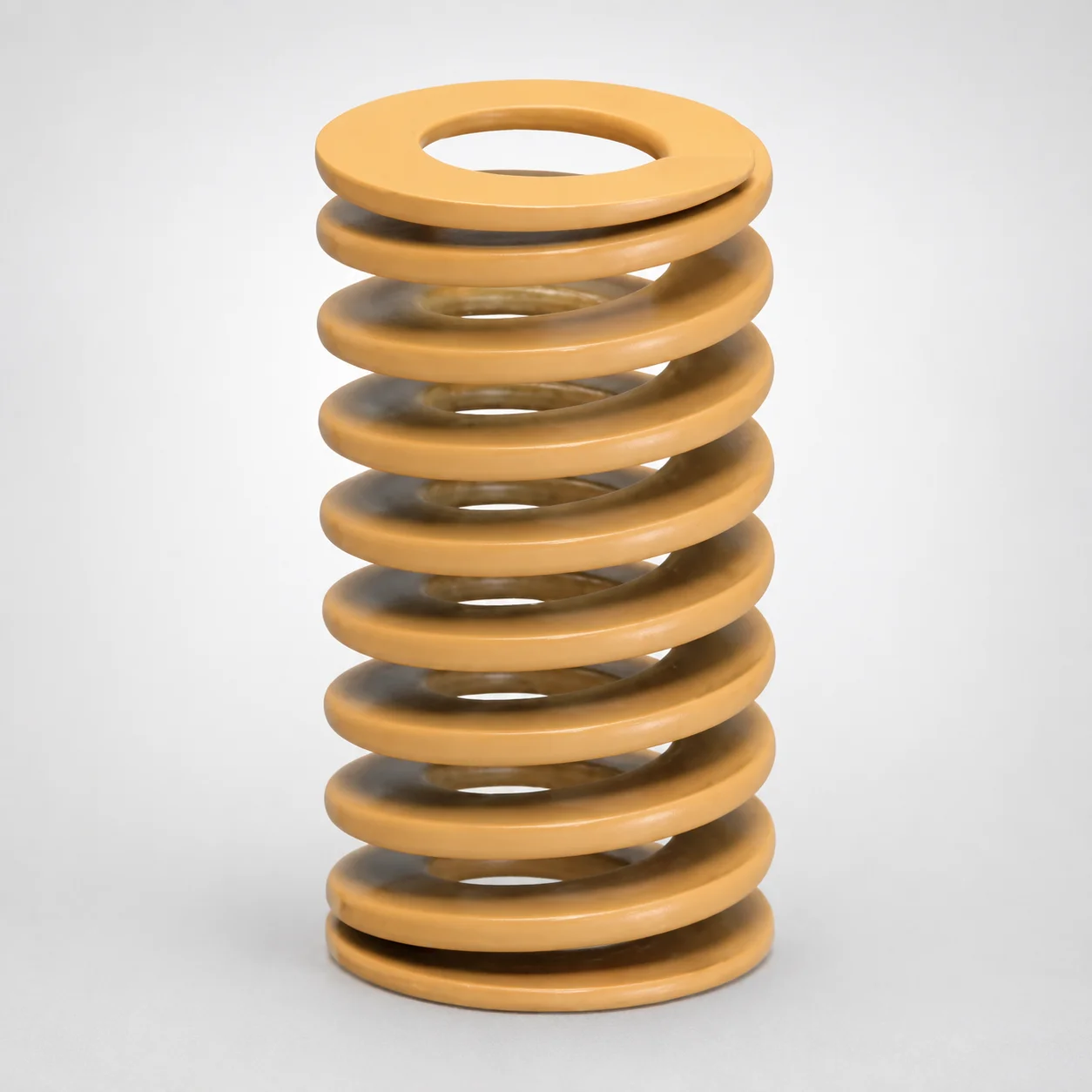
JIS Standard Chrome Silicon Medium Duty Die Spring - 50% Deflection
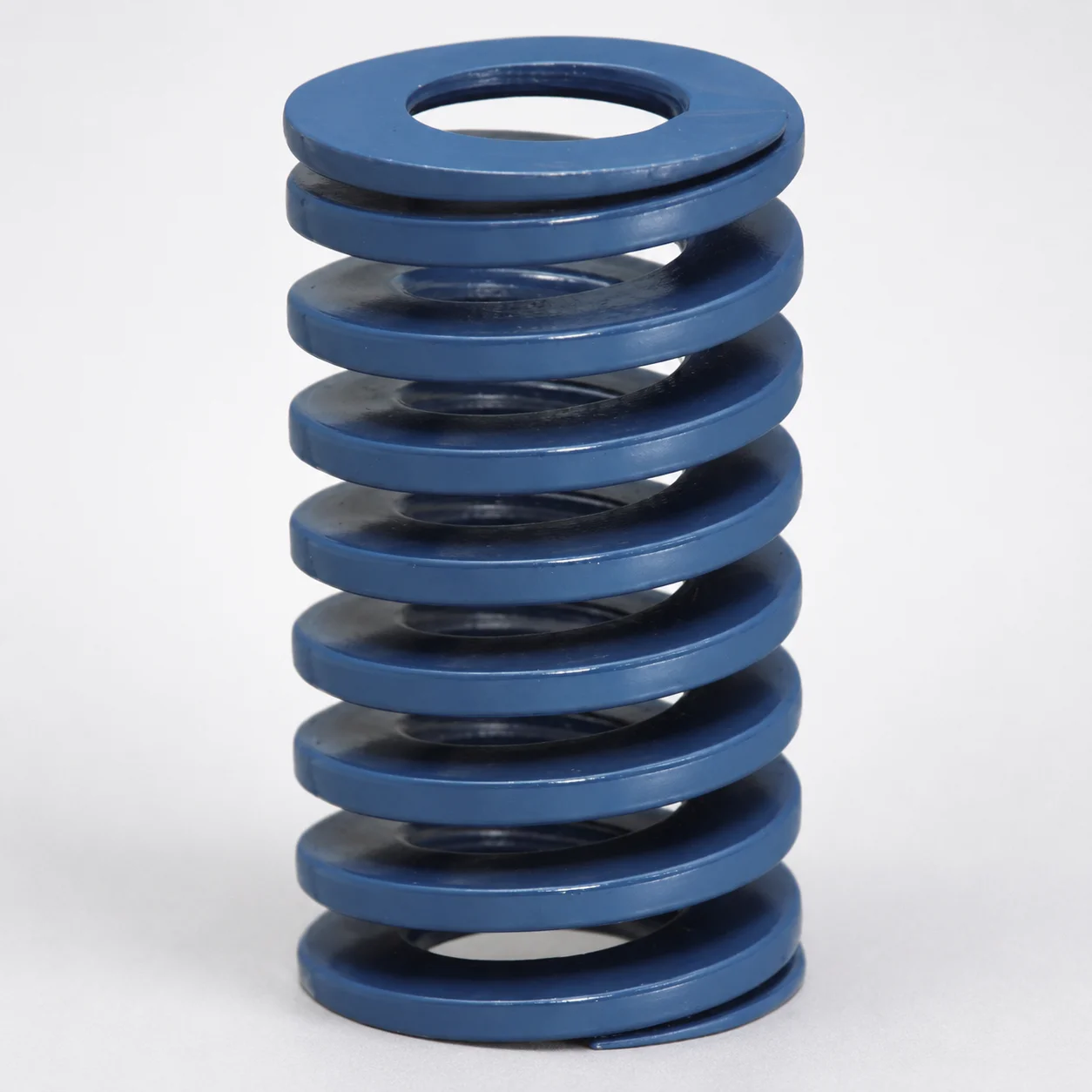
JIS Standard Chrome Silicon Steel Medium Duty Die Spring - 40% Deflection
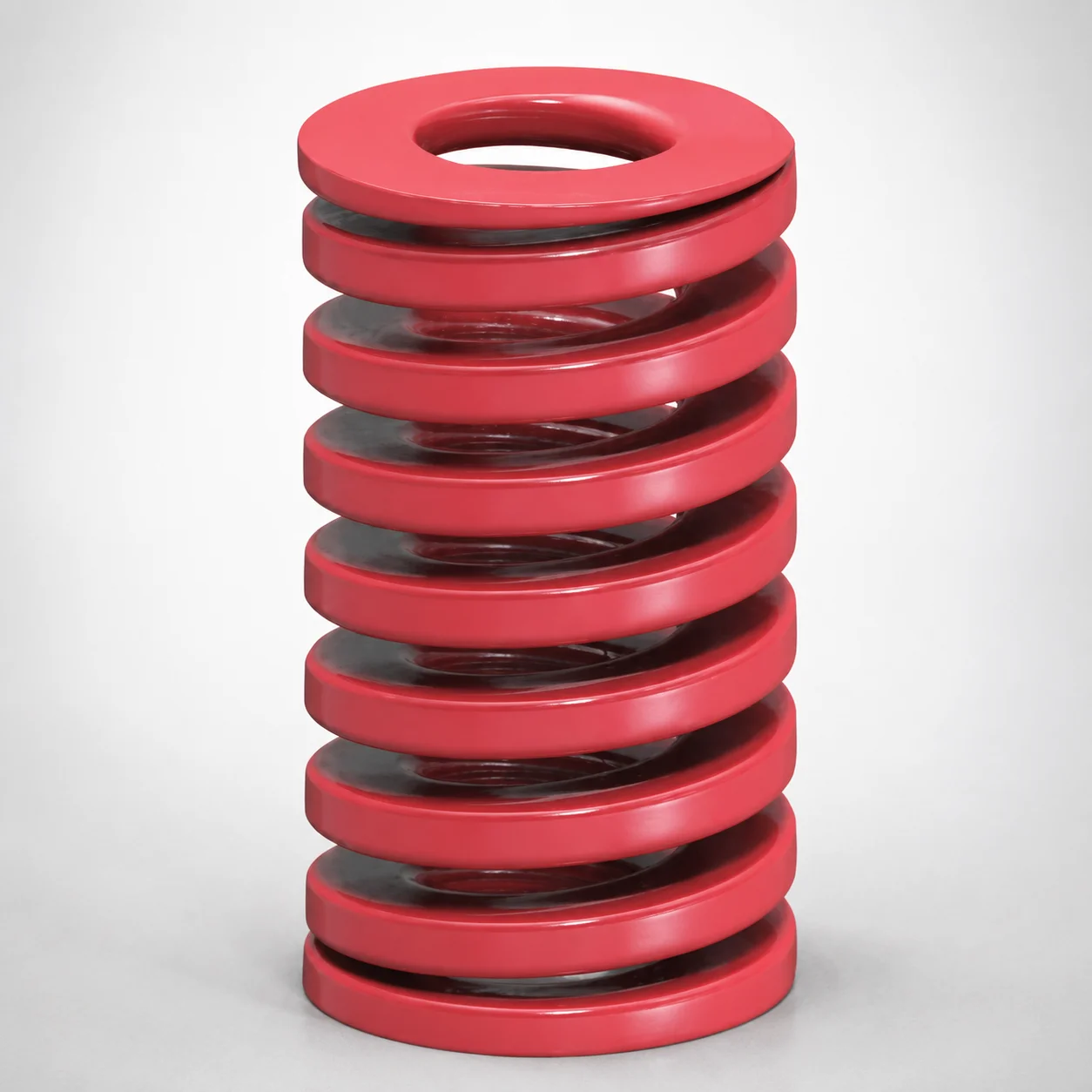
JIS Standard Medium Duty Die Spring 32% Deflection Chrome Silicon Coil Springs
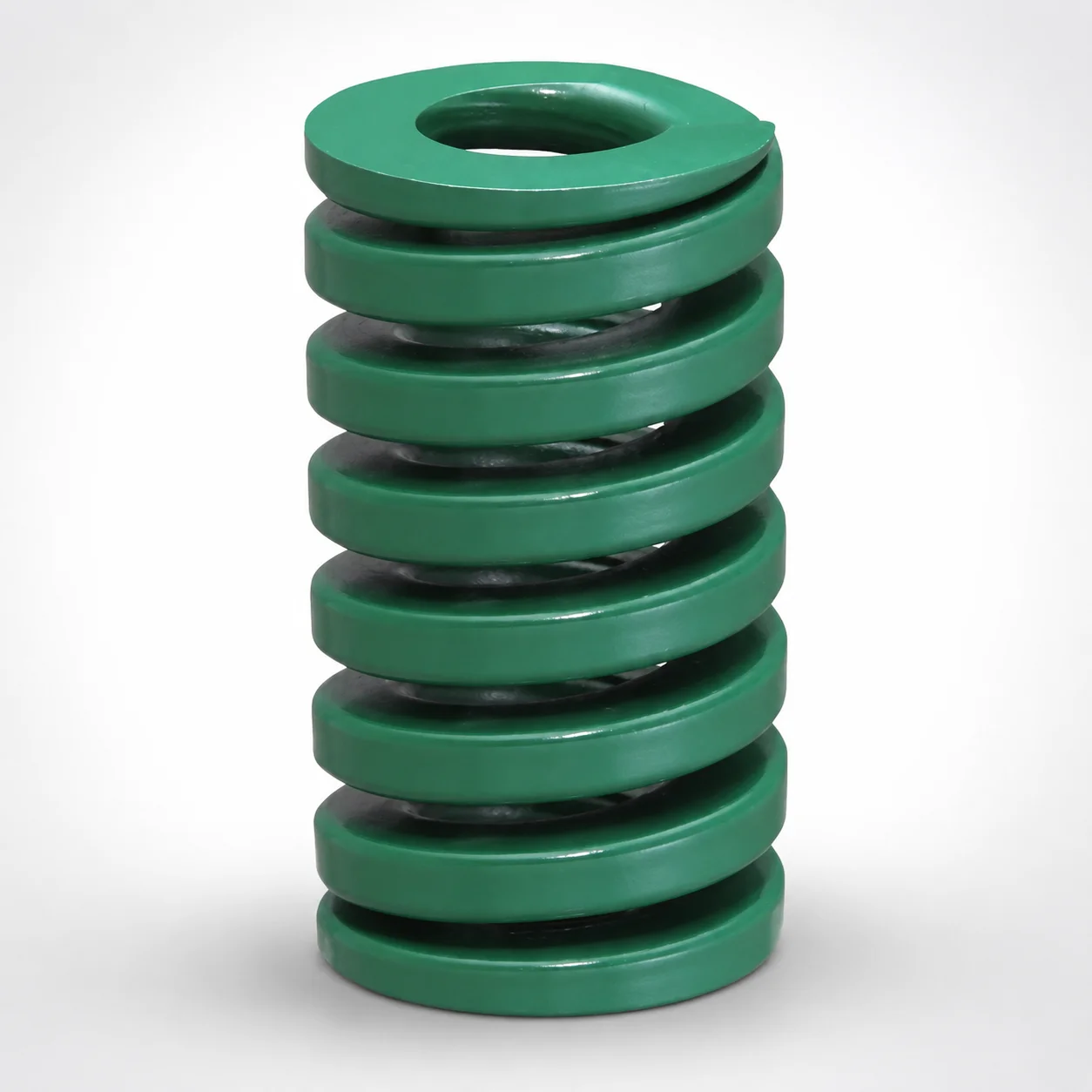
JIS Standard Heavy Duty Die Spring 24% Deflection
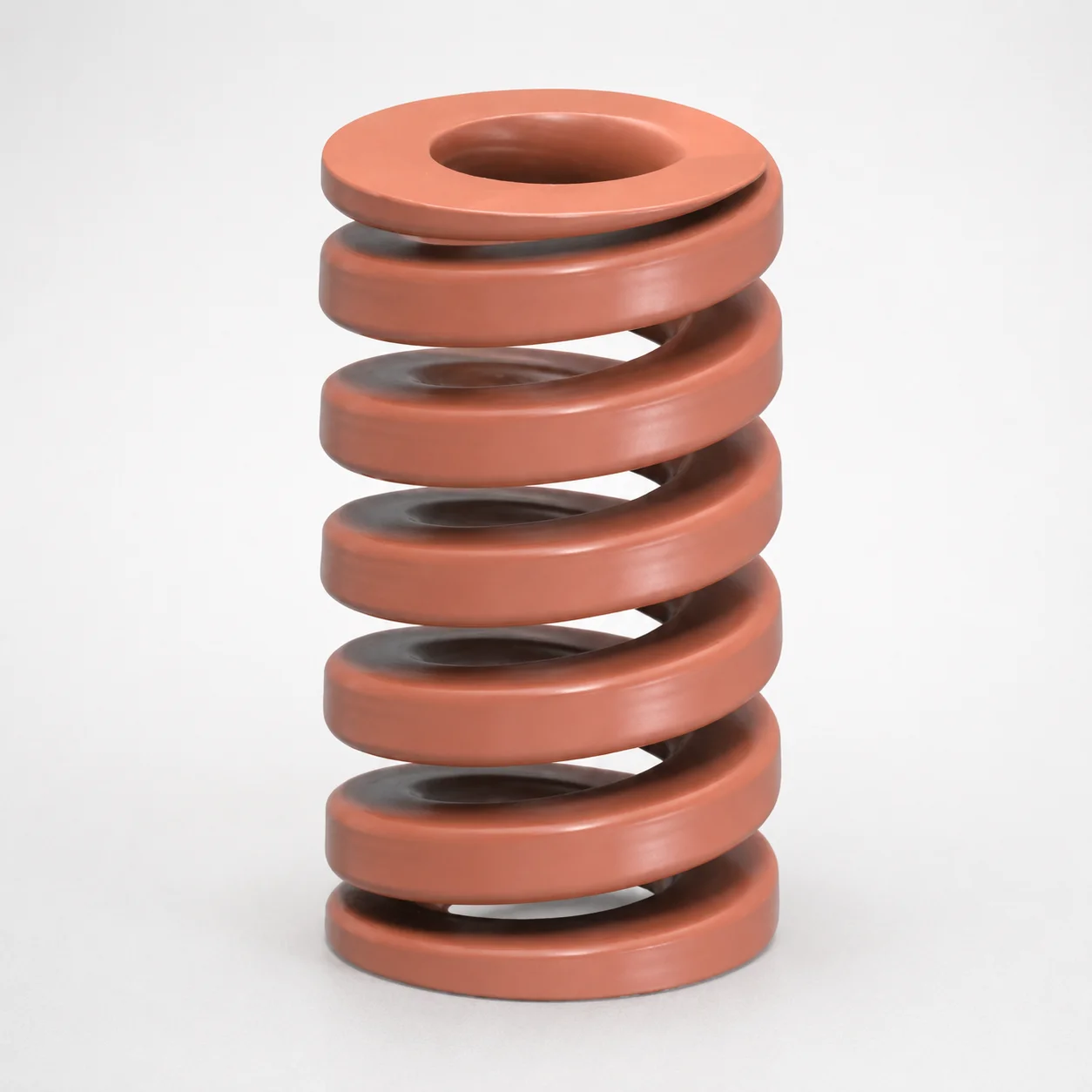
JIS Standard Chrome Silicon Oil-Tempered Wire Heavy Duty Die Spring 20% Deflection
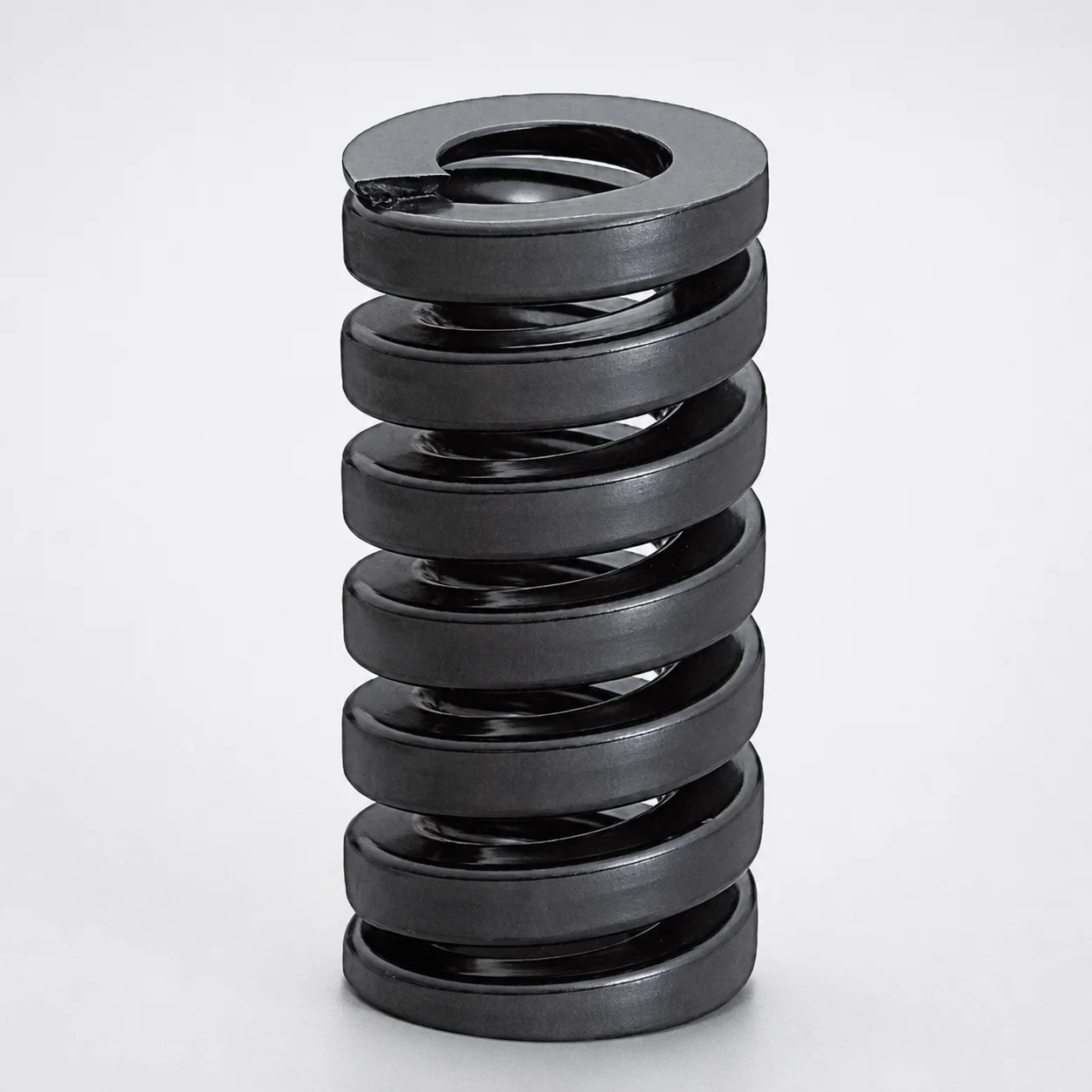
JIS Standard Extra Heavy Duty Die Spring SWG Type - 20% Deflection
Need Custom Specifications?
Our engineering team can help with custom configurations, material selection, and volume pricing.