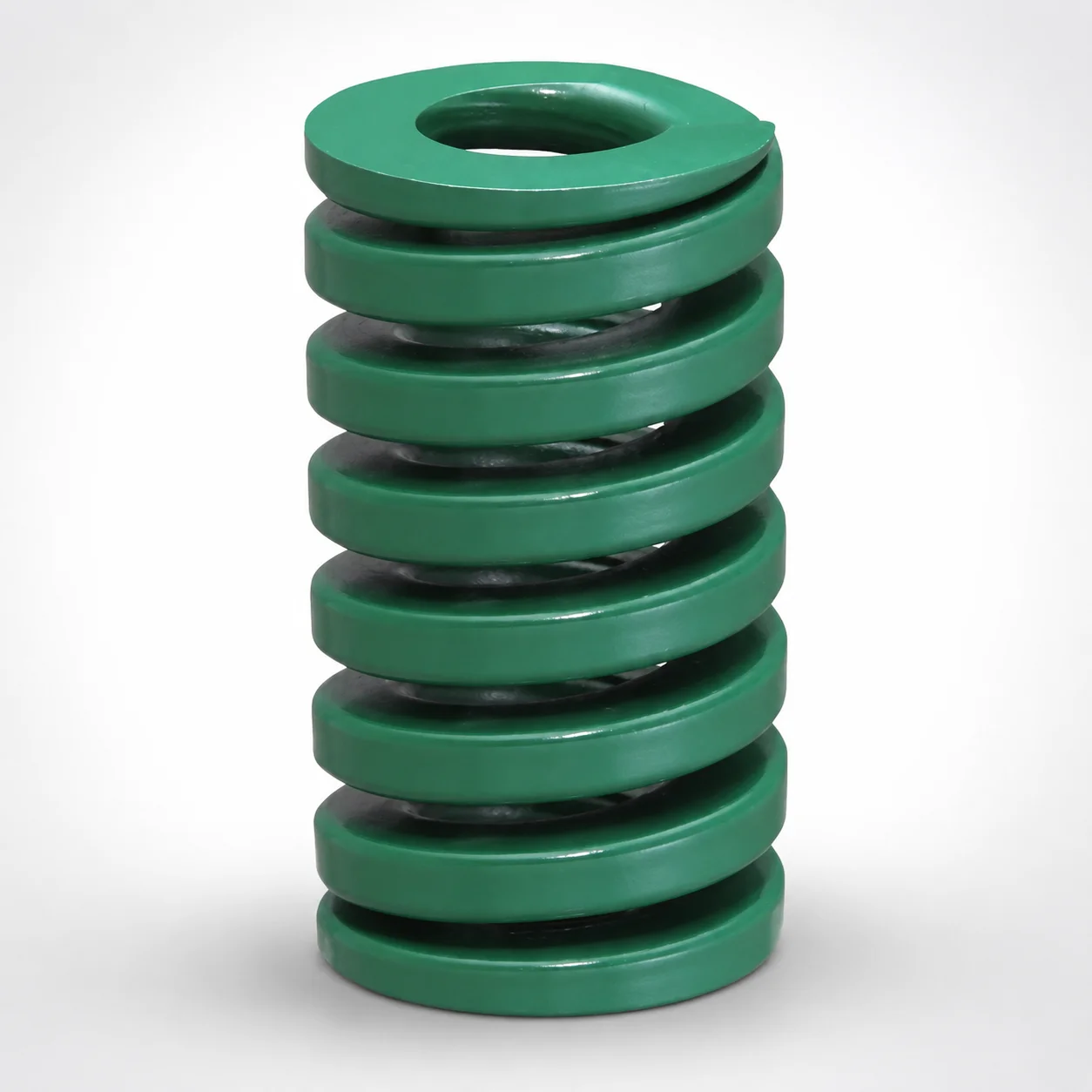
JIS Standard Heavy Duty Die Spring 24% Deflection
Heavy Duty Die Spring 24% Deflection (Chrome Silicon) is engineered for heavy load die applications where robust support and repeatable deflection are critical. The oil-tempered, resilient wire construction helps maintain performance under demanding press cycles.
- Optimized 24% deflection for dependable return force in heavy load tooling
- Chrome silicon spring wire improves durability and resilience under stress
- Designed for oil-tempered wire behavior to support consistent forming and rebound
- Built to JIS standards for stable compatibility with die systems
Specifications
526 configurations available
| Maximum Load (N) | Outer Diameter D (mm) | Length L (mm) | Coating Removal | type |
|---|---|---|---|---|
| 137 | 6 | 15 | No coating | - |
| 137 | 6 | 20 | No coating | - |
| 137 | 6 | 25 | No coating | - |
| 137 | 6 | 30 | No coating | - |
| 137 | 6 | 35 | No coating | - |
| 137 | 6 | 40 | No coating | - |
| 137 | 6 | 45 | No coating | - |
| 137 | 6 | 50 | No coating | - |
| 137 | 6 | 55 | No coating | - |
| 137 | 6 | 60 | No coating | - |
| 206 | 8 | 10 | No coating | - |
| 206 | 8 | 15 | No coating | - |
| 206 | 8 | 20 | No coating | - |
| 206 | 8 | 25 | No coating | - |
| 206 | 8 | 30 | No coating | - |
| 206 | 8 | 35 | No coating | - |
| 206 | 8 | 40 | No coating | - |
| 206 | 8 | 45 | No coating | - |
| 206 | 8 | 50 | No coating | - |
| 206 | 8 | 55 | No coating | - |
| 206 | 8 | 60 | No coating | - |
| 206 | 8 | 65 | No coating | - |
| 206 | 8 | 70 | No coating | - |
| 206 | 8 | 75 | No coating | - |
| 206 | 8 | 80 | No coating | - |
| 294 | 10 | 10 | No coating | - |
| 294 | 10 | 15 | No coating | - |
| 294 | 10 | 20 | No coating | - |
| 294 | 10 | 25 | No coating | - |
| 294 | 10 | 30 | No coating | - |
| 294 | 10 | 35 | No coating | - |
| 294 | 10 | 40 | No coating | - |
| 294 | 10 | 45 | No coating | - |
| 294 | 10 | 50 | No coating | - |
| 294 | 10 | 55 | No coating | - |
| 294 | 10 | 60 | No coating | - |
| 294 | 10 | 65 | No coating | - |
| 294 | 10 | 70 | No coating | - |
| 294 | 10 | 75 | No coating | - |
| 294 | 10 | 80 | No coating | - |
| 294 | 10 | 90 | No coating | - |
| 421 | 12 | 15 | No coating | - |
| 421 | 12 | 20 | No coating | - |
| 421 | 12 | 25 | No coating | - |
| 421 | 12 | 30 | No coating | - |
| 421 | 12 | 35 | No coating | - |
| 421 | 12 | 40 | No coating | - |
| 421 | 12 | 45 | No coating | - |
| 421 | 12 | 50 | No coating | - |
| 421 | 12 | 55 | No coating | - |
Product Guide
Application Scenarios+
This heavy-duty die return spring is used in die sets and press tooling where the mold must reliably return after forming under high load cycles. Its 24% deflection target supports predictable return force, making it suitable for maintaining die closure repeatability.
- Stamping and forming: In progressive or deep-draw dies, select this spring to sustain stable rebound across repeated press strokes, supporting dimensional consistency.
- Automotive component dies: For heavy-load operations (e.g., brackets, panels), the spring range (up to 12557 N) helps maintain actuator/die reset performance in demanding cycle conditions.
- High-cycle production tooling: The chrome silicon wire and oil-tempered behavior are well-matched to applications that experience frequent loading/unloading where resilience and fatigue resistance are critical.
Choose the oil-tempered chrome-silicon variant when you need resilient support with repeatable deflection behavior that aligns with JIS-standard die systems.
Material & Process Details+
The spring is manufactured from chrome silicon spring wire, a steel family chosen for high resilience and good fatigue resistance in repeatedly loaded tooling. The design uses oil-tempered wire behavior to stabilize spring characteristics and improve rebound consistency during press cycling.
- Heat treatment: Oil-tempered condition for resilient performance; designed to resist relaxation under load compared with softer, non-tempered wire.
- Wear and fatigue balance: Chrome silicon composition supports wear-resistant, fatigue-capable behavior in die return service, with performance optimized for cyclic stress rather than heavy impact.
- Coating options: The spring is specified as No coating or Coated; coating primarily addresses surface protection and corrosion resistance depending on your environment.
Note: exact HRC hardness and specific steel designation (e.g., JIS/ASTM mapping) are not provided in the input data, so select hardness based on supplier documentation for the specific wire lot and heat-treatment certificate.
Sizing & Selection Guide+
Correct sizing is critical because the die return force depends on both deflection setting and the spring’s physical fit in the die space. This spring series provides ranges for outer diameter (D): 6–70 mm, length (L): 10–350 mm, and maximum load (N): 137–12557 N.
- Match space envelope: Verify the die retainer/guide clearance for the required outer diameter D and available axial stack for length L.
- Match force requirement: Choose the spring rated for the needed maximum load (N) so the required return force is achievable at the 24% deflection target in your stroke profile.
- Account for tolerance and fit: Since coil springs are assembled into spring seats, ensure adequate clearance to avoid binding; consult die spring seat dimensions for the intended locating method. When using coated vs. uncoated variants, confirm that coating thickness does not interfere with seat fit.
Use the available dimensions as your primary selectors—remaining dimensional details (such as end type, free height, or tolerance class) must be confirmed against the specific product drawing for the chosen D/L variant.
Frequently Asked Questions
How do I select the correct spring rating using the maximum load range (137–12557 N) for a die return application?+
Start by determining the required return force at your planned stroke and deflection condition, then choose a spring variant within the provided maximum load (N): 137–12557 N range. Because this series is specified for 24% deflection, ensure your press cycle and die geometry allow the spring to operate at the intended deflection level.
What outer diameter (D) and length (L) should I choose to fit my die set spring cavity?+
Use the provided dimension ranges to match the physical envelope of your die. Select D (outer diameter): 6–70 mm to avoid side interference and L (length): 10–350 mm to ensure correct stack height for seating and preload.
Does the oil-tempered chrome silicon construction affect how the spring maintains force over repeated press cycles?+
Yes. The input description specifies oil-tempered chrome silicon spring behavior designed to maintain resilient performance under demanding press cycles. This helps stabilize rebound characteristics during repeated loading/unloading, which is important for consistent die return timing.
Is a coated or uncoated version better for die applications where corrosion resistance is a concern?+
The specifications indicate two options: No coating or Coated. Choose the coated variant when the tooling environment has higher risk of corrosion or requires additional surface protection. Confirm that any coating thickness remains compatible with your spring seat clearances.
How does the JIS-standard design influence compatibility with die tooling compared with non-standard spring sets?+
This series is stated to be built to JIS standards, which supports stable compatibility with JIS-based die systems. When integrating into an existing die set, using the JIS-aligned spring configuration helps reduce mismatches in expected performance behavior at the specified deflection target.
Related Products
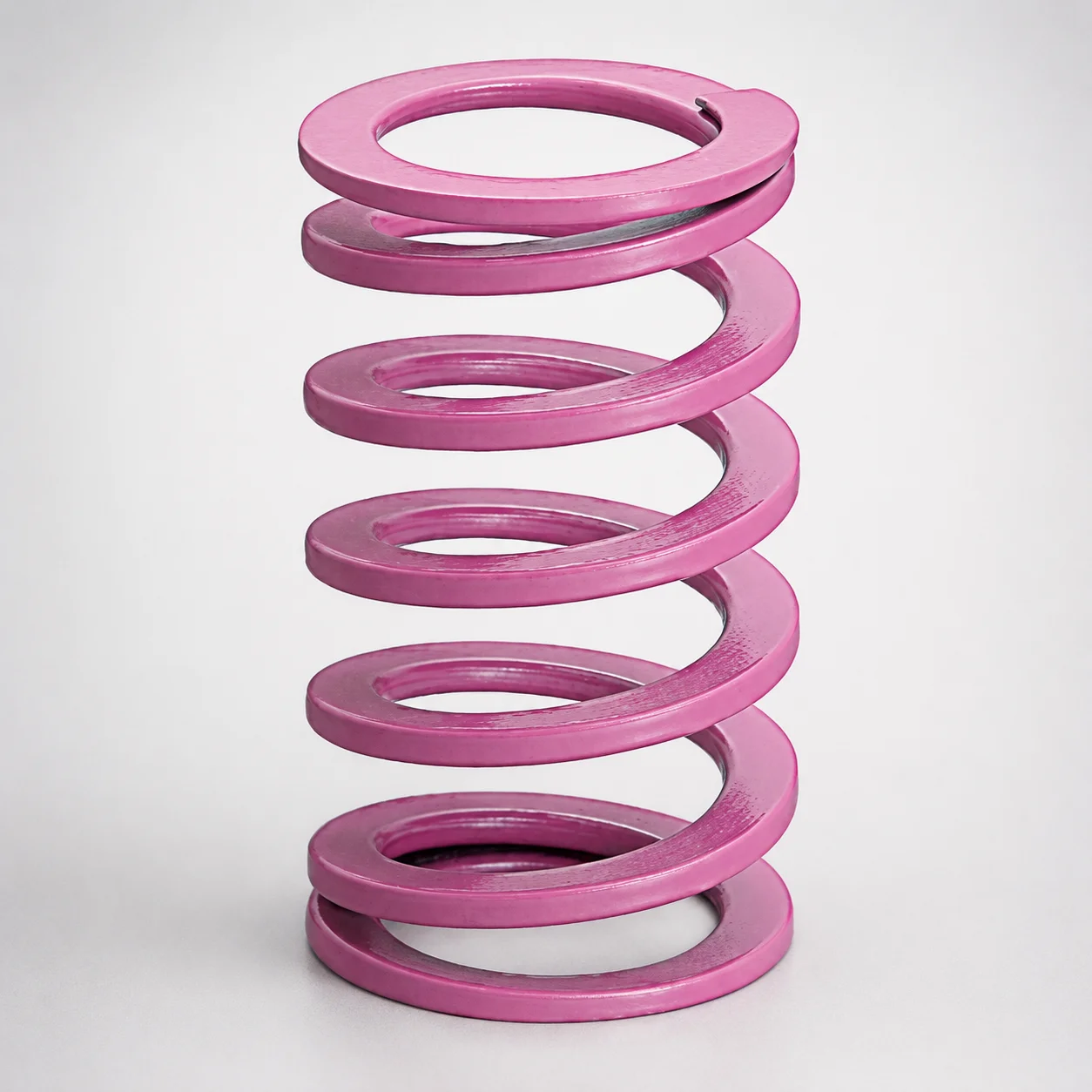
JIS Standard Chrome Silicon Medium Duty Die Spring 60% Deflection
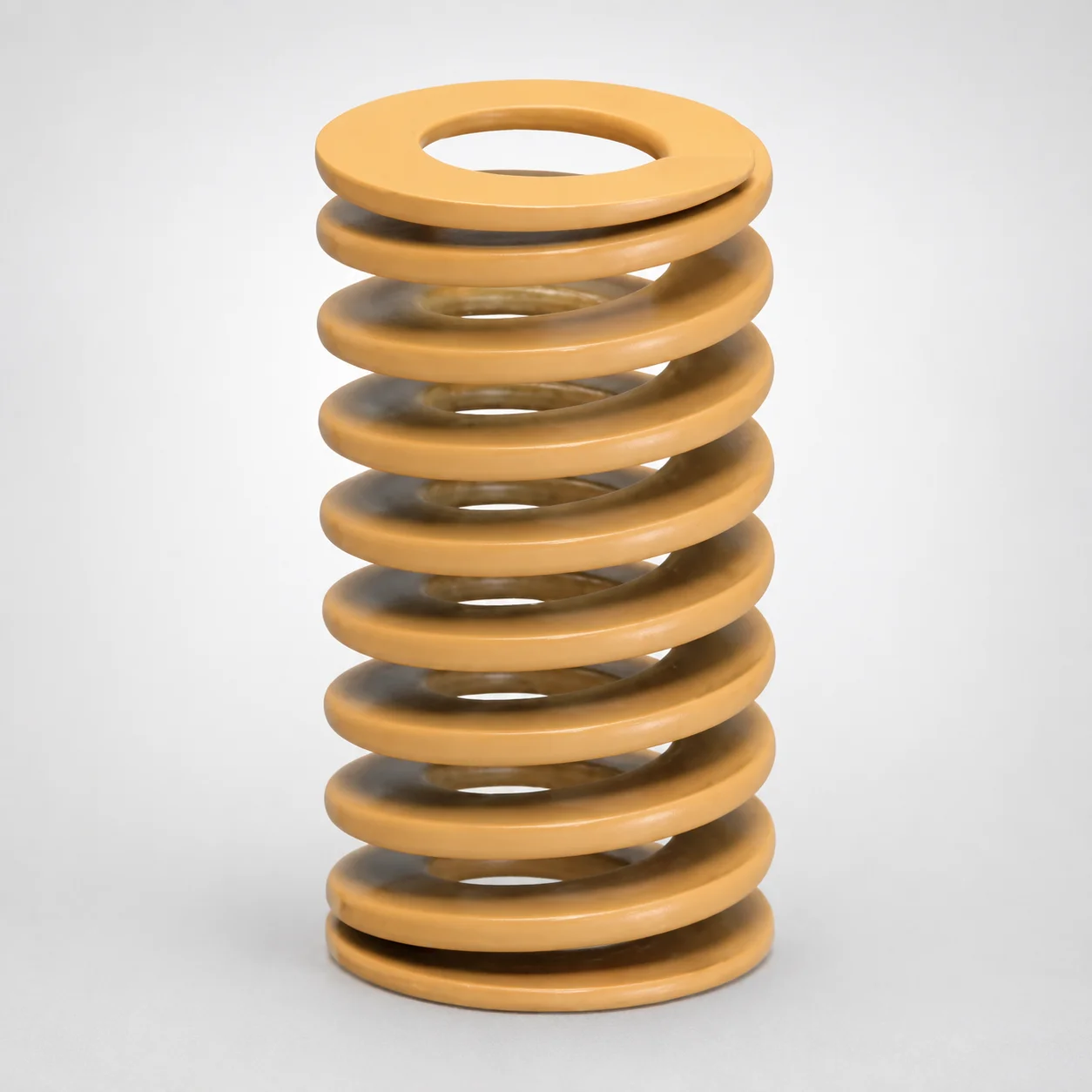
JIS Standard Chrome Silicon Medium Duty Die Spring - 50% Deflection
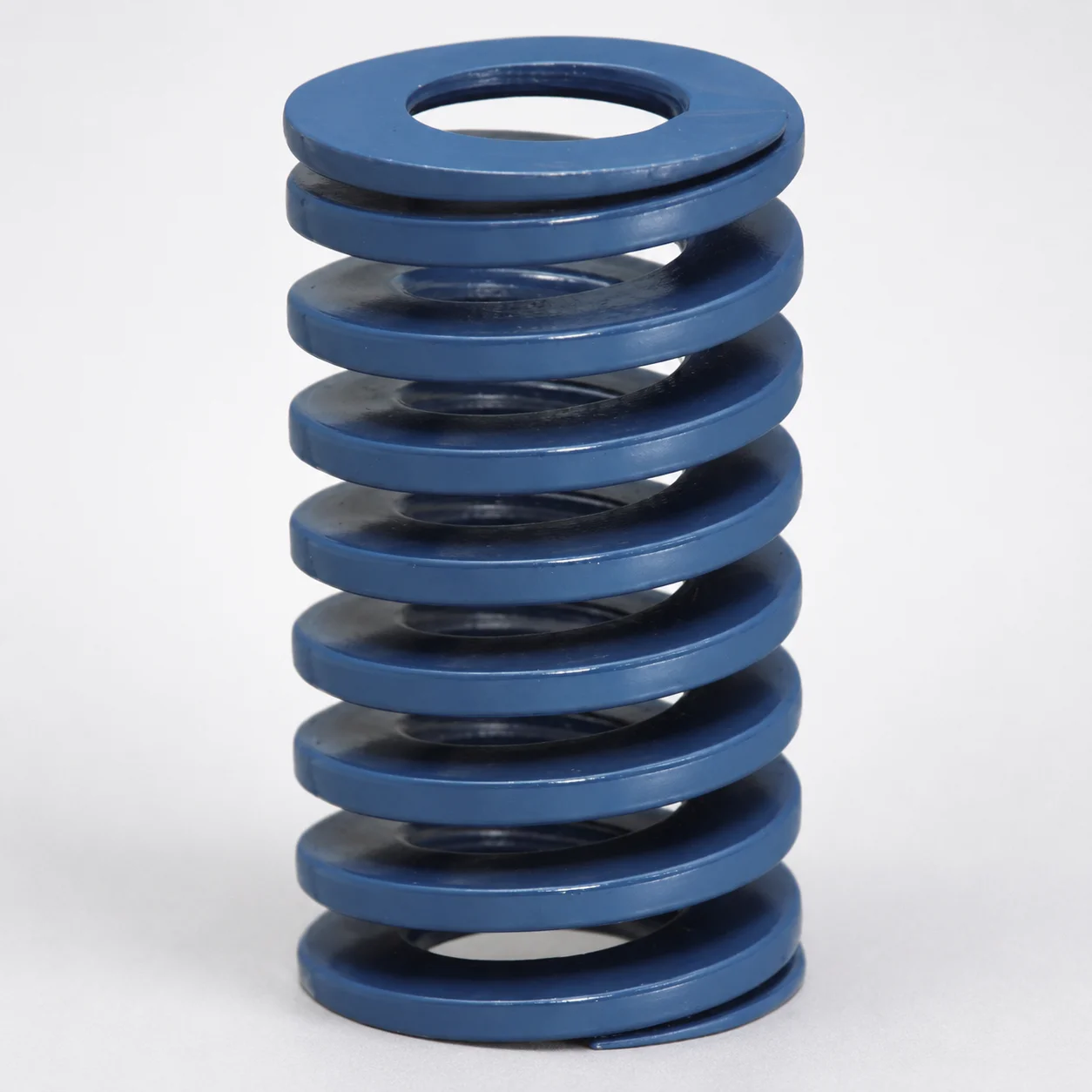
JIS Standard Chrome Silicon Steel Medium Duty Die Spring - 40% Deflection
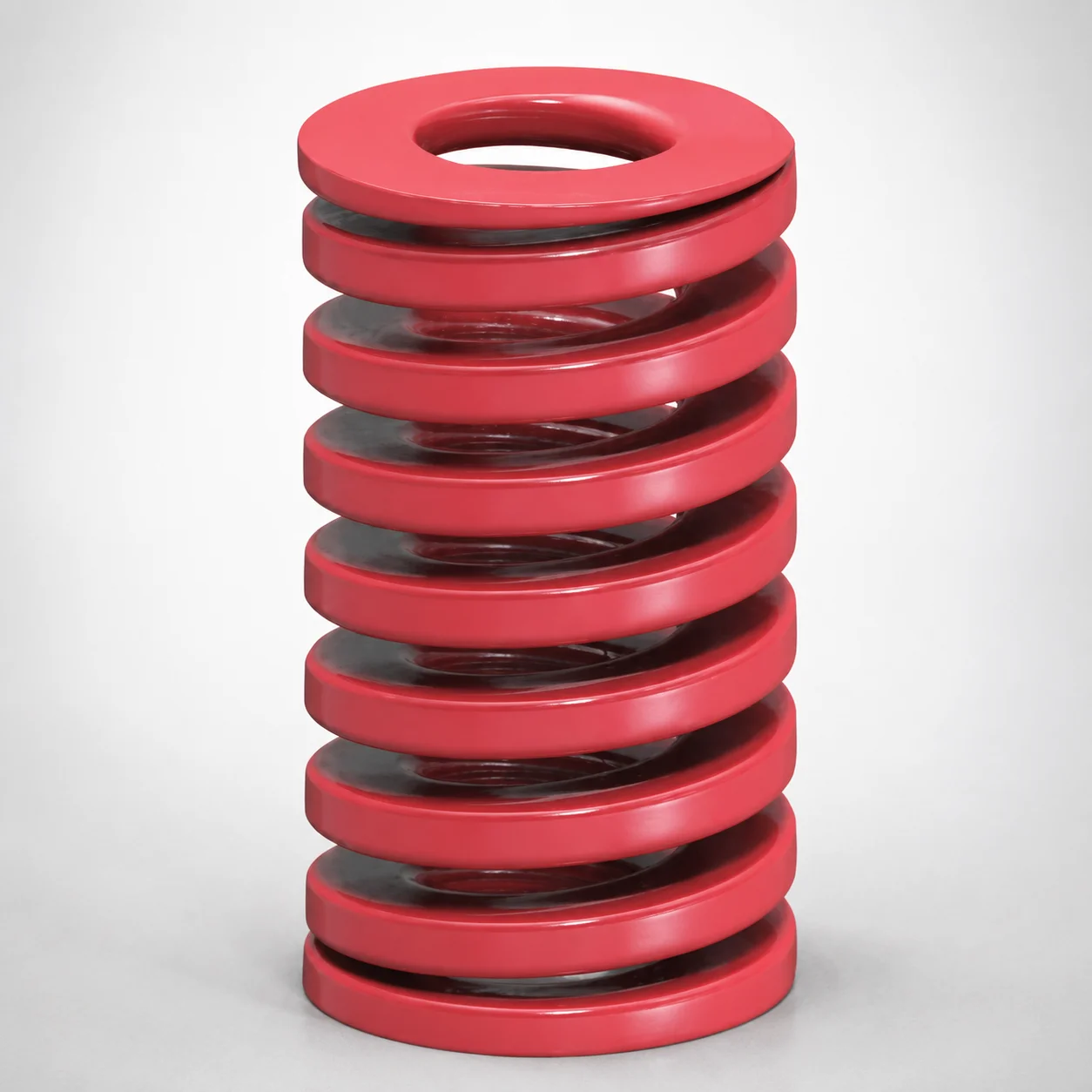
JIS Standard Medium Duty Die Spring 32% Deflection Chrome Silicon Coil Springs
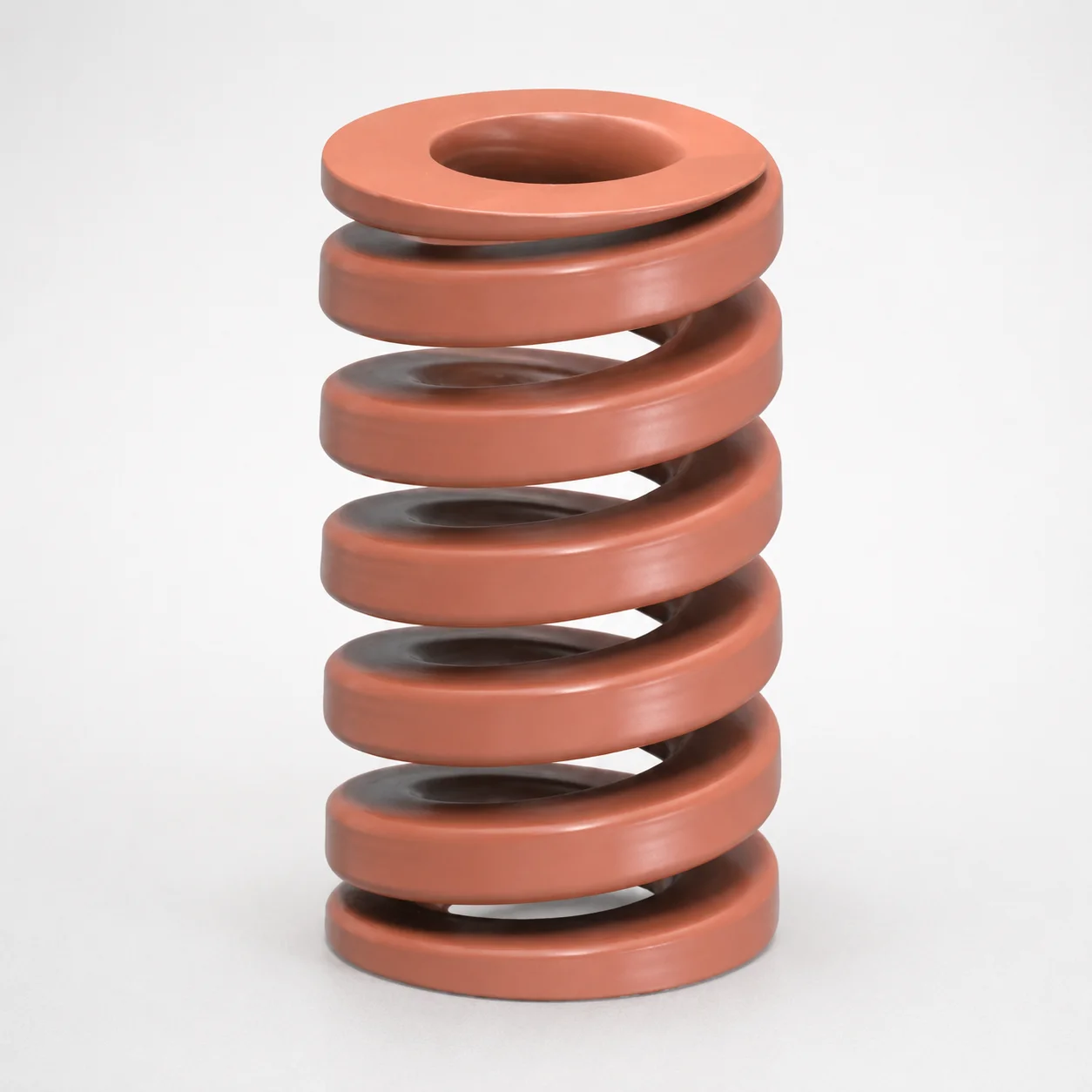
JIS Standard Chrome Silicon Oil-Tempered Wire Heavy Duty Die Spring 20% Deflection
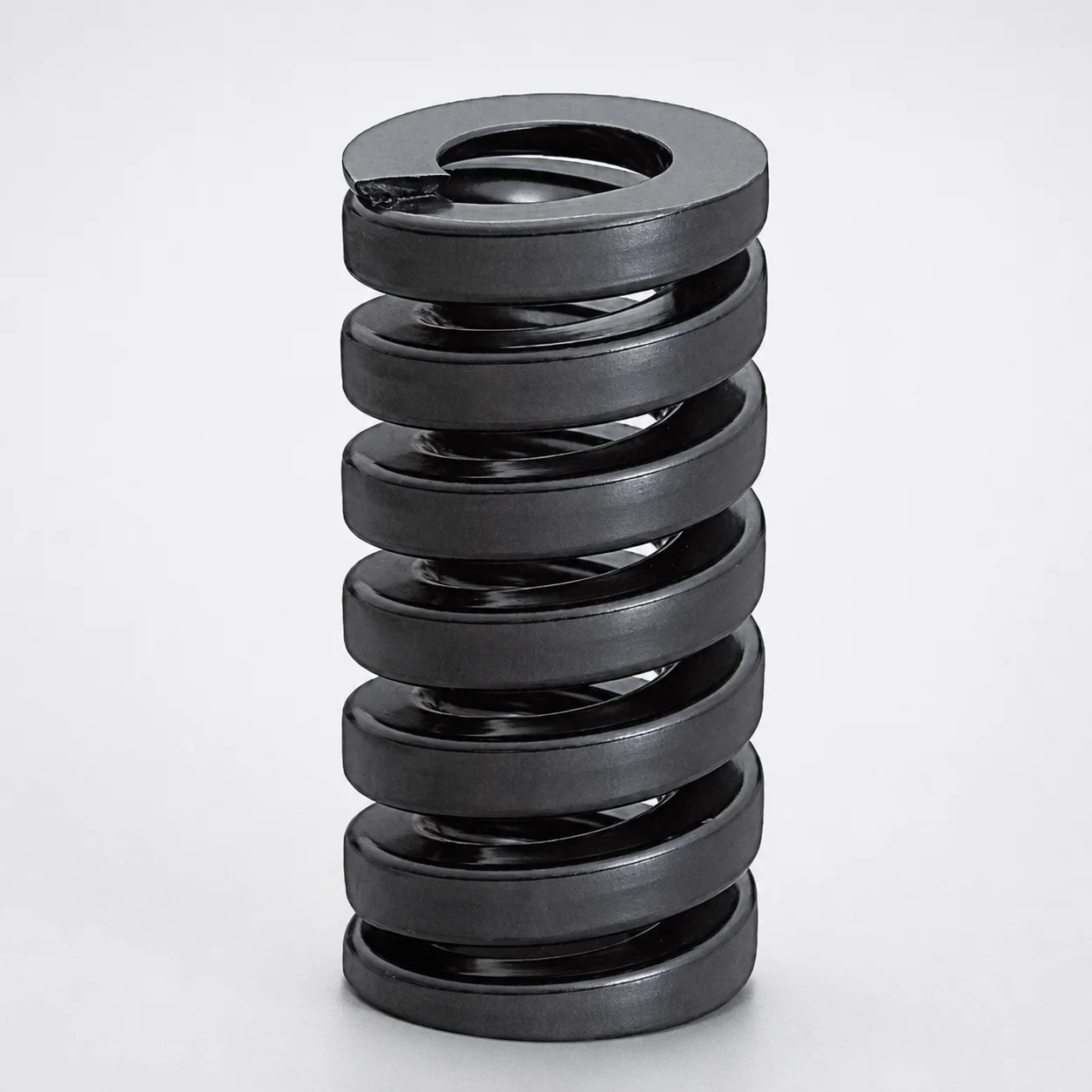
JIS Standard Extra Heavy Duty Die Spring SWG Type - 20% Deflection
Need Custom Specifications?
Our engineering team can help with custom configurations, material selection, and volume pricing.