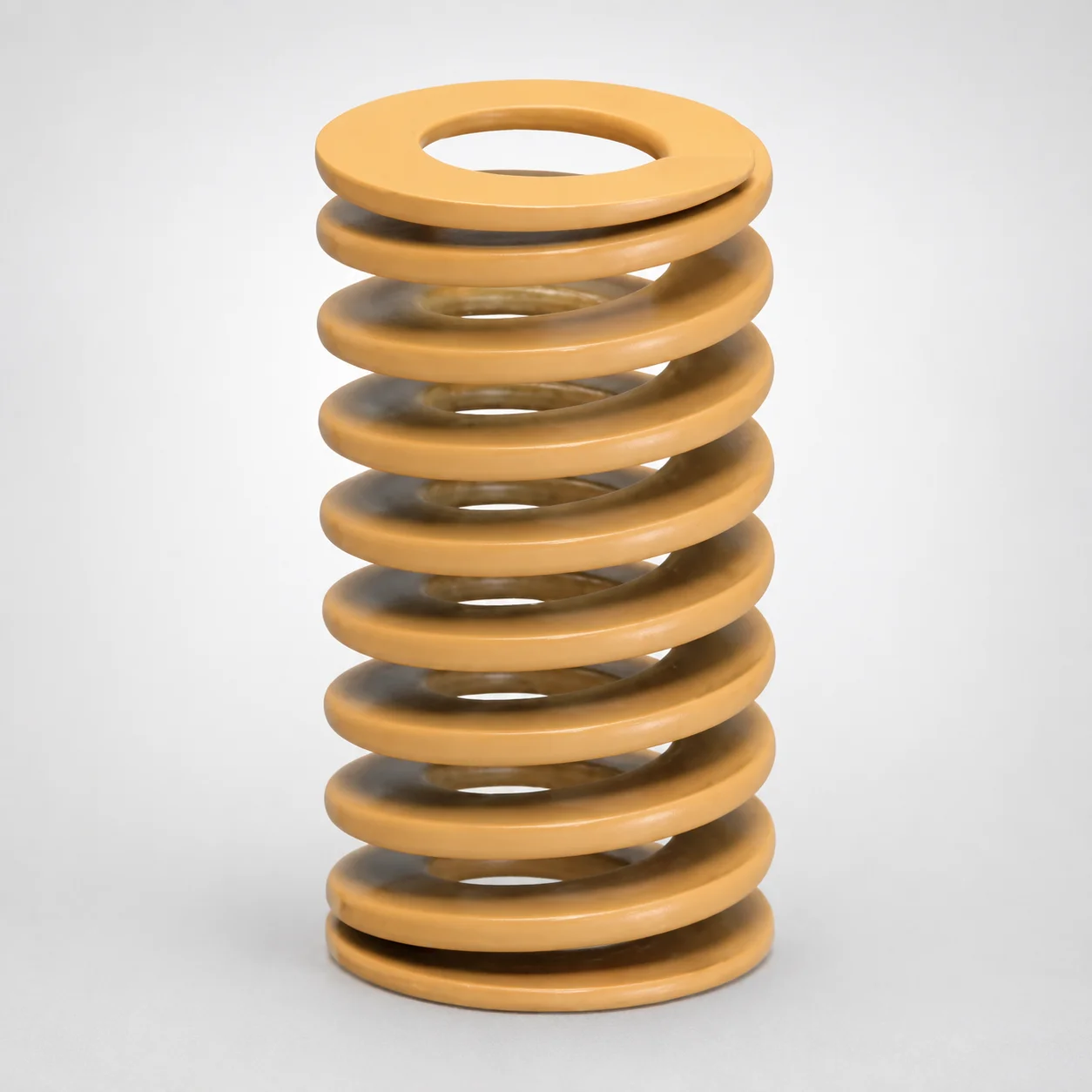
JIS Standard Chrome Silicon Medium Duty Die Spring - 50% Deflection
Medium Duty Die Spring - 50% Deflection (Chrome Silicon, JIS) is engineered for stable medium load support. Its oil-tempered wire construction helps absorb shock and vibration while protecting dies and mechanical systems.
- Optimized for 50% deflection to maintain controlled spring response
- Oil-tempered Chrome Silicon wire improves durability under medium loads
- Coated or uncoated options support different mold and operating environments
- Suitable for manufacturing, automotive, and industrial die applications
Specifications
538 configurations available
| Maximum Load (N) | Outer Diameter D (mm) | Length L (mm) | Coating Removal | type |
|---|---|---|---|---|
| 59 | 6 | 15 | No coating | - |
| 59 | 6 | 20 | No coating | - |
| 59 | 6 | 25 | No coating | - |
| 59 | 6 | 30 | No coating | - |
| 59 | 6 | 35 | No coating | - |
| 59 | 6 | 40 | No coating | - |
| 79 | 8 | 10 | No coating | - |
| 79 | 8 | 15 | No coating | - |
| 79 | 8 | 20 | No coating | - |
| 79 | 8 | 25 | No coating | - |
| 79 | 8 | 30 | No coating | - |
| 79 | 8 | 35 | No coating | - |
| 79 | 8 | 40 | No coating | - |
| 79 | 8 | 45 | No coating | - |
| 79 | 8 | 50 | No coating | - |
| 79 | 8 | 55 | No coating | - |
| 79 | 8 | 60 | No coating | - |
| 79 | 8 | 65 | No coating | - |
| 79 | 8 | 70 | No coating | - |
| 79 | 8 | 75 | No coating | - |
| 79 | 8 | 80 | No coating | - |
| 98 | 10 | 10 | No coating | - |
| 98 | 10 | 15 | No coating | - |
| 98 | 10 | 20 | No coating | - |
| 98 | 10 | 25 | No coating | - |
| 98 | 10 | 30 | No coating | - |
| 98 | 10 | 35 | No coating | - |
| 98 | 10 | 40 | No coating | - |
| 98 | 10 | 45 | No coating | - |
| 98 | 10 | 50 | No coating | - |
| 98 | 10 | 55 | No coating | - |
| 98 | 10 | 60 | No coating | - |
| 98 | 10 | 65 | No coating | - |
| 98 | 10 | 70 | No coating | - |
| 98 | 10 | 75 | No coating | - |
| 98 | 10 | 80 | No coating | - |
| 98 | 10 | 90 | No coating | - |
| 137 | 12 | 15 | No coating | - |
| 137 | 12 | 20 | No coating | - |
| 137 | 12 | 25 | No coating | - |
| 137 | 12 | 30 | No coating | - |
| 137 | 12 | 35 | No coating | - |
| 137 | 12 | 40 | No coating | - |
| 137 | 12 | 45 | No coating | - |
| 137 | 12 | 50 | No coating | - |
| 137 | 12 | 55 | No coating | - |
| 137 | 12 | 60 | No coating | - |
| 137 | 12 | 65 | No coating | - |
| 137 | 12 | 70 | No coating | - |
| 137 | 12 | 75 | No coating | - |
Product Guide
Application Scenarios+
This medium-duty die spring is used inside injection mold tooling to deliver stable return force and vibration damping in components that see intermittent mechanical shock. Because it is specified for 50% deflection, it helps engineers maintain a predictable spring response while maintaining die alignment and consistent clamp/transfer behavior.
- Automotive connector and terminal molds: Use in ejector or die-latch interfaces where medium loads and frequent cycling benefit from oil-tempered spring wire to absorb shock and reduce micro-deflection.
- Industrial brackets/housing molds: Suitable for backing support or parting-line devices that require repeatable force over a working deflection range rather than maximum-load-only performance.
- General production die tooling: The chrome silicon formulation supports reliable medium-load support when vibration and load cycling are expected.
Choose the coated variant when the mold environment is more aggressive; use the no-coating option to match your surface preparation and compatibility requirements.
Material & Process Details+
JIS-based chrome silicon die spring construction uses oil-tempered wire designed for elastic recovery under medium load. The oil-tempering process promotes a balanced combination of wear/abrasion resistance and toughness, supporting shock absorption during high-cycle mold operation.
- Material behavior: Chrome silicon steels improve hardenability and elastic performance, helping maintain load stability at a defined working deflection.
- Heat-treatment state: The spring wire is oil-tempered rather than simply normalized; this is intended to retain toughness while achieving usable hardness for repeated cycling.
- Hardness & trade-offs: Higher hardness increases wear resistance but can reduce toughness; oil-tempering is selected to avoid excessive brittleness for medium-load tooling.
Coating options (coated vs no coating) address surface durability for different mold environments, without changing the core steel’s tempering intent.
Sizing & Selection Guide+
Select the die spring by matching the required working load at 50% deflection and the available physical space in the mold. Start by determining the target maximum load from your design envelope, using the provided range of 59 ~ 3920 N.
- Outer diameter (D): Choose from 6 ~ 70 mm to fit the spring seat and guide clearances.
- Length (L): Select 10 ~ 500 mm so the spring does not bottom out at full working stroke and still maintains sufficient free length for assembly.
For compatibility, confirm that your cavity/core or supporting hardware provides the correct seat geometry for the selected D, and verify that the installed length accommodates your stack-up tolerances. If you are selecting between coated and no coating, account for any coating thickness in close-fit areas, and ensure your spec documentation matches your intended deflection and load curve.
Frequently Asked Questions
What does “50% deflection” mean for selecting die springs in injection molds?+
How do I choose the correct outer diameter (D) and length (L) for the spring seat and space limits?+
What is the difference between coated and no-coating variants, and which should I use?+
Is this chrome silicon spring appropriate for medium-load injection die applications rather than high-load systems?+
How do I ensure the selected spring will not fail due to shock and vibration during cycling?+
Related Products
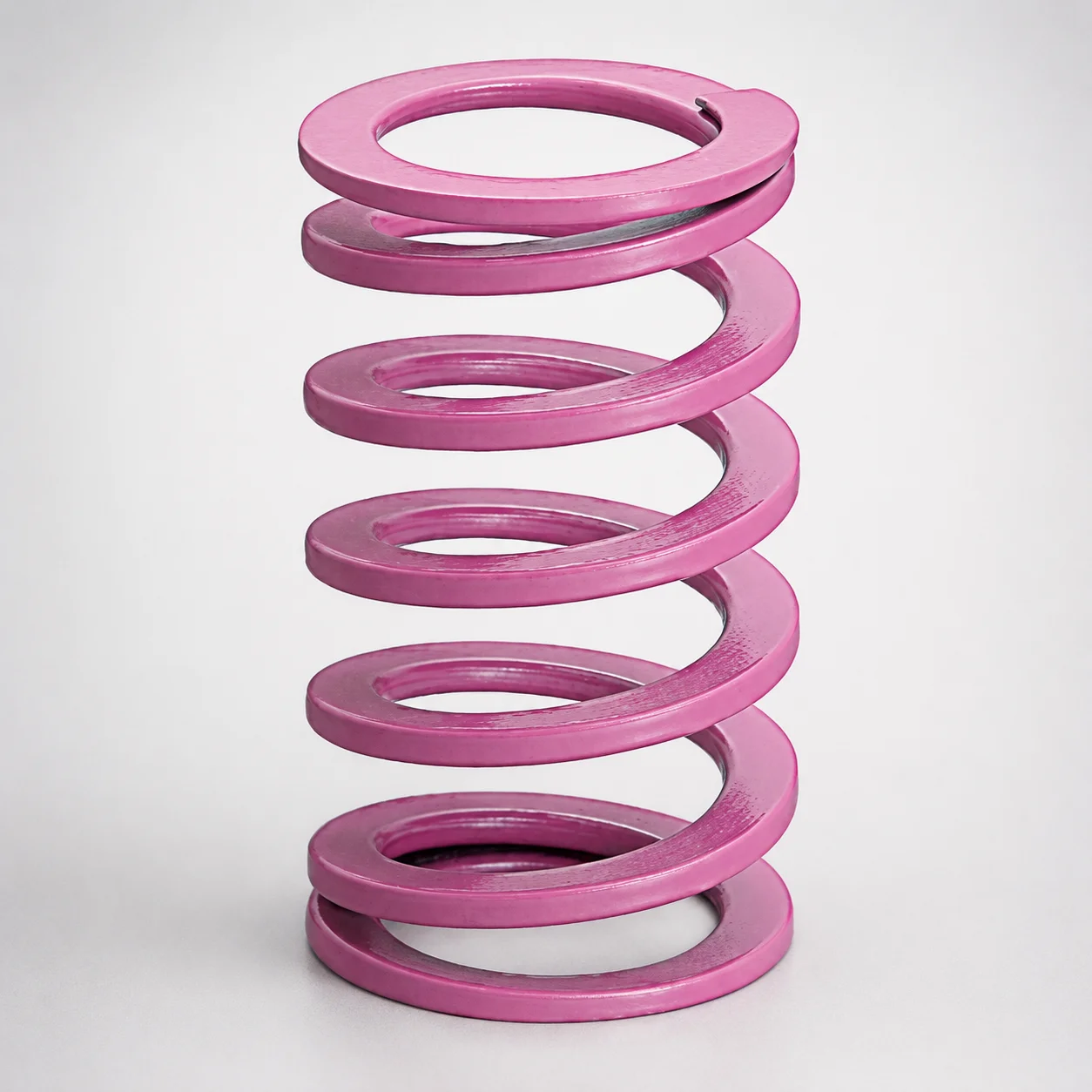
JIS Standard Chrome Silicon Medium Duty Die Spring 60% Deflection
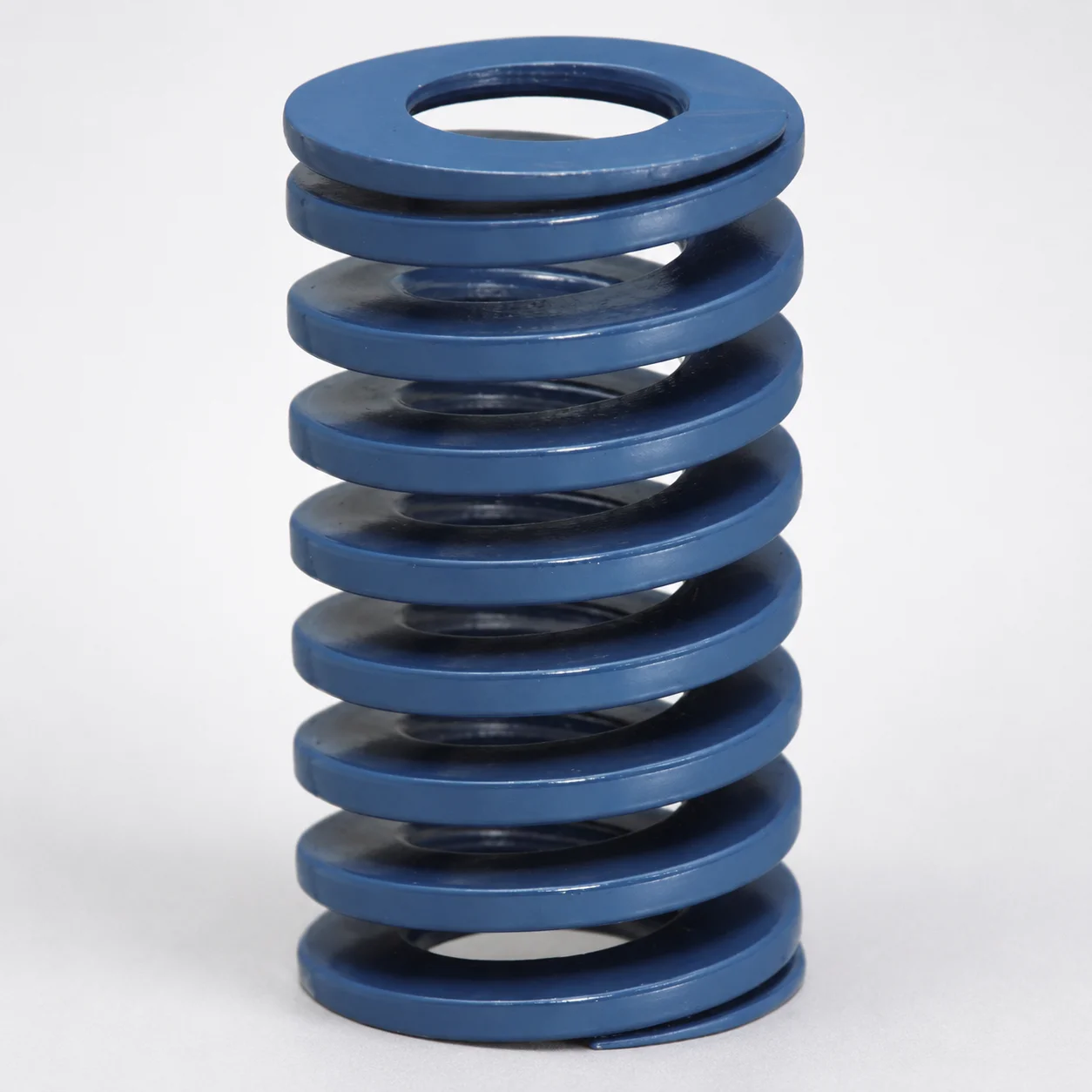
JIS Standard Chrome Silicon Steel Medium Duty Die Spring - 40% Deflection
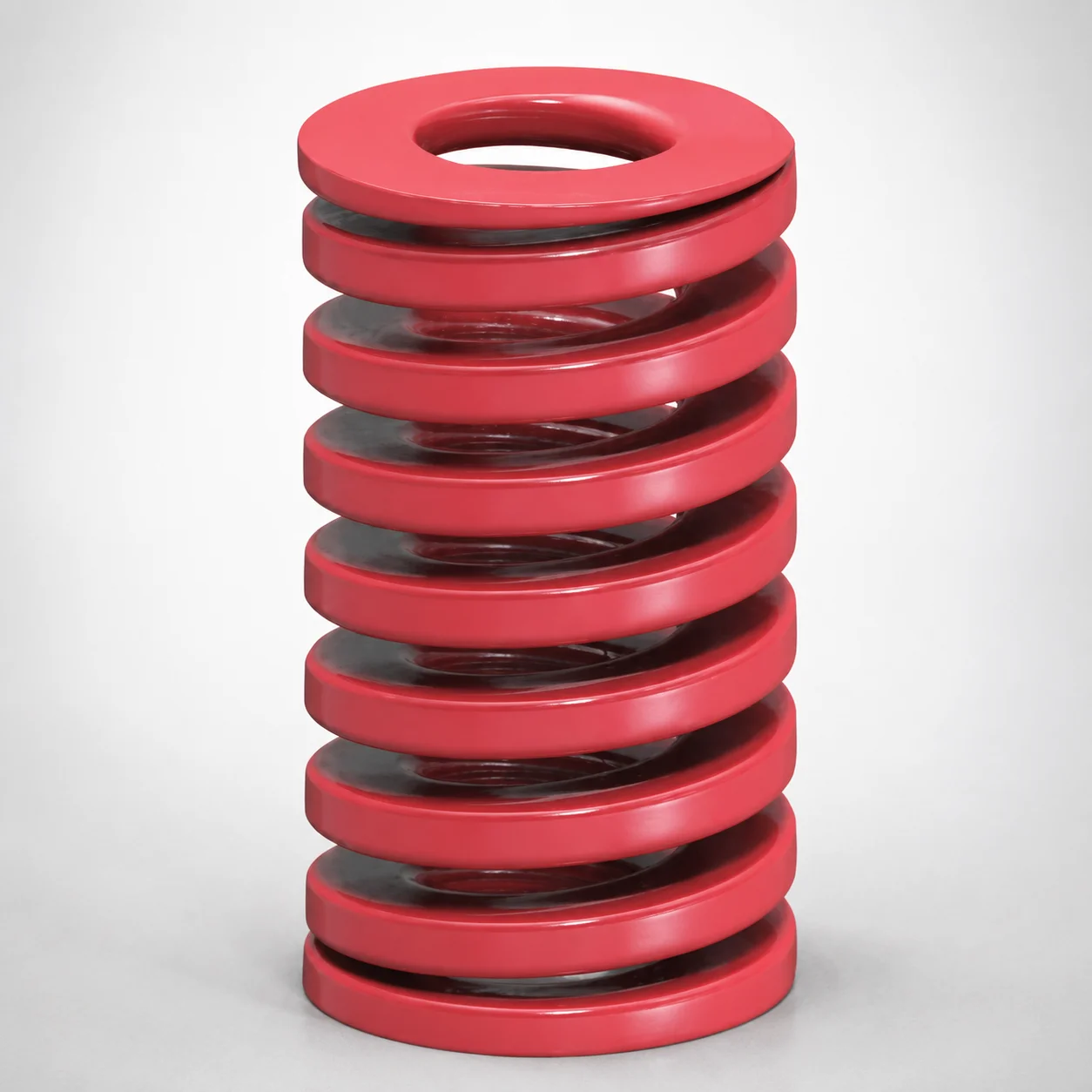
JIS Standard Medium Duty Die Spring 32% Deflection Chrome Silicon Coil Springs
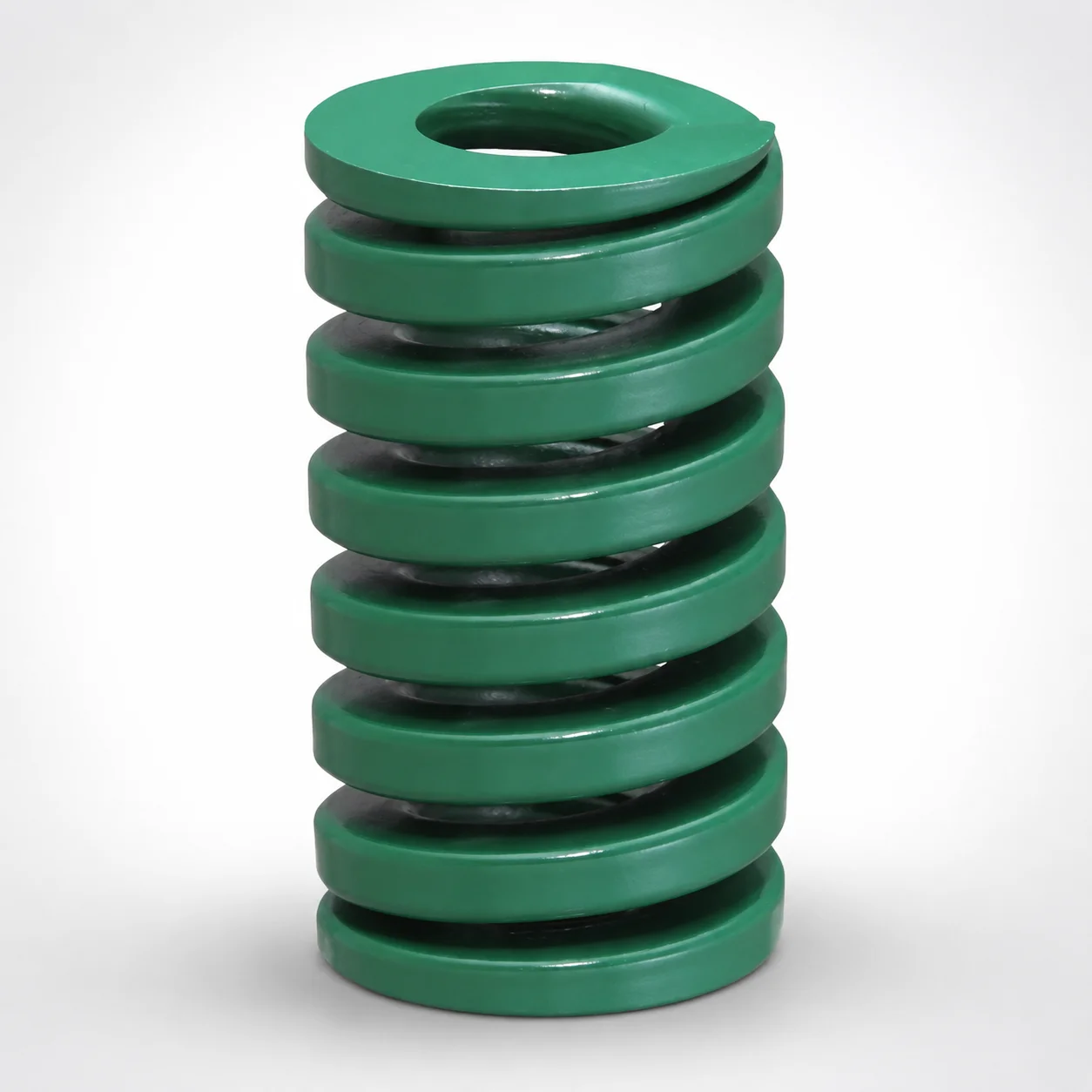
JIS Standard Heavy Duty Die Spring 24% Deflection
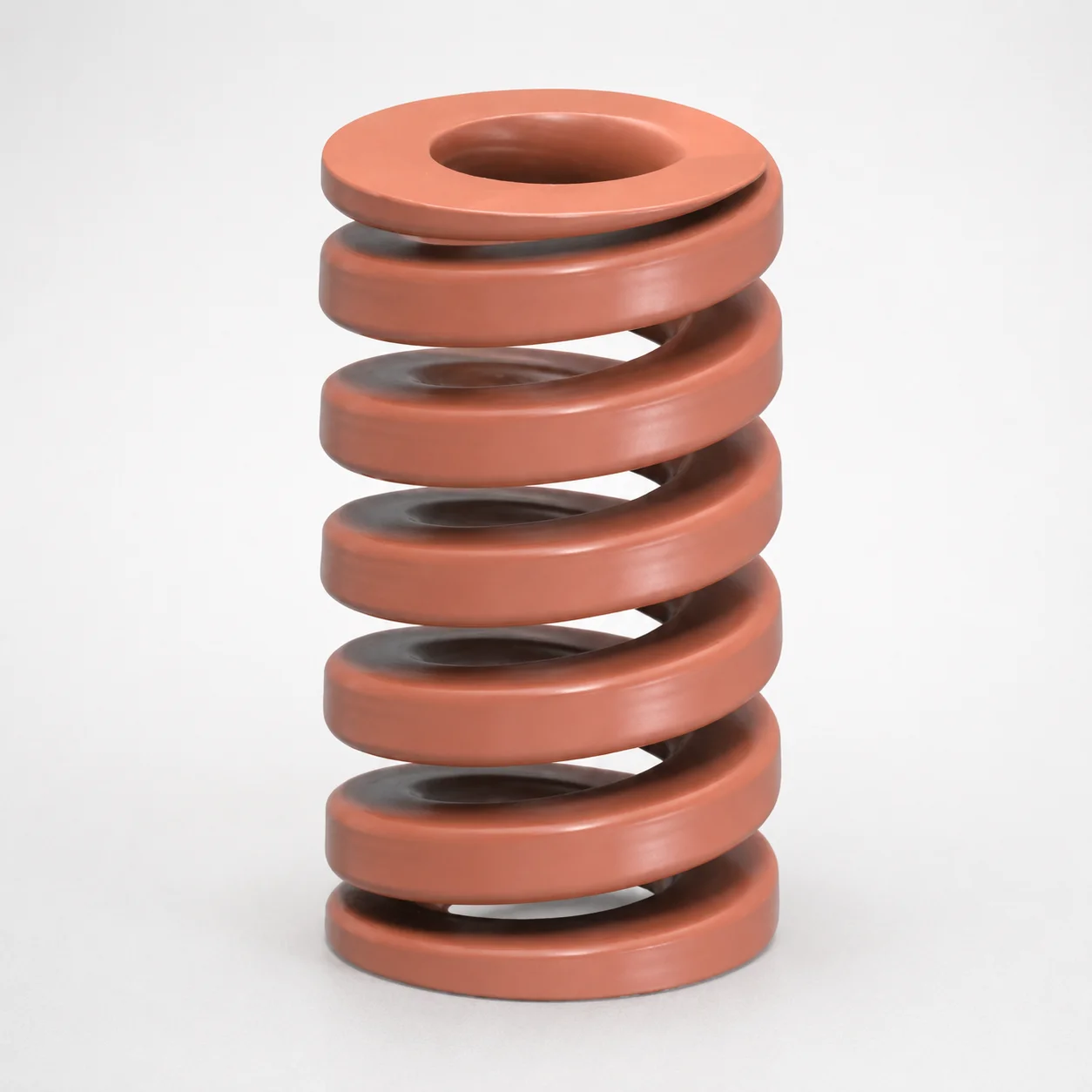
JIS Standard Chrome Silicon Oil-Tempered Wire Heavy Duty Die Spring 20% Deflection
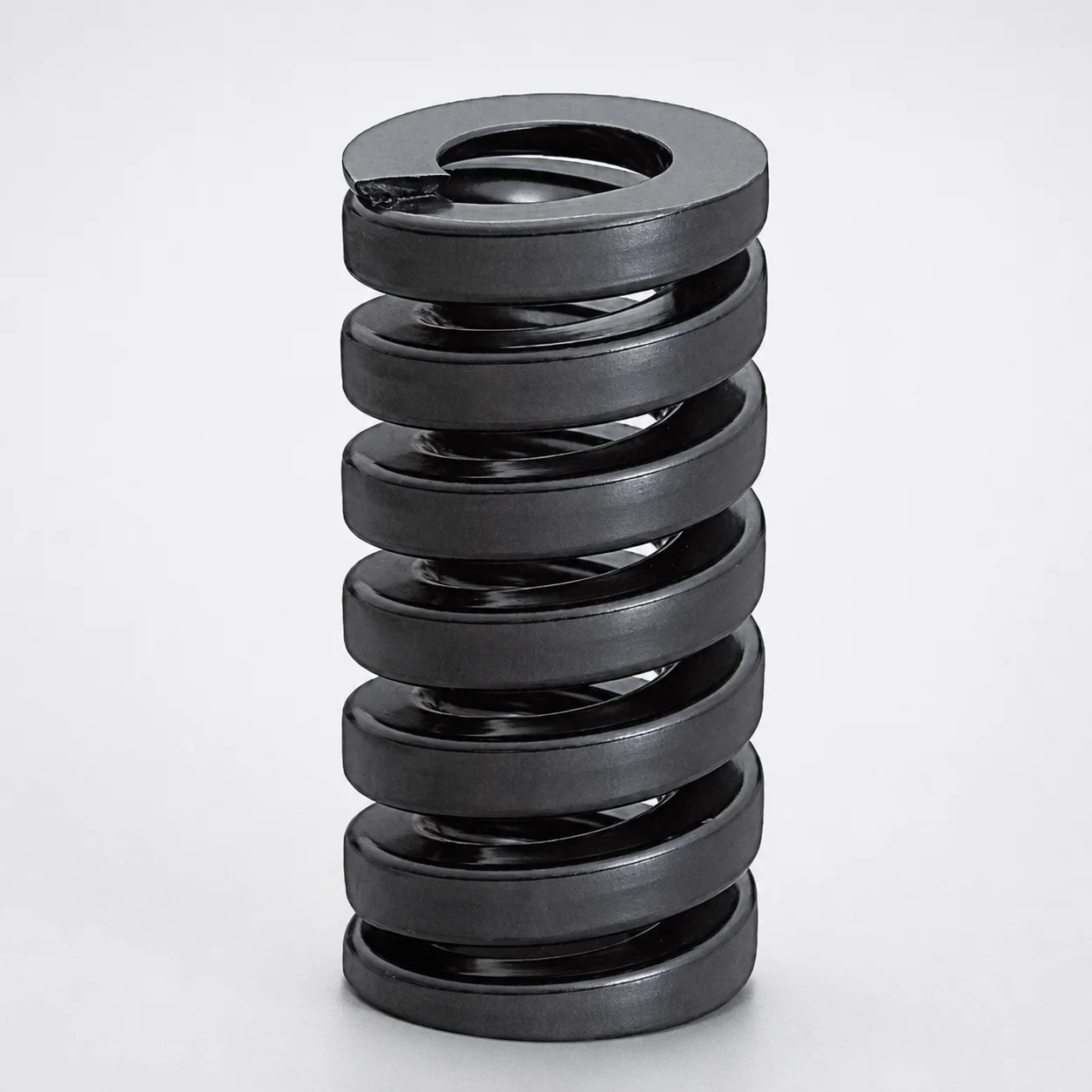
JIS Standard Extra Heavy Duty Die Spring SWG Type - 20% Deflection
Need Custom Specifications?
Our engineering team can help with custom configurations, material selection, and volume pricing.