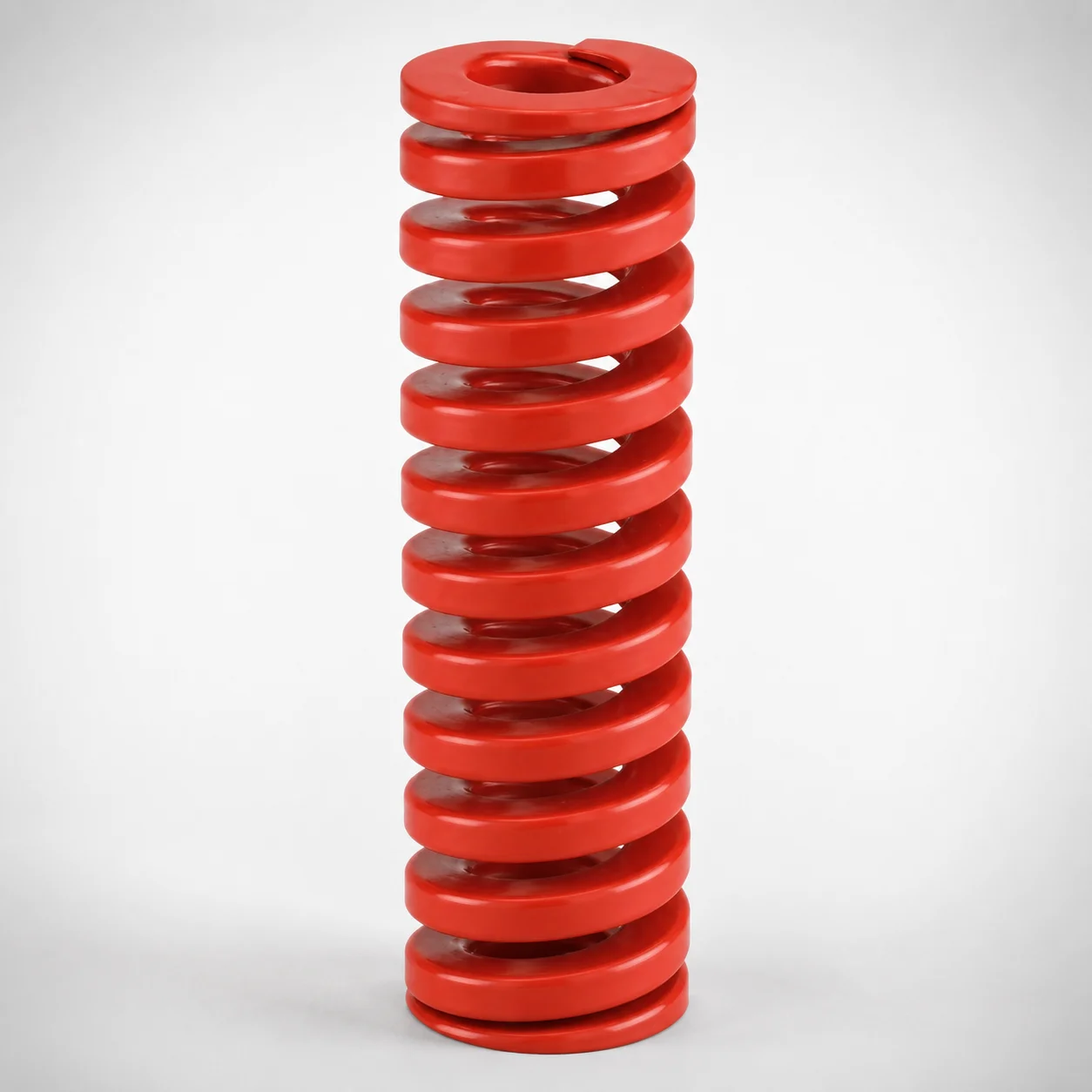
Heavy Duty Die Spring Chrome Silicon 30% Deflection (DieMax XL™)
Heavy Duty Die Spring Chrome Silicon 30% Deflection (DieMax XL™) is engineered for robust die cushioning in inch-based tooling, delivering stable force response under demanding, heavy-load cycles.
- Designed for 30% deflection to support controlled die return and cushioning
- Made from chrome silicon steel for strength and dependable fatigue resistance
- Supports consistent performance across heavy-duty forming and press operations
- Built for inch die tooling requirements where repeatability matters
Specifications
111 configurations available
| type | Outer Diameter D (in) | Length L (in) | d (Inner diameter) (in) |
|---|---|---|---|
| - | 3/8" | 3/4" | 3/16" |
| - | 3/8" | 1" | 3/16" |
| - | 3/8" | 1-1/4" | 3/16" |
| - | 3/8" | 1-1/2" | 3/16" |
| - | 3/8" | 1-3/4" | 3/16" |
| - | 3/8" | 2" | 3/16" |
| - | 3/8" | 2-1/2" | 3/16" |
| - | 3/8" | 3" | 3/16" |
| - | 3/8" | 12" | 3/16" |
| - | 1/2" | 3/4" | 9/32" |
| - | 1/2" | 1" | 9/32" |
| - | 1/2" | 1-1/4" | 9/32" |
| - | 1/2" | 1-1/2" | 9/32" |
| - | 1/2" | 1-3/4" | 9/32" |
| - | 1/2" | 2" | 9/32" |
| - | 1/2" | 2-1/2" | 9/32" |
| - | 1/2" | 3" | 9/32" |
| - | 1/2" | 3-1/2" | 9/32" |
| - | 1/2" | 12" | 9/32" |
| - | 5/8" | 3/4" | 11/32" |
| - | 5/8" | 1" | 11/32" |
| - | 5/8" | 1-1/4" | 11/32" |
| - | 5/8" | 1-1/2" | 11/32" |
| - | 5/8" | 1-3/4" | 11/32" |
| - | 5/8" | 2" | 11/32" |
| - | 5/8" | 2-1/2" | 11/32" |
| - | 5/8" | 3" | 11/32" |
| - | 5/8" | 3-1/2" | 11/32" |
| - | 5/8" | 4" | 11/32" |
| - | 5/8" | 12" | 11/32" |
| - | 3/4" | 1" | 3/8" |
| - | 3/4" | 1-1/4" | 3/8" |
| - | 3/4" | 1-1/2" | 3/8" |
| - | 3/4" | 1-3/4" | 3/8" |
| - | 3/4" | 2" | 3/8" |
| - | 3/4" | 2-1/2" | 3/8" |
| - | 3/4" | 3" | 3/8" |
| - | 3/4" | 3-1/2" | 3/8" |
| - | 3/4" | 4" | 3/8" |
| - | 3/4" | 4-1/2" | 3/8" |
| - | 3/4" | 5" | 3/8" |
| - | 3/4" | 5-1/2" | 3/8" |
| - | 3/4" | 6" | 3/8" |
| - | 3/4" | 12" | 3/8" |
| - | 1" | 1" | 1/2" |
| - | 1" | 1-1/4" | 1/2" |
| - | 1" | 1-1/2" | 1/2" |
| - | 1" | 1-3/4" | 1/2" |
| - | 1" | 2" | 1/2" |
| - | 1" | 2-1/2" | 1/2" |
Product Guide
Application Scenarios+
This heavy-duty die spring variant is used as a die-cushioning element inside inch-based injection and forming mold tooling where the die faces experience frequent heavy-load cycles. Its 30% deflection characteristic helps stabilize the return force, reducing variability in part thickness when press load fluctuates.
- Automotive and appliance forming cavities: Install in die stations that see repeated compression; the controlled deflection supports consistent cushion behavior for deep forming and frequent changeovers.
- Industrial connector/insert molding tooling: Use where strong load transfer is needed during molding and ejection, supporting dependable die retraction under high duty cycles.
- High-cycle progressive or transfer dies: Select when long fatigue life is required; chrome silicon construction is suited to maintain force response across demanding operations.
With inch tooling compatibility and a force curve tailored around 30% travel, this version is a practical choice for engineers targeting repeatable die return and cushioning performance under load.
Material & Process Details+
DieMax XL™ is made from chrome silicon spring steel, selected for high fatigue strength and reliable elastic behavior in heavy-duty cushioning applications. Chrome and silicon additions improve hardenability and help retain strength during service, supporting long-term force stability under repeated cycling.
- Heat treatment: Typically produced with quench-and-temper spring processing to develop the required elastic properties and fatigue resistance (exact hardness depends on the supplier’s production specification).
- Hardness & trade-offs: Spring steels are usually hardened into a range that balances wear resistance (from higher strength) and toughness (to avoid brittle failure). Higher strength can reduce impact tolerance, so spring design must match load and deflection.
- Wear vs. toughness: For die cushioning, fatigue performance is usually more critical than sliding wear, so the alloy/tempering approach emphasizes cycle life and stable force response.
If alternative spring alloys are considered, chrome silicon grades generally prioritize fatigue life under cyclic compression compared to lower-alloy or less hardenable spring steels.
Sizing & Selection Guide+
To select the correct die spring, match the spring’s outer diameter D, inner diameter d, and length L to the available bore and spring pocket geometry in the mold/die assembly. The available ranges for this product variant are D = 1–5 in, d = 1–11 in, and L = 1–12 in.
- Match outer diameter (D): Ensure D fits within the spring housing/guided pocket without interference during deflection.
- Match inner diameter (d): Confirm clearance to any center post, guide rod, or load transfer components. If d is too small, the spring may bind during compression.
- Match free length (L): Choose a length that supports the intended compression travel while maintaining stable seating at installed height.
Because this is a die spring, sizing should also consider fit and alignment: guided installations require straightness and concentricity to avoid lateral rubbing. Use engineering load/deflection targets tied to the 30% deflection behavior to verify the spring’s working travel stays within design limits.
Frequently Asked Questions
How do the 30% deflection characteristics affect die cushioning in heavy-load molding or forming operations?+
A 30% deflection rating means the spring is designed to deliver its working force across a controlled compression travel of about 30%. In press and die applications, this helps stabilize die return and cushion behavior when loads vary. Select this variant when you want predictable force response rather than only maximum deflection capability.
What are the available dimensional ranges for selecting this die spring in inch-based tooling?+
This product supports Outer Diameter D = 1–5 in, Inner Diameter d = 1–11 in, and Length L = 1–12 in. When engineering the mold/die layout, confirm that D clears the spring pocket and that d provides adequate clearance to any guide elements.
Which dimensional parameter is most critical to prevent spring bind during compression?+
Spring bind is most commonly prevented by ensuring the inner diameter d provides sufficient clearance around the center post or guide rod. In parallel, the outer diameter D must not interfere with the guide housing throughout deflection. Both dimensions should be verified against the installed assembly geometry.
What material properties are expected from chrome silicon die spring steel for long service life?+
Chrome silicon spring steel is selected for fatigue resistance and stable elastic behavior under cyclic compression. The typical spring manufacturing route involves quench-and-temper processing to develop the required strength and toughness balance. This supports long-term force stability in heavy-duty die cushioning.
How should I balance toughness and strength when using this type of die spring under heavy cycles?+
Higher spring strength generally increases fatigue performance, but it can reduce toughness and impact tolerance. Because die cushioning is primarily a cyclic fatigue problem, chrome silicon processing emphasizes cycle life while maintaining sufficient toughness for safe operation. For safety-critical loads, validate the expected working travel is consistent with the 30% deflection design intent.
Related Products
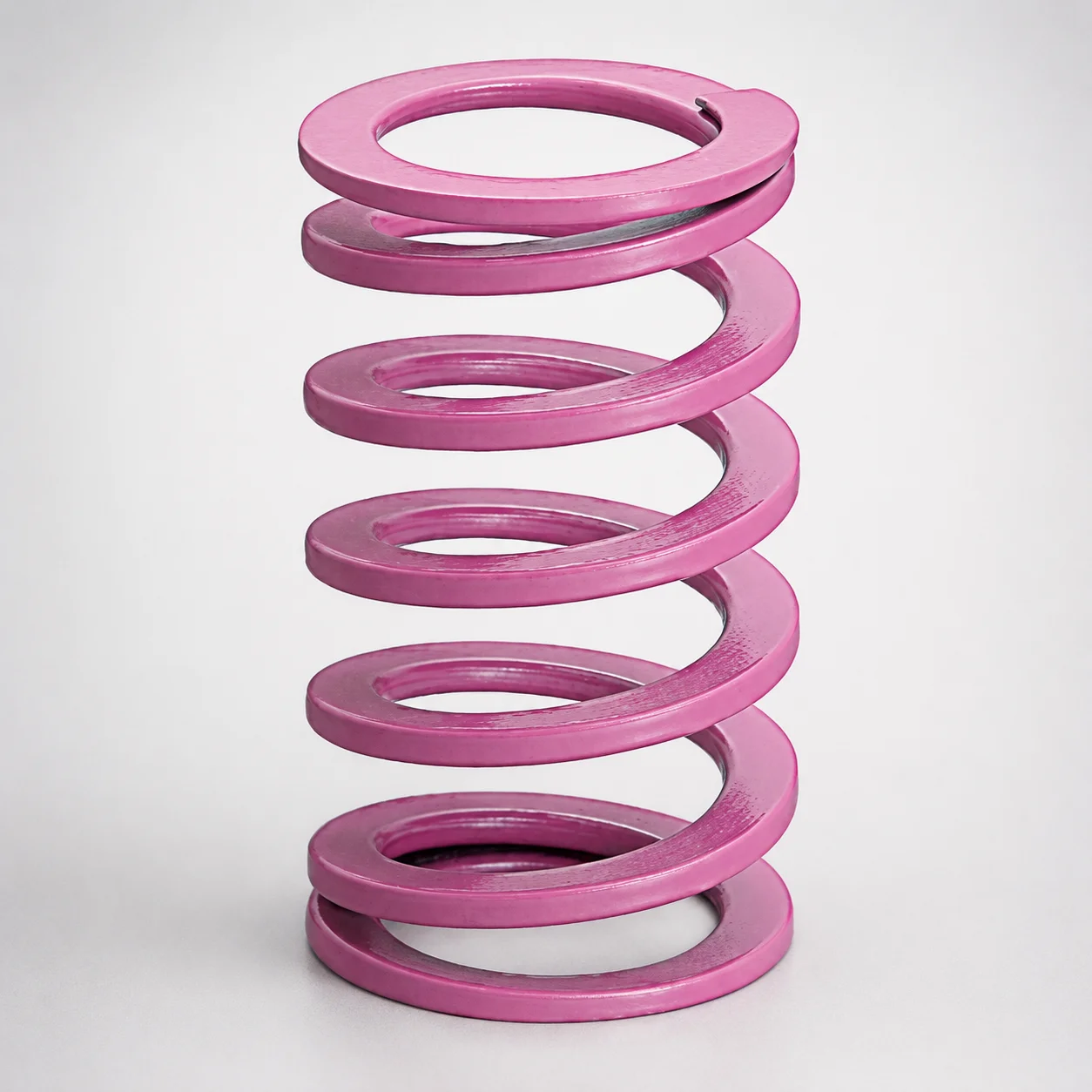
JIS Standard Chrome Silicon Medium Duty Die Spring 60% Deflection
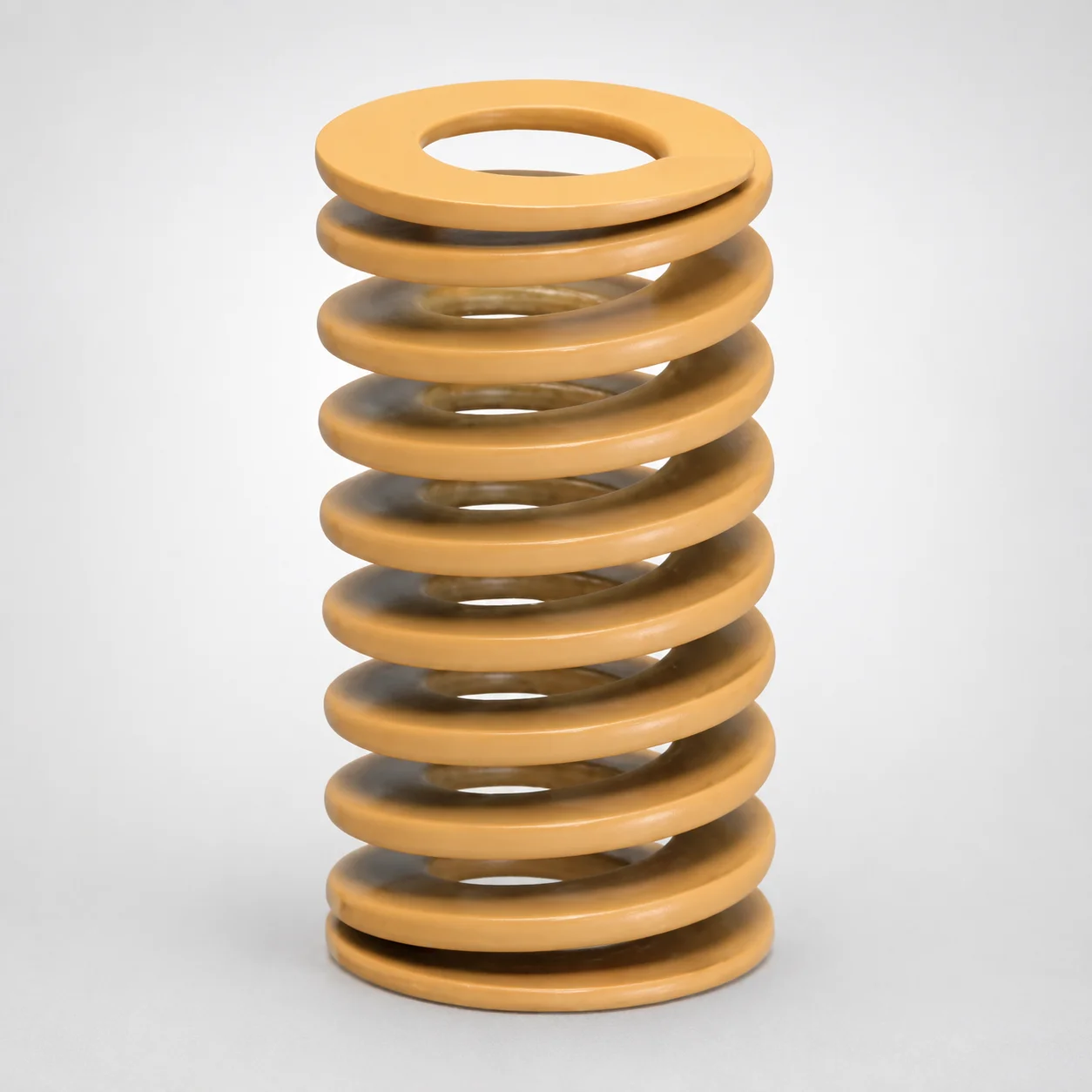
JIS Standard Chrome Silicon Medium Duty Die Spring - 50% Deflection
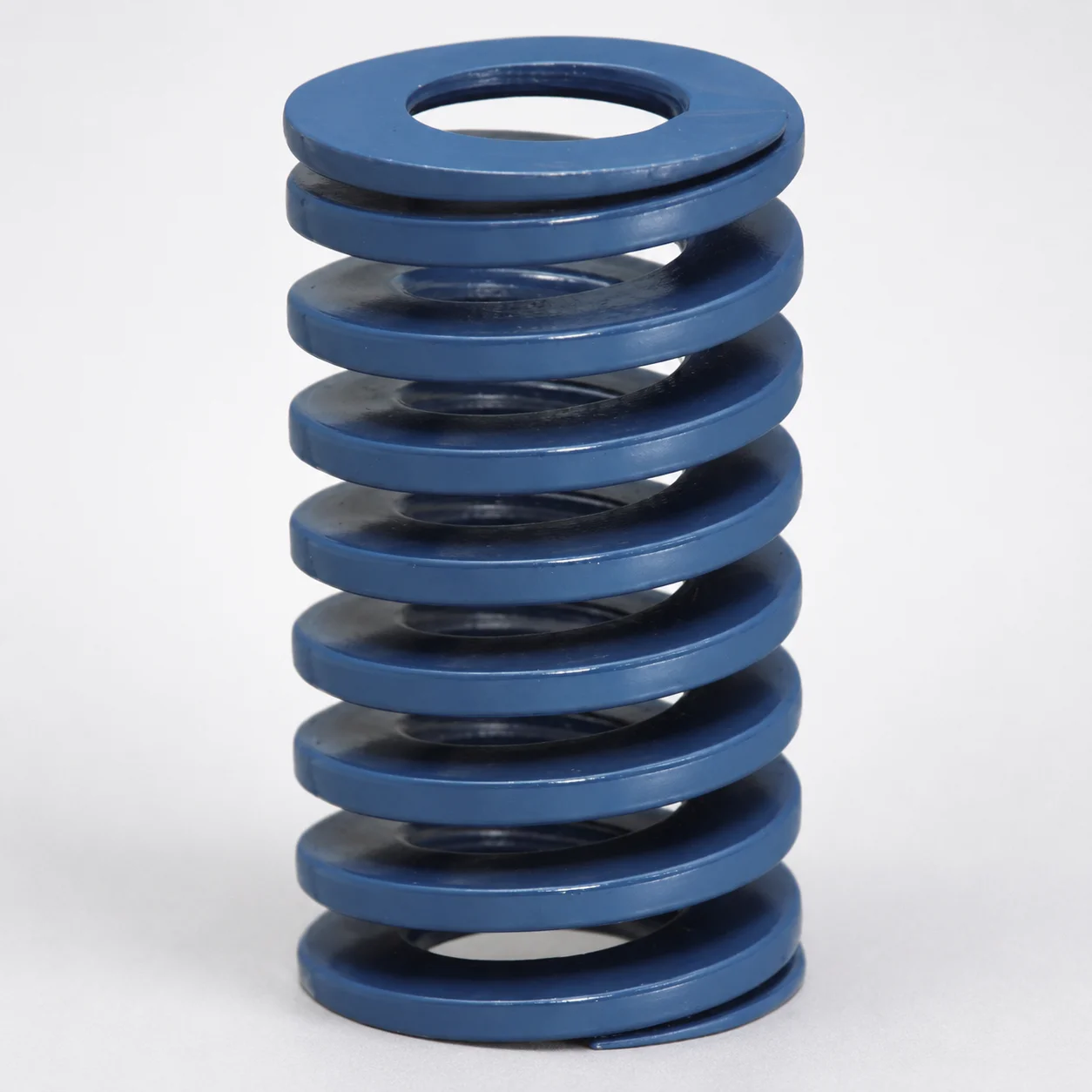
JIS Standard Chrome Silicon Steel Medium Duty Die Spring - 40% Deflection
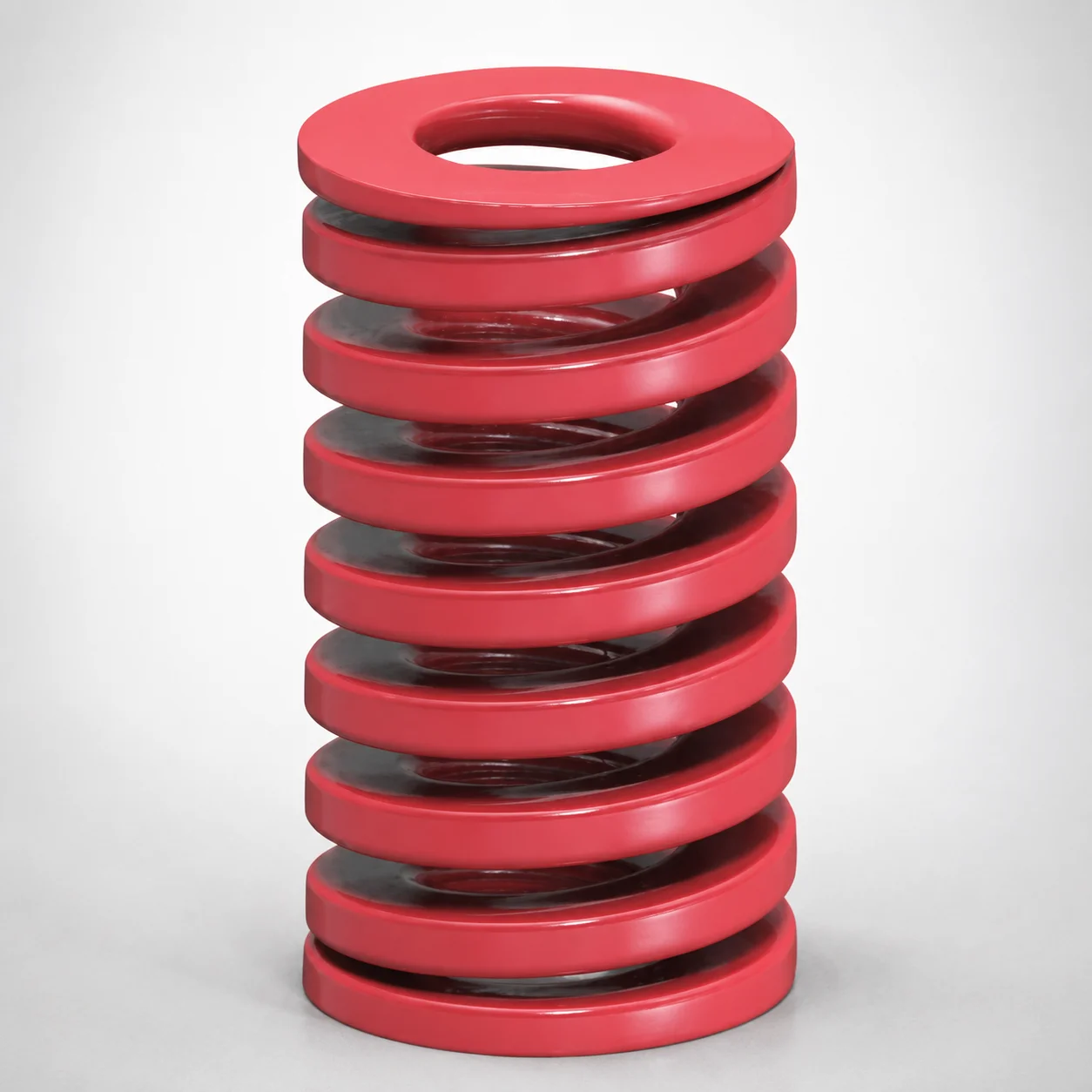
JIS Standard Medium Duty Die Spring 32% Deflection Chrome Silicon Coil Springs
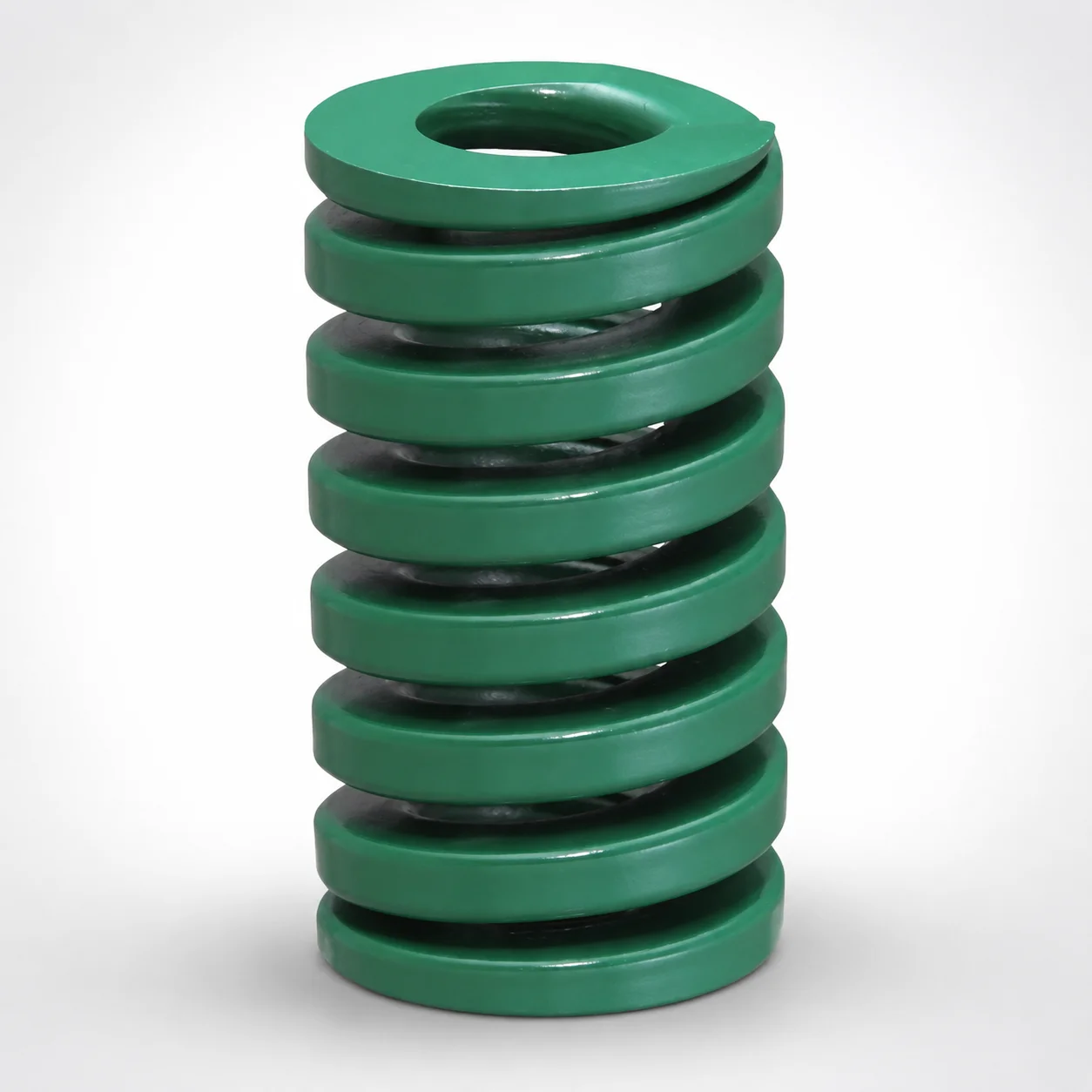
JIS Standard Heavy Duty Die Spring 24% Deflection
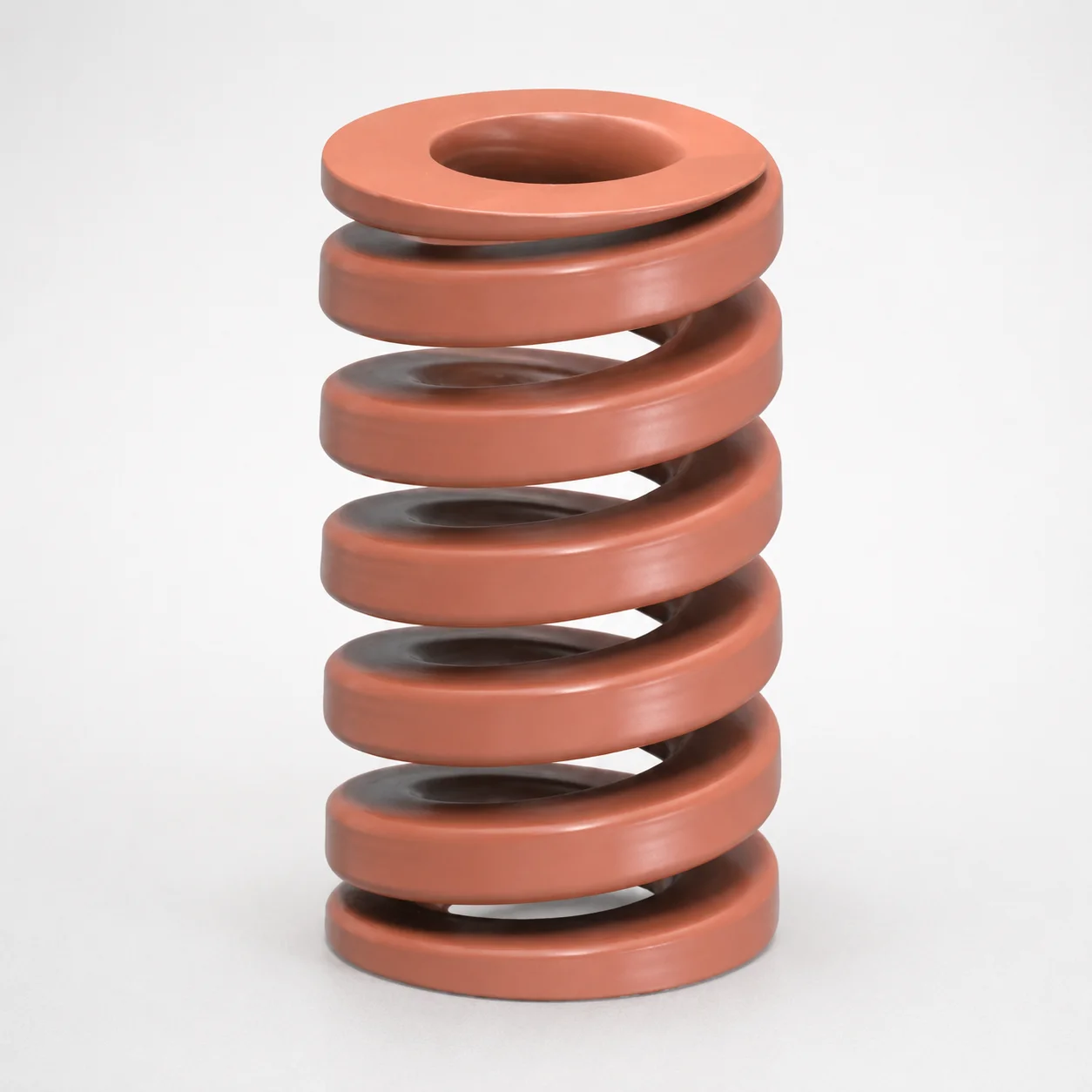
JIS Standard Chrome Silicon Oil-Tempered Wire Heavy Duty Die Spring 20% Deflection
Need Custom Specifications?
Our engineering team can help with custom configurations, material selection, and volume pricing.