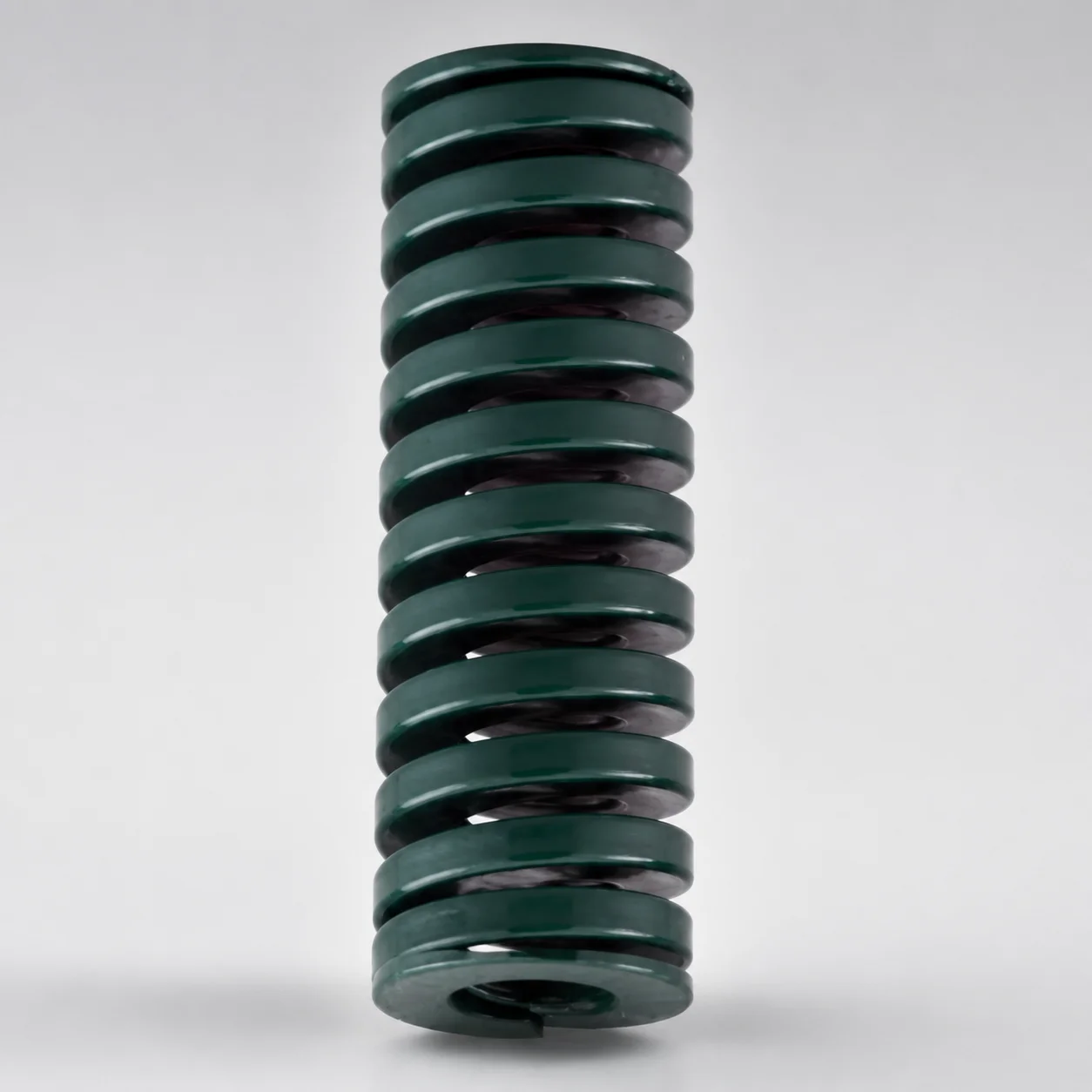
JIS Standard Chrome Silicon Heavy Duty Die Spring 24% Deflection
Heavy Duty Die Spring 24% Deflection is designed for die cushioning in demanding forming and stamping operations. Built with chrome silicon and JIS manufacturing support, it helps maintain reliable press performance under heavy loads.
- 24% allowable deflection supports stable cushioning for heavy-load cycles
- Chrome silicon coil construction improves strength and durability
- JIS-based consistency helps with predictable setup and long service life
- Suitable for die applications requiring controlled rebound behavior
Specifications
201 configurations available
| type | Outer Diameter D (mm) | Length L (mm) | d (Inner diameter) (mm) |
|---|---|---|---|
| - | 10 | 20 | 5 |
| - | 10 | 25 | 5 |
| - | 10 | 30 | 5 |
| - | 10 | 35 | 5 |
| - | 10 | 40 | 5 |
| - | 10 | 45 | 5 |
| - | 10 | 50 | 5 |
| - | 10 | 55 | 5 |
| - | 10 | 60 | 5 |
| - | 10 | 65 | 5 |
| - | 10 | 70 | 5 |
| - | 10 | 75 | 5 |
| - | 10 | 80 | 5 |
| - | 12 | 20 | 6 |
| - | 12 | 25 | 6 |
| - | 12 | 30 | 6 |
| - | 12 | 35 | 6 |
| - | 12 | 40 | 6 |
| - | 12 | 45 | 6 |
| - | 12 | 50 | 6 |
| - | 12 | 55 | 6 |
| - | 12 | 60 | 6 |
| - | 12 | 65 | 6 |
| - | 12 | 70 | 6 |
| - | 12 | 75 | 6 |
| - | 12 | 80 | 6 |
| - | 14 | 25 | 7 |
| - | 14 | 30 | 7 |
| - | 14 | 35 | 7 |
| - | 14 | 40 | 7 |
| - | 14 | 45 | 7 |
| - | 14 | 50 | 7 |
| - | 14 | 55 | 7 |
| - | 14 | 60 | 7 |
| - | 14 | 65 | 7 |
| - | 14 | 70 | 7 |
| - | 14 | 75 | 7 |
| - | 14 | 80 | 7 |
| - | 14 | 90 | 7 |
| - | 16 | 100 | 8 |
| - | 16 | 25 | 8 |
| - | 16 | 30 | 8 |
| - | 16 | 35 | 8 |
| - | 16 | 40 | 8 |
| - | 16 | 45 | 8 |
| - | 16 | 50 | 8 |
| - | 16 | 55 | 8 |
| - | 16 | 60 | 8 |
| - | 16 | 65 | 8 |
| - | 16 | 70 | 8 |
Product Guide
Application Scenarios+
This heavy-duty die spring is used inside injection-molding and forming tooling systems that require controlled cushioning (die height compliance) under load. In press and die cavities, it compensates for deflection so the process maintains consistent contact pressure during heavy cycles.
- Automotive stamping and forming dies: The 24% deflection tolerance helps stabilize rebound and die cushioning when forming steel components at high tonnage, reducing variation in part thickness.
- Industrial appliance and hardware forming: Chrome silicon spring construction supports reliable performance under repetitive loading, suitable for tools that see continuous start/stop production.
- High-cycle packaging or transfer tooling: JIS-based consistency supports predictable setup and repeatable die cushioning, improving long-term operational stability.
The Chrome silicon design paired with the specified 24% allowable deflection makes this variant well suited for heavy-load die applications where stable rebound behavior and dependable cushioning are critical.
Material & Process Details+
This coil die spring is built with a chrome silicon steel design, selected for its balance of strength, elasticity, and fatigue resistance in high-cycle press tooling. Chrome silicon typically improves wear resistance and spring durability versus plain carbon spring steels, supporting stable deflection performance under repeated loading.
For heat treatment, die springs of this type are commonly quenched and tempered to achieve the required spring hardness while maintaining toughness to resist cracking. The resulting trade-off is higher strength and fatigue life, with tempered toughness tuned to control rebound behavior rather than maximizing hardness alone.
- Performance emphasis: fatigue resistance and controlled deflection at heavy loads.
- Trade-off: increased strength from alloying and tempering can reduce toughness if hardness is driven too high.
Note: hardness level (HRC) and exact heat-treatment parameters are not provided in the input data, so they should be confirmed from the product’s technical certificate.
Sizing & Selection Guide+
To select the correct spring, match three physical parameters to your die cushioning space: outer diameter (D), inner diameter (d), and length (L). Available ranges are D = 10–60 mm, d = 5–30 mm, and L = 20–300 mm.
- Step 1 – Fit envelope: Verify D clears the surrounding guide bore and that d provides the required clearance over the central post/rod.
- Step 2 – Free height / installed stroke: Use L to match the expected installed height and the working stroke of the die cushion mechanism.
- Step 3 – Deflection matching: Because this variant is specified for 24% allowable deflection, ensure your target load conditions keep operation within that deflection window to maintain stable rebound behavior.
Check tolerances on D/d/L as part of your press design. While specific tolerance values are not listed in the input data, engineers should confirm spring and housing tolerances to avoid binding or excessive clearance.
Frequently Asked Questions
How do I ensure the die spring stays within the 24% allowable deflection during heavy-load forming?+
Use your die cushion stroke and installed height to calculate expected spring deflection, then verify it remains within the 24% allowable deflection characteristic of this spring.
Because this series is intended for heavy-load cycles, keep operating conditions consistent with your tooling force and alignment to maintain stable rebound behavior.
What outer/inner diameter combinations are available for this die spring series?+
The available ranges are outer diameter D = 10–60 mm and inner diameter d = 5–30 mm.
Choose D to fit the die cushioning bore and d to clear the guide post or center element while preventing contact under load.
How should I select the spring length (L) for a die cavity/core cushioning application?+
Select length L = 20–300 mm to match the die cushion mechanism’s free height and expected installed compression.
Confirm that the working stroke aligns with the spring’s 24% deflection target so the tooling does not exceed the designed cushioning window.
What material advantages does the chrome silicon design provide for die cushioning?+
This spring uses a chrome silicon steel design intended to improve durability under repetitive heavy loads.
In practice, the alloy selection supports fatigue resistance and stable spring performance; exact hardness (HRC) and heat-treatment details should be verified from the product documentation.
Is this JIS-standard build suitable for tools that require predictable setup and long service intervals?+
Yes. The product description specifies a JIS-based consistency approach, which supports repeatable die cushioning behavior and predictable tooling setup.
This is particularly valuable for high-cycle die sets where maintaining consistent rebound and contact pressure helps reduce process variation.
Related Products
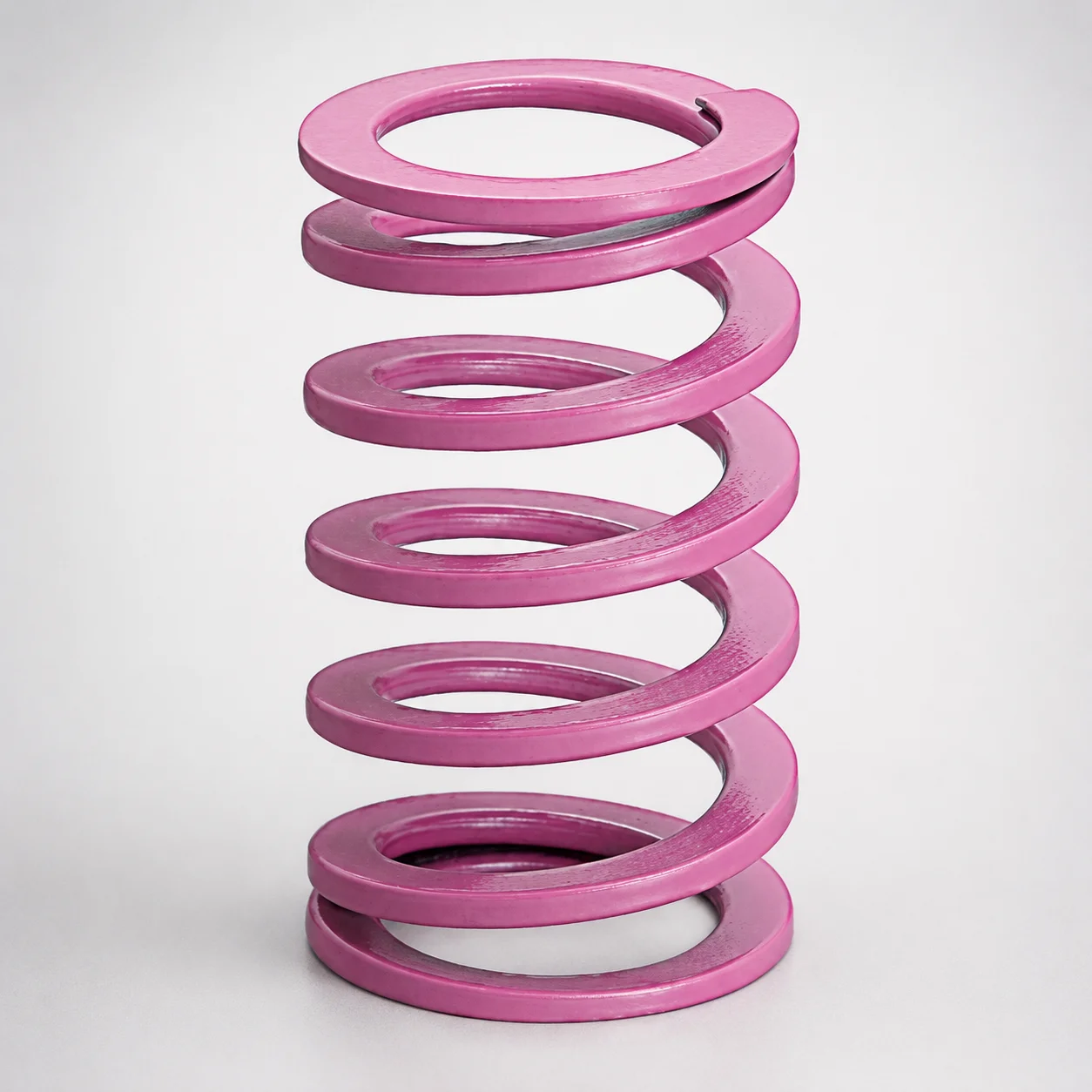
JIS Standard Chrome Silicon Medium Duty Die Spring 60% Deflection
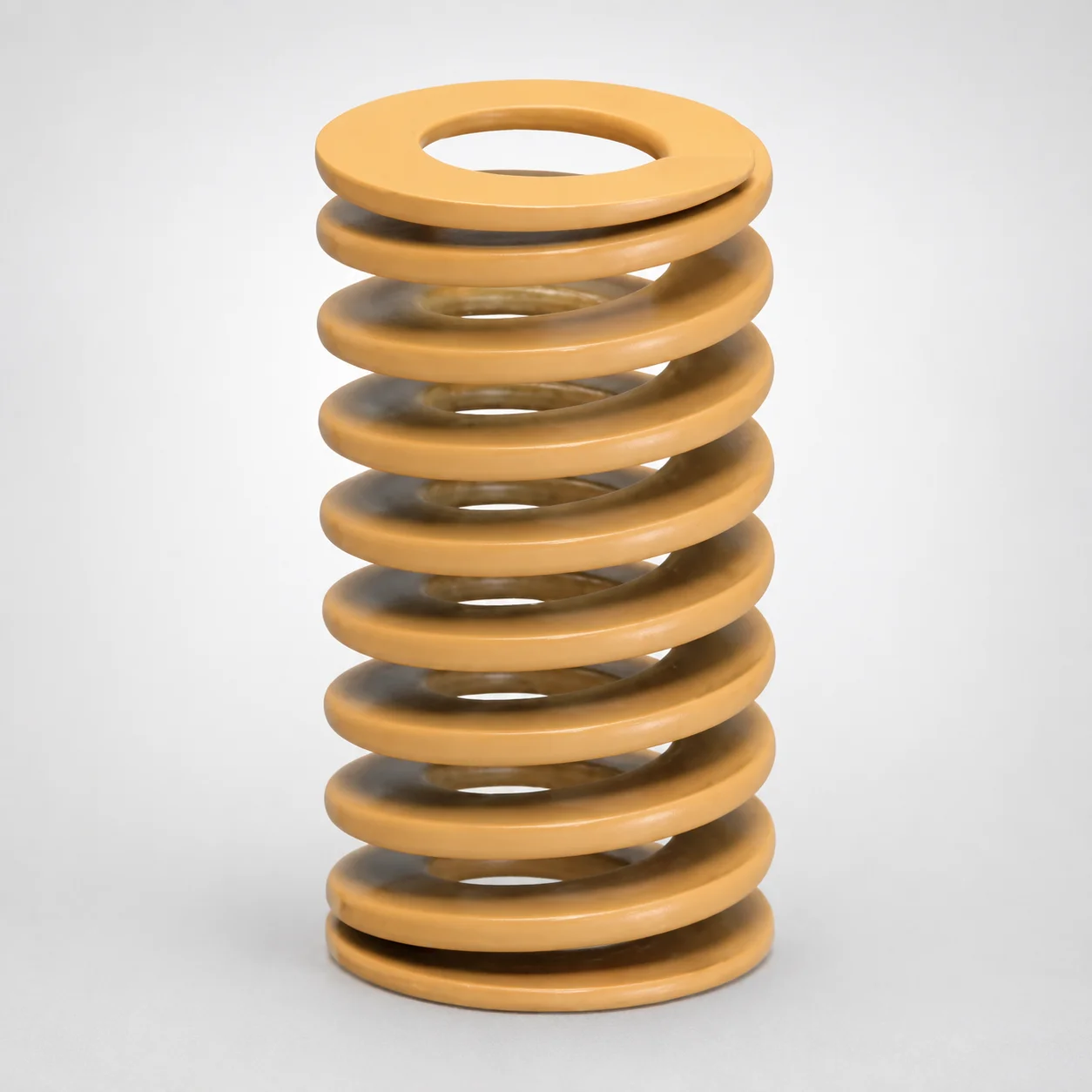
JIS Standard Chrome Silicon Medium Duty Die Spring - 50% Deflection
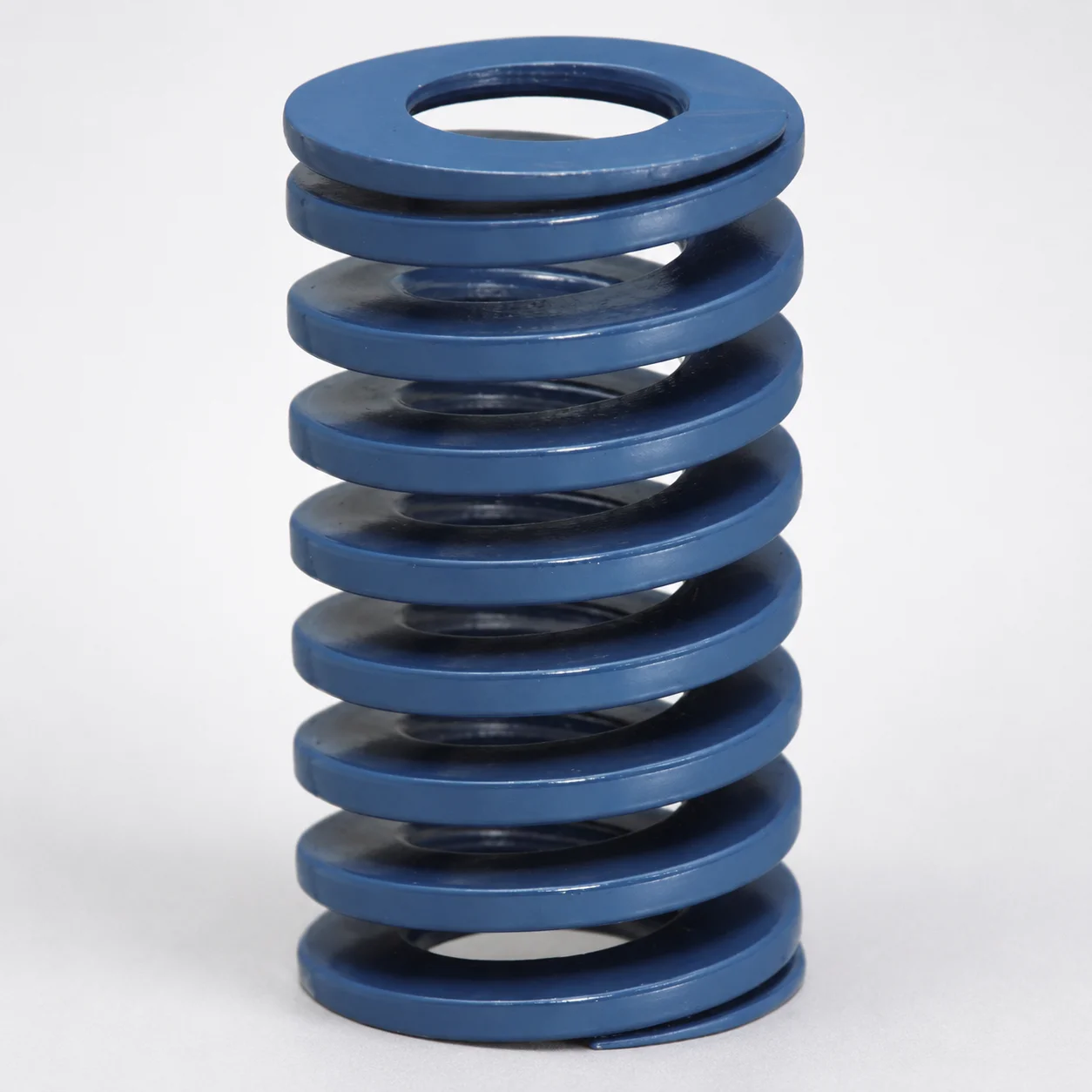
JIS Standard Chrome Silicon Steel Medium Duty Die Spring - 40% Deflection
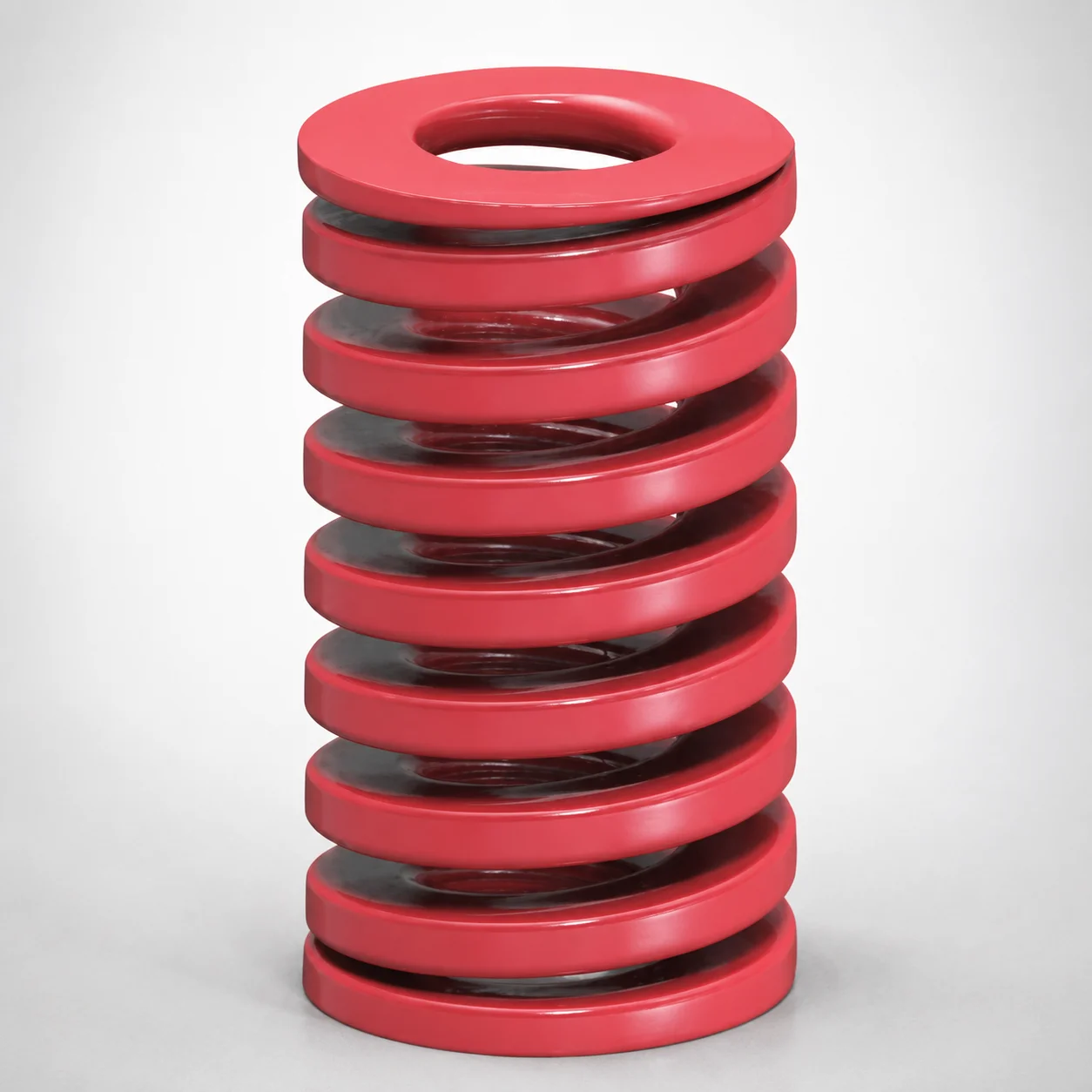
JIS Standard Medium Duty Die Spring 32% Deflection Chrome Silicon Coil Springs
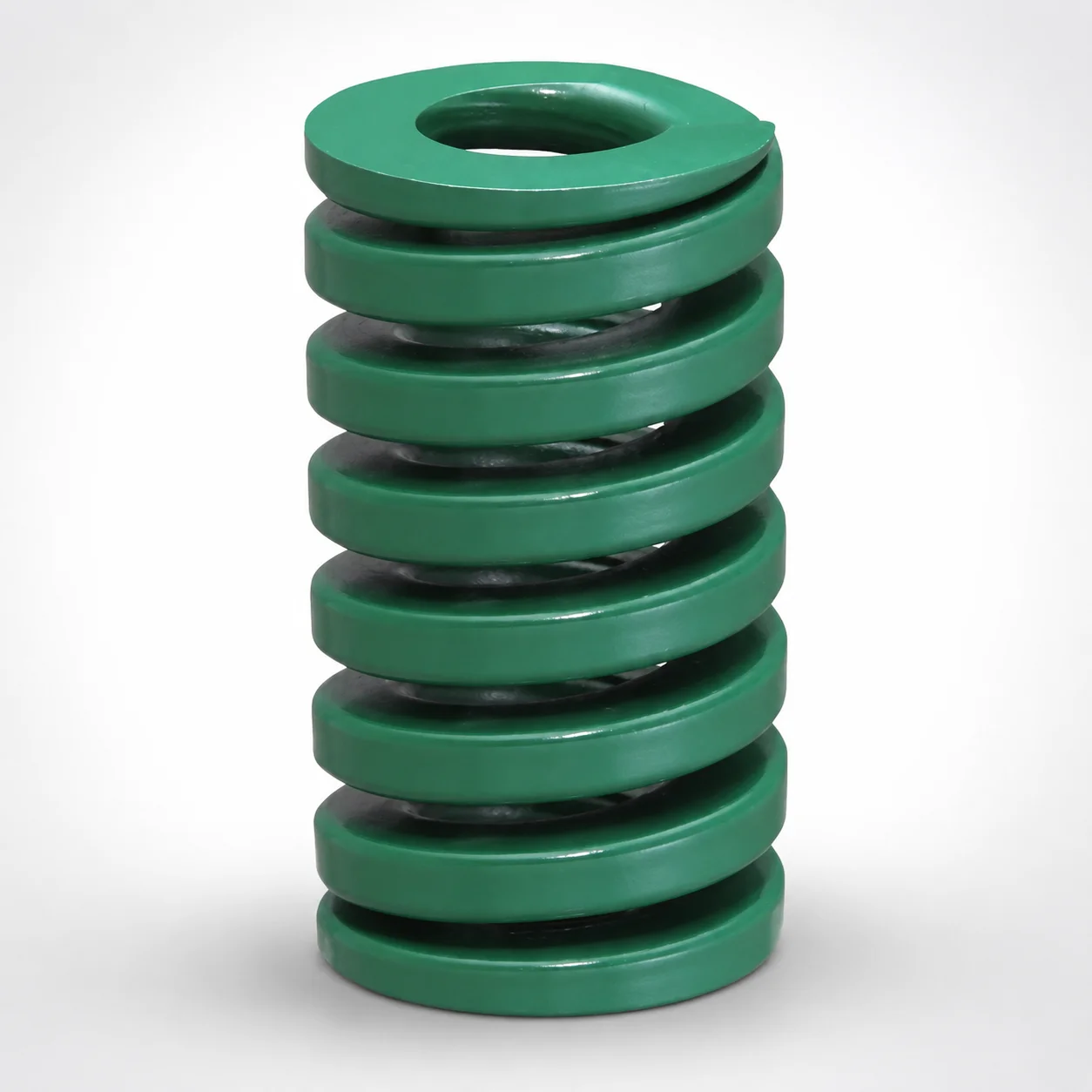
JIS Standard Heavy Duty Die Spring 24% Deflection
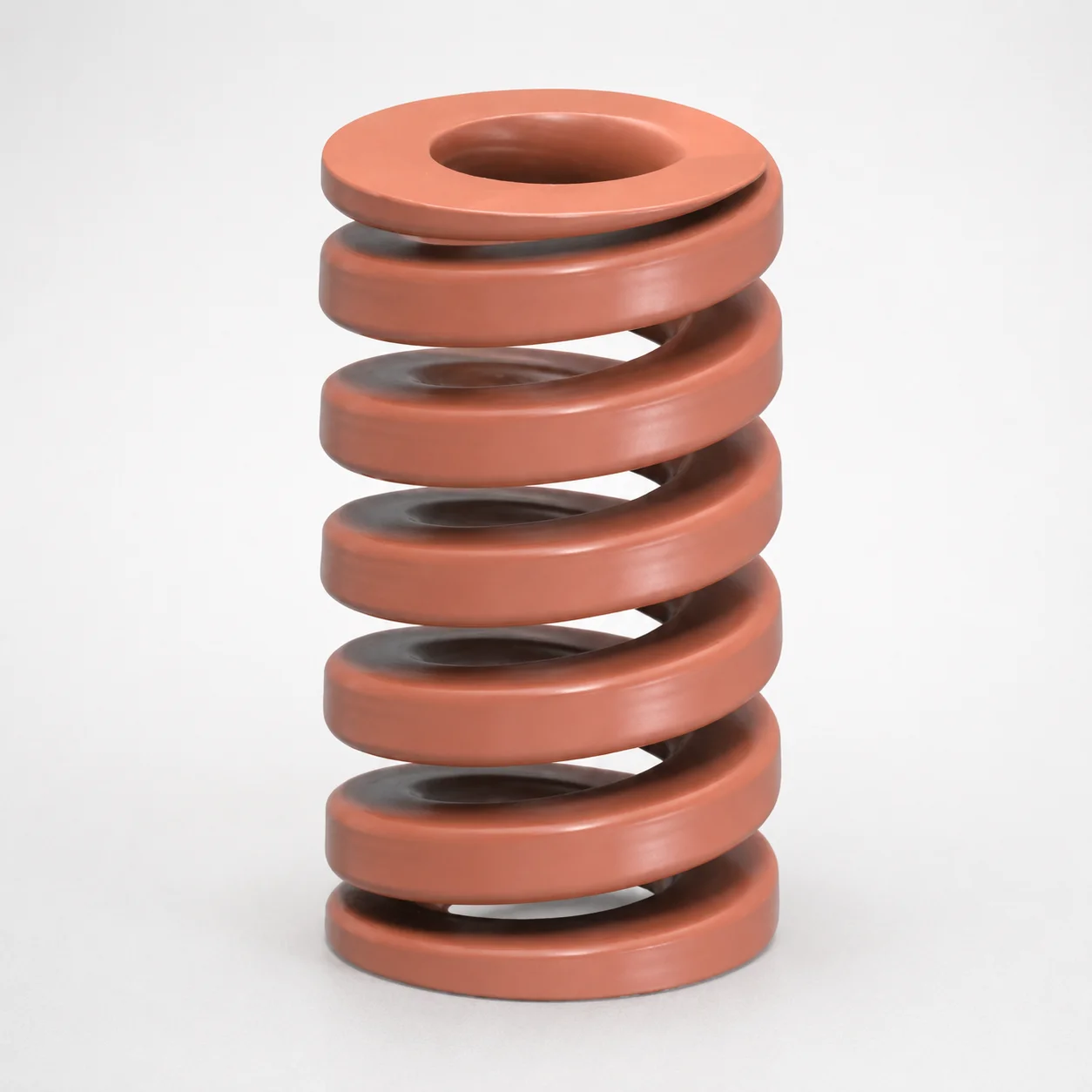
JIS Standard Chrome Silicon Oil-Tempered Wire Heavy Duty Die Spring 20% Deflection
Need Custom Specifications?
Our engineering team can help with custom configurations, material selection, and volume pricing.