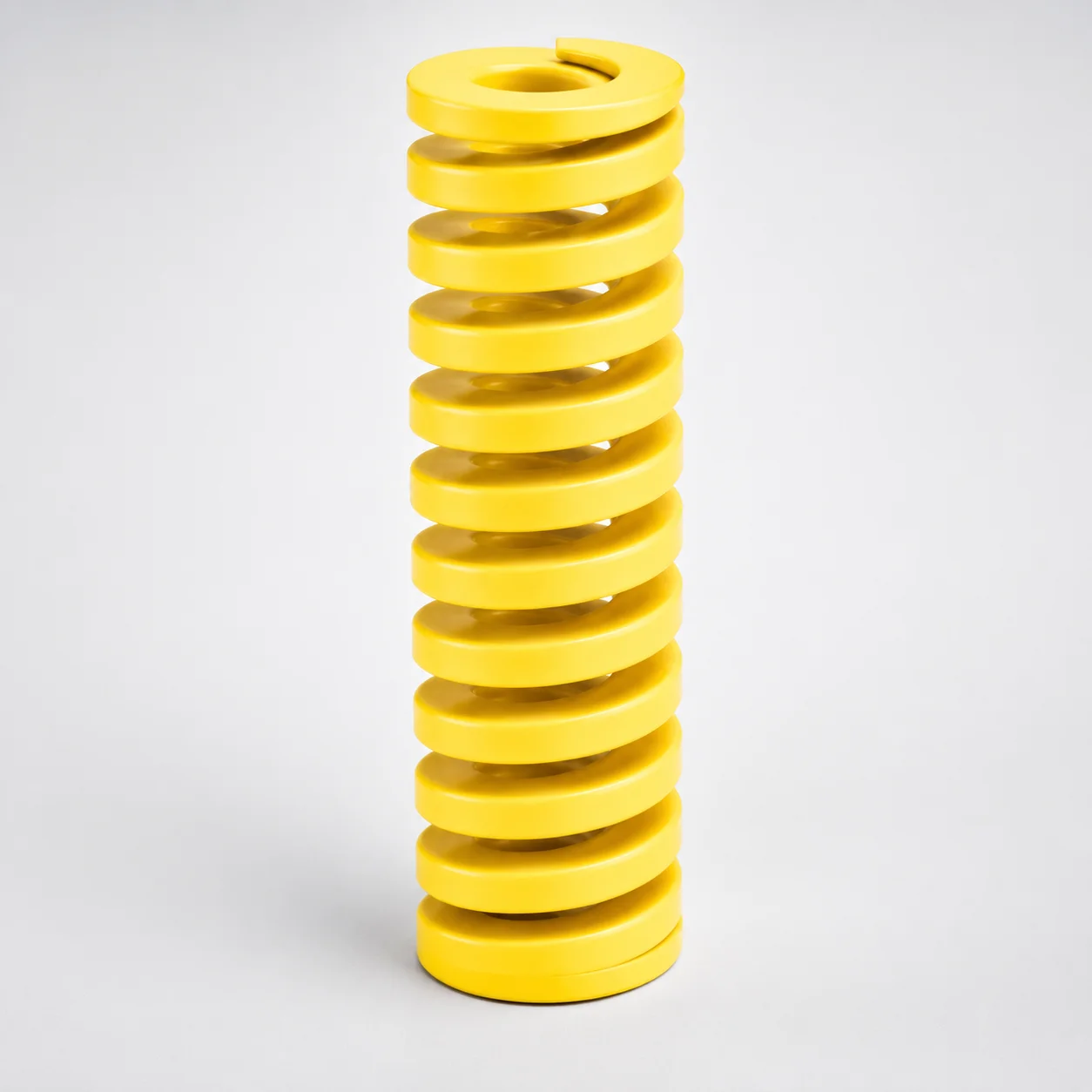
Extra Heavy Duty Die Spring Inch, 25% Deflection, Chrome Silicon
Extra Heavy Duty Die Spring Inch (25% deflection) (Chrome Silicon) from DANLY IEM is engineered for consistent load capacity, helping protect dies and tooling from shock and vibration in demanding production. Optimized for DieMax XL™ performance in industrial press applications.
- Extra heavy-duty design sustains stable support under repeated cycles
- Chrome Silicon construction improves durability and vibration shock absorption
- Maintains predictable deflection characteristics for controlled tool operation
- Built for die spring use in press and industrial forming equipment
Specifications
99 configurations available
| type | Outer Diameter D (in) | Length L (in) | d (Inner diameter) (in) |
|---|---|---|---|
| - | 3/8" | 3/4" | 3/16" |
| - | 3/8" | 1" | 3/16" |
| - | 3/8" | 1-1/4" | 3/16" |
| - | 3/8" | 1-1/2" | 3/16" |
| - | 3/8" | 1-3/4" | 3/16" |
| - | 3/8" | 2" | 3/16" |
| - | 3/8" | 2-1/2" | 3/16" |
| - | 3/8" | 3" | 3/16" |
| - | 3/8" | 12" | 3/16" |
| - | 1/2" | 3/4" | 9/32" |
| - | 1/2" | 1" | 9/32" |
| - | 1/2" | 1-1/4" | 9/32" |
| - | 1/2" | 1-1/2" | 9/32" |
| - | 1/2" | 1-3/4" | 9/32" |
| - | 1/2" | 2" | 9/32" |
| - | 1/2" | 2-1/2" | 9/32" |
| - | 1/2" | 3" | 9/32" |
| - | 1/2" | 3-1/2" | 9/32" |
| - | 1/2" | 12" | 9/32" |
| - | 5/8" | 3/4" | 11/32" |
| - | 5/8" | 1" | 11/32" |
| - | 5/8" | 1-1/4" | 11/32" |
| - | 5/8" | 1-1/2" | 11/32" |
| - | 5/8" | 1-3/4" | 11/32" |
| - | 5/8" | 2" | 11/32" |
| - | 5/8" | 2-1/2" | 11/32" |
| - | 5/8" | 3" | 11/32" |
| - | 5/8" | 3-1/2" | 11/32" |
| - | 5/8" | 4" | 11/32" |
| - | 5/8" | 12" | 11/32" |
| - | 3/4" | 1" | 3/8" |
| - | 3/4" | 1-1/4" | 3/8" |
| - | 3/4" | 1-1/2" | 3/8" |
| - | 3/4" | 1-3/4" | 3/8" |
| - | 3/4" | 2" | 3/8" |
| - | 3/4" | 2-1/2" | 3/8" |
| - | 3/4" | 3" | 3/8" |
| - | 3/4" | 3-1/2" | 3/8" |
| - | 3/4" | 4" | 3/8" |
| - | 3/4" | 4-1/2" | 3/8" |
| - | 3/4" | 5" | 3/8" |
| - | 3/4" | 5-1/2" | 3/8" |
| - | 3/4" | 6" | 3/8" |
| - | 3/4" | 12" | 3/8" |
| - | 1" | 1-1/4" | 1/2" |
| - | 1" | 1-1/2" | 1/2" |
| - | 1" | 1-3/4" | 1/2" |
| - | 1" | 2" | 1/2" |
| - | 1" | 2-1/2" | 1/2" |
| - | 1" | 3" | 1/2" |
Product Guide
Application Scenarios+
This extra heavy-duty die spring is used in injection-mold adjacent tooling such as die/press systems where intermittent shocks, vibration, and cyclic loading can accelerate wear. With 25% deflection, it helps maintain a more stable load line, supporting repeatable movement during production cycles.
- Automotive and industrial forming press setups: Suitable for die spring stations that experience frequent impact forces; the spring’s controlled deflection supports consistent tool operation and reduces the risk of premature die wear from dynamic loading.
- High-cycle die tooling and transfer equipment: The chrome silicon construction is intended to improve durability under vibration-shock conditions common to rapid cycling.
- Tooling protection in vibration-prone environments: When press dynamics cause rebound and oscillation, this variant helps absorb shock while preserving predictable deflection behavior.
Use this configuration when your die stack requires dependable shock absorption and stable load capacity over repeated cycles.
Material & Process Details+
Chrome silicon is selected for its combination of high elastic strength and improved resistance to vibration-related fatigue in die spring applications. The alloy is typically produced by hot forming/processing and then brought to a heat-treated spring condition so it can sustain load over many cycles.
- Heat treatment (typical for chrome silicon die springs): quenched and tempered to develop spring strength and toughness balance.
- Hardness: specific HRC values are not provided in the supplied data, but the material system is engineered for high wear/fatigue performance at operating stresses.
- Performance trade-off: increasing strength improves fatigue resistance, but excessively high tempering can reduce toughness; quench-and-temper is used to tune this balance for cyclic shock.
If you compare materials, chrome silicon variants generally outperform lower-alloy spring steels in vibration shock environments, while still maintaining workable toughness for die press duty.
Sizing & Selection Guide+
Select dimensions by matching the spring’s installed geometry to the die stack requirements and the required deflection behavior at load. This die spring is available with outer diameter D from 1 to 5 in, length L from 1 to 12 in, and inner diameter d from 1 to 11 in.
- Outer diameter D: Verify clearance in the die spring seat and guide area so the OD fits the available envelope under compression.
- Inner diameter d: Ensure the ID clears the guide post/shaft or center component with the required functional clearance (account for guidance, alignment, and buildup tolerance).
- Free length L: Choose a length that supports the target working deflection—this series is specified for 25% deflection, so your spring installed height and allowable compression travel should align with that operating point.
The provided ranges define configurable size options; select the closest OD/ID/L within limits, then confirm fit using your die stack tolerances and expected compression.
Frequently Asked Questions
How does the 25% deflection rating affect die stack sizing and available compression travel?+
Which dimension should I prioritize to avoid binding: outer diameter D, inner diameter d, or length L?+
What material choice is this series intended for in vibration-shock die and press environments?+
Can I use this die spring in high-cycle industrial press applications involving impact and rebound?+
What are the available size ranges I should check first when matching to the die core/cavity support system?+
Related Products
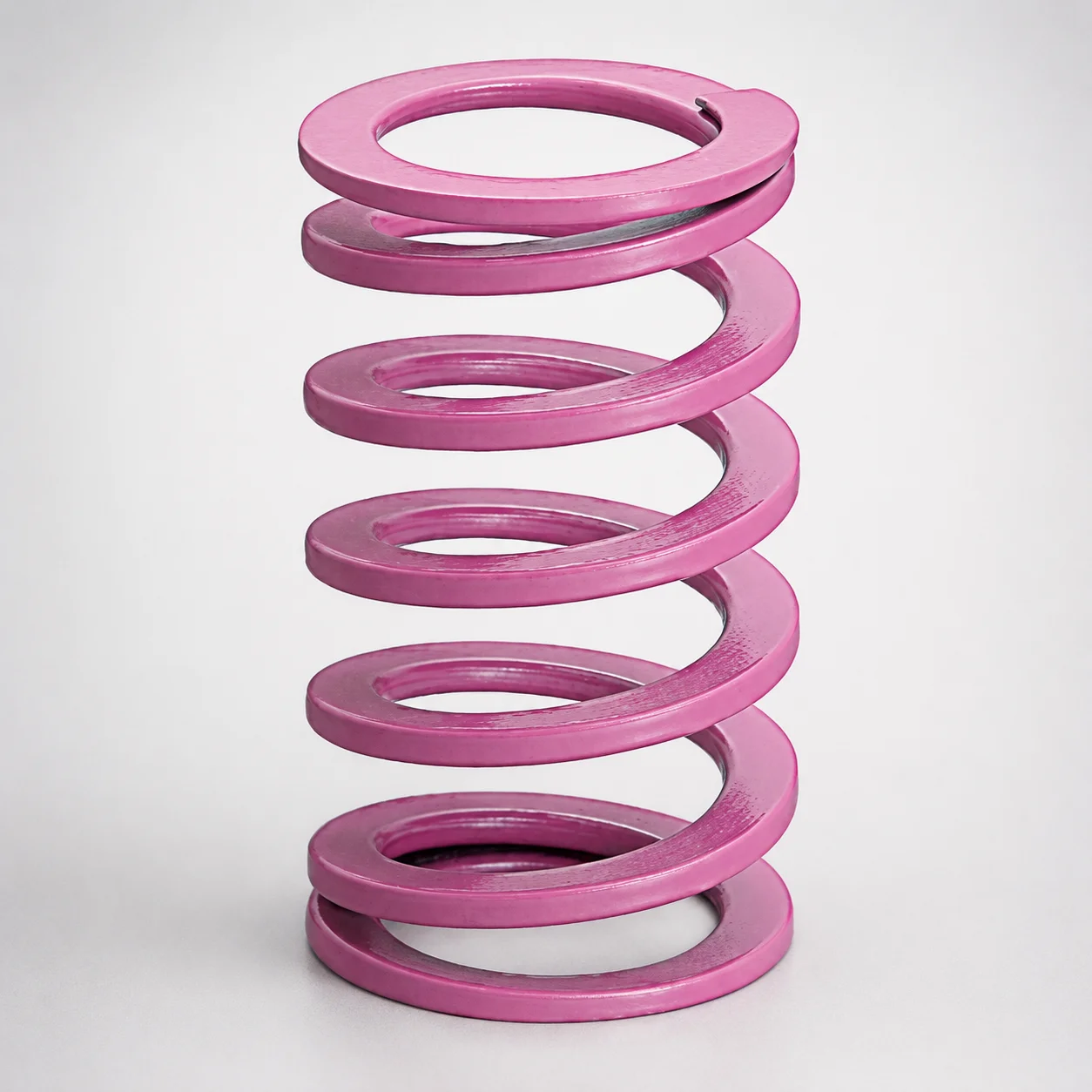
JIS Standard Chrome Silicon Medium Duty Die Spring 60% Deflection
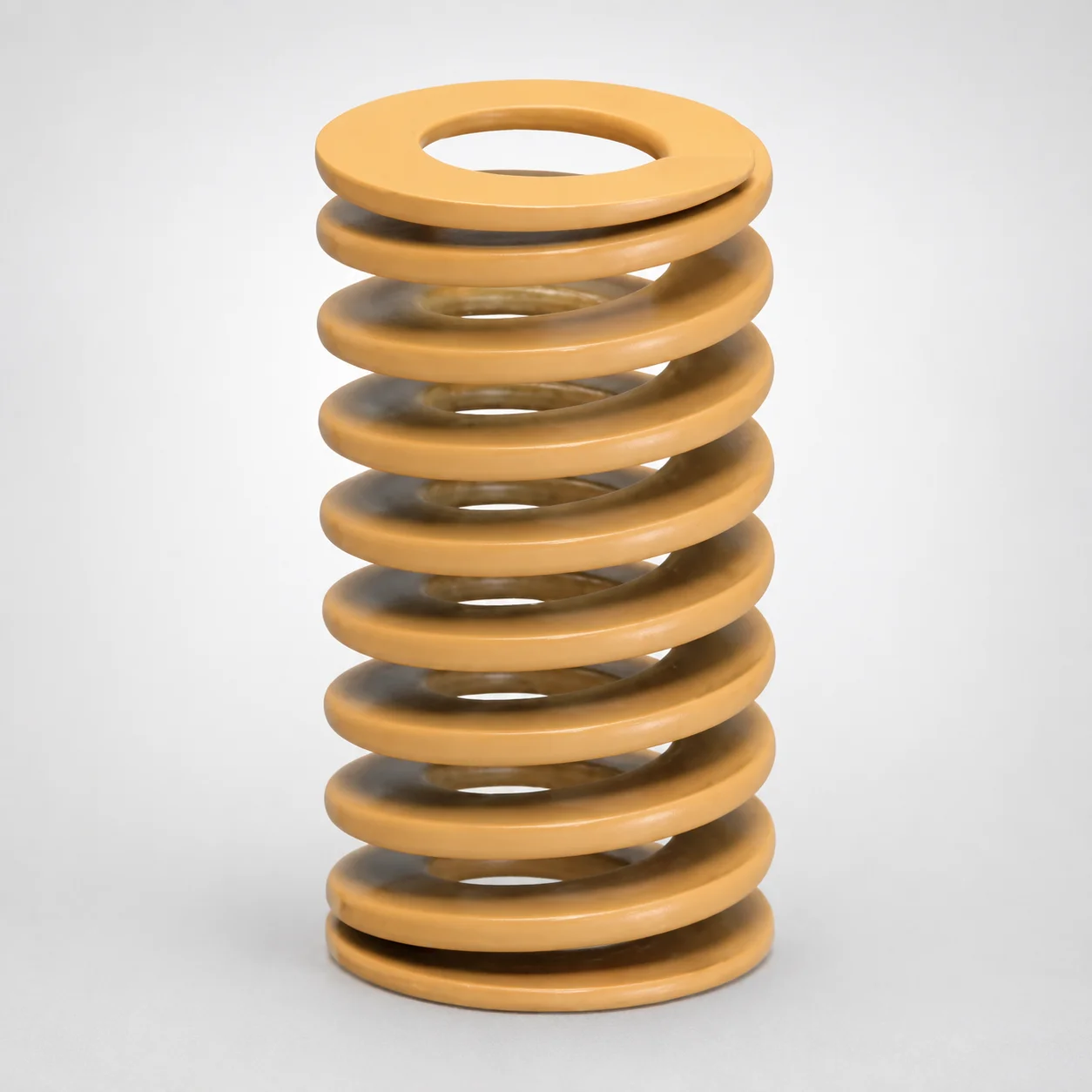
JIS Standard Chrome Silicon Medium Duty Die Spring - 50% Deflection
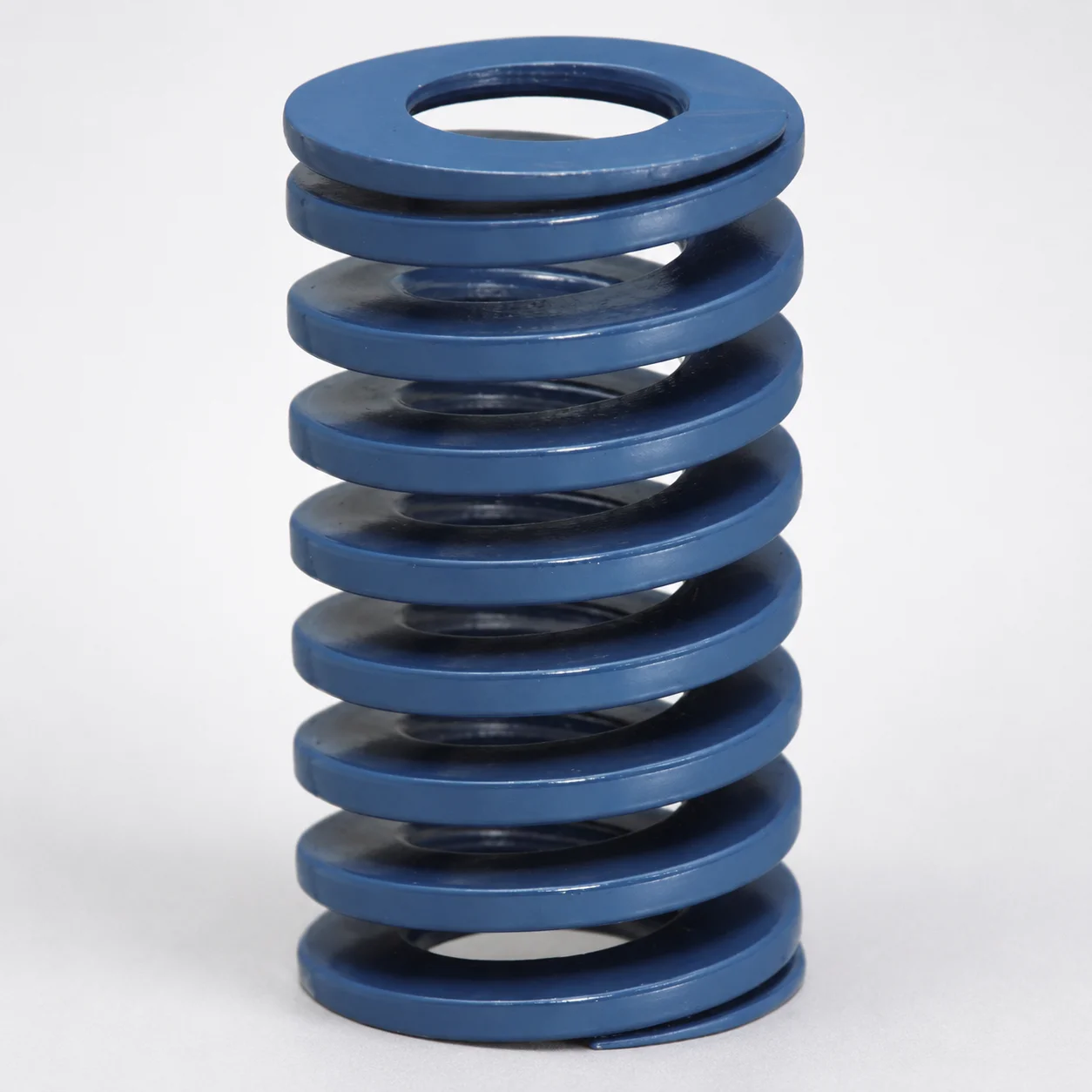
JIS Standard Chrome Silicon Steel Medium Duty Die Spring - 40% Deflection
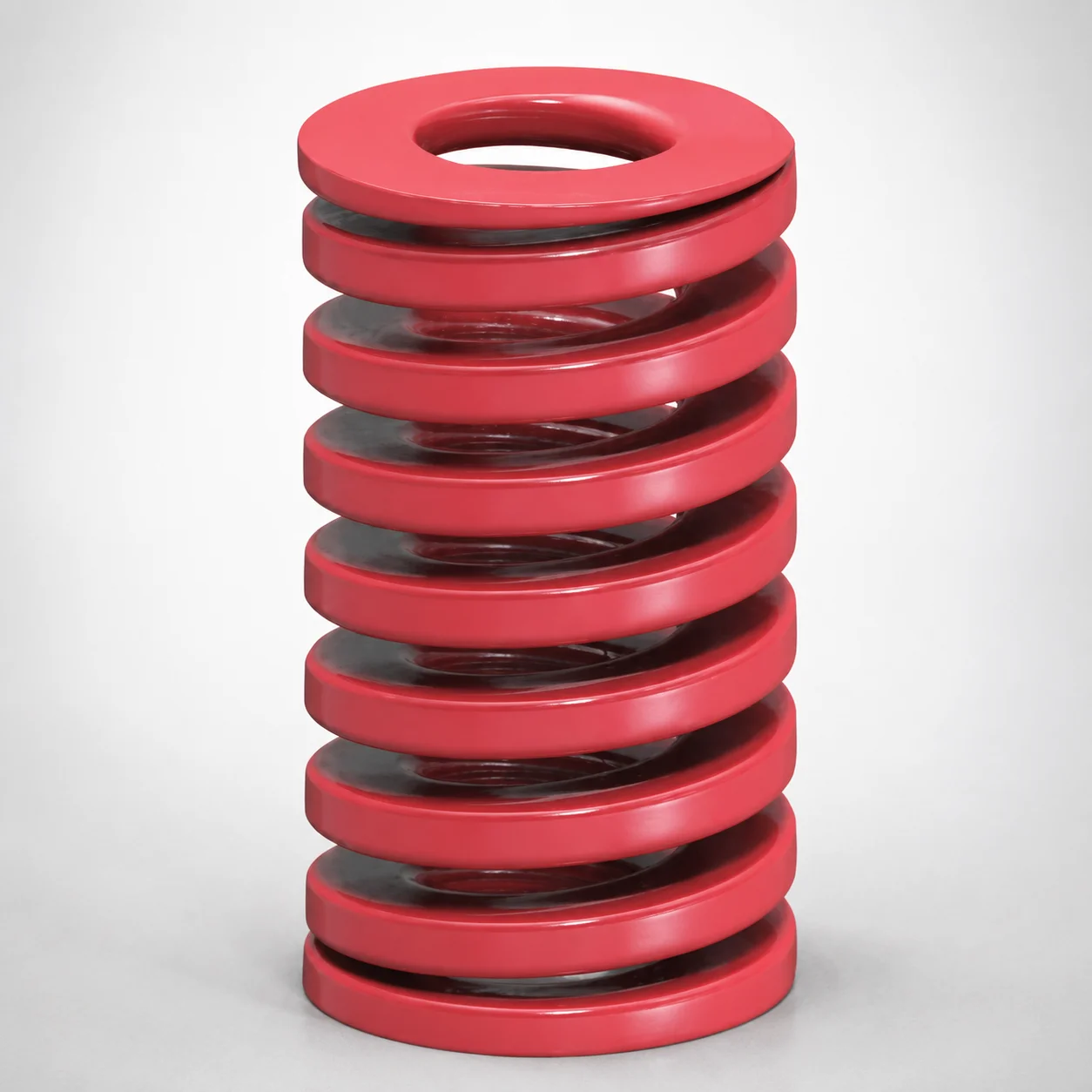
JIS Standard Medium Duty Die Spring 32% Deflection Chrome Silicon Coil Springs
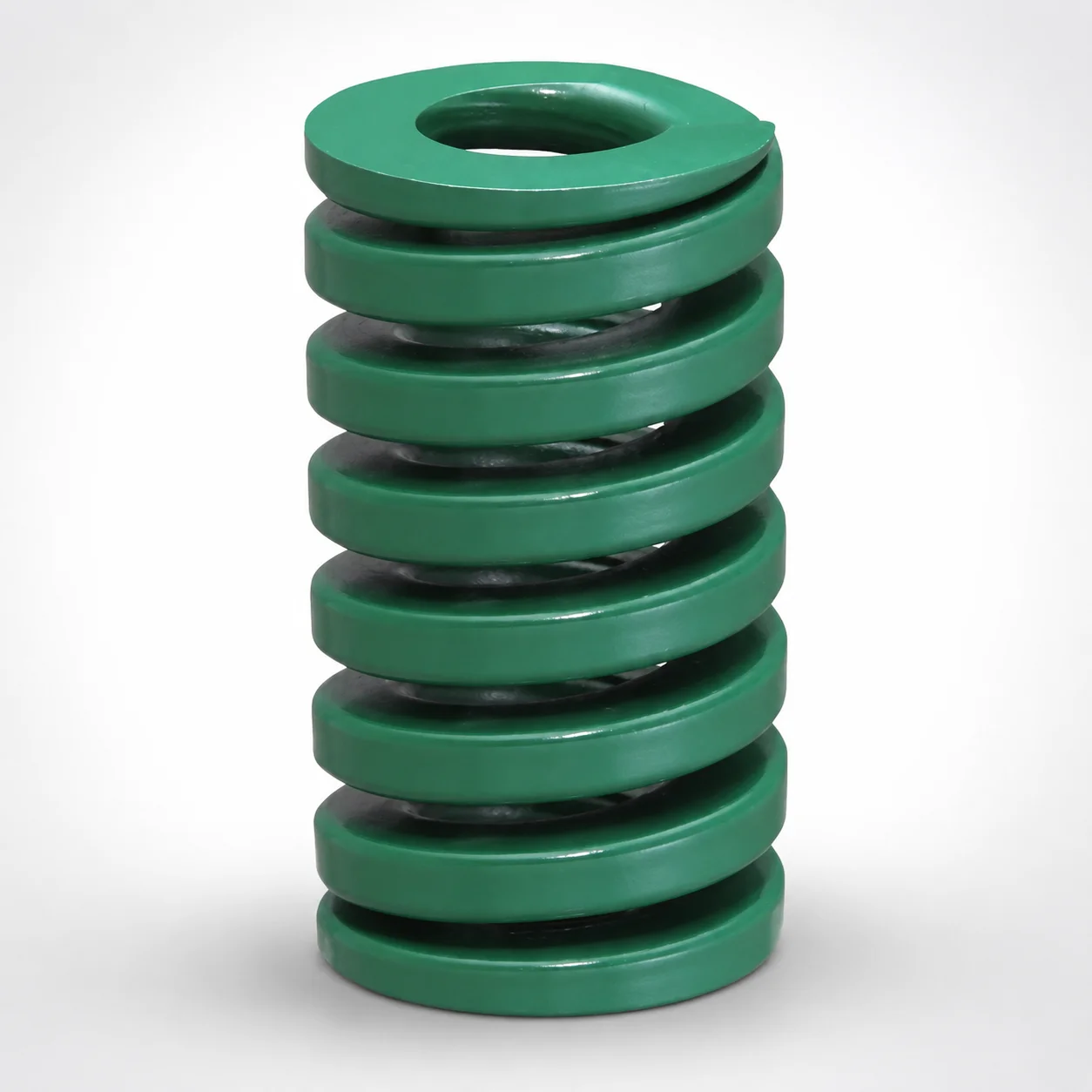
JIS Standard Heavy Duty Die Spring 24% Deflection
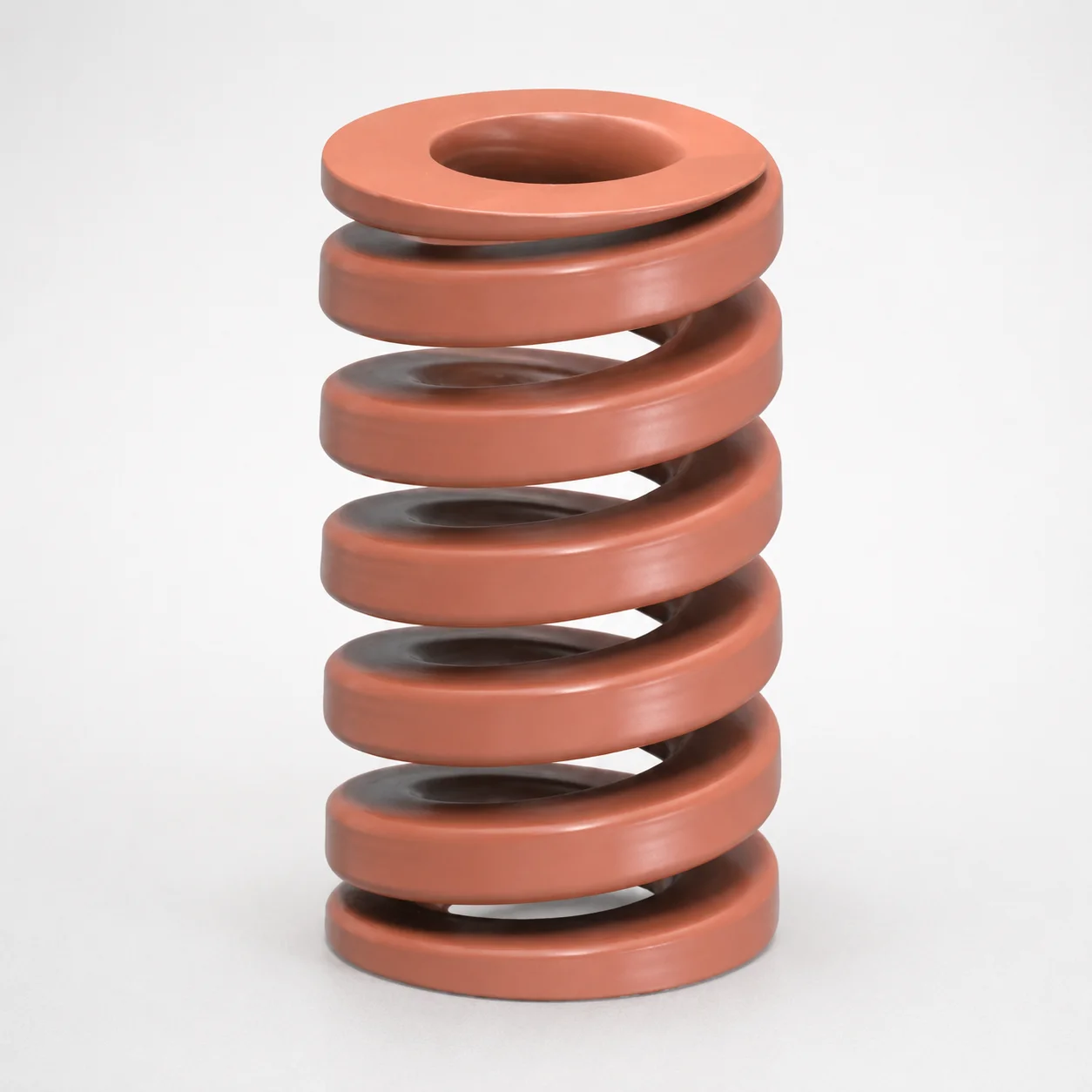
JIS Standard Chrome Silicon Oil-Tempered Wire Heavy Duty Die Spring 20% Deflection
Need Custom Specifications?
Our engineering team can help with custom configurations, material selection, and volume pricing.