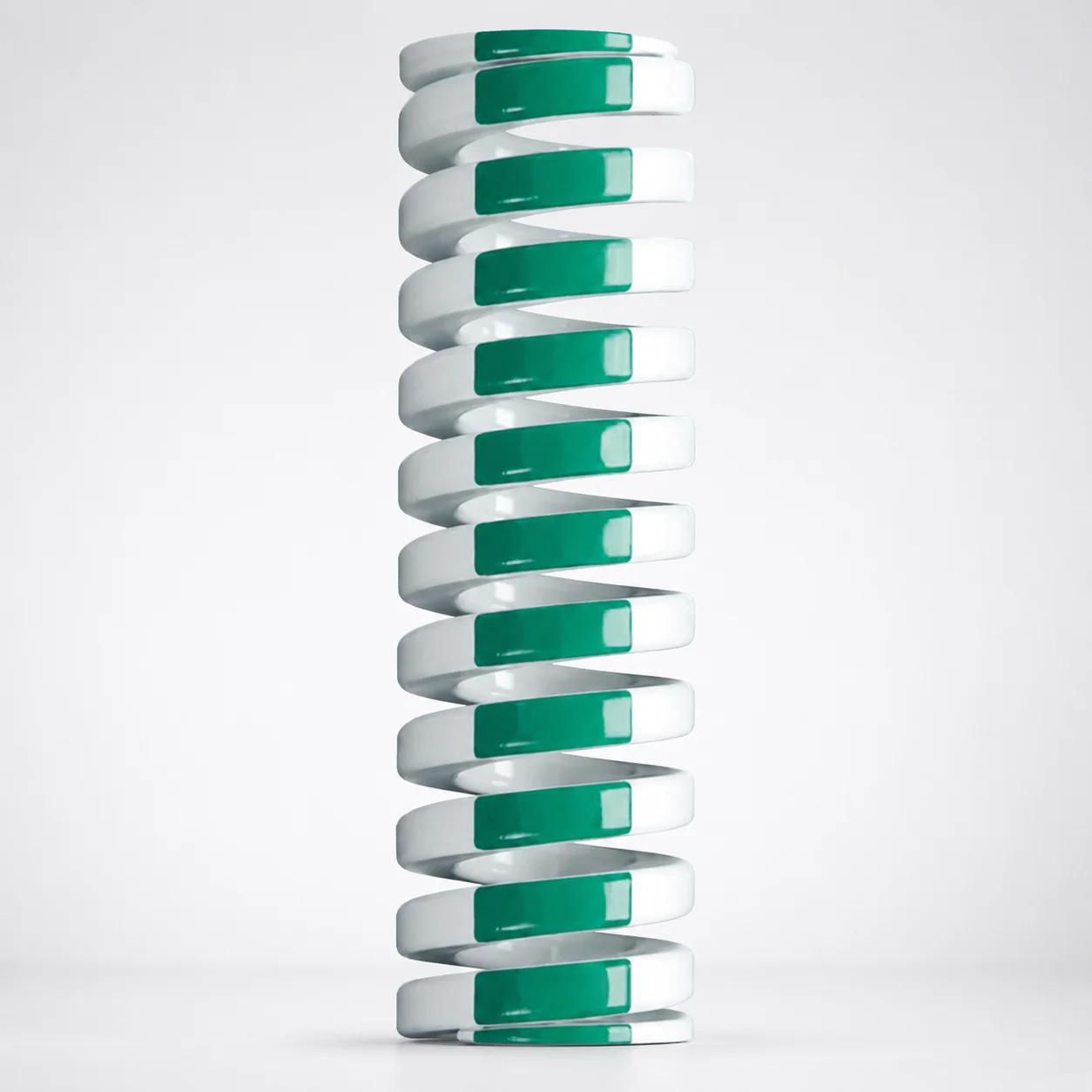
Inch Extra Heavy Duty Die Spring 25% Deflection Chrome Silicon
Extra Heavy Duty die spring (25% deflection) (chrome silicon alloy) is engineered for demanding die setups where stable force and deflection control are critical. It suits inch-based tooling and supports consistent press operation under heavy loads.
- Extra heavy duty design delivers 25% deflection for robust load capacity
- High-strength chromium silicon alloy construction improves fatigue resistance
- Dimensional flexibility supports assembly across typical inch die spring layouts
- Ideal for die sets requiring heavy-duty spring performance and repeatable return
Specifications
83 configurations available
| Outer Diameter D (in) | Length L (in) | d (Inner diameter) (in) |
|---|---|---|
| 3/8" | 1" | 3/16" |
| 3/8" | 1-1/4" | 3/16" |
| 3/8" | 1-1/2" | 3/16" |
| 3/8" | 1-3/4" | 3/16" |
| 3/8" | 2" | 3/16" |
| 3/8" | 2-1/2" | 3/16" |
| 3/8" | 3" | 3/16" |
| 3/8" | 12" | 3/16" |
| 1/2" | 1" | 9/32" |
| 1/2" | 1-1/4" | 9/32" |
| 1/2" | 1-1/2" | 9/32" |
| 1/2" | 1-3/4" | 9/32" |
| 1/2" | 2" | 9/32" |
| 1/2" | 2-1/2" | 9/32" |
| 1/2" | 3" | 9/32" |
| 1/2" | 3-1/2" | 9/32" |
| 1/2" | 12" | 9/32" |
| 5/8" | 1" | 11/32" |
| 5/8" | 1-1/4" | 11/32" |
| 5/8" | 1-1/2" | 11/32" |
| 5/8" | 1-3/4" | 11/32" |
| 5/8" | 2" | 11/32" |
| 5/8" | 2-1/2" | 11/32" |
| 5/8" | 3" | 11/32" |
| 5/8" | 3-1/2" | 11/32" |
| 5/8" | 4" | 11/32" |
| 5/8" | 12" | 11/32" |
| 3/4" | 1" | 3/8" |
| 3/4" | 1-1/4" | 3/8" |
| 3/4" | 1-1/2" | 3/8" |
| 3/4" | 1-3/4" | 3/8" |
| 3/4" | 2" | 3/8" |
| 3/4" | 2-1/2" | 3/8" |
| 3/4" | 3" | 3/8" |
| 3/4" | 3-1/2" | 3/8" |
| 3/4" | 4" | 3/8" |
| 3/4" | 4-1/2" | 3/8" |
| 3/4" | 5" | 3/8" |
| 3/4" | 5-1/2" | 3/8" |
| 3/4" | 6" | 3/8" |
| 3/4" | 12" | 3/8" |
| 1" | 1-1/2" | 1/2" |
| 1" | 2" | 1/2" |
| 1" | 2-1/2" | 1/2" |
| 1" | 3" | 1/2" |
| 1" | 3-1/2" | 1/2" |
| 1" | 4" | 1/2" |
| 1" | 4-1/2" | 1/2" |
| 1" | 5" | 1/2" |
| 1" | 6" | 1/2" |
Product Guide
Application Scenarios+
This extra heavy duty die spring is used in injection and stamping tooling where the die set must maintain stable clamp/return forces under repeated cycling. A typical scenario is automotive and industrial connector molds, where the spring supports consistent ejector/die return behavior and helps prevent force drift that can affect part dimensional stability.
Another application is appliance and housing forming dies that operate with heavy press loads. The 25% deflection design is well-suited for engineers who need controlled compression range to keep the force/deflection curve predictable across production runs.
It can also be used in multi-cavity die sets that require reliable return and fatigue performance. The chrome silicon alloy construction helps resist fatigue cracking in high-cycle environments, supporting repeatable spring action in inch-based tooling layouts.
Material & Process Details+
This die spring is made from a chrome silicon alloy steel. Chrome and silicon improve spring fatigue resistance and help maintain mechanical performance after repeated loading.
For manufacturing, the wire is typically formed into a coil and then subjected to a spring heat treatment (commonly quench-and-temper in springmaking practice for chrome silicon grades) to develop a high elastic limit and stable load behavior.
- Hardness: The input data does not specify an HRC value, so hardness cannot be stated for this specific variant.
- Wear resistance vs. toughness: As with high-strength spring steels, increasing strength for fatigue life can reduce impact toughness; proper heat treatment and shot/handling practices are important to avoid surface damage that can initiate fatigue.
If your application is primarily low-cycle and impact-prone, a lower-alloy or less hardened spring may offer better toughness, but for heavy-duty die cycling, chrome silicon is selected for fatigue durability.
Sizing & Selection Guide+
To select the correct spring, match the required outer diameter (D), length (L), and inner diameter (d) to your die spring pocket and guide conditions. This series supports D = 1 ~ 5 in, L = 1 ~ 12 in, and d = 1 ~ 11 in.
Start with the installed geometry: choose d to clear the guide pin or rod and maintain alignment, then verify D fits the spring seat/pocket without interference. Next, ensure L is appropriate for the available stroke so the working compression remains around the intended 25% deflection region for stable load performance.
- Tolerance/fit: The input data does not provide tolerance values. In die sets, confirm fit using your spring seat/bore design tolerances and assembly clearances.
- Configurable dimensions: D, L, and d are provided as selectable ranges for this series; the deflection level is fixed at 25% deflection per the product variant.
Frequently Asked Questions
How do I size the spring outer diameter (D) for a die set to avoid interference during compression?+
Use the available D range of 1 ~ 5 in and compare it to your spring pocket/spring seat bore geometry. Select the largest D that fits without rubbing or binding at max compression, while leaving clearance for assembly and thermal expansion.
Because the input data does not list tolerance values, validate fit against your die pocket tolerances and expected compression deflection.
What does the “25% deflection” variant mean for selecting working length (L) in inch tooling?+
The product variant is designed for 25% deflection behavior, meaning it is intended to be operated within a controlled compression range that delivers stable force response. When choosing L = 1 ~ 12 in, ensure the installed length plus available stroke allows the spring to reach the target working compression without bottoming out.
Can this chrome silicon die spring be used with guide rods that require a specific inner diameter (d)?+
Yes. This series offers d (inner diameter) = 1 ~ 11 in, so you can align the spring with the guide rod or post requirements in your die layout. Choose d for clearance and alignment to prevent side-loading, which helps protect fatigue life in high-cycle use.
Since tolerances are not provided in the data, verify clearance using your rod diameter tolerance and assembly conditions.
What material properties are driving fatigue resistance in this die spring?+
The spring uses a chrome silicon alloy, selected for improved fatigue resistance under repeated load cycles typical of die and press tooling. Chrome and silicon contribute to maintaining elastic performance during cycling.
The exact heat treatment state and HRC hardness are not specified in the provided data, so confirm the supplier’s material/heat treatment documentation if you need an HRC target for qualification.
When would I consider a different spring material instead of chrome silicon for die applications?+
If your die application has unusual impact conditions or you prioritize toughness over high-cycle fatigue, a different spring material may be considered. However, for heavy-duty die cycling where repeatability and fatigue durability matter, chrome silicon is typically chosen for its fatigue-oriented alloying.
The input data only confirms chrome silicon; it does not provide alternative material grades for this exact series.
Related Products
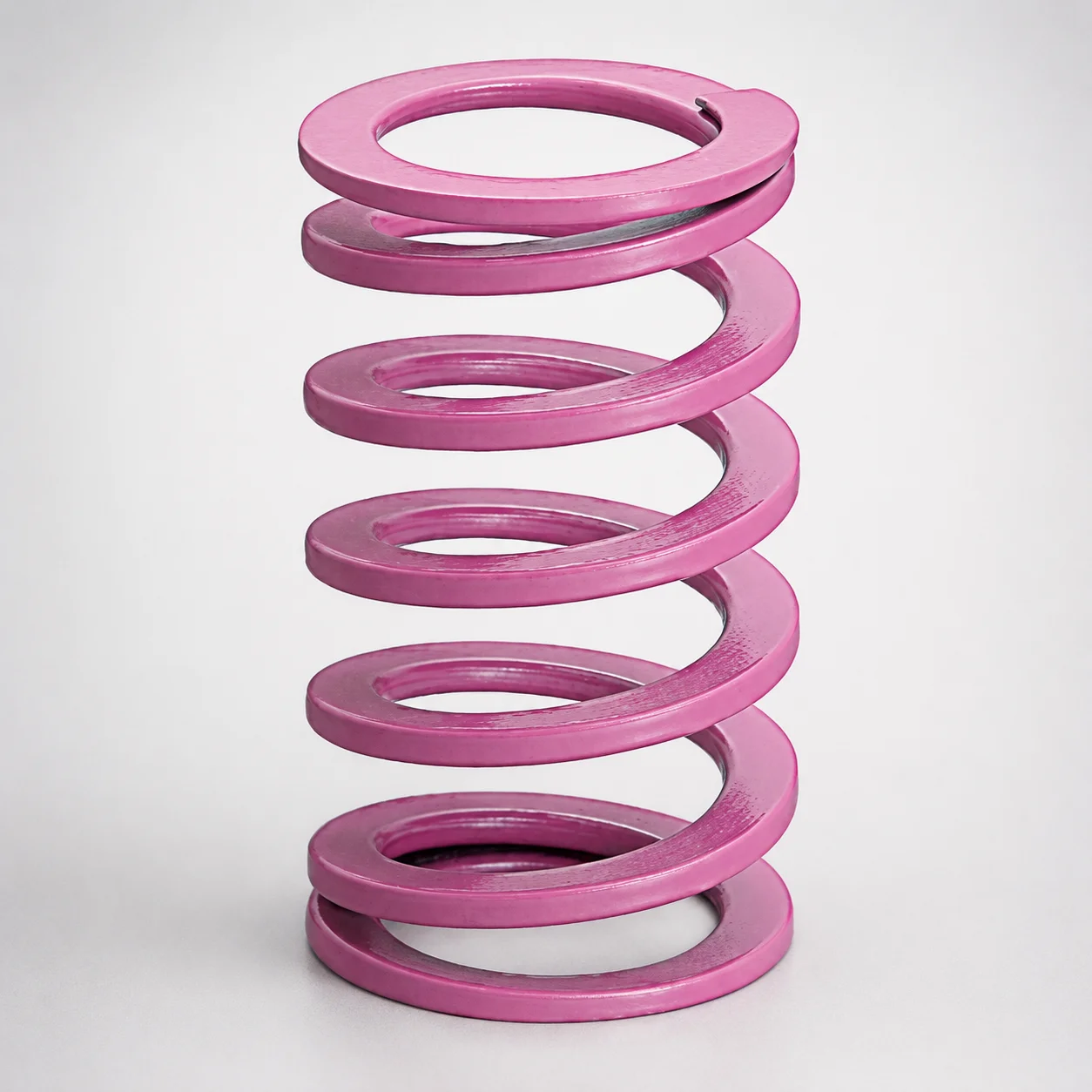
JIS Standard Chrome Silicon Medium Duty Die Spring 60% Deflection
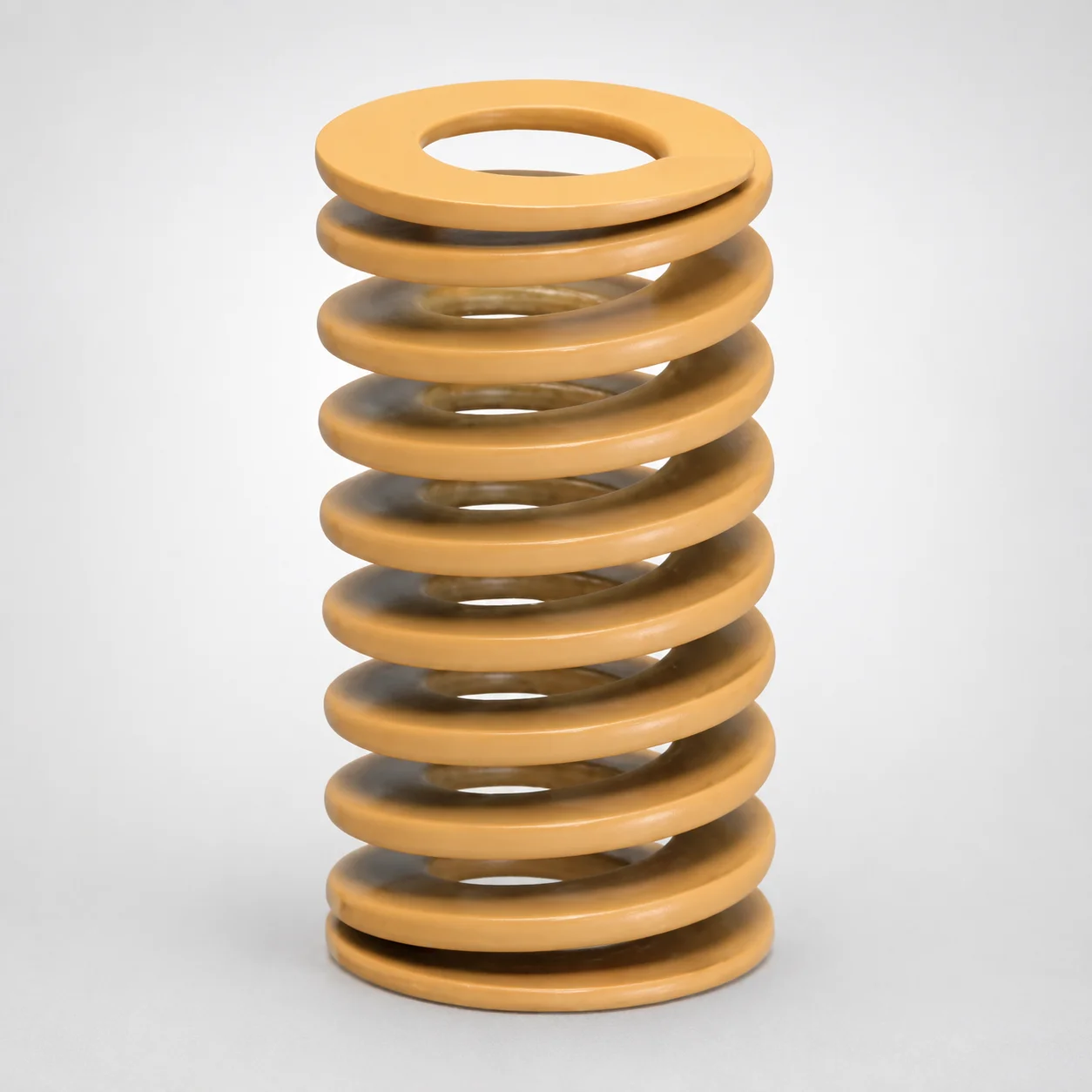
JIS Standard Chrome Silicon Medium Duty Die Spring - 50% Deflection
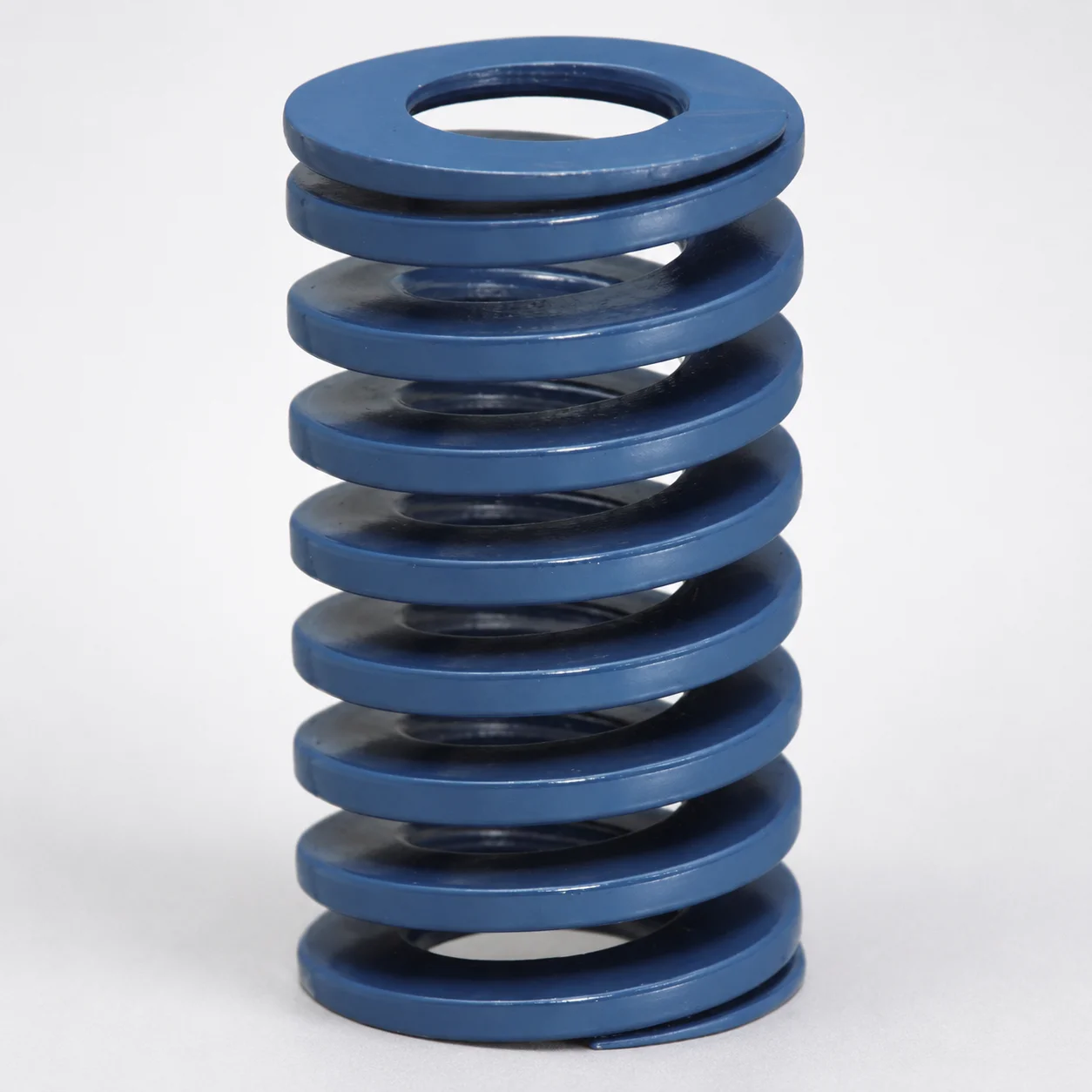
JIS Standard Chrome Silicon Steel Medium Duty Die Spring - 40% Deflection
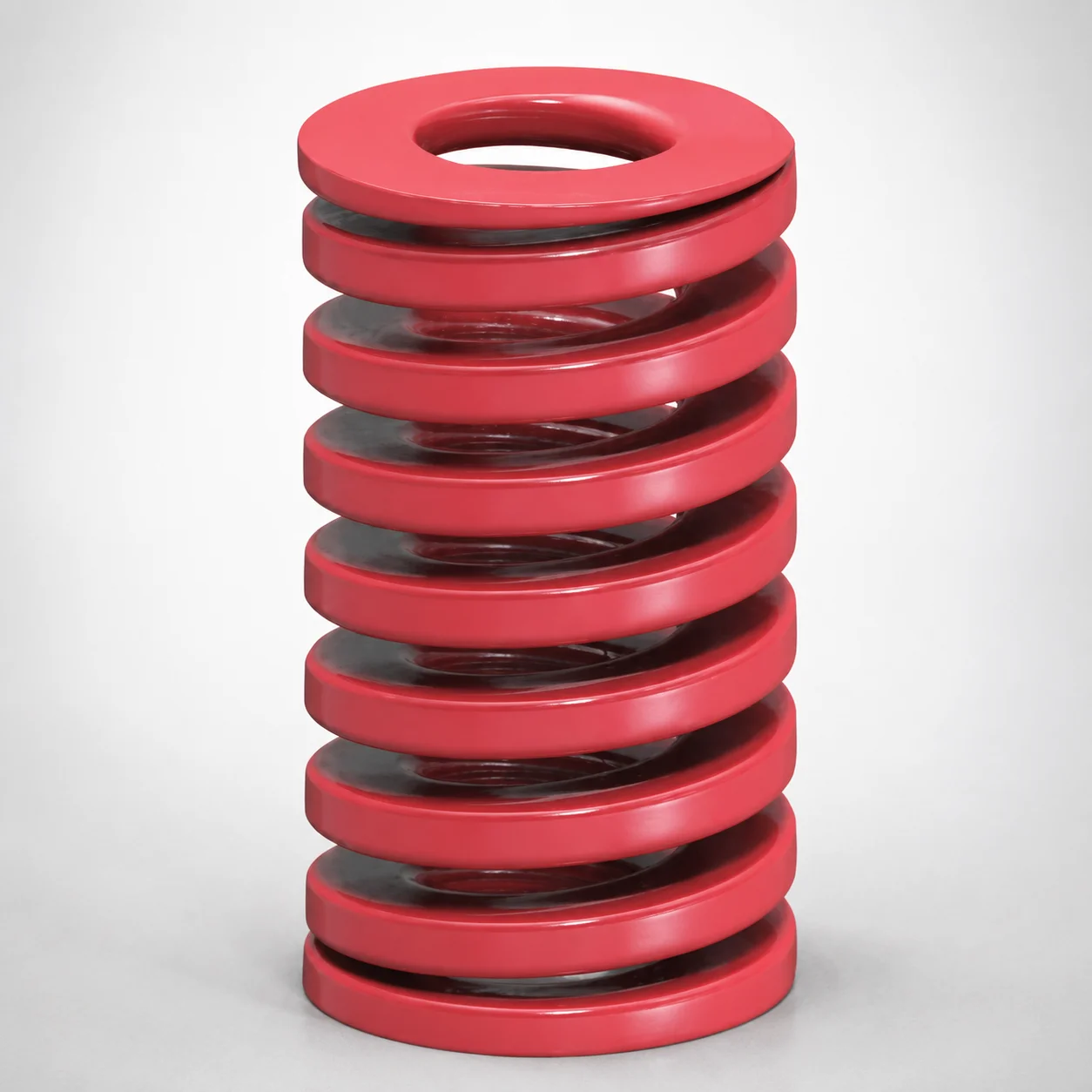
JIS Standard Medium Duty Die Spring 32% Deflection Chrome Silicon Coil Springs
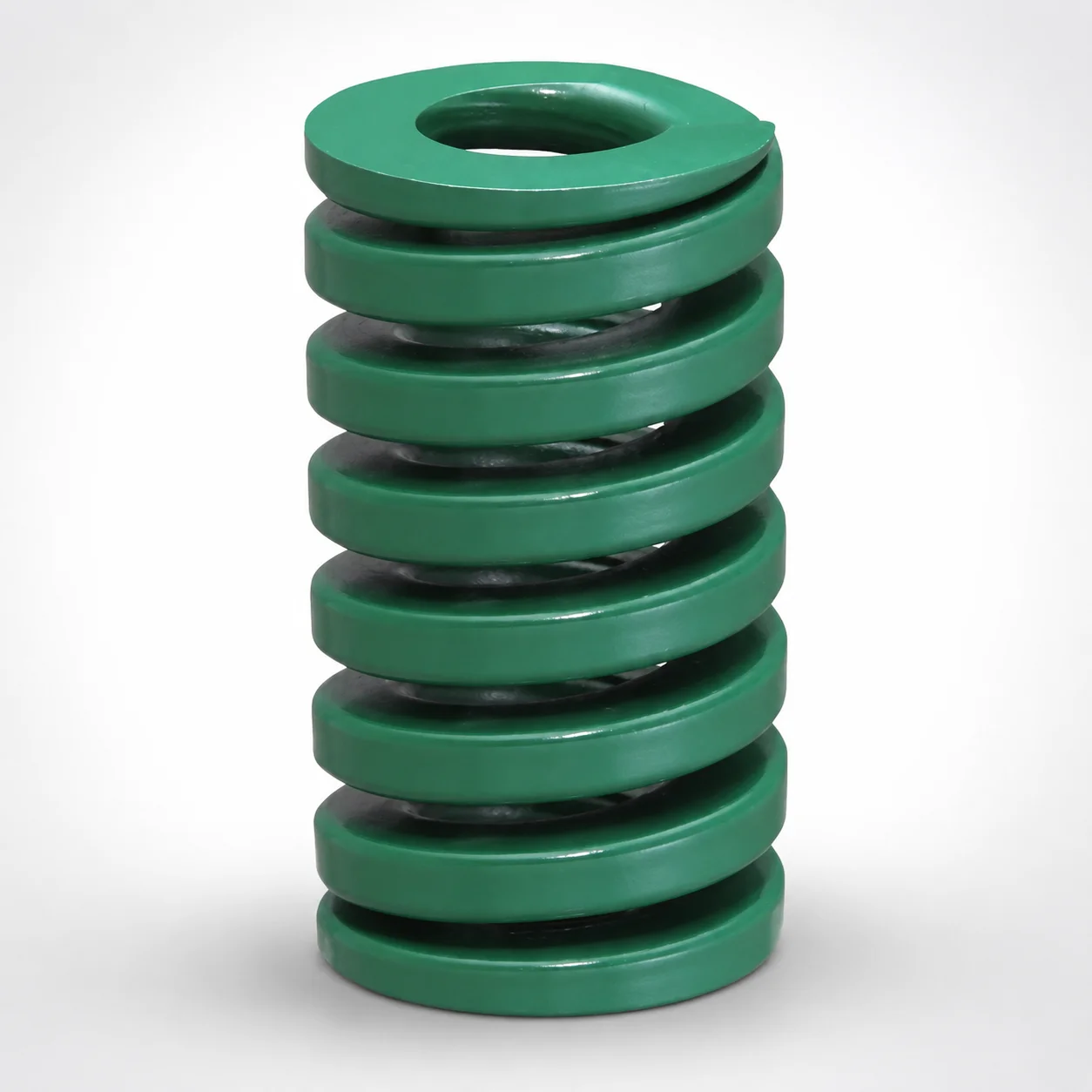
JIS Standard Heavy Duty Die Spring 24% Deflection
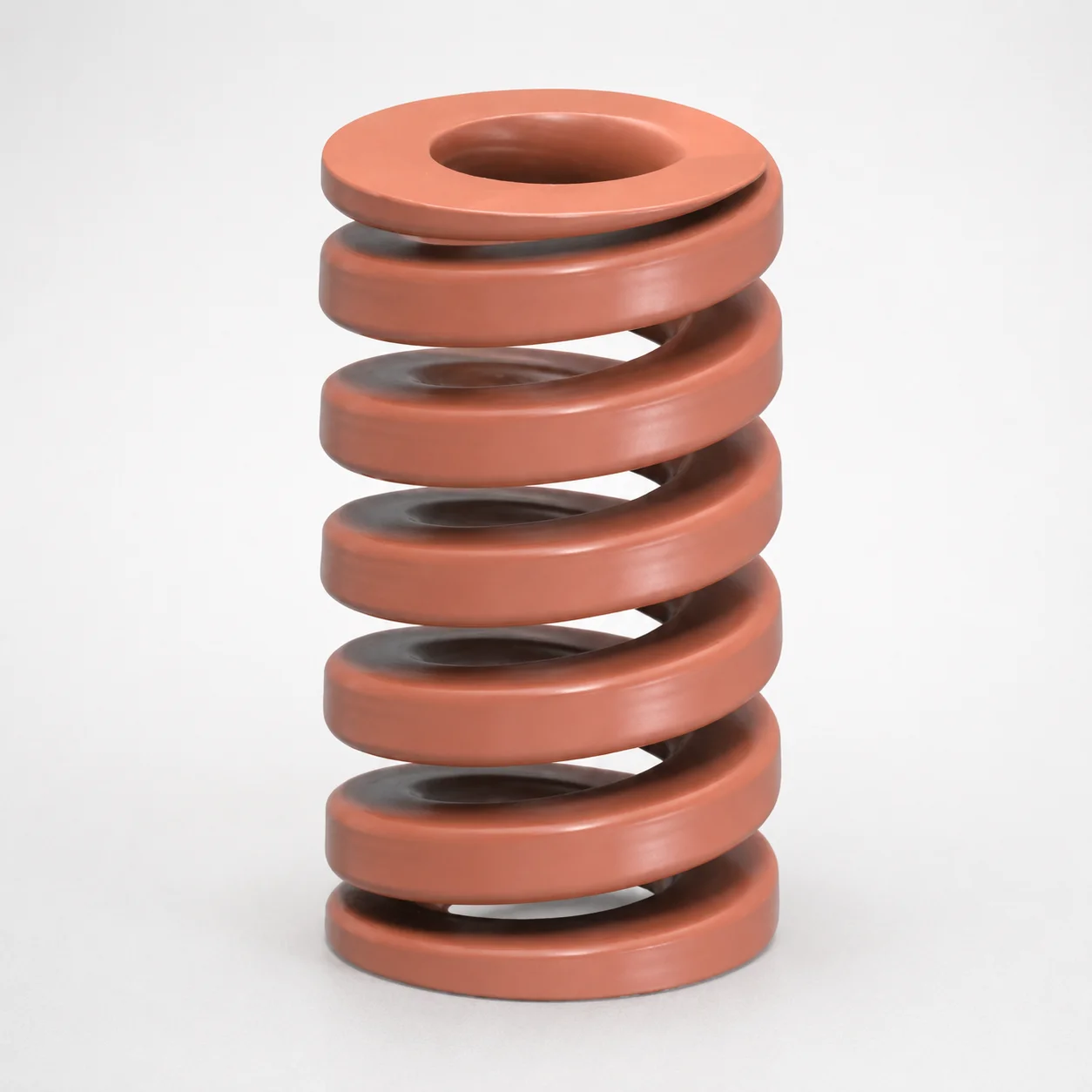
JIS Standard Chrome Silicon Oil-Tempered Wire Heavy Duty Die Spring 20% Deflection
Need Custom Specifications?
Our engineering team can help with custom configurations, material selection, and volume pricing.