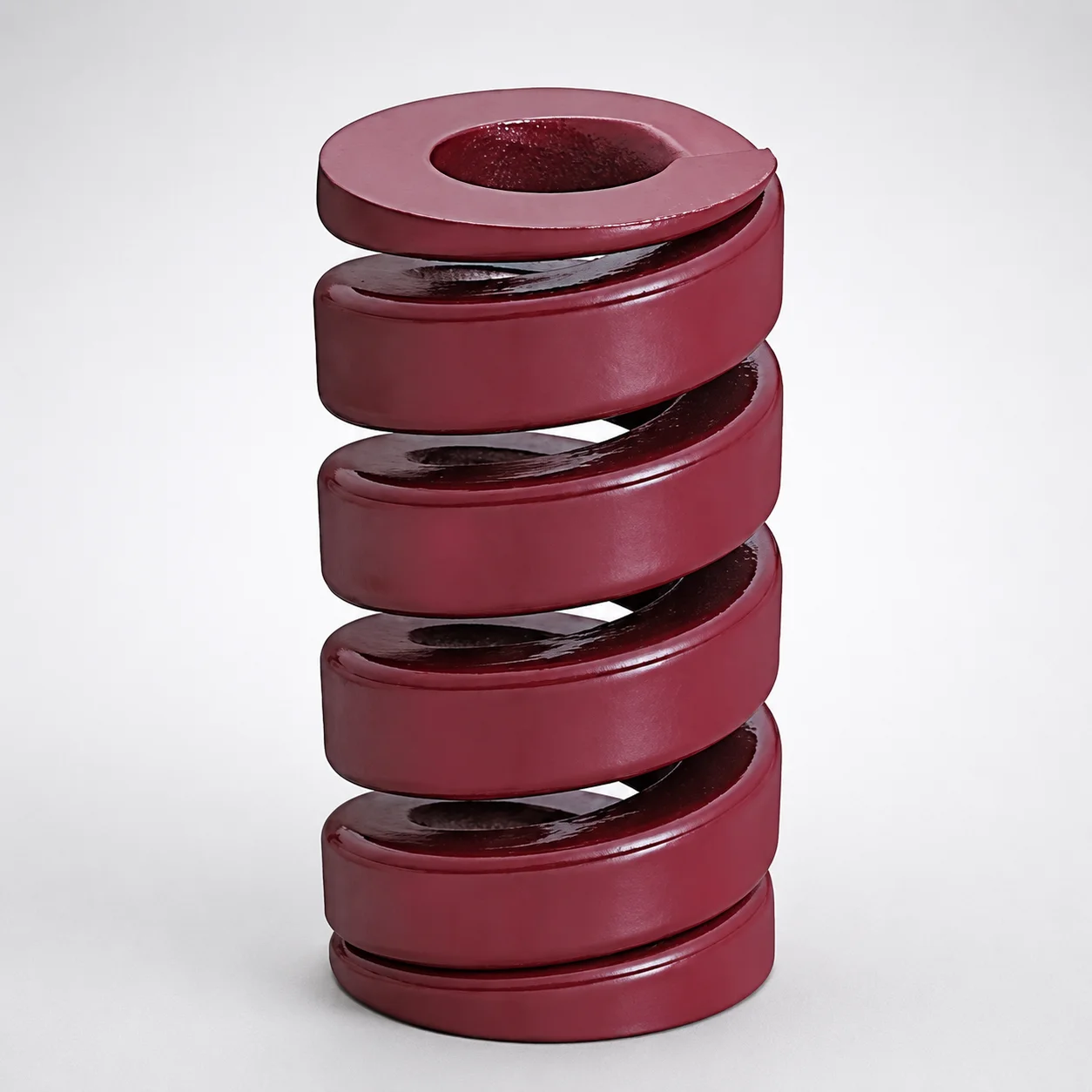
JIS Standard SWV Extra Heavy Duty Die Spring 13% Deflection
Extra Heavy Duty Die Spring (SWV type) with 13% deflection is engineered to provide reliable load support in heavy-duty die applications. Chrome silicon steel design helps maintain stability under demanding forming and pressing conditions.
- Built for heavy loads with controlled 13% deflection response
- Chrome silicon construction supports durability and vibration damping
- Robust SWV type spring helps maintain structural integrity under shock
- Commonly used for die sets, press tooling, and industrial forming systems
Specifications
116 configurations available
| Maximum Load (N) | Outer Diameter D (mm) | Length L (mm) | type |
|---|---|---|---|
| 797 | 10 | 30 | - |
| 797 | 10 | 35 | - |
| 797 | 10 | 40 | - |
| 797 | 10 | 45 | - |
| 797 | 10 | 50 | - |
| 797 | 10 | 55 | - |
| 797 | 10 | 60 | - |
| 1195 | 12 | 30 | - |
| 1195 | 12 | 35 | - |
| 1195 | 12 | 40 | - |
| 1195 | 12 | 45 | - |
| 1195 | 12 | 50 | - |
| 1195 | 12 | 55 | - |
| 1195 | 12 | 60 | - |
| 1546 | 14 | 30 | - |
| 1546 | 14 | 35 | - |
| 1546 | 14 | 40 | - |
| 1546 | 14 | 45 | - |
| 1546 | 14 | 50 | - |
| 1546 | 14 | 55 | - |
| 1546 | 14 | 60 | - |
| 2072 | 16 | 35 | - |
| 2072 | 16 | 40 | - |
| 2072 | 16 | 45 | - |
| 2072 | 16 | 50 | - |
| 2072 | 16 | 55 | - |
| 2072 | 16 | 60 | - |
| 2550 | 18 | 35 | - |
| 2550 | 18 | 40 | - |
| 2550 | 18 | 45 | - |
| 2550 | 18 | 50 | - |
| 2550 | 18 | 55 | - |
| 2550 | 18 | 60 | - |
| 3219 | 20 | 40 | - |
| 3219 | 20 | 45 | - |
| 3219 | 20 | 50 | - |
| 3219 | 20 | 55 | - |
| 3219 | 20 | 60 | - |
| 3219 | 20 | 65 | - |
| 3219 | 20 | 70 | - |
| 3219 | 20 | 75 | - |
| 3219 | 20 | 80 | - |
| 3219 | 20 | 90 | - |
| 3219 | 20 | 100 | - |
| 3978 | 22 | 40 | - |
| 3978 | 22 | 45 | - |
| 3978 | 22 | 50 | - |
| 3978 | 22 | 55 | - |
| 3978 | 22 | 60 | - |
| 3978 | 22 | 65 | - |
Product Guide
Application Scenarios+
This extra heavy duty die spring is used inside injection mold tooling where the die-set must carry high compressive force and resist vibration during press and forming cycles. In automotive and industrial component mold bases, it supports long-running operations by providing controlled load at a defined 13% deflection, helping reduce shock-related shifts in die alignment.
For progressive die and metal-forming stations used for insert molding components, the spring’s chrome silicon steel construction improves stability under repetitive load and dampens dynamic impacts that occur during stripping and forming.
- High-load die sets: match spring response to the press stroke using 13% deflection behavior.
- Tooling upgrade replacements: chrome silicon material supports durability in harsh, vibration-prone environments.
- Industrial forming systems: robust SWV-style geometry helps maintain structural integrity under shock.
Material & Process Details+
The spring is specified as an SWV type die spring built from chrome silicon steel, selected for high spring endurance and resistance to relaxation under repeated loading. Chrome silicon steels are commonly used where dimensional stability and fatigue performance are critical in die and press tooling.
- Heat treatment (typical for die springs): quenched and tempered to achieve the required spring hardness and elastic recovery, balancing strength with resilience.
- Wear/fatigue performance: improved resistance to surface degradation and cyclic fatigue compared with lower-alloy spring steels.
- Trade-off: higher hardness increases fatigue resistance but can reduce toughness if tempering is insufficient—proper temper selection is essential for shock absorption.
When comparing alternatives, chrome silicon die springs generally offer better load stability and endurance than basic music wire in heavy-duty die work, while maintaining workable toughness after tempering.
Sizing & Selection Guide+
Select the die spring by matching the required load and the available space in the mold tool. This variant is defined by 13% deflection behavior; therefore, use the application’s target working deflection to choose the correct maximum load (N) from 797 to 18452 N.
- Outer diameter D (mm): choose within 10 to 50 mm to fit the spring pocket and guide clearance.
- Length L (mm): select within 30 to 200 mm to ensure the spring seats correctly at the installed height and does not coil-bind before the required stroke.
- Tolerance/fit: maintain appropriate clearance between the outer diameter and the guide/spring seat to prevent rubbing during compression; verify deflection doesn’t exceed the designed 13% range in your tooling stack-up.
Use these ranges to map cavity/core loading requirements to the spring response, while confirming installed height and stroke margin for safe compression.
Frequently Asked Questions
How do I select the correct maximum load for a die spring based on the 13% deflection rating?+
What outer diameter and length ranges are available for this SWV extra heavy duty die spring?+
Is this spring suitable for mold tooling that experiences shock and vibration during die closure or forming operations?+
When upgrading an existing die set, what key dimensions must be verified to ensure compatibility?+
Related Products
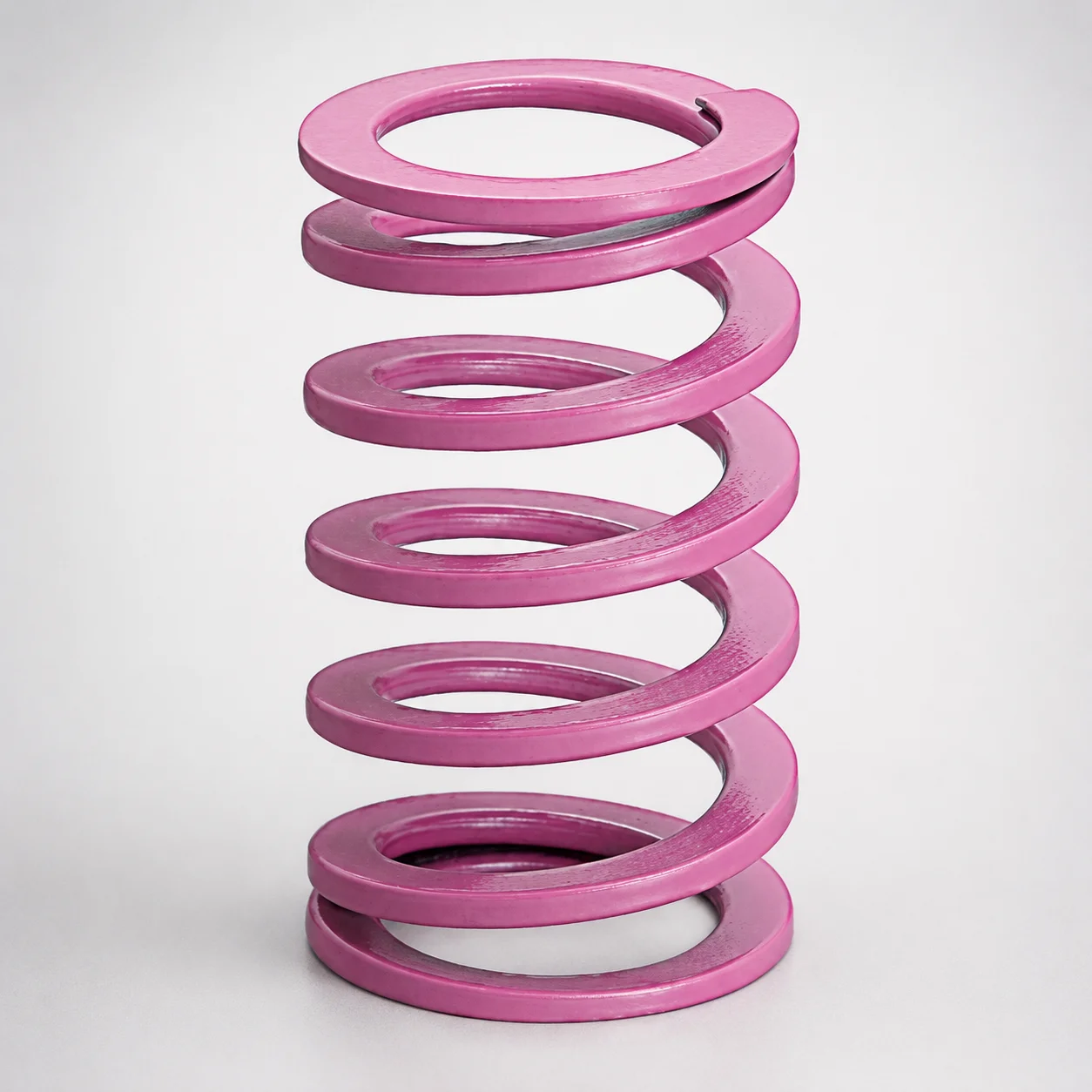
JIS Standard Chrome Silicon Medium Duty Die Spring 60% Deflection
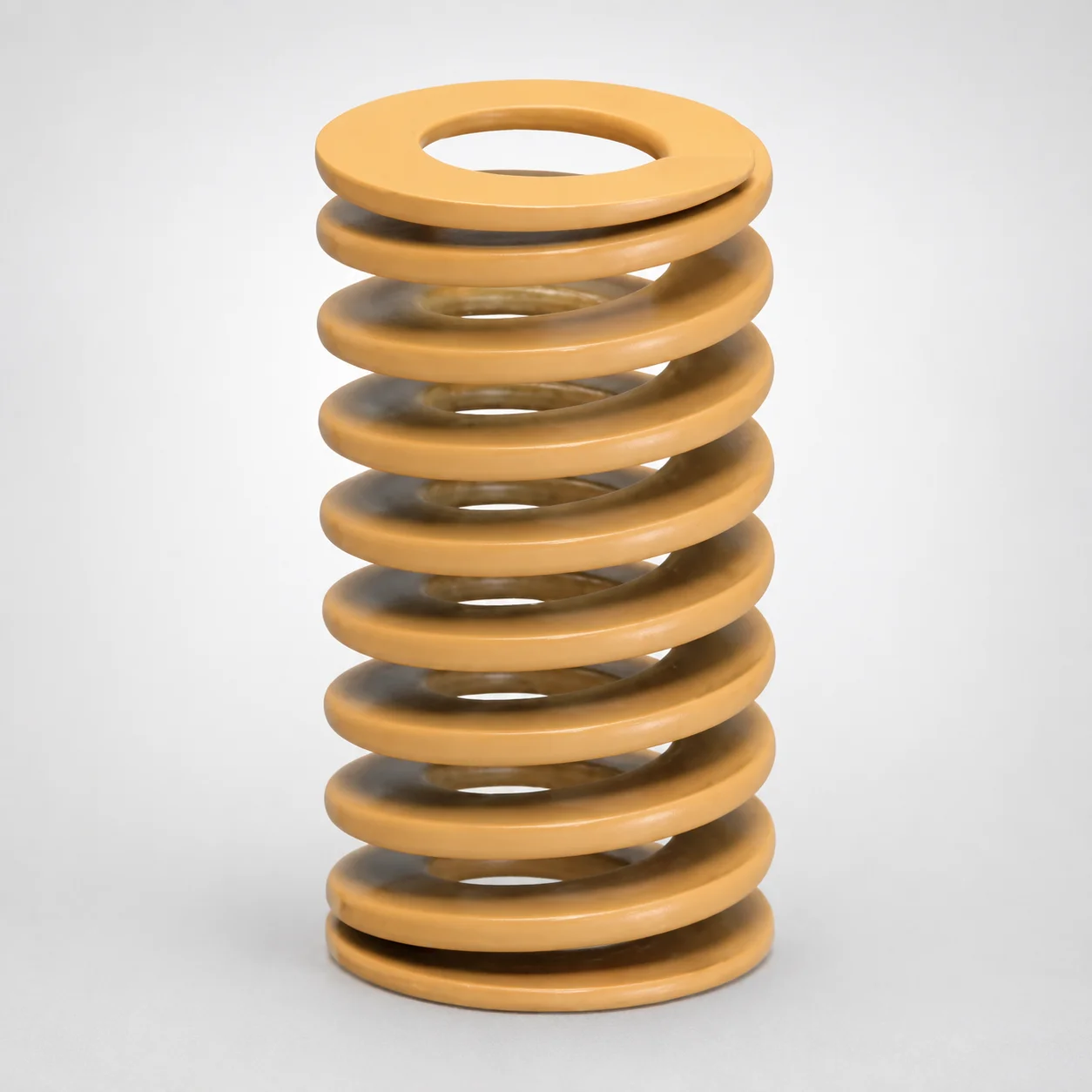
JIS Standard Chrome Silicon Medium Duty Die Spring - 50% Deflection
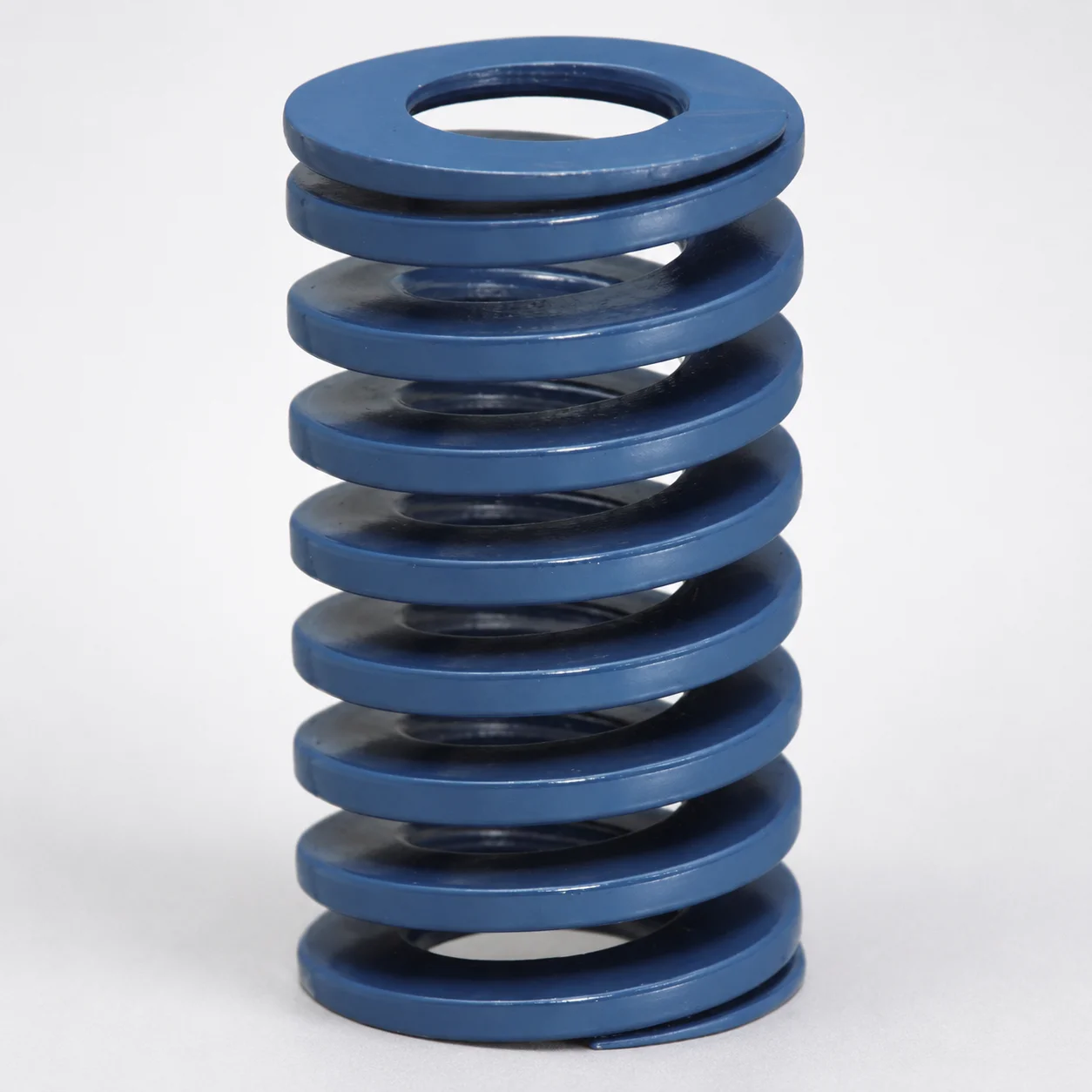
JIS Standard Chrome Silicon Steel Medium Duty Die Spring - 40% Deflection
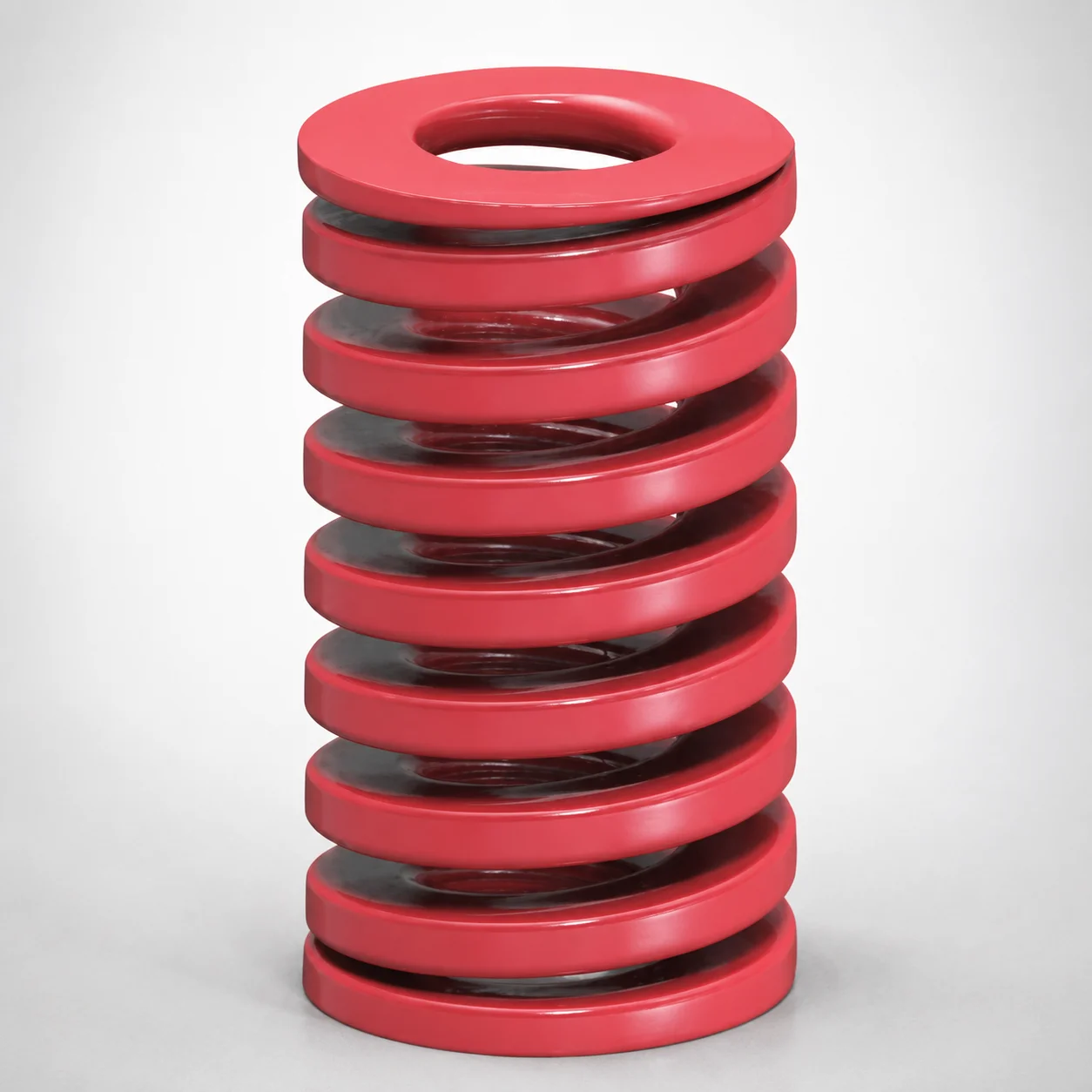
JIS Standard Medium Duty Die Spring 32% Deflection Chrome Silicon Coil Springs
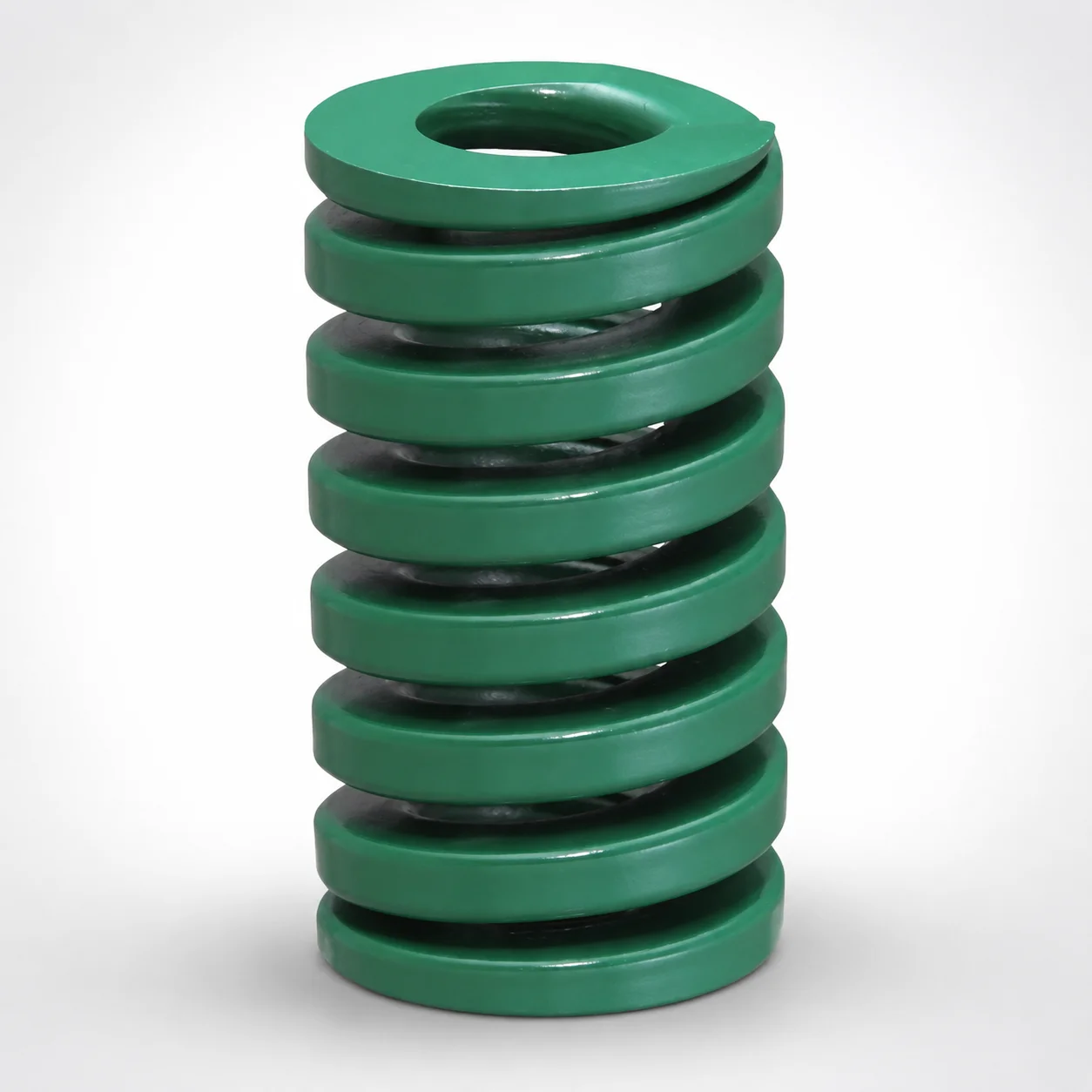
JIS Standard Heavy Duty Die Spring 24% Deflection
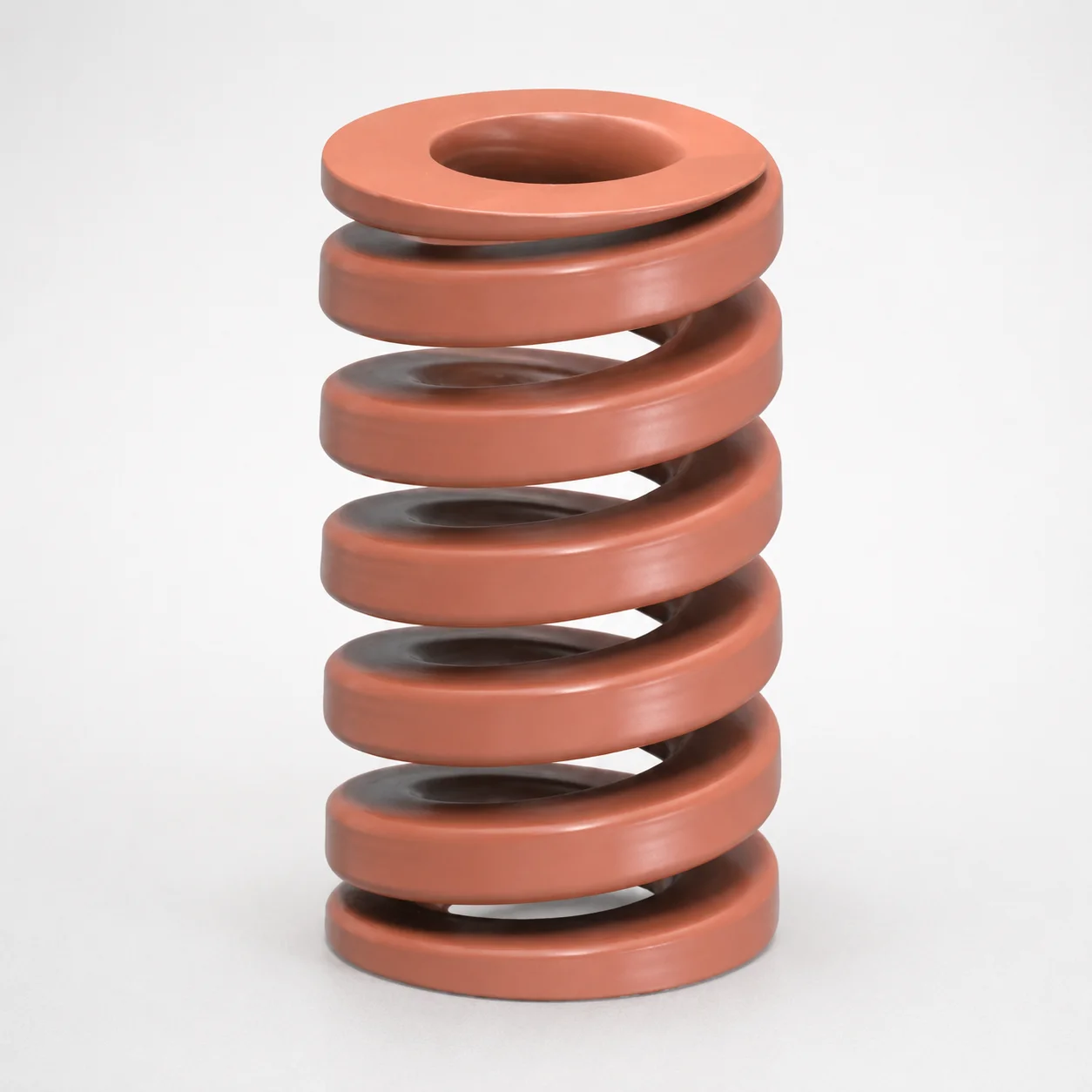
JIS Standard Chrome Silicon Oil-Tempered Wire Heavy Duty Die Spring 20% Deflection
Need Custom Specifications?
Our engineering team can help with custom configurations, material selection, and volume pricing.