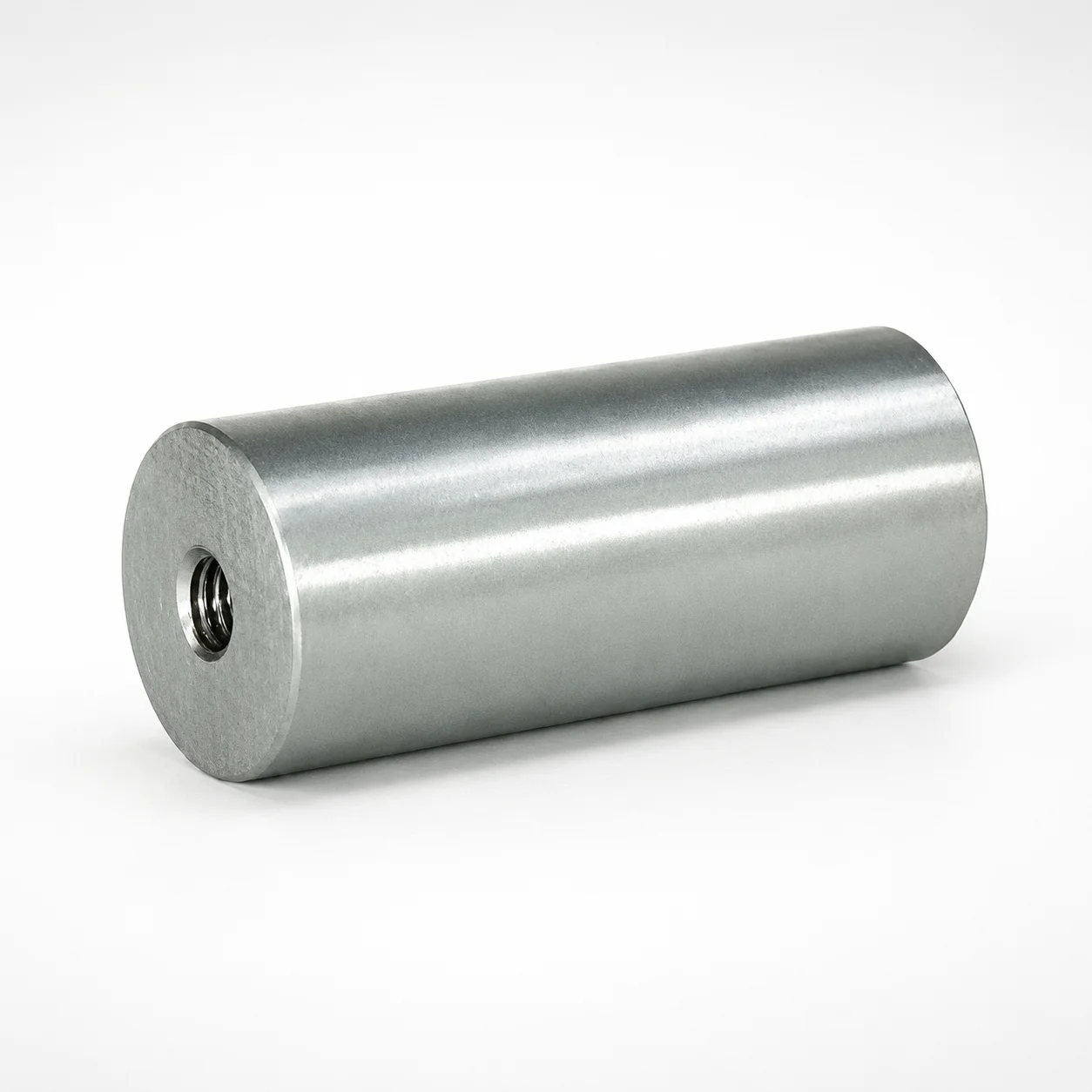
Inch Tapped Hole Support Pillars (SAE 1040 Steel)
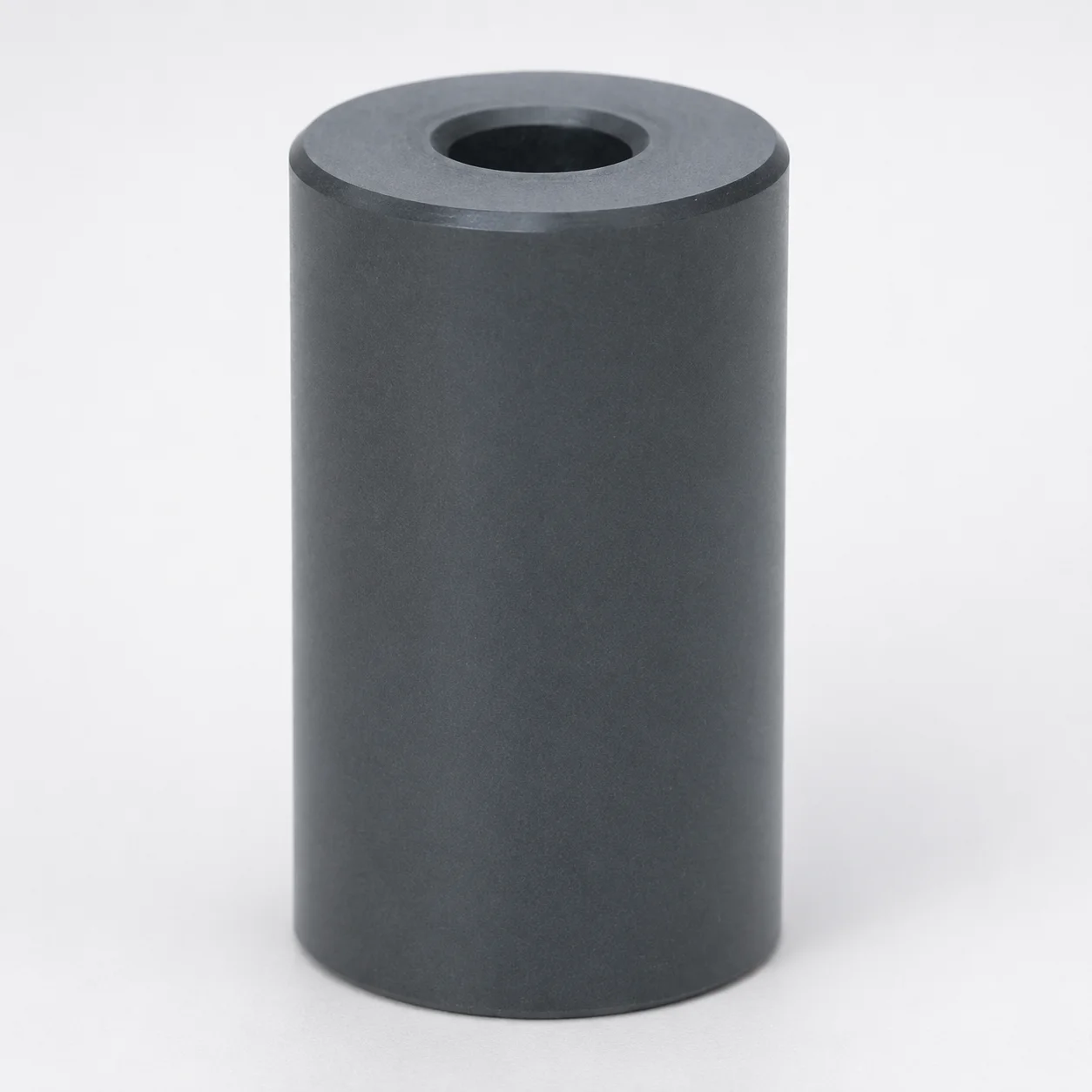
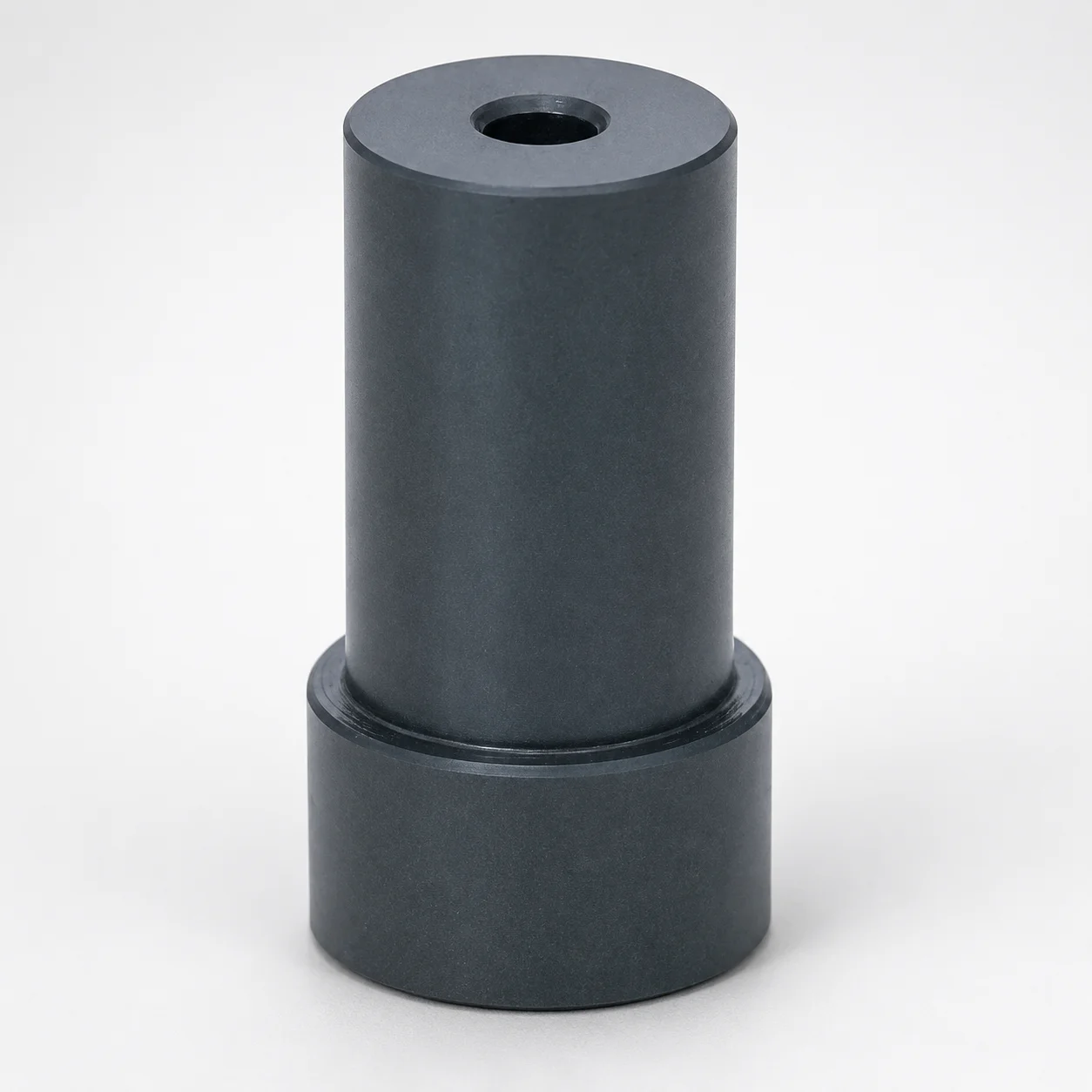
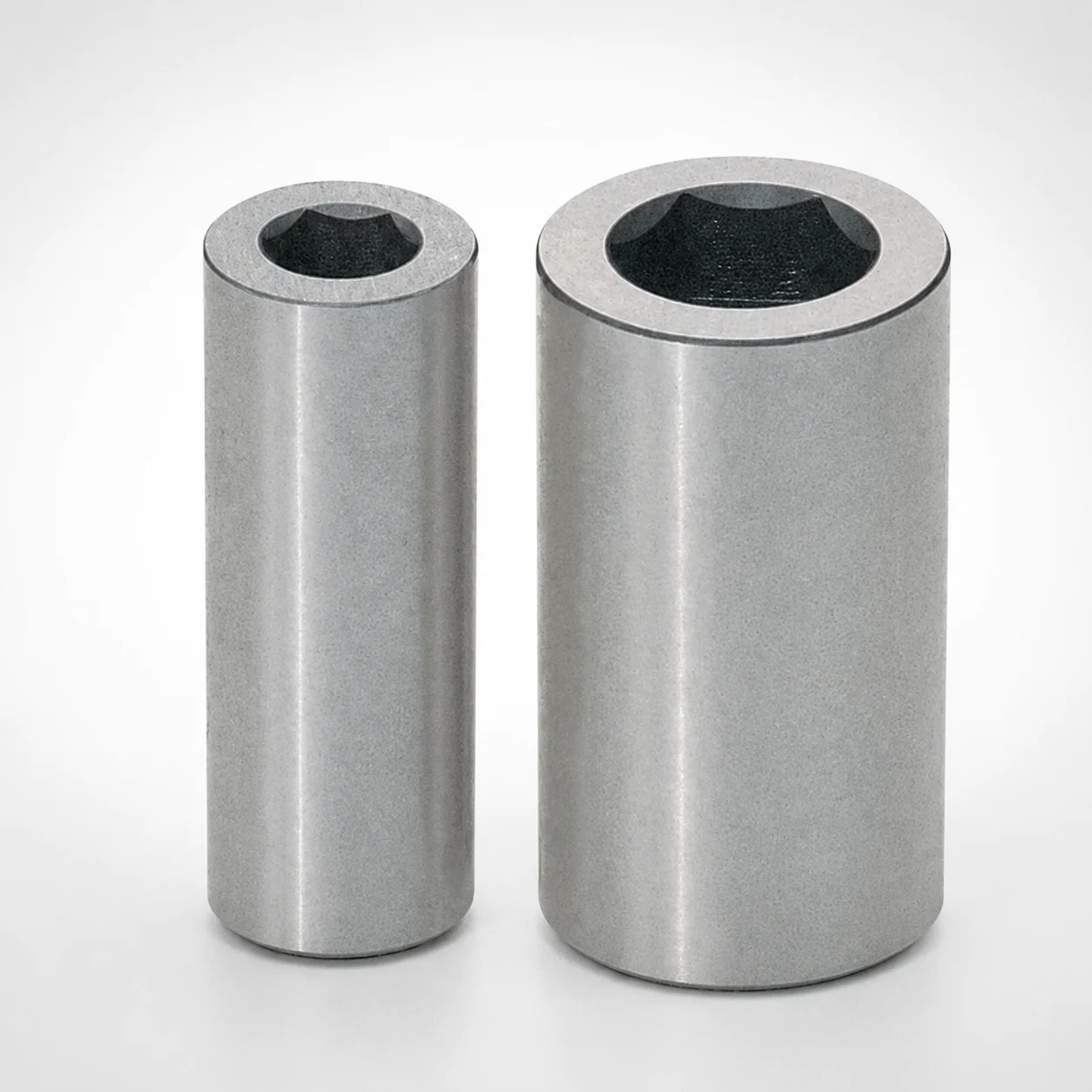
Inch tapped hole support pillars (SAE 1040 steel) provide stable support for mold plates, helping reduce bowing and minimize flash during production. The tapped interface enables reliable fastening with supplied hardware.
- Tapped hole design supports secure plate fastening under clamp load
- Made from SAE 1040 steel for dependable strength and wear resistance
- Helps reduce flash by maintaining alignment between mold plates
- Supports inch-class molds with SHCS supplied up to 2 ½ in diameter
Specifications
53 configurations available
| Shape Type | D (Shaft Diameter) (in) | L (Length) (in) | Shape Type |
|---|---|---|---|
| With tap | 1" | 2.500" | TAPPED HOLE |
| With tap | 1" | 3.000" | TAPPED HOLE |
| With tap | 1" | 3.500" | TAPPED HOLE |
| With tap | 1" | 4.000" | TAPPED HOLE |
| With tap | 1" | 4.500" | TAPPED HOLE |
| With tap | 1-1/4" | 2.500" | TAPPED HOLE |
| With tap | 1-1/4" | 3.000" | TAPPED HOLE |
| With tap | 1-1/4" | 3.500" | TAPPED HOLE |
| With tap | 1-1/4" | 4.000" | TAPPED HOLE |
| With tap | 1-1/4" | 4.500" | TAPPED HOLE |
| With tap | 1-1/4" | 5.000" | TAPPED HOLE |
| With tap | 1-1/4" | 6.000" | TAPPED HOLE |
| With tap | 1-1/2" | 2.500" | TAPPED HOLE |
| With tap | 1-1/2" | 3.000" | TAPPED HOLE |
| With tap | 1-1/2" | 3.500" | TAPPED HOLE |
| With tap | 1-1/2" | 4.000" | TAPPED HOLE |
| With tap | 1-1/2" | 4.500" | TAPPED HOLE |
| With tap | 1-1/2" | 5.000" | TAPPED HOLE |
| With tap | 1-1/2" | 6.000" | TAPPED HOLE |
| With tap | 1-3/4" | 2.500" | TAPPED HOLE |
| With tap | 1-3/4" | 3.000" | TAPPED HOLE |
| With tap | 1-3/4" | 3.500" | TAPPED HOLE |
| With tap | 1-3/4" | 4.000" | TAPPED HOLE |
| With tap | 1-3/4" | 4.500" | TAPPED HOLE |
| With tap | 1-3/4" | 5.000" | TAPPED HOLE |
| With tap | 1-3/4" | 6.000" | TAPPED HOLE |
| With tap | 2" | 2.500" | TAPPED HOLE |
| With tap | 2" | 3.000" | TAPPED HOLE |
| With tap | 2" | 3.500" | TAPPED HOLE |
| With tap | 2" | 4.000" | TAPPED HOLE |
| With tap | 2" | 4.500" | TAPPED HOLE |
| With tap | 2" | 5.000" | TAPPED HOLE |
| With tap | 2" | 6.000" | TAPPED HOLE |
| With tap | 2-1/2" | 3.000" | TAPPED HOLE |
| With tap | 2-1/2" | 3.500" | TAPPED HOLE |
| With tap | 2-1/2" | 4.000" | TAPPED HOLE |
| With tap | 2-1/2" | 4.500" | TAPPED HOLE |
| With tap | 2-1/2" | 5.000" | TAPPED HOLE |
| With tap | 2-1/2" | 6.000" | TAPPED HOLE |
| With tap | 3" | 3.500" | TAPPED HOLE |
| With tap | 3" | 4.000" | TAPPED HOLE |
| With tap | 3" | 4.500" | TAPPED HOLE |
| With tap | 3" | 5.000" | TAPPED HOLE |
| With tap | 3" | 6.000" | TAPPED HOLE |
| With tap | 3" | 8.000" | TAPPED HOLE |
| With tap | 4" | 8.000" | TAPPED HOLE |
| Bolt hole | 1-1/4" | 2.500" | DRILLED C'BORED |
| Bolt hole | 1-1/4" | 3.500" | DRILLED C'BORED |
| Bolt hole | 1-1/2" | 4.000" | DRILLED C'BORED |
| Bolt hole | 1-1/2" | 5.000" | DRILLED C'BORED |
Product Guide
Application Scenarios+
In injection mold tooling, these inch tapped hole support pillars are used to maintain precise clamp alignment between leader/ejector-side mold plates and mating components. By providing a threaded (tapped) interface, they enable consistent fastening that helps resist plate bowing under loading and reduces the opportunity for flash at parting lines.
- Automotive and industrial housings: Ideal for multi-cavity assemblies where repeated clamp cycles can slowly distort plates; the tapped interface supports reliable tightening of hardware for stable stack-up.
- Electronics and connector molds: Helps keep fine features aligned by stabilizing plate spacing, which is particularly important when thin-wall parts demand tight flash control.
- Inch-class retrofit builds: Suited for SAE/imperial tooling layouts because the dimensions are specified in inches (D = 1–4 in, L = 2.5–8 in) and the inch tapping supports SHCS-style fastening up to 2 ½ in diameter.
The SAE 1040 steel construction supports durable, load-bearing performance for alignment-critical mold plate stacks.
Material & Process Details+
This support pillar is manufactured from SAE 1040 steel, selected to provide a practical balance of strength and toughness for mold plate support applications. SAE 1040 is a medium-carbon steel commonly used where resistance to bending loads and service durability are needed without the brittleness of high-hardness tool steels.
- Strength & toughness trade-off: Compared with high-alloy hardened tool steels, SAE 1040 typically offers better impact tolerance, though it may provide lower wear resistance when used against highly abrasive surfaces.
- Heat treatment state (general): These pillars are typically supplied in a quenched & tempered or normalized condition appropriate for structural stability; final hardness depends on the supplier’s process and can be confirmed per batch.
- Wear considerations: The pillar’s primary function is alignment and load transfer; surface wear is usually secondary, as the threaded interface is designed for mechanical fastening rather than sliding wear.
If your application involves high cycling with frequent disassembly, specify any required hardness target and thread wear expectations to ensure long-term fastening reliability.
Sizing & Selection Guide+
Select the support pillar dimensions to match your mold plate stack-up and required fastening geometry. Use the provided ranges: D (shaft diameter) = 1–4 in and L (length) = 2.5–8 in. Choose the Shape Type based on how the pillar interfaces to the plate: With tap, Bolt hole or TAPPED HOLE, DRILLED C'BORED.
- Match length (L): Determine the required installed height from the base plate reference to the mating plate surface. Select an L value that preserves clamp stack-up without bottoming or excessive protrusion.
- Match diameter (D): Ensure the pillar shaft diameter fits the planned clearance/spotting in the mold plate(s) and provides adequate bearing area under clamp load.
- Tapped interface: For tapped configurations, verify that the tapped hole size and thread engagement meet your fastening plan (the lineup supports SHCS up to 2 ½ in diameter as stated).
- Tolerance & fit: Maintain alignment by keeping consistent machining tolerances between the pillar and mating plate holes; thread fit should provide secure engagement without forcing misalignment during tightening.
Once L and D are selected, confirm the pillar shape matches your cavity/core layout so fastening does not shift plate spacing.
Frequently Asked Questions
How do I choose between the “With tap, Bolt hole” and “TAPPED HOLE, DRILLED C'BORED” pillar configurations?+
Use With tap, Bolt hole when your design requires a threaded interface combined with a bolt/clearance-style mating hole. Use TAPPED HOLE, DRILLED C'BORED when the mating plate needs a counterbore compatibility for the fastening head while the pillar provides the thread engagement. Confirm the interface geometry against your clamp stack-up to avoid parting-line shifts that can increase flash.
What D and L ranges are supported for these inch tapped hole support pillars?+
The specified ranges are D (shaft diameter) = 1–4 in and L (length) = 2.5–8 in. Pick D to match your plate hole/clearance and bearing requirements, and pick L to match the installed stack height. If the required installed height falls near a range boundary, re-check for bottoming or unintended spacer gaps.
Will SAE 1040 steel provide enough rigidity to reduce plate bowing under clamp load?+
SAE 1040 steel is used here for durable, load-bearing support of mold plates. The pillar’s function is primarily alignment and mechanical support, helping resist bowing and minimizing flash by maintaining plate spacing under repeated clamp cycles. For extremely high clamp forces or aggressive wear environments, verify your hardness/process requirements with your tooling specification.
What is the fastening compatibility for SHCS in this pillar series?+
The description states that supplied SHCS up to 2 ½ in diameter are supported with the inch-class arrangement. When sizing, ensure the tapped interface is compatible with the SHCS thread and that the installed length (L) allows full tightening without misalignment. If your SHCS size is near the stated limit, validate thread engagement depth in your design.
How does the tapped interface help reduce flash in multi-plate mold assemblies?+
The tapped hole design supports secure fastening under clamp load, which helps maintain alignment between mold plates. By reducing plate bowing, the parting line remains more stable during production. A stable stack-up lowers the risk of cavity-to-core gap variation that can otherwise show up as flash.
Related Products
Need Custom Specifications?
Our engineering team can help with custom configurations, material selection, and volume pricing.