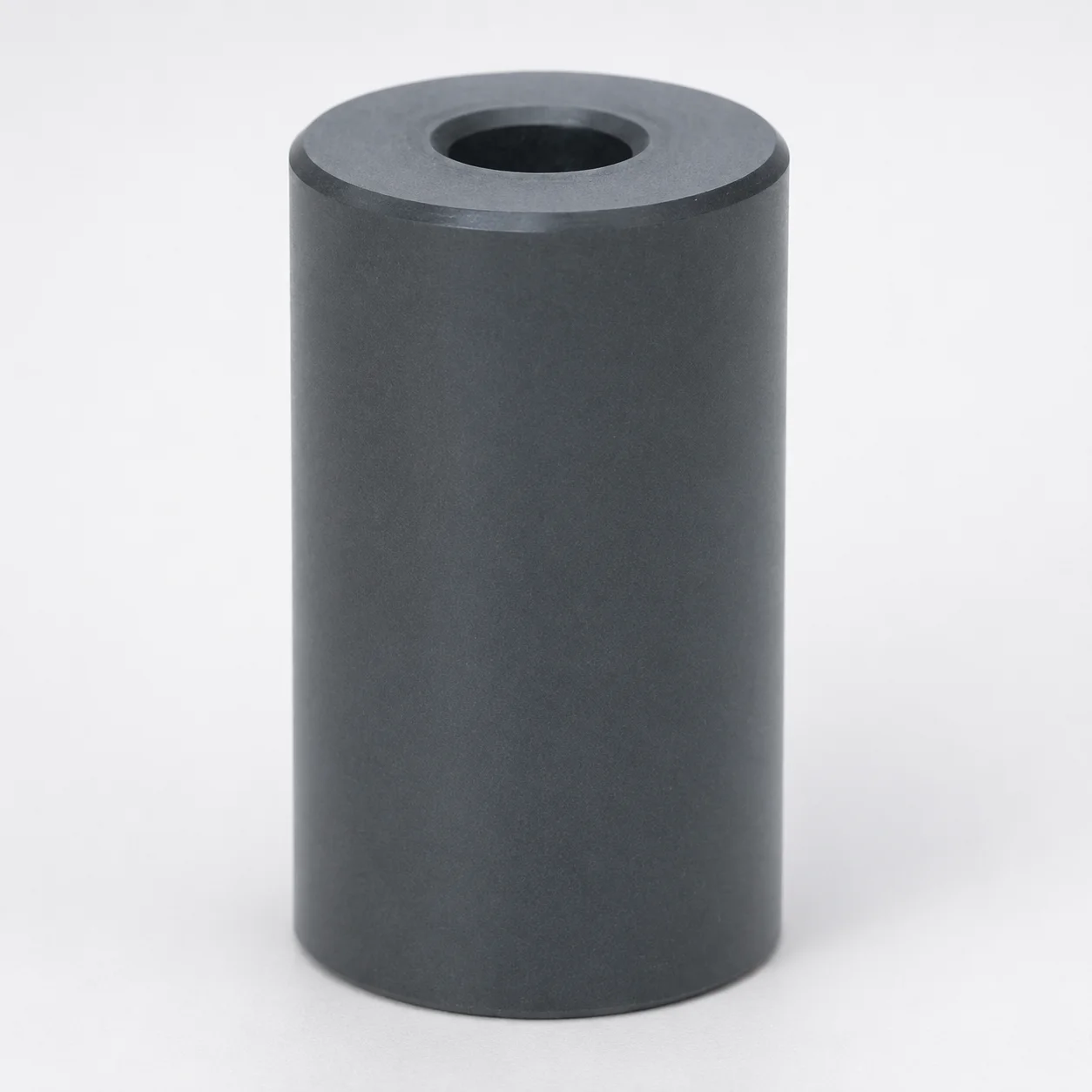
Support Pillars Counterbore Through Bolt Hole (HN)
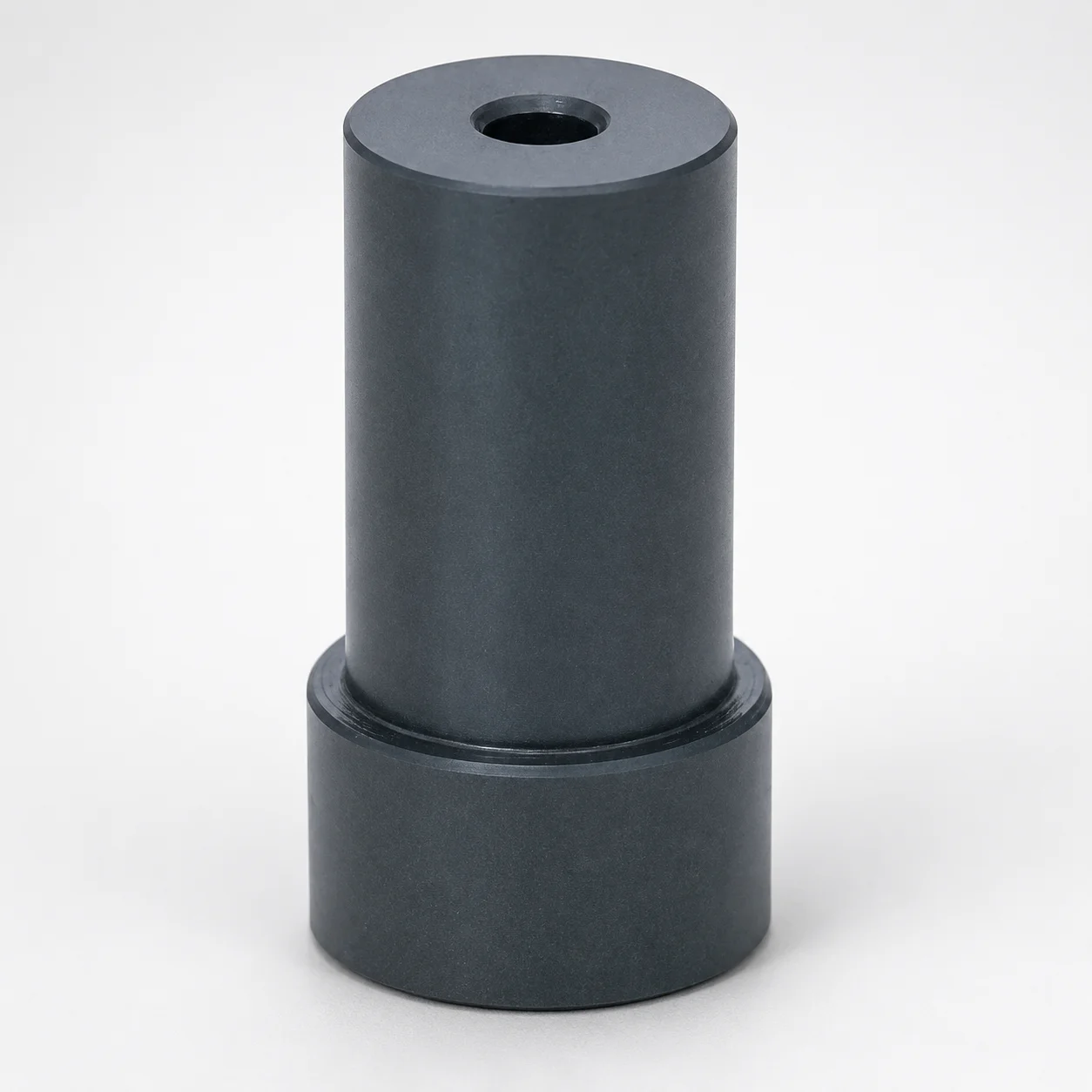
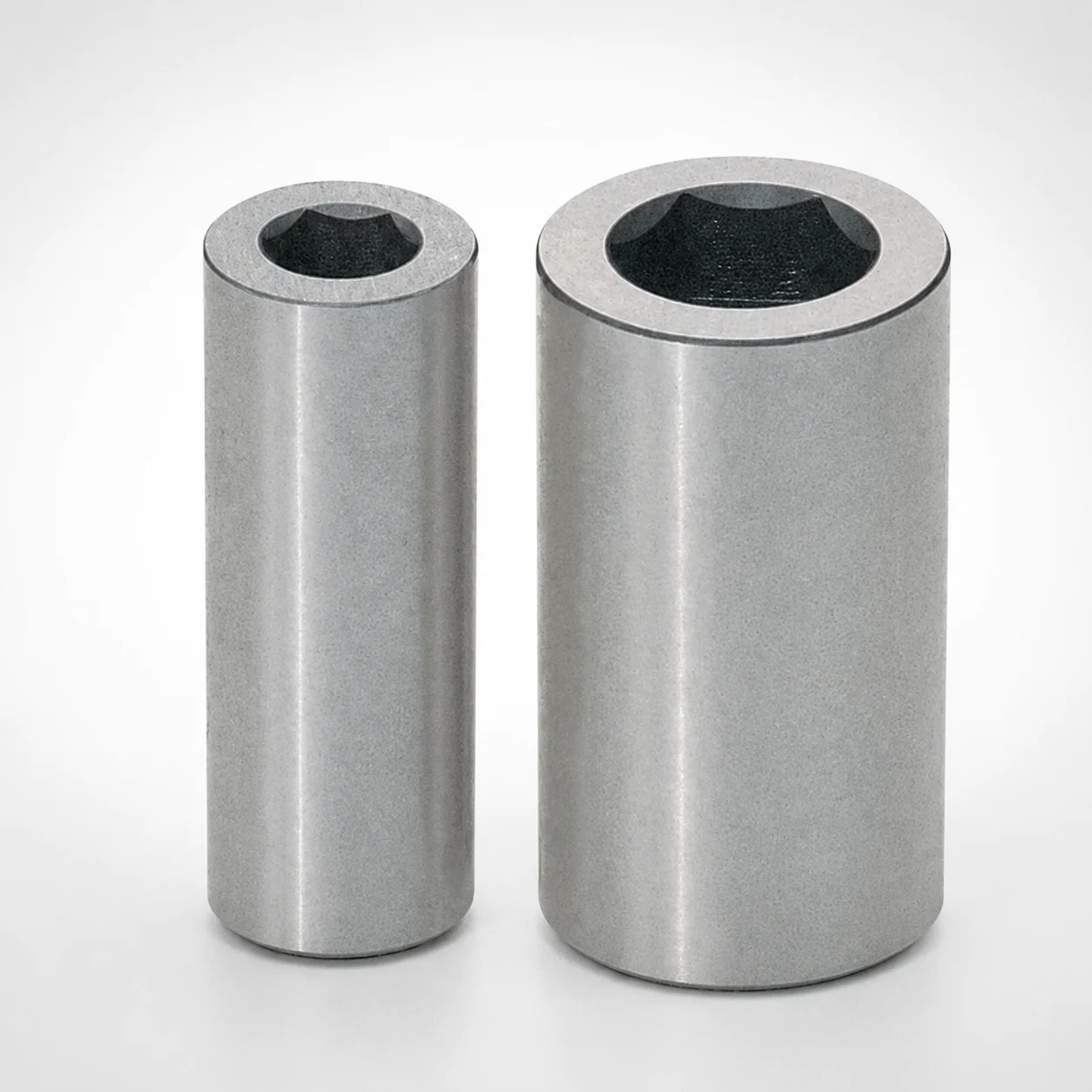
Support Pillars Counterbore Through Bolt Hole (HN) deliver rigid positioning for industrial assemblies by integrating a through bolt hole without counterbore type HN. Their counterbore design supports reliable mounting and consistent alignment during machine setup and operation.
- Counterbore support enables flexible mounting while maintaining stable alignment under load
- Built for durability with robust structural integrity for manufacturing environments
- Configurable lengths support efficient assembly planning and quick installation
- Ideal for jigs, fixtures, and support assemblies requiring repeatable, accurate positioning
Specifications
48 configurations available
| D (Shaft diameter) (mm) | L (L dimension) (mm) | Type | H (Counterbore depth) (mm) | LC (L dimension alteration) (mm) | M (Applicable bolt size) (mm) | Makes a through bolt hole without counterbore (mm) | type |
|---|---|---|---|---|---|---|---|
| 16 | 20 ~ 100 | Free designation type | 6 ~ 50 | - | 5 ~ 6 | - | - |
| 16 | 20 ~ 100 | Free designation type | - | - | 5 ~ 6 | HN | - |
| 18 | 20 ~ 100 | Free designation type | 6 ~ 50 | - | 5 ~ 6 | - | - |
| 18 | 20 ~ 100 | Free designation type | - | - | 5 ~ 6 | HN | - |
| 20 | 20 ~ 150 | Free designation type | 6 ~ 50 | - | 5 ~ 8 | - | - |
| 20 | 20 ~ 150 | Free designation type | - | - | 5 ~ 8 | HN | - |
| 25 | 20 ~ 150 | Free designation type | 6 ~ 50 | - | 6 ~ 10 | - | - |
| 25 | 20 ~ 150 | Free designation type | - | - | 6 ~ 10 | HN | - |
| 30 | 20 ~ 150 | Free designation type | 6 ~ 50 | - | 6 ~ 12 | - | - |
| 30 | 20 ~ 150 | Free designation type | - | - | 6 ~ 12 | HN | - |
| 32 | 20 ~ 150 | Free designation type | 6 ~ 50 | - | 8 ~ 12 | - | - |
| 32 | 20 ~ 150 | Free designation type | - | - | 8 ~ 12 | HN | - |
| 35 | 20 ~ 150 | Free designation type | 6 ~ 50 | - | 8 ~ 12 | - | - |
| 35 | 20 ~ 150 | Free designation type | - | - | 8 ~ 12 | HN | - |
| 38 | 30 ~ 200 | Free designation type | 6 ~ 50 | - | 10 ~ 16 | - | - |
| 38 | 30 ~ 200 | Free designation type | - | - | 10 ~ 16 | HN | - |
| 40 | 30 ~ 200 | Free designation type | 6 ~ 50 | - | 10 ~ 16 | - | - |
| 40 | 30 ~ 200 | Free designation type | - | - | 10 ~ 16 | HN | - |
| 50 | 30 ~ 200 | Free designation type | 6 ~ 50 | - | 12 ~ 20 | - | - |
| 50 | 30 ~ 200 | Free designation type | - | - | 12 ~ 20 | HN | - |
| 60 | 30 ~ 200 | Free designation type | 6 ~ 50 | - | 12 ~ 20 | - | - |
| 60 | 30 ~ 200 | Free designation type | - | - | 12 ~ 20 | HN | - |
| 80 | 30 ~ 200 | Free designation type | 6 ~ 50 | - | 16 ~ 20 | - | - |
| 80 | 30 ~ 200 | Free designation type | - | - | 16 ~ 20 | HN | - |
| 100 | 40 ~ 200 | Free designation type | 6 ~ 50 | - | 16 ~ 20 | - | - |
| 100 | 40 ~ 200 | Free designation type | - | - | 16 ~ 20 | HN | - |
| 120 | 40 ~ 200 | Free designation type | 6 ~ 50 | - | 16 ~ 20 | - | - |
| 120 | 40 ~ 200 | Free designation type | - | - | 16 ~ 20 | HN | - |
| 16 | 20 ~ 100 | Standard type | - | - | - | - | - |
| 16 | - | Standard type | - | 20 ~ 99 | - | - | - |
| 18 | 20 ~ 100 | Standard type | - | - | - | - | - |
| 18 | - | Standard type | - | 20 ~ 99 | - | - | - |
| 20 | 40 ~ 150 | Standard type | - | - | - | - | - |
| 20 | - | Standard type | - | 40 ~ 149 | - | - | - |
| 25 | 40 ~ 150 | Standard type | - | - | - | - | - |
| 25 | - | Standard type | - | 40 ~ 149 | - | - | - |
| 30 | 40 ~ 150 | Standard type | - | - | - | - | - |
| 30 | - | Standard type | - | 40 ~ 149 | - | - | - |
| 35 | 40 ~ 150 | Standard type | - | - | - | - | - |
| 35 | - | Standard type | - | 40 ~ 149 | - | - | - |
| 40 | 40 ~ 250 | Standard type | - | - | - | - | - |
| 40 | - | Standard type | - | 40 ~ 249 | - | - | - |
| 50 | 40 ~ 300 | Standard type | - | - | - | - | - |
| 50 | - | Standard type | - | 40 ~ 299 | - | - | - |
| 60 | 40 ~ 350 | Standard type | - | - | - | - | - |
| 60 | - | Standard type | - | 40 ~ 349 | - | - | - |
| 80 | 40 ~ 350 | Standard type | - | - | - | - | - |
| 80 | - | Standard type | - | 40 ~ 349 | - | - | - |
Product Guide
Application Scenarios+
These support pillars are used in injection mold tooling whenever rigid, repeatable positioning is required around a through-bolt fastener. In leader-ejector space designs, they help maintain stack-up accuracy by providing stable anchoring during press start/stop and repeated machine cycles.
Common scenarios include automotive connector and relay housing molds, where alignment between plate sets and guide interfaces must resist vibration and assembly-induced variation. The through bolt hole (HN) is suitable because it enables consistent clamping force without a separate counterbore interface.
They’re also well matched for medical device housings and fine-feature molds that rely on tight positional control for ejector/leader-related assemblies. Multiple configurable lengths (L and LC ranges) allow the pillar to match the mold’s mounting geometry while keeping the bolt path straight for reliable assembly.
- Best for jigs, fixtures, and support assemblies requiring repeatable alignment
- Through-bolt retention improves structural stability during operation
Material & Process Details+
The provided product data does not specify a steel grade, heat-treatment state, hardness (HRC), or coating. As a result, material-property claims (e.g., wear resistance vs. toughness trade-offs) cannot be stated from the current specification set.
For engineering selection, confirm the supplier’s material grade and heat treatment for the actual part you will receive. If your application involves high wear from bolt interfaces or frequent disassembly, request details on any surface hardening (such as nitriding), quench-and-temper targets, and specified HRC.
- Check whether the part is pre-hardened or quenched & tempered before use
- Verify any bolt-hole surface treatment that affects galling and wear
- Compare alternative grades only when the datasheet lists hardness and treatment parameters
Frequently Asked Questions
What does the HN configuration mean for bolt design in a mold assembly?+
HN indicates a through bolt hole without counterbore. This means the clamping interface relies on the through-bolt geometry rather than a counterbore step. Verify your bolt, washer, and plate thickness stack-up against the pillar’s M (5 ~ 16 mm) bolt size compatibility.
How do I choose D and L so the pillar fits correctly in leader-ejector space?+
Select D (16 ~ 120 mm) to satisfy the available envelope around the leader-ejector area. Then set the mounting height using L (20 ~ 40 mm) to match your plate spacing and functional clearance.
If your design requires different spacing outcomes, use the relevant LC range to align with the assembly’s geometry.
What are the correct ways to interpret H and LC when planning mold stack-up?+
H is fixed as counterbore depth (6 ~ 50 mm) for the selected part configuration, even though the through bolt hole is HN (no counterbore for the bolt interface). LC (multiple ranges such as 20 ~ 99, 40 ~ 149, 40 ~ 249, 40 ~ 299, 40 ~ 349 mm) is used to represent the altered length dimension for your specific assembly layout.
Is this support pillar available in both free-design and standard types, and how should that affect selection?+
The specification lists Type: Free designation type and Standard type. If you have strict internal constraints or need a specific fit to existing mold plates, free designation can reduce redesign. For repeatable production builds, standard type may simplify referencing and compatibility with established hardware.
Which parameter controls the bolt size compatibility for this through-bolt pillar?+
Bolt size compatibility is controlled by M (applicable bolt size 5 ~ 16 mm). Match M to the through-bolt you intend to use so that clamping load is transferred without misalignment. Because HN has no counterbore, confirm head/washer clearance based on your mold plate stack-up and the selected L/LC dimensions.
Related Products
Need Custom Specifications?
Our engineering team can help with custom configurations, material selection, and volume pricing.