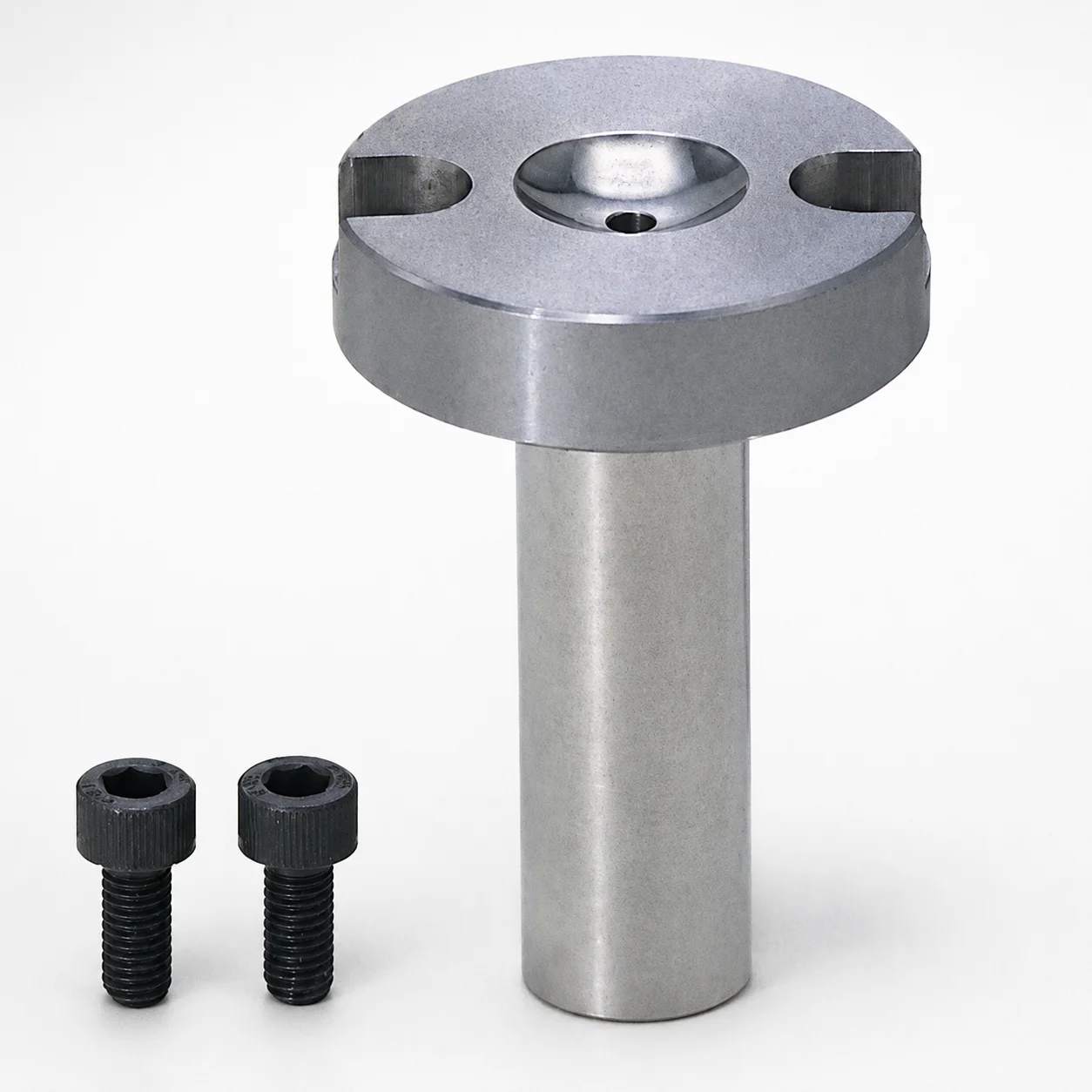
Sprue Bushings - Bolt Fixing Flange Thickness 10 mm
Sprue Bushings - Bolt Fixing Flange Thickness 10 mm are designed for stable sprue port mounting with straight tip matching. The bolt-fixing structure helps secure the bushing during mold assembly and production.
- Flange-mounted bolt fixing for rigid installation in mold components
- Straight tip matching supports consistent nozzle/sprue engagement
- Supports optional nozzle touch specifications for improved sprue formation control
- Built for sprue port P3.5 layouts, including string eliminator compatibility
Specifications
84 configurations available
| Material | Nozzle Touch Part Specification | D (Shaft Diameter) (mm) | L (Bearing bore length) (mm) | A (Taper angle at sprue) (°) | type |
|---|---|---|---|---|---|
| SKD61 | Normal | 10 | 30 | 2 | - |
| SKD61 | Normal | 10 | 30 | 3 | - |
| SKD61 | Normal | 10 | 50 | 2 | - |
| SKD61 | Normal | 10 | 50 | 3 | - |
| SKD61 | Normal | 10 | 30 ~ 80 | 2 ~ 3 | - |
| SKD61 | Normal | 10 | - | 2 ~ 3 | - |
| SKD61 | Normal | 13 | 30 | 2 | - |
| SKD61 | Normal | 13 | 30 | 3 | - |
| SKD61 | Normal | 13 | 50 | 2 | - |
| SKD61 | Normal | 13 | 50 | 3 | - |
| SKD61 | Normal | 13 | 30 ~ 80 | 2 ~ 3 | - |
| SKD61 | Normal | 13 | - | 2 ~ 3 | - |
| SKD61 | Normal | 16 | 30 | 2 | - |
| SKD61 | Normal | 16 | 30 | 3 | - |
| SKD61 | Normal | 16 | 50 | 2 | - |
| SKD61 | Normal | 16 | 50 | 3 | - |
| SKD61 | Normal | 16 | 30 ~ 80 | 2 ~ 3 | - |
| SKD61 | Normal | 16 | - | 2 ~ 3 | - |
| SKD61 | String eliminator | 10 | 30 | 2 | - |
| SKD61 | String eliminator | 10 | 30 | 3 | - |
| SKD61 | String eliminator | 10 | 50 | 2 | - |
| SKD61 | String eliminator | 10 | 50 | 3 | - |
| SKD61 | String eliminator | 10 | 30 ~ 80 | 2 ~ 3 | - |
| SKD61 | String eliminator | 10 | - | 2 ~ 3 | - |
| SKD61 | String eliminator | 13 | 30 | 2 | - |
| SKD61 | String eliminator | 13 | 30 | 3 | - |
| SKD61 | String eliminator | 13 | 50 | 2 | - |
| SKD61 | String eliminator | 13 | 50 | 3 | - |
| SKD61 | String eliminator | 13 | 30 ~ 80 | 2 ~ 3 | - |
| SKD61 | String eliminator | 13 | - | 2 ~ 3 | - |
| SKD61 | String eliminator | 16 | 30 | 2 | - |
| SKD61 | String eliminator | 16 | 30 | 3 | - |
| SKD61 | String eliminator | 16 | 50 | 2 | - |
| SKD61 | String eliminator | 16 | 50 | 3 | - |
| SKD61 | String eliminator | 16 | 30 ~ 80 | 2 ~ 3 | - |
| SKD61 | String eliminator | 16 | - | 2 ~ 3 | - |
| HPM1 Equivalent | Normal | 10 | 30 ~ 80 | 2 ~ 3 | - |
| HPM1 Equivalent | Normal | 10 | - | 2 ~ 3 | - |
| HPM1 Equivalent | Normal | 13 | 30 | 2 | - |
| HPM1 Equivalent | Normal | 13 | 30 | 3 | - |
| HPM1 Equivalent | Normal | 13 | 50 | 2 | - |
| HPM1 Equivalent | Normal | 13 | 50 | 3 | - |
| HPM1 Equivalent | Normal | 13 | 30 ~ 80 | 2 ~ 3 | - |
| HPM1 Equivalent | Normal | 13 | - | 2 ~ 3 | - |
| HPM1 Equivalent | Normal | 16 | 30 | 2 | - |
| HPM1 Equivalent | Normal | 16 | 30 | 3 | - |
| HPM1 Equivalent | Normal | 16 | 50 | 2 | - |
| HPM1 Equivalent | Normal | 16 | 50 | 3 | - |
| HPM1 Equivalent | Normal | 16 | 30 ~ 80 | 2 ~ 3 | - |
| HPM1 Equivalent | Normal | 16 | - | 2 ~ 3 | - |
Product Guide
Application Scenarios+
This bolt-fixing sprue bushing is used in injection molds that require a stable sprue port interface, especially where a controlled sprue entry is needed at sprue port P3.5 layouts. Its 10 mm flange thickness and bolt-mounting style help maintain positional rigidity during clamping cycles, reducing the risk of sprue misalignment.
Common scenarios include:
- Automotive and general industrial parts: use straight tip matching to ensure consistent nozzle/sprue engagement, supporting repeatable melt feeding across production runs.
- Molds with string eliminator requirements: select the nozzle touch part specification as string eliminator to improve sprue formation control and help manage stringing tendencies.
- Multi-cavity assemblies: the rigid bolt fixing supports reliable installation in hot runner/cold runner transitions where serviceability and repeat alignment matter.
With shaft diameters of 10, 13, or 16 mm and selectable bearing bore length, this variant can be matched to tooling geometry while preserving secure mounting performance.
Material & Process Details+
This sprue bushing is available in SKD61, HPM1 (equivalent), or DC53, all commonly selected for die/mold steel applications requiring a balance of wear resistance and toughness at elevated temperatures.
- SKD61: typically associated with AISI H13 class performance, offering strong hot-work capability and good toughness for long-cycle molding.
- HPM1: positioned as an equivalent to SKD61-type performance in many tooling specs, chosen when consistent machining and thermal stability are required.
- DC53: generally selected for good wear resistance with a trade-off toward slightly lower toughness than H13-class steels in some conditions.
Across these options, a common practice is quench and temper to reach the target hardness (often in the ~HRC range used for hot-work components), improving resistance to abrasion at the sprue interface. The final hardness/toughness balance depends on the selected heat treatment and desired lifetime under thermal cycling.
Sizing & Selection Guide+
To select the correct sprue bushing, match the interface geometry to your sprue port and nozzle engagement design. This series provides D (shaft diameter) = 10, 13, or 16 mm and bearing bore length L = 30, 50, or 30–80 mm, so dimensioning should begin with the sprue-to-nozzle fit requirements of your mold.
- Choose D: select 10/13/16 mm based on the mating sprue bore and nozzle tip size so the straight tip matching maintains consistent engagement.
- Choose L: set the bearing bore length to suit the depth needed in the mold component while ensuring the bolt-fixed flange area remains accessible for assembly.
- Match taper angle A: use 2° or 3° or 2–3° versions based on your sprue formation control requirement and nozzle touch design.
For nozzle interface, align the nozzle touch part specification (Normal vs String eliminator) with the intended sprue control strategy. If your assembly tolerances are tight, confirm that the chosen D and L dimensions align with your machining allowances for proper seating and repeatability under clamp force.
Frequently Asked Questions
Which material option (SKD61, HPM1, or DC53) is best suited for high-cycle sprue port P3.5 molding?+
For hot-work die steel performance, SKD61 (H13 class) is commonly selected because it provides a strong balance of toughness and wear resistance under thermal cycling. HPM1 is typically chosen as an equivalent approach when consistent performance and tooling compatibility are prioritized. DC53 may be selected when wear resistance at the interface is the primary concern, with careful consideration of the toughness trade-off after heat treatment.
How do I choose between the Normal vs String eliminator nozzle touch specifications?+
Use the Normal nozzle touch part specification when your goal is standard nozzle-to-sprue engagement with straightforward melt feeding. Choose String eliminator when your process requires improved control over stringing and sprue formation at the interface. The correct selection ensures the sprue port P3.5 engagement matches your intended sprue control design.
What shaft diameter D should I select for correct straight tip matching?+
Select D (shaft diameter) = 10, 13, or 16 mm based on the mating nozzle tip and sprue bushing seat geometry in your mold. The series is designed for straight tip matching, so the D size must align with the nozzle/sprue engagement envelope to maintain consistent positioning. Confirm that your sprue bore dimensions and machining allowances correspond to the chosen D.
How should bearing bore length L be determined for proper installation with the 10 mm bolt-fixing flange?+
Choose L = 30, 50, or 30–80 mm to match the required bearing depth in your mold component. The flange thickness of 10 mm supports secure bolt mounting, but the bearing bore length should still provide correct internal fit without interfering with adjacent structure. Review the available pocket depth and the clamp-side clearance for assembly.
What taper angle A is appropriate when designing sprue formation at the interface?+
This series offers A = 2°, 3°, or 2–3°. Match the taper angle to your sprue formation and flow characteristics by aligning it with the geometry of the nozzle touch and sprue port design. If your assembly spec allows variation, the 2–3° option can be used where the interface tolerance window is broader.
Related Products
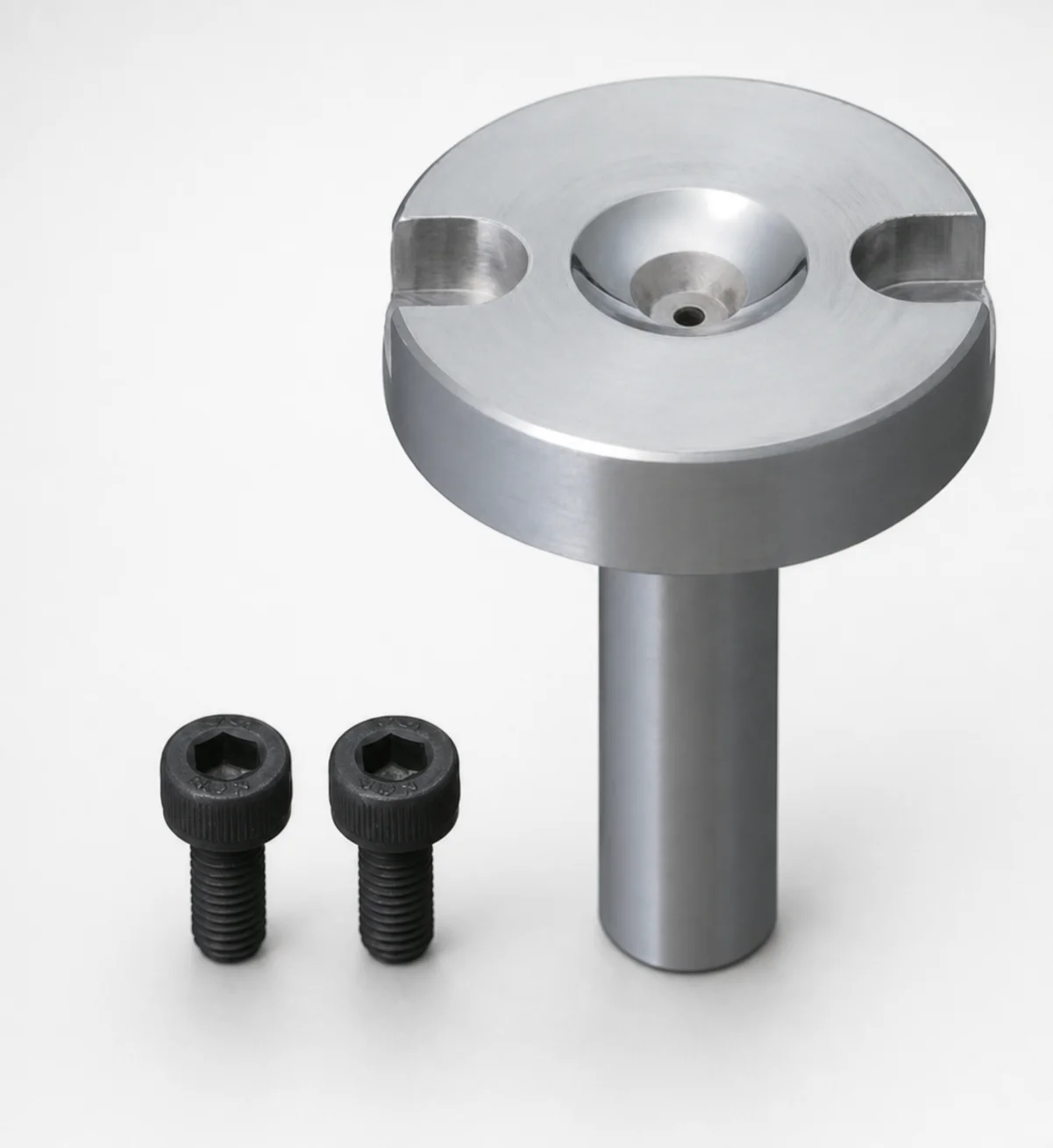
Bolt Fixing Sprue Bushings - Flange Thickness 10 mm
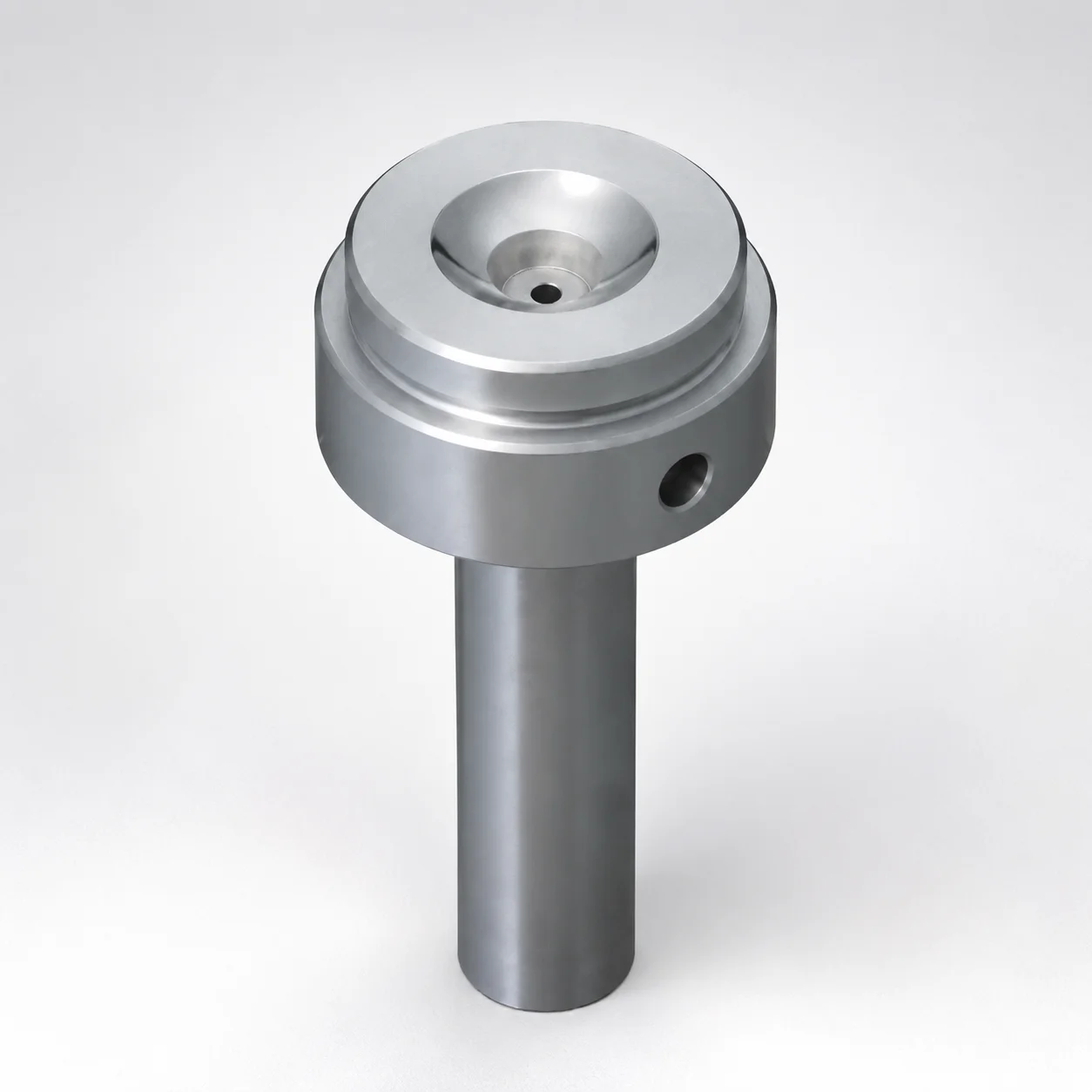
Sprue Bushings Shoulder Type - Flange Thickness 15 mm
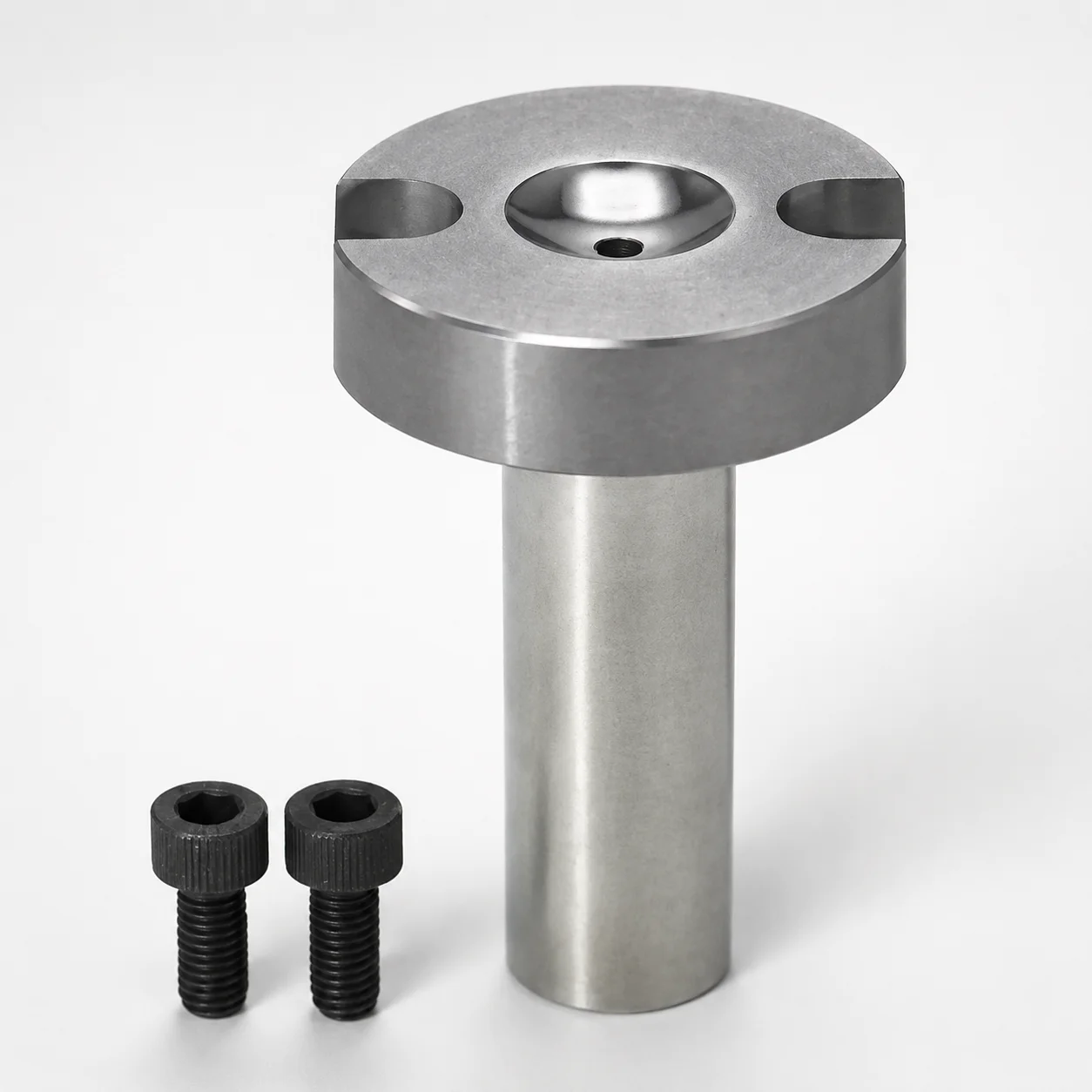
Sprue Bushings - Bolt Fixing, Flange Thickness 10 mm
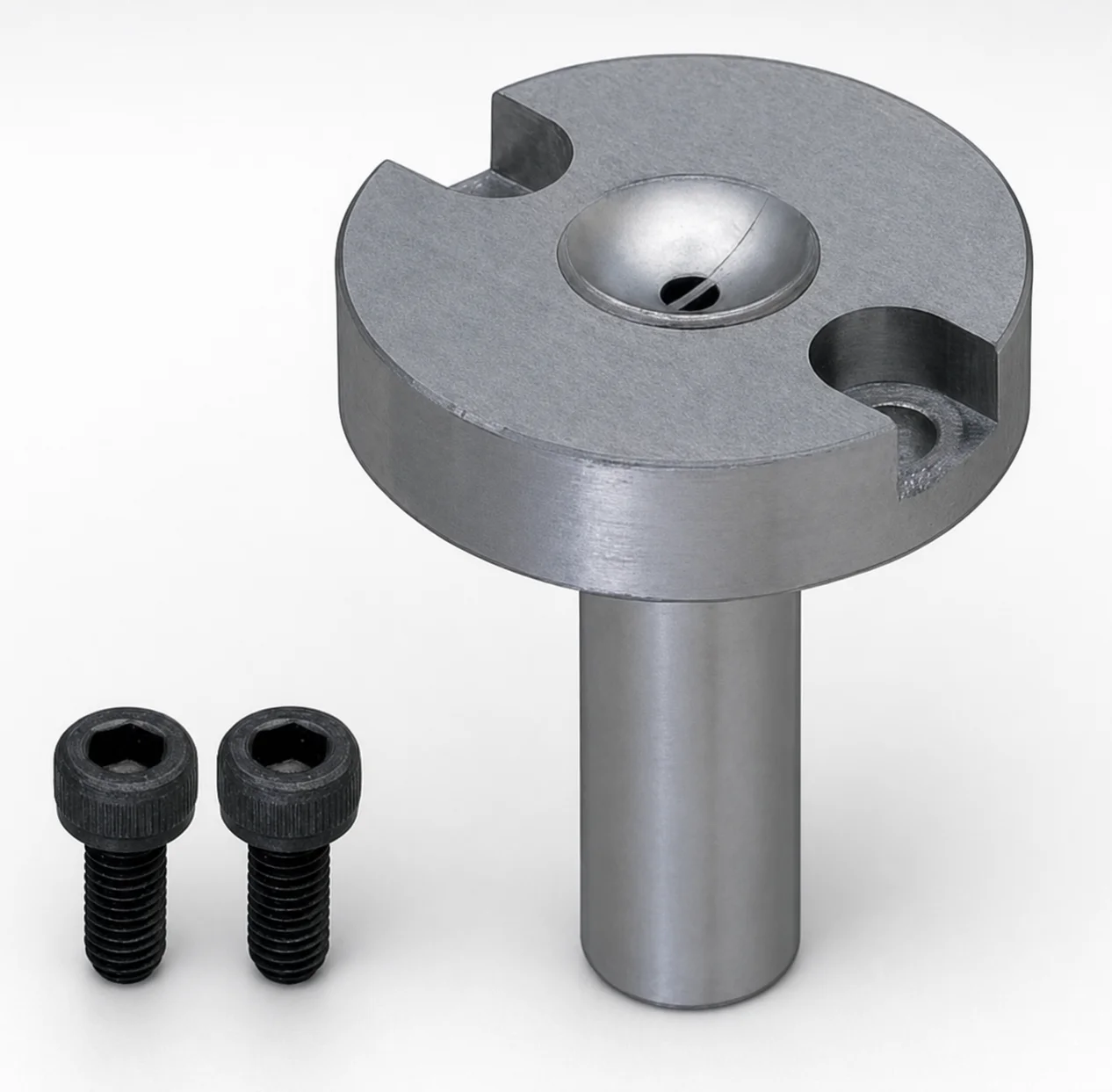
JIS Standard Steel Sprue Bushings - Bolt Fixing String Eliminator (Flange 10 mm)
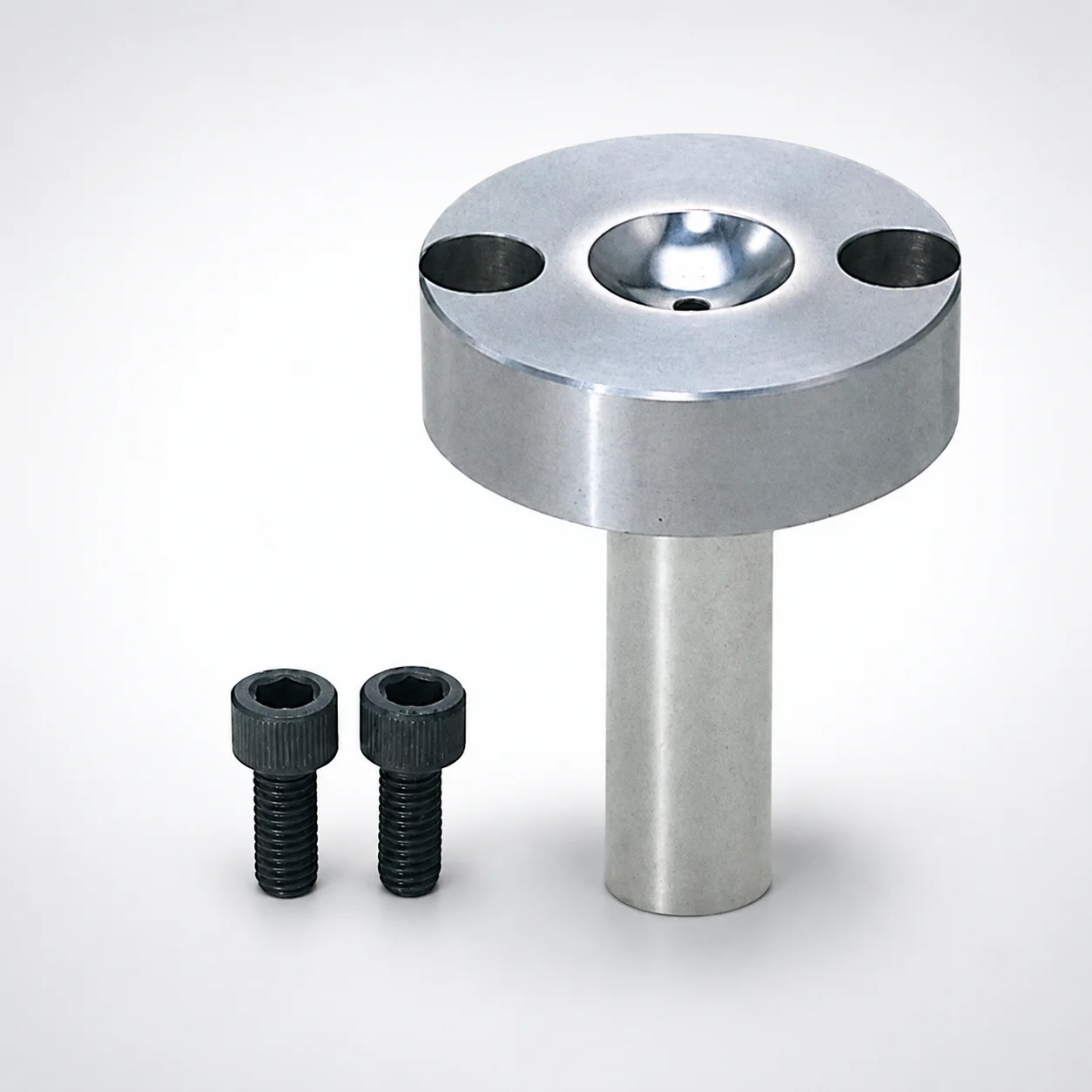
Sprue Bushings - Bolt Fixing Flange Thickness 15 mm
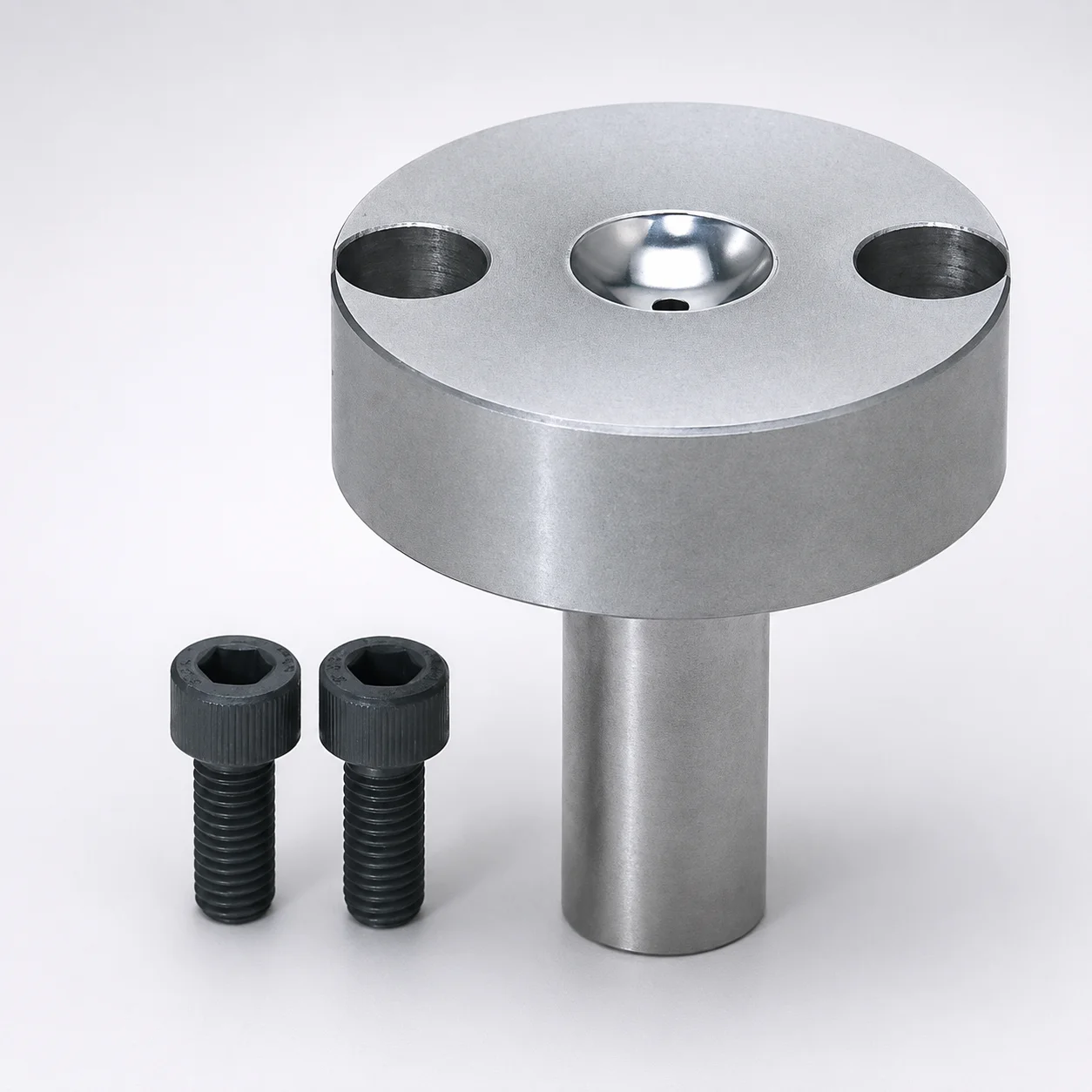
Sprue Bushings - Bolt Fixing, Flange Thickness 20 mm
Need Custom Specifications?
Our engineering team can help with custom configurations, material selection, and volume pricing.