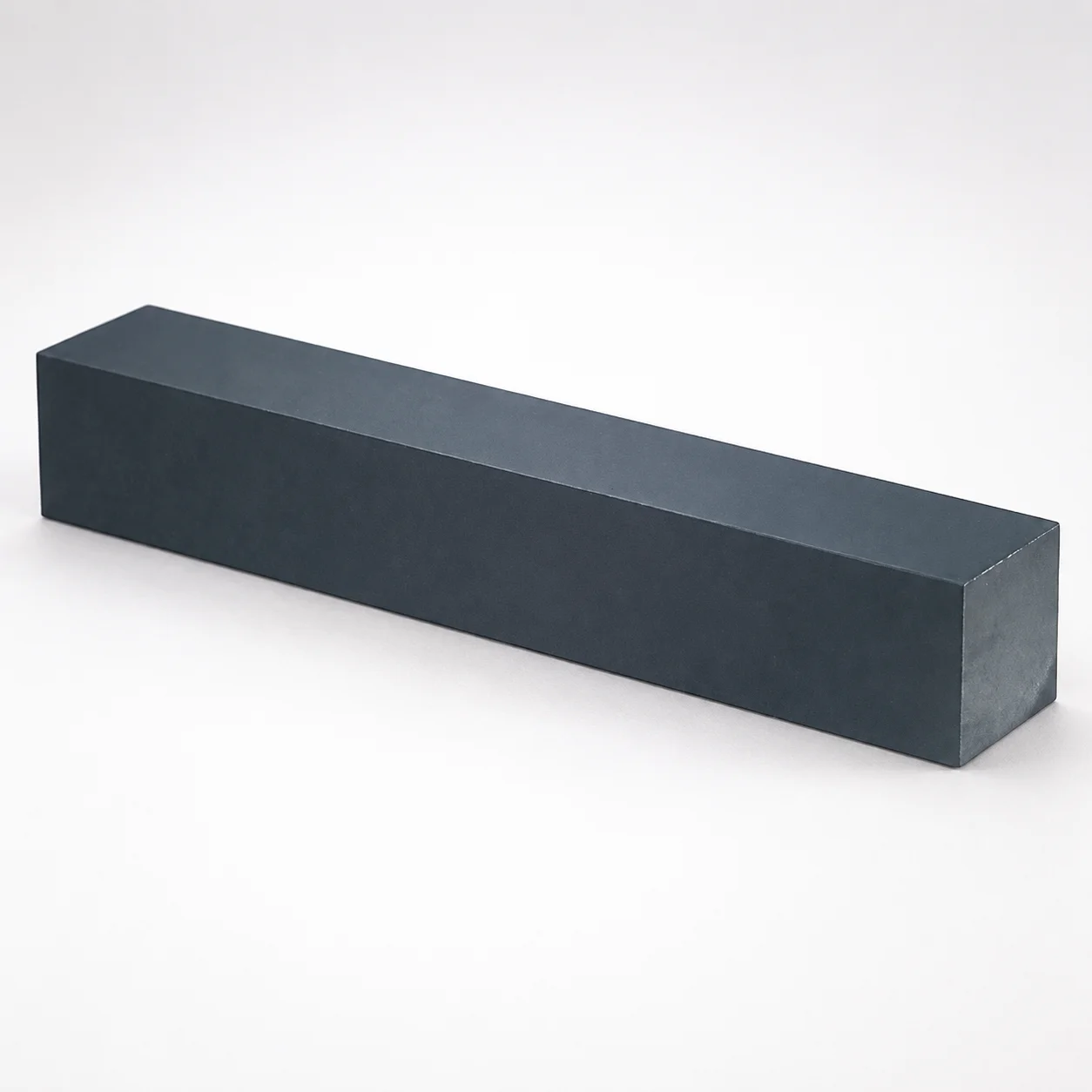
UD Type Shore A90 Urethane Pad Die Blocks
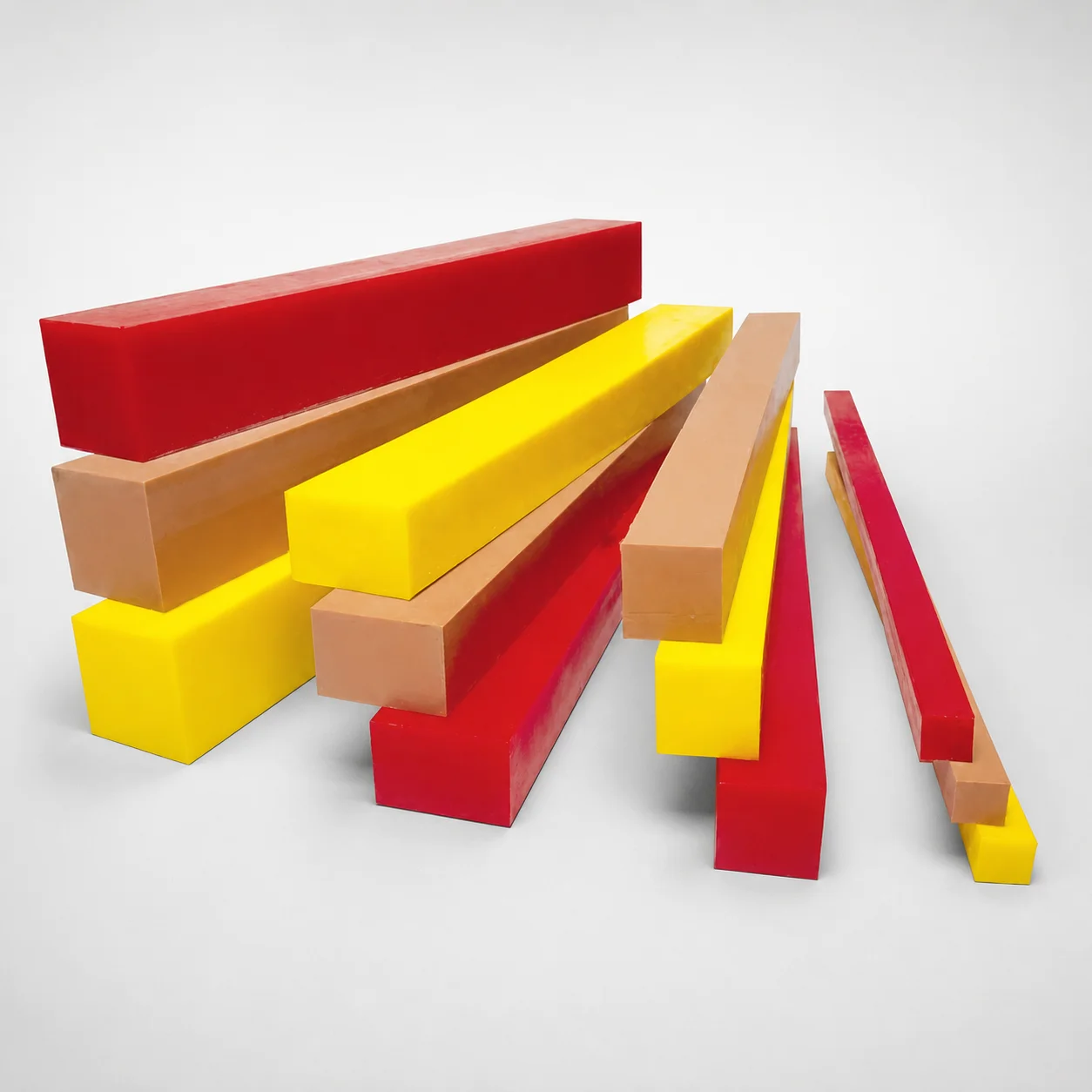
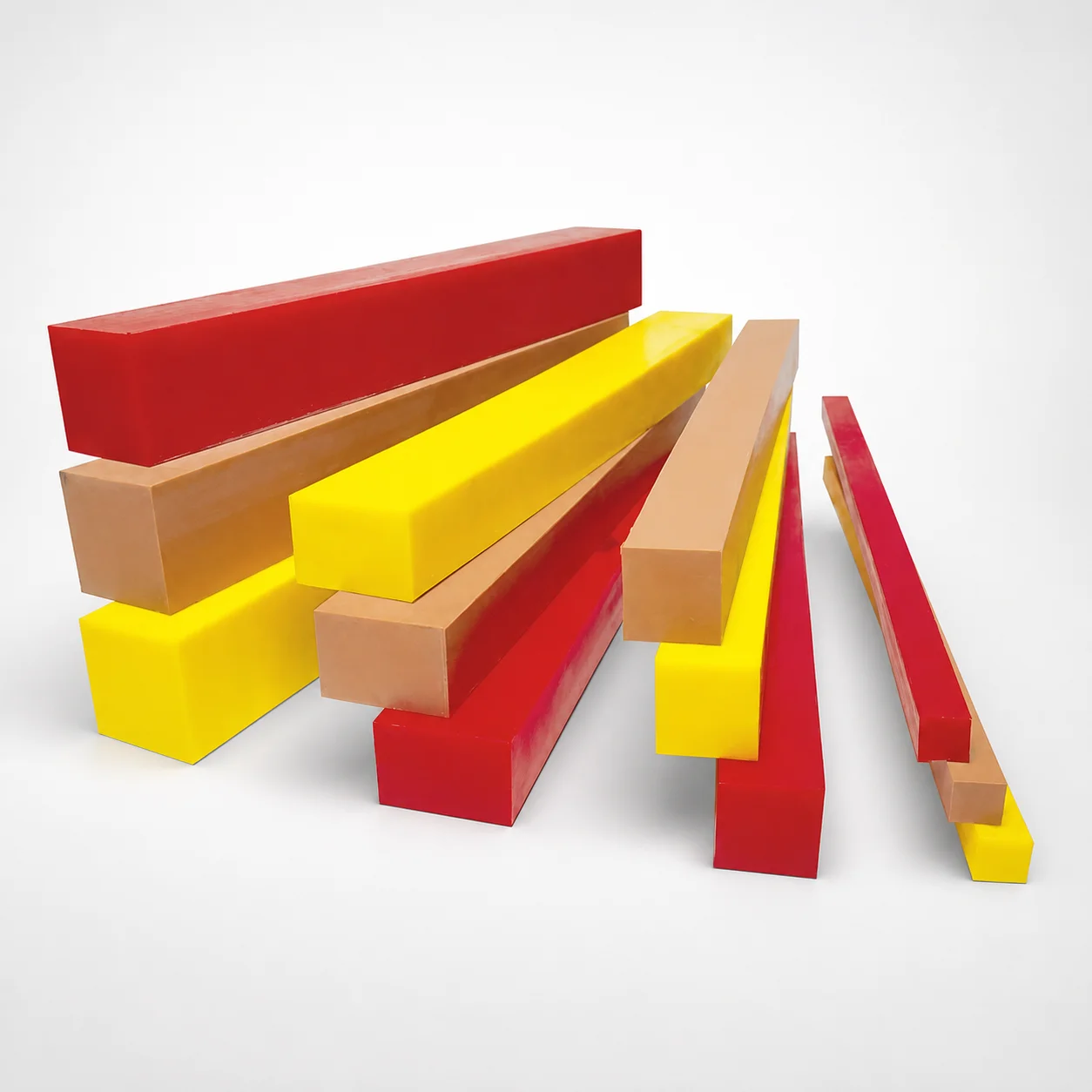
UD Type Shore A90 urethane pad die blocks are designed for heavy-load die support and stable contact in molding and forming operations. The pad shape from UD type urethanes helps deliver consistent positioning where compliance is required.
- Pad shape for reliable die contact in heavy-load use
- Shore A90 urethane formulation for load-bearing performance
- UD type construction supports consistent block-to-die alignment
- Commonly used in urethane die blocks and press die support applications
Specifications
18 configurations available
| Length (L) (mm) | A (Width) (mm) | B (Width) (mm) | type |
|---|---|---|---|
| 50 | 25 | 25 | - |
| 100 | 25 | 25 | - |
| 1000 | 25 | 25 | - |
| 300 | 25 | 25 | - |
| 500 | 25 | 25 | - |
| 800 | 25 | 25 | - |
| 50 | 50 | 50 | - |
| 100 | 50 | 50 | - |
| 1000 | 50 | 50 | - |
| 300 | 50 | 50 | - |
| 500 | 50 | 50 | - |
| 800 | 50 | 50 | - |
| 50 | 75 | 50 | - |
| 100 | 75 | 50 | - |
| 1000 | 75 | 50 | - |
| 300 | 75 | 50 | - |
| 500 | 75 | 50 | - |
| 800 | 75 | 50 | - |
Product Guide
Application Scenarios+
In injection molding and press forming tooling, this urethane pad die block is used as a compliant support element between the die tooling and the stationary backing. Its UD-type construction helps maintain stable block-to-die alignment while still allowing controlled deflection under load—useful when uniform contact and repeatable positioning are critical.
- Heavy-load forming support: Suitable for die stations where forming forces are high and the pad must preserve consistent die contact to reduce variation in part geometry.
- Urethane die block stackups: The Shore A90 formulation provides load-bearing performance for pad-shaped applications that require compliance without excessive softness.
- Press die alignment support: The UD type design is intended to support predictable placement of die components, helping improve repeatability during long production runs.
Choose this variant when you need a balance of stiffness and compliance for stable contact under heavy loads.
Material & Process Details+
This product uses a UD-type urethane formulation with a specified Shore A90 rating, indicating a relatively firm elastomer suited for load-bearing pad applications. Urethanes in this hardness range typically provide good wear resistance for sliding/static die contact while maintaining toughness—though, compared with softer pads, they may deflect less under the same load.
From a manufacturing perspective, urethane die blocks are commonly produced by casting or compression molding to final pad geometry, then machining or finishing to achieve the required faces and mounting surfaces. For elastomer components, heat treatment is generally limited compared with steels; performance is primarily established through polymer formulation and post-cure/conditioning rather than quenching and tempering.
- Hardness trade-off: Shore A90 balances compliance and stiffness for stable contact.
- Wear vs. deflection: Higher hardness improves load support but reduces allowable deformation.
If different hardness grades are available for the same UD geometry, engineers typically select Shore A90 to prioritize dimensional stability under heavy loads.
Sizing & Selection Guide+
Select the urethane pad block dimensions to match the die support footprint and the required compliance zone. The catalog options specify Length (L) of 50, 100, 1000, 300, 500, or 800 mm, Width (A) of 25, 50, or 75 mm, and Width (B) of 25 or 50 mm.
- Match cavity/core contact area: Choose L to span the support length needed for uniform contact, and select A and B to cover the die-contact region without overhanging into areas that require rigid support.
- Plan for controlled compliance: Shore A90 will deflect less than softer urethanes; ensure the pad size supports the load path to achieve consistent positioning.
- Fit and tolerance considerations: Verify clearance in the die pocket and alignment features so the pad seats squarely; the UD type helps maintain block-to-die alignment, but final fit still depends on the mating tooling surfaces.
When building modular die support systems, confirm whether L/A/B are fixed by the chosen part number or if your supplier offers custom sizing for the footprint.
Frequently Asked Questions
Which UD urethane pad block size should I use to achieve stable die contact under heavy forming forces?+
How does Shore A90 stiffness affect die positioning and part-to-part dimensional variation?+
Is the UD type construction intended for alignment in pad die stacks or for single-block support?+
What are the key dimensional parameters (L, A, B) I must verify against my die pocket geometry?+
How should I compare this Shore A90 UD pad block to other urethane hardness options for wear and deflection balance?+
Related Products
Need Custom Specifications?
Our engineering team can help with custom configurations, material selection, and volume pricing.