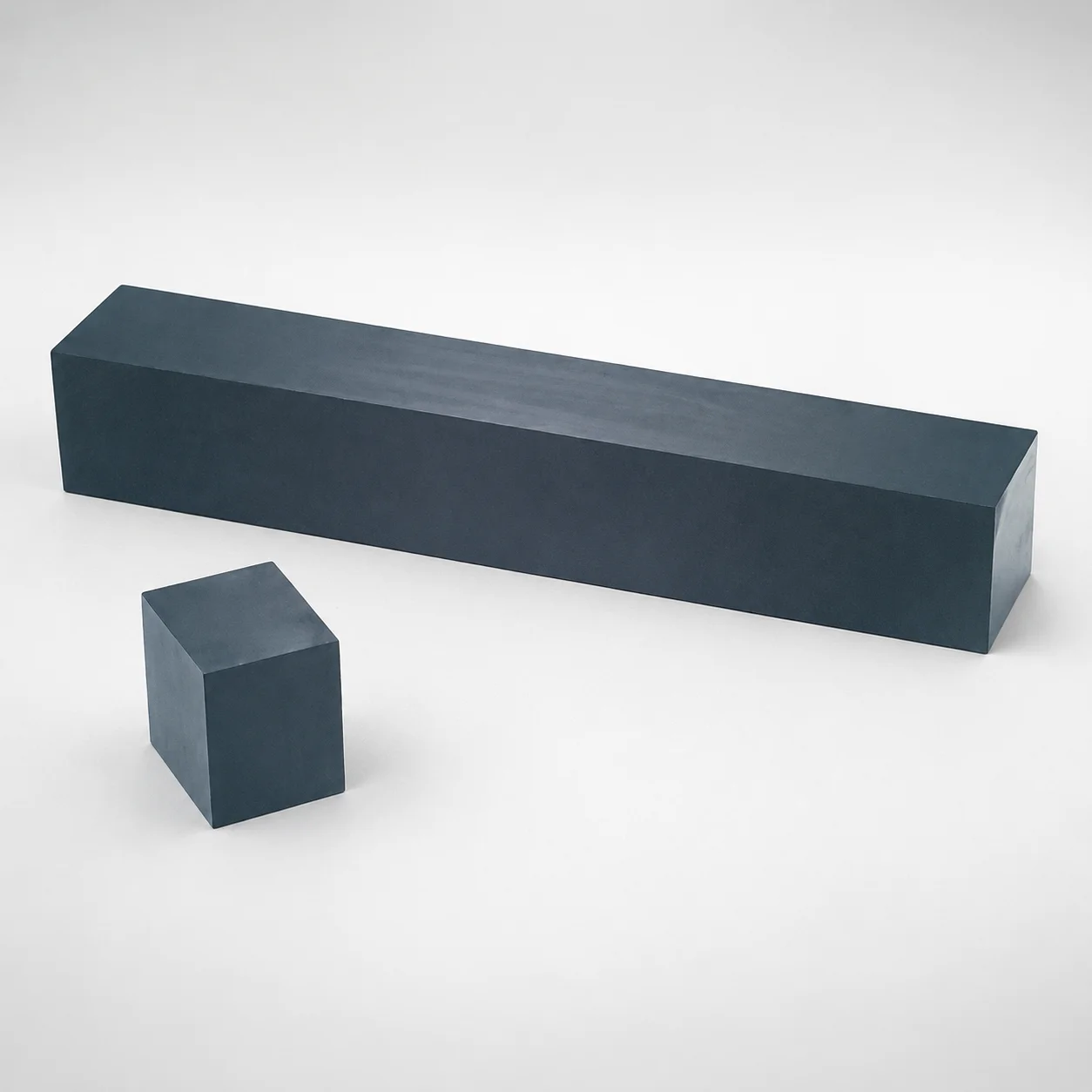
UDH Type Urethane Die Blocks (Shore A90) - Pad Shape
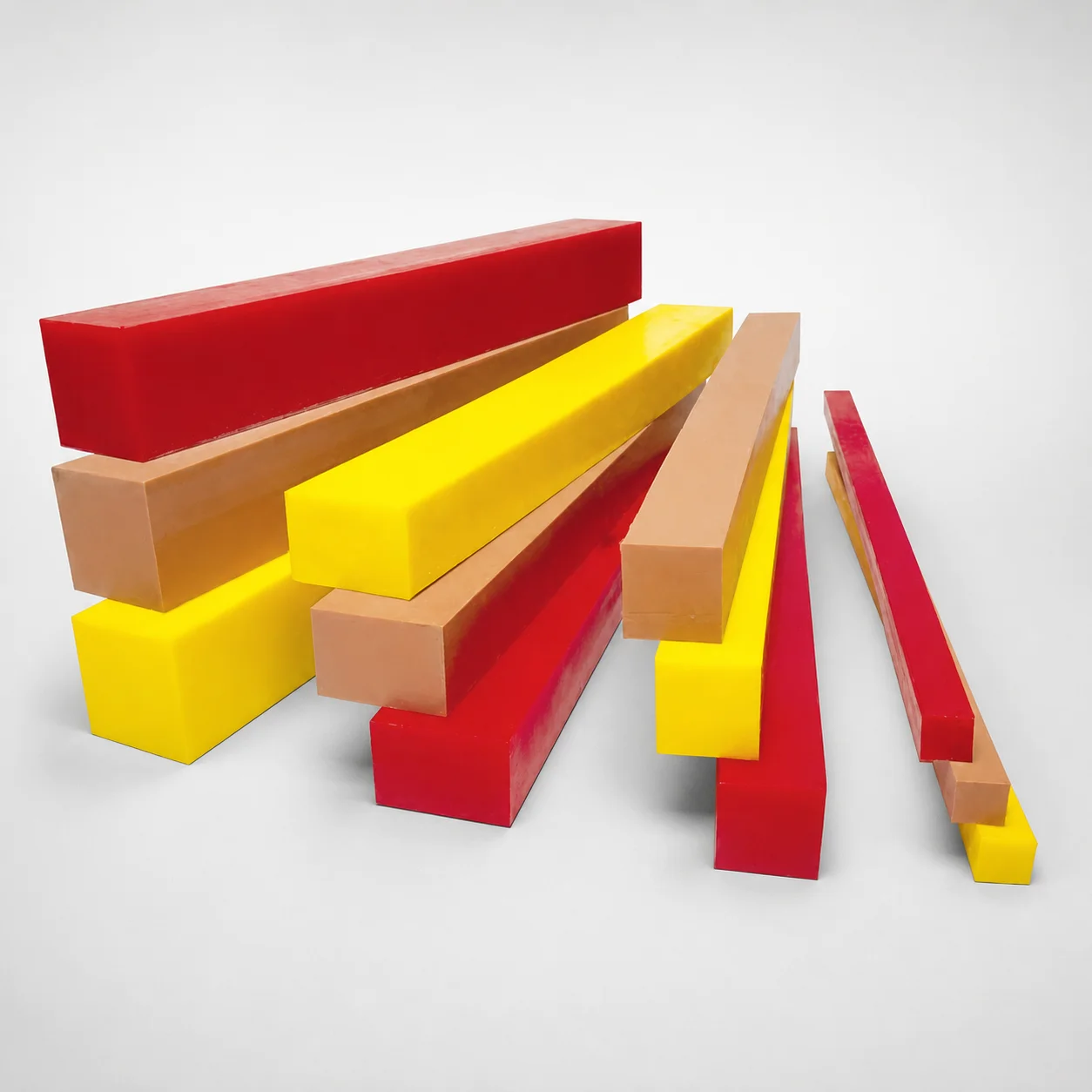
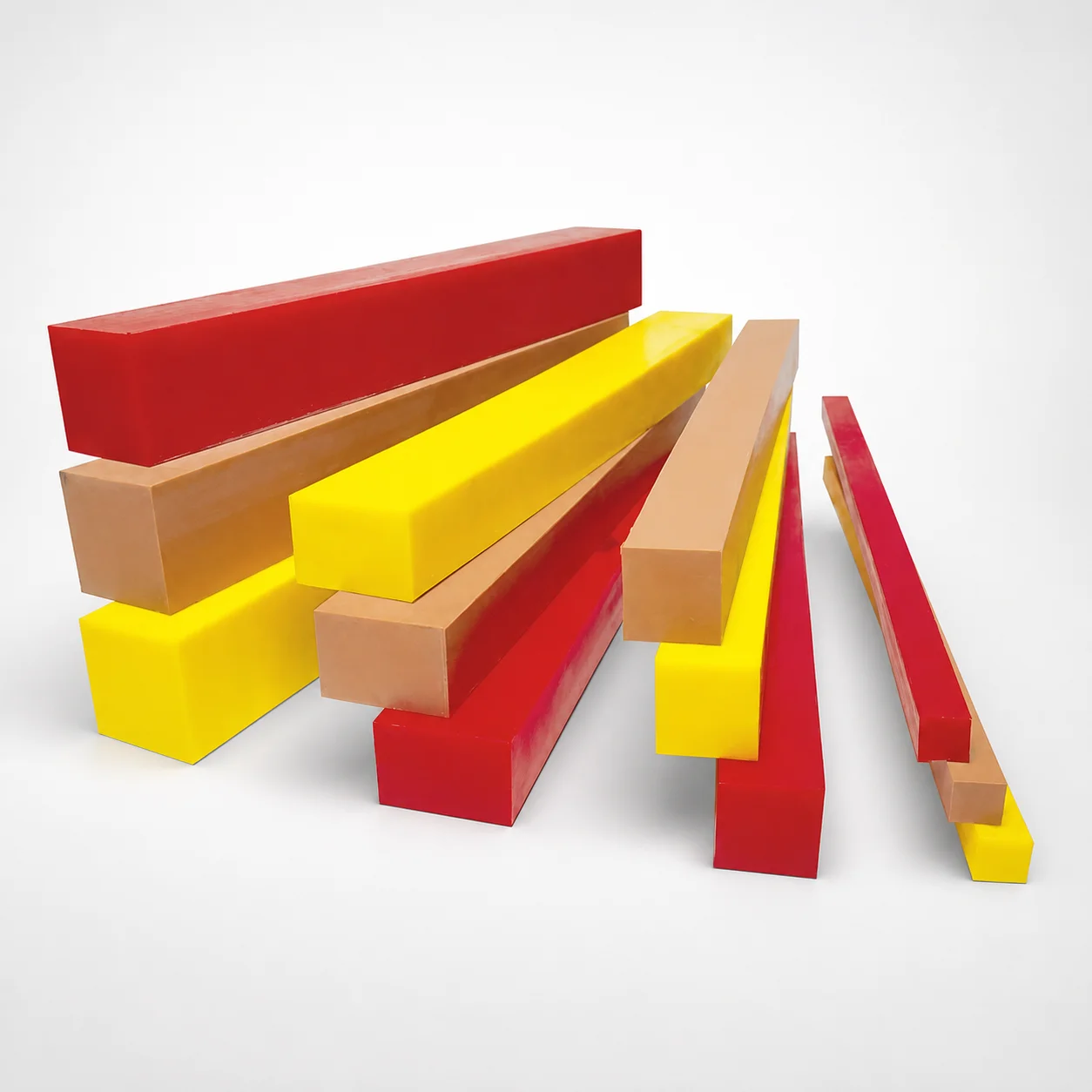
Urethane die blocks (Shore A90) (UDH type) in a pad shape are engineered for heavy-load tooling, providing stable cushioning and reliable support during forming and clamping. The configurable full-length design helps match the die layout.
- Designed as a pad to support workpieces under heavy loads
- Shore A90 urethane for resilient cushioning and consistent feel
- UDH type construction supports stable die setup over production cycles
- Compatible with applications requiring configurable full-length pad coverage
Specifications
3 configurations available
| Length (L) (mm) | A (Width) (mm) | B (Width) (mm) | type |
|---|---|---|---|
| 25 ~ 1000 | 25 | 25 | - |
| 25 ~ 1000 | 50 | 50 | - |
| 25 ~ 1000 | 75 | 50 | - |
Product Guide
Application Scenarios+
These urethane die blocks are used in injection mold tooling where a cushioned, stable support surface is needed beneath heavy workpieces or clamping assemblies. In die bases and transfer fixtures, the pad geometry helps distribute load and reduce localized stress on the mating tooling faces, which is important for consistent forming and repeatable cycle performance.
- Heavy-load forming and clamping: Shore A90 elastomer provides resilient cushioning while maintaining stable support through long production runs.
- Die layout matching in fixture builds: The configurable full length (L = 25–1000 mm) allows you to align pad coverage with the actual die footprint and support span.
- Workpiece support on square/urethane spring arrangements: The fixed width options (A = 25/50/75 mm, B = 25/50 mm) make it practical to pair with rectangular components while retaining predictable cushioning behavior.
This variant is suited when you need a reliable urethane pad support layer rather than rigid backing, especially where consistent feel and load stability are critical.
Material & Process Details+
This product uses urethene (urethane) with Shore A90, selected for resilient cushioning under compressive load. Shore A90 indicates a relatively firm elastomer: it can absorb shock and reduce point loading, while still providing sufficient stiffness to maintain positional stability of the supported workpiece.
- Properties focus: improved wear resistance against sliding/contact stresses compared with softer urethanes, with a trade-off of slightly higher transmitted force than lower-durometer options.
- Toughness vs. firmness: Shore A90 balances cushioning and durability; very high firmness can reduce energy absorption, so matching durometer to expected load variation is important.
- Manufacturing approach: urethane die blocks are typically manufactured by molding the elastomer into the pad geometry, then machining/finishing to the specified width and length so they sit flat in the tooling.
No steel grade or heat-treatment state is specified because the functional support element is the cured urethane pad (not a quenched steel spring component).
Sizing & Selection Guide+
Select dimensions by matching pad coverage to the mold die/core or clamping interface. The product provides a fixed length (L) range of 25 to 1000 mm and variable widths of A = 25, 50, 75 mm and B = 25 or 50 mm.
- Step 1: Determine required support span: measure the die footprint or expected contact zone in the tooling direction and choose L within 25–1000 mm for full coverage.
- Step 2: Match pad width to interface: pick A (25/50/75 mm) and B (25/50 mm) to fit the available recess or mounting envelope.
- Step 3: Consider fit and alignment: because urethane is compressible, the pad can tolerate minor installation variation, but you should maintain correct seating so the pad surface contacts the workpiece uniformly.
L is configurable within the stated range; A and B are fixed discrete options. Use your cavity/core or clamping drawing to ensure the chosen pad does not interfere with moving elements.
Frequently Asked Questions
How do I choose the correct pad length for urethane cushioning under a mold die?+
What width combinations are available for this UDH urethane die block pad shape?+
Why is Shore A90 urethane suitable for heavy-load tooling compared with softer urethanes?+
Is the UDH type construction compatible with long production cycles requiring consistent die setup?+
Do I need to heat treat this urethane die block like a steel component?+
Related Products
Need Custom Specifications?
Our engineering team can help with custom configurations, material selection, and volume pricing.