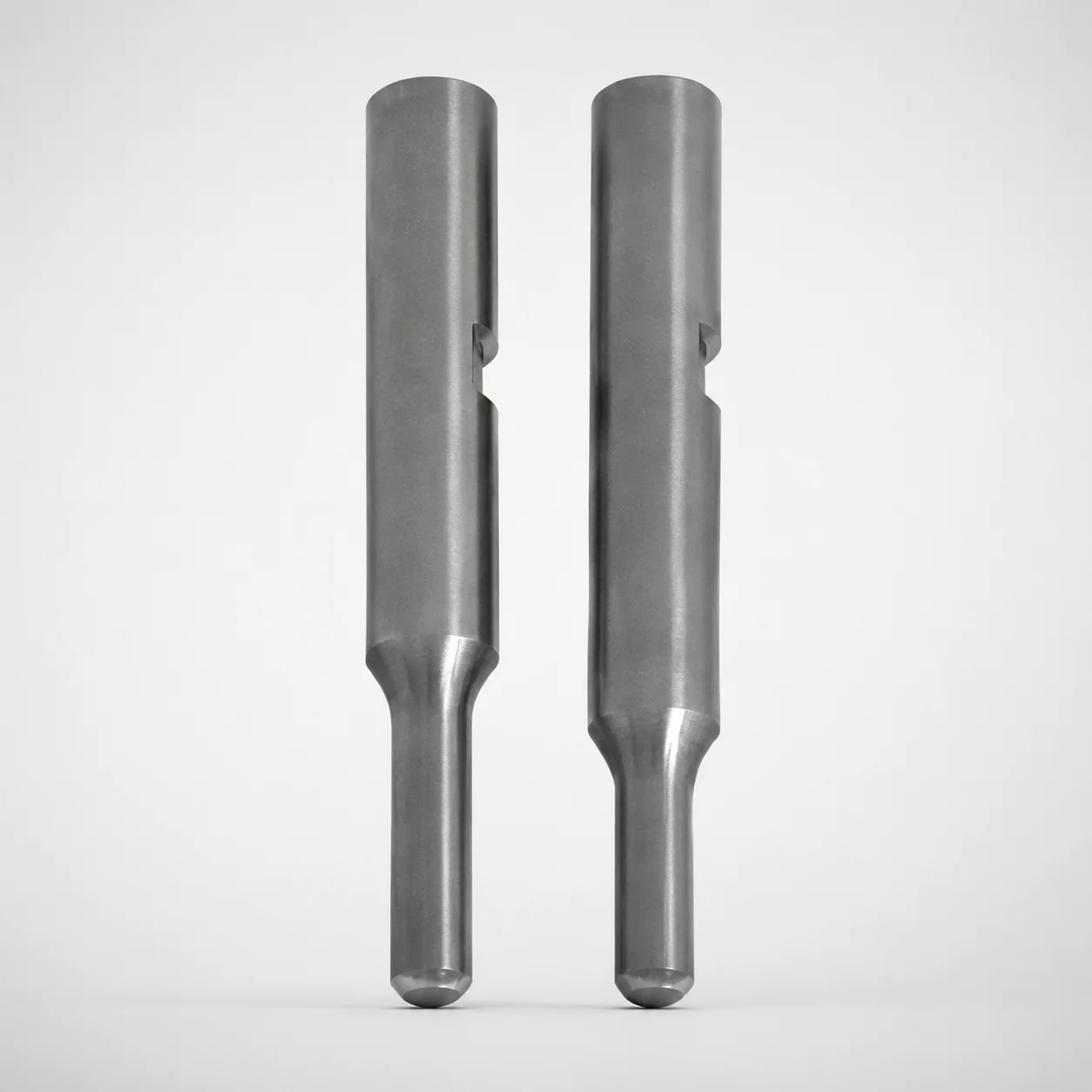
Punches with Key Grooves Single-Stepped Shank
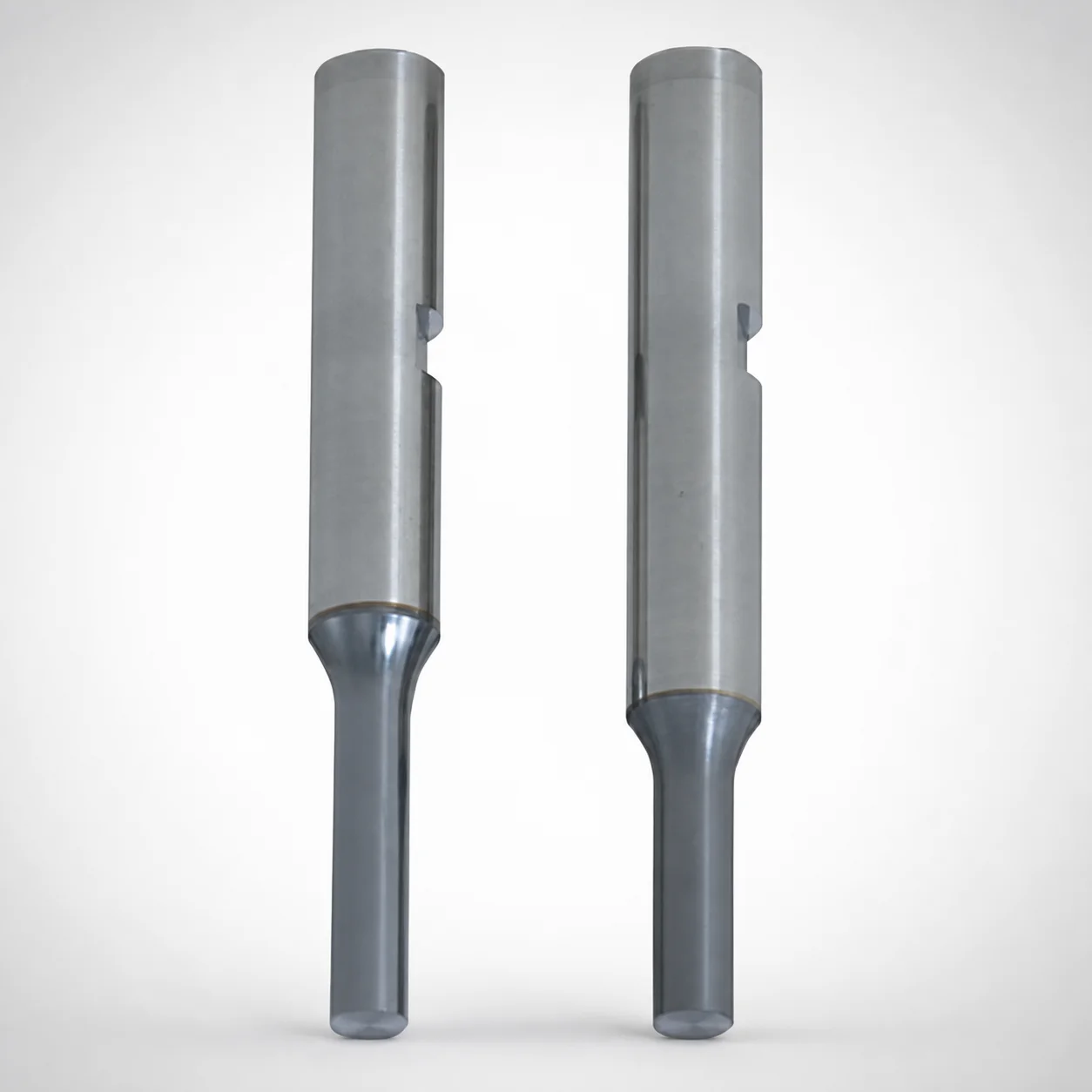
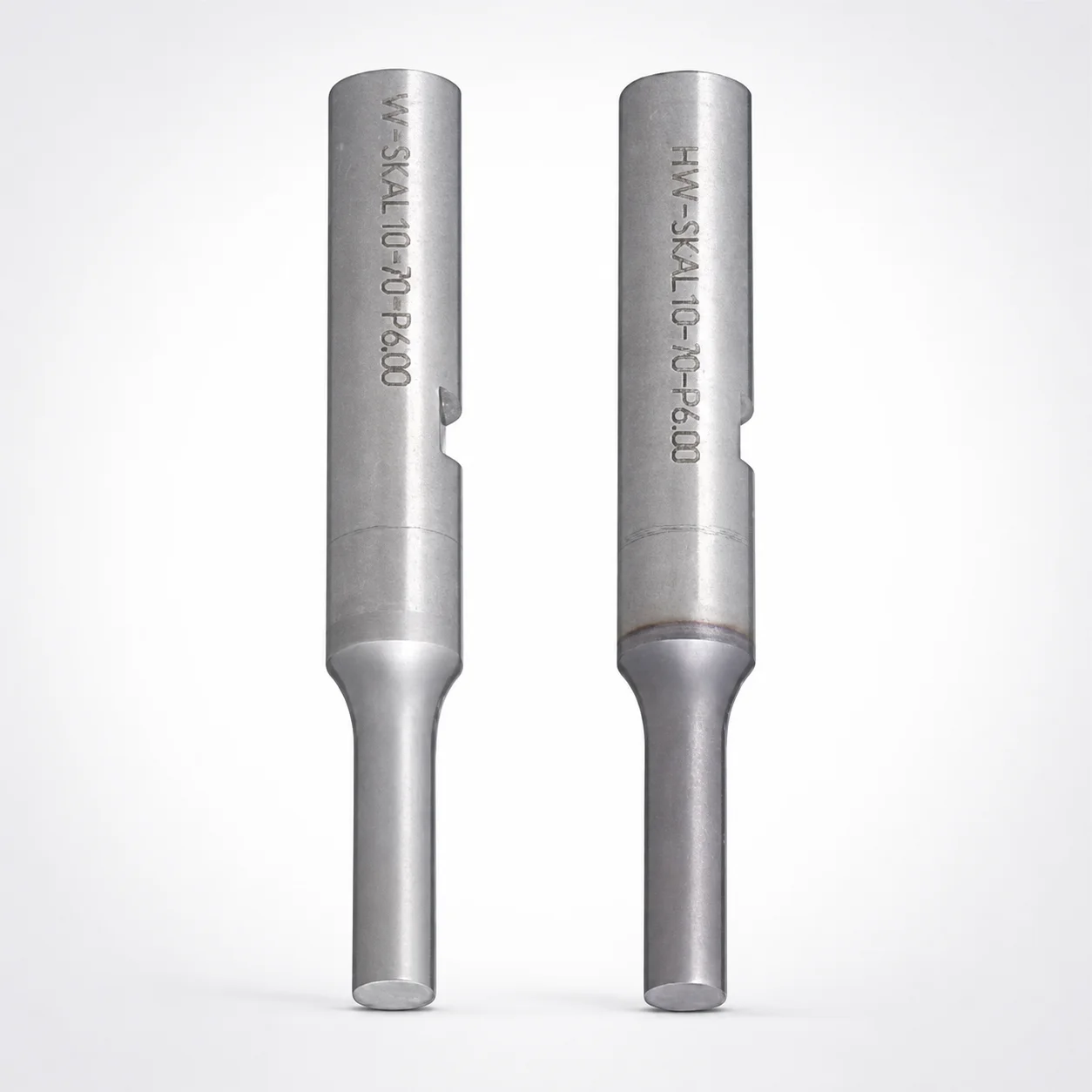
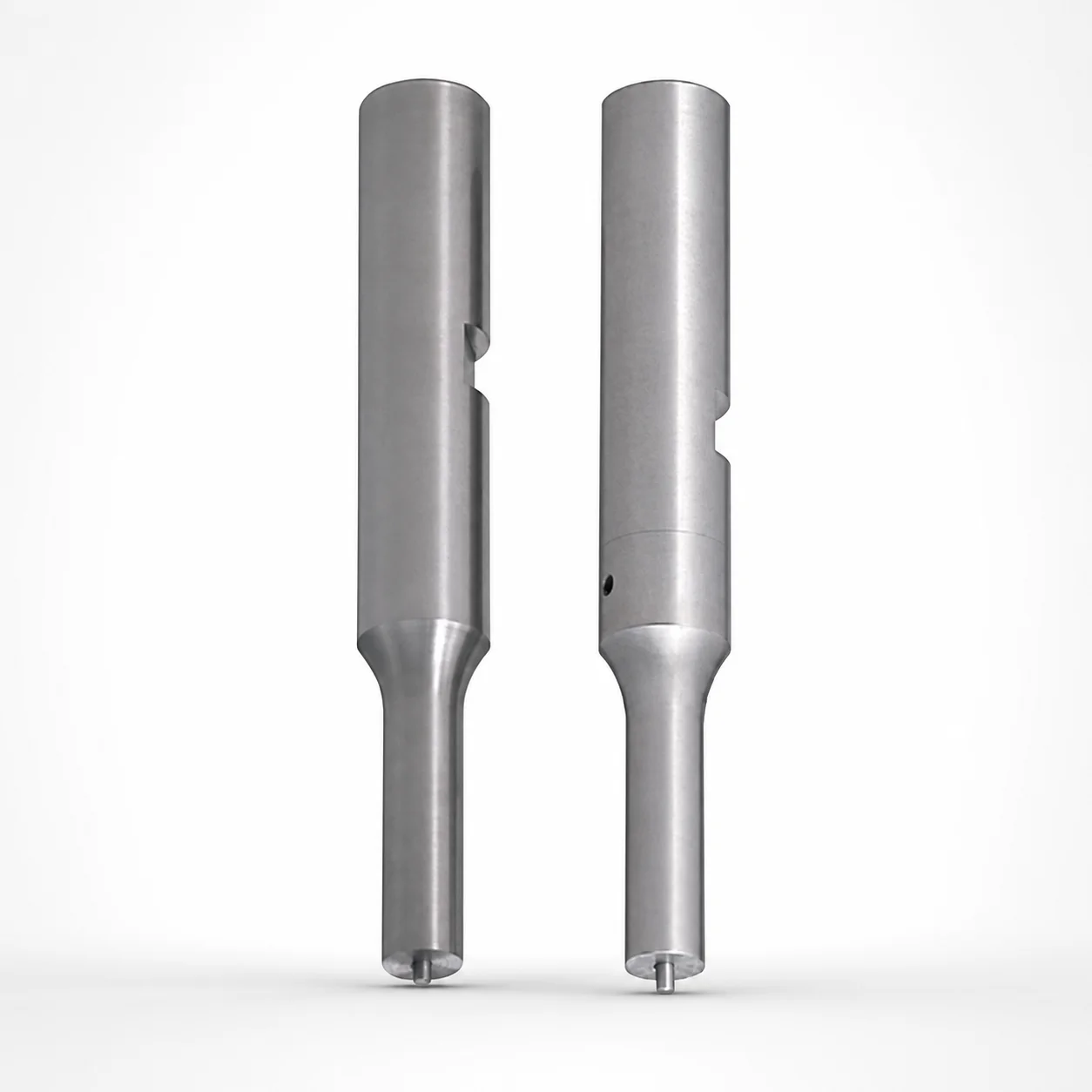
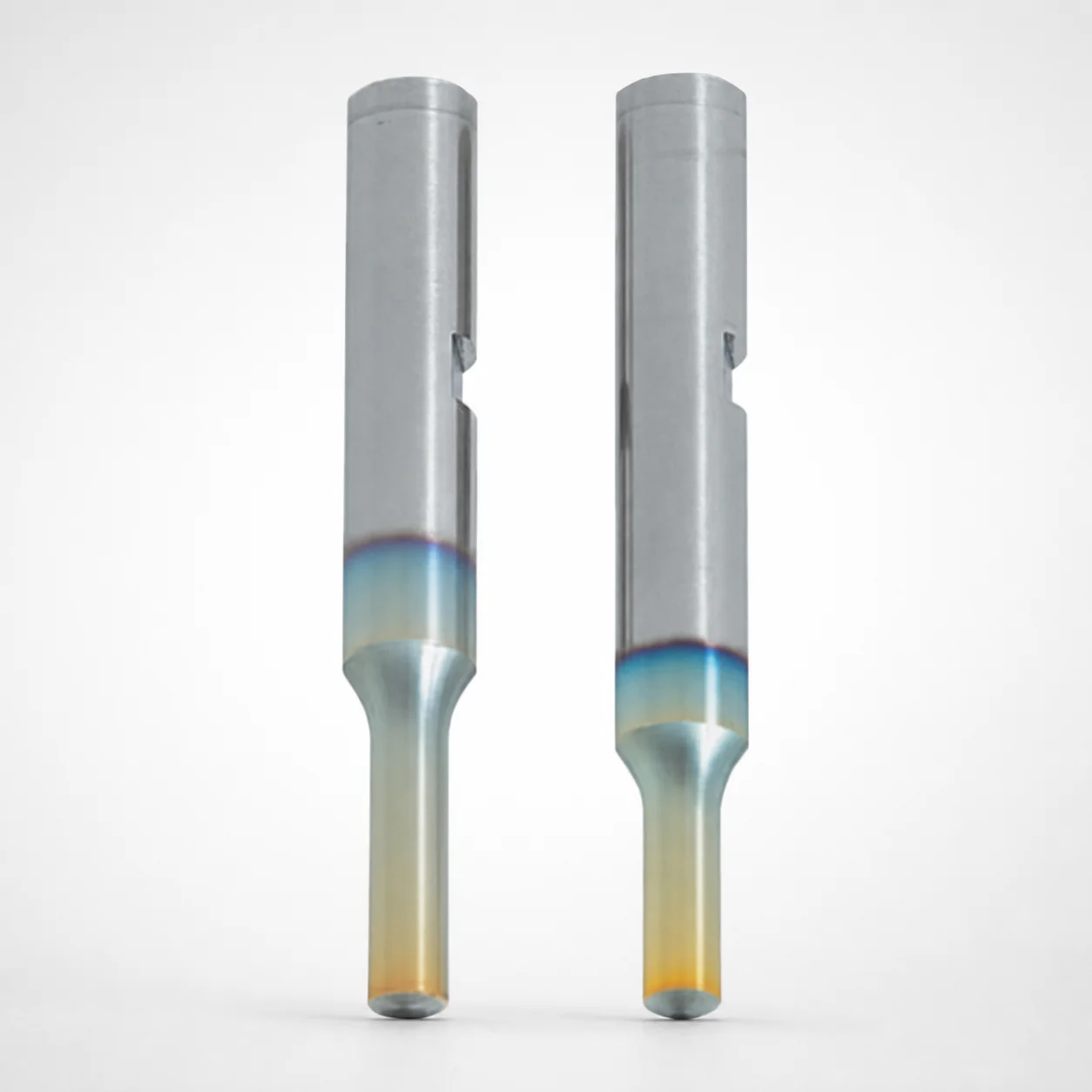
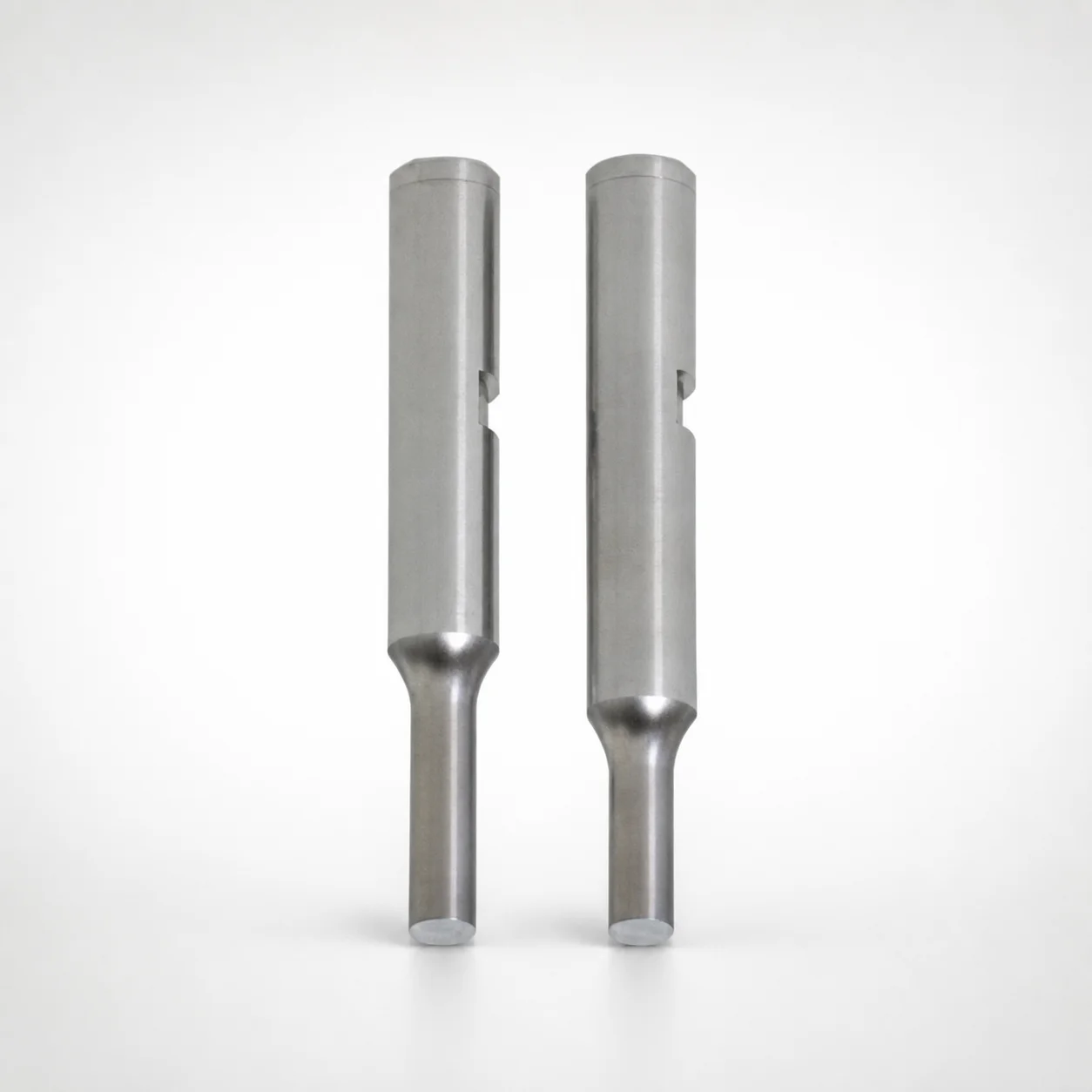
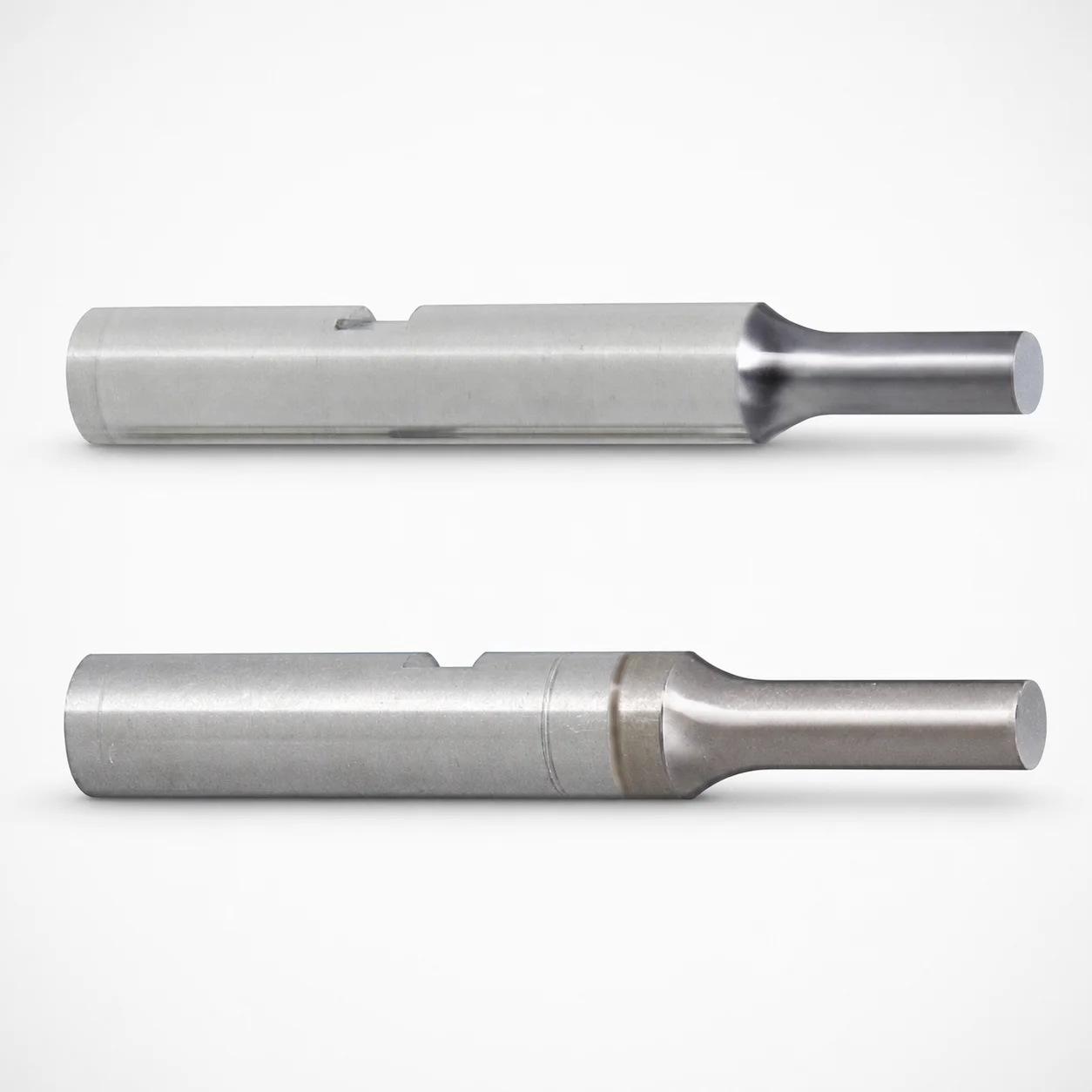
Punches with key grooves feature a single-stepped shank and a key-groove mounting section to maintain accurate positioning in progressive dies. The keyed interface supports repeatable punch guidance during high-cycle blanking.
- Single-stepped shank design improves seating control and consistent feed-through in die assemblies
- Key groove mounting part shape helps prevent misalignment for reliable stroke-to-stroke performance
- Built for die work using selectable SKD11 equivalent, SKH51, or powdered high-speed steel tool materials
- Suitable for punch tooling where keyed retention and stable punch guidance are critical
Specifications
5373 configurations available
| Tip shape | Material | Shank diameter D tolerance | B (Tip length) | D (Shank diameter) (mm) | P (Tip dimension) (mm) | L (L dimension) (mm) | LC (Full length alteration) (mm) | LCT (Head thickness tolerance change + Total length alteration) (mm) | PC (Tip dimension alteration) (mm) | R (Tip corner R) (mm) | T (Key groove position) (mm) | W (Tip dimension) (mm) | WC (Tip dimension alteration) (mm) | type |
|---|---|---|---|---|---|---|---|---|---|---|---|---|---|---|
| A | Powdered high-speed steel | +0.005/0 | L | 3 | 1 ~ 2.99 | 50 ~ 80 | - | - | - | - | 5.1 ~ 80 | - | - | - |
| A | Powdered high-speed steel | +0.005/0 | L | 3 | - | 50 ~ 80 | - | - | 0.5 ~ 0.99 | - | 5.1 ~ 80 | - | - | - |
| A | Powdered high-speed steel | +0.005/0 | L | 3 | 1 ~ 2.99 | - | 27 ~ 79.9 | - | - | - | 5.1 ~ 80 | - | - | - |
| A | Powdered high-speed steel | +0.005/0 | L | 3 | - | - | 27 ~ 79.9 | - | 0.5 ~ 0.99 | - | 5.1 ~ 80 | - | - | - |
| A | Powdered high-speed steel | +0.005/0 | L | 3 | 1 ~ 2.99 | - | - | 27 ~ 79.9 | - | - | 5.1 ~ 80 | - | - | - |
| A | Powdered high-speed steel | +0.005/0 | L | 3 | - | - | - | 27 ~ 79.9 | 0.5 ~ 0.99 | - | 5.1 ~ 80 | - | - | - |
| A | Powdered high-speed steel | +0.005/0 | L | 4 | 1 ~ 3.99 | 50 ~ 80 | - | - | - | - | 5.1 ~ 80 | - | - | - |
| A | Powdered high-speed steel | +0.005/0 | L | 4 | - | 50 ~ 80 | - | - | 0.5 ~ 0.99 | - | 5.1 ~ 80 | - | - | - |
| A | Powdered high-speed steel | +0.005/0 | L | 4 | 1 ~ 3.99 | - | 27 ~ 79.9 | - | - | - | 5.1 ~ 80 | - | - | - |
| A | Powdered high-speed steel | +0.005/0 | L | 4 | - | - | 27 ~ 79.9 | - | 0.5 ~ 0.99 | - | 5.1 ~ 80 | - | - | - |
| A | Powdered high-speed steel | +0.005/0 | L | 4 | 1 ~ 3.99 | - | - | 27 ~ 79.9 | - | - | 5.1 ~ 80 | - | - | - |
| A | Powdered high-speed steel | +0.005/0 | L | 4 | - | - | - | 27 ~ 79.9 | 0.5 ~ 0.99 | - | 5.1 ~ 80 | - | - | - |
| A | Powdered high-speed steel | +0.005/0 | L | 5 | 2 ~ 4.99 | 50 ~ 80 | - | - | - | - | 5.1 ~ 80 | - | - | - |
| A | Powdered high-speed steel | +0.005/0 | L | 5 | - | 50 ~ 80 | - | - | 1 ~ 1.99 | - | 5.1 ~ 80 | - | - | - |
| A | Powdered high-speed steel | +0.005/0 | L | 5 | 2 ~ 4.99 | - | 27 ~ 79.9 | - | - | - | 5.1 ~ 80 | - | - | - |
| A | Powdered high-speed steel | +0.005/0 | L | 5 | - | - | 27 ~ 79.9 | - | 1 ~ 1.99 | - | 5.1 ~ 80 | - | - | - |
| A | Powdered high-speed steel | +0.005/0 | L | 5 | 2 ~ 4.99 | - | - | 27 ~ 79.9 | - | - | 5.1 ~ 80 | - | - | - |
| A | Powdered high-speed steel | +0.005/0 | L | 5 | - | - | - | 27 ~ 79.9 | 1 ~ 1.99 | - | 5.1 ~ 80 | - | - | - |
| A | Powdered high-speed steel | +0.005/0 | L | 6 | 2 ~ 5.99 | 50 ~ 80 | - | - | - | - | 5.1 ~ 80 | - | - | - |
| A | Powdered high-speed steel | +0.005/0 | L | 6 | - | 50 ~ 80 | - | - | 1 ~ 1.99 | - | 5.1 ~ 80 | - | - | - |
| A | Powdered high-speed steel | +0.005/0 | L | 6 | 2 ~ 5.99 | - | 27 ~ 79.9 | - | - | - | 5.1 ~ 80 | - | - | - |
| A | Powdered high-speed steel | +0.005/0 | L | 6 | - | - | 27 ~ 79.9 | - | 1 ~ 1.99 | - | 5.1 ~ 80 | - | - | - |
| A | Powdered high-speed steel | +0.005/0 | L | 6 | 2 ~ 5.99 | - | - | 27 ~ 79.9 | - | - | 5.1 ~ 80 | - | - | - |
| A | Powdered high-speed steel | +0.005/0 | L | 6 | - | - | - | 27 ~ 79.9 | 1 ~ 1.99 | - | 5.1 ~ 80 | - | - | - |
| A | Powdered high-speed steel | +0.005/0 | L | 8 | 3 ~ 7.99 | 50 ~ 100 | - | - | - | - | 5.1 ~ 100 | - | - | - |
| A | Powdered high-speed steel | +0.005/0 | L | 8 | - | 50 ~ 100 | - | - | 1.5 ~ 2.99 | - | 5.1 ~ 100 | - | - | - |
| A | Powdered high-speed steel | +0.005/0 | L | 8 | 3 ~ 7.99 | - | 27 ~ 99.9 | - | - | - | 5.1 ~ 100 | - | - | - |
| A | Powdered high-speed steel | +0.005/0 | L | 8 | - | - | 27 ~ 99.9 | - | 1.5 ~ 2.99 | - | 5.1 ~ 100 | - | - | - |
| A | Powdered high-speed steel | +0.005/0 | L | 8 | 3 ~ 7.99 | - | - | 27 ~ 99.9 | - | - | 5.1 ~ 100 | - | - | - |
| A | Powdered high-speed steel | +0.005/0 | L | 8 | - | - | - | 27 ~ 99.9 | 1.5 ~ 2.99 | - | 5.1 ~ 100 | - | - | - |
| A | Powdered high-speed steel | +0.005/0 | L | 10 | 3 ~ 9.99 | 50 ~ 100 | - | - | - | - | 5.1 ~ 100 | - | - | - |
| A | Powdered high-speed steel | +0.005/0 | L | 10 | - | 50 ~ 100 | - | - | 1.5 ~ 2.99 | - | 5.1 ~ 100 | - | - | - |
| A | Powdered high-speed steel | +0.005/0 | L | 10 | 3 ~ 9.99 | - | 27 ~ 99.9 | - | - | - | 5.1 ~ 100 | - | - | - |
| A | Powdered high-speed steel | +0.005/0 | L | 10 | - | - | 27 ~ 99.9 | - | 1.5 ~ 2.99 | - | 5.1 ~ 100 | - | - | - |
| A | Powdered high-speed steel | +0.005/0 | L | 10 | 3 ~ 9.99 | - | - | 27 ~ 99.9 | - | - | 5.1 ~ 100 | - | - | - |
| A | Powdered high-speed steel | +0.005/0 | L | 10 | - | - | - | 27 ~ 99.9 | 1.5 ~ 2.99 | - | 5.1 ~ 100 | - | - | - |
| A | Powdered high-speed steel | +0.005/0 | L | 13 | 6 ~ 12.99 | 50 ~ 100 | - | - | - | - | 5.1 ~ 100 | - | - | - |
| A | Powdered high-speed steel | +0.005/0 | L | 13 | - | 50 ~ 100 | - | - | 3 ~ 5.99 | - | 5.1 ~ 100 | - | - | - |
| A | Powdered high-speed steel | +0.005/0 | L | 13 | 6 ~ 12.99 | - | 27 ~ 99.9 | - | - | - | 5.1 ~ 100 | - | - | - |
| A | Powdered high-speed steel | +0.005/0 | L | 13 | - | - | 27 ~ 99.9 | - | 3 ~ 5.99 | - | 5.1 ~ 100 | - | - | - |
| A | Powdered high-speed steel | +0.005/0 | L | 13 | 6 ~ 12.99 | - | - | 27 ~ 99.9 | - | - | 5.1 ~ 100 | - | - | - |
| A | Powdered high-speed steel | +0.005/0 | L | 13 | - | - | - | 27 ~ 99.9 | 3 ~ 5.99 | - | 5.1 ~ 100 | - | - | - |
| A | Powdered high-speed steel | +0.005/0 | L | 16 | 10 ~ 15.99 | 60 ~ 100 | - | - | - | - | 5.1 ~ 100 | - | - | - |
| A | Powdered high-speed steel | +0.005/0 | L | 16 | - | 60 ~ 100 | - | - | 5 ~ 9.99 | - | 5.1 ~ 100 | - | - | - |
| A | Powdered high-speed steel | +0.005/0 | L | 16 | 10 ~ 15.99 | - | 27 ~ 99.9 | - | - | - | 5.1 ~ 100 | - | - | - |
| A | Powdered high-speed steel | +0.005/0 | L | 16 | - | - | 27 ~ 99.9 | - | 5 ~ 9.99 | - | 5.1 ~ 100 | - | - | - |
| A | Powdered high-speed steel | +0.005/0 | L | 16 | 10 ~ 15.99 | - | - | 27 ~ 99.9 | - | - | 5.1 ~ 100 | - | - | - |
| A | Powdered high-speed steel | +0.005/0 | L | 16 | - | - | - | 27 ~ 99.9 | 5 ~ 9.99 | - | 5.1 ~ 100 | - | - | - |
| A | Powdered high-speed steel | +0.005/0 | S | 3 | 1 ~ 2.99 | 40 ~ 80 | - | - | - | - | 5.1 ~ 80 | - | - | - |
| A | Powdered high-speed steel | +0.005/0 | S | 3 | - | 40 ~ 80 | - | - | 0.5 ~ 0.99 | - | 5.1 ~ 80 | - | - | - |
Product Guide
Application Scenarios+
These single-stepped shank punches are used in progressive and compound injection blanking dies where punch-to-cavity alignment must remain stable over high cycle counts. The keyed mounting section guides the punch repeatably, reducing drift and improving stroke-to-stroke consistency during metal removal operations.
- Automotive connector and terminal tooling: When punching thin strip parts into precision features, the single-stepped shank supports controlled seating and reliable feed-through through the die set.
- Electrical contact carriers and brackets: The key groove mounting helps prevent misalignment under repeated loading, which supports dimensional stability of small tip geometries.
- General industrial housings and brackets: For production runs requiring robust wear resistance at the cutting edge, selecting SKD11-equivalent or SKH51-based variants helps balance edge life with toughness for uninterrupted blanking.
The variant selection is suited for these scenarios because the keyed interface improves guidance, while the available tool steels target wear resistance needed at the tip under cyclic contact.
Material & Process Details+
Tool materials offered for this punch include SKD11 equivalent, SKH51, and powdered high-speed steel, enabling trade-offs between toughness and wear performance at the cutting edge. SKD11 is a widely used cold-work tool steel grade (H13-equivalent class for many applications), providing good toughness with high wear resistance for standard progressive die blanking.
- SKH51 (high-speed steel): typically higher red-hardness and wear resistance than SKD11-class steels, with a toughness trade-off depending on final heat treatment.
- Powdered high-speed steel: finer carbide distribution can improve wear resistance and surface stability versus conventional cast HSS.
Common heat-treatment routes for these grades are quenched and tempered for the tool steel options, while high-speed steels are generally heat-treated and hardened for high hardness (often targeting the high-HRC range) to maximize cutting-edge durability. Final hardness and toughness depend on the selected steel and the supplier’s specific tempering parameters.
Sizing & Selection Guide+
Correct selection starts by matching the shank diameter D and fit tolerance to your die bushing or guide opening. Available shank diameters are 3 ~ 16 mm, with a specified tolerance of +0.005/0, m5; select the mating support so the punch is guided without excessive clearance.
- Overall length: Use L (40 ~ 60 mm) and the specified LC (full length alteration) ranges (e.g., 27 ~ 79.9, 27 ~ 99.9, 32 ~ 79.9, 32 ~ 99.9, or 32 ~ 99.99) to match the required press-fit depth and stack height in the die set.
- Cutting geometry: Choose Tip shape (A, D, E, G, R) and tip dimensions P (1 ~ 10 mm), W (1 ~ 5 mm), and B (tip length: L/S/X) to match your cavity/core profile.
- Key groove position: Align T (key groove position) within the available ranges (e.g., 5.1 ~ 80 or up to 5.1 ~ 100) so the keyed interface engages at the designed guidance height.
If your design uses dimensional offsets, account for alteration parameters such as PC (0.5 ~ 5), WC (0.8 ~ 2), and the length/tolerance change behavior indicated by LCT to maintain consistent fit and edge engagement.
Frequently Asked Questions
Which material option should I choose for wear resistance in progressive blanking—SKD11 equivalent, SKH51, or powdered high-speed steel?+
How do I ensure proper fit using the shank diameter tolerance (+0.005/0, m5) for guide alignment?+
What parameters define the punch length, and how do I match L and LC to my die stack-up?+
How do I align the key groove position (T) so the keyed interface engages at the correct guidance height?+
How are tip geometry selections (tip shape A/D/E/G/R and P/W/B) used to match different cavity/core profiles?+
Related Products
Need Custom Specifications?
Our engineering team can help with custom configurations, material selection, and volume pricing.