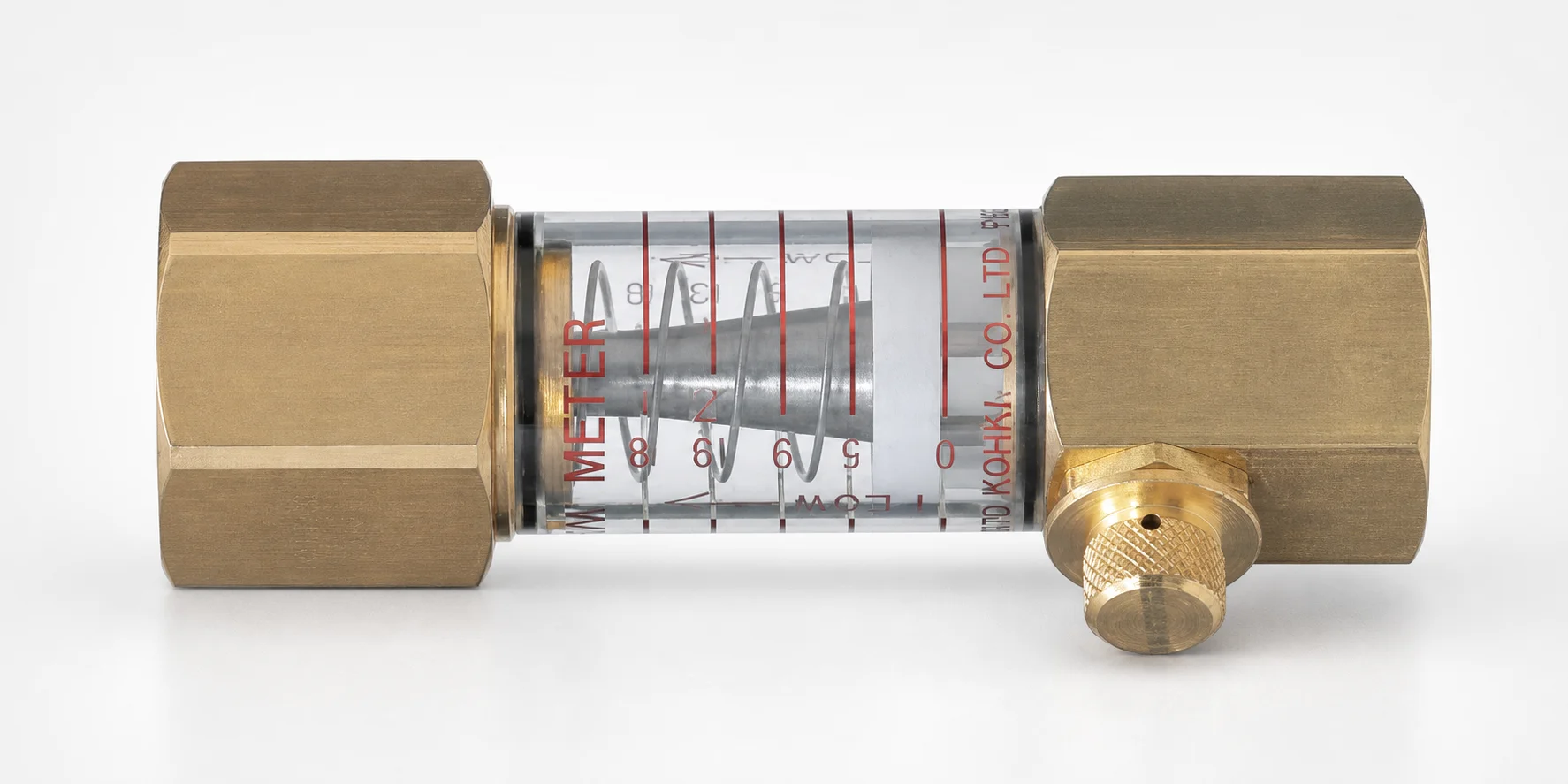
FLM-F Simple Flow Checkers for Cooling Water
FLM-F simple flow checkers for cooling water deliver reliable flow-rate monitoring using sensor technology designed for stable operation in cooling circuits. They help protect equipment by supporting correct water circulation and reducing overheating risk.
- Flow monitoring supports accurate control of cooling circulation under load
- Sensor-based measurement provides consistent data for maintenance decisions
- Robust design withstands harsh industrial conditions for dependable runtime
- Compatible with FLM-F cooling water systems to improve operational reliability
Specifications
0 configurations available
| type |
|---|
Product Guide
Application Scenarios+
Where it’s used: In die-casting and large mold tooling cooling lines, this flow checker is installed in the cooling water circuit to verify that coolant circulation remains stable during repeated production cycles.
- Automotive die-casting mold temperature control: Use the sensor-based flow monitoring to confirm adequate water flow when molding heat loads rise, helping maintain consistent cavity temperatures and reduce overheating-related defects.
- High-duty hot-zone protection: Install it near manifolds or water supply/return sections so maintenance teams can detect abnormal circulation early, supporting corrective action before sustained overheating damages mold components.
- FLM-F cooling water system integration: This variant is suited for applications requiring compatibility with FLM-F cooling water system architectures, enabling dependable runtime and consistent flow-rate data for process control.
How it’s used: Engineers typically wire the checker into the cooling monitoring/control workflow so abnormal flow conditions can trigger alarms, inspections, or protective interventions.
Material & Process Details+
Material & heat treatment: The provided product data does not include the internal steel grade, surface treatment (e.g., nitriding), or a hardness value (HRC). Therefore, no specific metallurgy or heat-treat condition can be stated for this FLM-F flow-checker variant based on the available specifications.
Manufacturing/process: As a flow-rate monitoring component for cooling water circuits, it is designed as a sensor-based device intended for stable operation in industrial coolant lines. Key performance factors typically include dimensional stability and corrosion/flow reliability under operating conditions, but the exact material stackup and tolerance targets are not supplied in the current metadata.
Comparison across options: If multiple material options exist for FLM-F variants, select based on compatibility with your coolant chemistry and operating environment; however, those alternative materials are not specified here.
Sizing & Selection Guide+
Dimension selection: No shaft diameter, length, thread, or other mechanical size ranges are provided in the available specifications for this product. As a result, engineers should select based on system compatibility with the FLM-F cooling water setup rather than relying on numeric dimension matches that are not listed.
- Match to circuit layout: Verify the installation location (supply/return manifold, near the mold inlet/outlet) against your existing FLM-F cooling water piping configuration.
- Check connection interface: Confirm the flow-checker’s plumbing interface and mounting method are compatible with your line components; if connection dimensions are required for fit, request the detailed interface specification from the supplier.
- Tolerance/fit considerations: Because no tolerances are published here, design the surrounding piping and supports to avoid stress on the sensor body during thermal cycling and water hammer events.
Practical approach: Use your FLM-F system’s approved component list and drawings to ensure correct fit and stable flow-rate measurement.
Frequently Asked Questions
Is this flow checker intended for die-casting cooling water circuits and how does it help prevent overheating?+
Yes. It is designed for cooling water circulation monitoring in large-mold die-casting tooling. By verifying stable flow-rate data, it supports correct cooling circulation and helps reduce overheating risk during operation.
What does “simple flow checker” mean for FLM-F cooling system monitoring—does it provide sensor-based flow-rate information?+
The description states it delivers flow-rate monitoring using sensor technology designed for stable operation. This means the device is intended to provide consistent measurement for maintenance decisions and cooling control workflows.
How do I select the correct size if the product specifications do not list mechanical dimensions?+
No numeric dimension ranges are provided in the available metadata, so selection should be based on compatibility with the FLM-F cooling water system and the installation interface used in your line layout. Confirm the connection/mounting interface against your FLM-F drawings to ensure correct fit and avoid stress during thermal cycling.
Where should the flow checker be installed within the cooling loop for reliable readings?+
For practical monitoring, install it where it can represent coolant circulation to the mold—commonly near supply/return manifold sections. This supports early detection of abnormal flow so maintenance or protective interventions can be triggered before overheating causes damage.
What material grade and hardness (HRC) is used for the flow-checker body?+
The provided data does not include any steel grade, heat-treatment state, or hardness (HRC). To ensure corrosion and wear suitability, request the detailed material specification and any protective surface treatments for your coolant chemistry and operating environment.
Related Products
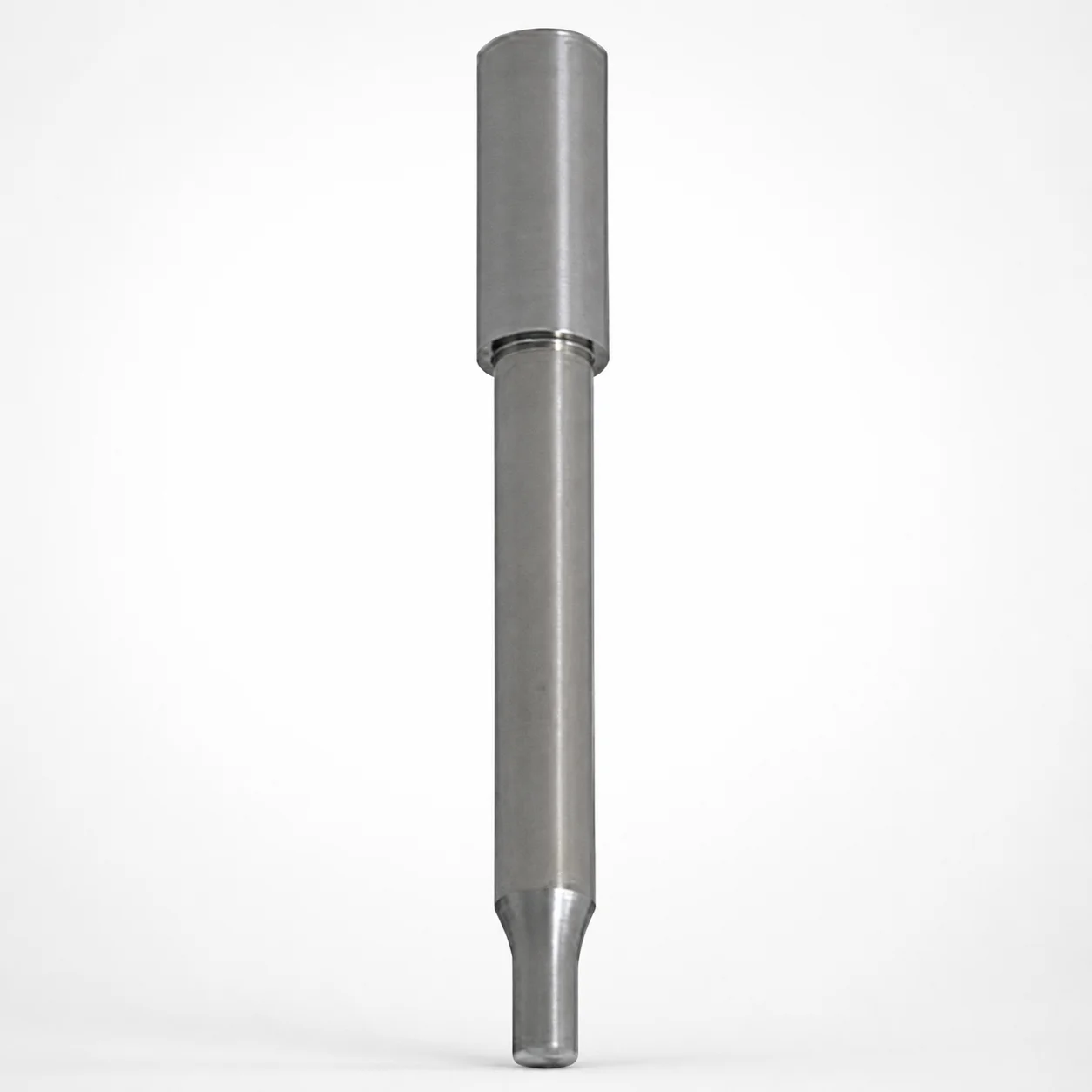
TiCN Option Powder High Speed Steel Round Stopper Punches Single-Stepped
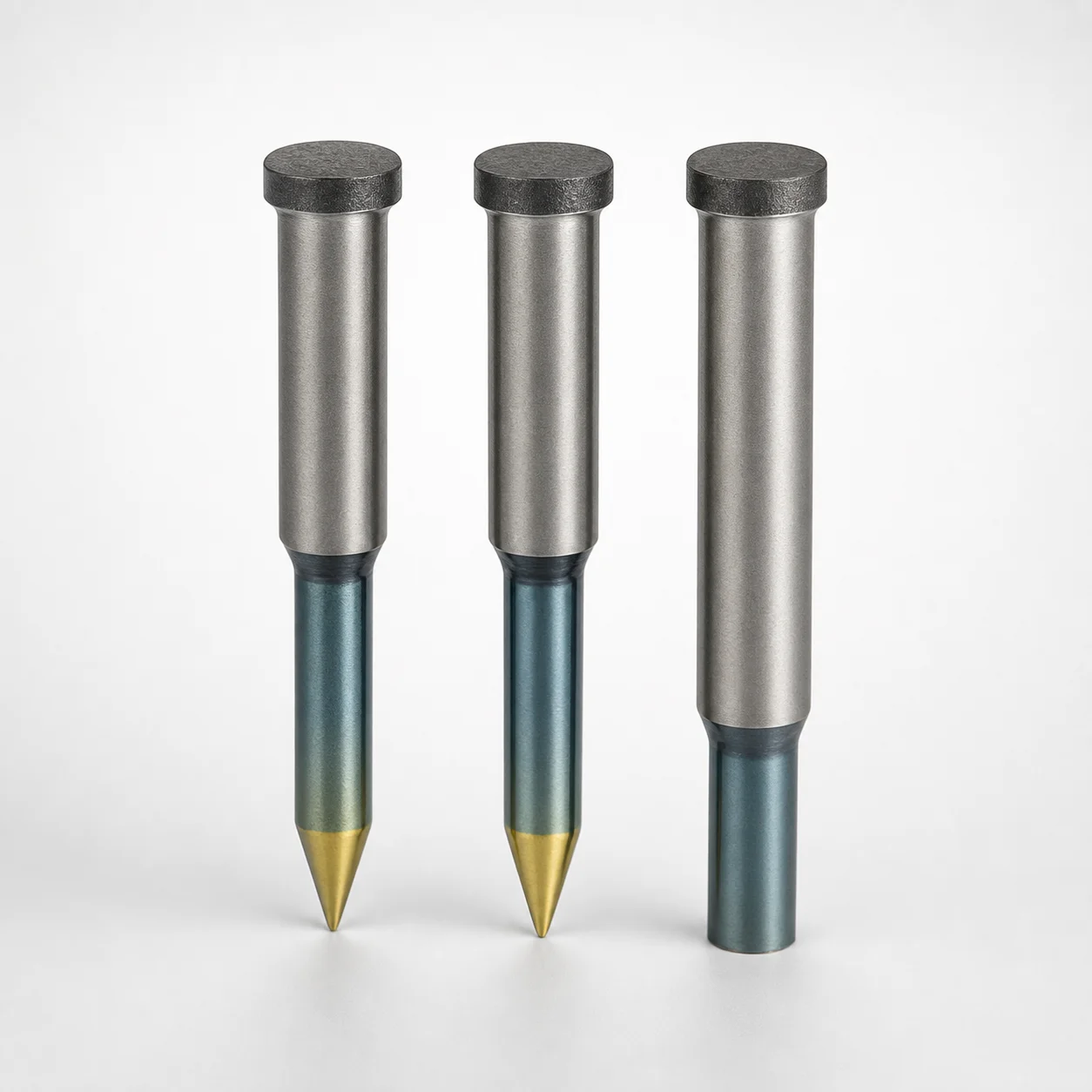
Powdered High-Speed Steel Round Stopper Punches Single-Stepped
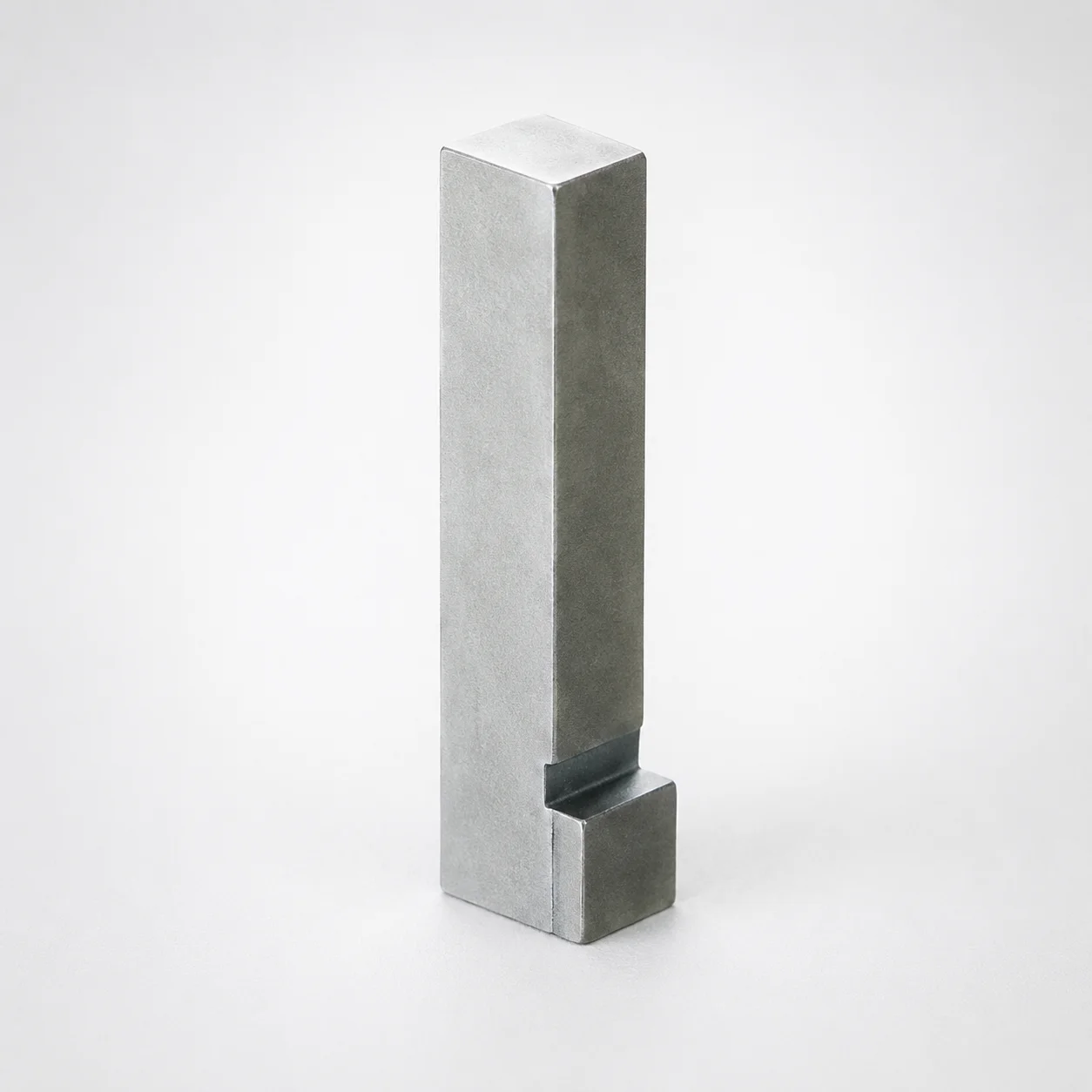
JIS Standard Steel Block Core Pins No Tip No Engraving
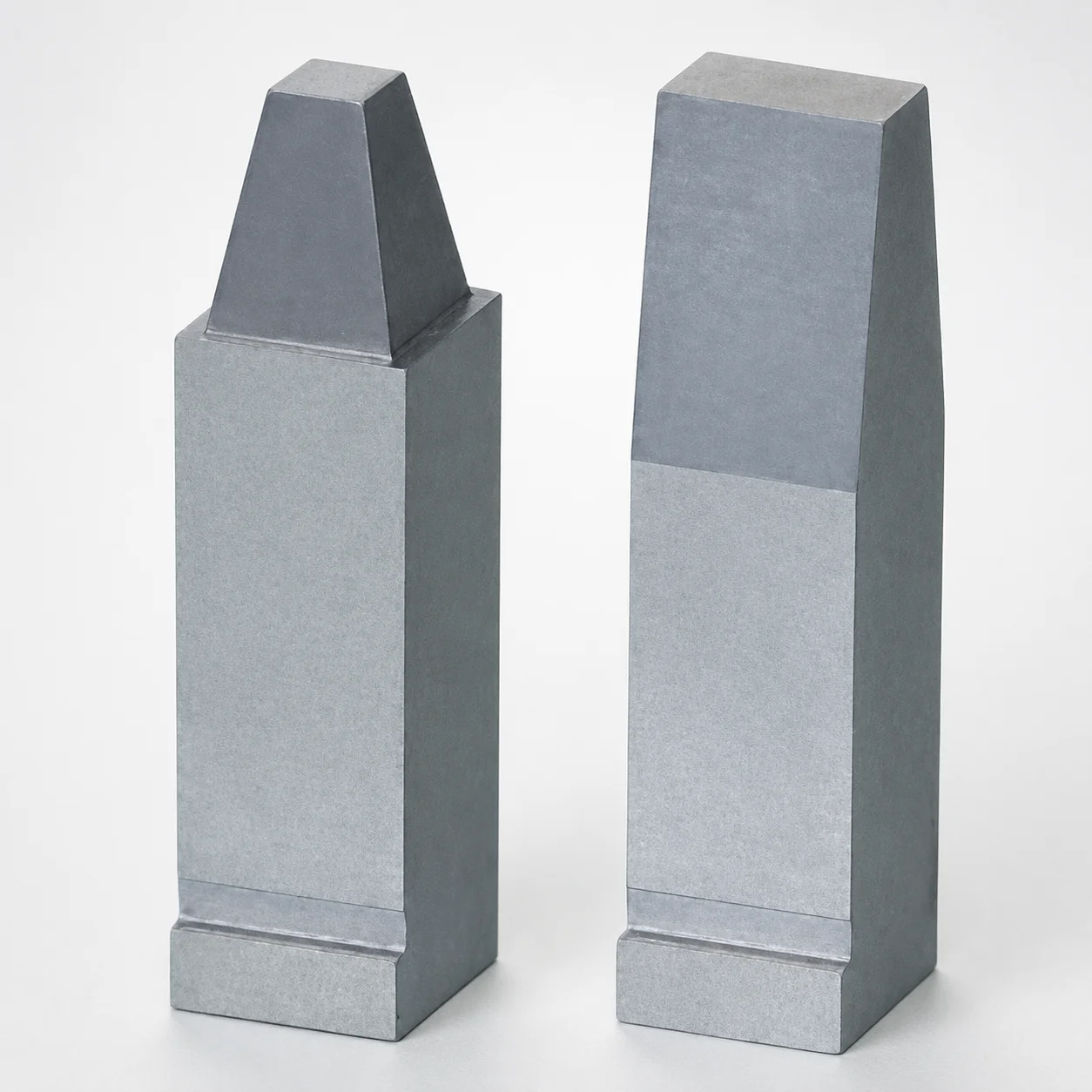
Steel Block Core Pins No-Tip with Flange
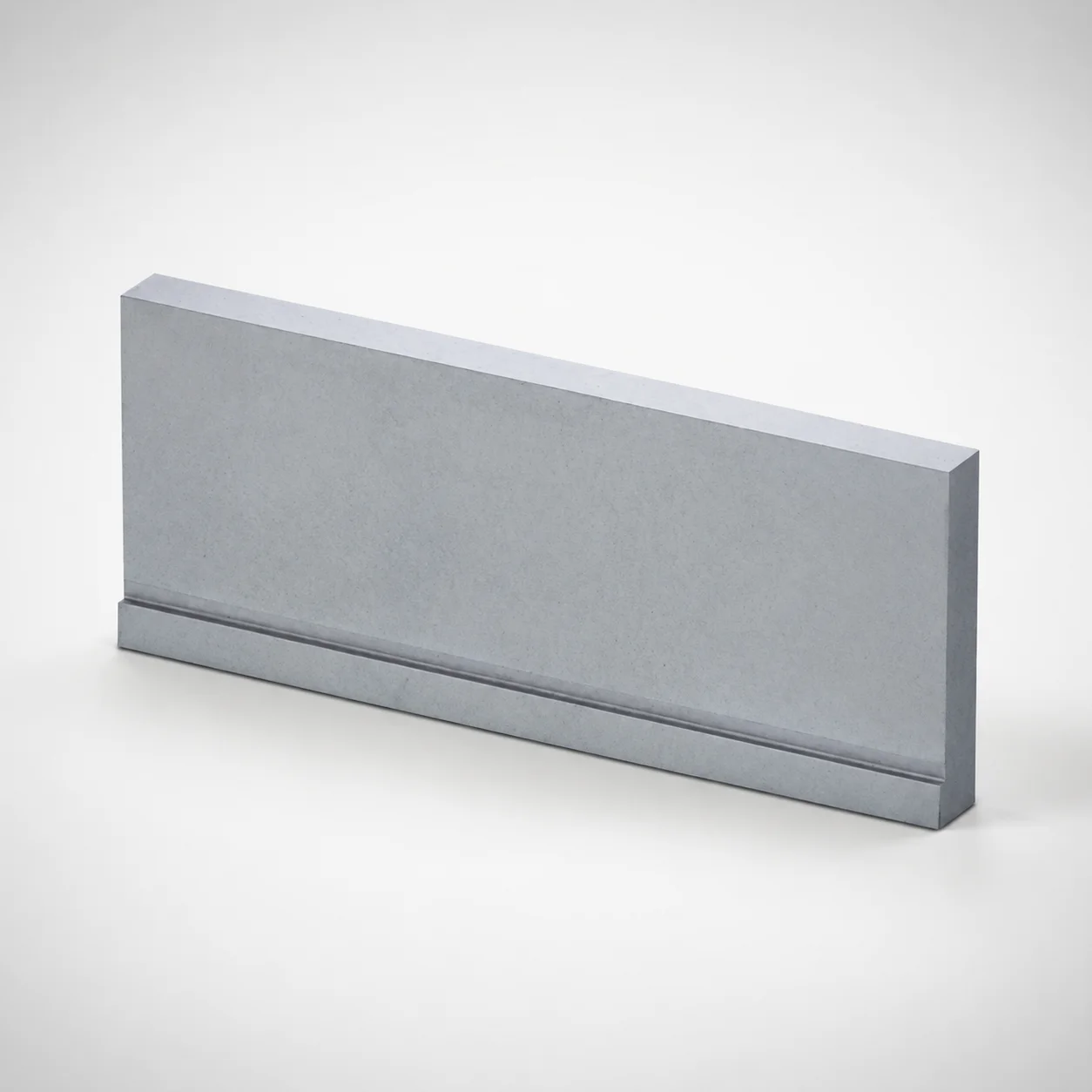
Block Core Pins No Tip Processing With Flange
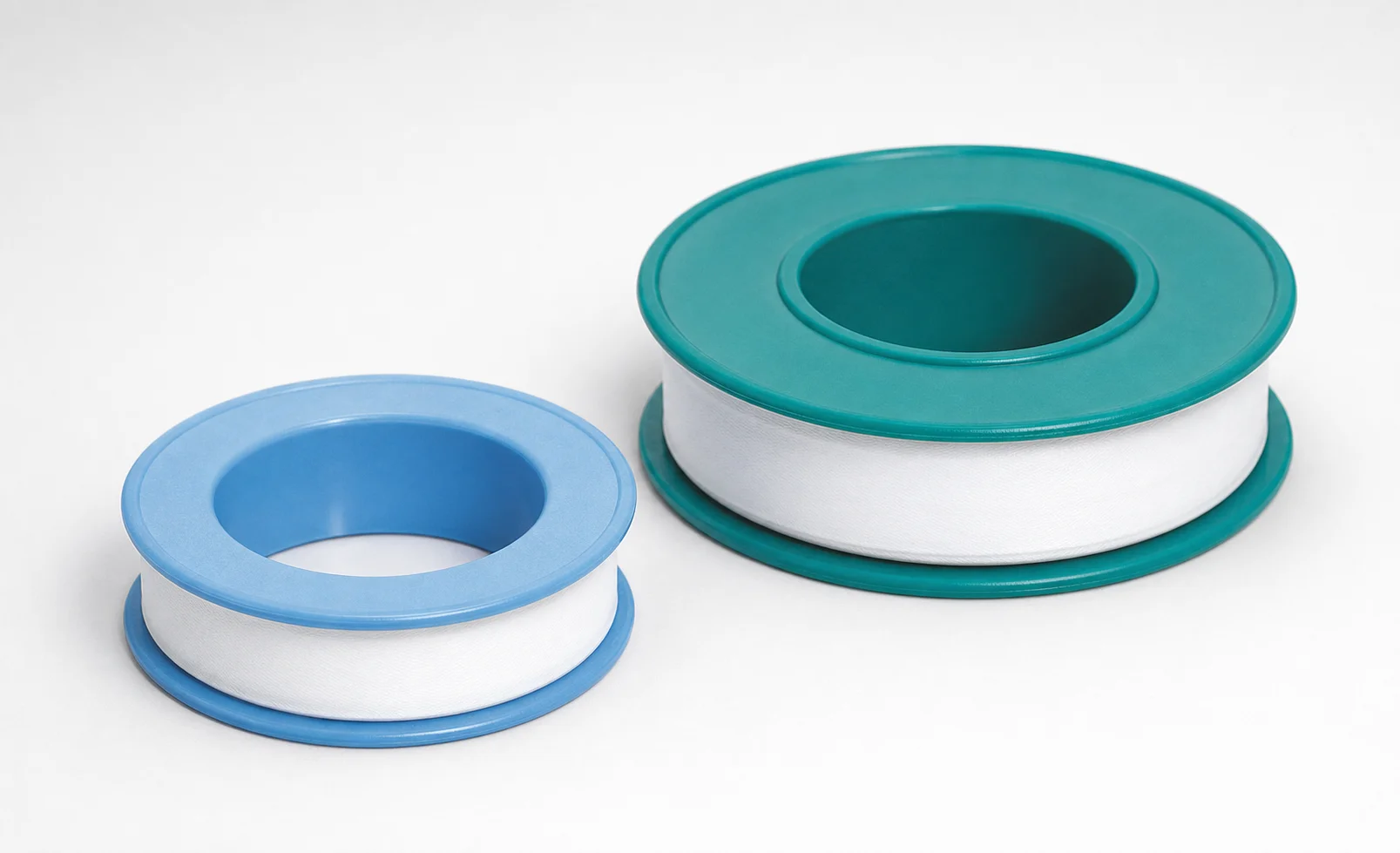
JST PTFE Pipe Thread Seal Tapes
Need Custom Specifications?
Our engineering team can help with custom configurations, material selection, and volume pricing.