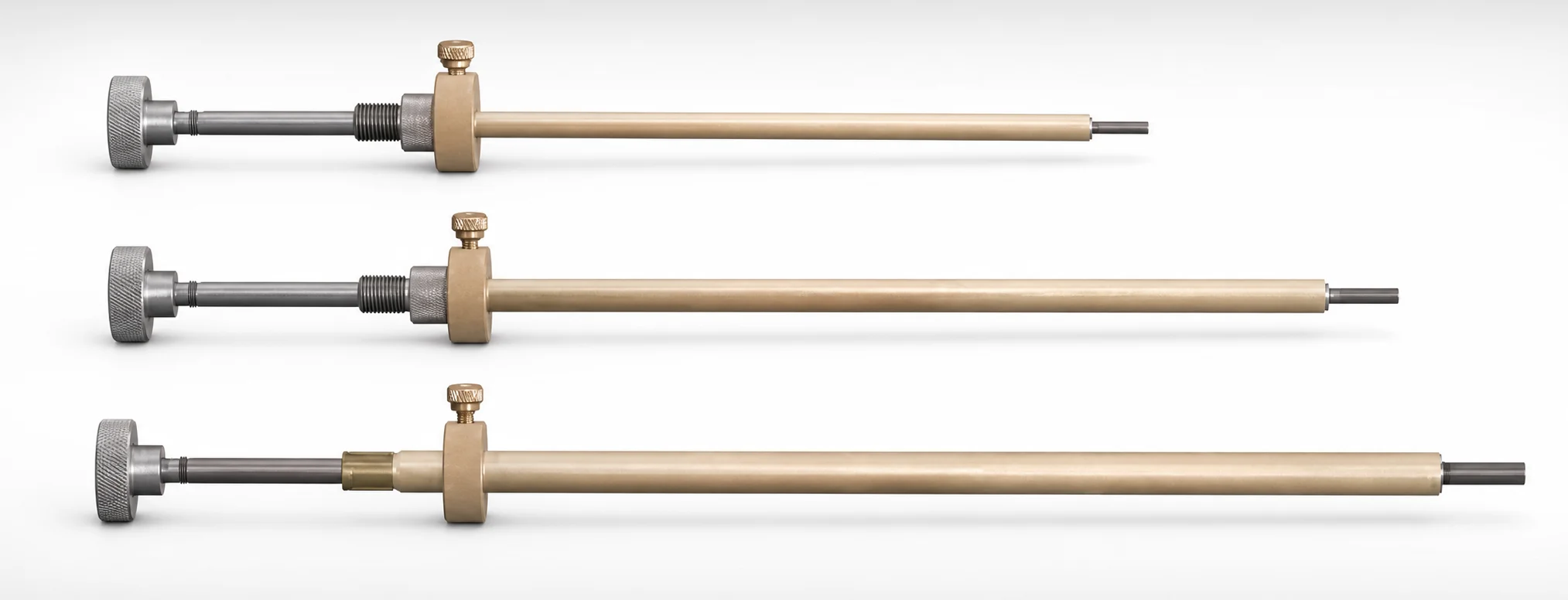
Cooling Circuit Plug Installation Tool for Sealing Cooling Channels
Cooling circuit plug installation tool for sealing cooling channels helps maintain dependable temperature management by securely installing cooling circuit plugs. It reduces leak risk and supports stable coolant levels for consistent industrial performance.
- Seals cooling circuits to reduce coolant loss and leakage during operation
- Tooling set design supports quick installation into existing systems
- Compatible with common plug installation types such as JWPK and JWPKS
- Use for mold and industrial cooling loops where efficient heat control matters
Specifications
5 configurations available
| Sales form | type |
|---|---|
| D6 tool | - |
| D8 and 10 tool | - |
| D12 tool | - |
| Set products | - |
| Special wrench・Instruction manual | - |
Product Guide
Application Scenarios+
This installation tool is used in injection mold and die-casting die maintenance workflows where cooling channel plugs must be seated reliably to prevent coolant leakage. In large die-casting tools, it helps seal cooling circuits so coolant level stability is maintained, supporting consistent thermal conditions across the mold life.
Common scenarios include: die-casting cooling loop service, where plugs are installed in existing cooling galleries to restore flow integrity; and production mold refurbishment, where older sealing performance needs to be improved without extensive rework. Because the tool is offered in multiple variants (D6, D8 & 10, D12) and as set products, it matches different plug installation diameters and installation types found in tooling.
- Sealing installation types: compatible with plug installation styles such as JWPK and JWPKS.
- Operational benefit: reduces leak risk and supports protected coolant levels, improving system efficiency.
Material & Process Details+
The provided specification data for this product lists tool configuration options (D6, D8 & 10, D12, sets, and special wrench/instruction manual) but does not state a steel grade or heat treatment condition. As a result, hardness (HRC), wear resistance, and toughness trade-offs cannot be confirmed from the input information.
When selecting a variant for mold shop use, the critical differentiator is typically fit/compatibility for the plug installation diameter and type (e.g., JWPK/JWPKS), rather than material choice. For components that interface repeatedly with plugs during installation, ensure the tool material matches your plant standards for shop durability and surface finish requirements.
- Not specified: steel grade equivalency (e.g., SKD61/H13) and heat treatment state (nitrided, quenched & tempered, etc.).
- Confirmed: variant-based sizing approach (D6, D8 & 10, D12) and compatibility with common plug styles.
Sizing & Selection Guide+
To select the correct tool, choose the variant that matches the plug installation diameter required by your cooling channel system. Your available options are D6 tool, D8 and 10 tool, D12 tool, plus set products and items such as special wrench・instruction manual.
In practice, start from your mold’s cooling design or the installed plug specification, then map it to the tool size:
- Use D6 tool when the cooling circuit plug installation is specified for the D6 class.
- Use D8 and 10 tool when the required installation corresponds to D8 or D10.
- Use D12 tool for D12-class installations.
Fit considerations: the tool must properly engage the plug installation interface to achieve secure seating and effective sealing. If your project uses mixed plug types (e.g., JWPK / JWPKS), verify compatibility first, then select the tool variant based on the plug diameter requirement. Tolerances are not provided in the input data, so rely on plug specification and verified engagement rather than assumed clearance.
Frequently Asked Questions
Which installation tool variant should I use for JWPK or JWPKS cooling channel plugs?+
Can I use the D8 and 10 tool on installations specified for D8 and D10 plugs?+
Is this tool intended only for sealing, or does it also support installation into existing cooling systems?+
What material grade and hardness (HRC) is used in this installation tool?+
How do I select between a single tool (D6/D12) and a set product for a large mold refurbishment?+
Related Products
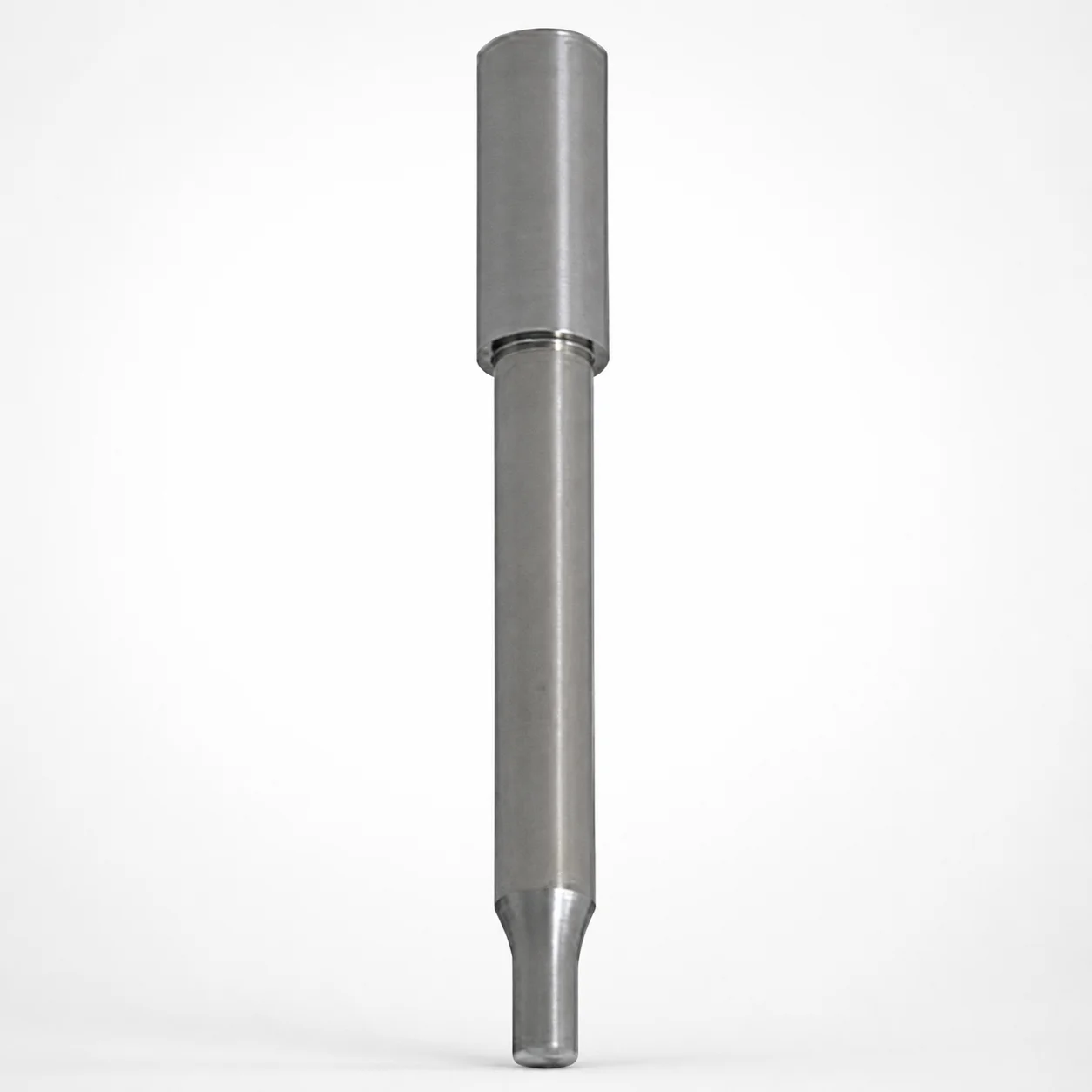
TiCN Option Powder High Speed Steel Round Stopper Punches Single-Stepped
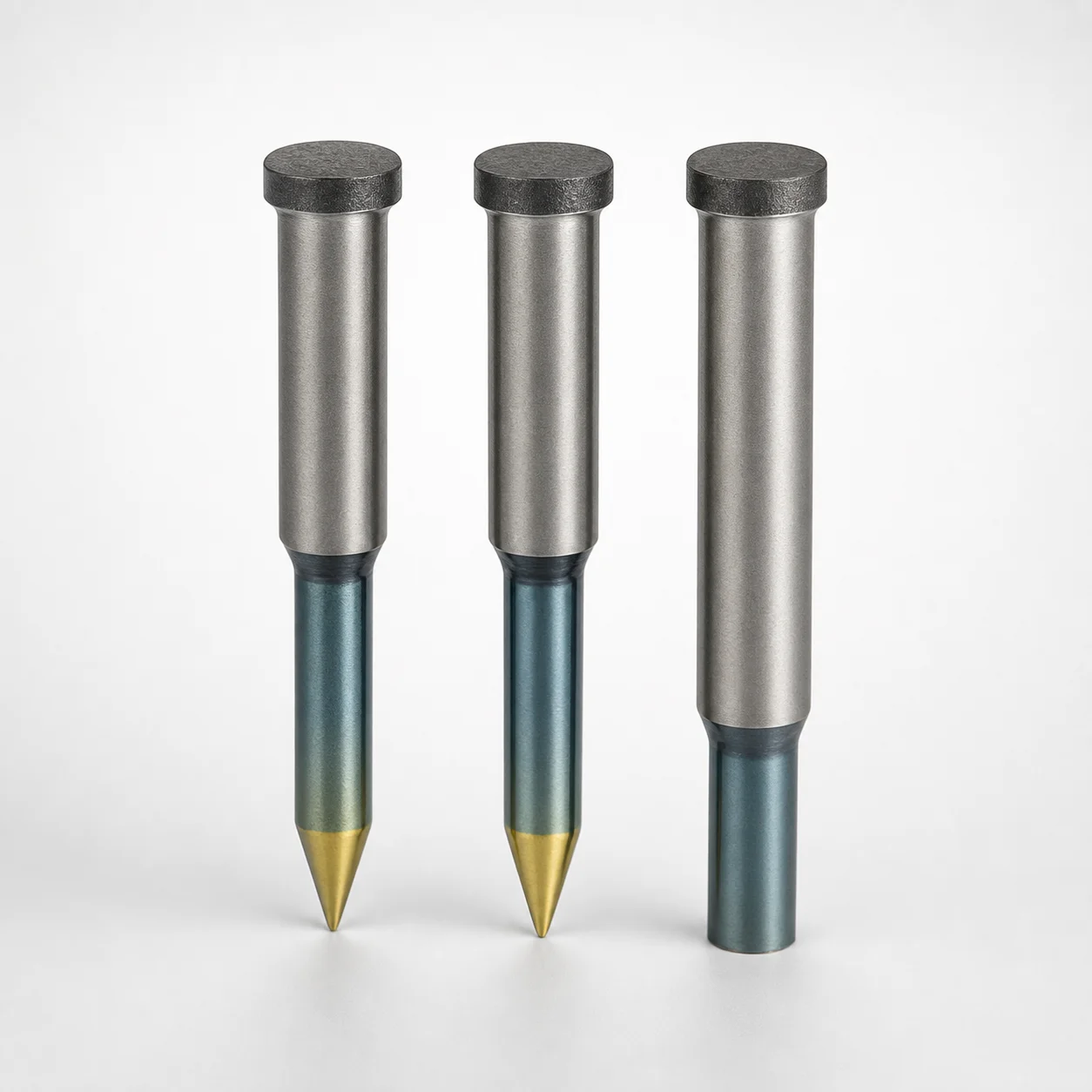
Powdered High-Speed Steel Round Stopper Punches Single-Stepped
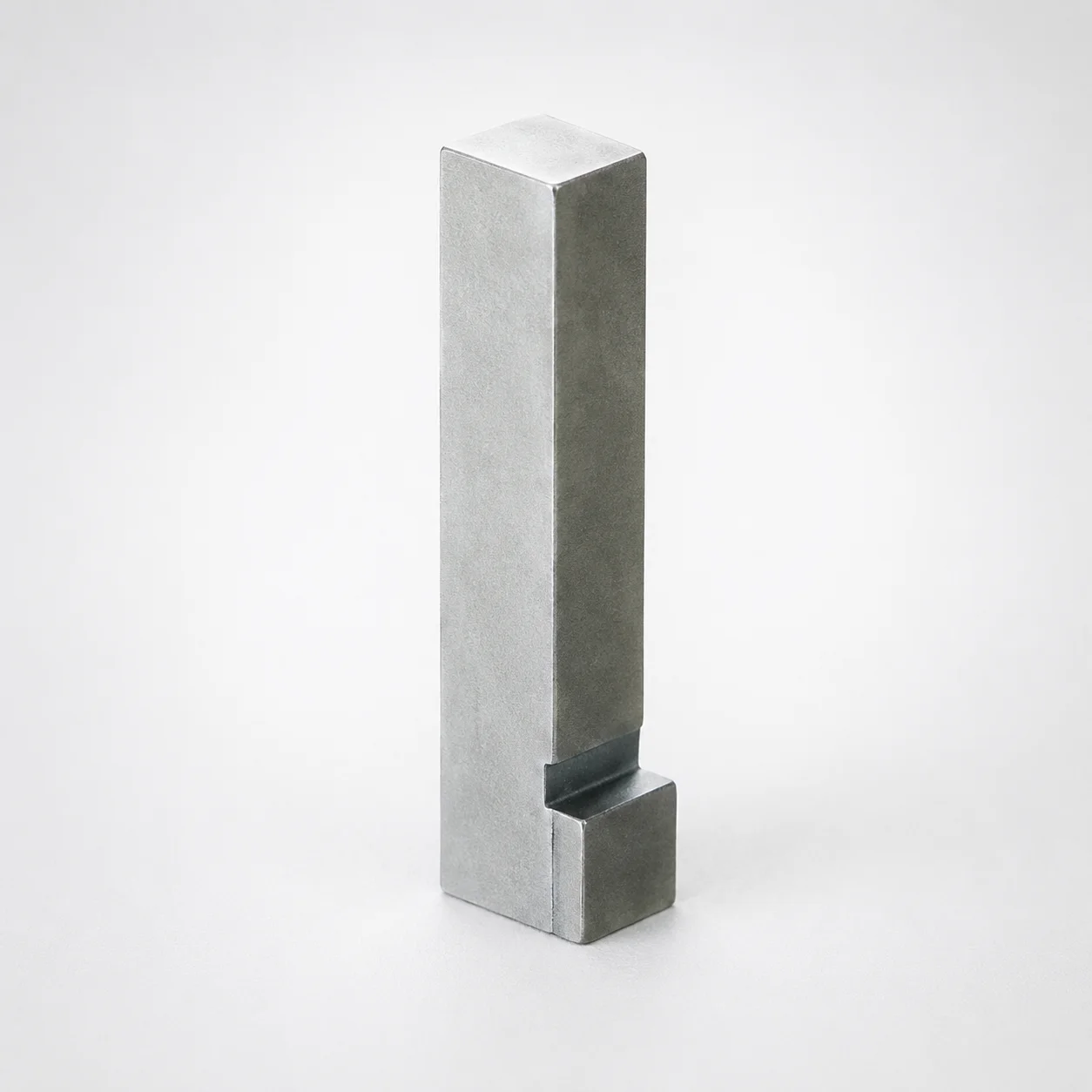
JIS Standard Steel Block Core Pins No Tip No Engraving
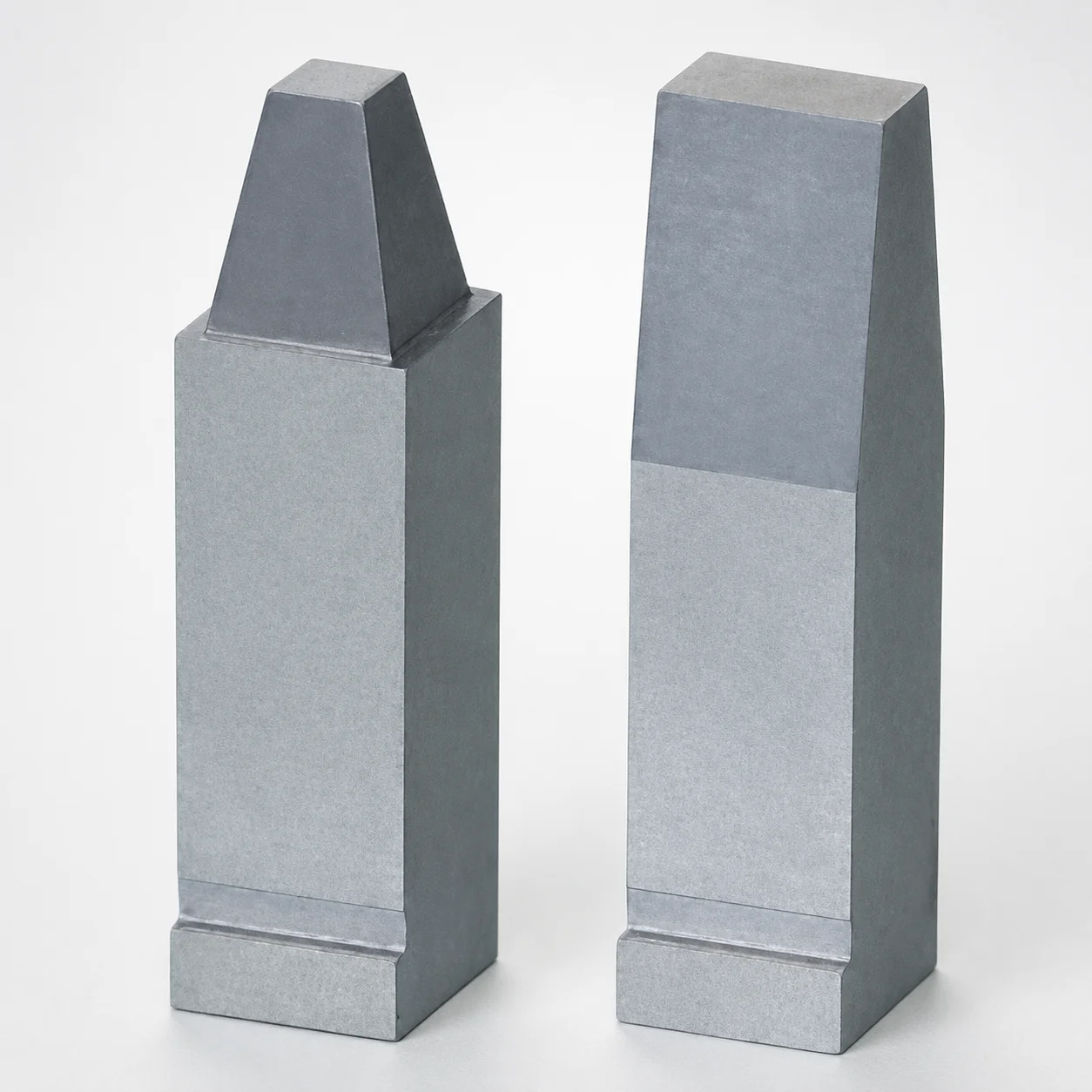
Steel Block Core Pins No-Tip with Flange
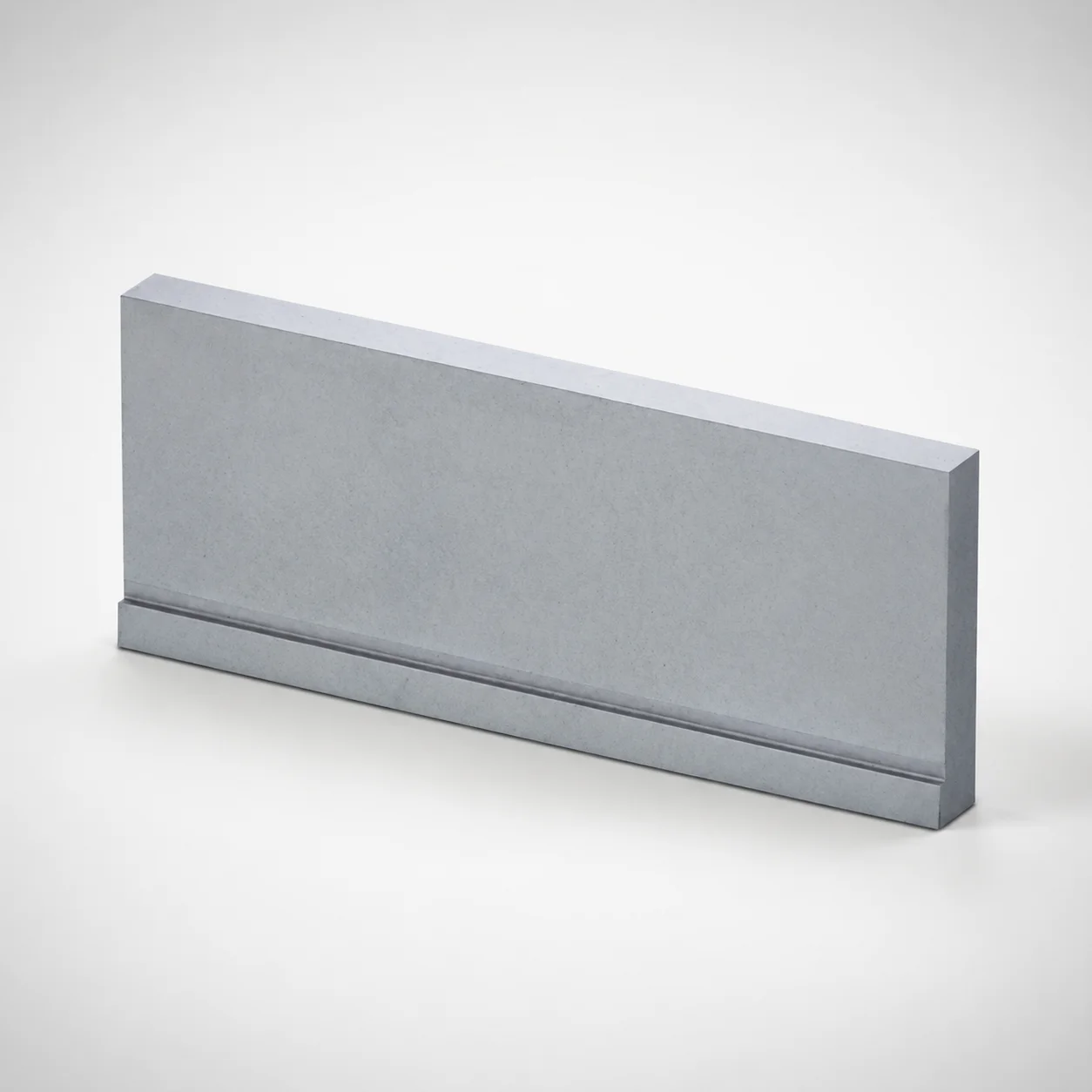
Block Core Pins No Tip Processing With Flange
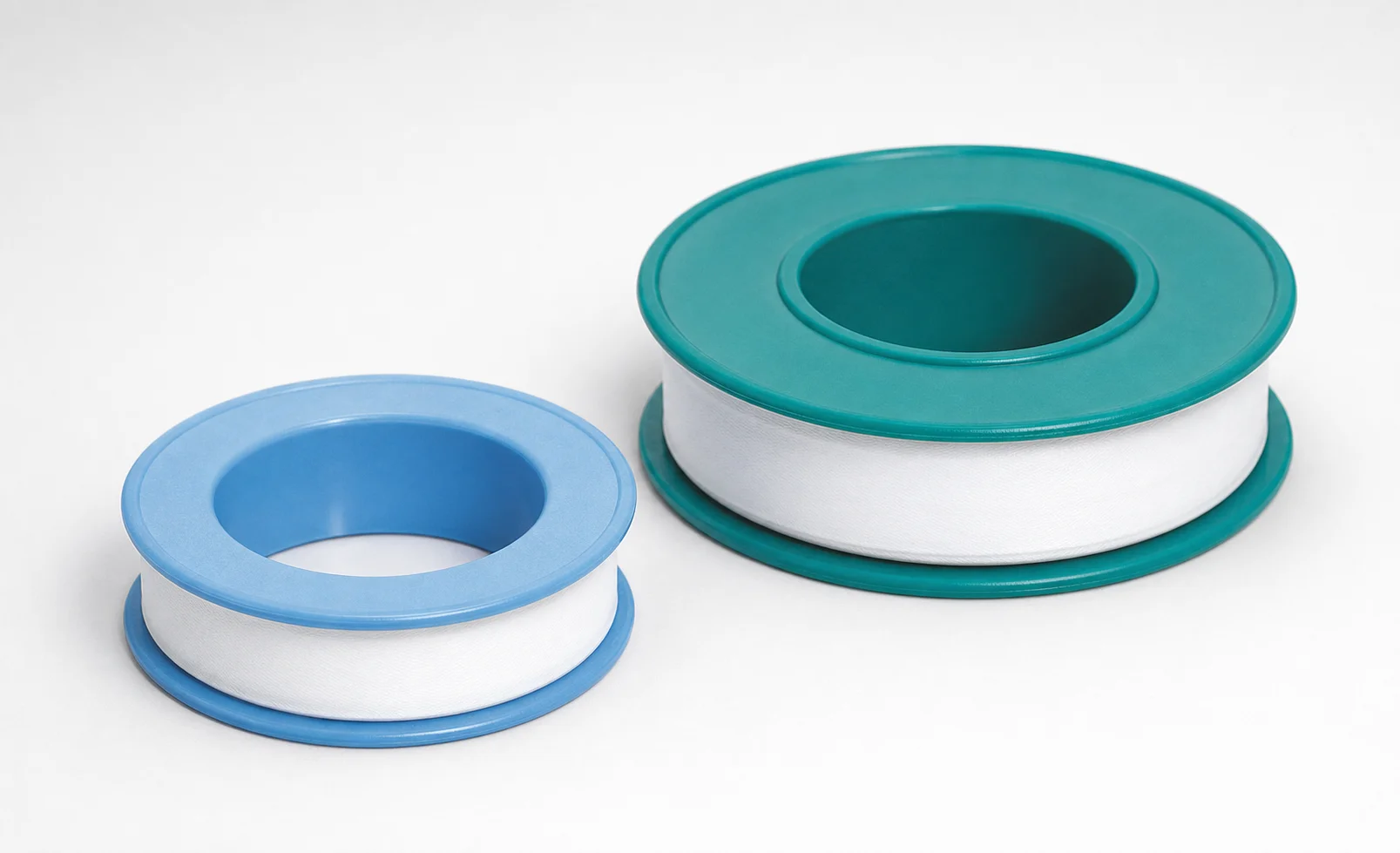
JST PTFE Pipe Thread Seal Tapes
Need Custom Specifications?
Our engineering team can help with custom configurations, material selection, and volume pricing.