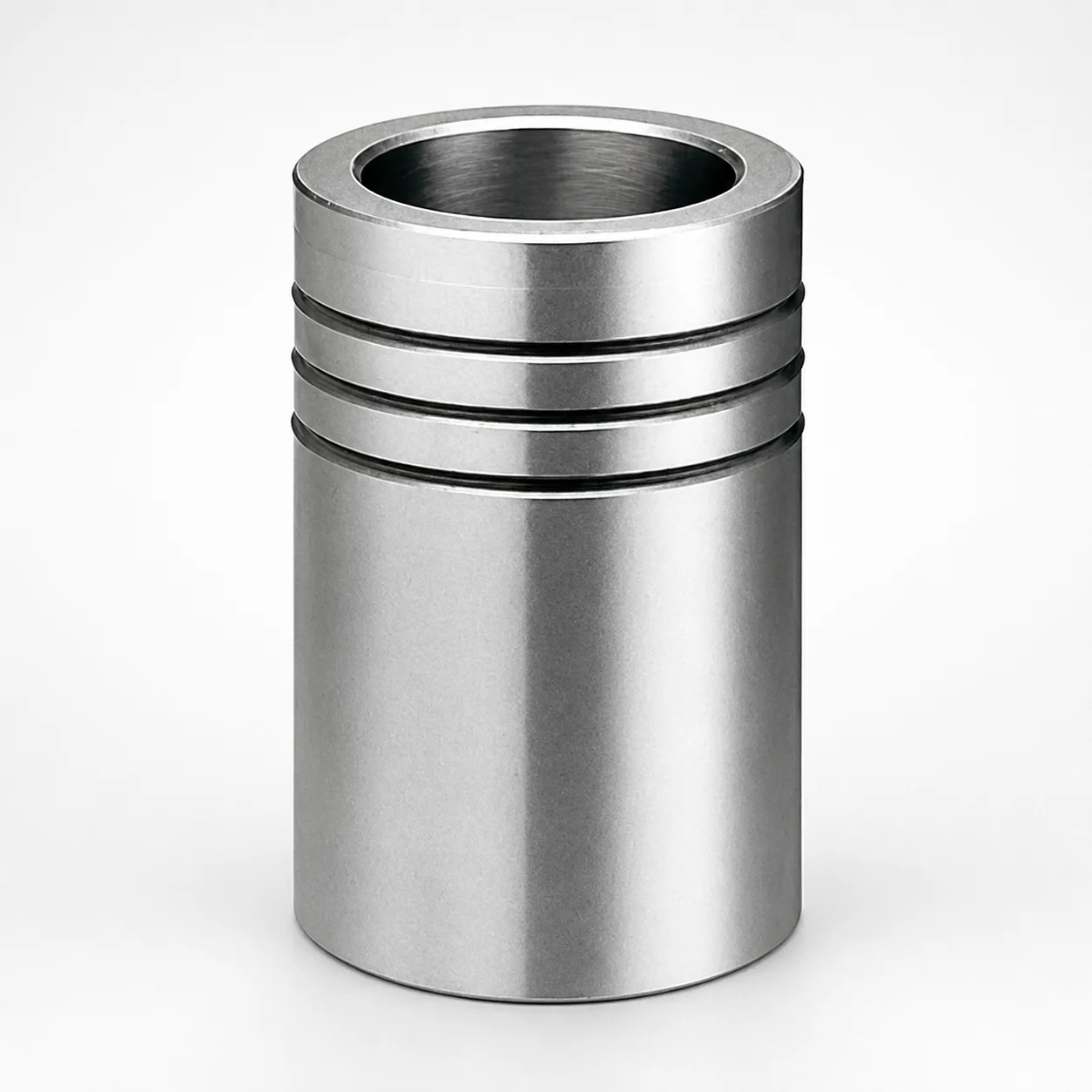
Ball Guide Bushings for Die Sets Bonded by Loctite Adhesive
Ball Guide Bushings for die sets bonded by Loctite adhesive are engineered for precision die assembly, delivering more accurate alignment, shorter setup time, and longer die service life. Designed as a leader bushing type for repeatable locating in production.
- Improved outer diameter tolerance accuracy within 5 µm range for stable fit
- Enhanced coaxiality performance within 5 µm range to support smooth guide action
- Refined surface roughness on both outer and inner diameters for consistent motion
- Stocked supply reduces lead times while maintaining the VLBB guide bushing type
Specifications
4 configurations available
| PD (Post diameter) (mm) | Length L (mm) | type |
|---|---|---|
| 50 | 100 | - |
| 50 | 120 | - |
| 60 | 120 | - |
| 60 | 140 | - |
Product Guide
Application Scenarios+
These bonded ball guide bushings are used in large mold die sets where repeatable alignment is critical, particularly for high-cycle die casting and progressive tooling. In die sets, the bushing acts as a leader/locating guide that helps maintain positional repeatability between the upper and lower die halves during each closing cycle.
- Die casting connector and bracket dies: The Loctite adhesive bonding supports stable outer diameter control, helping achieve the stated 5 µm-level coaxiality for smoother guide action and reduced wear-induced misalignment.
- Automotive metal stamping and forming dies: Tight outer diameter tolerance (within the 5 µm range) improves fit stability, which can reduce setup time and minimize downtime caused by guide stick-slip or inconsistent motion.
- High-precision transfer dies for housings: The refined surface finish on both outer and inner diameters supports consistent sliding performance, maintaining alignment over longer die service intervals.
Material & Process Details+
The provided specifications focus on dimensional precision and bonded construction rather than a specific steel grade. As such, material properties (e.g., exact hardness in HRC, quench & temper targets, or nitriding depth) are not specified in the available data.
- Bonded by Loctite adhesive: Adhesive bonding is used to secure the ball guide bushing into the die set, improving dimensional retention of the outer diameter and supporting stable coaxiality during thermal and service cycling.
- Precision finish and fit: The design emphasizes controlled outer/inner diameter roughness to promote consistent motion and reduce friction-related wear.
- Steel/heat-treatment note: If you need hardness/wear optimization details for your specific die load and temperature, request the material certificate for the series code 110110696149.
Trade-off consideration: Without stated steel grade and heat treatment, toughness vs. wear-resistance claims cannot be confirmed for this exact variant.
Sizing & Selection Guide+
Select the correct bushing size by matching your die set guide bore/post geometry to the product PD (post diameter) and length L requirements. This series provides PD = 50 mm or 60 mm, and L = 100 mm, 120 mm, or 140 mm.
- Step 1 — Match PD: Choose PD that corresponds to the leader/locating interface diameter in your die set so the bushing outer diameter can maintain the stated 5 µm range tolerance behavior for stable fit.
- Step 2 — Match L to support length: Select length L that provides adequate engagement and guidance within the die assembly while avoiding interference with adjacent components.
- Step 3 — Consider coaxial alignment: The product is described as delivering 5 µm-level coaxiality. Ensure your mounting surfaces and any adhesive application areas are consistent to realize this performance.
- Tolerance/fit: Because precision is a key feature (outer diameter tolerance and coaxiality), avoid rework that changes bore roundness or seat flatness.
PD and L are fixed options in the provided spec set; choose from the discrete combinations above rather than requesting a custom size.
Frequently Asked Questions
How do the 5 µm outer diameter tolerance and 5 µm-level coaxiality affect die set alignment performance?+
These bonded ball guide bushings are specified to deliver outer diameter tolerance accuracy within the 5 µm range and coaxiality performance within 5 µm. In a die set, that level of geometric control helps maintain repeatable leader alignment between press cycles, supporting smoother guide motion and more consistent closing behavior. This can reduce downtime linked to misalignment wear or guide stick-slip.
What PD and length combinations are available for series 110110696149?+
For this series, the available PD (post diameter) values are 50 mm and 60 mm. The available length L options are 100 mm, 120 mm, and 140 mm. Confirm which PD matches your die-set leader bore/post diameter and then select L for the required engagement length.
Does the Loctite adhesive bonding change installation considerations versus press-fit guide bushings?+
The product is specifically described as a ball guide bushing bonded by Loctite adhesive, indicating it is retained via adhesive bonding rather than only mechanical interference. For best results, prepare mounting surfaces consistently so the stated precision (including 5 µm-level coaxiality) is maintained. If your process requires specific cure timing/handling, those details should be aligned with the adhesive system used in your shop.
How should I choose between PD 50 mm and PD 60 mm to ensure stable fit?+
Choose PD based on the die-set leader/locating interface diameter: PD 50 mm or PD 60 mm must correspond to your post diameter target. Because the bushings are designed for stable fit behavior with 5 µm range outer diameter tolerance accuracy, selecting the wrong PD can prevent proper engagement and alignment. Verify your die bore/post diameter and roundness before installation.
Are there specific surface finish benefits on the inner and outer diameters, and why do they matter?+
The description states refined surface roughness on both outer and inner diameters. In sliding leader applications, lower and more consistent surface roughness helps promote smoother motion, which can reduce friction-related wear and help preserve alignment. This is especially relevant where tight coaxiality (5 µm-level) is required for consistent die action.
Related Products
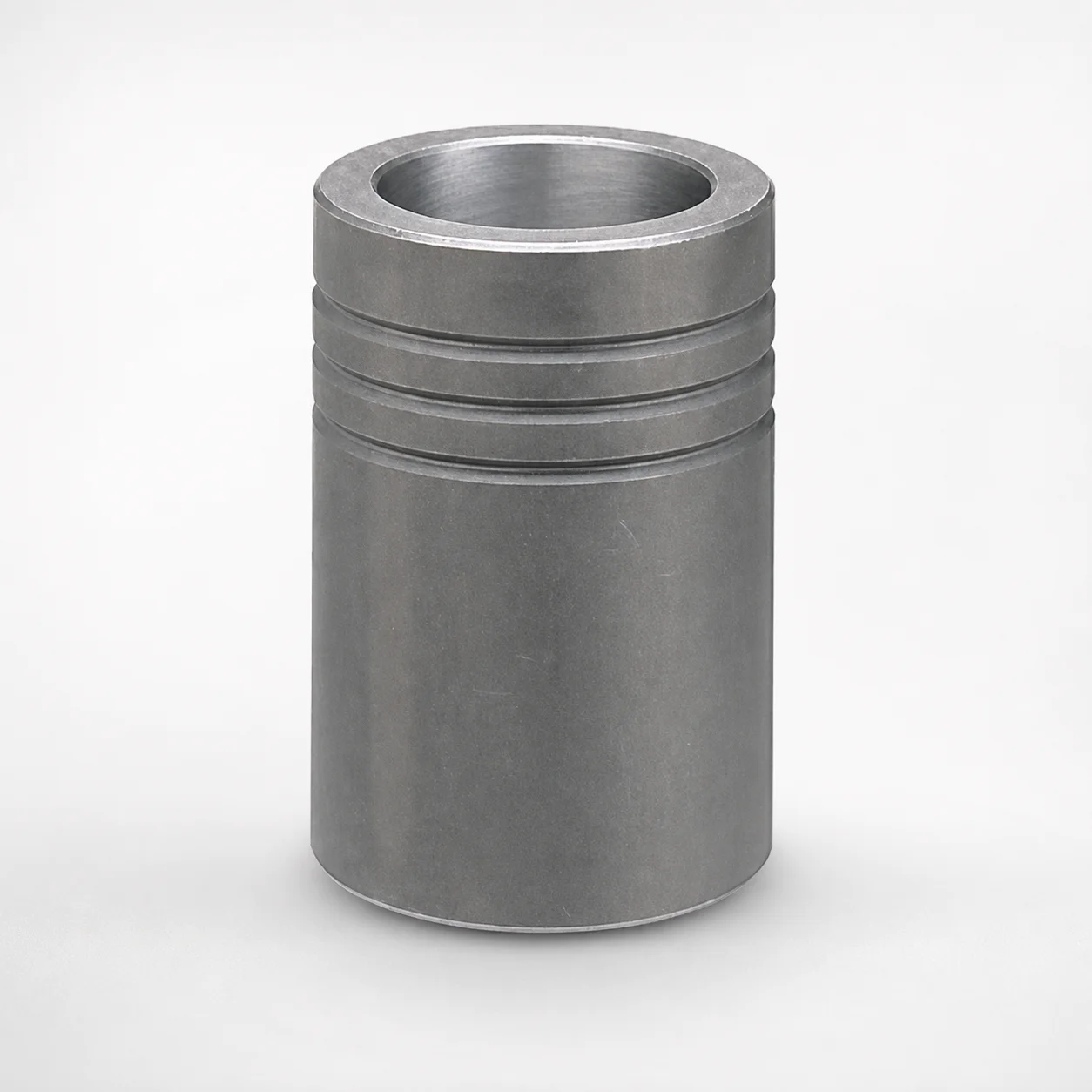
MBB Ball Guide Bushings for Die Sets Bonded by Devcon Adhesive
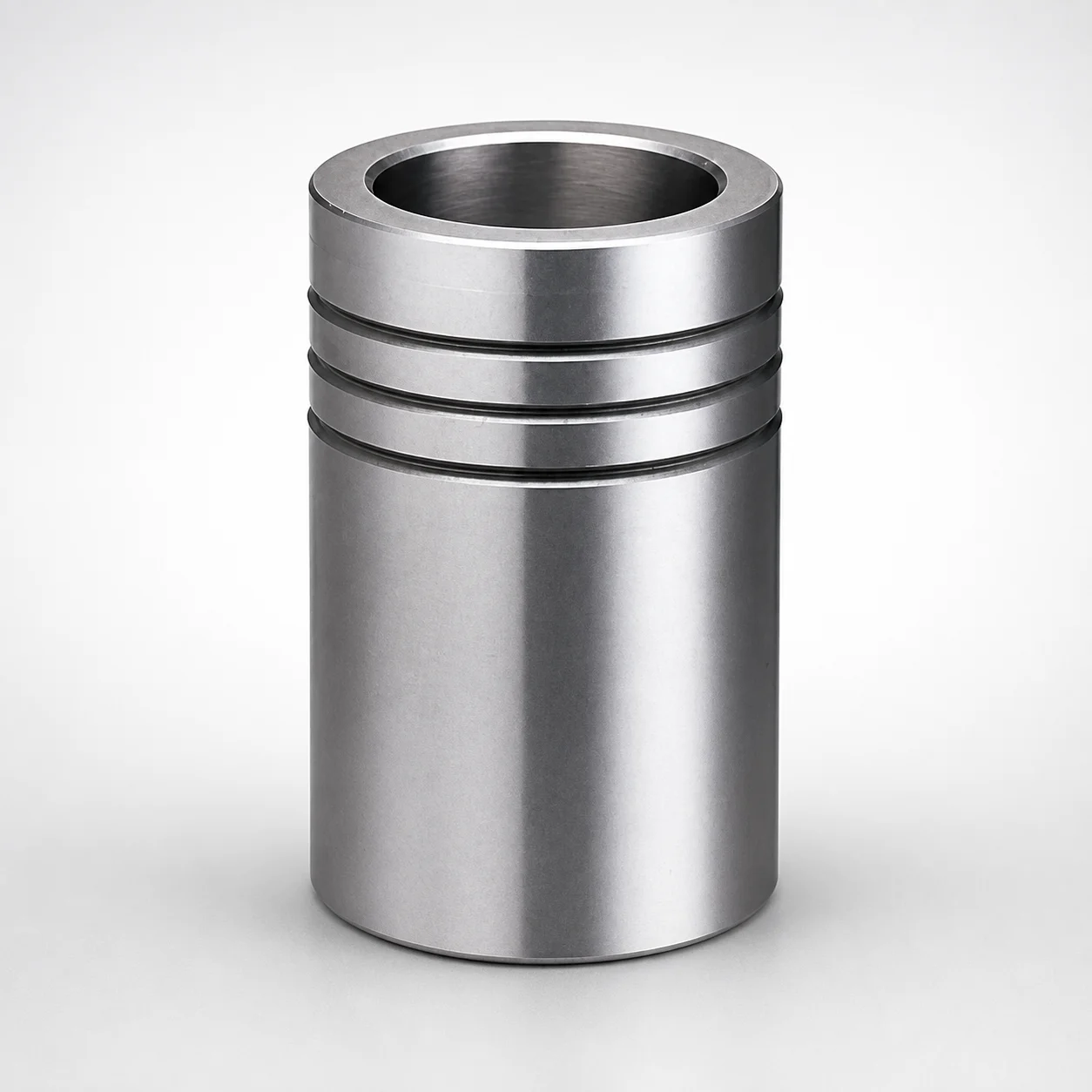
Ball Guide Bushings for Die Sets
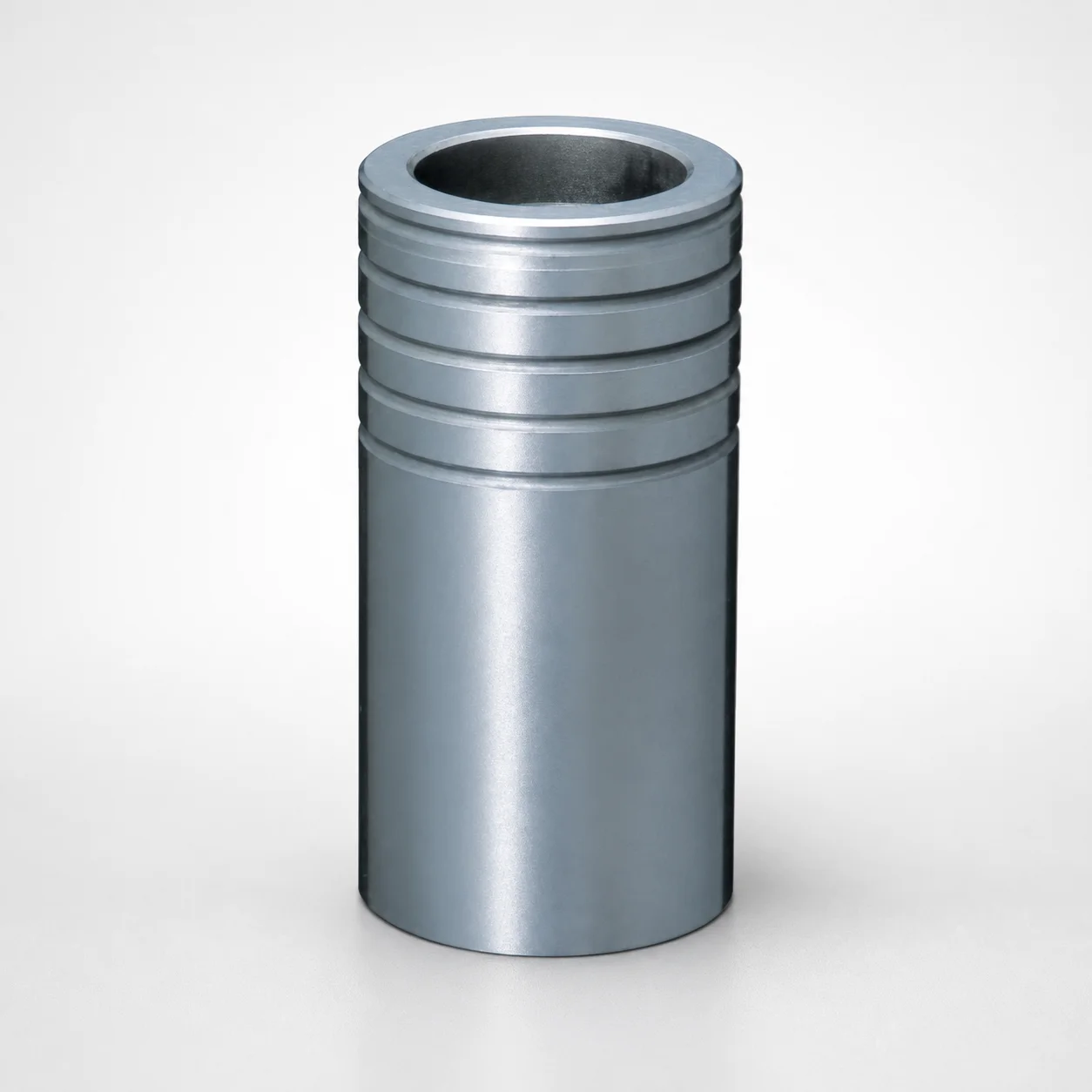
Ball Guide Bushings for Die Sets - Loctite Adhesive LBB Type
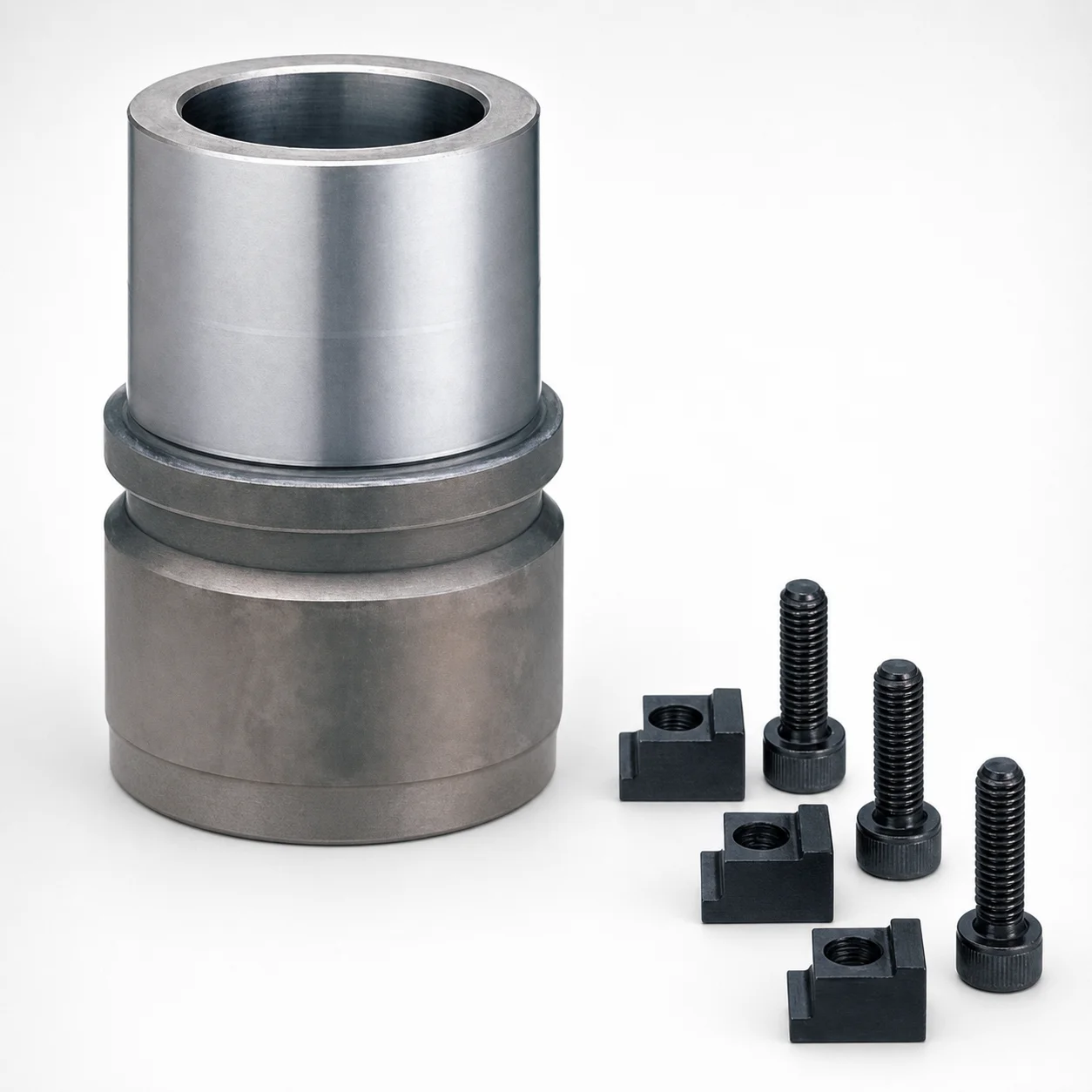
RBB Ball Guide Bushings for Die Sets - Detachable Type
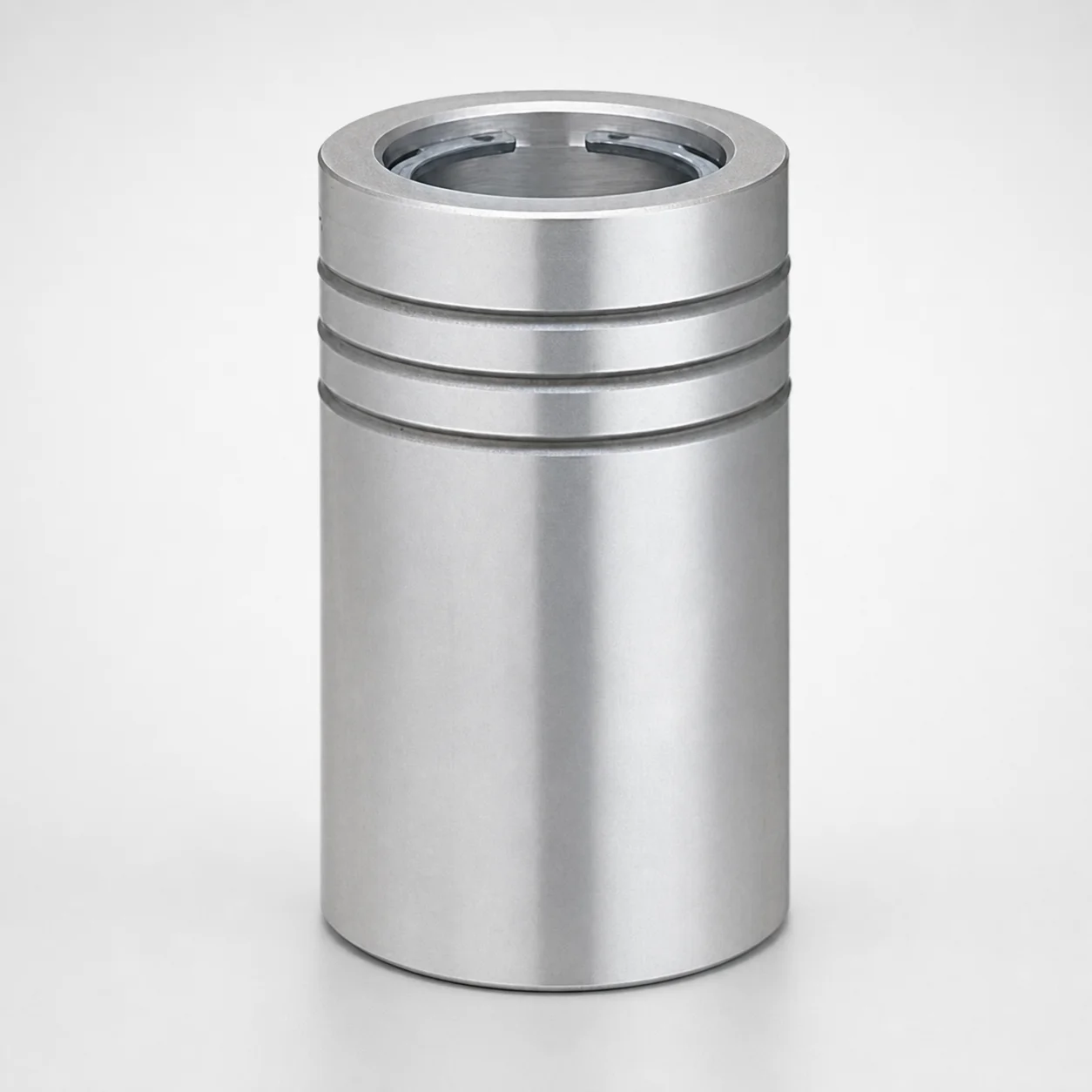
Ball Guide Bushings (LBBS) Loctite Bonded
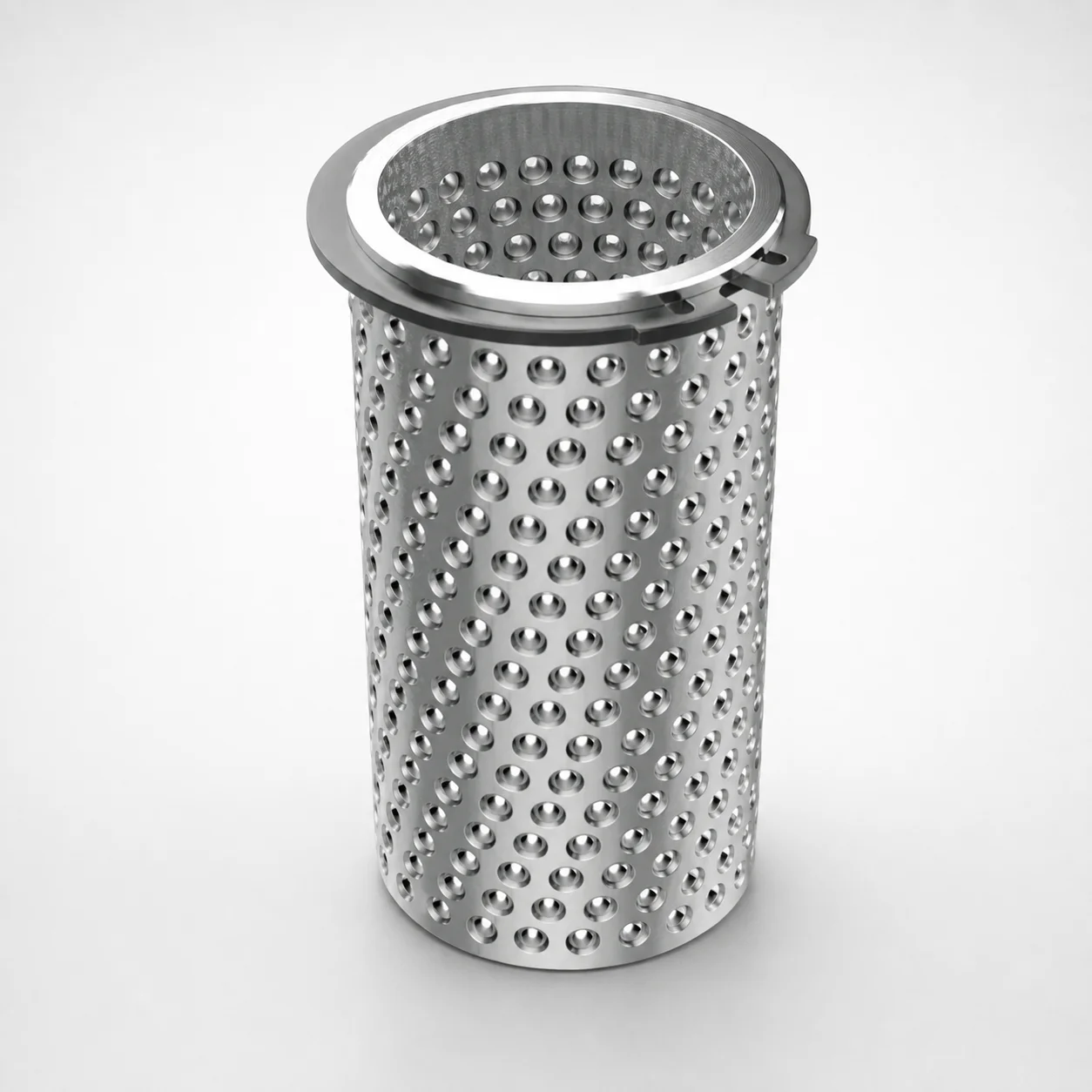
Aluminum Ball Cages for Guide Bushings with Groove & Circlip
Need Custom Specifications?
Our engineering team can help with custom configurations, material selection, and volume pricing.