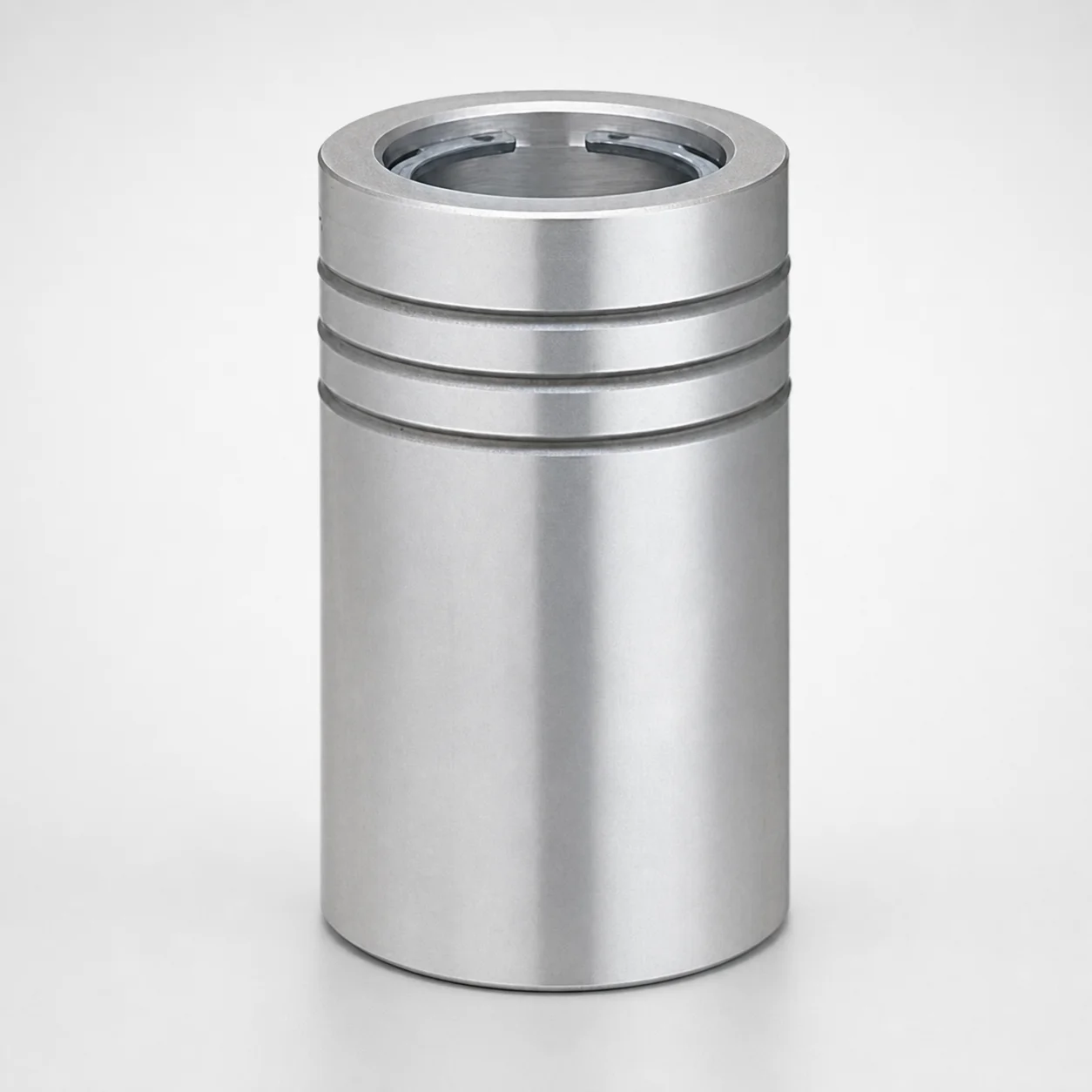
Ball Guide Bushings (LBBS) Loctite Bonded
Ball guide bushings (LBBS) are designed for lower die sets and bonded using Loctite adhesive to establish reliable positioning. This bushing-only format supports consistent guide performance during production.
- Ball guide bushing design helps maintain smooth die alignment and stable movement
- Loctite adhesive mounting bonds the bushing securely for repeatable assembly
- LBBS type construction supports dependable operation in guide post systems
- Used in lower die sets where controlled fit-up and stable guide behavior are required
Specifications
26 configurations available
| PD (Post diameter) (mm) | L (L dimension) (mm) | LC (Full length alteration) (mm) | type |
|---|---|---|---|
| 20 | 50 | - | - |
| 20 | - | 25 ~ 49 | - |
| 22 | 50 ~ 60 | - | - |
| 22 | - | 25 ~ 49 | - |
| 22 | - | 51 ~ 59 | - |
| 25 | 60 ~ 80 | - | - |
| 25 | - | 30 ~ 59 | - |
| 25 | - | 61 ~ 79 | - |
| 28 | 60 ~ 80 | - | - |
| 28 | - | 30 ~ 59 | - |
| 28 | - | 61 ~ 79 | - |
| 32 | 80 ~ 100 | - | - |
| 32 | - | 40 ~ 79 | - |
| 32 | - | 81 ~ 99 | - |
| 38 | 80 ~ 100 | - | - |
| 38 | - | 40 ~ 79 | - |
| 38 | - | 81 ~ 99 | - |
| 45 | 100 ~ 120 | - | - |
| 45 | - | 50 ~ 99 | - |
| 45 | - | 101 ~ 119 | - |
| 50 | 100 ~ 120 | - | - |
| 50 | - | 50 ~ 99 | - |
| 50 | - | 101 ~ 119 | - |
| 60 | 100 ~ 120 | - | - |
| 60 | - | 50 ~ 99 | - |
| 60 | - | 101 ~ 119 | - |
Product Guide
Application Scenarios+
Ball guide bushings (LBBS), Loctite bonded are used in injection and die-casting tooling where the lower die guide system must stay aligned under repeated cycling. The Loctite-bonded format suits builds that require quick installation while maintaining consistent positioning between the lower die and the guide posts.
- Die casting lower die guide systems: Select this bushing for post diameters within 20–60 mm to support stable sliding alignment and reduce misfit during long production runs.
- Large transfer or die sets: Match the bushing full length alteration LC (25–101 mm) to accommodate die-specific travel and assembly stack-ups while keeping guide motion smooth.
- Repeatable service and maintenance: Loctite bonding helps establish a controlled fit-up for dependable guide behavior after refurbishment of worn guide components.
Material & Process Details+
The provided product specifications define the LBBS geometry and Loctite-bonded installation, but do not list the steel grade, coating, or measured hardness (HRC). Therefore, material hardness, wear resistance, and any specific heat-treatment state (e.g., quench & temper, nitriding) cannot be stated from the given data.
For accurate selection, confirm the supplied material grade and heat-treatment condition from the manufacturer documentation used for your build. In general, guide components balance wear resistance (often via suitable alloy selection and surface treatment) against toughness to avoid cracking under shock loads from die closure.
- Verify whether the bushing is hardened and/or surface-treated for sliding wear.
- Confirm thermal stability requirements for your press cycle and lubrication regime.
Sizing & Selection Guide+
To select the correct LBBS ball guide bushing, match your lower die guide post and the required guide engagement length. The key dimensional inputs are PD (post diameter) = 20–60 mm and the bushing length options L = 50; 50–60; 60–80; 80–100; 100–120 mm.
- Step 1 (post fit): Choose the bushing based on the guide post diameter so the PD range matches your post.
- Step 2 (engagement length): Select L from the available ranges to cover the required guide travel and load-bearing contact length.
- Step 3 (stack-up/travel adjustment): Use LC (full length alteration) = 25–101 mm to accommodate die-specific alteration allowances.
Loctite bonding supports assembly repeatability; however, final fit depends on the mating hole/post geometry tolerances specified for your die set. When in doubt, verify the mating interface tolerance strategy with your die builder to ensure consistent clearance and smooth movement.
Frequently Asked Questions
Which LBBS bushing size should I choose for my die set based on guide post diameter?+
How do I select the correct bushing length (L) for stable guide engagement in large die casting sets?+
What is the role of LC (full length alteration) when designing the lower die guide system?+
Does the Loctite bonded LBBS format change how I should plan the press fit or clearance?+
Can I rely on this listing for steel grade and hardness (HRC) for wear and toughness selection?+
Related Products
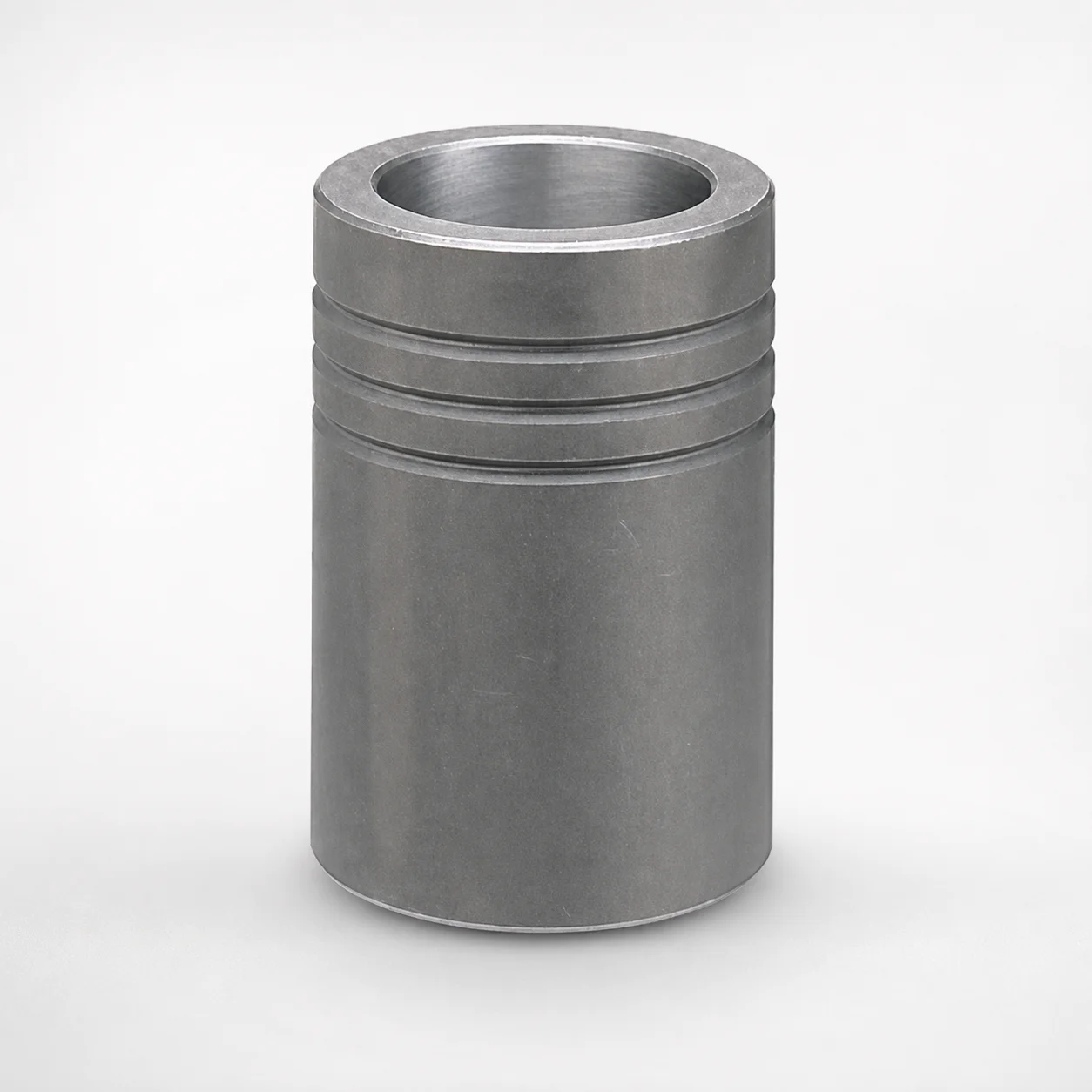
MBB Ball Guide Bushings for Die Sets Bonded by Devcon Adhesive
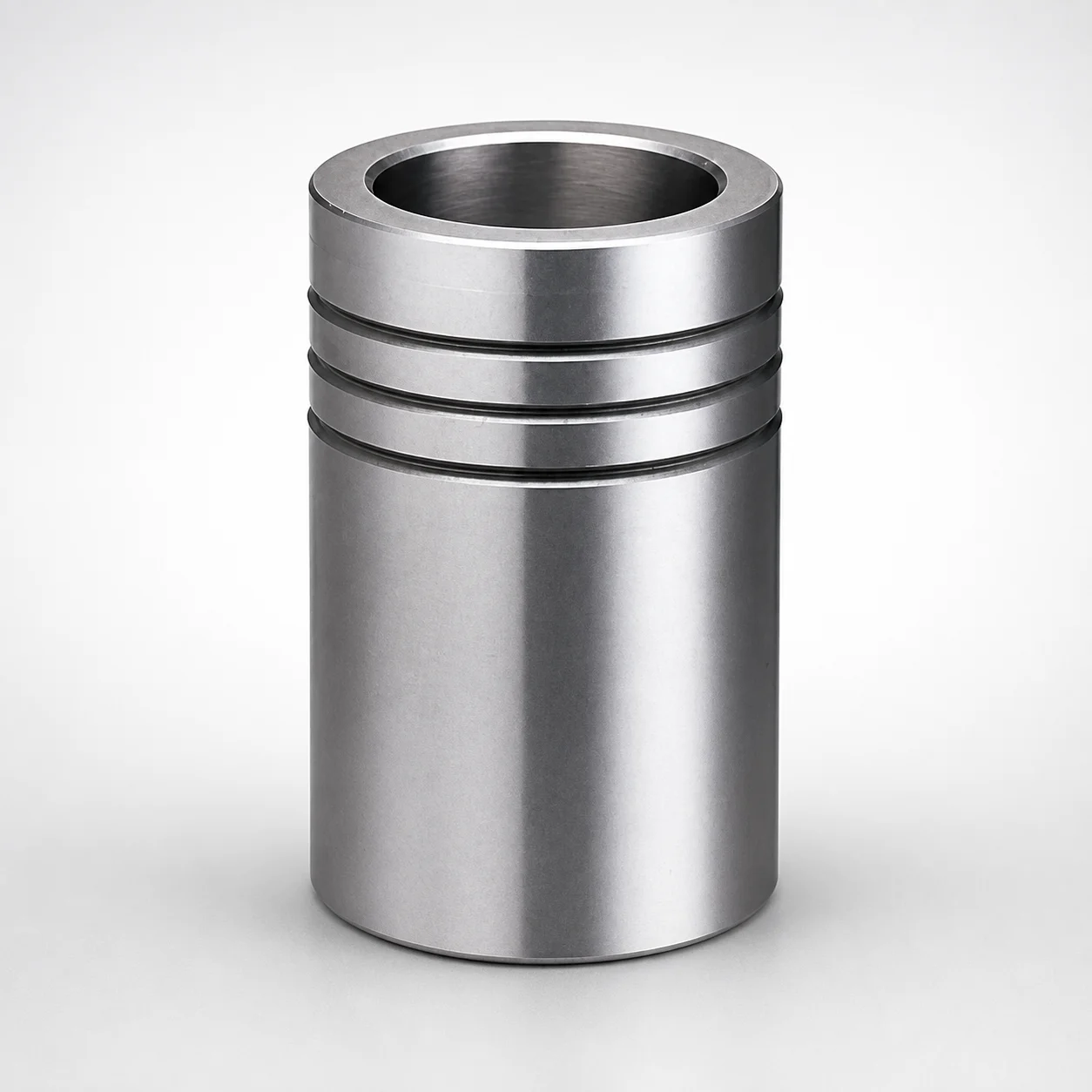
Ball Guide Bushings for Die Sets
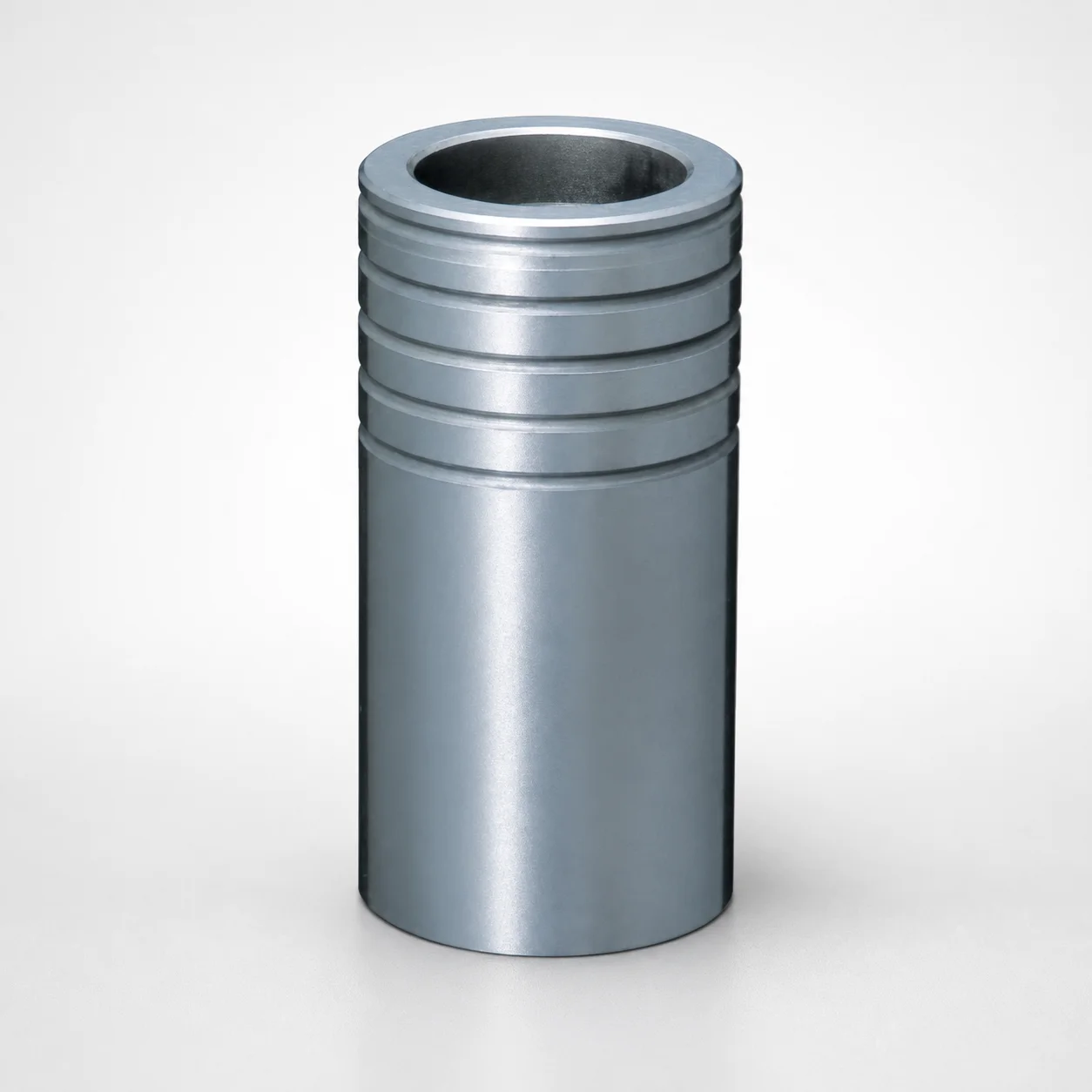
Ball Guide Bushings for Die Sets - Loctite Adhesive LBB Type
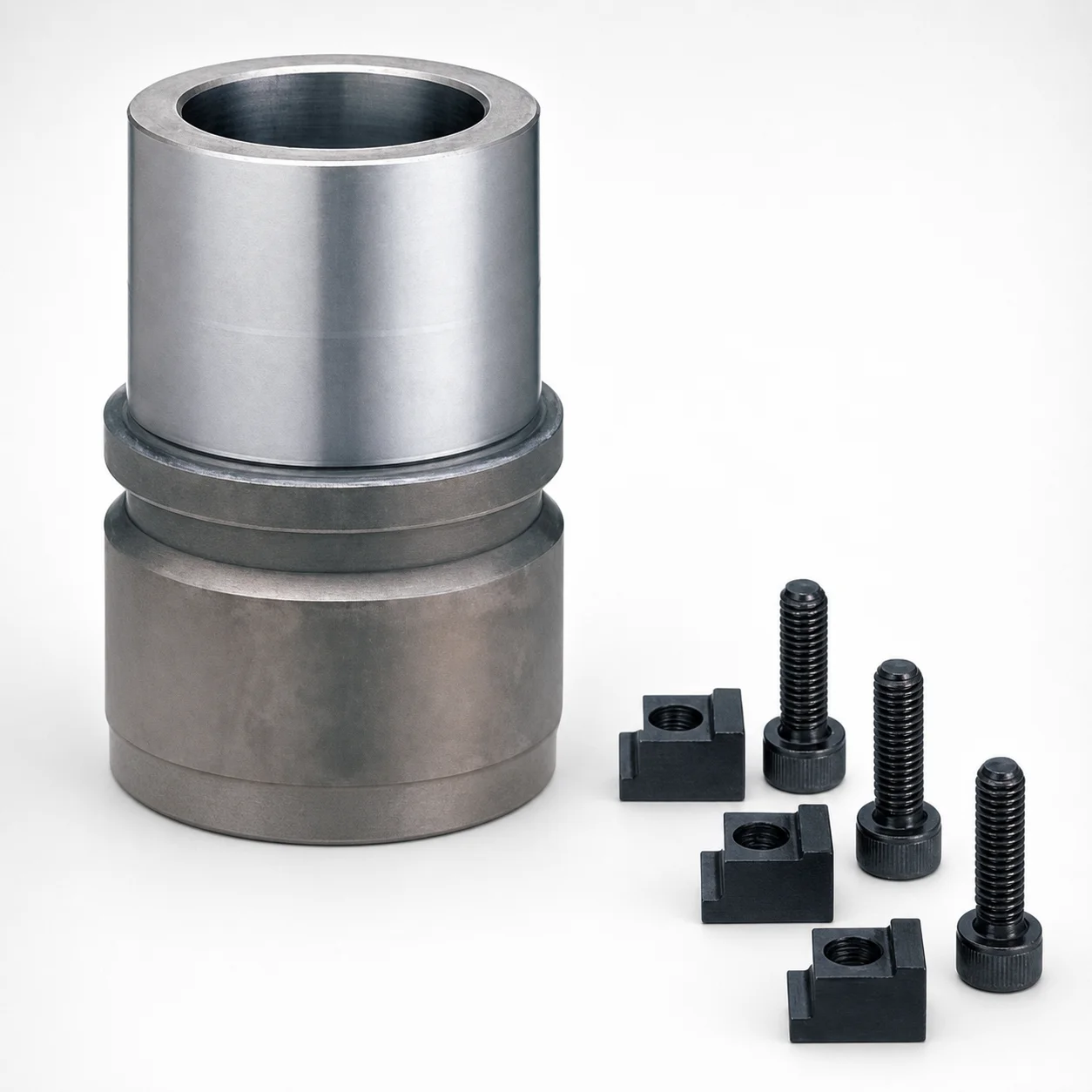
RBB Ball Guide Bushings for Die Sets - Detachable Type
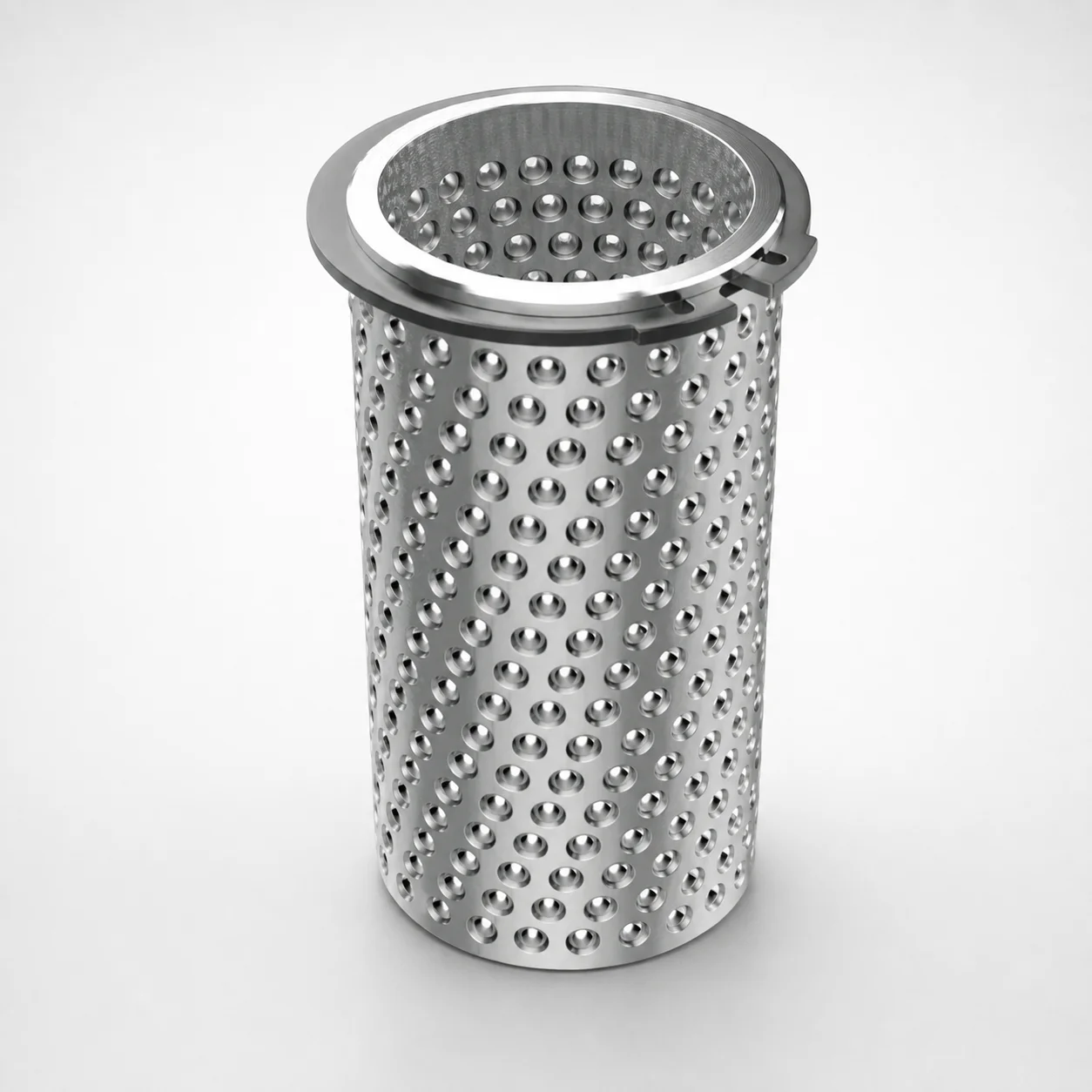
Aluminum Ball Cages for Guide Bushings with Groove & Circlip
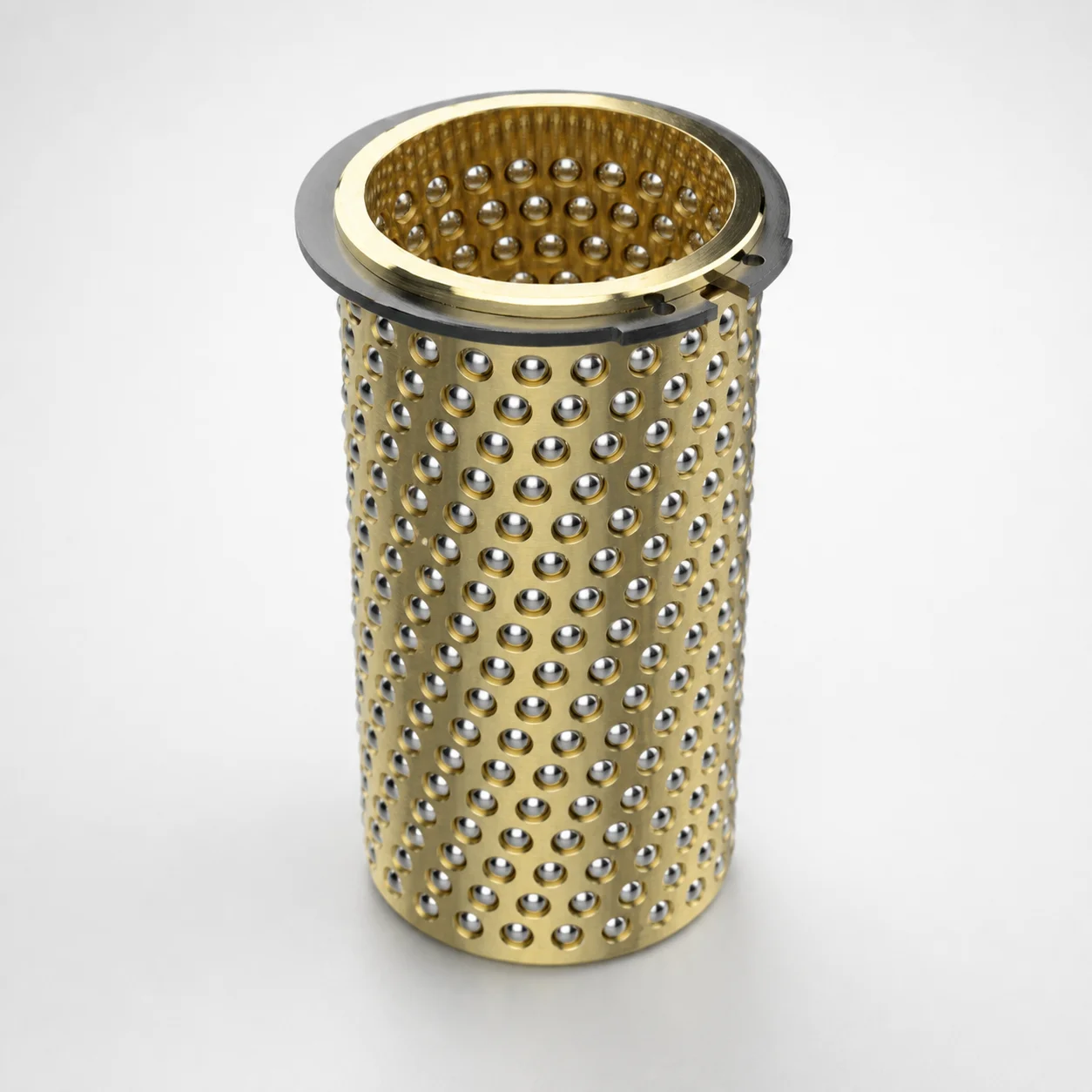
Ball Cages for Guide Bushings - Brass, Groove, with Circlip
Need Custom Specifications?
Our engineering team can help with custom configurations, material selection, and volume pricing.