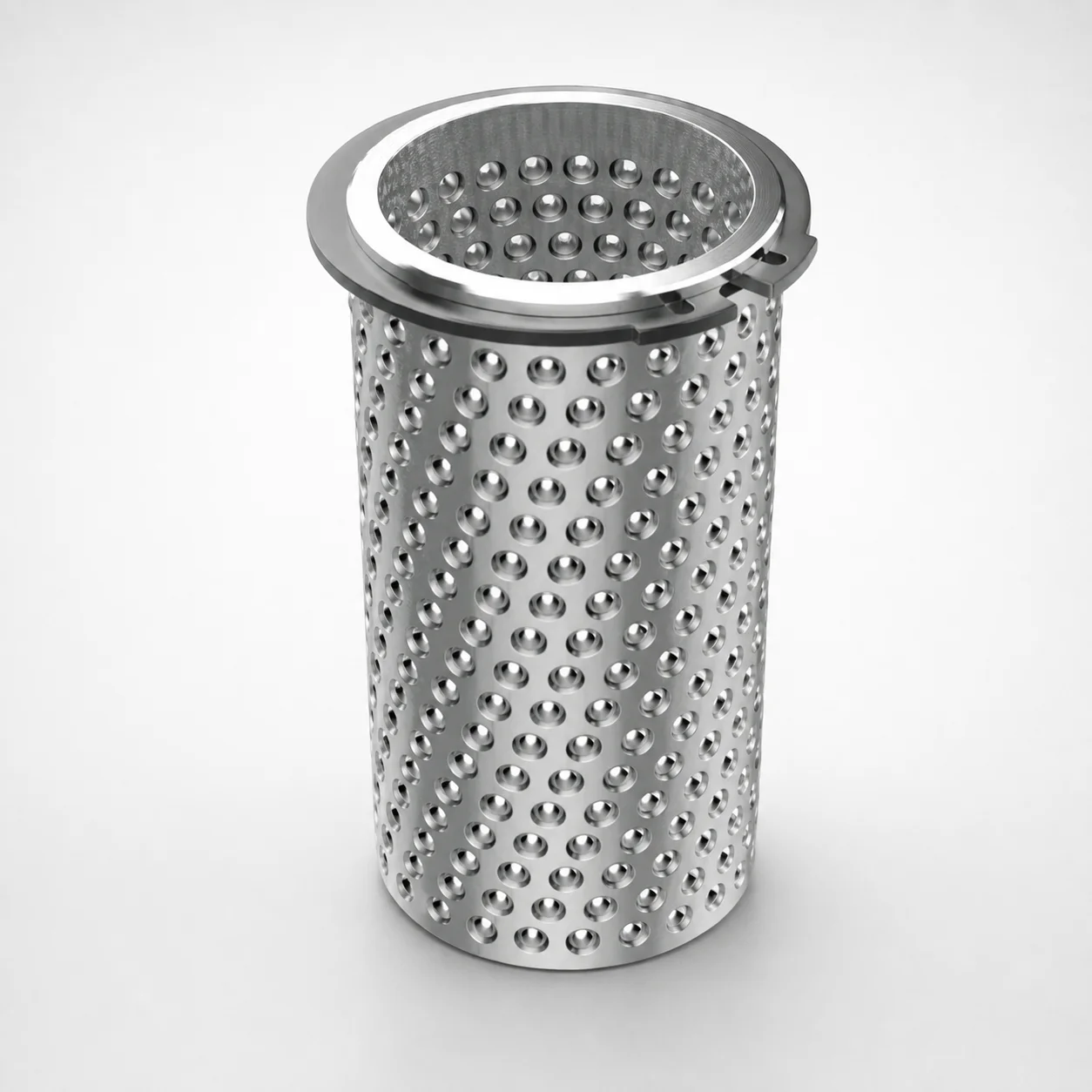
Aluminum Ball Cages for Guide Bushings with Groove & Circlip
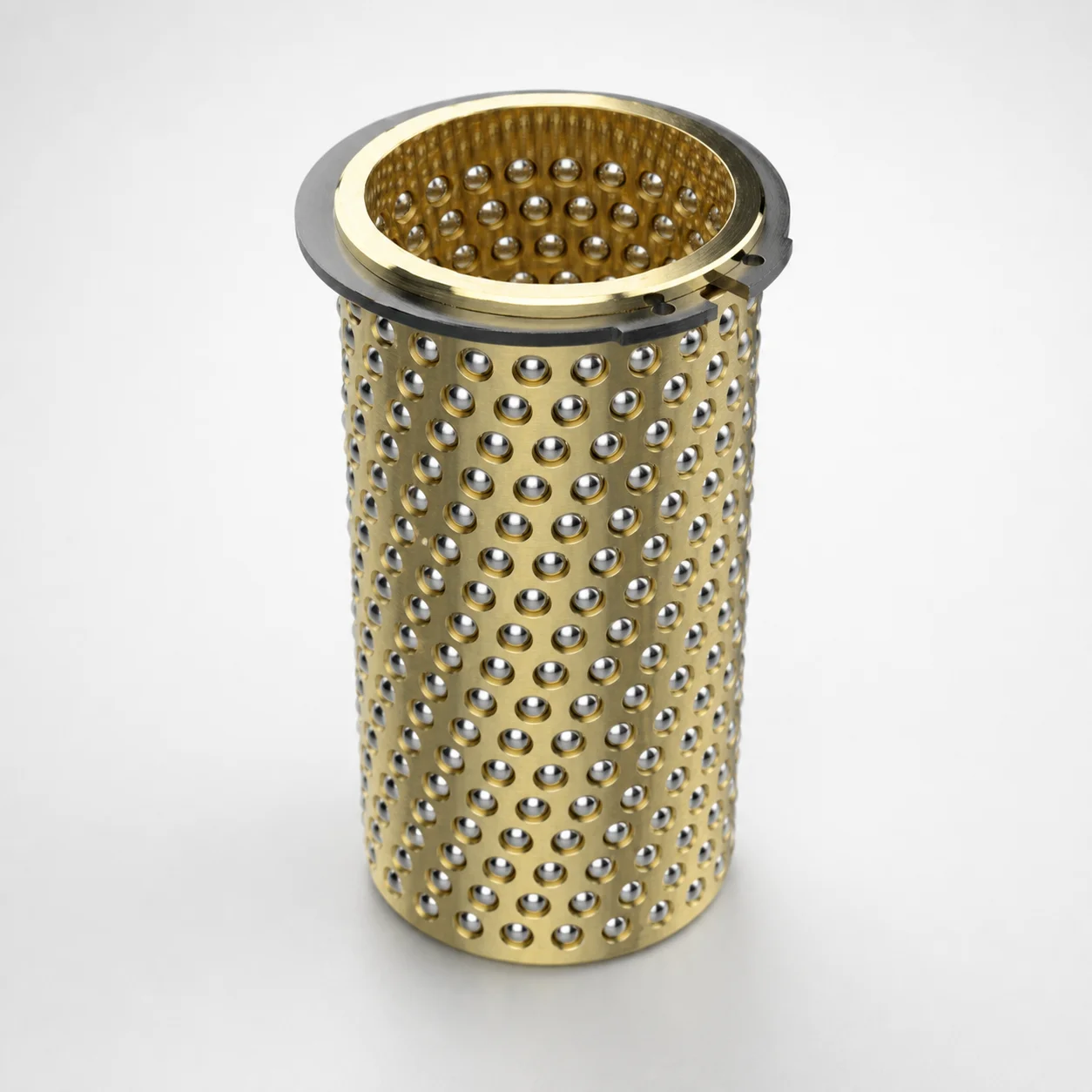
Ball cages for guide bushings (aluminum) provide a compact cage structure to retain balls and maintain controlled guidance in die-set ball guide assemblies. The built-in groove and circlip retention design supports reliable installation and serviceability.
- Aluminum cage construction helps maintain dimensional stability in guide bushings
- Integrated groove and circlip retention improve assembly repeatability
- Designed for use with DGBI3S, DGBI5S, or DGBI7S ball guide bushing types
- Ball capacity supports various setups; choose suitable configurations during engineering
Specifications
108 configurations available
| Length L (mm) | D (Diameter) (mm) | Number of Balls |
|---|---|---|
| 40 | 12 | 176 |
| 56 | 12 | 272 |
| 45 | 15 | 144 |
| 56 | 15 | 192 |
| 63 | 15 | 224 |
| 71 | 15 | 256 |
| 24 | 16 | 64 |
| 28 | 16 | 80 |
| 45 | 16 | 144 |
| 56 | 16 | 192 |
| 63 | 16 | 224 |
| 71 | 16 | 256 |
| 31 | 19 | 120 |
| 45 | 19 | 180 |
| 56 | 19 | 240 |
| 71 | 19 | 320 |
| 80 | 19 | 360 |
| 95 | 19 | 440 |
| 24 | 20 | 80 |
| 28 | 20 | 80 |
| 31 | 20 | 120 |
| 45 | 20 | 180 |
| 56 | 20 | 240 |
| 71 | 20 | 320 |
| 80 | 20 | 360 |
| 95 | 20 | 440 |
| 31 | 24 | 120 |
| 40 | 24 | 160 |
| 45 | 24 | 180 |
| 56 | 24 | 240 |
| 71 | 24 | 320 |
| 80 | 24 | 360 |
| 95 | 24 | 440 |
| 120 | 24 | 560 |
| 31 | 25 | 120 |
| 40 | 25 | 160 |
| 45 | 25 | 180 |
| 56 | 25 | 240 |
| 71 | 25 | 320 |
| 80 | 25 | 360 |
| 95 | 25 | 440 |
| 120 | 25 | 560 |
| 40 | 30 | 120 |
| 45 | 30 | 140 |
| 50 | 30 | 160 |
| 56 | 30 | 180 |
| 71 | 30 | 240 |
| 80 | 30 | 280 |
| 95 | 30 | 340 |
| 105 | 30 | 380 |
Product Guide
Application Scenarios+
This aluminum ball cage is used inside die-set ball guide assemblies where smooth, low-friction alignment is required during repeated opening and closing cycles. The integrated groove and circlip retention design supports stable installation on guide bushings and makes service replacement easier without complex rework.
- Die guide systems for large die-casting: In die guide rails with ball guide bushings, the cage’s compact structure helps maintain controlled ball positioning, improving alignment under load while supporting dimensional stability of the guide component.
- Multi-point alignment for heavy molds: When multiple guide bushings are arranged around a die set, selecting this variant helps achieve repeatable assembly because the circlip/groove features standardize retention geometry.
- Ball guide bushings for specific DGBI series: Designed to be used with DGBI3S, DGBI5S, or DGBI7S ball guide bushing types, ensuring the cage fits the intended guide interface for consistent performance.
Material & Process Details+
The cage is manufactured from aluminum, selected for its favorable stiffness-to-weight balance and dimensional stability in guide bushing applications. Compared with steel cages, aluminum typically offers lower mass and good machining/assembly performance, which can reduce inertia in guide systems while remaining stable for the retention and ball-spacing function.
Because no specific aluminum alloy, hardness value, or heat-treatment condition is provided in the product data, hardness (HRC) and exact heat treatment state cannot be confirmed for this variant. In practice, aluminum cages are often used in applications where wear is managed by proper lubrication and the mating guide/bushings control contact stresses.
- Wear resistance vs. toughness trade-off: Aluminum generally has lower surface wear resistance than hardened steels, so it relies on correct lubrication and controlled contact geometry.
- Manufacturing: The cage is formed as a precision component to hold multiple rolling elements and to maintain groove/circlip retention features for repeatable assembly.
Sizing & Selection Guide+
Select the cage by matching its diameter D, length L, and ball count to the guide bushing cavity/core requirements for your ball guide assembly. This product provides a diameter range of D = 12 ~ 80 mm and a length range of L = 24 ~ 200 mm, with available number of balls = 64 ~ 972.
- Match diameter (D): Choose the cage diameter that corresponds to the target guide bushing’s internal ball path/seat diameter so the rolling elements run concentrically.
- Match length (L): Set the cage length to the effective guide width in the mold insert/guide bushing package to avoid under-coverage or interference.
- Match ball count: Use the required number of balls (64–972) based on load distribution needs and the specific ball guide design for the assembly.
Retention features (groove and circlip) help stabilize installation; however, no tolerance values are provided for D/L or ball count in the data, so confirm fit against your DGBI3S/DGBI5S/DGBI7S bushing interface drawings before final build.
Frequently Asked Questions
What D (diameter) range is available for these aluminum ball cages, and how does it relate to the guide bushing interface?+
The cage diameter D is specified in the range of 12 ~ 80 mm. In a ball guide assembly, select the cage D that matches the intended ball path/seat geometry of the mating guide bushing so the balls run concentrically and the cage fits within the designed retention region.
How do I choose the cage length L for a die-set ball guide assembly?+
The available cage length L is 24 ~ 200 mm. Choose L to match the effective guide width in your mold’s ball guide bushing setup—too short may reduce ball coverage, while too long can interfere with neighboring components or retention features.
Which ball guide bushing types are compatible with the groove and circlip retention design?+
This variant is designed for use with DGBI3S, DGBI5S, or DGBI7S ball guide bushing types. The built-in groove and circlip retention supports reliable installation and repeatable service replacement when used with the intended DGBI series interface.
What ball counts can be selected, and how should ball count influence the design choice?+
The number of balls can be selected from 64 ~ 972. Ball count selection should be based on the load distribution and guidance performance requirements of your die guide design; higher counts generally increase the number of rolling elements sharing the load within the same cage size.
Is this aluminum cage heat treated or provided with a specified hardness value (HRC)?+
The provided product data specifies the cage is made of aluminum, but it does not list a specific aluminum alloy grade, heat-treatment state, or hardness value in HRC. For hardness/heat-treatment confirmation, rely on the supplier’s detailed material/processing specification for the exact item configuration you plan to use.
Related Products
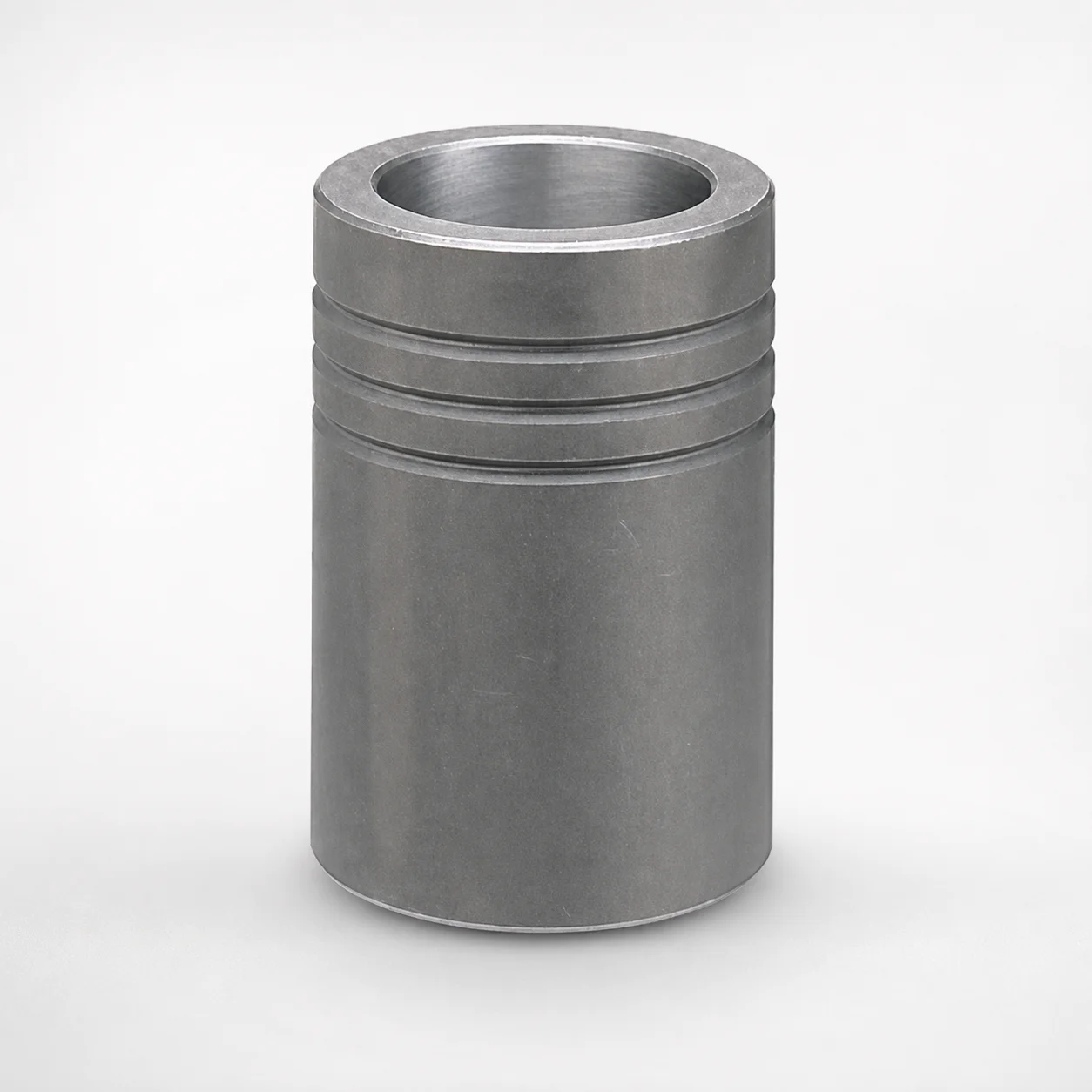
MBB Ball Guide Bushings for Die Sets Bonded by Devcon Adhesive
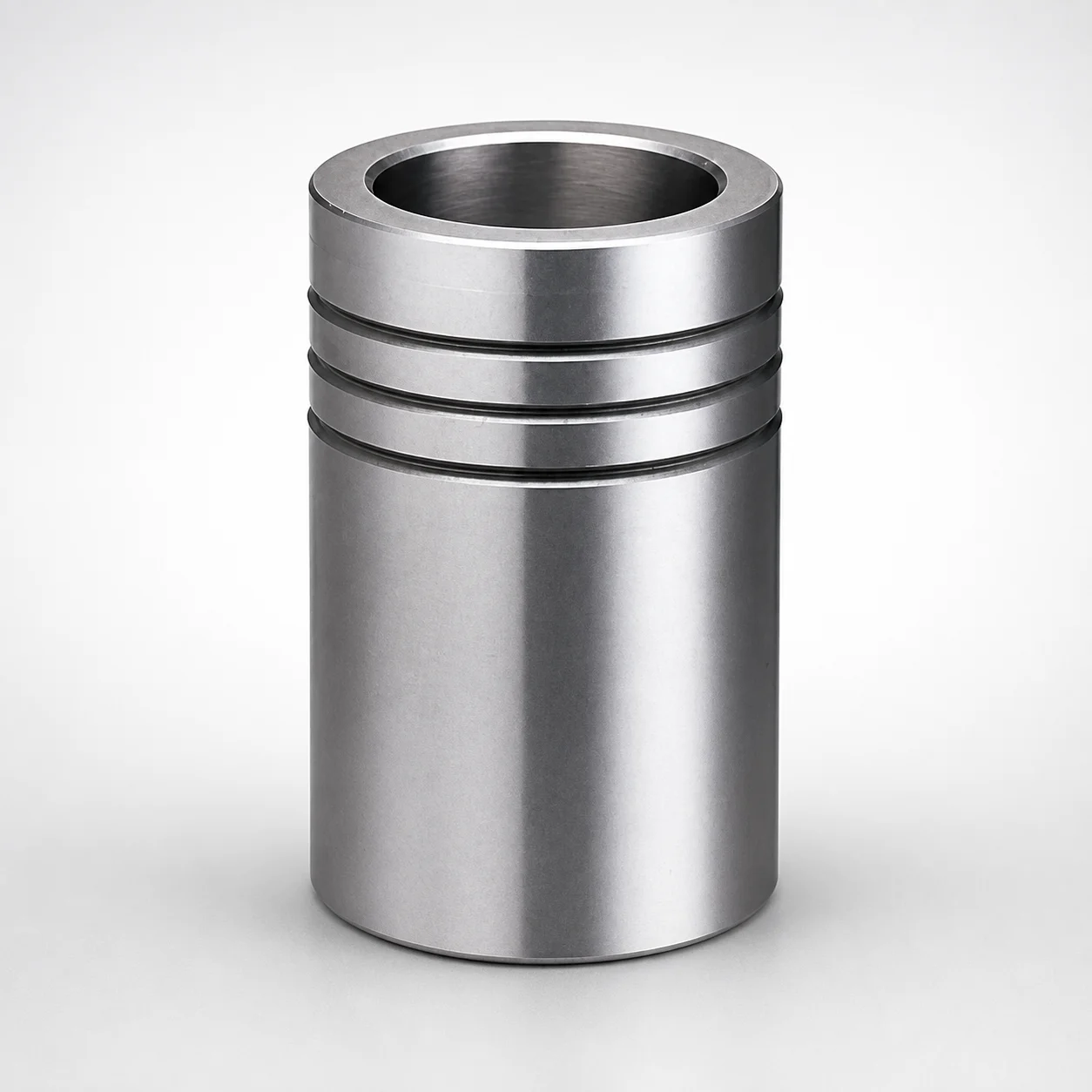
Ball Guide Bushings for Die Sets
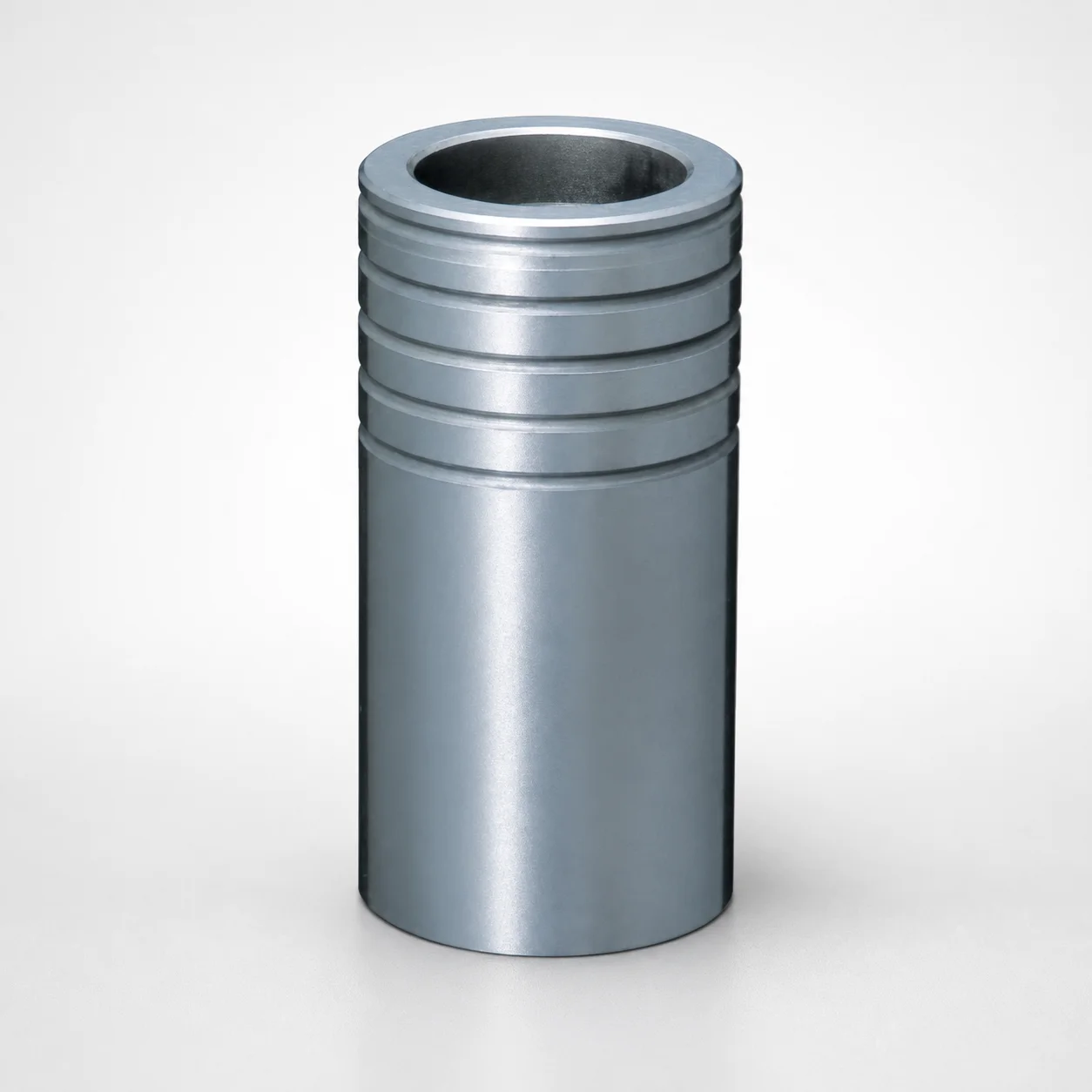
Ball Guide Bushings for Die Sets - Loctite Adhesive LBB Type
RBB Ball Guide Bushings for Die Sets - Detachable Type
Ball Guide Bushings (LBBS) Loctite Bonded
Ball Cages for Guide Bushings - Brass, Groove, with Circlip
Need Custom Specifications?
Our engineering team can help with custom configurations, material selection, and volume pricing.