Clamping Blocks
European standard power clamps, spacer blocks, and eccentric clamping bolts for precision workholding. C45 steel and aluminum bronze construction. 7 models covering flat, gooseneck, and high-profile clamping configurations.
Clamping Blocks — 7 Products
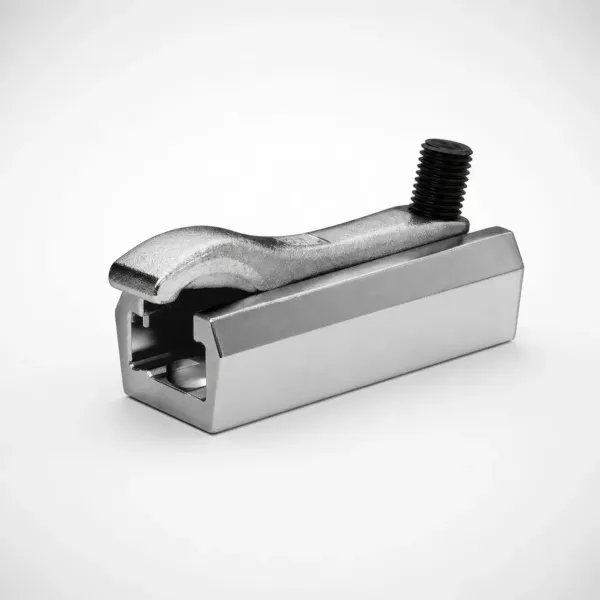
Clamping Blocks Z1
European standard flat-profile power clamp. C45 steel (1.0501). General-purpose mold and fixture clamping.
View Details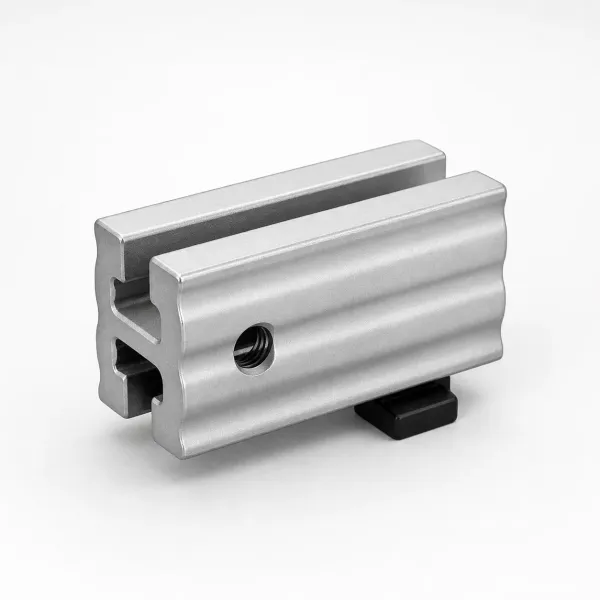
Clamping Blocks Z2
European standard spacer block. Aluminum bronze (3.4365, 500–530 N/mm²). High thermal conductivity for heat-sensitive setups.
View Details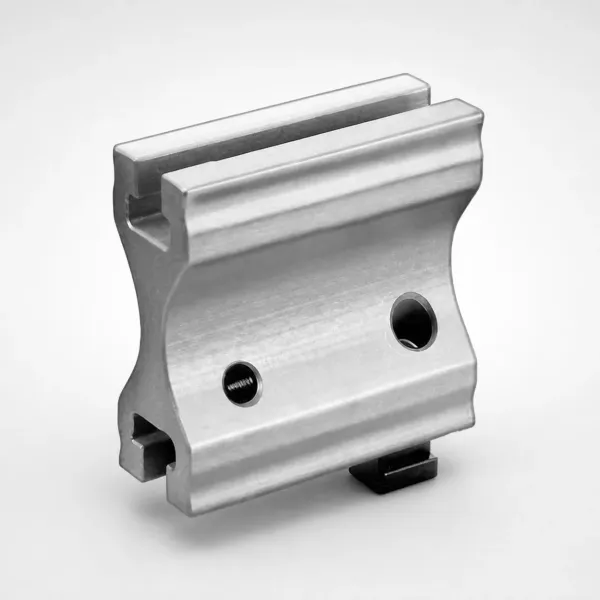
Clamping Blocks Z3
European standard stepped spacer block. Aluminum bronze (3.4365, 500–530 N/mm²). Precision ground for stepped clamping configurations.
View Details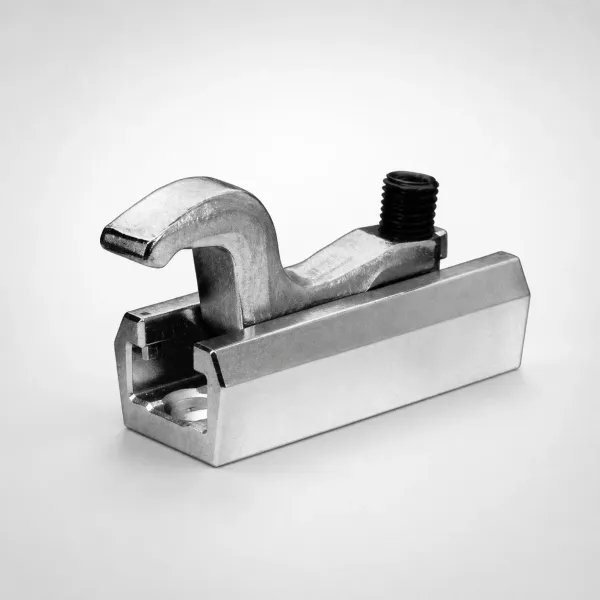
Clamping Blocks Z4
European standard gooseneck power clamp. C45 steel (1.0501). Offset profile for obstructed or limited-access clamping.
View Details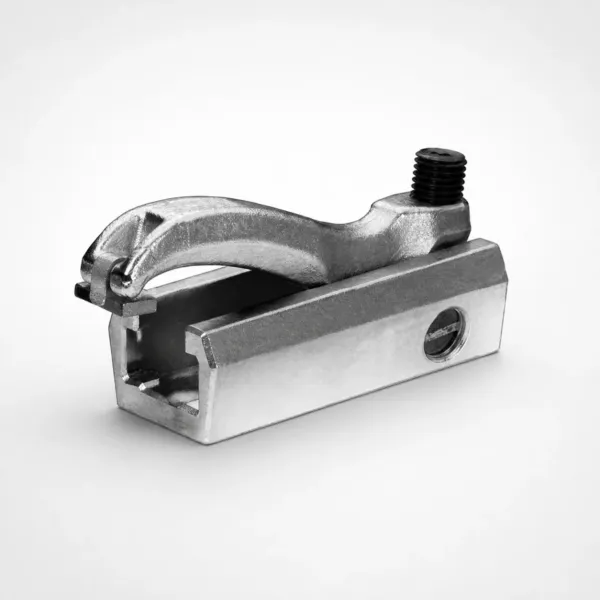
Clamping Blocks Z5
European standard high-profile power clamp. C45 steel (1.0501). Extended reach for deep-cavity mold and fixture clamping.
View Details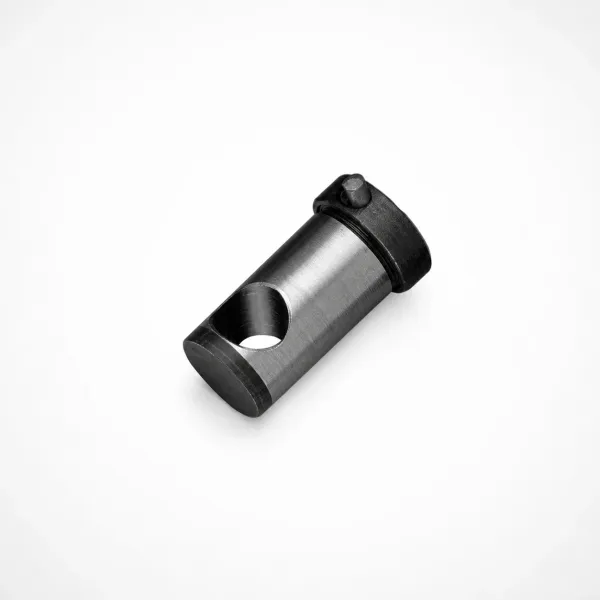
Clamping Blocks Z6
European standard eccentric clamping bolt. Tool steel (1.2343), hardened 40 HRC. Eccentric action for rapid tightening.
View Details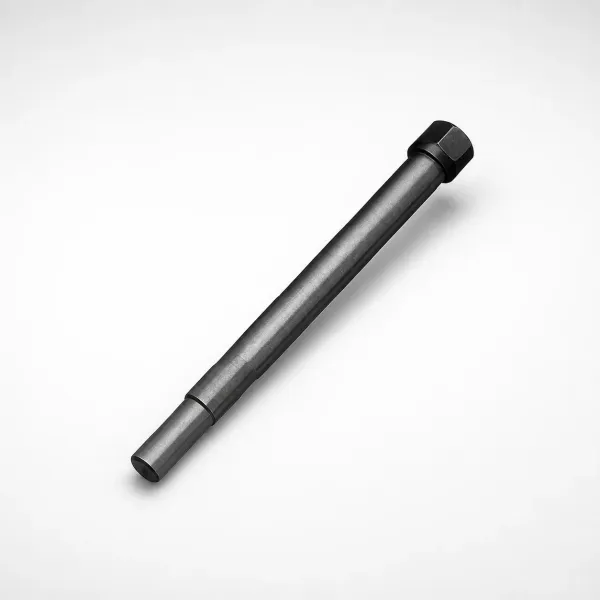
Clamping Blocks Z7
European standard clamping bolt. High-alloy tool steel (1.2718), hardened 52 HRC. Maximum holding force for heavy-duty applications.
View DetailsClamping Blocks Z1–Z7 Comparison
Seven models covering three profile types and two material families. Use this matrix to identify the right clamping block for your workholding scenario:
| Model | Profile | Material | Hardness | Best For |
|---|---|---|---|---|
| Z1 | Flat | C45 (1.0501) | ~200 HB | General-purpose flat clamping on accessible surfaces |
| Z2 | Spacer | Al-Bronze (3.4365) | 500–530 N/mm² | Heat-sensitive setups requiring thermal conductivity |
| Z3 | Stepped spacer | Al-Bronze (3.4365) | 500–530 N/mm² | Stepped height configurations with thermal requirements |
| Z4 | Gooseneck | C45 (1.0501) | ~200 HB | Obstructed access — offset reach around features |
| Z5 | High-profile | C45 (1.0501) | ~200 HB | Deep-cavity clamping with extended vertical reach |
| Z6 | Eccentric bolt | Tool steel (1.2343) | 40 HRC | Rapid tightening/loosening via eccentric cam action |
| Z7 | Clamping bolt | Tool steel (1.2718) | 52 HRC | Maximum clamping force for heavy-duty applications |
Deep dive: Read How to Choose Between Flat, Gooseneck, and High-Profile Clamping Blocks for detailed selection criteria.
How to Choose the Right Clamping Block
Step 1 — Assess access geometry:
- Clear, flat clamping surface → Z1 (flat profile)
- Obstructed by fixture features → Z4 (gooseneck, offset reach)
- Deep cavity or tall workpiece → Z5 (high profile, extended vertical reach)
Step 2 — Check thermal requirements:
- Heat-sensitive workpiece or high-temperature environment → Z2 or Z3 (aluminum bronze, high thermal conductivity)
- Stepped height needed → Z3 specifically
Step 3 — Evaluate clamping action:
- Standard bolt tightening is acceptable → Z1/Z4/Z5
- Need rapid tightening/loosening for frequent changeover → Z6 (eccentric cam)
- Need maximum holding force (heavy molds, aggressive cutting) → Z7 (52 HRC bolt)
Learn more: See How to Match Clamping Blocks with T-Slot Bolts and Fixture Plates for hardware pairing details.
European Standard Clamping vs. Conventional Step Clamps
European standard clamping blocks differ from conventional step clamps in three critical ways:
- Material grade: European standard blocks use C45 structural steel or aluminum bronze, vs. generic mild steel in most step clamps. C45 provides ~200 HB baseline hardness, ensuring the clamping surface resists deformation under repeated loading.
- Precision grinding: All contact surfaces are ground to ≤Ra 1.6 μm, ensuring full-face contact and eliminating rocking that causes uneven clamping force distribution.
- Integrated design: The Z6 eccentric bolt and Z7 high-alloy bolt are purpose-built clamping fasteners — not off-the-shelf bolts with washers. This eliminates the failure mode where a standard bolt stretches or the washer deforms under cyclic loading.
Deep dive: Read Why European Standard Clamping Blocks Outperform Conventional Step Clamps for a full technical comparison.
Compatible T-Slot Bolts & Hardware
Clamping blocks require matching T-slot hardware for installation on machine tables and fixture plates:
| Component | Specification | Note |
|---|---|---|
| T-Slot Bolts | DIN 787 or equivalent, M10–M20 | Match thread size to clamping block bore |
| T-Slot Nuts | DIN 508, matching T-slot width (12, 14, 16, 18 mm) | Verify machine table T-slot width first |
| Washers | DIN 125, hardened (≥300 HV) | Use hardened washers to prevent surface indentation |
| Fixture Plates | Grid-hole or T-slot pattern, ≥HRC 45 surface | Aluminum bronze blocks (Z2/Z3) are compatible with both |
Application Scenarios
CNC Milling Fixtures
Pain point: Workpiece shifts during aggressive roughing due to insufficient clamping force or clamp interference with tool paths.
Why it fits: The Z4 gooseneck profile provides clamping force while staying clear of the cutter path. Z7's 52 HRC bolt delivers maximum holding force to resist cutting loads up to 15 kN.
Recommended: Z4 (gooseneck) + Z7 (high-force bolt)
EDM Setup
Pain point: Thermal expansion during EDM causes micro-shifts in workpiece position, compromising cavity accuracy.
Why it fits: Z2/Z3 aluminum bronze blocks dissipate heat 3× faster than steel, minimizing thermal gradients at the clamping interface.
Recommended: Z2 (spacer) or Z3 (stepped spacer)
High-Frequency Changeover
Pain point: Setup time is a bottleneck — conventional bolt tightening takes 30–60 seconds per clamp.
Why it fits: Z6 eccentric bolt achieves full clamping with a quarter-turn, reducing per-clamp setup to under 5 seconds.
Recommended: Z6 (eccentric clamping bolt)
Engineering Resources
Application Scenarios
CNC Milling Fixture Clamping
Pain point: Standard step clamps slip under heavy cutting forces, causing workpiece shift and requiring mid-cycle re-clamping.
Why it fits: European standard clamping blocks (C45, ~200 HB) with precision-ground contact surfaces provide full-face clamping force without rocking or slippage.
Heat-Sensitive Workpiece Clamping
Pain point: Steel clamps on heat-sensitive materials (aluminum, thin-wall castings) create thermal distortion that exceeds tolerance.
Why it fits: Aluminum bronze (3.4365) clamping blocks have 5× higher thermal conductivity than steel, dissipating heat quickly to prevent workpiece distortion.
Frequent Changeover Operations
Pain point: Conventional bolt-down clamping takes 3-5 minutes per clamp point, adding 30+ minutes to each changeover.
Why it fits: Eccentric cam Z6 blocks tighten/loosen with a quarter turn, reducing per-clamp changeover to under 15 seconds.
Frequently Asked Questions
What is the difference between flat-profile (Z1), gooseneck (Z4), and high-profile (Z5) clamping blocks?+
What T-slot size and bolt grade do European standard clamping blocks require?+
How do European standard clamping blocks compare to step clamps?+
What is the maximum clamping force for the Z6 eccentric clamping bolt?+
Can I order clamping blocks individually or only in sets?+
Related Product Categories
Need Clamping Blocks?
Specify the model (Z1–Z7), quantity, and your T-slot dimensions. We'll confirm compatibility and provide a quote.