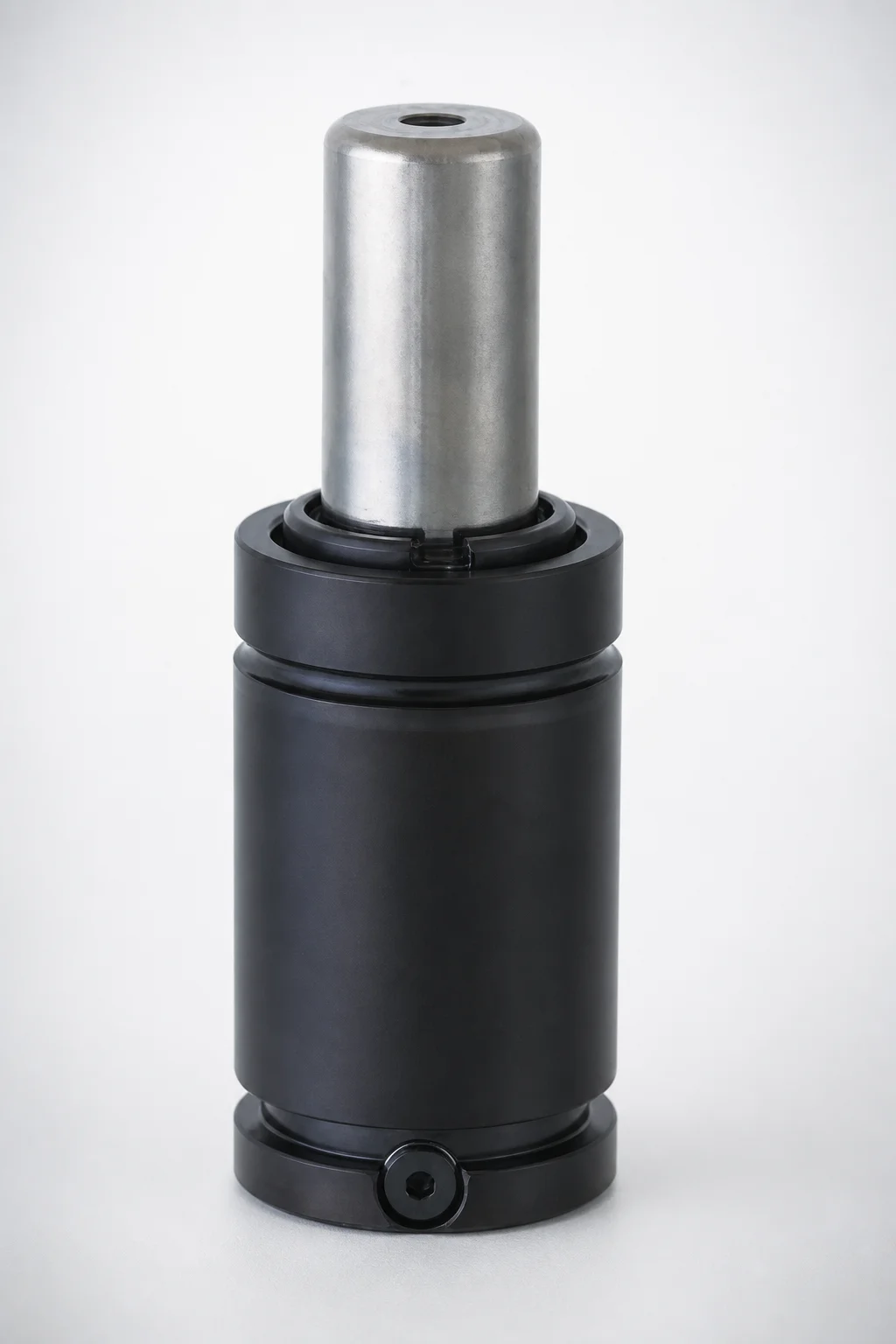
GST Series Body-Only Gas Springs
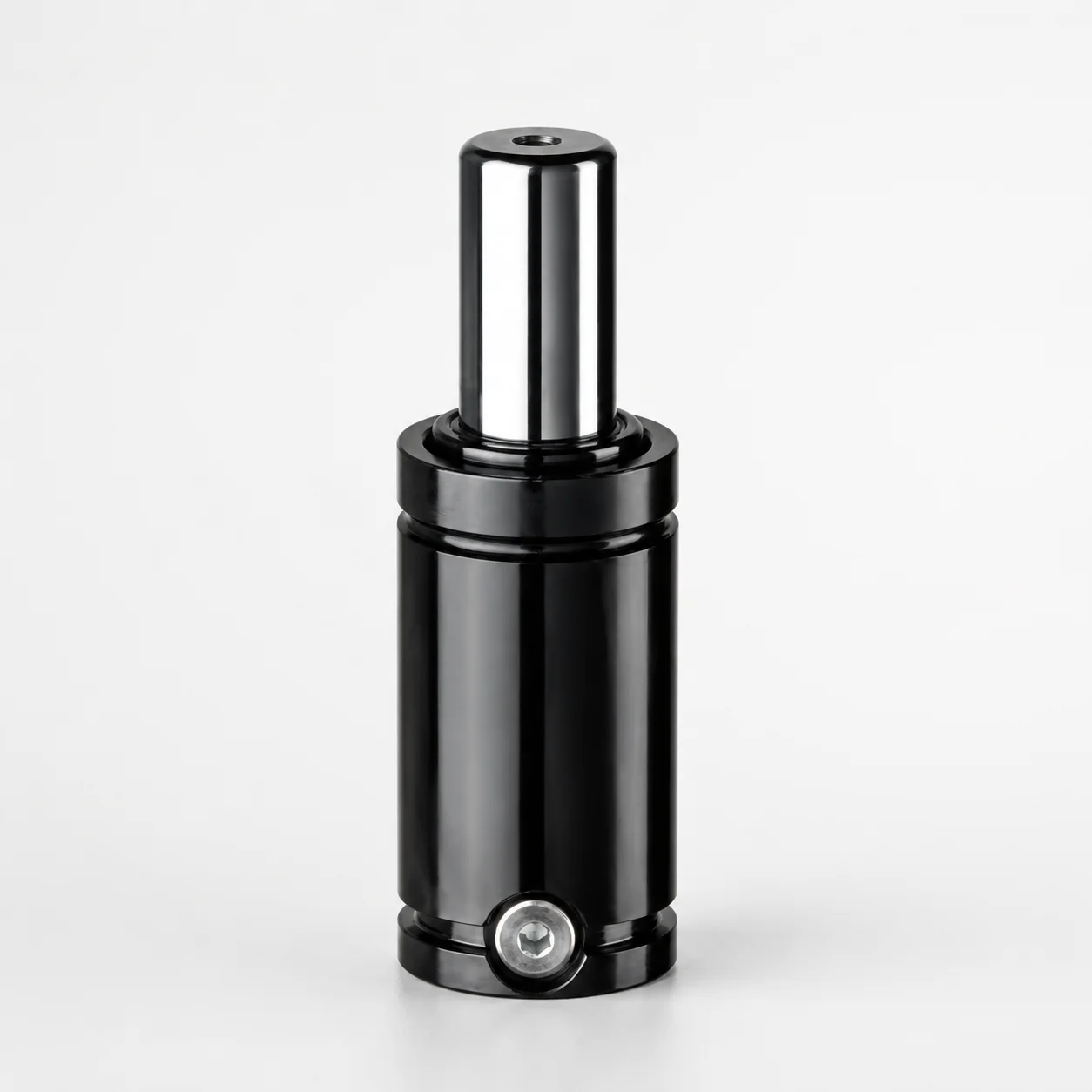
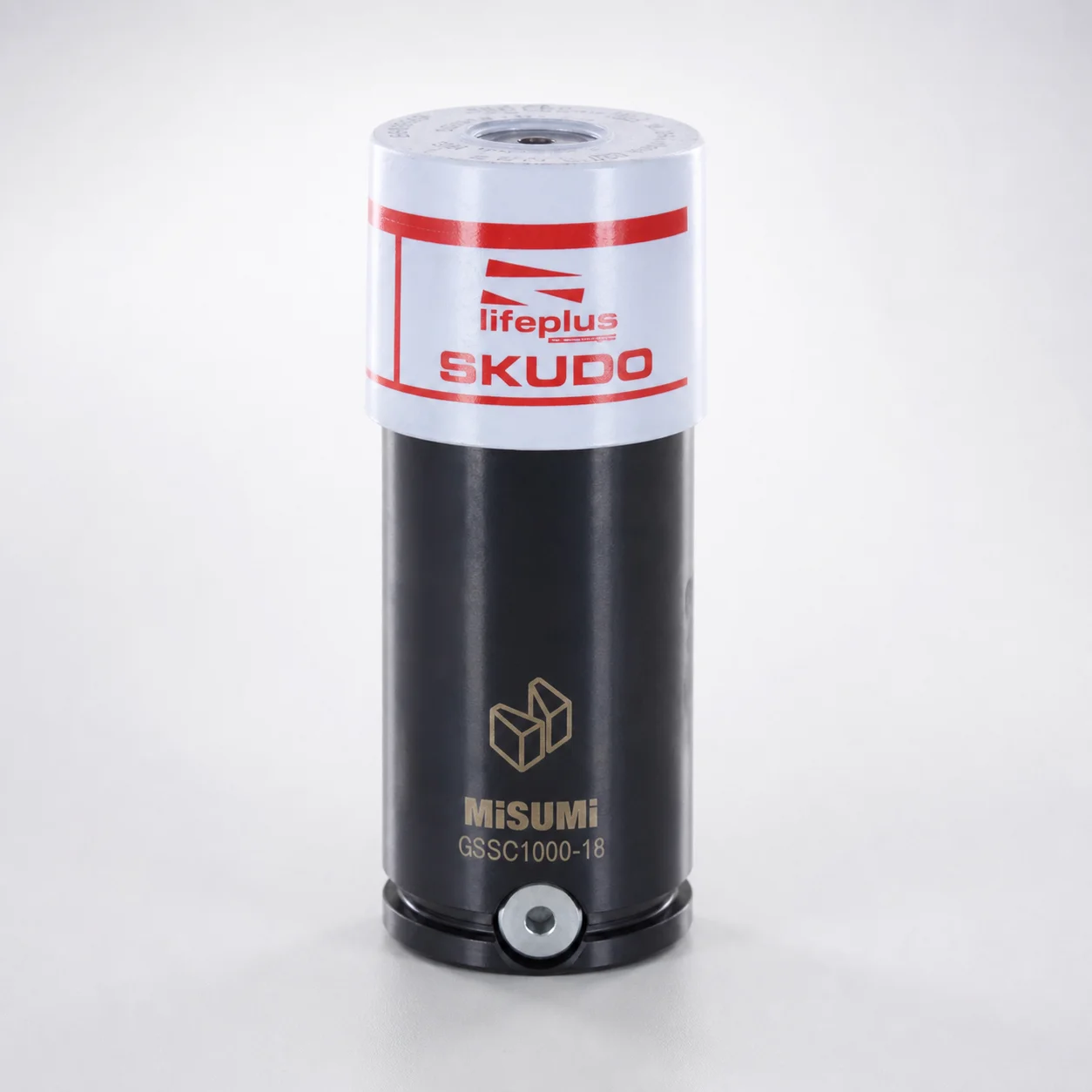
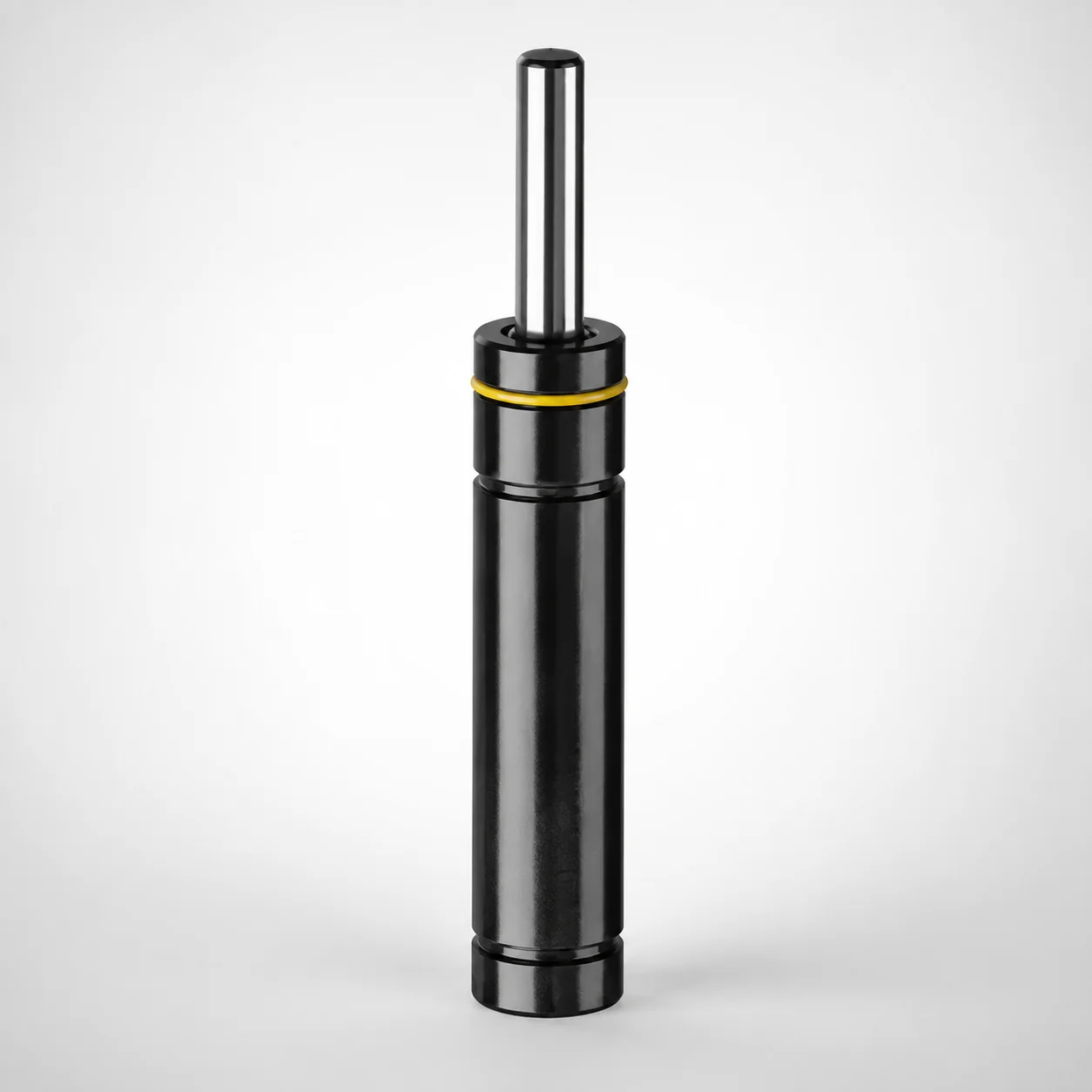
GST Series body-only gas springs provide robust, stroke-wide support with consistent force for smoother operation. They are built to absorb shocks and vibration, helping protect sensitive mechanisms in demanding applications.
- Optimized GST type design maintains consistent force throughout the full stroke
- Durable construction supports shock absorption and vibration damping for stable performance
- Gas spring body-only format simplifies integration with existing assemblies and linkage
- Commonly used in industrial machinery and automotive systems requiring controlled, safe motion
Specifications
177 configurations available
| Outer diameter (D) (mm) | Stroke (S) (mm) | L Dimension (L) (mm) | Initial load (N) | Maximum load (N) | type |
|---|---|---|---|---|---|
| 50 | 10 | 72 | 9200 | 13500 | - |
| 50 | 13 | 78 | 9200 | 13800 | - |
| 50 | 16 | 84 | 9200 | 13800 | - |
| 50 | 16 | 84 | 9200 | 13800 | - |
| 50 | 19 | 90 | 9200 | 14000 | - |
| 50 | 25 | 102 | 9200 | 14200 | - |
| 50 | 32 | 116 | 9200 | 14300 | - |
| 50 | 32 | 116 | 9200 | 14300 | - |
| 50 | 38 | 128 | 9200 | 14500 | - |
| 50 | 38 | 128 | 9200 | 14500 | - |
| 50 | 50 | 152 | 9200 | 14600 | - |
| 50 | 50 | 152 | 9200 | 14600 | - |
| 50 | 63 | 178 | 9200 | 14700 | - |
| 50 | 75 | 202 | 9200 | 14700 | - |
| 50 | 75 | 202 | 9200 | 14700 | - |
| 50 | 80 | 212 | 9200 | 14800 | - |
| 50 | 80 | 212 | 9200 | 14800 | - |
| 50 | 100 | 252 | 9200 | 14800 | - |
| 50 | 100 | 252 | 9200 | 14800 | - |
| 50 | 125 | 302 | 9200 | 14800 | - |
| 50 | 125 | 302 | 9200 | 14800 | - |
| 50 | 10 | 72 | 10600 | 13700 | - |
| 50 | 13 | 78 | 10600 | 14200 | - |
| 50 | 16 | 84 | 10600 | 14500 | - |
| 50 | 19 | 90 | 10600 | 14800 | - |
| 50 | 25 | 102 | 10600 | 15200 | - |
| 50 | 32 | 116 | 10600 | 15500 | - |
| 50 | 38 | 128 | 10600 | 15700 | - |
| 50 | 50 | 152 | 10600 | 16000 | - |
| 50 | 63 | 178 | 10600 | 16200 | - |
| 50 | 75 | 202 | 10600 | 16400 | - |
| 50 | 80 | 212 | 10600 | 16400 | - |
| 50 | 100 | 252 | 10600 | 16600 | - |
| 50 | 125 | 302 | 10600 | 16700 | - |
| 63 | 10 | 72 | 15300 | 23700 | - |
| 63 | 13 | 78 | 15300 | 24000 | - |
| 63 | 16 | 84 | 15300 | 24100 | - |
| 63 | 16 | 84 | 15300 | 24100 | - |
| 63 | 19 | 90 | 15300 | 24200 | - |
| 63 | 19 | 90 | 15300 | 24200 | - |
| 63 | 25 | 102 | 15300 | 24300 | - |
| 63 | 25 | 102 | 15300 | 24300 | - |
| 63 | 32 | 116 | 15300 | 23800 | - |
| 63 | 32 | 116 | 15300 | 23800 | - |
| 63 | 38 | 128 | 15300 | 23900 | - |
| 63 | 38 | 128 | 15300 | 23900 | - |
| 63 | 50 | 152 | 15300 | 24000 | - |
| 63 | 63 | 178 | 15300 | 24100 | - |
| 63 | 63 | 178 | 15300 | 24100 | - |
| 63 | 75 | 202 | 15300 | 24200 | - |
Product Guide
Application Scenarios+
This body-only gas spring is used inside injection mold tooling and mold-adjacent mechanisms where controlled, repeatable motion and force over travel are critical. Because it maintains consistent force throughout the full stroke, it is well suited for assist systems that counterbalance heavy tooling components and reduce operator effort.
- Automotive connector and instrument housing molds: Integrate the gas spring into die-closure support or lifter-return linkages to smooth opening/closing, absorb shock from rapid cycling, and limit vibration transfer to the mold frame.
- Industrial automation fixtures and indexing molds: Use it in cam/lever-driven stations requiring dependable push-back force across 10–125 mm strokes to improve repeatability and reduce wear on mechanical stops.
- Large-format or heavy-slide molds: The body-only format simplifies mounting to existing assemblies when you need only the cylinder element while keeping your current ends, pivots, or lever geometry.
Selected outer diameter, stroke, and load ratings allow you to match the force profile to the motion cycle requirements.
Material & Process Details+
The provided datasheet specifies performance ranges for outer diameter (D 32–150 mm), stroke (S 10–125 mm), and loads, but does not list the steel grade or heat treatment state for the GST cylinder body. As a result, the exact metallurgy, hardness (HRC), and surface treatment (e.g., nitriding) cannot be stated from the supplied input.
For gas spring applications, engineers typically consider the trade-off between high wear resistance (often supported by surface hardening) and overall toughness to resist cyclic shock loads during rapid actuation. When selecting an equivalent GST variant, confirm the cylinder material specification and heat treatment in the product documentation or request a material certificate.
- Comparable GST body-only variants: Differences are commonly driven by rated load capacity (initial and maximum), which impacts internal component geometry and potential material requirements.
- Recommendation: Verify corrosion environment and cycle frequency, then choose the version whose load envelope (3600–95400 N initial, 5200–151900 N max) matches your duty cycle.
Sizing & Selection Guide+
Correct sizing is primarily a match of stroke length and force level to your mold mechanism’s travel and load requirements. Use the available ranges to select the cylinder geometry that fits your linkage envelope: outer diameter D = 32–150 mm, stroke S = 10–125 mm, and L dimension = 60–328 mm.
- Match stroke S to kinematics: Ensure the required travel of the lever/link does not exceed the gas spring stroke range. Typical designs use margin so the linkage reaches full travel without bottoming out.
- Match load to required counterforce: Choose a variant whose initial load (3600–95400 N) and maximum load (5200–151900 N) align with the forces seen at your lowest and highest positions.
- Verify overall packaging with L: Use the L dimension 60–328 mm to confirm clearances to mold base, platens, and adjacent components throughout motion.
Tolerance/fit guidance is not provided in the input. In practice, validate the mounting interface separately (pins/brackets/threads) and check assembly clearance for the selected D to prevent interference.
Frequently Asked Questions
How do I select stroke (S) for a mold mechanism so the gas spring stays within its rated travel?+
What load ratings should be used when calculating counterbalance for mold opening/closing cycles?+
When choosing outer diameter (D), how do I ensure proper packaging and avoid interference in a mold frame?+
What does “body-only” mean for compatibility with existing tooling linkages?+
Can this GST cylinder maintain consistent force across the full stroke in cyclic automotive or industrial use?+
Related Products
Need Custom Specifications?
Our engineering team can help with custom configurations, material selection, and volume pricing.