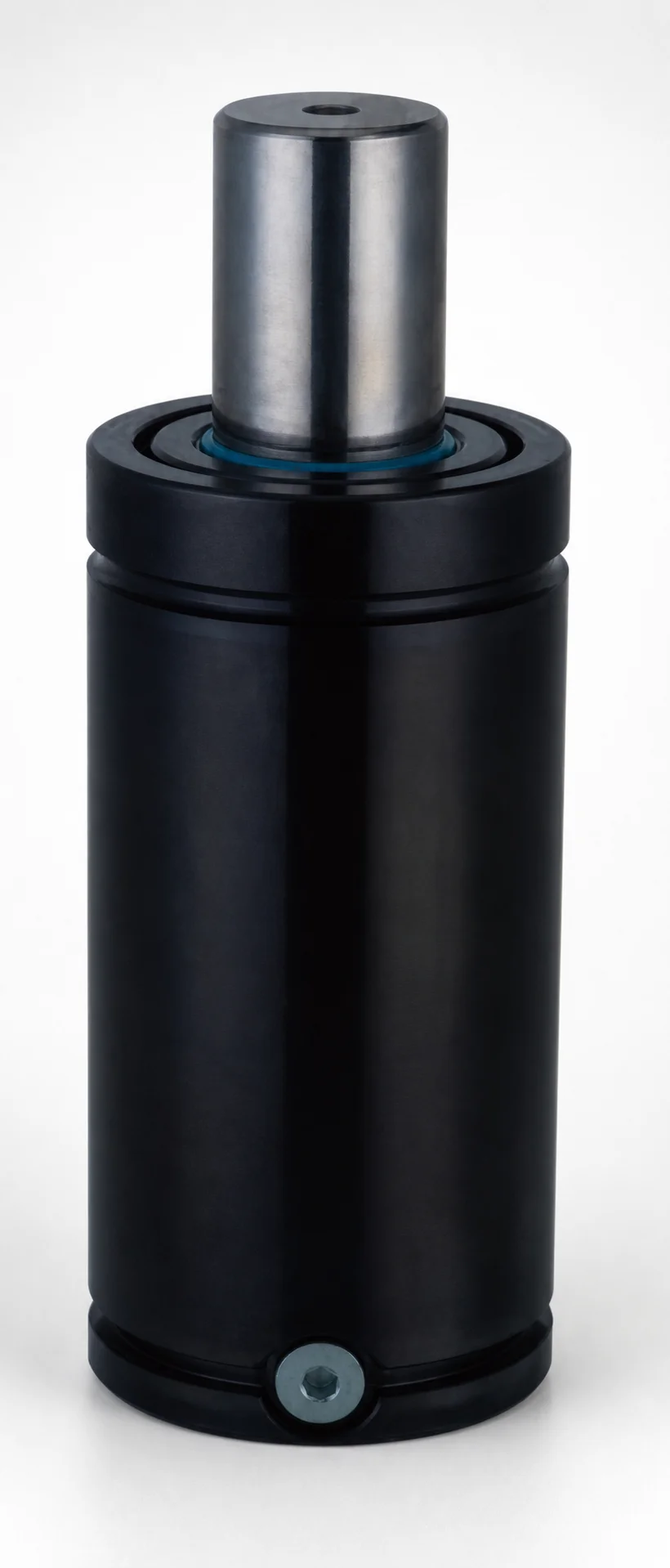
ISO11901 GSK Series Gas Springs (Body Only)
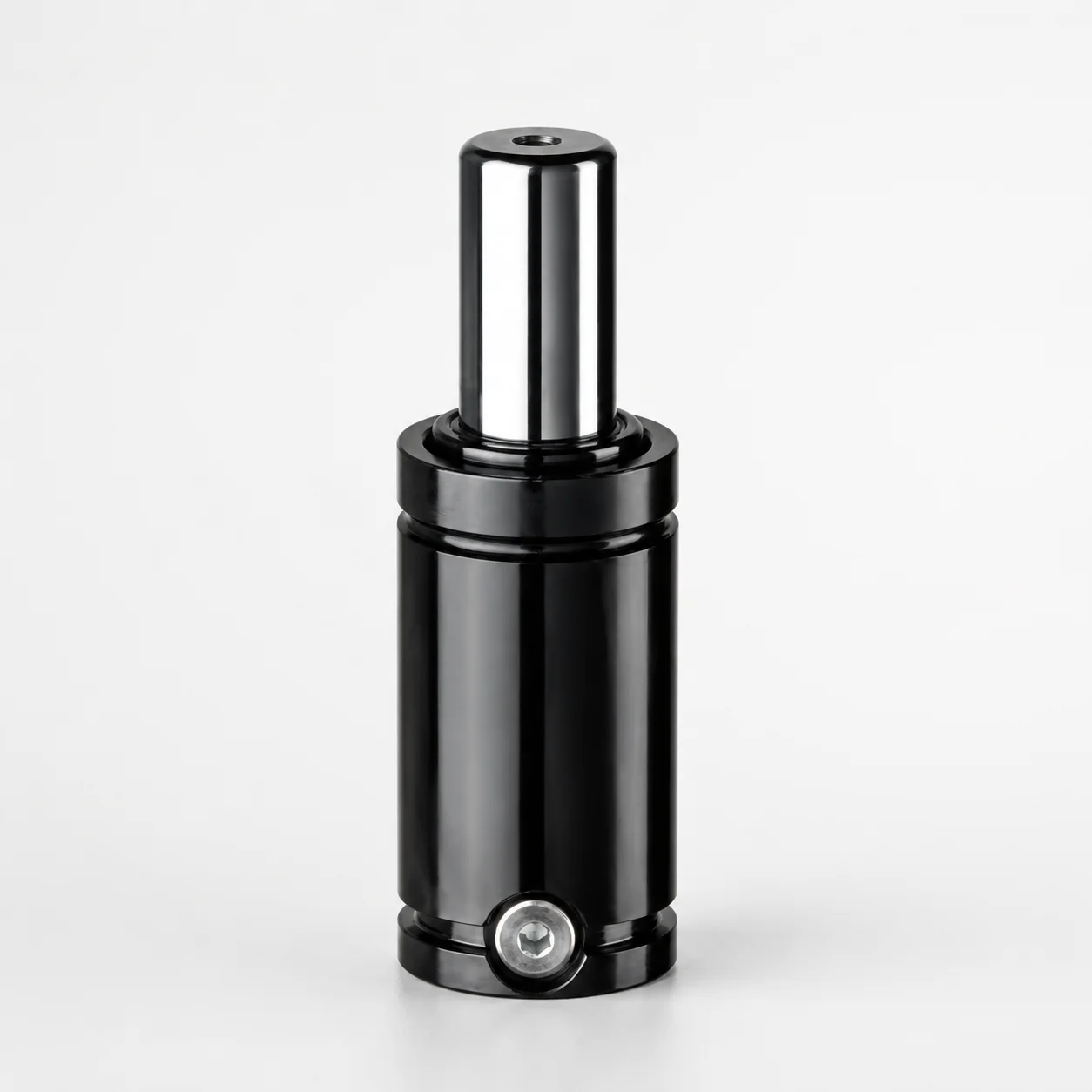
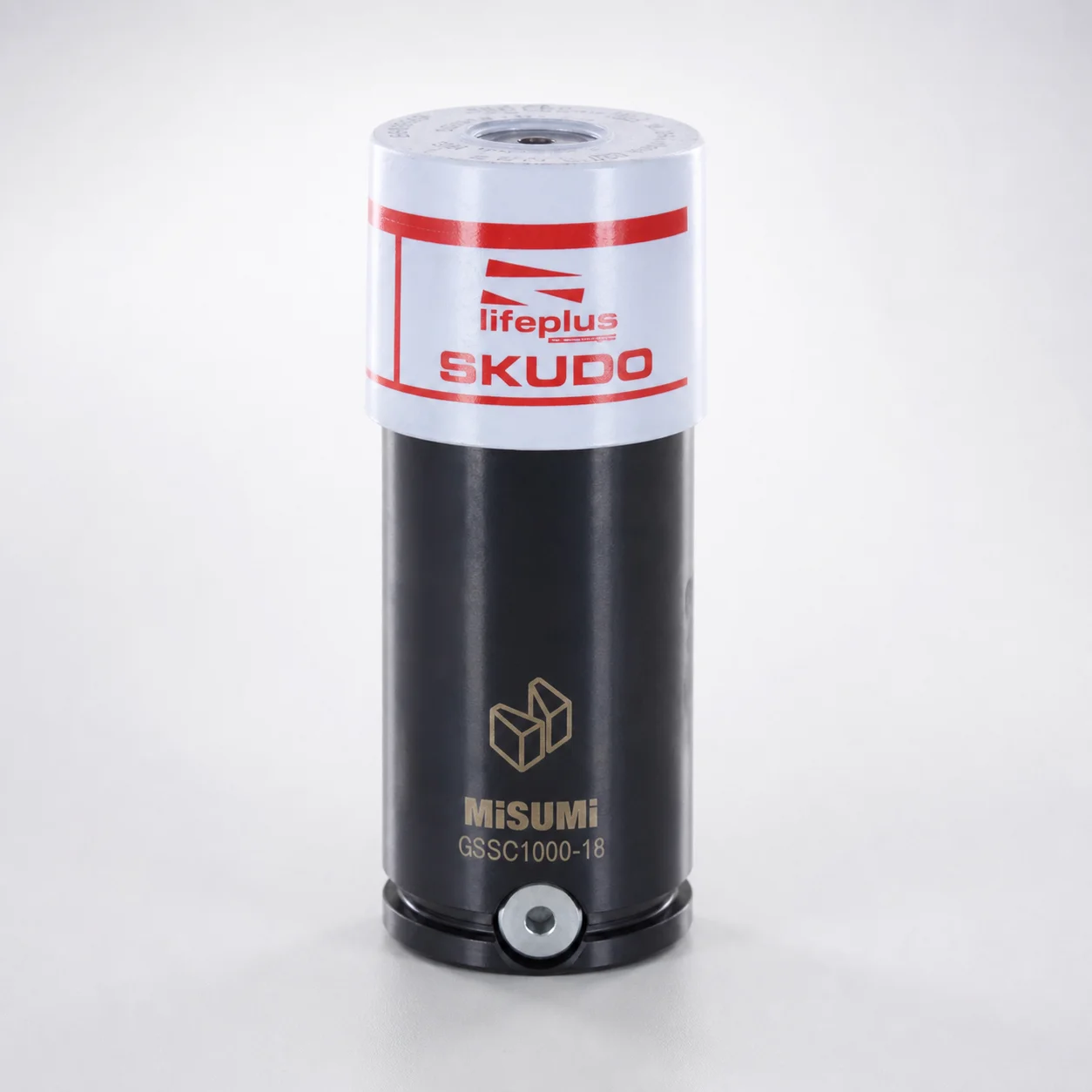
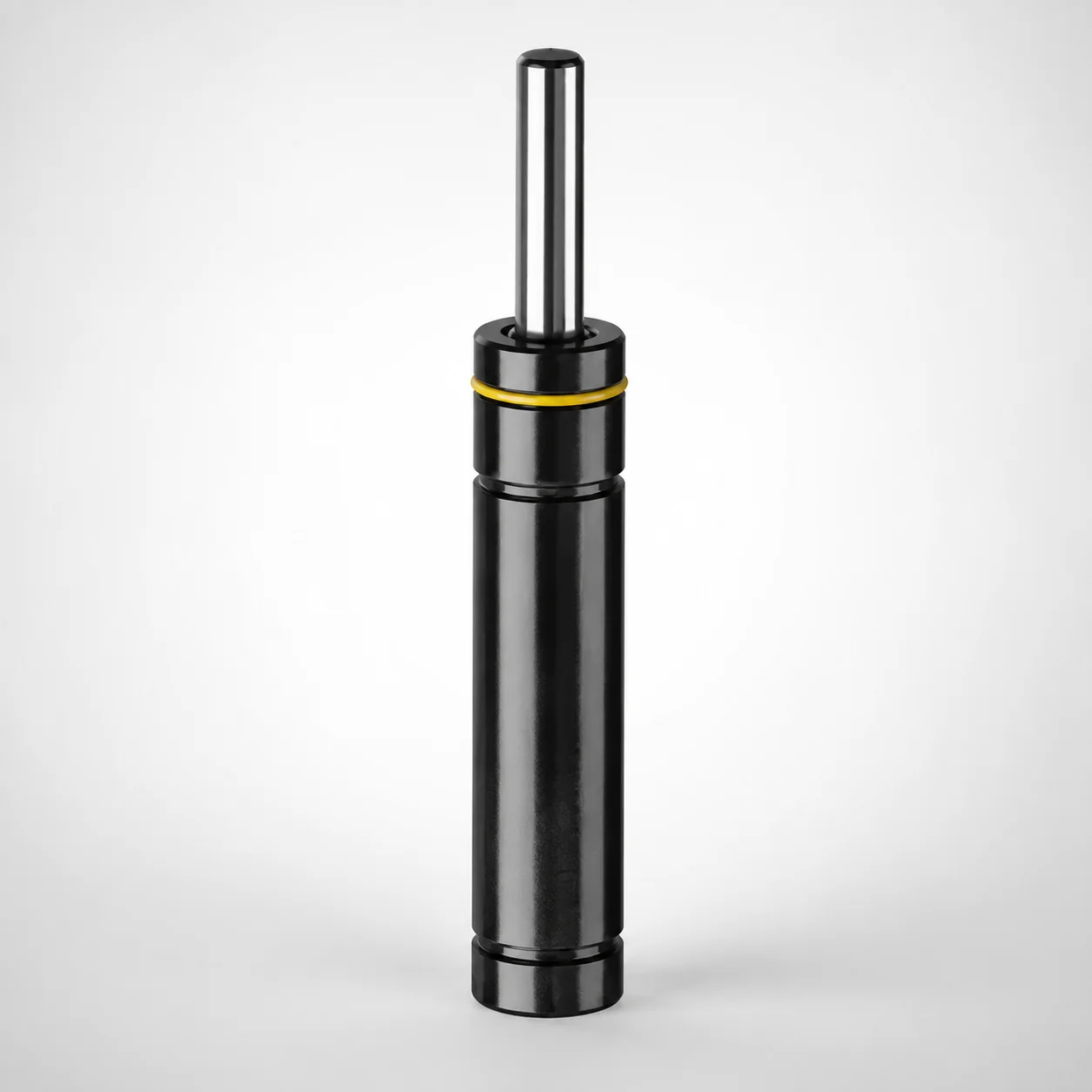
ISO11901 GSK series gas springs (body only) deliver consistent force across the stroke to support controlled motion. Built for stable performance under varying loads, they help reduce shock impact and wear in industrial assemblies.
- Maintains steady support force throughout the full stroke for controlled movement
- Type GSK body-only design simplifies integration into existing linkages
- Absorbs shock to protect sensitive components and improve equipment longevity
- Engineered resilience for demanding environments with reliable repeatable performance
Specifications
109 configurations available
| Outer diameter (D) (mm) | Stroke (S) (mm) | L Dimension (L) (mm) | Initial load (N) | Maximum load (N) | type |
|---|---|---|---|---|---|
| 195 | 25 | 210 | 106000 | 138000 | - |
| 195 | 38 | 236 | 106000 | 143000 | - |
| 195 | 50 | 260 | 106000 | 147000 | - |
| 195 | 63 | 287 | 106000 | 150000 | - |
| 195 | 80 | 320 | 106000 | 152000 | - |
| 195 | 100 | 360 | 106000 | 156000 | - |
| 195 | 125 | 410 | 106000 | 157000 | - |
| 195 | 160 | 480 | 106000 | 158000 | - |
| 195 | 200 | 560 | 106000 | 160000 | - |
| 195 | 250 | 660 | 106000 | 160000 | - |
| 195 | 300 | 760 | 106000 | 160000 | - |
| 75 | 13 | 135 | 15300 | 23000 | - |
| 75 | 25 | 160 | 15300 | 23000 | - |
| 75 | 38 | 186 | 15300 | 23000 | - |
| 75 | 50 | 210 | 15300 | 23000 | - |
| 75 | 50 | 210 | 15300 | 23000 | - |
| 75 | 63 | 237 | 15300 | 23000 | - |
| 75 | 80 | 270 | 15300 | 23000 | - |
| 75 | 100 | 310 | 15300 | 23000 | - |
| 75 | 100 | 310 | 15300 | 23000 | - |
| 75 | 125 | 360 | 15300 | 23000 | - |
| 75 | 160 | 430 | 15300 | 23000 | - |
| 75 | 200 | 510 | 15300 | 23000 | - |
| 75 | 250 | 610 | 15300 | 23000 | - |
| 75 | 300 | 710 | 15300 | 23000 | - |
| 32 | 10 | 70 | 1700 | 1700 | - |
| 32 | 12.7 | 75.4 | 1700 | 1700 | - |
| 32 | 16 | 82 | 1700 | 1800 | - |
| 32 | 25 | 100 | 1700 | 1800 | - |
| 32 | 38 | 126 | 1700 | 1900 | - |
| 32 | 50 | 150 | 1700 | 1900 | - |
| 32 | 63 | 177.0 | 1700 | 1900 | - |
| 32 | 80 | 210 | 1700 | 1900 | - |
| 32 | 100 | 250 | 1700 | 2000 | - |
| 32 | 125 | 300 | 1700 | 2000 | - |
| 38 | 10 | 70 | 2600.0 | 3500 | - |
| 38 | 12.7 | 75.4 | 2600.0 | 3500 | - |
| 38 | 16 | 82 | 2600.0 | 3500 | - |
| 38 | 19 | 88 | 2600.0 | 3500 | - |
| 38 | 25 | 100 | 2600.0 | 3500 | - |
| 38 | 38 | 126 | 2600.0 | 3500 | - |
| 38 | 50 | 150 | 2600.0 | 3500 | - |
| 38 | 50 | 150 | 2600.0 | 3500 | - |
| 38 | 63 | 177.0 | 2600.0 | 3500 | - |
| 38 | 80 | 210 | 2600.0 | 3500 | - |
| 38 | 100 | 250 | 2600.0 | 3500 | - |
| 38 | 100 | 250 | 2600.0 | 3500 | - |
| 38 | 125 | 300 | 2600.0 | 3500 | - |
| 95 | 13 | 145 | 29450 | 42000 | - |
| 95 | 25 | 170 | 29450 | 42000 | - |
Product Guide
Application Scenarios+
In injection-mold tooling and industrial mold assemblies, this gas spring body is used as an assist and controlled-motion support element in mechanisms that open, hold, or stabilize tooling components during cycling.
- Automotive part tooling: Integrate the body-only Type GSK into linkages that require consistent force over the full stroke, helping maintain repeatable clamp/actuation behavior and reducing shock-related wear on adjacent parts.
- Appliance and consumer product mold fixtures: Use it to support moving guides, covers, or localized support stacks where stable support across 10–300 mm stroke improves movement smoothness and protects sensitive hardware.
- Industrial automation cells: Fit the body-only configuration into custom frames, leveraging the controlled-motion design to absorb shock and maintain support under varying load ranges.
This variant is suited because the body-only design simplifies integration into existing linkages, while the ISO11901 GSK-controlled motion behavior helps deliver stable performance across the specified stroke range.
Material & Process Details+
The provided metadata does not specify a steel grade, hardness (HRC), or heat-treatment state for this ISO11901 GSK cylinder body-only configuration. Therefore, material-property statements such as “quenched & tempered,” “nitrided,” or equivalent hardness cannot be accurately tied to a specific alloy based on the supplied data.
When selecting gas spring bodies for high-cycle mold support functions, engineers should confirm the exact cylinder material and surface treatment during specification review. Key checks typically include:
- Hardness / wear resistance: influences sealing-area durability under repeated stroke and load cycling.
- Toughness trade-offs: higher hardness may improve wear but can reduce impact resistance if not properly balanced by heat treatment.
- Heat treatment / surface condition: affects corrosion resistance and long-term dimensional stability of the cylinder wall.
If multiple material options exist for different loads or environments, compare them by confirmed cylinder steel grade and the validated hardness/surface treatment from the manufacturer data sheet.
Sizing & Selection Guide+
Use the specified ranges to match the gas spring body to the motion requirements of your mold support mechanism. Core selection parameters are outer diameter (D) = 32–195 mm, stroke (S) = 10–300 mm, and L dimension (L) = 70–760 mm.
- Stroke match: Choose a stroke within 10–300 mm that covers the full travel required for your linkage without bottoming or underutilizing the working range.
- Envelope fit: Confirm the installation space for the body by selecting an outer diameter (D) within 32–195 mm and an L length within 70–760 mm.
- Load verification: Ensure the required force level stays within the available range: initial load = 1700–106000 N and maximum load = 1700–160000 N.
Because this is a body-only option, confirm how the mating linkage and any attached components define the rest position and mounting geometry. Tolerance and fit guidance (clearances, mounting threads, pin fits) are not provided in the metadata, so use your mechanical drawings and the final manufacturer specification sheet for interfacing dimensions.
Frequently Asked Questions
How do I select the correct ISO11901 GSK body-only gas spring for a given stroke in a mold actuation mechanism?+
What outer diameter (D) and overall length (L) ranges should I consider for installation space constraints?+
How do the initial load and maximum load limits impact selection for mold fixtures under varying loads?+
For body-only Type GSK, what should I verify about compatibility with my existing linkages?+
Can I use this unit when corrosion resistance or long-term wear is critical in industrial mold environments?+
Related Products
Need Custom Specifications?
Our engineering team can help with custom configurations, material selection, and volume pricing.