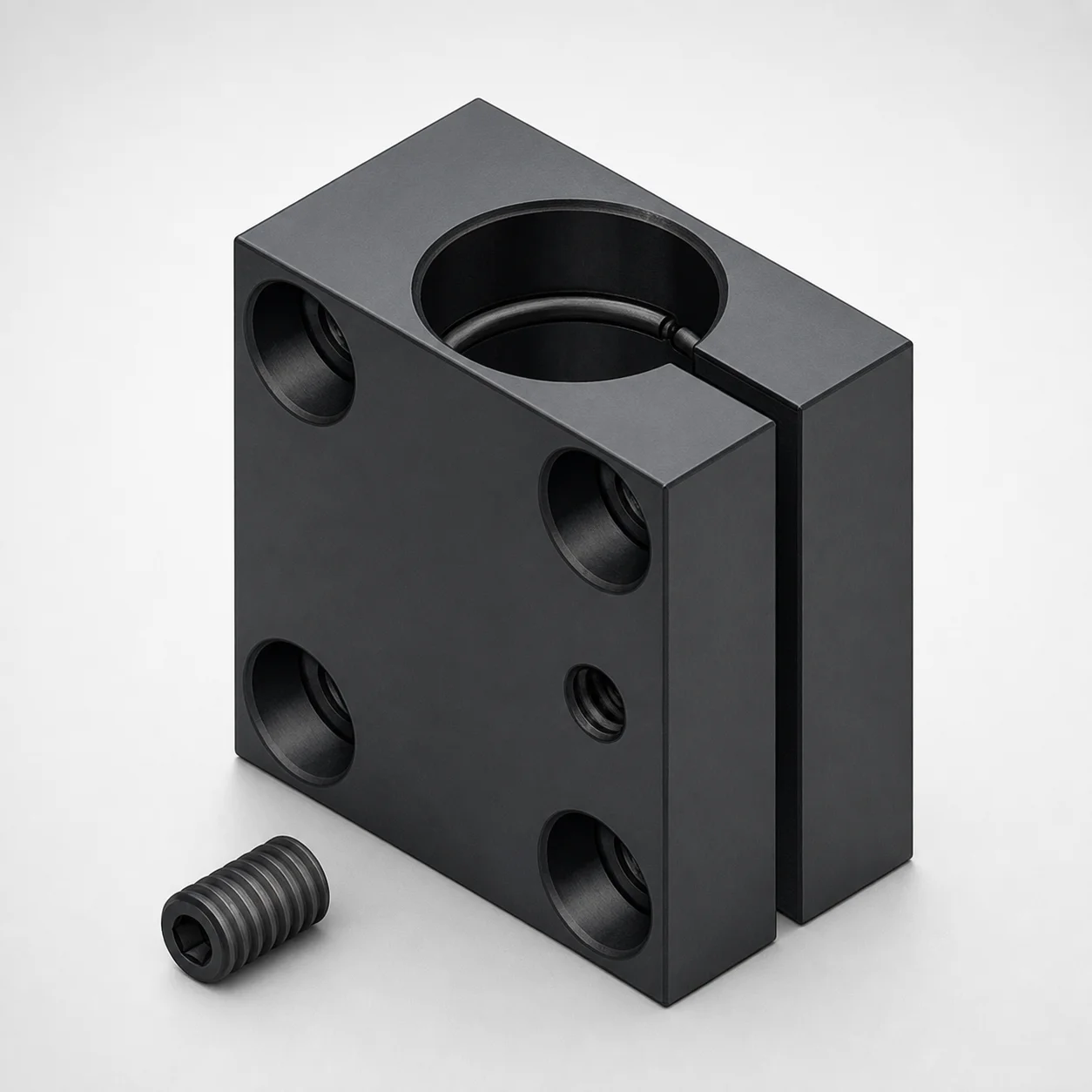
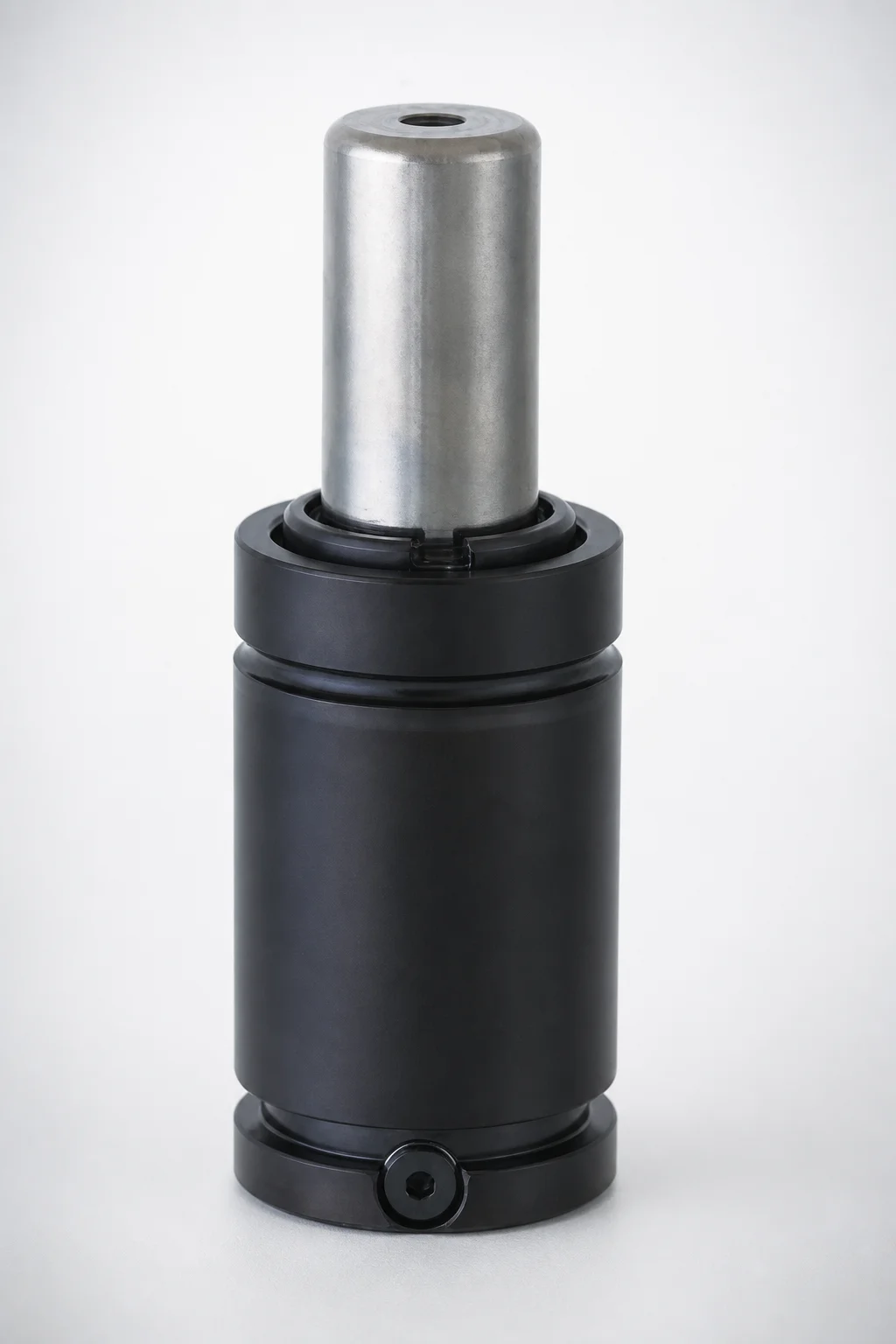
FSG Type Gas Spring Plate - Horizontal Mounting Plate
Gas spring plate - horizontal mounting plate (FSG type) is designed to fix the main body of a gas spring horizontally for stable linkage. It supports consistent positioning during opening and closing cycles.
- Horizontal mounting plate format for secure gas spring body installation
- FSG type structure matches compatible gas spring setups
- Rigid plate design helps maintain alignment under repeated motion
- Used on machine covers, access doors, and industrial equipment assemblies
Specifications
1 configurations available
| type |
|---|
| - |
Product Guide
Application Scenarios+
This horizontal mounting plate is used in injection-molded and fabricated assemblies where a gas spring must maintain predictable stroke alignment. In FSG-type configurations, the plate provides a stable interface that helps keep the gas spring body positioned during repeated opening and closing cycles.
- Machine access doors and service covers: Attach the plate to the moving cover structure to reduce misalignment, improving smooth actuation and long-term reliability.
- Industrial equipment housings: Use it to secure the gas spring body on the horizontal plane, supporting consistent linkage geometry under load transfer.
- Automation enclosures and panels: The rigid mounting format helps maintain repeatable positioning when the enclosure is raised or opened for maintenance.
Because this variant is an FSG type horizontal mounting plate, it is suited to designs that require a dedicated plate interface for the gas spring body rather than an angled or non-matched mounting arrangement.
Material & Process Details+
No material grade, heat-treatment state, or hardness values were provided for this FSG type horizontal mounting plate. For gas-spring mounting components, engineers typically target a balance of stiffness (to maintain alignment) and toughness (to resist impact and vibration loading from door movement).
Manufacturing is typically achieved via precision forming and/or machining of a durable steel base, followed by surface finishing for corrosion resistance. If you need a specific material (e.g., hardened tool steel, nitrided wear-resistant steel) and target HRC range, please provide the required operating environment and duty cycle so the correct steel and heat-treatment route can be specified.
- Pre-hardened steels: easier fabrication, moderate wear performance.
- Quenched & tempered or nitrided steels: higher surface hardness and improved wear at the cost of tight machining constraints and potential stress sensitivity.
Sizing & Selection Guide+
Because no dimensional specifications (shaft diameter, length, thickness, or hole geometry) were listed for this part, selection must be performed by matching the mounting interface features to the target FSG configuration and the gas spring body’s required bolt/pin locations.
- Step 1: Confirm the gas spring family and the FSG arrangement you are using so the plate interface matches the intended mounting pattern.
- Step 2: Verify that the plate’s horizontal mounting layout aligns with your chassis/cover structure reference planes to maintain the designed stroke axis.
- Step 3: Use the actual drawing to compare hole centers, fastener size, and any locating features; apply appropriate fit based on whether you require clearance for assembly or close location for repeatability.
Note: this product page does not provide fixed spec ranges, so tolerance compliance should be confirmed against the supplier’s detailed CAD/drawing for the exact series code 110110588869.
Frequently Asked Questions
What role does an FSG type horizontal mounting plate play in maintaining gas spring alignment?+
An FSG type horizontal mounting plate serves as the interface that secures the gas spring body in a horizontal orientation. This helps maintain consistent linkage positioning throughout opening/closing cycles, reducing misalignment-related issues in repeated actuation.
How do I ensure compatibility between this FSG plate and the gas spring body in an FSG configuration?+
Compatibility is determined by matching the plate’s mounting interface features to the specific FSG-type gas spring body pattern. Since no dimensional specs are provided in the available data, engineers should verify hole/pin locations and any locating geometry using the exact CAD/drawing for series code 110110588869.
What tolerance or fit considerations are important for the mounting holes on this plate?+
For reliable assembly and repeatable motion, the hole/fastener interface must provide the correct fit for your design intent. Use clearance fits where assembly alignment is expected, and closer locating fits where you need tighter repeatability of the stroke axis; confirm the required tolerance class with the manufacturer’s detailed drawing.
Which mechanical properties should I target for a gas spring mounting plate used on machine covers?+
For machine covers and access doors, the key requirements are stiffness to preserve alignment and toughness to withstand vibration and occasional impacts from handling. The provided data does not specify a steel grade or hardness (HRC), so material selection should be based on duty cycle and environmental factors, then validated against the vendor’s material/heat-treatment documentation.
Can this plate be used in non-FSG gas spring mounting arrangements?+
This component is explicitly identified as an FSG type horizontal mounting plate. Using it outside an FSG arrangement may result in mismatch of the mounting interface geometry, so compatibility should be confirmed against the intended FSG configuration pattern.
Related Products


Need Custom Specifications?
Our engineering team can help with custom configurations, material selection, and volume pricing.