Bolts for Plastic Mold
Precision hex socket head cap screws, flat head variants, shoulder bolts, and positioning screw plugs for reliable injection mold plate clamping and component retention. Grade 10.9 alloy steel with black oxide finish.
Bolts for Plastic Mold — 10+ Products
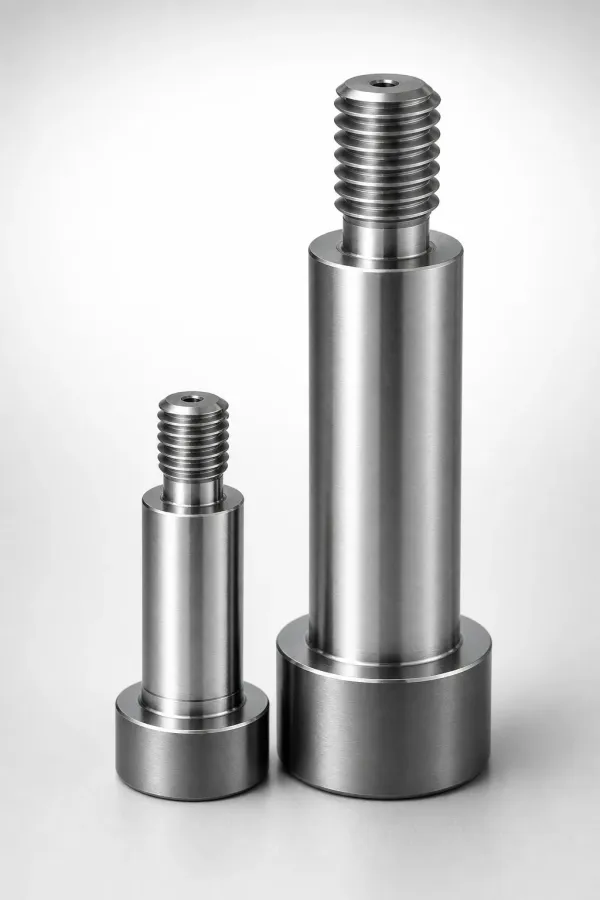
MSBL Precision Shoulder Bolts
MSBL precision shoulder bolts with coarse precision shoulder design for plastic mold fastening. Secure connections, r...
View Details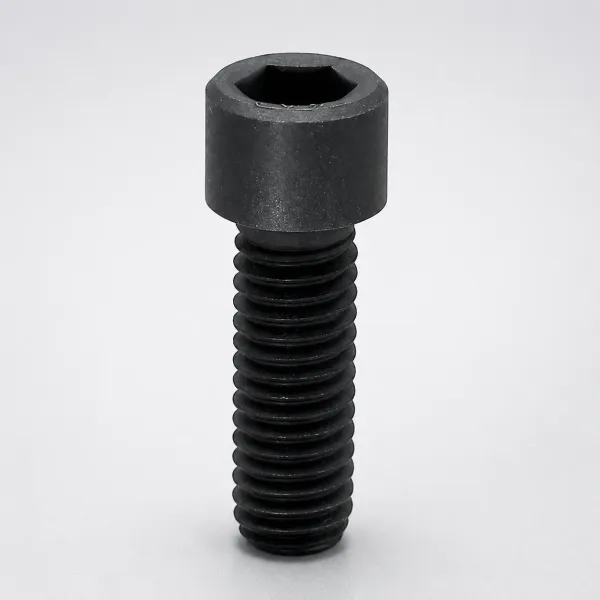
CBHS Type Hex Socket Head Cap Screws - Small Head
CBHS type Hex Socket Head Cap Screws - Small Head for plastic mold assemblies. Small head profile and coarse pitch th...
View Details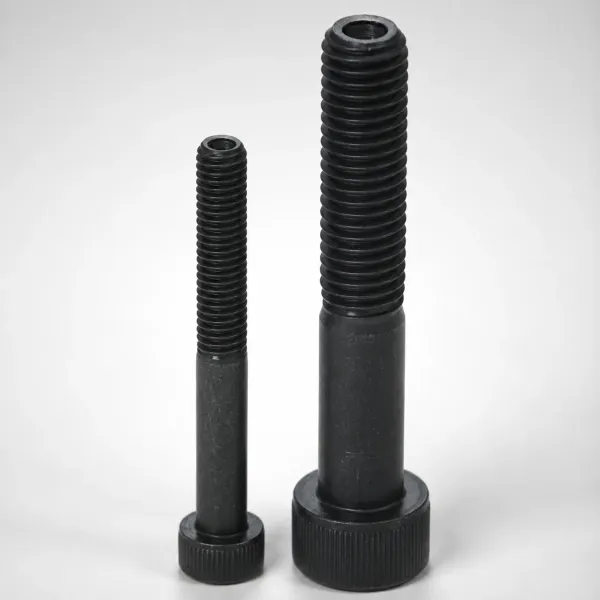
CBA Type Hex Socket Head Cap Screws - Through Hole
CBA Type Hex Socket Head Cap Screws - Through Hole for plastic mold fastening. Coarse socket design provides secure t...
View Details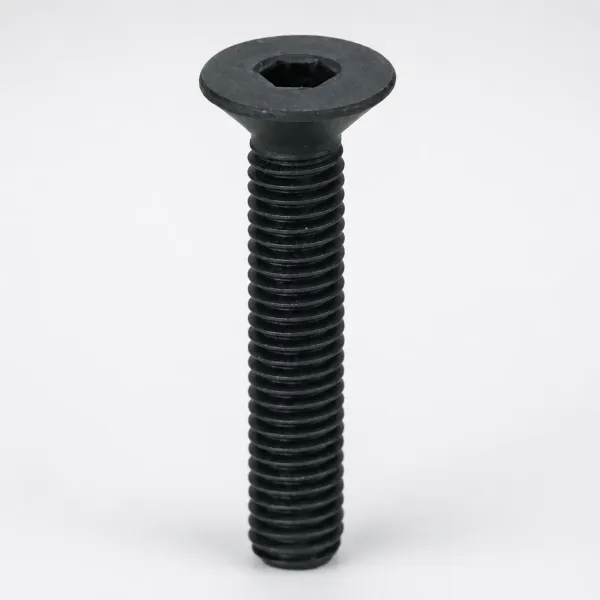
JIS Option Flat Head Hex Socket Head Cap Screws
JIS Option Flat Head Hex Socket Head Cap Screws with black oxide and 10.9 steel for reliable clamping. Coarse thread,...
View Details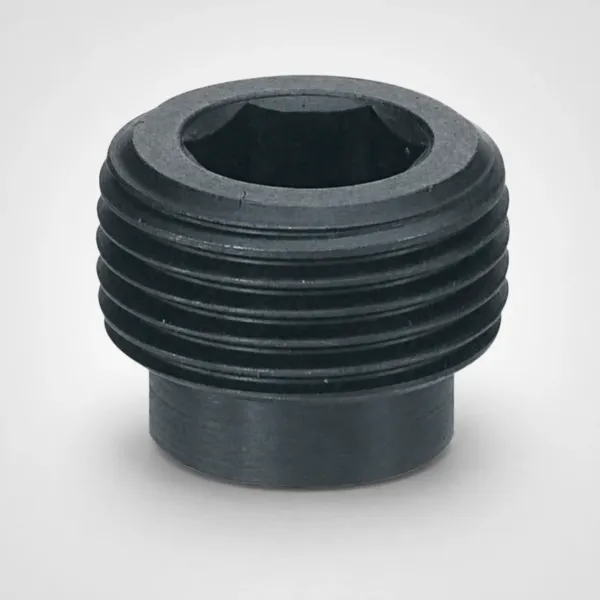
Screw Plugs for Holding Core Pin Fine Threads
Screw Plugs for Holding Core Pin Fine Threads (MSWPN Type) provide a secure, precise fit for core pin retention in pl...
View Details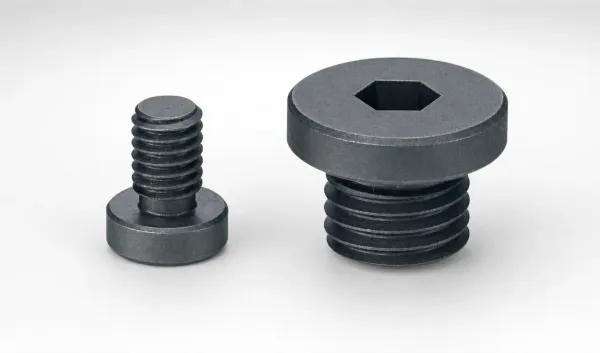
Positioning Screw Plugs Coarse or Fine Threads
Positioning Screw Plugs for plastic mold assembly with coarse or fine threads for stable alignment. Durable fastening...
View DetailsBolt Head Style Selection
| Head Style | Profile | Counterbore Depth | Best For |
|---|---|---|---|
| Standard Cap | Cylindrical head, standard height | Standard (per DIN 912) | General mold plate clamping — default choice |
| Small Head (CBHS) | Reduced diameter head | Shallow (saves plate material) | Tight-clearance assemblies where standard heads interfere |
| Flat Head | Conical head, flush with surface | Countersunk (cone-shaped) | Parting line bolts where head must not protrude |
Torque Specification Quick Reference
Recommended tightening torque for Grade 10.9 hex socket cap screws in mold assembly (dry, unlubricated):
| Bolt Size | Torque (N·m) | Clamp Force (kN) | Common Use |
|---|---|---|---|
| M6 | 12.5 | 8.6 | Small mold plates, insert retention |
| M8 | 29.5 | 15.1 | Standard cavity/core plate clamping |
| M10 | 58 | 24.0 | Medium mold bases |
| M12 | 100 | 34.0 | Large mold bases |
| M16 | 245 | 63.0 | Heavy-duty mold plate clamping |
| M20 | 480 | 99.0 | Die-casting mold assembly |
Note: Reduce torque by 20% when using lubricated bolts or anti-seize compound. For heated molds (>80°C), re-torque after the first thermal cycle to compensate for thermal relaxation.
Application Scenarios
Cavity/Core Plate Clamping
Pain point: Injection pressure (50-150 MPa) acts to separate mold plates. Insufficient bolt clamping force causes flash at the parting line.
Why it fits: Grade 10.9 cap screws provide high-strength clamping with controlled preload. Cross-pattern tightening ensures uniform plate contact.
Recommended: M10 or M12 Standard Cap Screws, Grade 10.9
Core Pin Retention
Pain point: Core pins must be secured against ejection force without rotating or backing out during the molding cycle.
Why it fits: MSWPN fine-thread positioning screw plugs provide secure retention with precise thread engagement, preventing core pin movement under cyclic loading.
Recommended: MSWPN Fine Thread Positioning Screw Plugs
Engineering Resources
Frequently Asked Questions
What is the minimum bolt grade for injection mold assembly?+
Should I use thread locker on mold bolts?+
What is the difference between positioning screw plugs and standard screw plugs?+
Need a Custom Quote?
Send your specifications and receive a quote. MOQ: 1 piece. Custom dimensions available.