Tension Link Components
Tension link components limit plate travel stroke, provide restoring force, and act as safety restraints in three-plate and multi-plate injection molds. Select from rigid tension links for precise stroke control, or flexible tension chains for safety restraint.
Tension Link Component Types
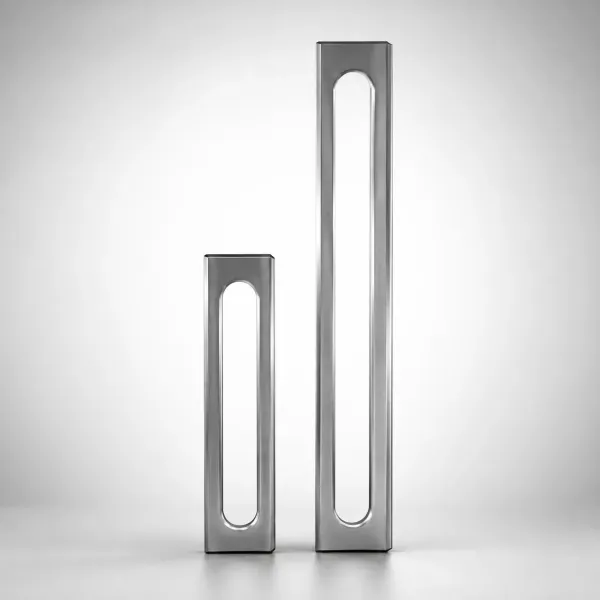
Tension Links
Rigid steel links with configurable oval holes for precise mold opening stroke control.
View Products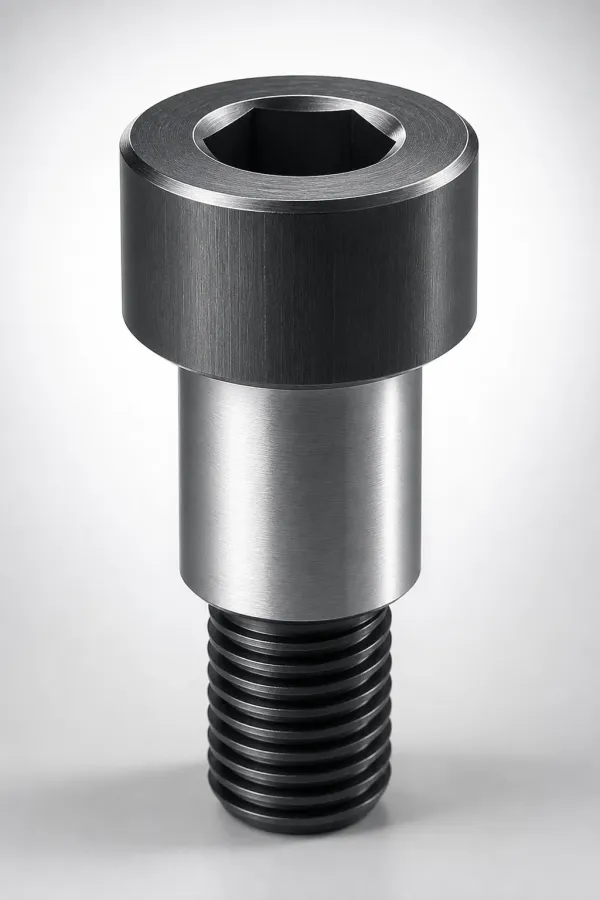
Tension Link Bolts & Retainers
Specialized bolts and retainers designed exclusively for tension link mounting.
View Products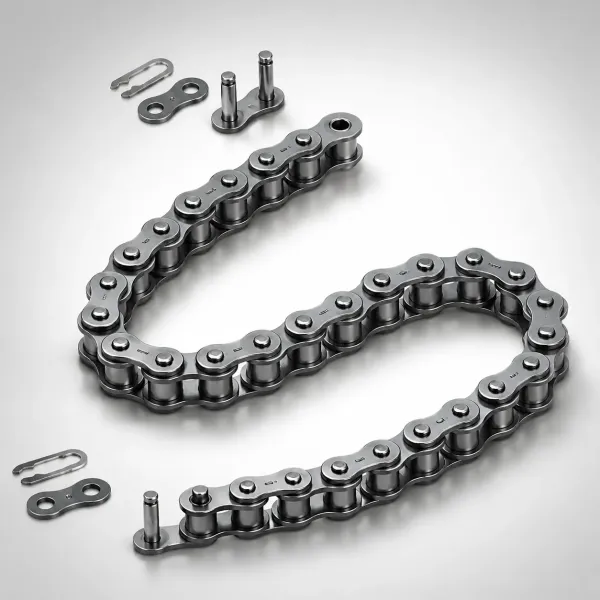
Tension Chains
Flexible chain assemblies for safety restraint — prevent complete plate separation.
View Products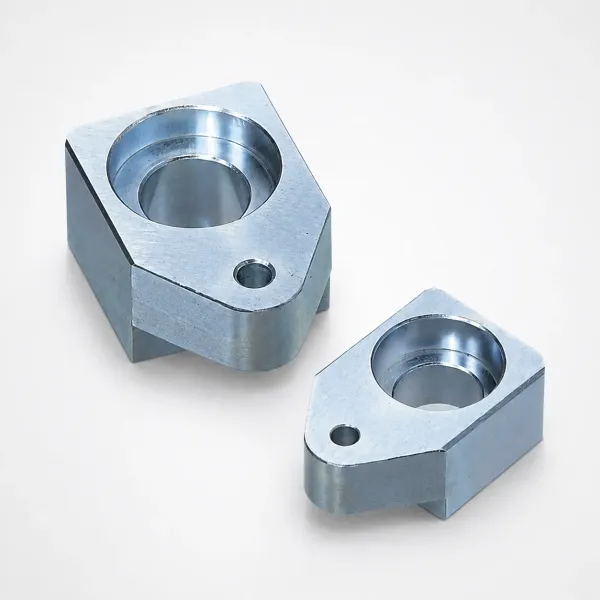
Tension Chain Holders
Mounting brackets for securing tension chains to mold plates.
View ProductsWhich Component Do You Need?
Match your requirement to the right tension link component:
Precise Stroke Control
You need to limit plate travel to a specific distance with repeatable accuracy. The plate must stop at a defined position during every cycle.
Safety Restraint / Anti-Drop Protection
You need to prevent plates from separating completely during maintenance, crane lifting, or unexpected mold opening. Flexible, forgiving restraint.
Tension Link Fastening Hardware
You've already selected tension links and need the correct specialized bolts and retainers for installation. Standard bolts are not compatible.
System Assembly: What Goes Together
Tension link systems require matched components. Here's what you need for each assembly:
Tension Link (any type)
Select by stroke requirement and hole configuration.
Tension Link Bolt + Retainer
Urethane wrap option for noise reduction. Single or double flange retainer based on mounting.
Tension Chain
Select chain number by plate weight and safety factor.
Tension Chain Holder (×2)
One holder per plate side. Match applicable chain number.
How Tension Links Control Mold Opening Stroke
Oval Hole Stroke Control Principle
A tension link is a flat steel plate with one or more elongated oval holes. A specialized bolt passes through each oval hole and is anchored to the mold plate. When the mold opens, the bolt travels along the length of the oval hole. When it reaches the end of the hole, further plate travel is mechanically stopped. The available stroke equals the oval hole length minus the bolt diameter. By selecting different oval hole lengths — configurable in 5 mm increments on MISUMI tension links — engineers can precisely set the maximum plate opening distance for each stage of a three-plate mold.
Multi-Stage Stroke Control
Two-oval-hole tension links provide independent stroke control for two plate pairs simultaneously. The two holes can have different lengths, allowing the runner parting line and main parting line to open to different distances. This eliminates the need for separate tension links on each plate pair and simplifies the mold assembly.
Design guide: For step-by-step stroke calculation and configuration, see our How to Calculate Tension Link Stroke for Three-Plate Mold Design.
Tension Links vs Parting Locks — Which Do You Need?
✅ Use Tension Link Components when:
- You need to limit how far plates can open (stroke control)
- You need plates to return to a specific position after opening
- You need a safety restraint to prevent complete plate separation
- Your mold has long plate travel distances (>50 mm)
🔄 Use Parting Locks instead when:
- Parting Lock Sets — if you need to control the order in which plates open (sequence control)
- Stop Bolts & Puller Bolts — if you need simple stop positions without stroke limitation
About Tension Link Components
Tension link components are mechanical assemblies that control plate travel distance and provide safety restraint in multi-plate injection molds. The system consists of rigid steel tension links (with configurable oval holes for precise stroke control), specialized bolts and retainers, and optional tension chains for safety restraint. All components follow MISUMI standard dimensions for direct replacement and cross-compatibility.
Frequently Asked Questions
When should I use tension links instead of parting locks for mold opening control?+
What is the difference between tension links and tension chains?+
How do I calculate the required tension link stroke for my mold?+
What bolts and retainers are compatible with MISUMI tension links?+
Engineering Resources
When to Use Tension Links vs Parting Locks for Mold Opening Control
Side-by-side comparison to help you decide between stroke control and sequence control.
How to Calculate Tension Link Stroke for Three-Plate Mold Design
Step-by-step stroke calculation with formulas, worked examples, and configuration tips.
Need a Custom Quote?
Specify your required stroke distance, link type, and bolt diameter. We'll recommend the optimal tension link configuration for your mold plate assembly.