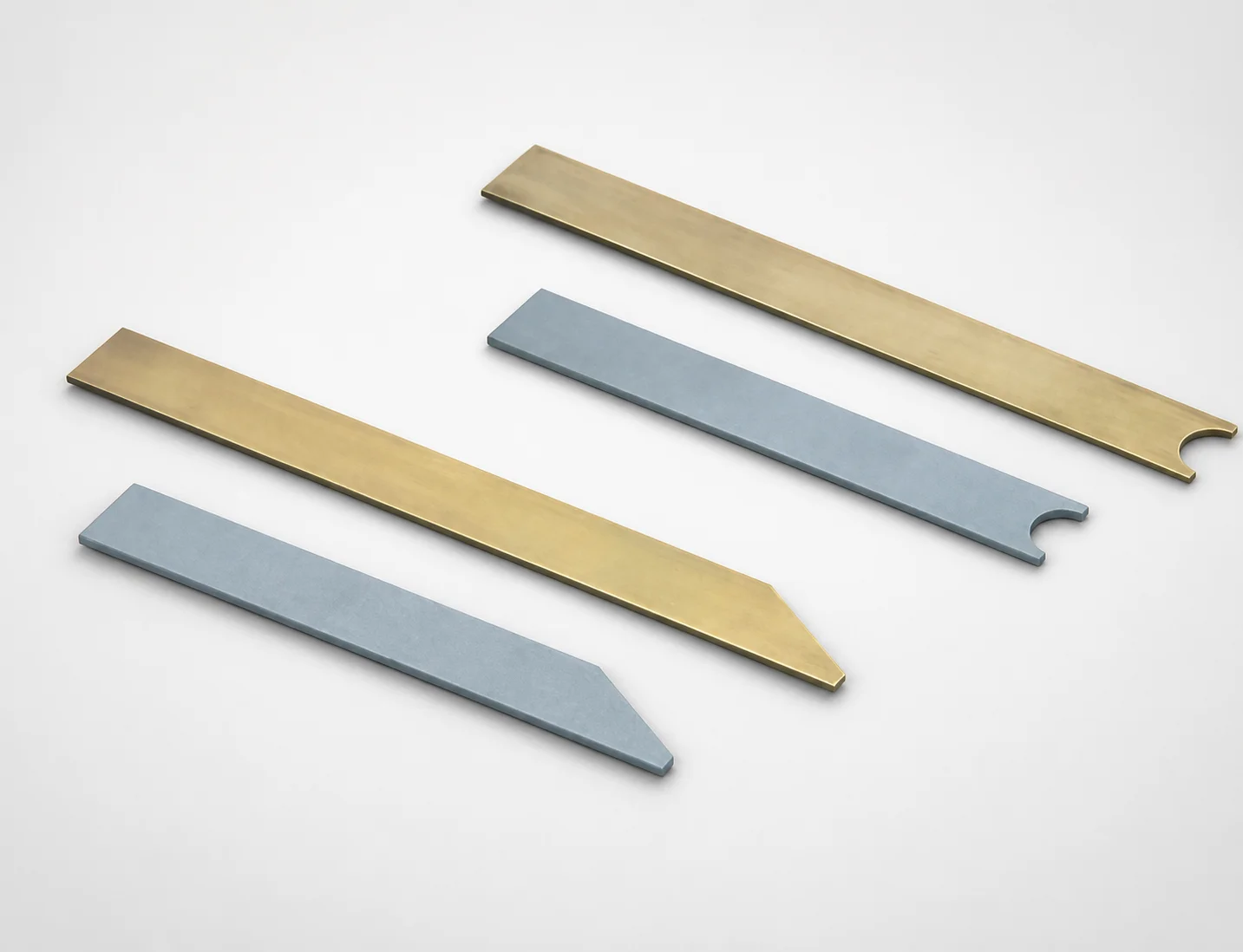
Baffle Boards R-Cut Flat Board
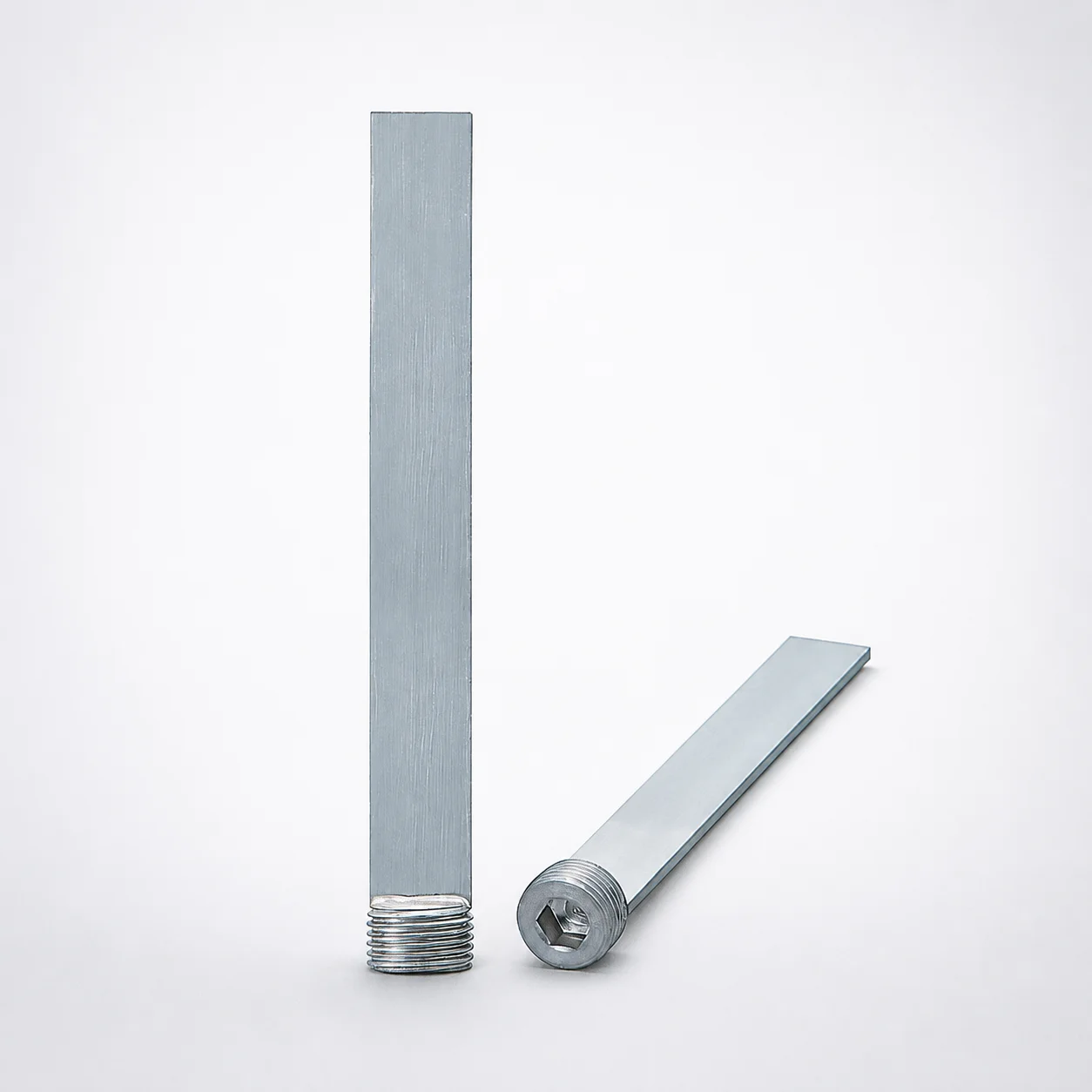
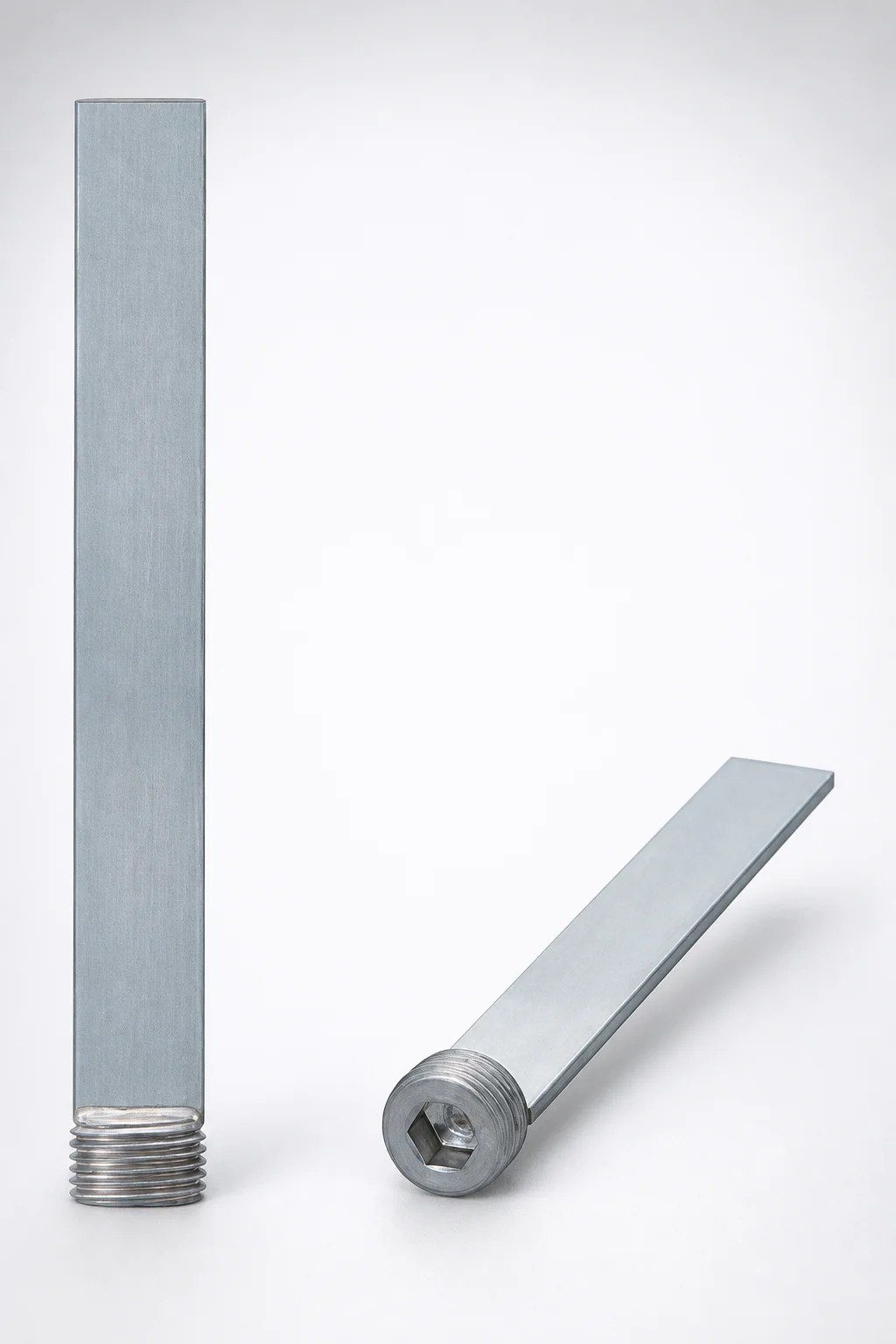
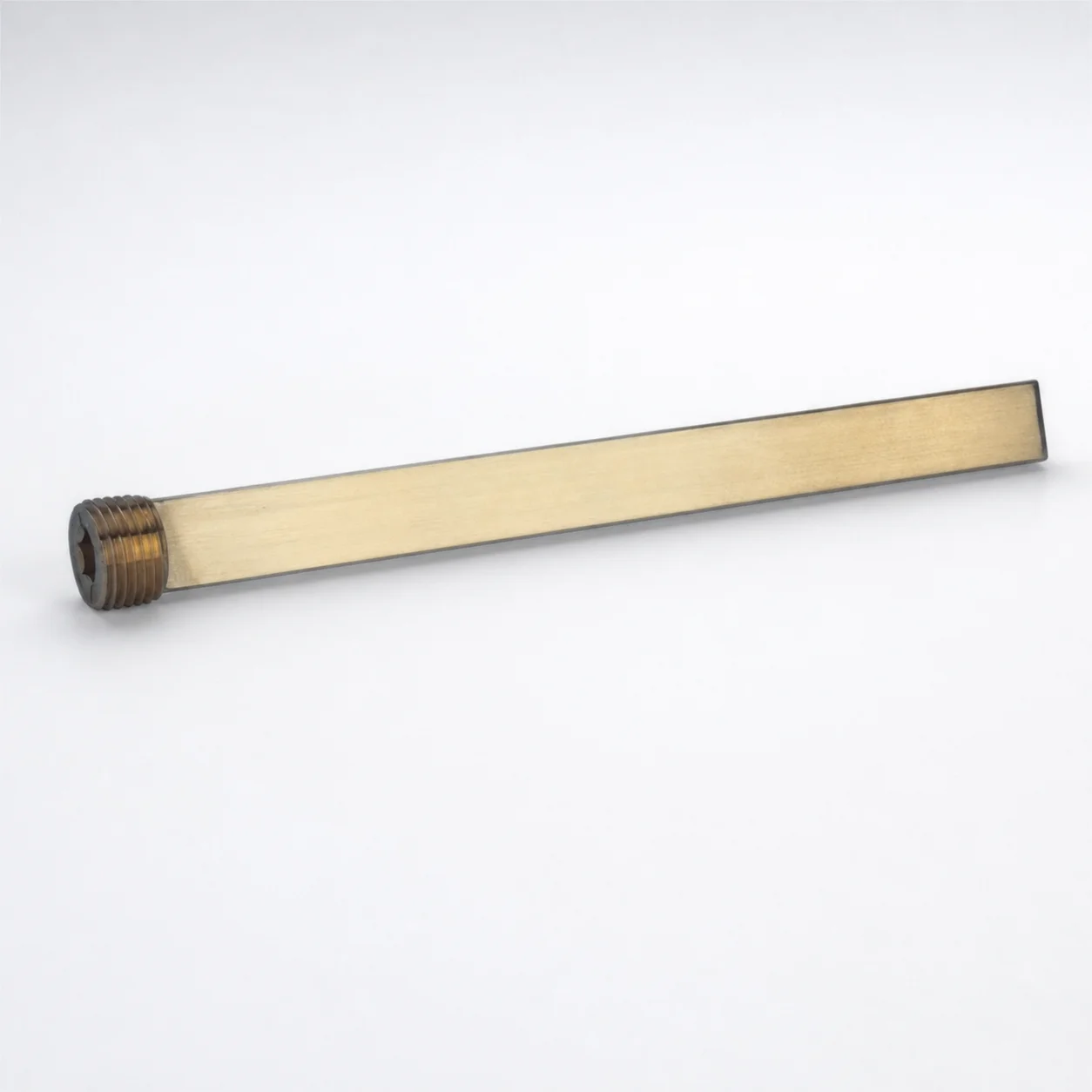
Baffle Boards r-cut flat board provide a clean radius-cut partitioning element for controlled flow paths in industrial assemblies. The flat board form helps maintain consistent fit when used with plate-based baffle designs. (Aluminum or brass)
- Flat board with r-cut profile for controlled partition geometry and assembly alignment
- Choose aluminum or brass for reliable machinability and corrosion-resistant performance
- Designed as baffle board stock blank for efficient cutting, forming, and integration into fixtures
- Commonly used in housings, separators, and flow-control setups requiring baffle partition sections
Specifications
22 configurations available
| Material | A (Width) (mm) | L (L dimension) (mm) | type |
|---|---|---|---|
| Aluminum | 10 | 50 ~ 200 | - |
| Aluminum | 12 | 50 ~ 200 | - |
| Aluminum | 16 | 50 ~ 200 | - |
| Aluminum | 18 | 50 ~ 200 | - |
| Aluminum | 20 | 50 ~ 200 | - |
| Aluminum | 22 | 50 ~ 200 | - |
| Aluminum | 24 | 50 ~ 200 | - |
| Aluminum | 25 | 50 ~ 200 | - |
| Aluminum | 28 | 50 ~ 200 | - |
| Aluminum | 30 | 50 ~ 200 | - |
| Aluminum | 35 | 50 ~ 200 | - |
| Brass | 10 | 50 ~ 200 | - |
| Brass | 12 | 50 ~ 200 | - |
| Brass | 16 | 50 ~ 200 | - |
| Brass | 18 | 50 ~ 200 | - |
| Brass | 20 | 50 ~ 200 | - |
| Brass | 22 | 50 ~ 200 | - |
| Brass | 24 | 50 ~ 200 | - |
| Brass | 25 | 50 ~ 200 | - |
| Brass | 28 | 50 ~ 200 | - |
| Brass | 30 | 50 ~ 200 | - |
| Brass | 35 | 50 ~ 200 | - |
Product Guide
Application Scenarios+
This R-cut flat baffle board is used inside injection mold tooling to partition internal cooling or flow channels and stabilize the geometry of plate-based baffle systems. Its flat board body supports consistent seating against mating surfaces, while the radius (R)-cut profile helps define controlled, repeatable flow paths for more uniform temperature distribution.
- Cooling-flow partitioning: Install as a stock blank cut to size to create separator sections in housings where controlled channel boundaries reduce temperature gradients.
- Industrial housing separators: Use in assemblies that require clean partition sections and easy alignment with plate baffle designs; the flat form improves fit repeatability during assembly.
- Flow-control inserts: Suitable where corrosion-resistant, machinable baffle elements are needed to form stable internal partitions around fluid passages.
Because it is offered in aluminum or brass, engineers can select the material best suited for machining stability and corrosion performance in the intended mold environment.
Material & Process Details+
Materials: This baffle board is available in aluminum or brass, each selected for stable machining and corrosion-resistant performance in interior mold applications.
- Aluminum: Typically chosen when faster machining and good dimensional stability of non-ferrous parts are priorities for baffle section fabrication.
- Brass: Chosen when a more wear-tolerant copper alloy is desired for repeated handling, fixture contact, or environments where corrosion resistance is critical.
Heat treatment: No specific heat-treatment state (e.g., quenched & tempered, nitrided) is provided in the supplied specifications, so selection should be based on the delivered alloy condition and intended machining/forming process.
Trade-off: As a non-ferrous product, the focus is on machinability and corrosion resistance rather than achieving steel-like hardness; hardness/abrasive wear performance will differ significantly from tool steels.
Sizing & Selection Guide+
To select the correct baffle board dimensions, match the L length and the A width to the partition region of your cavity insert or internal flow path boundary.
- L (fixed): Choose from 50–200 mm. Use L to span the required partition length across the mold interior.
- A (variable width): Select 10–35 mm to fit the available space between neighboring plates, walls, or channel boundaries.
- R-cut profile: Confirm the radius-cut geometry clears the surrounding features and maintains the intended partition contact line when assembled with plate-based baffle designs.
Fit/tolerance considerations: Since tolerance values are not provided in the data, verify your expected machining allowances during downstream cutting/forming and ensure the board seats flat against mating surfaces to prevent gaps that could disturb flow.
Configurable vs fixed: A is configurable within 10–35 mm, while L is fixed as the provided range 50–200 mm.
Frequently Asked Questions
Which material—aluminum or brass—is better for corrosion resistance in mold interior baffle partitions?+
This baffle board is offered in aluminum or brass. The provided description emphasizes corrosion-resistant performance in either option.
For applications involving frequent contact with fluid passages or harsher environments, many engineers prefer brass for its copper-alloy corrosion resistance. Aluminum can be advantageous when machining stability and fabrication efficiency are the primary priorities.
How do I select the correct baffle board width (A) for my internal partition spacing?+
Use the A (width) range of 10–35 mm to match the available space between the surrounding mold features.
Because this part is a flat board used with plate-based baffle designs, ensure the selected A allows the board to seat properly without interfering with the R-cut partition geometry.
What L length range can be specified for spanning the partition across the mold interior?+
The L (length) dimension is specified as 50–200 mm.
Choose L so the partition element covers the required boundary length in your cooling/flow path while maintaining full contact with the mating surfaces used in your baffle layout.
Is this baffle board supplied as a finished part or a blank for cutting/forming in the mold build?+
The description states it is designed as baffle board stock blank for efficient cutting, forming, and integration into fixtures.
That means you should plan for downstream machining to your final partition layout, especially to ensure clearance around the R-cut profile.
What assembly fit requirements should I consider when combining this board with plate-based baffle systems?+
The flat board form is intended to help maintain consistent fit when used with plate-based baffle designs.
Because specific tolerance values are not provided, you should validate the seating condition during integration (flat contact and gap-free placement) to avoid flow disturbances caused by misalignment near the radius-cut partition.
Related Products
Need Custom Specifications?
Our engineering team can help with custom configurations, material selection, and volume pricing.