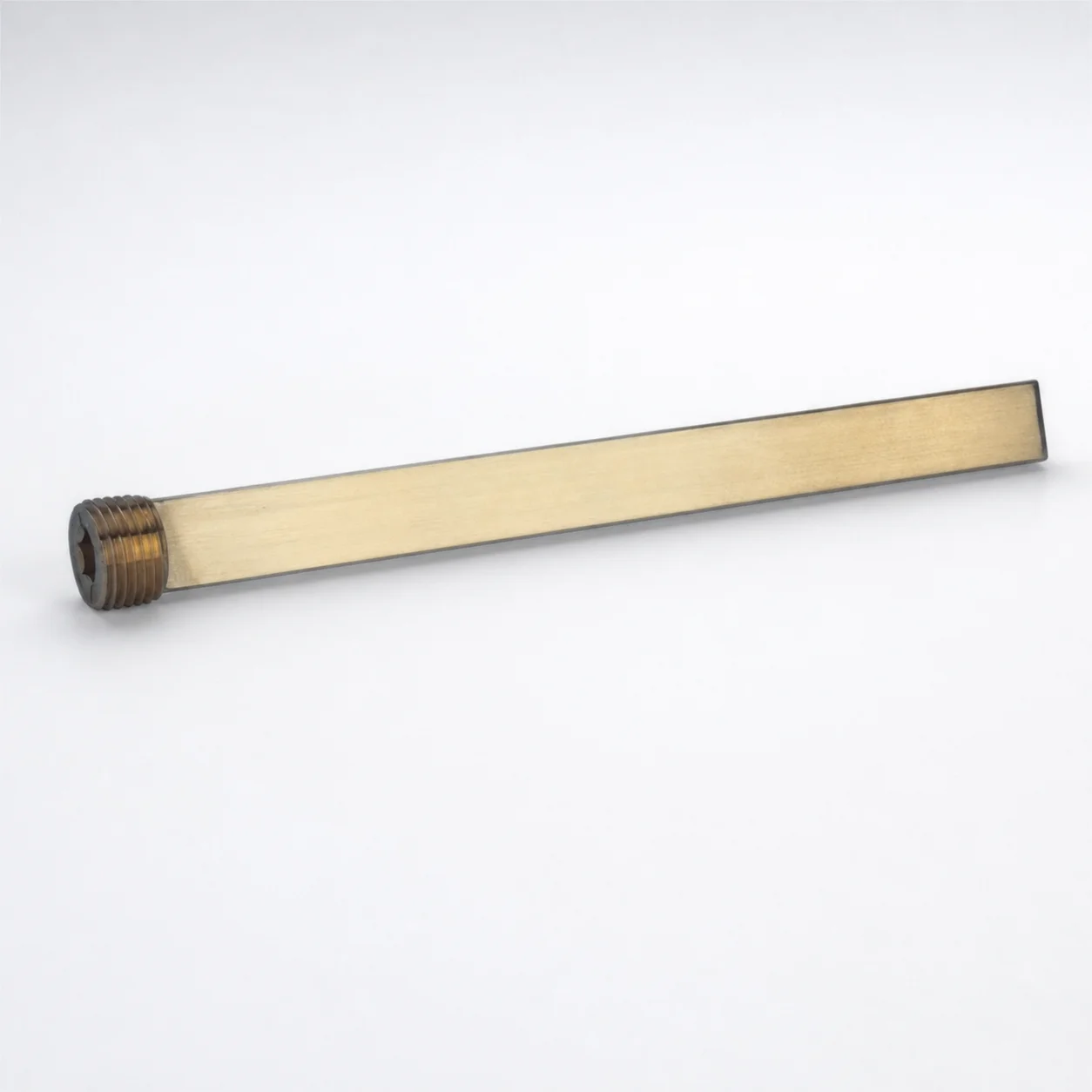
Inch Brass Baffles XT Technology Pipe Plug System
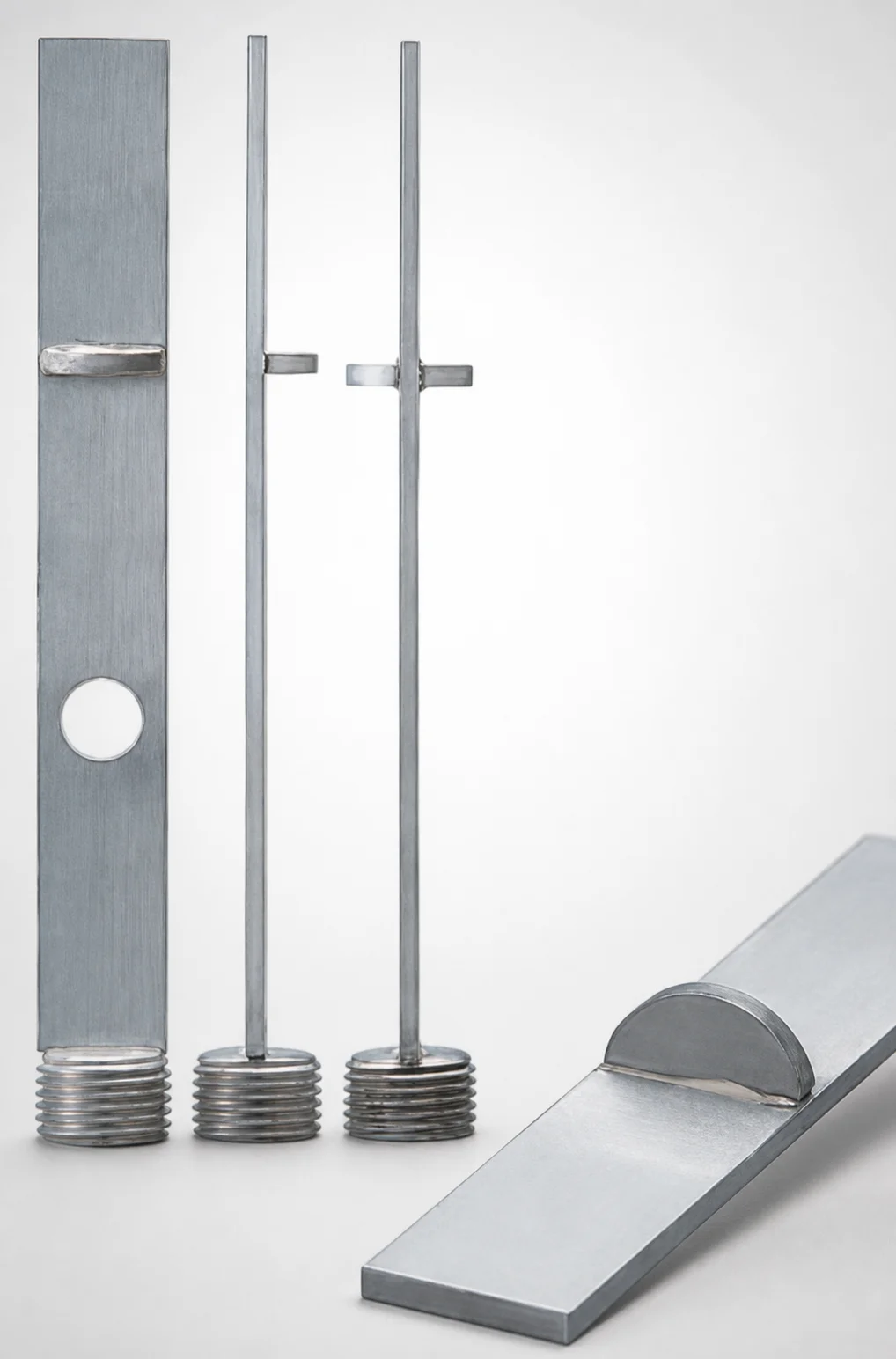
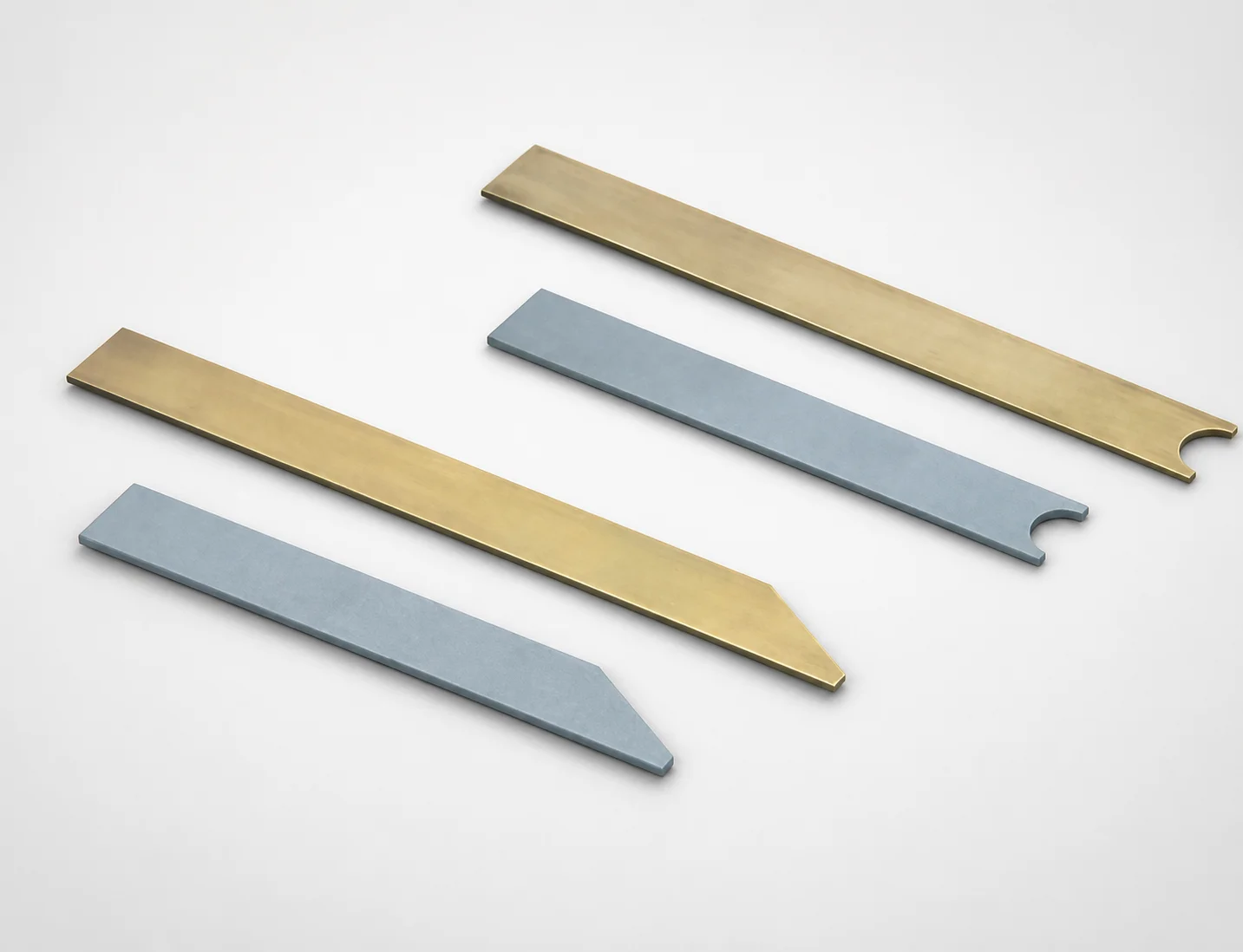
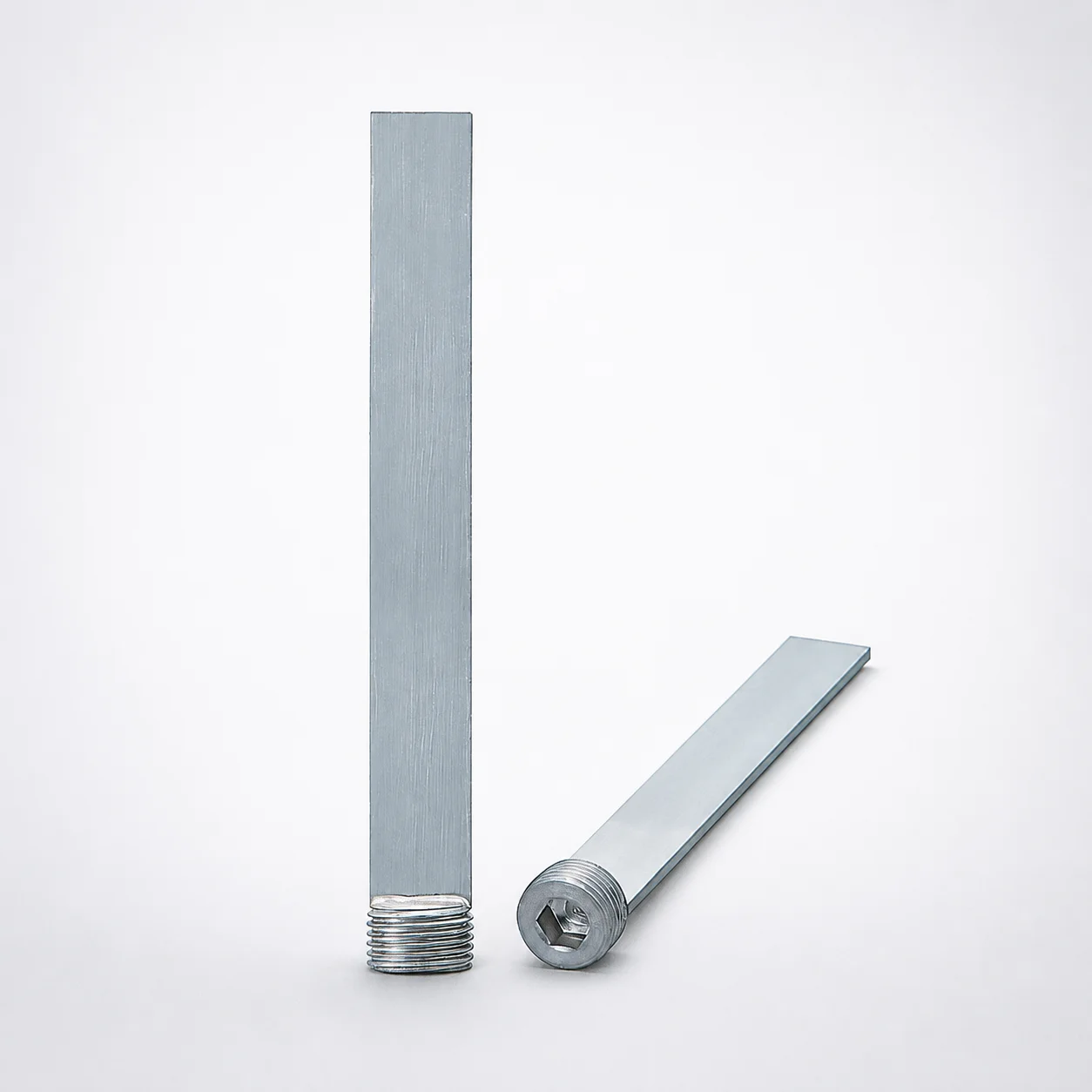
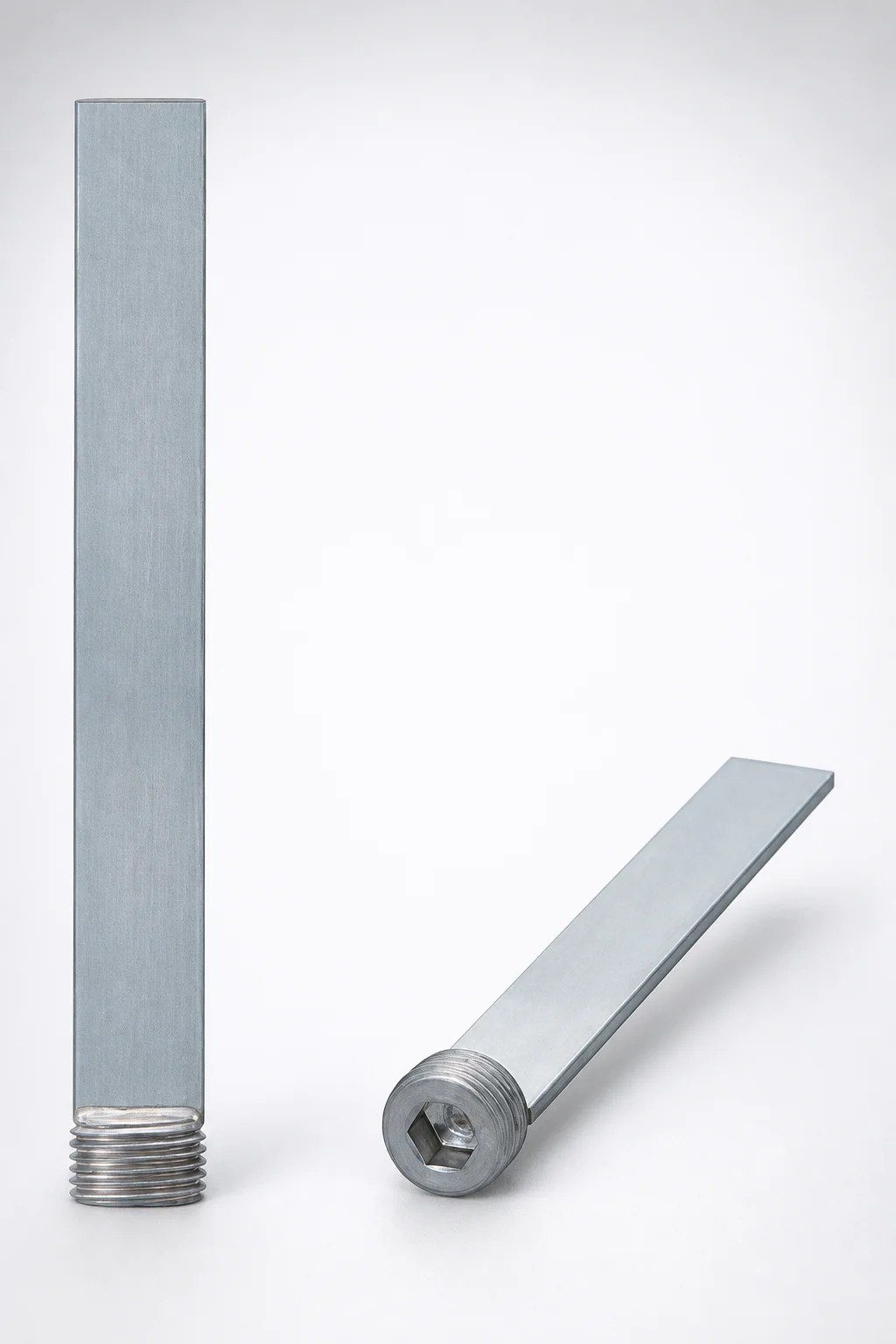
Inch Brass Baffles (XT Technology) uses a flush-seal brass pipe plug system to separate machined waterlines into multiple channels, helping direct coolant flow precisely inside the mold. The patented XT design supports higher wrenching torque during installation.
- Flush-seal (7/8 taper) brass pipe plugs help secure baffles for stable coolant routing
- Patented XT Technology delivers 300% more wrenching torque for dependable tightening
- Diverts water or coolant to improve channel control across separate mold paths
- System separates waterlines into multiple channels with standard plug supplied
Specifications
18 configurations available
| Plug Size (in) | Overall Length (in) | Blade Width (in) | Blade Thickness (in) |
|---|---|---|---|
| 1/16"-27 | 4" | 1/4" | 0.057" |
| 1/16"-27 | 8" | 1/4" | 0.057" |
| 1"-11 1/2 | 16" | 1-1/8" | 0.102" |
| 1"-11 1/2 | 24" | 1-1/8" | 0.102" |
| 1/8"-27 | 4" | 5/16" | 0.057" |
| 1/8"-27 | 8" | 5/16" | 0.057" |
| 1/8"-27 | 12" | 5/16" | 0.057" |
| 1/4"-18 | 5" | 7/16" | 0.085" |
| 1/4"-18 | 5" | 7/16" | 0.085" |
| 1/4"-18 | 10" | 7/16" | 0.085" |
| 1/4"-18 | 15" | 7/16" | 0.085" |
| 3/8"-18 | 6" | 9/16" | 0.093" |
| 3/8"-18 | 12" | 9/16" | 0.093" |
| 3/8"-18 | 18" | 9/16" | 0.093" |
| 1/2"-14 | 8" | 11/16" | 0.093" |
| 1/2"-14 | 16" | 11/16" | 0.093" |
| 3/4"-14 | 12" | 15/16" | 0.093" |
| 3/4"-14 | 20" | 15/16" | 0.093" |
Product Guide
Application Scenarios+
This inch brass baffle system is used inside injection mold tool cooling layouts where a single machined waterline must be split into multiple, independently controlled flow paths. It is commonly applied to automotive connector molds and other parts requiring uniform cavity temperature across complex geometry, helping divert coolant to separate channels.
In multi-cavity or hot-spot compensation designs, the flush-seal pipe plug arrangement supports stable installation while maintaining reliable separation between adjacent waterlines. The XT Technology variant is suited for these assemblies because it is designed to support higher installation wrenching torque, improving dependable tightening during routine mold maintenance.
- Scenario: split-cooling for connector and electronics cavities—channel control improves thermal uniformity.
- Scenario: balancing flow across multiple mold paths—separate waterlines into controlled channels.
- Scenario: service-friendly rework—higher torque support helps maintain plug tightness during disassembly.
Material & Process Details+
This product uses inch brass baffles with a flush-seal brass pipe plug system. Brass is selected for corrosion resistance in typical water-based mold cooling and for ease of machining and assembly compared with many tool steels.
The system relies on mechanical sealing rather than heat-treated steel performance. As provided, no steel grade, heat treatment, or hardness (HRC) is specified for the brass baffles or plugs; therefore, wear resistance and toughness considerations should be assessed primarily as a function of brass service behavior and sealing integrity under repeated tightening.
- XT Technology focuses on assembly performance by enabling higher wrenching torque for reliable installation of the flush-seal (7/8 taper) plugs.
- Trade-off: brass sealing and flow control advantages may be preferred over tool-steel abrasion resistance when the application’s primary loads are mechanical installation and coolant exposure.
Sizing & Selection Guide+
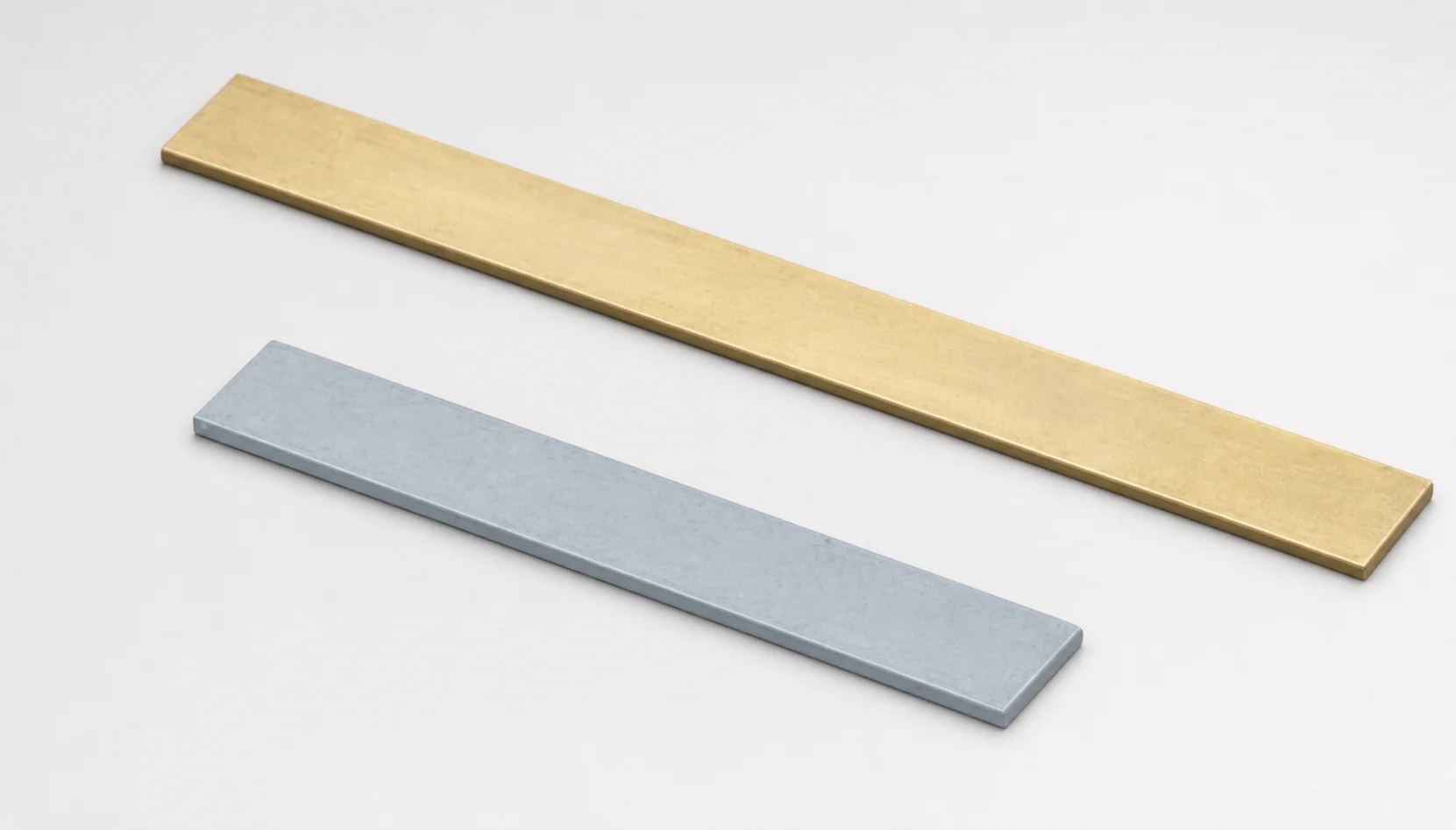
Select the baffle system by matching plug size and blade/cavity geometry to your mold’s machined waterline layout. The available ranges are: Plug Size (1 ~ 3 in), Overall Length (4 ~ 24 in), Blade Width (1 ~ 15 in), and Blade Thickness (0.057”, 0.085”, 0.093”, 0.102”).
Start with the required channel separation: choose a plug size that corresponds to the waterline port geometry in your baffle-board or cooling plate. Then set the Overall Length to span the intended split between separate channels while avoiding interference with core/cavity surfaces.
- Match Blade Width to the machined channel spacing to ensure coverage without short-circuiting.
- Choose Blade Thickness based on available board/cooling insert thickness and required sealing land.
- Account for installation fit: use the flush-seal (7/8 taper) interface to improve seal consistency at the plug seat.
These dimensions are configurable within the stated ranges; use the closest available combination to your cavity/core cooling paths, and verify fit against your CAD cavity waterline drawings.
Frequently Asked Questions
Which plug size range should I select to split my machined waterline into multiple cooling channels?+
How do I choose the overall length and blade width to avoid blocking neighboring coolant paths?+
Does the XT Technology change installation requirements or tightening torque for the brass plugs?+
What blade thickness options are available, and how do they affect sealing land and board fit?+
Is there a specified hardness or heat treatment for these brass baffles when compared to steel baffle systems?+
Related Products
Need Custom Specifications?
Our engineering team can help with custom configurations, material selection, and volume pricing.