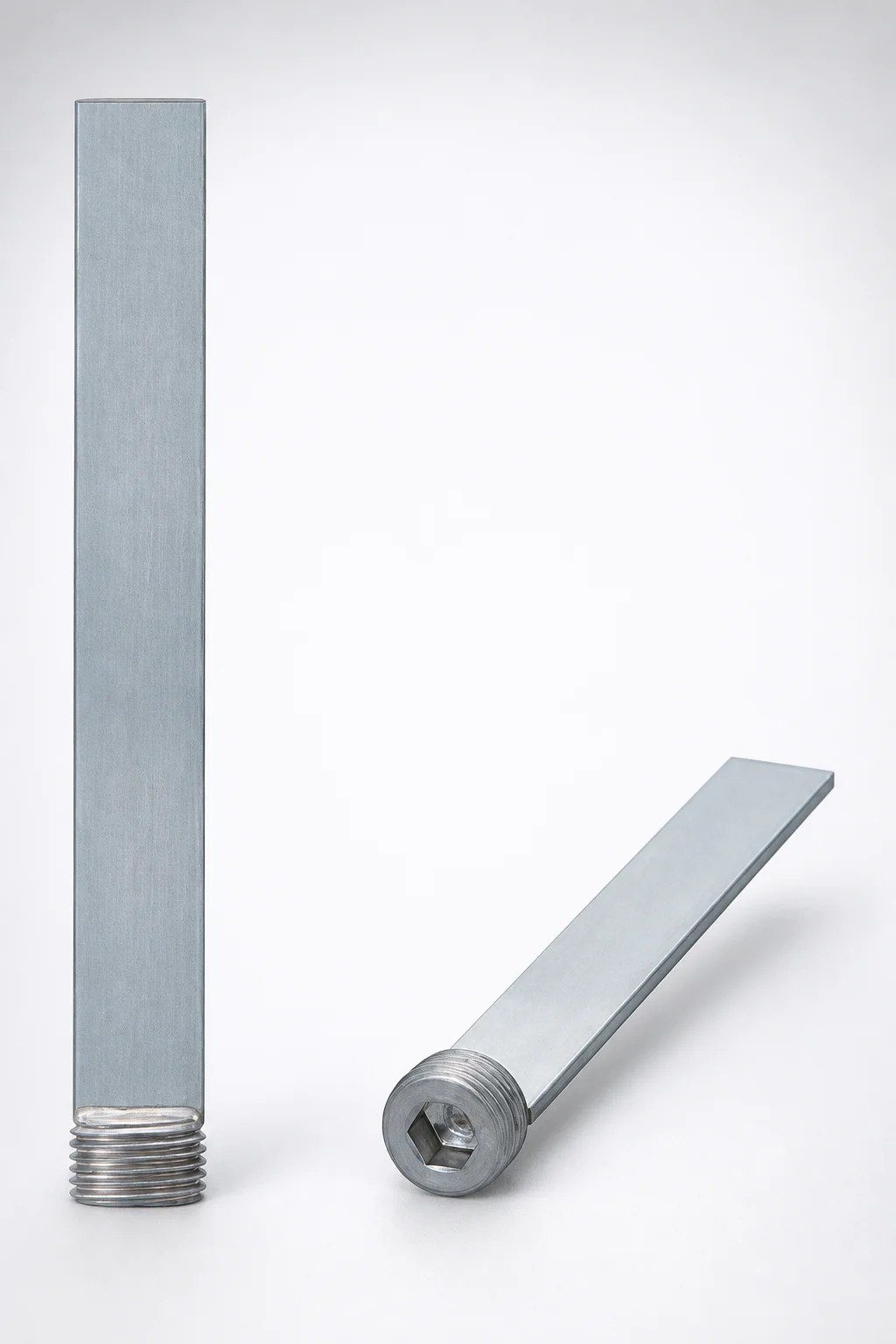
BFPTS Baffle Boards Flat Stainless Steel
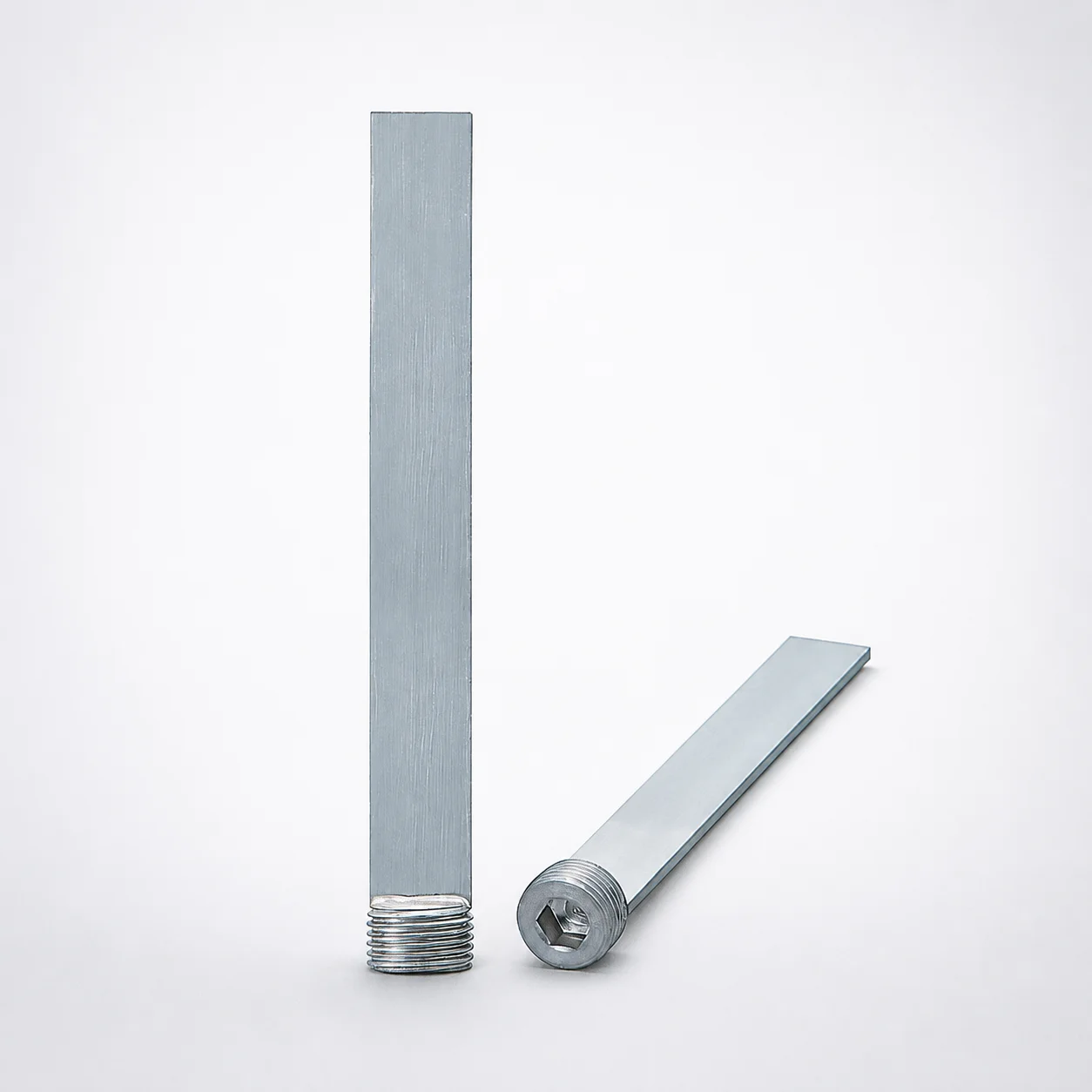
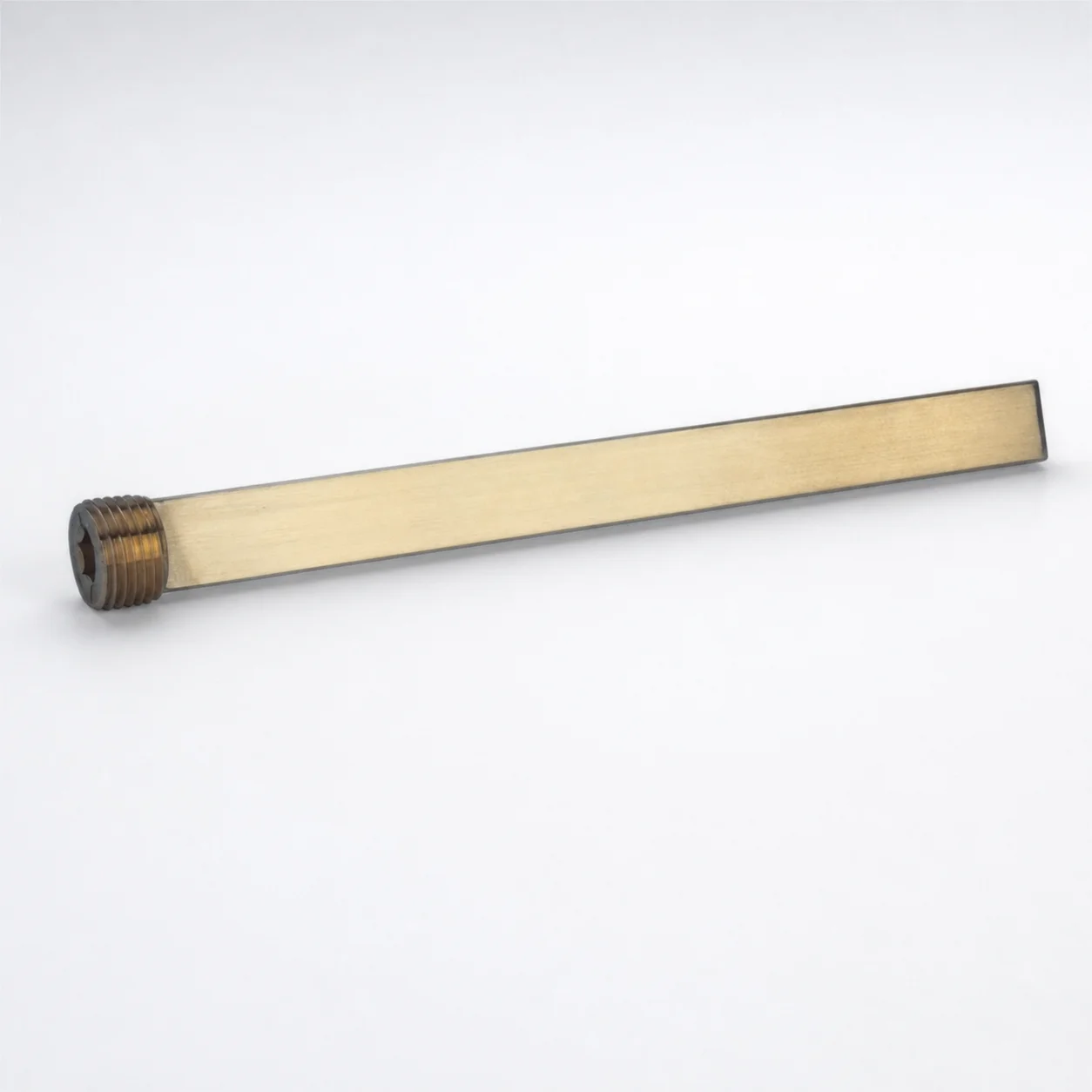
BFPTS baffle boards flat (stainless steel) are designed for reliable internal flow control in processing plate assemblies, with a flat board geometry and option for a tapered screw plug.
- Flat board shape for consistent fit in partitioned assemblies
- Stainless steel construction for corrosion resistance in wet processes
- Tapered screw plug configuration supports secure retention during installation
- BFPTS type matches engineered baffle board requirements for repeatable results
Specifications
4 configurations available
| A (Width) (mm) | L (L dimension) (mm) | type |
|---|---|---|
| 18 | 50 ~ 600 | - |
| 20 | 50 ~ 600 | - |
| 24 | 50 ~ 600 | - |
| 30 | 50 ~ 600 | - |
Product Guide
Application Scenarios+
BFPTS baffle boards flat are used inside injection molds to manage coolant or process-fluid partitioning around plate assemblies. Their flat board geometry helps maintain stable segmentation of flow paths, which is important when you need repeatable thermal conditions across a multi-plate stack or a divided circuit.
- Automotive and electronics housings: In molds using segmented cooling plates, the flat profile supports clean partitioning where uniform heat removal is required for dimensional stability.
- Medical device and clean-part molding: Stainless construction helps resist corrosion in environments where cleaning agents or moisture can be present, supporting longer tool life for hygiene-sensitive production.
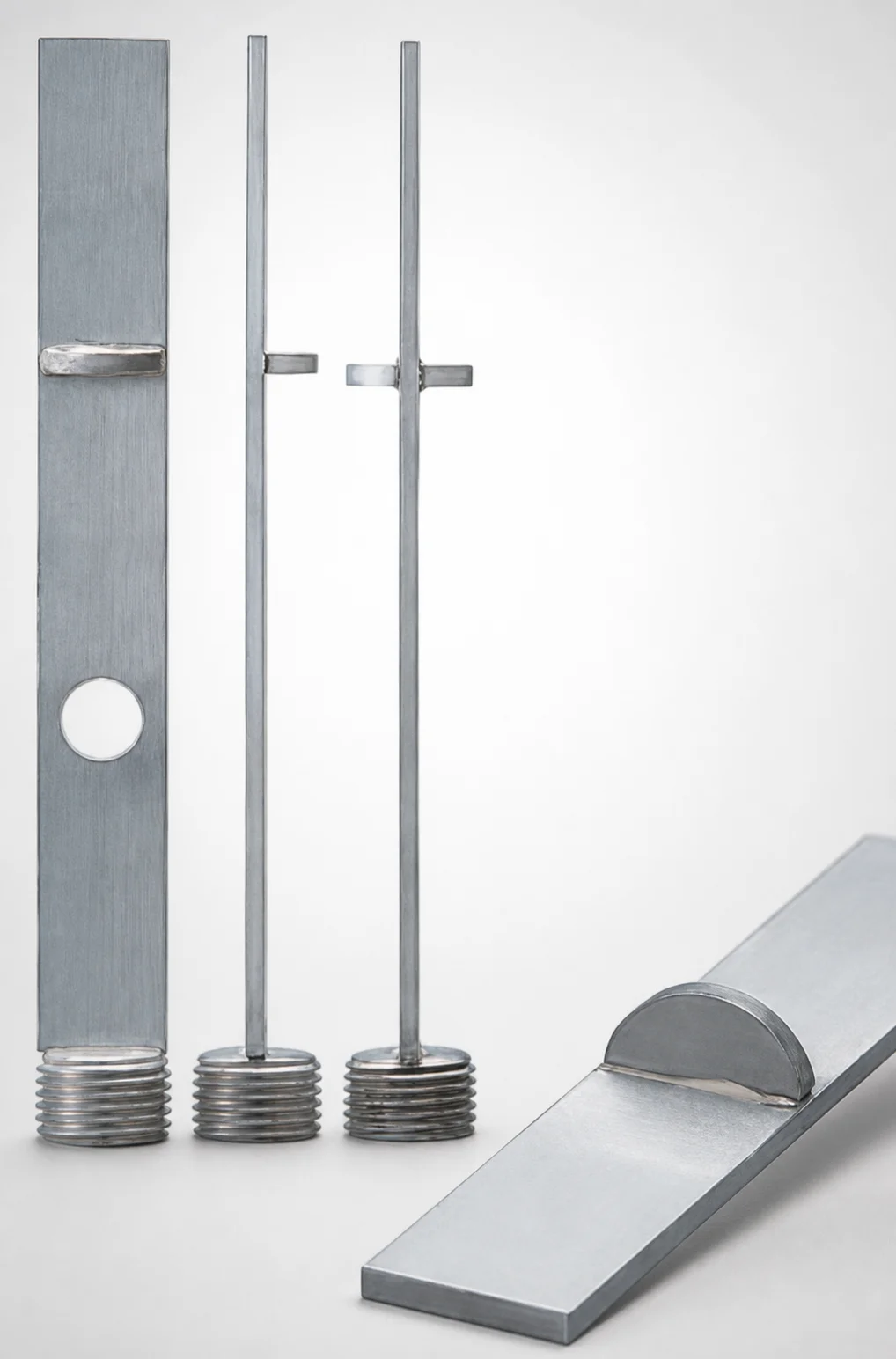
- Retained installation in baffle structures: The tapered screw plug option supports secure retention during assembly, reducing the risk of movement that could disturb the intended flow channel.
This variant is suited to baffle-board applications where consistent internal flow control and corrosion resistance are both required.
Material & Process Details+
These BFPTS baffle boards are made from stainless steel, selected for improved corrosion resistance compared with carbon steels—especially beneficial in wet or frequently cleaned mold environments. Stainless steels also offer reliable dimensional stability for interior cooling and partitioning components subjected to repeated thermal cycling.
- Heat treatment: The provided data does not specify an exact heat-treatment condition (e.g., quenched & tempered, nitrided). Selection should be aligned with the supplier’s stainless plate/process route to ensure adequate surface integrity and fit.
- Wear vs. toughness trade-off: For baffle boards, wear is typically secondary to corrosion resistance and dimensional consistency; overly aggressive hardening treatments are generally not the focus unless the design demands higher surface hardness.
If alternate stainless grades are offered, compare corrosion performance and hardness rather than assuming one grade universally matches both chemical exposure and mechanical demands.
Sizing & Selection Guide+
Select the baffle board width A (18, 20, 24, 30 mm) to match the intended partition span within the mold’s interior cooling/cavity plate layout. Choose the length L (50 to 600 mm) to cover the full active partition zone without overextending into areas that must remain unobstructed for flow, venting, or mechanical features.
- Match to core/cavity cooling regions: Use the board’s flat shape to align with the partition boundaries in your plate stack so the flow channel geometry remains consistent across the circuit.
- Tapered screw plug considerations: If using the tapered screw plug option, ensure the mating screw plug seat/feature in the plates provides proper clearance and seating depth to prevent lift or movement.
- Tolerance and fit: Although the tolerance class is not specified in the data, plan for standard mold-fit clearances so the board can be assembled without forcing, while still maintaining the designed partition gap.
Dimensions A and L are configurable within the given ranges; lock these values to the cavity/core plate drawing before confirming retention features.
Frequently Asked Questions
Which width options (A) are available for the BFPTS flat baffle boards, and how do I choose between them?+
What length range (L) can I specify, and how should L relate to the active cooling zone?+
Does the tapered screw plug option affect installation fit or require special seating in the plates?+
Why is stainless steel specified for BFPTS baffle boards in mold interior cooling applications?+
Is heat treatment or hardness provided for BFPTS baffle boards, and can I assume a specific wear performance?+
Related Products
Need Custom Specifications?
Our engineering team can help with custom configurations, material selection, and volume pricing.