Core Pins for Die Casting
H13 (SKD61) steel core pins for internal hole formation in die castings. Configurable (P-type) and selectable (D-type) shaft diameters with optional nitriding for extended life in aluminum applications.
Products
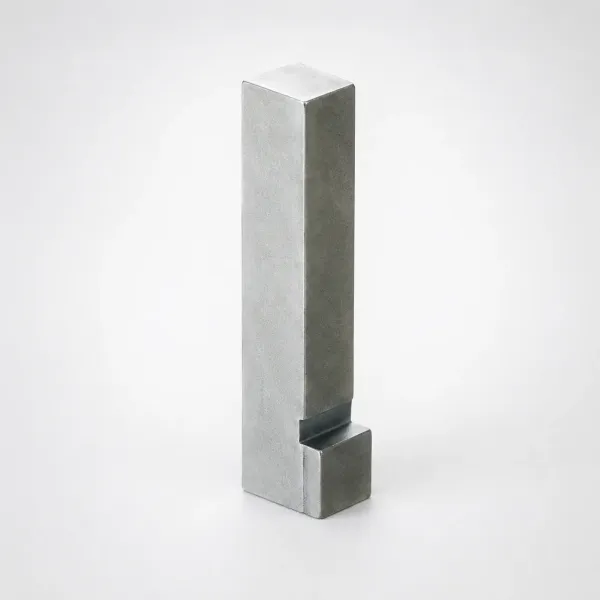
JIS Standard Steel Block Core Pins No Tip No Engraving | Custom Solutions
Block Core Pins No Tip No Engraving for precision mold blocks. Hardened steel options support durable core seating in injection tooling. Request a quo
View Details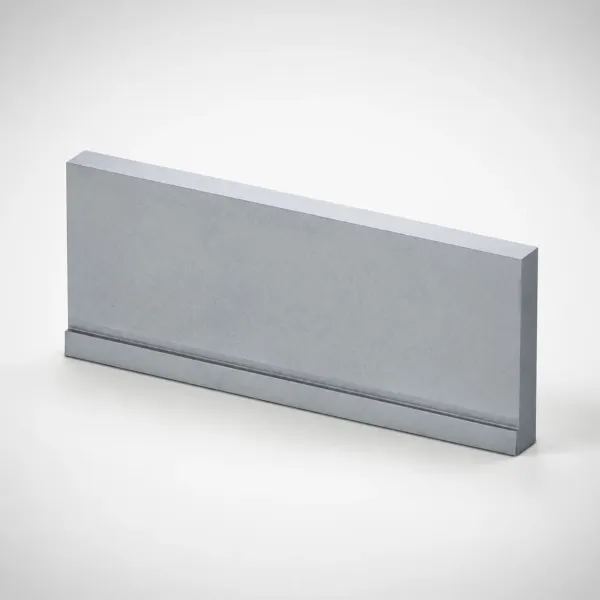
Block Core Pins No Tip Processing With Flange | Wide Core Pins for Mold Blocks
Block Core Pins No Tip Processing With Flange for wide block cores. Offered in selectable steels with dependable hardness for consistent fit—request a
View Details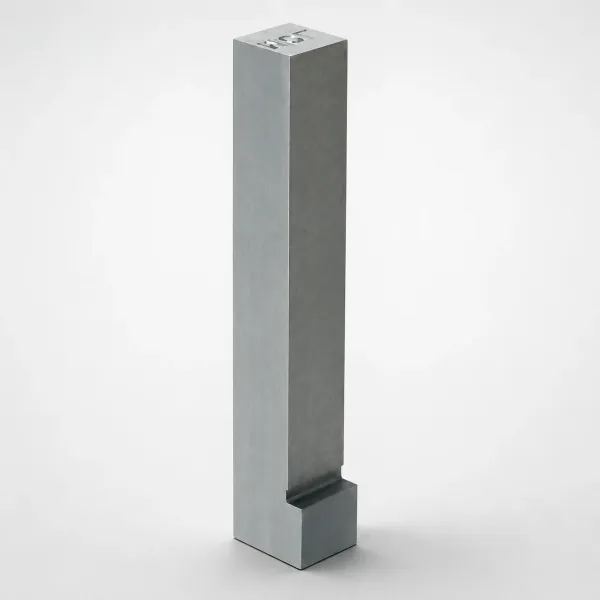
M2 Steel Block Core Pins No Tip Flange Engraving | Precision Mold Components
Block Core Pins No Tip with Flange Engraving for mold blocks, made from M2 steel. Built to support accurate positioning, durable wear, and quick procu
View Details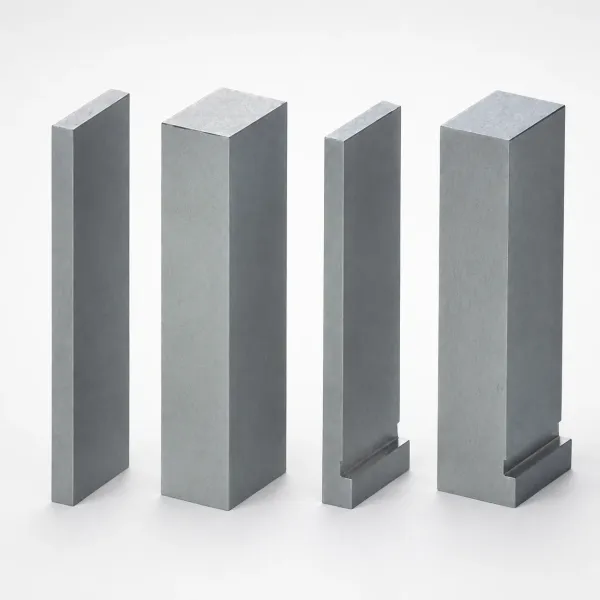
Various Steel Block Core Pins No Tip, Straight Flange | MISUMI
Block Core Pins No Tip Straight Flange for precision block core alignment. Made from various steels with optional flange configurations. Request a quo
View Details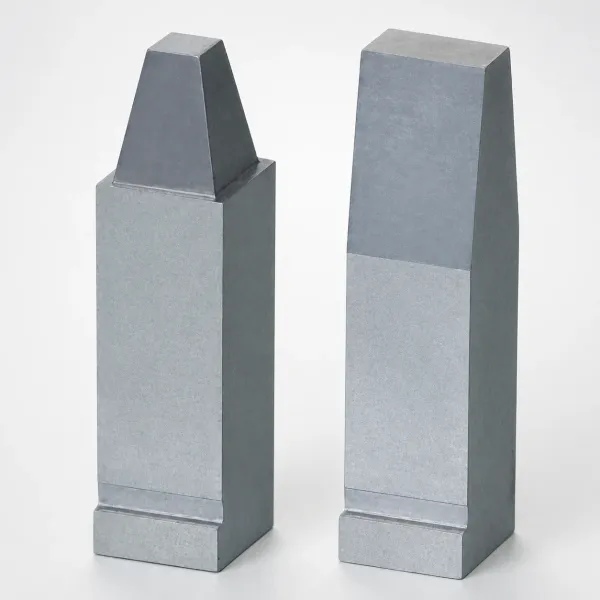
Steel Block Core Pins No-Tip with Flange | Made for Mold Blocks
Block Core Pins with no-tip profile and flange for secure alignment in mold blocks. Hardened steel options help maintain wear resistance in production
View DetailsP-Type vs D-Type Core Pins
| Factor | P — Configurable | D — Selectable |
|---|---|---|
| Diameter Specification | Any value to 0.01 mm | Catalog step sizes |
| Best For | Custom molds, prototyping, repair | Standard mold designs |
| Lead Time | 5–7 business days | In stock / 2–3 days |
| MOQ | 5 pieces | 1 piece |
| Nitriding | Optional | Optional |
Decision rule: Choose Shaft D (selectable) for standard hole diameters in your mold design. Choose Shaft P (configurable) when you need non-standard diameters or custom tip geometries. For detailed guidance, see our Nitriding vs Uncoated Core Pins — ROI in Die Casting Applications.
Why Core Pins Erode — Understanding the Mechanism
Core pins are the most failure-prone components in a die casting mold because they experience the harshest operating conditions:
- Full immersion: Unlike ejector pins (which contact solidified metal briefly), core pins are submerged in molten aluminum for the entire 2–5 second fill + solidification cycle.
- Thermal shock: Pin surface temperature cycles from ~200°C to ~600°C in <0.5 seconds, creating surface tensile stresses of 500–800 MPa — exceeding the yield strength of most tool steels.
- Erosive velocity: Metal flowing past the core pin at 30–60 m/s strips material from the surface. The erosion rate increases exponentially with velocity.
- Chemical attack: At >450°C, aluminum dissolves iron from the pin, forming brittle Fe₂Al₅ intermetallics (soldering).
Nitriding addresses items 3 and 4 but cannot fully prevent item 2 (thermal fatigue). Optimizing cooling around core pin locations is essential for maximum life.
Decision rule: Core pin erosion follows a four-stage cycle: thermal fatigue cracks the surface → erosion removes the nitrided layer → Fe₂Al₅ intermetallic forms at exposed steel → soldering/tearing accelerates material loss. Nitriding interrupts this cycle by preventing Fe-Al contact. For detailed guidance, see our Why Die Casting Core Pins Erode — Thermal Fatigue and Soldering Mechanism.
Application Scenarios
Through-Hole Formation
Creating bolt holes, alignment holes, or ports in die cast housings. Core pin extends through the entire casting thickness.
Core pins form internal holes by standing in the die cavity during the injection cycle. The pin must resist both the thermal shock of 650°C aluminum contact and the mechanical bending load from high-velocity metal flow during filling.
Recommended: D-Selectable for standard hole sizes
Blind Hole / Deep Pocket
Creating recesses for threaded inserts or weight reduction. Higher erosion risk due to stagnant metal at pin tip.
Core pins form internal holes by standing in the die cavity during the injection cycle. The pin must resist both the thermal shock of 650°C aluminum contact and the mechanical bending load from high-velocity metal flow during filling.
Recommended: P-Configurable with nitriding
Decision rule: Core pins form internal holes by standing in the die cavity during injection. Choose P-type for custom tolerances and D-type for standard sizes with faster delivery. For detailed guidance, see our Why Die Casting Core Pins Erode — Thermal Fatigue and Soldering Mechanism.
Frequently Asked Questions
Shaft diameter P (configurable) vs D (selectable) — what is the difference?+
Why do core pins fail faster than ejector pins in the same die casting mold?+
Does nitriding significantly extend core pin life in die casting?+
Engineering Resources
Why Die Casting Core Pins Erode — Thermal Fatigue and Soldering Mechanism
Thermal fatigue and soldering mechanisms explained with prevention strategies.
Nitriding vs Uncoated Core Pins — ROI in Die Casting Applications
Cost-benefit analysis of nitriding for die casting core pin applications.
Need Die Casting Core Pins?
Specify shaft diameter, length, casting alloy, and whether nitriding is required.