Straight Core Pins with Tip Processing
Precision-ground or lapped tips for superior surface finish at the cavity contact point. Available with optional TiCN coating.
Products
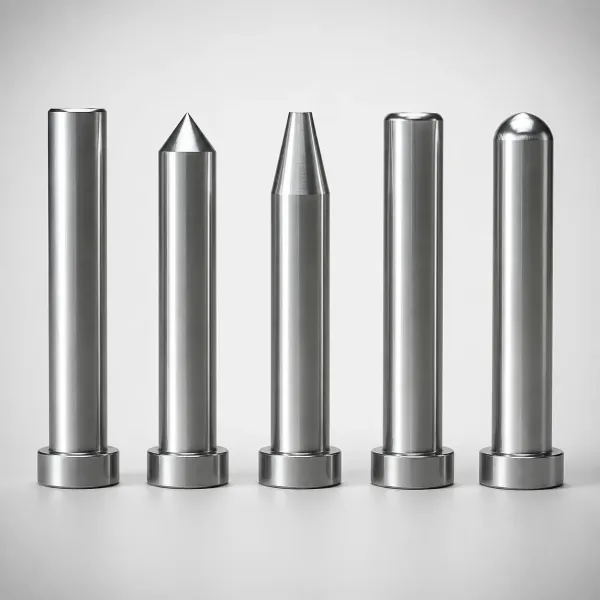
SKH51 Steel Tip-Processed Extra Precision Straight Core Pins
SKH51 steel Tip-Processed Extra Precision Straight Core Pins with a 4 mm head for stable alignment in mold inserts. R...
View Details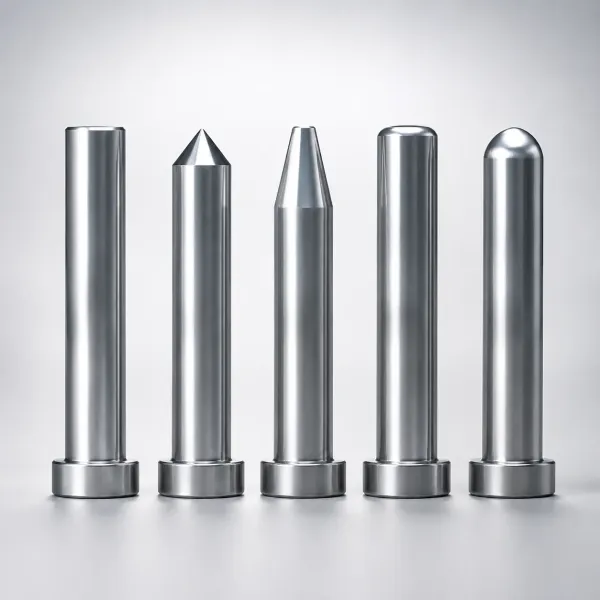
M2 Steel Tip Processed Straight Core Pins
M2 Steel Tip Processed Straight Core Pins for precision mold alignment and core support. Quenched hardening steel des...
View Details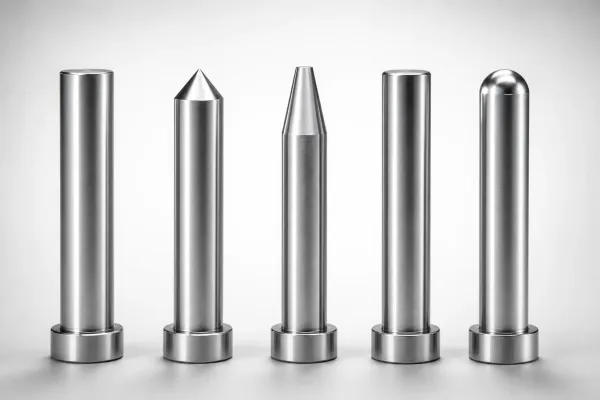
JIS Standard Straight Core Pins with Tip Processed
Straight Core Pins with Tip Processed for precise mold core positioning. Hardened steel design with tip shapes helps ...
View Details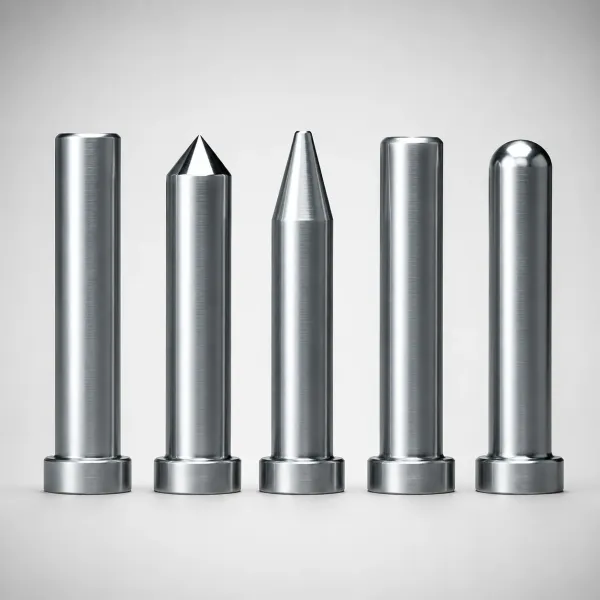
JIS Standard SKH51 Steel Straight Core Pins with Tip Proc...
Straight core pins with tip processed (SKH51 steel) for mold assembly. Quenched hardening steel design supports accur...
View Details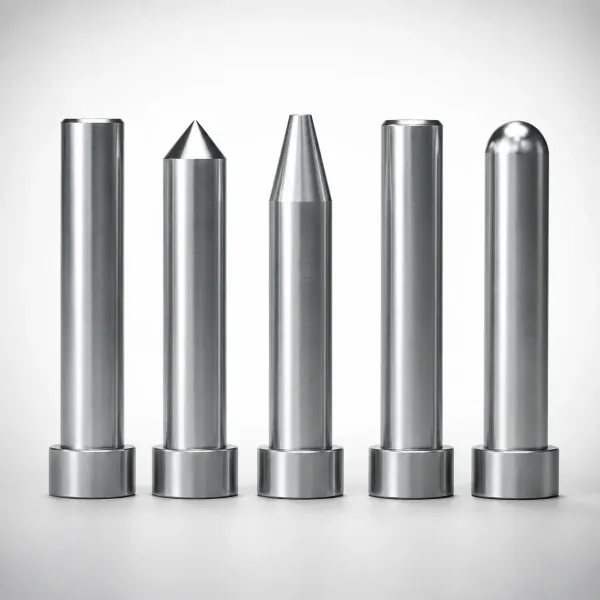
JIS Standard SKD61 Steel Tip Processed Straight Core Pins
JIS Standard SKD61 steel tip processed straight core pins with hardened steel construction for accurate ejection. Dur...
View Details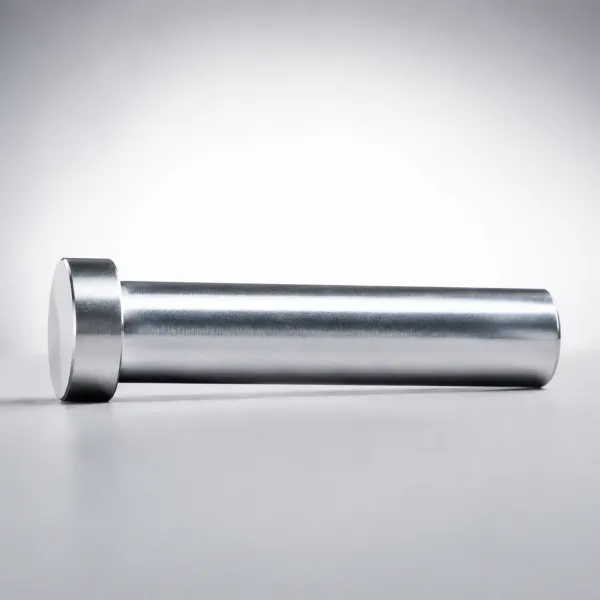
JIS Standard Hardened Steel Tip-Processed Straight Core Pins
Tip-Processed Straight Core Pins built from hardened steel for accurate mold positioning. Configurable options for ti...
View Details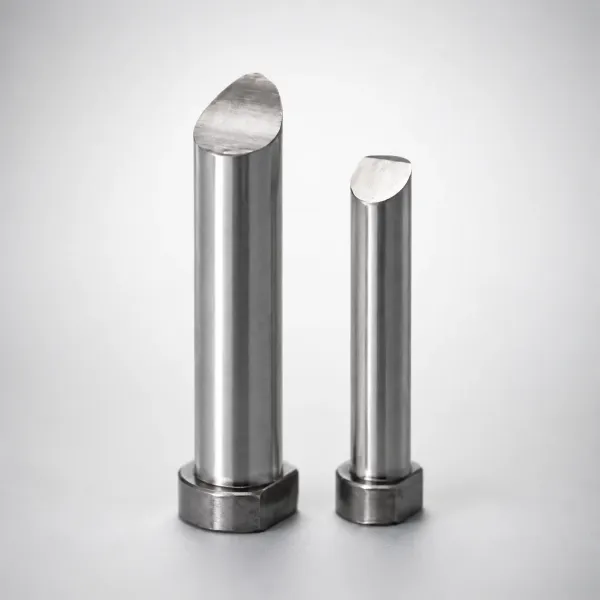
SKH51 Steel Tip Straight Core Pins
SKH51 steel tip straight core pins for accurate mold core alignment. Hardening steel quench and controlled head thick...
View DetailsTip Processing Options
Choose the tip finish level based on your part's surface quality requirements:
| Variant | Description | Best For | Recommendation |
|---|---|---|---|
| Standard Ground | Fine-ground flat end face, Ra 0.2–0.4 μm | Visible internal features (button recesses, indicator wells) | Default for visible features |
| Lapped / Mirror | Mirror-polished tip face, Ra < 0.1 μm | Optical-grade surface requirements (light pipes, lens housings) | Premium finish applications |
| TiCN Coated | Titanium carbonitride coating on tip, HV 3000+ | 500K+ shot molds where tip wear degrades surface quality | Maximum tip lifespan |
Do You Need Tip Processing?
Tip-processed pins cost more than standard no-tip pins. Confirm the investment is justified:
✅ You're in the right place if:
- The molded feature is visible to the end user (cosmetic surface, indicator window, display area)
- Surface finish requirement is Ra ≤ 0.4 μm — standard as-machined tip won't meet spec
- You need consistent surface quality across 500K+ shots (TiCN coating scenario)
🔄 Consider switching to:
- Feature is not visible after assembly? → Standard No-Tip Core Pins (lower cost)
- Need a date code or cavity number instead of surface finish? → Engraved Core Pins
- Primary issue is gas trapping, not surface quality? → Gas Release Core Pins
About Tip-Processed Core Pins
Tip processing refers to additional machining applied to the working end of the core pin after initial grinding. Operations include fine grinding, lapping, and in some series, TiCN (Titanium Carbonitride) coating to extend tip wear life.
The primary benefit is a smoother cavity surface, which translates directly to better surface finish on the molded part's internal features. This matters when the hole or recess is visible to the end user — for example, button recesses on consumer electronics housings or indicator light wells on automotive dashboards.
A secondary benefit is reduced ejection force. A smoother tip surface decreases friction between the solidified plastic and the pin during mold opening, reducing the risk of surface drag marks and pin-related cosmetic defects.
Tip processing does not alter shaft diameter, overall length, or head dimensions. All shaft tolerances remain per the original JIS specification. Extra-precision grades are available independently of tip processing.
Application Scenarios
See how this product type solves real engineering challenges across different industries and applications:
Optical Lens Housing Cavities
Pain point: Optical products require the internal bore to have a mirror-grade surface (Ra ≤ 0.2 µm) — standard ground tips leave visible machining marks that scatter light.
Why it fits: Lapped tip processing achieves Ra 0.1–0.2 µm directly on the core pin, eliminating the need for secondary cavity polishing. This is critical for lens barrels and light-guide channels.
Consumer Electronics Display Bezels
Pain point: Display bezel molds form visible through-holes for cameras and sensors — any gate vestige or surface imperfection on the hole wall is visible to the end user.
Why it fits: Tip-processed core pins with fine-ground finish ensure clean hole walls with no visible machining lines. TiCN coating extends tip life beyond 500K shots for high-volume production.
Precision Gear & Bearing Bore Molds
Pain point: Internal bearing bores in molded gears require tight surface finish to avoid premature bearing wear — but the bore is not cosmetically visible.
Why it fits: Tip processing delivers controlled Ra < 0.4 µm for functional surfaces. Combined with extra-precision shaft tolerance, it ensures concentricity critical for rotating parts.
Related Categories
Frequently Asked Questions
What tip processing options are available?+
Does tip processing affect dimensional tolerance?+
When should I choose TiCN-coated tips?+
Engineering Resources
Case Studies
Need a Custom Quote?
Send your specifications — material, dimensions, quantity — and receive a quote. MOQ: 1 piece. Custom dimensions available.