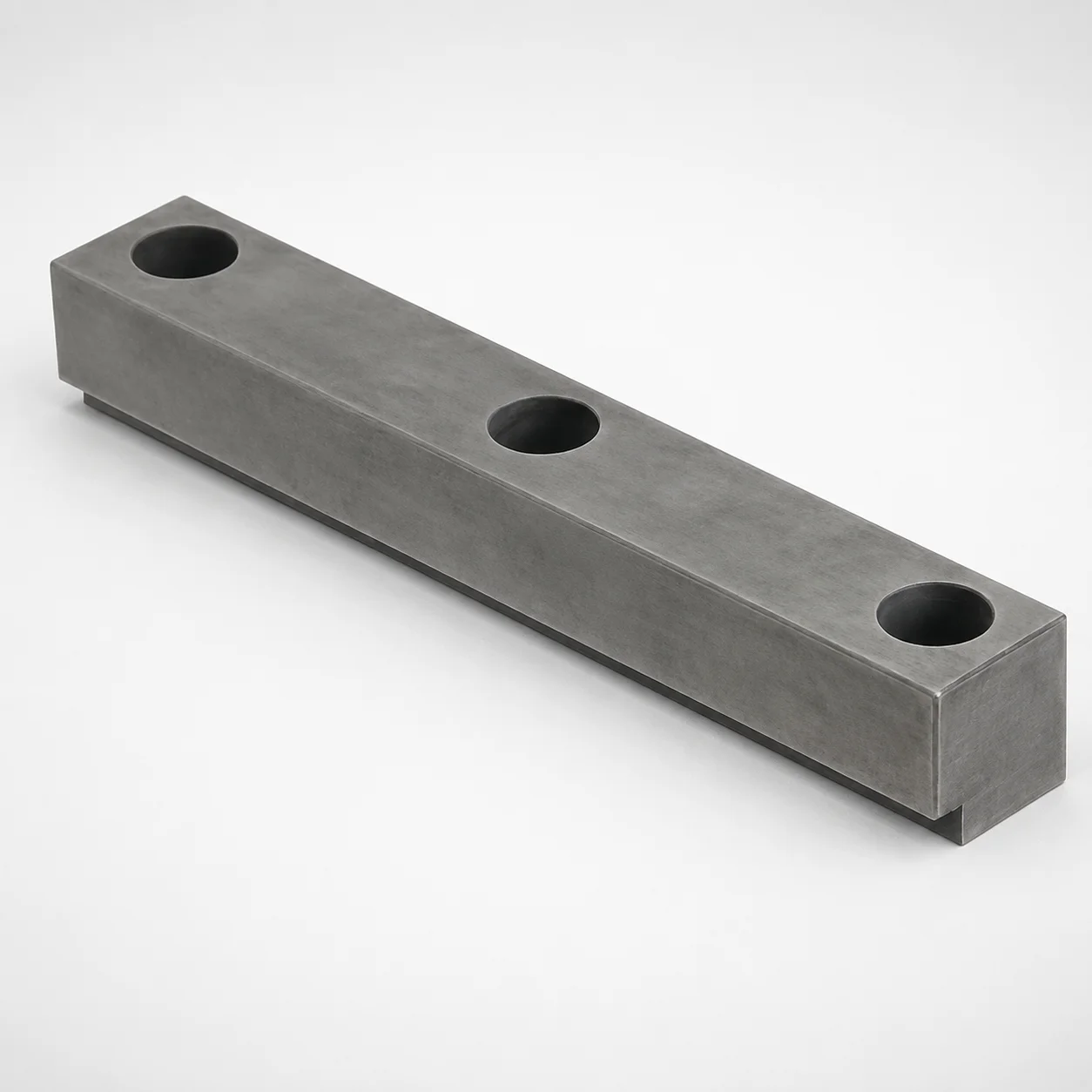
Single-Heel Guide Rails (HPM2T Steel) - No Groove
Single-Heel Guide Rails (HPM2T steel) are built for stable linear guidance, using a nitriding-treated rail surface to resist wear in demanding machine operations. The no-groove heel design helps suit applications where oil channels are not required.
- Single-heel rail geometry with no groove heel for consistent guidance
- HPM2T steel construction with nitriding treatment for improved surface wear resistance
- Supports accurate slide assembly with consistent contact and running performance
- Commonly used in tooling and automation stages requiring guided linear motion
Specifications
12 configurations available
| Oil Groove | Rail Thickness T (mm) | Rail Length L (mm) | Heel height (mm) | Heel width (mm) | type |
|---|---|---|---|---|---|
| Oil groove | 20 | 60 ~ 150 | 5 | 3.5 | - |
| Oil groove | 25 | 60 ~ 150 | 5 | 3.5 | - |
| Oil groove | 30 | 60 ~ 150 | 5 | 3.5 | - |
| Non-oil groove | 20 | 60 ~ 150 | 5 | 3.5 | - |
| Non-oil groove | 25 | 60 ~ 150 | 5 | 3.5 | - |
| Non-oil groove | 30 | 60 ~ 150 | 5 | 3.5 | - |
| Oil groove | 20 | 60 ~ 150 | 8 | 8 | - |
| Oil groove | 25 | 60 ~ 150 | 8 | 8 | - |
| Oil groove | 30 | 60 ~ 150 | 8 | 8 | - |
| Non-oil groove | 20 | 60 ~ 150 | 8 | 8 | - |
| Non-oil groove | 25 | 60 ~ 150 | 8 | 8 | - |
| Non-oil groove | 30 | 60 ~ 150 | 8 | 8 | - |
Product Guide
Application Scenarios+
These single-heel guide rails are used in injection mold tooling wherever a slide or moving plate needs smooth, stable linear guidance without relying on an internal oil channel.
- Automotive connector and bracket molds: In core/cavity slide stages, the no-groove heel geometry supports consistent contact during repeated cycles, helping maintain alignment and reducing the risk of uneven wear from oil-path misapplication.
- Packaging and appliance housings with guided inserts: When assembly space is tight and lubrication routing is simplified, the rail’s non-oil groove option is suited to clean, controlled motion for ejector slides and undercut handling components.
- Automation modules and transfer fixtures: The nitriding-treated running surface improves wear resistance, supporting long service life for guided linear movement in machinery that cycles frequently.
Choose this variant when you want nitriding-enhanced durability plus a rail heel design that fits assemblies where oil grooves are not required.
Material & Process Details+
The rail body is made from HPM2T steel, selected for tooling-grade wear performance in guided motion applications. The meta description specifies a nitriding-treated rail surface, which forms a hard, wear-resistant case on the contact area while keeping the base metal tougher and more shock-tolerant than a fully through-hardened option.
- Surface wear resistance: Enhanced by nitriding for stable running performance over repeated cycles.
- Toughness vs. wear trade-off: Nitriding typically prioritizes surface hardness and abrasion resistance while preserving core toughness, which is beneficial for sliding components that see intermittent loads.
- Manufacturing process: Steel fabrication and machining are followed by nitriding to build the hardened surface layer on the rail that interfaces with the slide plate/fixture.
If you choose a non-oil groove option, lubrication strategy is simplified, making the nitrided surface even more important for consistent wear behavior.
Sizing & Selection Guide+
Select rail thickness T, heel height, and heel width to match the mechanical envelope and the mating slide/undercut interface in your mold assembly.
- Rail thickness (T): Choose 20, 25, or 30 mm based on available space and required stiffness for your moving plate.
- Rail length (L): Fixed range is 60 to 150 mm. Match this to the required guided stroke and the effective contact length in the slide stage.
- Heel height: Select 5 or 8 mm to ensure proper heel contact geometry with the mating component.
- Heel width: Select 3.5 or 8 mm to align with the rail seat/contact region.
Also confirm the oil groove setting: oil groove or non-oil groove. If your mold design expects an oil channel, use the oil-groove variant; otherwise, choose non-oil groove to prevent mismatch in lubrication pathways. Tolerance/fit values are not provided in the available specs, so verify clearance and mounting fit against your slide plate machining drawings.
Frequently Asked Questions
When should I choose the oil groove vs non-oil groove single-heel guide rail variant?+
How do I match rail thickness (T) and rail length (L) to the slide plate stiffness and guided stroke?+
What are the available heel height and heel width options, and how do they affect contact geometry?+
What does the nitriding support for HPM2T steel mean for wear and service life?+
Is this rail appropriate for undercut/guide-rail slide plates where oil channels are not required?+
Related Products
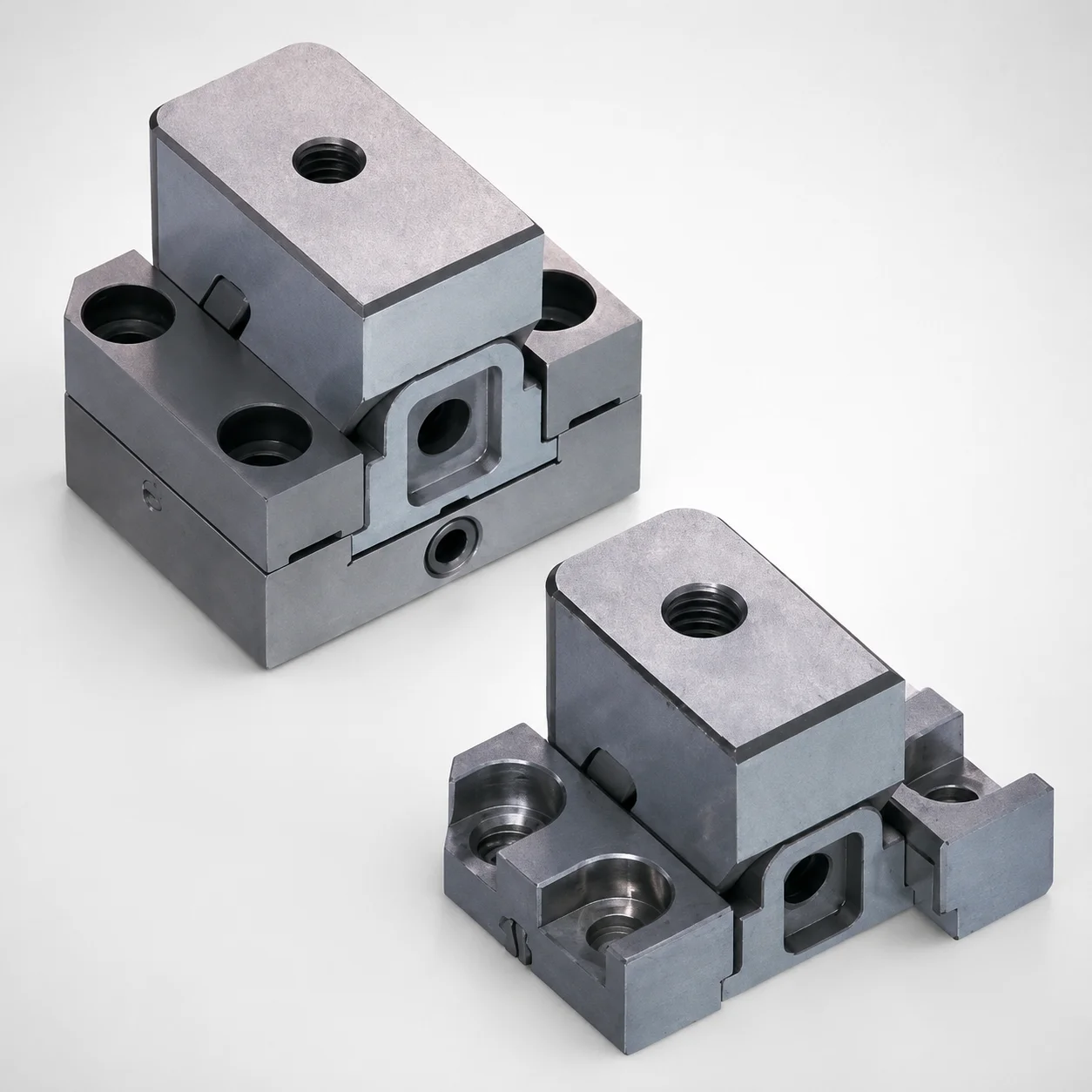
Standard Type Mini Slide Core Units
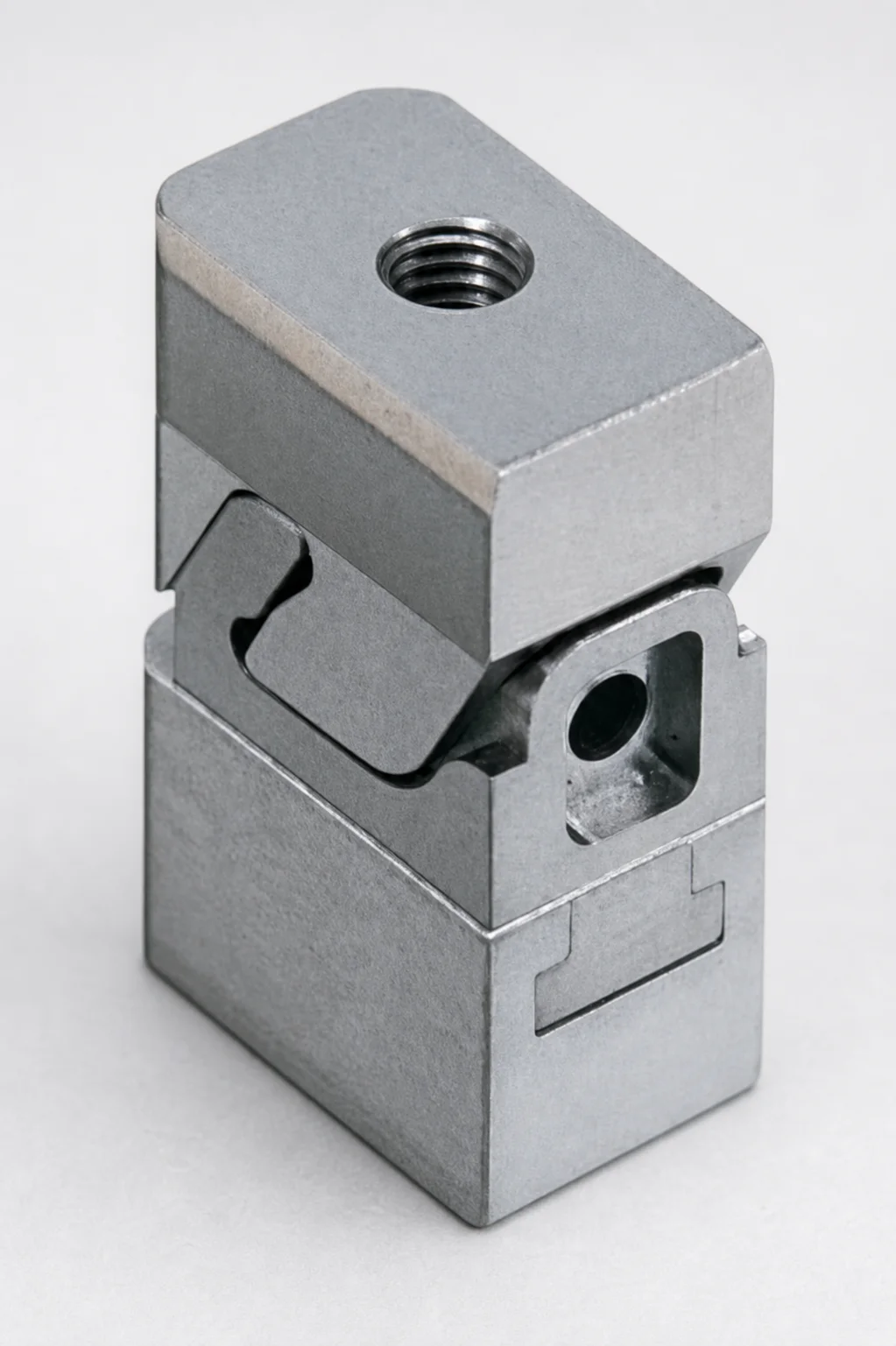
Mini Slide Core Units Slim Type (3 mm Stroke) for Inlay Tapped MSCS-Type
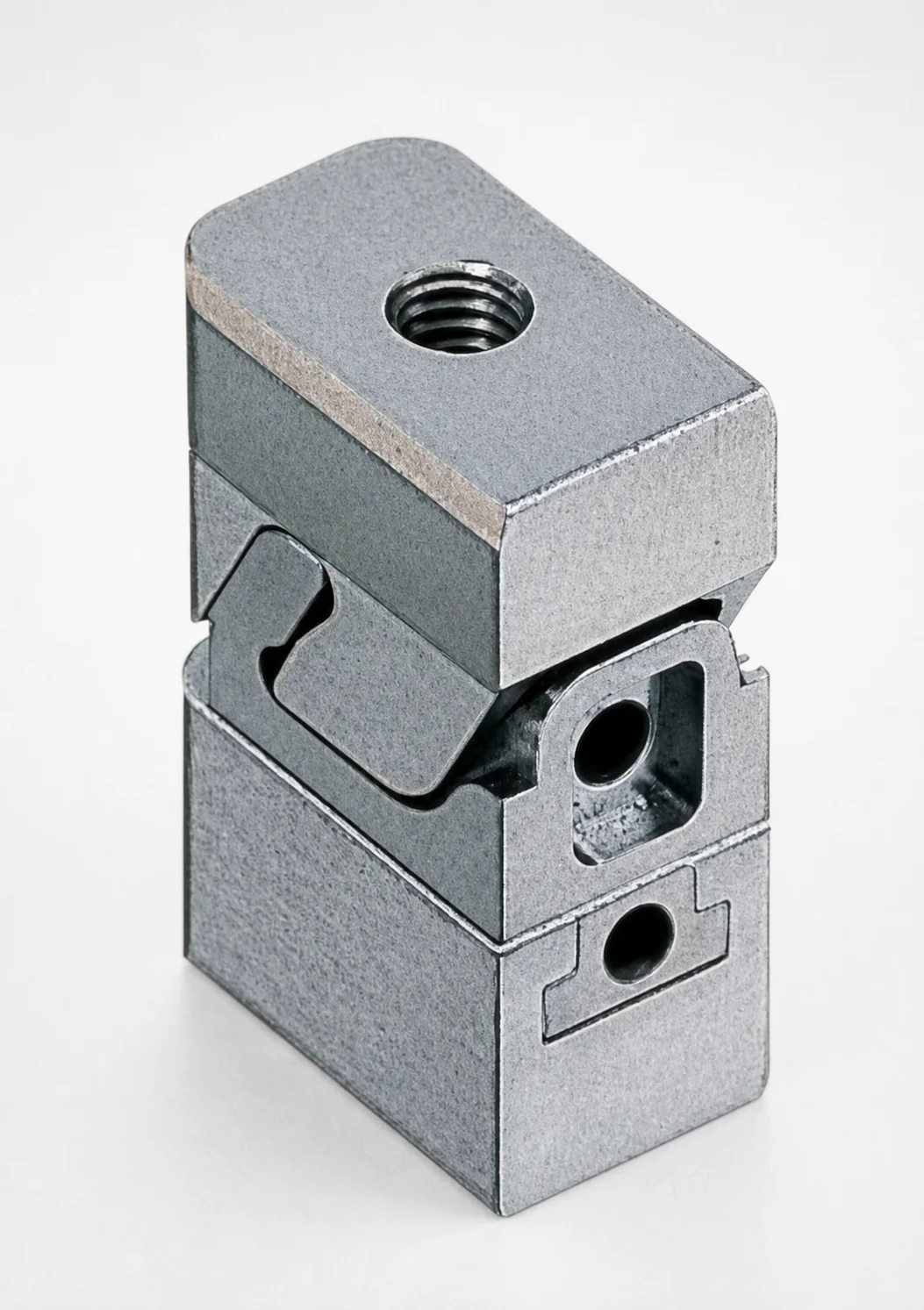
Mini Slide Core Units Slim Slide Stroke 3 mm Retractor Mechanism
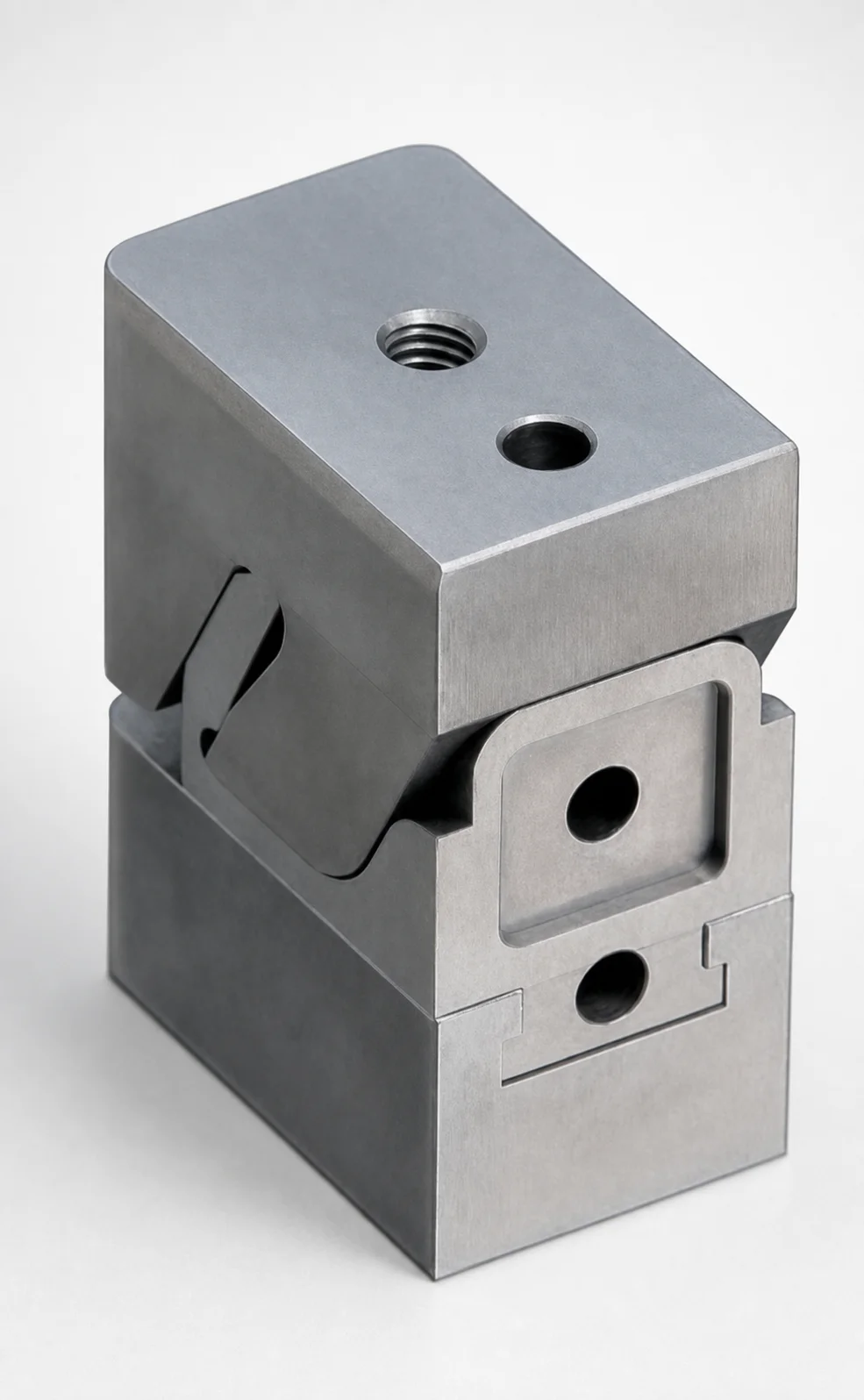
Mini Slide Core Units Slim Slide Stroke 10 mm Retracting Mechanism
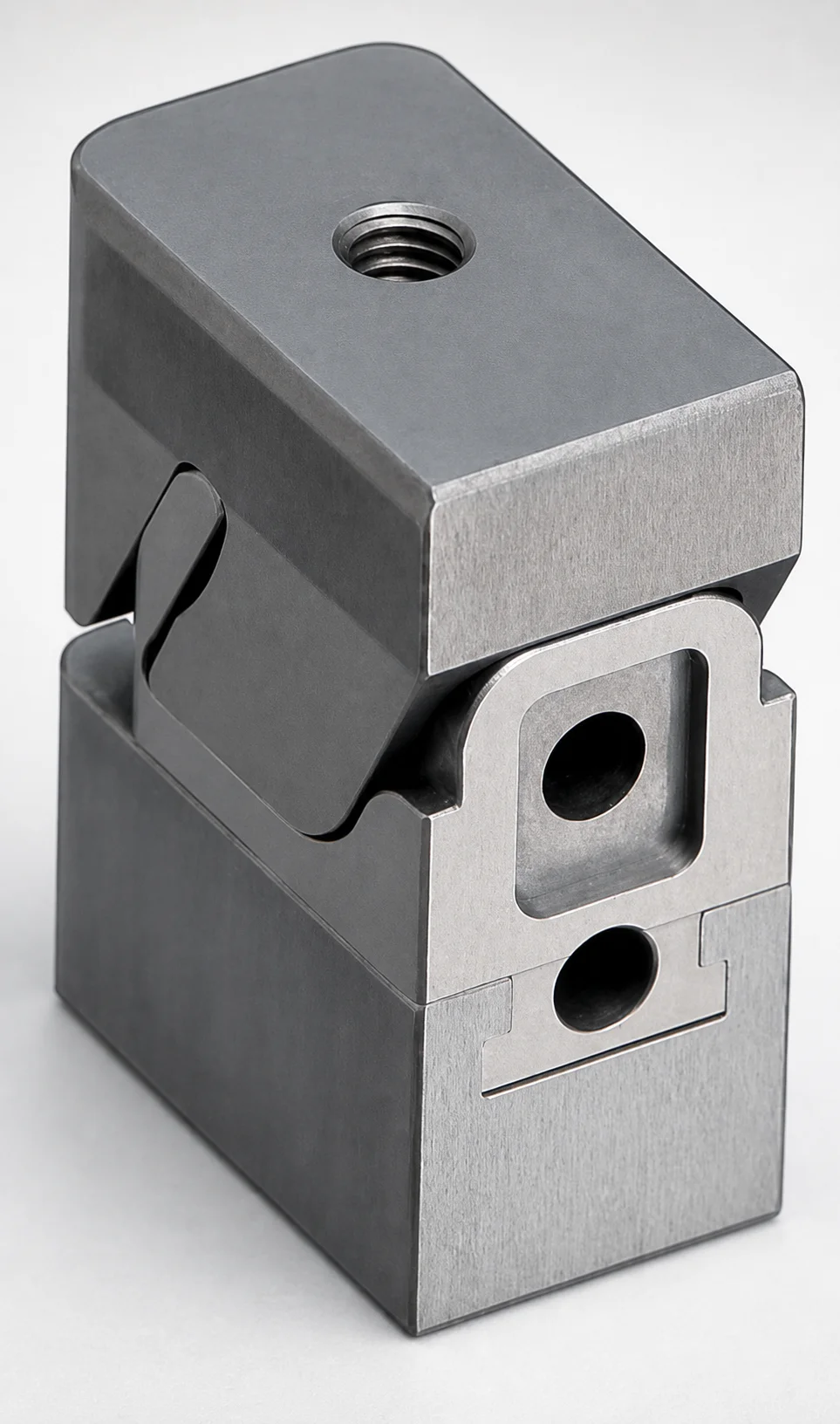
Mini Slide Core Units Slim Slide Core Retractor 6 mm Stroke
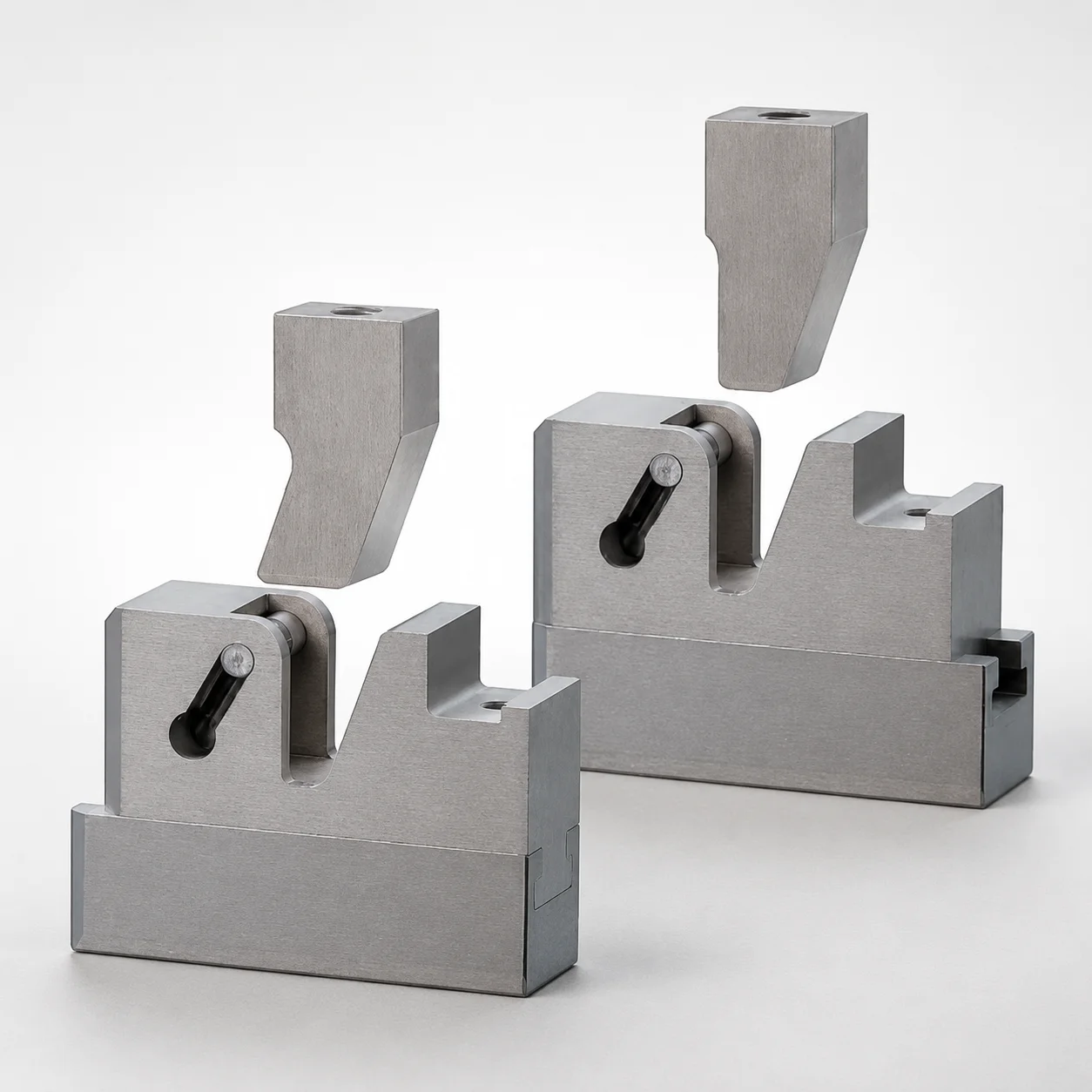
SCTM Two-Color Slide Core Units
Need Custom Specifications?
Our engineering team can help with custom configurations, material selection, and volume pricing.