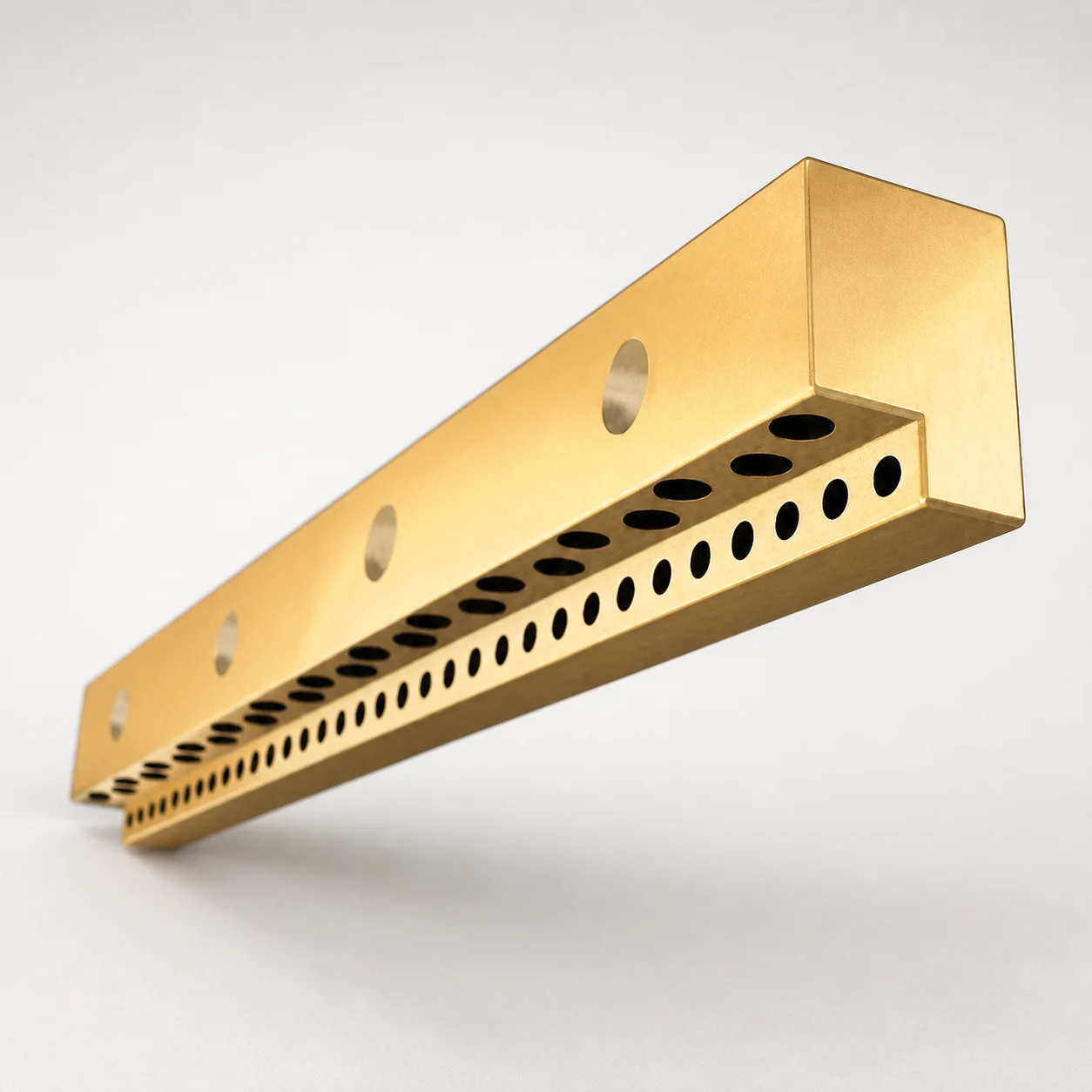
Metric Solid Bronze Self-Lubricating L-Gibs Guide Rails
Metric Solid Bronze self-lubricating L-Gibs guide rails (Lamina) provide oil-free motion support and reliable alignment for machinery. The no-groove heel and non-oil groove design help minimize contamination while maintaining stable, smooth travel.
- One-side non-oil groove heel design supports stable positioning
- Solid bronze self-lubricating construction reduces wear during continuous use
- Built for precise linear guidance with consistent rail support
- Ideal for industrial slide systems requiring oil-free motion
Specifications
8 configurations available
| Rail Thickness T (mm) | Rail Width W (mm) | Rail Length L (mm) | Heel height (mm) | Heel width (mm) | Mounting hole qty. |
|---|---|---|---|---|---|
| 30 | 32 | 100 | 15 | 10 | 2 |
| 30 | 32 | 150 | 15 | 10 | 3 |
| 30 | 32 | 200 | 15 | 10 | 4 |
| 30 | 32 | 250 | 15 | 10 | 4 |
| 45 | 50 | 200 | 25 | 22 | 4 |
| 45 | 50 | 250 | 25 | 22 | 4 |
| 45 | 50 | 300 | 25 | 22 | 5 |
| 45 | 50 | 350 | 25 | 22 | 5 |
Product Guide
Application Scenarios+
This metric solid bronze, self-lubricating L-Gibs rail style is used inside injection mold tooling where sliding members must maintain alignment without introducing lubricants into the process area. Common scenarios include actuated undercut or side-action plate systems, where the guide rail supports consistent stroke travel and helps reduce risk of lubricant migration to molded parts.
It also fits industrial slide/stripper plate assemblies in hot-running or high-cleanliness mold designs. The solid bronze self-lubricating construction supports long wear life, while the one-side non-oil groove heel and no-groove heel geometry help minimize contamination and maintain stable positioning over repeated cycles.
- Undercuts and side-action plates: stable linear guidance for repeatable motion.
- Oil-free slide systems: improved cleanliness with consistent support.
- High cycle mechanisms: reduced wear due to solid bronze self-lubricating performance.
Material & Process Details+
The rail is specified as solid bronze, self-lubricating, selected for sliding contact applications where oil-free or low-contamination motion is required. The inherent lubricity of bronze helps manage frictional behavior and wear during continuous travel.
- Wear resistance: solid bronze provides stable bearing behavior under repeated motion, supporting long service intervals in guided slide systems.
- Toughness trade-off: compared with hardened tool steels, bronze generally offers lower structural hardness; however, in a guidance role it is optimized for smooth sliding contact rather than impact resistance.
The provided data does not specify a steel/bronze grade, hardness value (HRC), or a heat treatment state (e.g., quenched & tempered, nitrided). Manufacturing for this type of guide rail typically involves bronze billet/casting preparation followed by finishing to achieve straightness and reliable contact surfaces, with final machining used to form the heel and mounting features.
Sizing & Selection Guide+
Select dimensions by matching the rail’s cross-section and travel mounting geometry to the mold’s slide plate or moving member design. This series provides rail thickness T of 30 or 45 mm and rail width W of 32 or 50 mm. Choose the rail length L from 100, 150, 200, 250, 300, or 350 mm to span the required guided travel zone in your cavity-side mechanism.
- Heel height: use 15 or 25 mm based on the available guide step/clearance in the slide plate design.
- Heel width: select 10 or 22 mm to align with the mating support surface.
- Mounting holes: ensure the hole count matches your mounting layout: 2, 3, 4, or 5.
Maintain functional clearance for smooth motion: because this is a sliding guidance component, verify that the heel height/width provides the intended contact area without binding under thermal expansion. If your mold uses tight tolerances, confirm machining and fit on both the mating plate pocket and fastener positions so the rail seats correctly across the full selected length.
Frequently Asked Questions
Which rail thickness T and width W options are available for this L-Gibs guide rail series?+
This series offers rail thickness T of 30 mm or 45 mm, and rail width W of 32 mm or 50 mm.
Choose the cross-section that matches your guide receiver geometry and available mounting space on the slide plate or support block.
How do I select the rail length L for the guided stroke in my mold slide system?+
Available rail length L values are 100, 150, 200, 250, 300, and 350 mm.
Select a length that covers the full guided region where stable support is needed, and verify that the rail does not interfere with the plate movement limits at stroke ends.
What heel dimensions must match between the L-Gibs rail and the mating guide step?+
This product provides heel height of 15 or 25 mm and heel width of 10 or 22 mm.
To ensure proper seating and avoid binding, match these heel dimensions to the mating guide step geometry in your slide plate design, and confirm sufficient clearance for thermal movement.
How do mounting hole quantities affect installation on mold plates?+
Mounting hole quantity options are 2, 3, 4, or 5.
Use the option that matches your plate mounting layout, and verify fastener positions provide even clamping support along the selected rail length (L) to maintain straight guidance.
Is this guide rail suitable for oil-free motion areas in injection molds?+
Yes. The design is described as self-lubricating and includes a one-side non-oil groove heel / non-oil groove concept intended to minimize contamination.
It is well-suited for mold mechanisms requiring stable alignment and clean sliding motion, such as undercut actuation plates and industrial slide/stripper systems.
Related Products
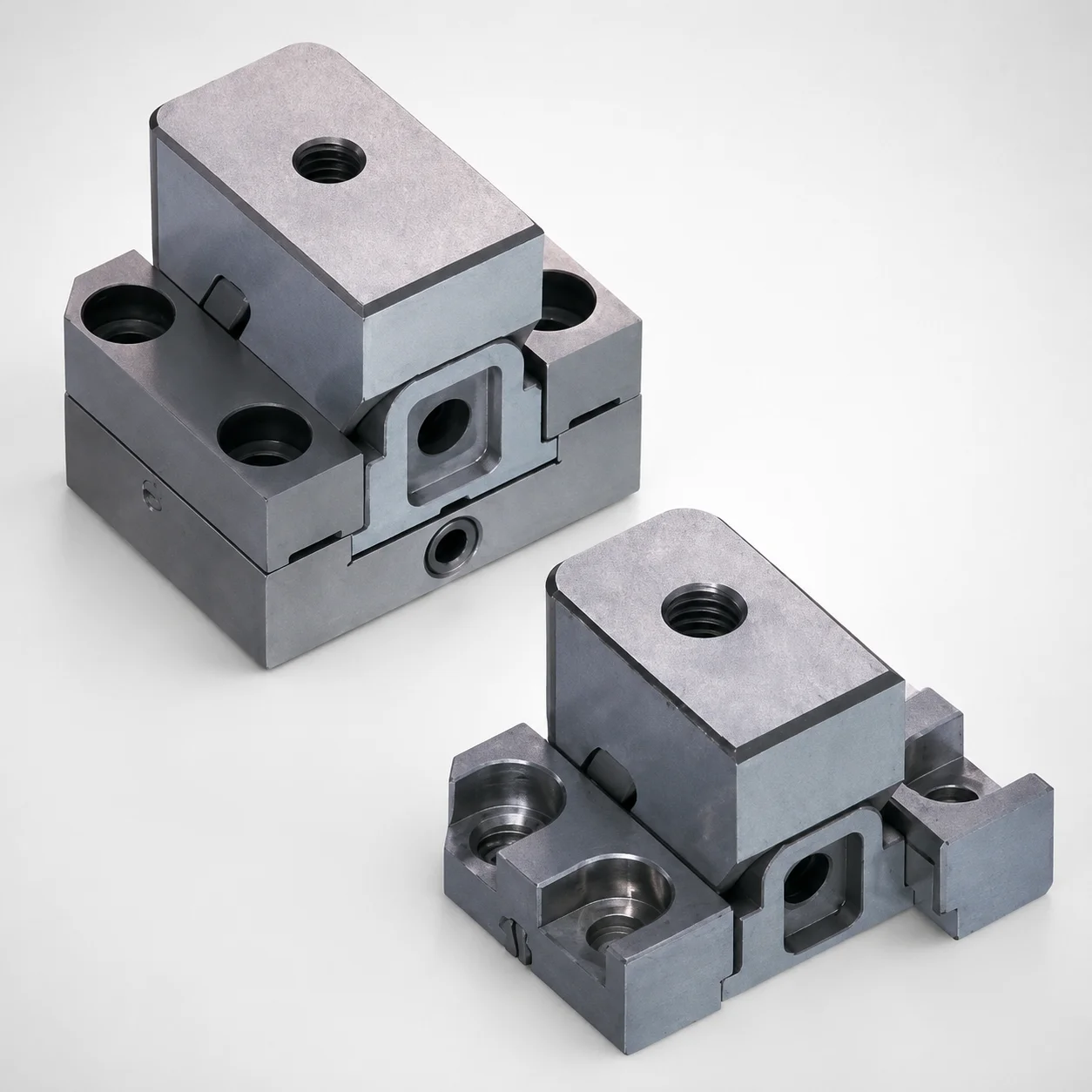
Standard Type Mini Slide Core Units
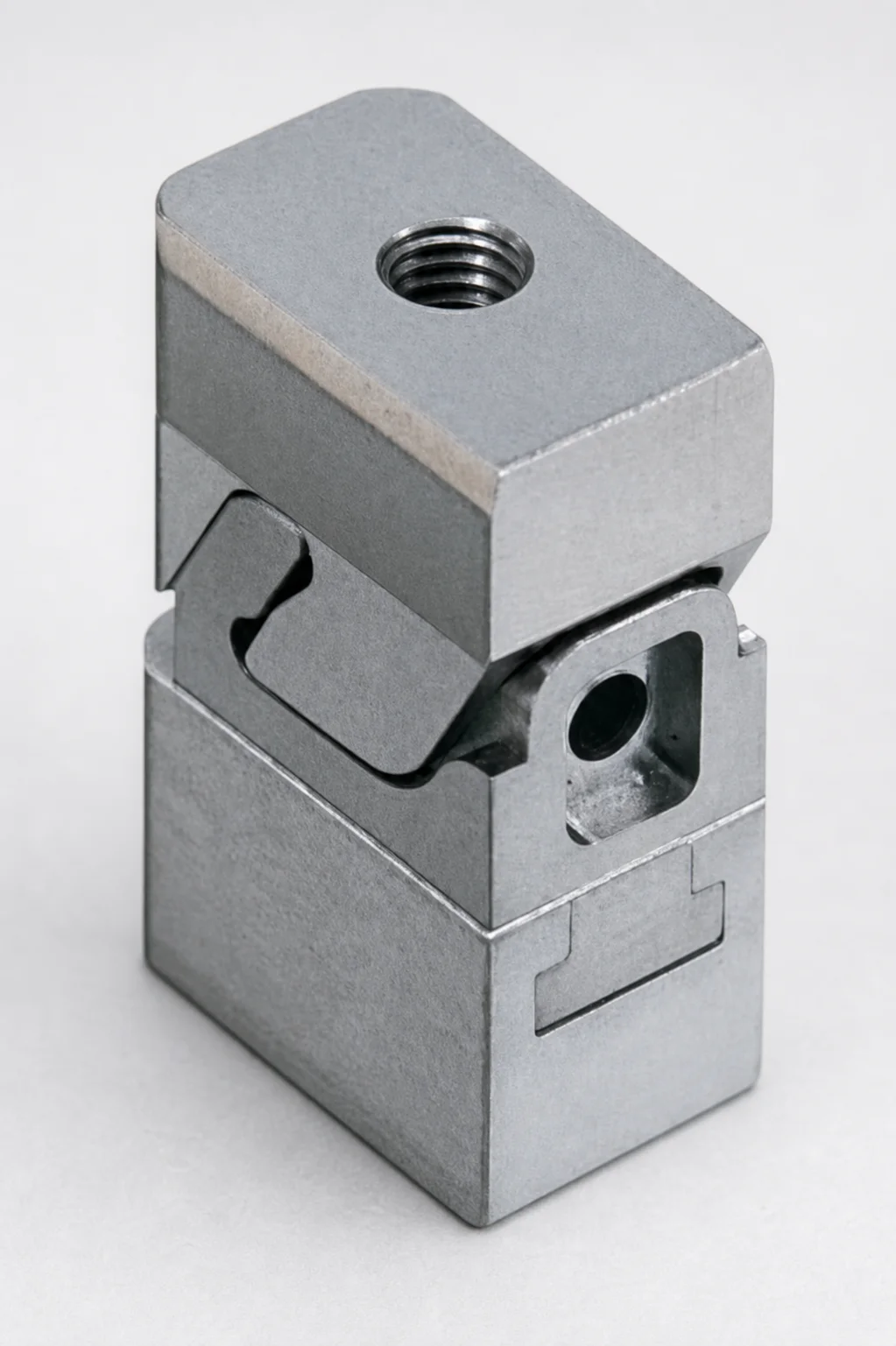
Mini Slide Core Units Slim Type (3 mm Stroke) for Inlay Tapped MSCS-Type
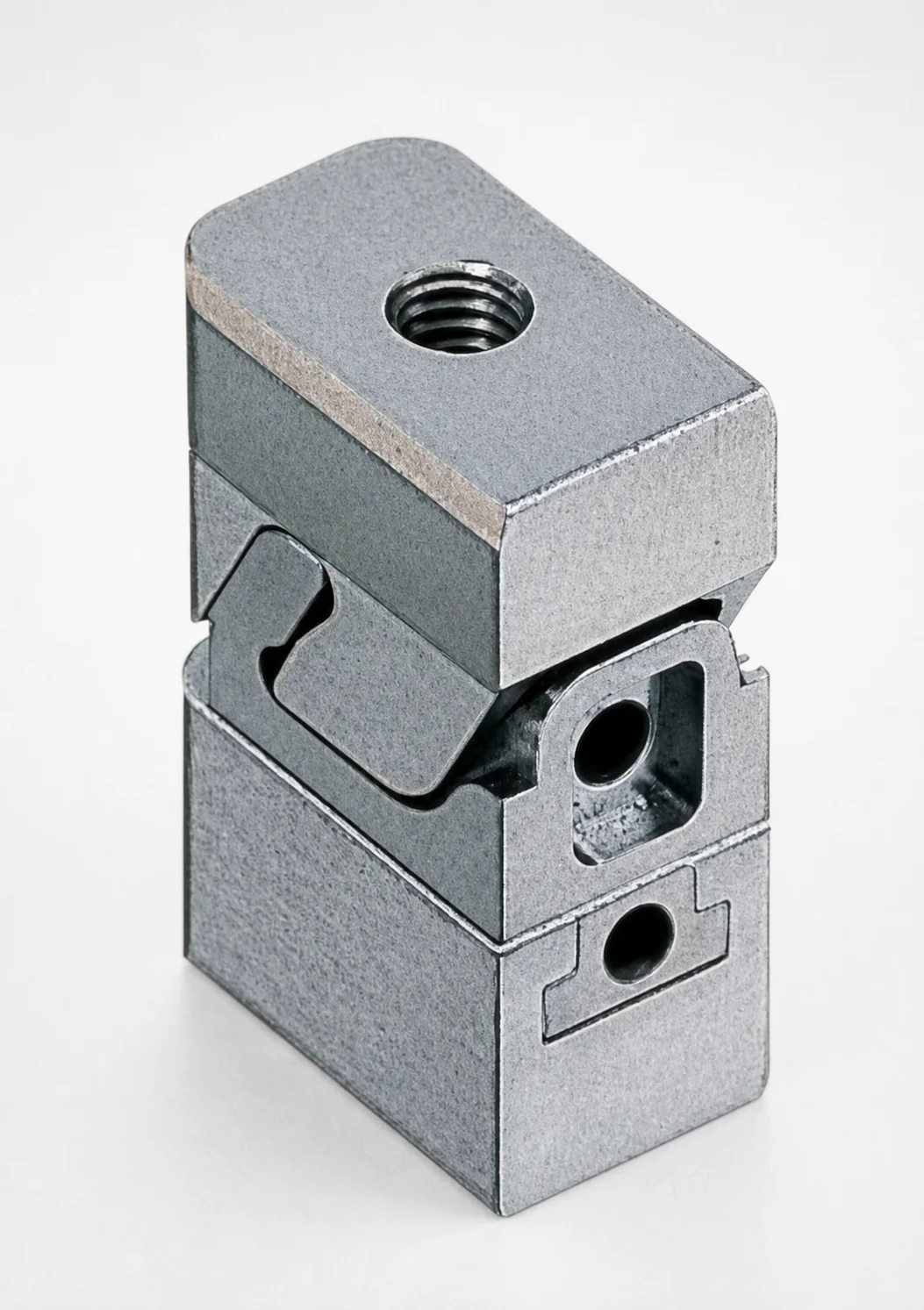
Mini Slide Core Units Slim Slide Stroke 3 mm Retractor Mechanism
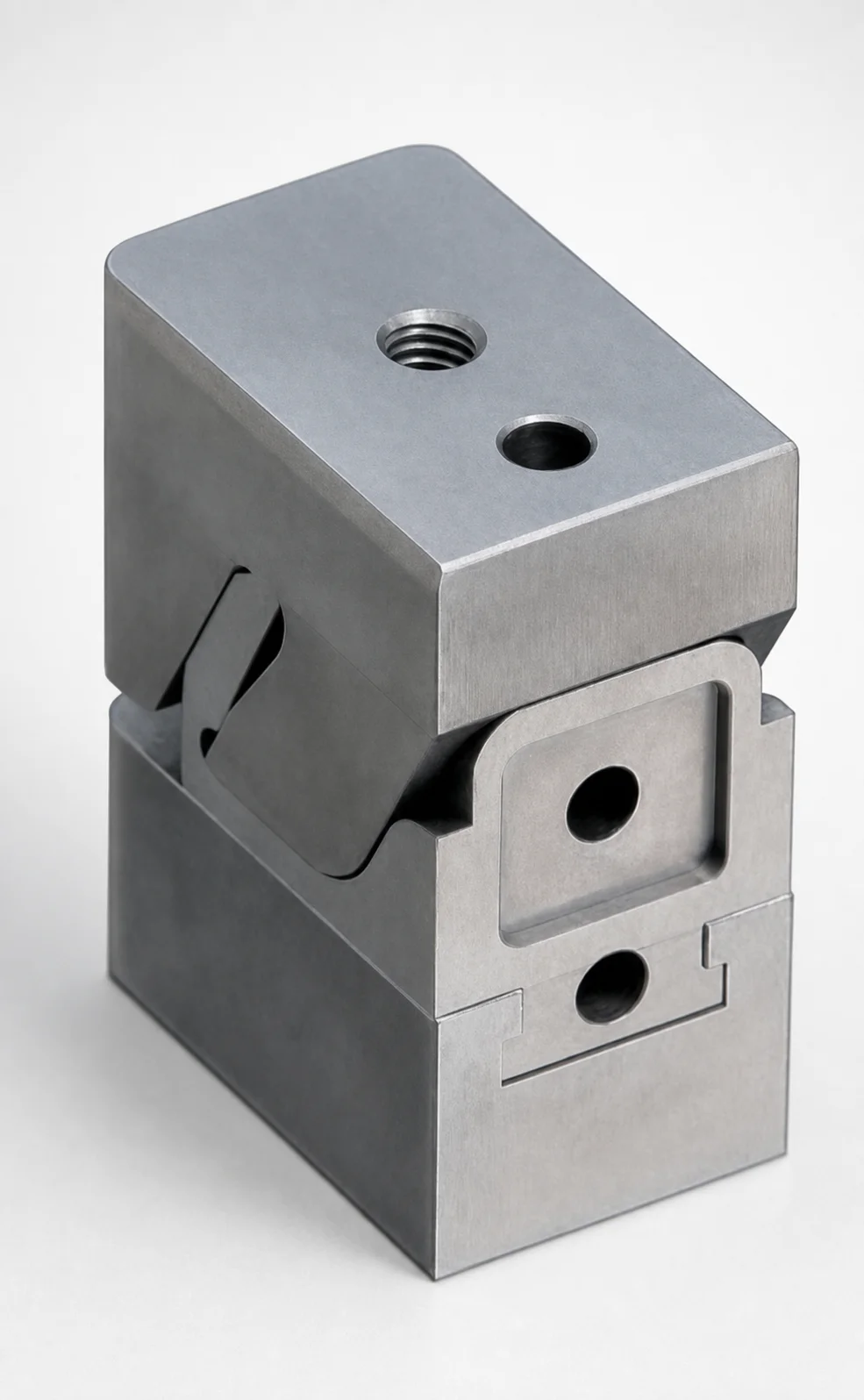
Mini Slide Core Units Slim Slide Stroke 10 mm Retracting Mechanism
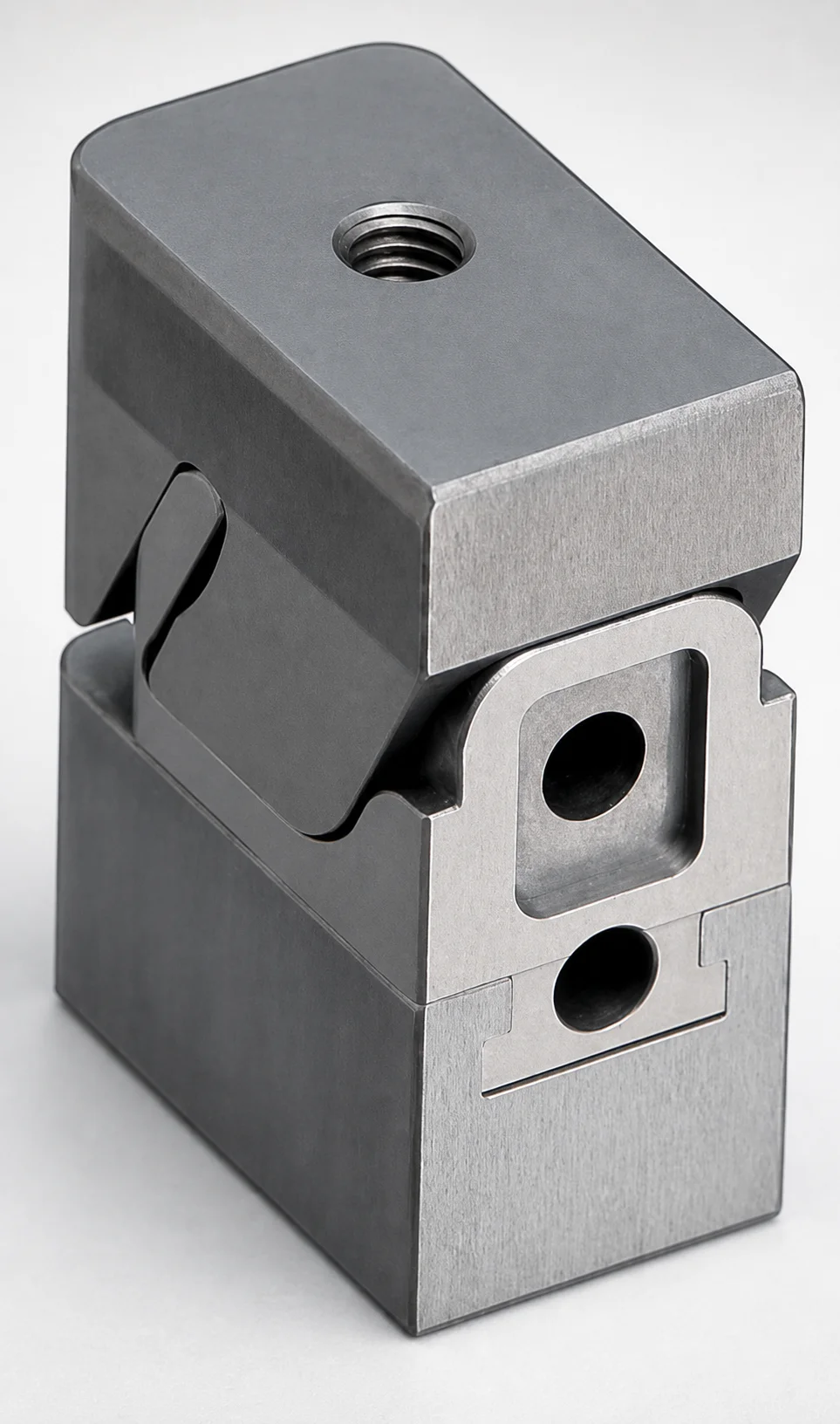
Mini Slide Core Units Slim Slide Core Retractor 6 mm Stroke
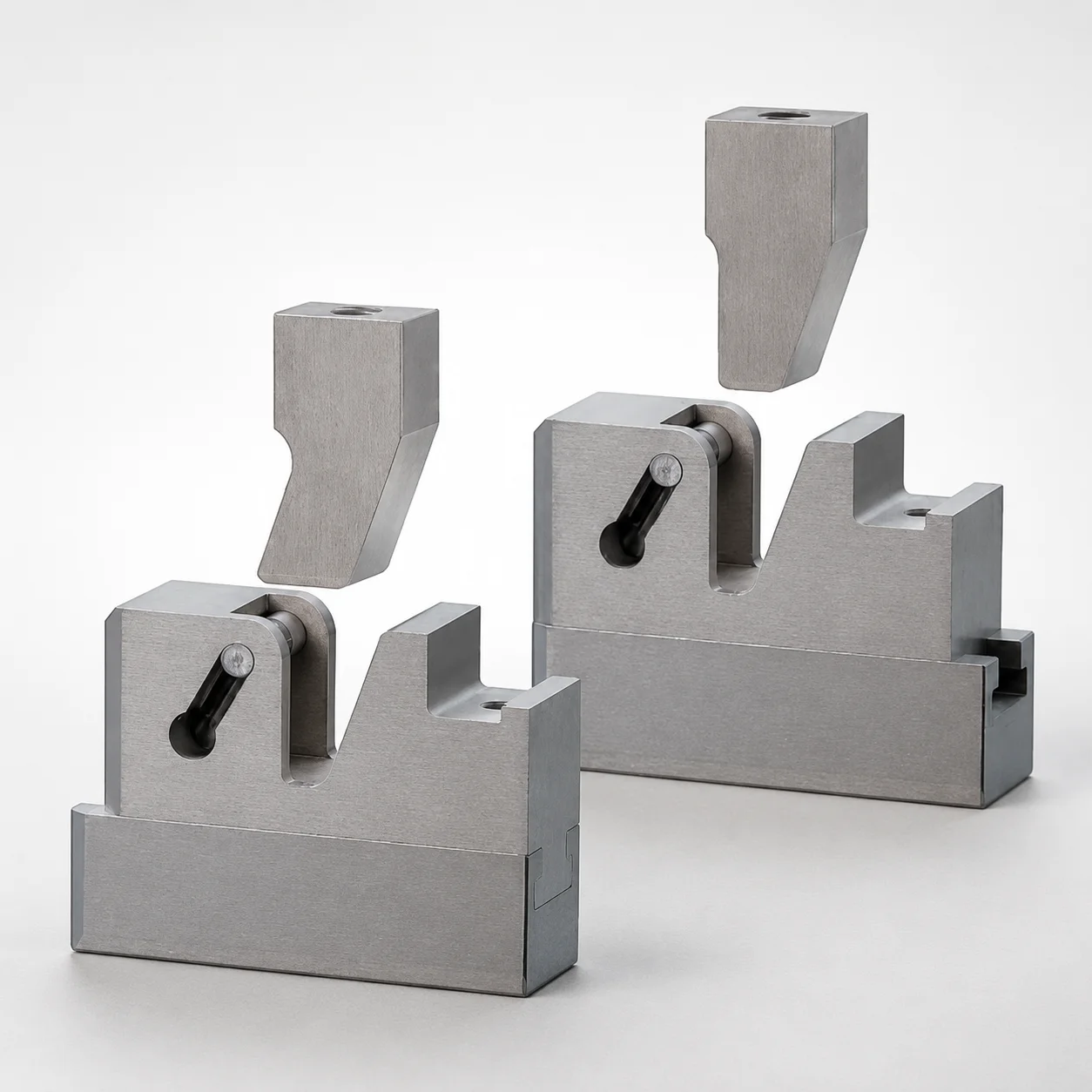
SCTM Two-Color Slide Core Units
Need Custom Specifications?
Our engineering team can help with custom configurations, material selection, and volume pricing.