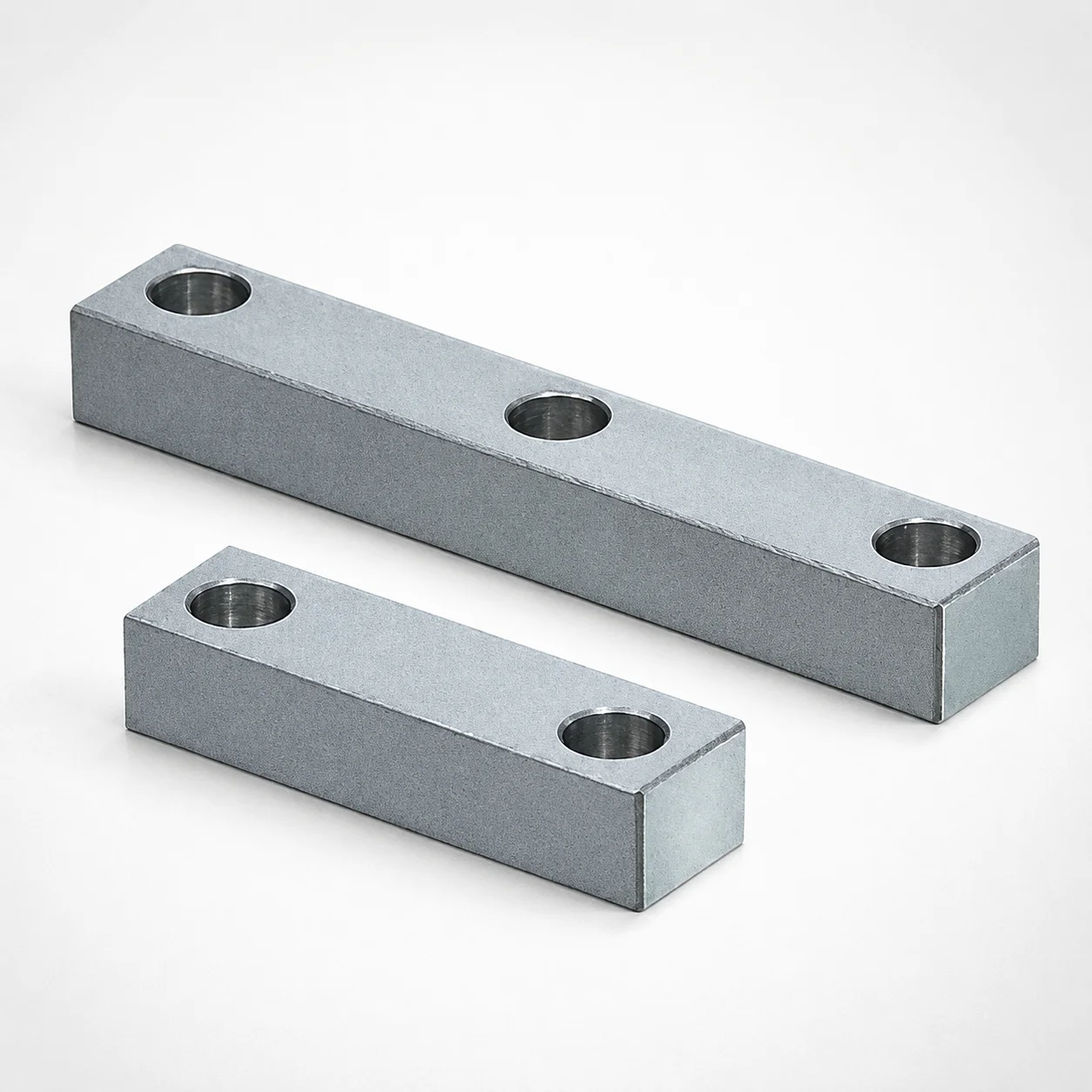
Plain Guide Rails No Groove
Plain Guide Rails No Groove are designed for stable, low-friction linear slide support in machine tools and industrial jigs. With a selectable oil groove option, they fit diverse lubrication and maintenance requirements.
- Heel no groove design for simplified oil-free assembly layouts
- Choose SKS3 or HPM2T tool steel options
- Supports configurable mounting hole patterns for flexible installation
- Compatible with common rail thickness ranges for slide rail systems
Specifications
96 configurations available
| Material | Oil Groove | Rail Thickness T (mm) | Rail Width W (mm) | Rail Length L (mm) | No. of mounting holes (pieces) | A (Bolt hole pitch) (mm) | B (Bolt hole pitch) (mm) | C (Bolt hole pitch) (mm) | D (Bolt hole pitch) (mm) | type |
|---|---|---|---|---|---|---|---|---|---|---|
| HPM2T | Non-oil groove | 10 ~ 20 | 10 | 35 ~ 100 | 2 | 6 ~ 84 | 16 ~ 94 | - | - | - |
| HPM2T | Non-oil groove | 10 ~ 30 | 12.5 | 35 ~ 100 | 2 | 6 ~ 84 | 16 ~ 94 | - | - | - |
| HPM2T | Non-oil groove | 10 ~ 40 | 15 | 40 ~ 150 | 2 | 7 ~ 131.5 | 18.5 ~ 143 | - | - | - |
| HPM2T | Non-oil groove | 15 ~ 50 | 20 | 40 ~ 200 | 2 | 7.5 ~ 179.5 | 20.5 ~ 192.5 | - | - | - |
| HPM2T | Non-oil groove | 20 ~ 50 | 25 | 40 ~ 200 | 2 | 9 ~ 175 | 25 ~ 191 | - | - | - |
| HPM2T | Non-oil groove | 25 ~ 50 | 30 | 50 ~ 200 | 2 | 10.5 ~ 170.5 | 29.5 ~ 189.5 | - | - | - |
| HPM2T | Non-oil groove | 30 ~ 35 | 35 | 120 ~ 200 | 2 | 10.5 ~ 170.5 | 29.5 ~ 189.5 | - | - | - |
| HPM2T | Non-oil groove | 30 ~ 50 | 40 | 50 ~ 200 | 2 | 10.5 ~ 168.5 | 31.5 ~ 189.5 | - | - | - |
| HPM2T | Non-oil groove | 10 ~ 20 | 10 | 40 ~ 100 | 3 | 6 ~ 74 | 16 ~ 84 | 26 ~ 94 | - | - |
| HPM2T | Non-oil groove | 10 ~ 30 | 12.5 | 40 ~ 100 | 3 | 6 ~ 74 | 16 ~ 84 | 26 ~ 94 | - | - |
| HPM2T | Non-oil groove | 10 ~ 40 | 15 | 40 ~ 150 | 3 | 7 ~ 120 | 18.5 ~ 131.5 | 30 ~ 143 | - | - |
| HPM2T | Non-oil groove | 15 ~ 50 | 20 | 40 ~ 200 | 3 | 7.5 ~ 159 | 20.5 ~ 175 | 33.5 ~ 191 | - | - |
| HPM2T | Non-oil groove | 20 ~ 50 | 25 | 40 ~ 200 | 3 | 9 ~ 109 | 25 ~ 125 | 41 ~ 191 | - | - |
| HPM2T | Non-oil groove | 25 ~ 50 | 30 | 50 ~ 200 | 3 | 10.5 ~ 151.5 | 29.5 ~ 170.5 | 48.5 ~ 189.5 | - | - |
| HPM2T | Non-oil groove | 30 ~ 35 | 35 | 120 ~ 200 | 3 | 10.5 ~ 170.5 | 29.5 ~ 170.5 | 48.5 ~ 189.5 | - | - |
| HPM2T | Non-oil groove | 30 ~ 50 | 40 | 50 ~ 200 | 3 | 10.5 ~ 147.5 | 31.5 ~ 168.5 | 52.5 ~ 189.5 | - | - |
| HPM2T | Non-oil groove | 10 ~ 20 | 10 | 40 ~ 100 | 4 | 6 ~ 64 | 16 ~ 74 | 26 ~ 84 | 36 ~ 94 | - |
| HPM2T | Non-oil groove | 10 ~ 30 | 12.5 | 40 ~ 100 | 4 | 6 ~ 64 | 16 ~ 74 | 26 ~ 84 | 36 ~ 94 | - |
| HPM2T | Non-oil groove | 10 ~ 40 | 15 | 40 ~ 150 | 4 | 7 ~ 108.5 | 18.5 ~ 120 | 30 ~ 131.5 | 41.5 ~ 143 | - |
| HPM2T | Non-oil groove | 15 ~ 50 | 20 | 40 ~ 200 | 4 | 7.5 ~ 153.5 | 20.5 ~ 166.5 | 33.5 ~ 179.5 | 46.5 ~ 192.5 | - |
| HPM2T | Non-oil groove | 20 ~ 50 | 25 | 40 ~ 200 | 4 | 9 ~ 140 | 25 ~ 159 | 41 ~ 175 | 57 ~ 191 | - |
| HPM2T | Non-oil groove | 25 ~ 50 | 30 | 50 ~ 200 | 4 | 10.5 ~ 132.5 | 29.5 ~ 151.5 | 48.5 ~ 170.5 | 67.5 ~ 189.5 | - |
| HPM2T | Non-oil groove | 30 ~ 35 | 35 | 120 ~ 200 | 4 | 10.5 ~ 170.5 | 29.5 ~ 151.5 | 48.5 ~ 170.5 | 67.5 ~ 189.5 | - |
| HPM2T | Non-oil groove | 30 ~ 50 | 40 | 50 ~ 200 | 4 | 10.5 ~ 126.5 | 31.5 ~ 147.5 | 52.5 ~ 168.5 | 73.5 ~ 189.5 | - |
| HPM2T | Oil groove | 10 ~ 20 | 10 | 40 ~ 100 | 2 | 6 ~ 84 | 16 ~ 94 | - | - | - |
| HPM2T | Oil groove | 10 ~ 30 | 12.5 | 40 ~ 100 | 2 | 6 ~ 84 | 16 ~ 94 | - | - | - |
| HPM2T | Oil groove | 10 ~ 40 | 15 | 40 ~ 150 | 2 | 7 ~ 131.5 | 18.5 ~ 143 | - | - | - |
| HPM2T | Oil groove | 15 ~ 50 | 20 | 40 ~ 200 | 2 | 7.5 ~ 179.5 | 20.5 ~ 192.5 | - | - | - |
| HPM2T | Oil groove | 20 ~ 50 | 25 | 40 ~ 200 | 2 | 9 ~ 175 | 25 ~ 191 | - | - | - |
| HPM2T | Oil groove | 25 ~ 50 | 30 | 50 ~ 200 | 2 | 10.5 ~ 170.5 | 29.5 ~ 189.5 | - | - | - |
| HPM2T | Oil groove | 30 ~ 35 | 35 | 120 ~ 200 | 2 | 10.5 ~ 170.5 | 29.5 ~ 189.5 | - | - | - |
| HPM2T | Oil groove | 30 ~ 50 | 40 | 50 ~ 200 | 2 | 10.5 ~ 168.5 | 31.5 ~ 189.5 | - | - | - |
| HPM2T | Oil groove | 10 ~ 20 | 10 | 40 ~ 100 | 3 | 6 ~ 74 | 16 ~ 84 | 26 ~ 94 | - | - |
| HPM2T | Oil groove | 10 ~ 30 | 12.5 | 40 ~ 100 | 3 | 6 ~ 74 | 16 ~ 84 | 26 ~ 94 | - | - |
| HPM2T | Oil groove | 10 ~ 40 | 15 | 40 ~ 150 | 3 | 7 ~ 120 | 18.5 ~ 131.5 | 30 ~ 143 | - | - |
| HPM2T | Oil groove | 15 ~ 50 | 20 | 40 ~ 200 | 3 | 7.5 ~ 159 | 20.5 ~ 175 | 33.5 ~ 191 | - | - |
| HPM2T | Oil groove | 20 ~ 50 | 25 | 40 ~ 200 | 3 | 9 ~ 109 | 25 ~ 125 | 41 ~ 191 | - | - |
| HPM2T | Oil groove | 25 ~ 50 | 30 | 50 ~ 200 | 3 | 10.5 ~ 151.5 | 29.5 ~ 170.5 | 48.5 ~ 189.5 | - | - |
| HPM2T | Oil groove | 30 ~ 35 | 35 | 120 ~ 200 | 3 | 10.5 ~ 170.5 | 29.5 ~ 170.5 | 48.5 ~ 189.5 | - | - |
| HPM2T | Oil groove | 30 ~ 50 | 40 | 50 ~ 200 | 3 | 10.5 ~ 147.5 | 31.5 ~ 168.5 | 52.5 ~ 189.5 | - | - |
| HPM2T | Oil groove | 10 ~ 20 | 10 | 40 ~ 100 | 4 | 6 ~ 64 | 16 ~ 74 | 26 ~ 84 | 36 ~ 94 | - |
| HPM2T | Oil groove | 10 ~ 30 | 12.5 | 40 ~ 100 | 4 | 6 ~ 64 | 16 ~ 74 | 26 ~ 84 | 36 ~ 94 | - |
| HPM2T | Oil groove | 10 ~ 40 | 15 | 40 ~ 150 | 4 | 7 ~ 108.5 | 18.5 ~ 120 | 30 ~ 131.5 | 41.5 ~ 143 | - |
| HPM2T | Oil groove | 15 ~ 50 | 20 | 40 ~ 200 | 4 | 7.5 ~ 153.5 | 20.5 ~ 166.5 | 33.5 ~ 179.5 | 46.5 ~ 192.5 | - |
| HPM2T | Oil groove | 20 ~ 50 | 25 | 40 ~ 200 | 4 | 9 ~ 140 | 25 ~ 159 | 41 ~ 175 | 57 ~ 191 | - |
| HPM2T | Oil groove | 25 ~ 50 | 30 | 50 ~ 200 | 4 | 10.5 ~ 132.5 | 29.5 ~ 151.5 | 48.5 ~ 170.5 | 67.5 ~ 189.5 | - |
| HPM2T | Oil groove | 30 ~ 35 | 35 | 120 ~ 200 | 4 | 10.5 ~ 170.5 | 29.5 ~ 151.5 | 48.5 ~ 170.5 | 67.5 ~ 189.5 | - |
| HPM2T | Oil groove | 30 ~ 50 | 40 | 50 ~ 200 | 4 | 10.5 ~ 126.5 | 31.5 ~ 147.5 | 52.5 ~ 168.5 | 73.5 ~ 189.5 | - |
| SKS3 | Non-oil groove | 10 ~ 20 | 10 | 35 ~ 100 | 2 | 6 ~ 84 | 16 ~ 94 | - | - | - |
| SKS3 | Non-oil groove | 10 ~ 30 | 12.5 | 35 ~ 100 | 2 | 6 ~ 84 | 16 ~ 94 | - | - | - |
Product Guide
Application Scenarios+
Plain guide rails without a groove are used in injection mold tooling and automation fixtures where stable linear sliding is required but an internal lubrication channel is undesirable. They are especially common in slide mechanisms for undercut release systems, where consistent rail-to-cam motion helps maintain alignment through repeated cycles.
For automotive connector and housing molds, the no-groove variant supports oil-free or externally lubricated layouts, reducing contamination risk in optics and electrical-contact areas. The selectable oil groove version can be used when centralized lubrication is already designed into the slide pack.
In medical device packaging tooling and clean assembly jigs, the simplified groove/non-groove selection helps match maintenance practices while keeping sliding friction predictable. Rail thickness and width compatibility (T 10–30 mm, W 10–40 mm) enables tuning the slide stiffness and load path.
- Choose SKS3 or HPM2T depending on tool steel and wear/toughness priorities
- Select oil groove option to fit lubrication architecture
- Use the available mounting hole counts (2/3/4) and pitch ranges for secure slide plate integration
Material & Process Details+
This guide rail is offered in SKS3 or HPM2T tool steel, allowing you to match performance to your slide duty cycle and wear environment. However, the provided specification data does not define the exact hardness (HRC) or heat-treatment state for each grade, so you should confirm the supplier’s material condition for your specific SKU.
- SKS3: typically selected for balanced machining and service performance in moderate wear applications.
- HPM2T: typically selected when higher wear resistance and improved sliding durability are prioritized for repetitive motion.
Manufacturing for these rails generally involves bar/plate steel preparation, precision milling/finishing of the sliding faces, and drilling of the mounting holes to match the defined pitches (A 6–10.5 mm, B 16–31.5 mm, C 26–52.5 mm; D up to the listed ranges). If your project requires lower friction or improved surface durability, consider additional surface finishing or case treatments as specified by your engineering standards.
Sizing & Selection Guide+
Selection starts by matching the rail’s thickness (T), width (W), and length (L) to the slide guide plate geometry and load distribution. Use T in the range 10–30 mm and W in the range 10–40 mm. For length, choose from the available L ranges: 35–100, 40–150, 40–200, 50–200, 120–200, or 40–100.
Next, match the mounting pattern to your slide plate by selecting the number of holes (2, 3, or 4) and the bolt-hole pitches: A 6–10.5 mm, B 16–31.5 mm, C 26–52.5 mm, and D across the listed ranges (e.g., 36–94, 41.5–143, up to 73.5–189.5 depending on configuration).
- Confirm your core/cavity tooling clearances so the rail thickness and width do not interfere with slide cams.
- Because tolerance values are not provided in the data, verify fit and alignment requirements using your internal rail-to-cam and fastening standards before final drawing release.
Frequently Asked Questions
Which oil groove option should I choose for a slide mechanism: non-oil groove or oil groove?+
The rails are available with Non-oil groove or Oil groove options. Choose Non-oil groove when your lubrication concept uses external lubrication paths and you want to avoid an internal channel. Choose Oil groove when the slide pack is designed to distribute lubricant through the rail feature.
How do I select rail thickness and width to match my slide guide plate design?+
Use T = 10–30 mm for thickness and W = 10–40 mm for width. These dimensions must fit the structural spacing of your slide plate and avoid interference with adjacent cams, keepers, or ejector components. Validate stiffness and contact area in your motion simulation or wear calculation because thickness/width changes the load path.
What mounting hole pitch values are available for integrating the rail into a slide plate?+
Mounting holes are offered in counts of 2, 3, or 4. Pitch options include A = 6–10.5 mm, B = 16–31.5 mm, and C = 26–52.5 mm. Pitch D is available across multiple ranges (e.g., 36–94, 41.5–143, 46.5–192.5, 57–191, and more), so select the configuration that matches your plate layout.
Which steel grade (SKS3 vs HPM2T) is better for sliding wear in repeated mold cycles?+
This product provides a material choice between SKS3 and HPM2T. The data does not list hardness (HRC) or heat-treatment condition, so you should request the specific material condition for your quote/SKU. In general engineering selection, HPM2T is chosen when wear durability for repetitive sliding is a primary concern, while SKS3 is often selected for balanced performance and manufacturability.
What rail length range should I use to cover the stroke distance of the slide?+
Available rail lengths are specified as 35–100, 40–150, 40–200, 50–200, 120–200, and 40–100 mm (depending on the configured variant). Select a length that ensures full guide support across the slide’s maximum travel while maintaining clearance to moving or stationary parts. Then confirm fastening hole alignment using the selected hole count and pitch values.
Related Products
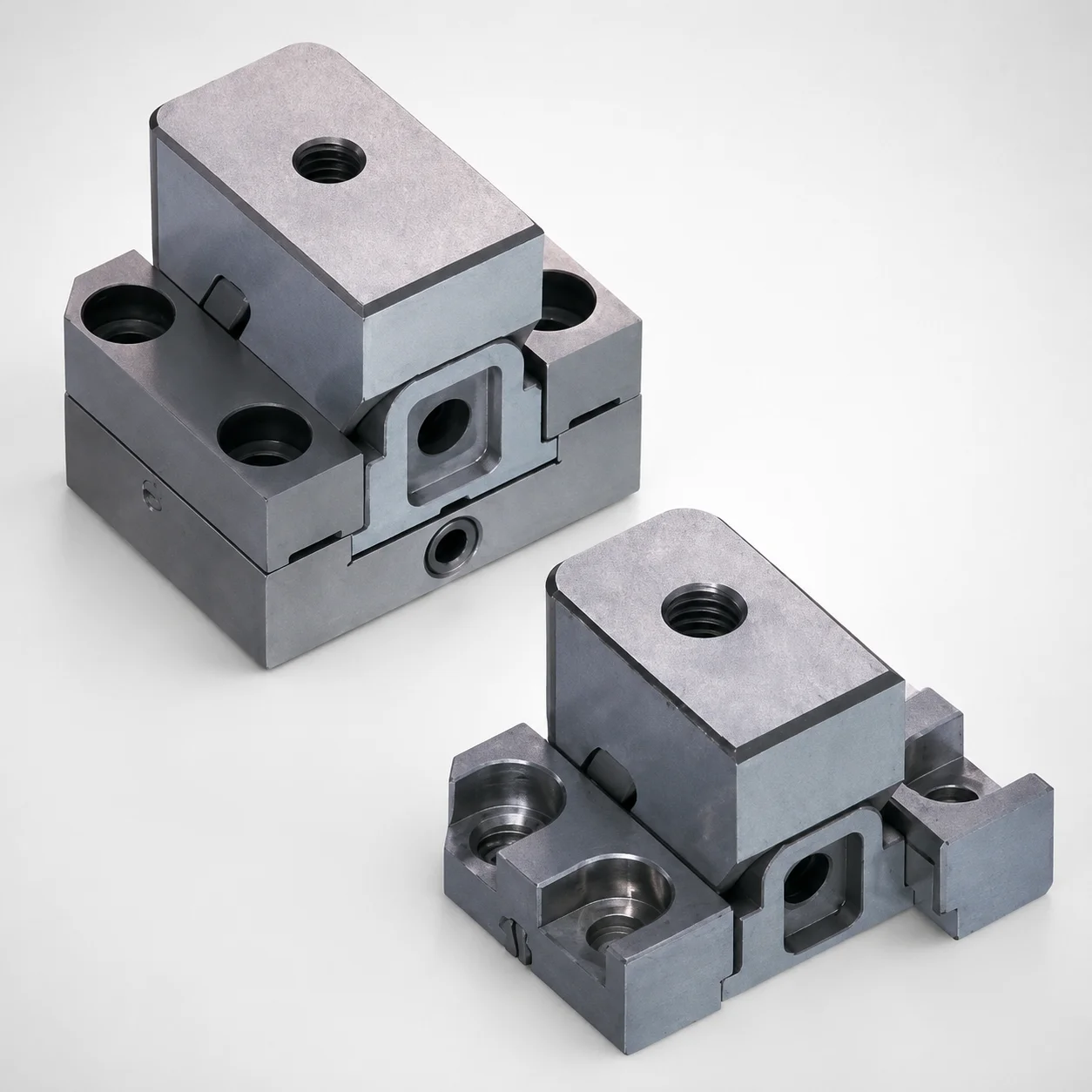
Standard Type Mini Slide Core Units
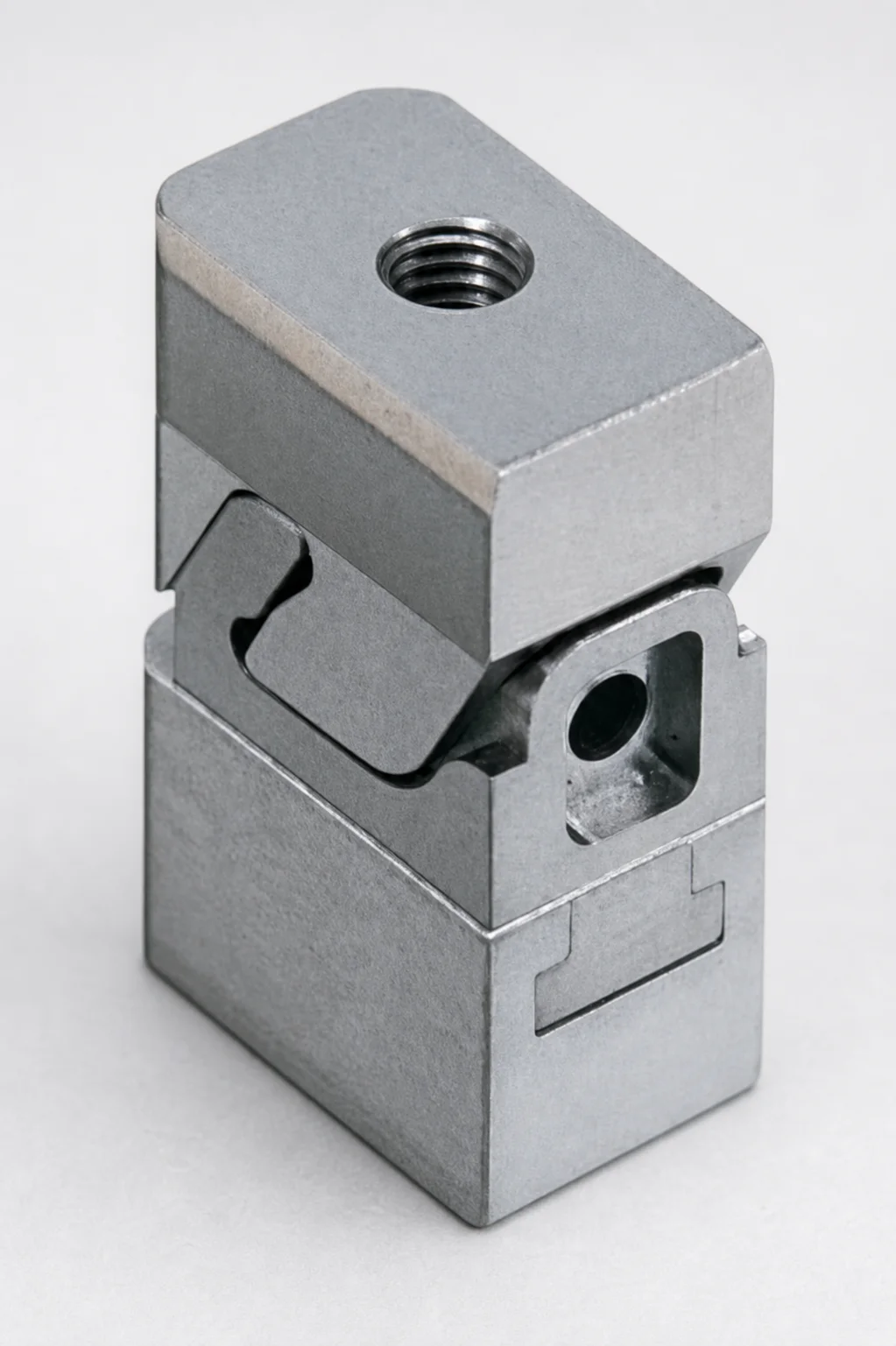
Mini Slide Core Units Slim Type (3 mm Stroke) for Inlay Tapped MSCS-Type
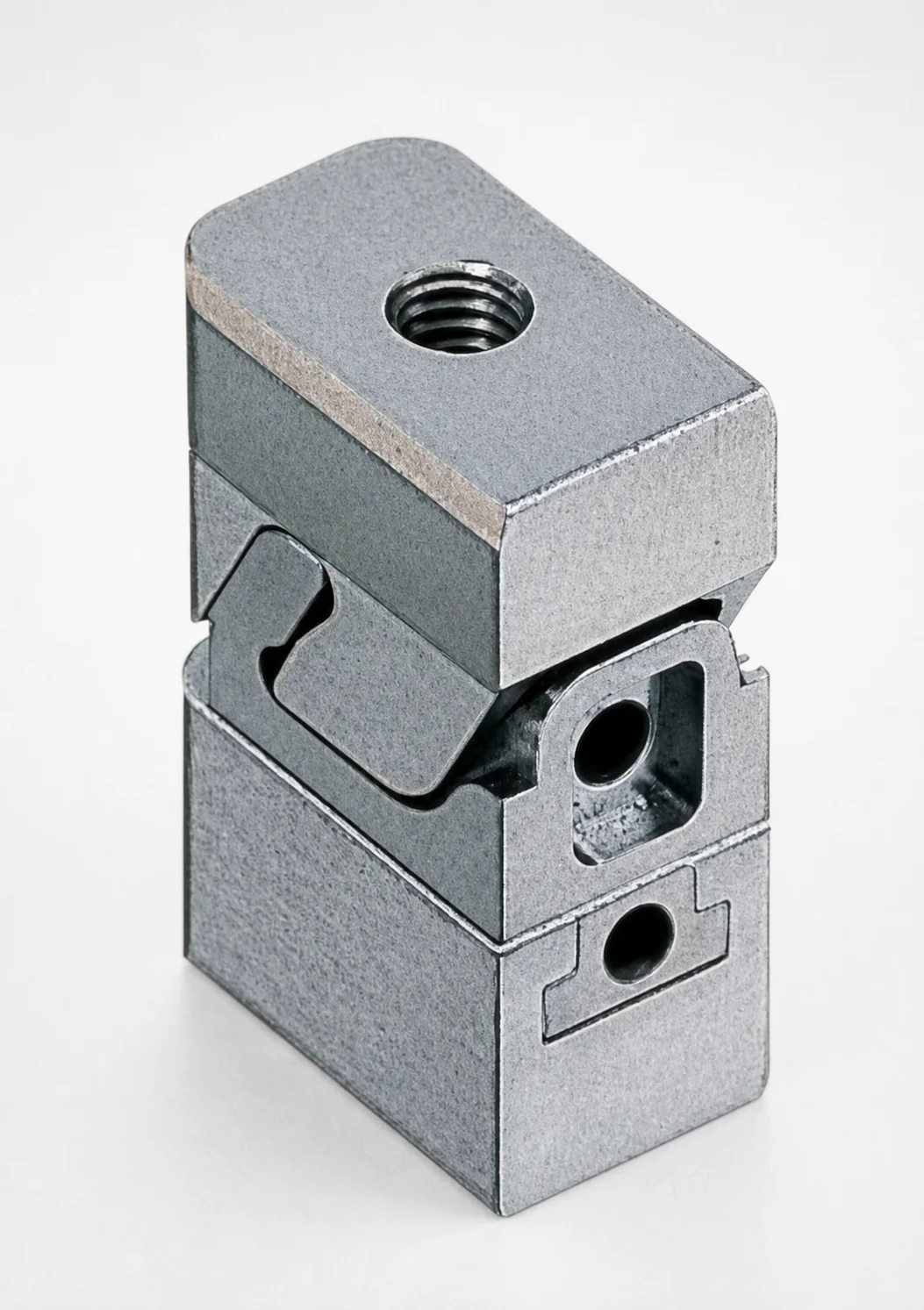
Mini Slide Core Units Slim Slide Stroke 3 mm Retractor Mechanism
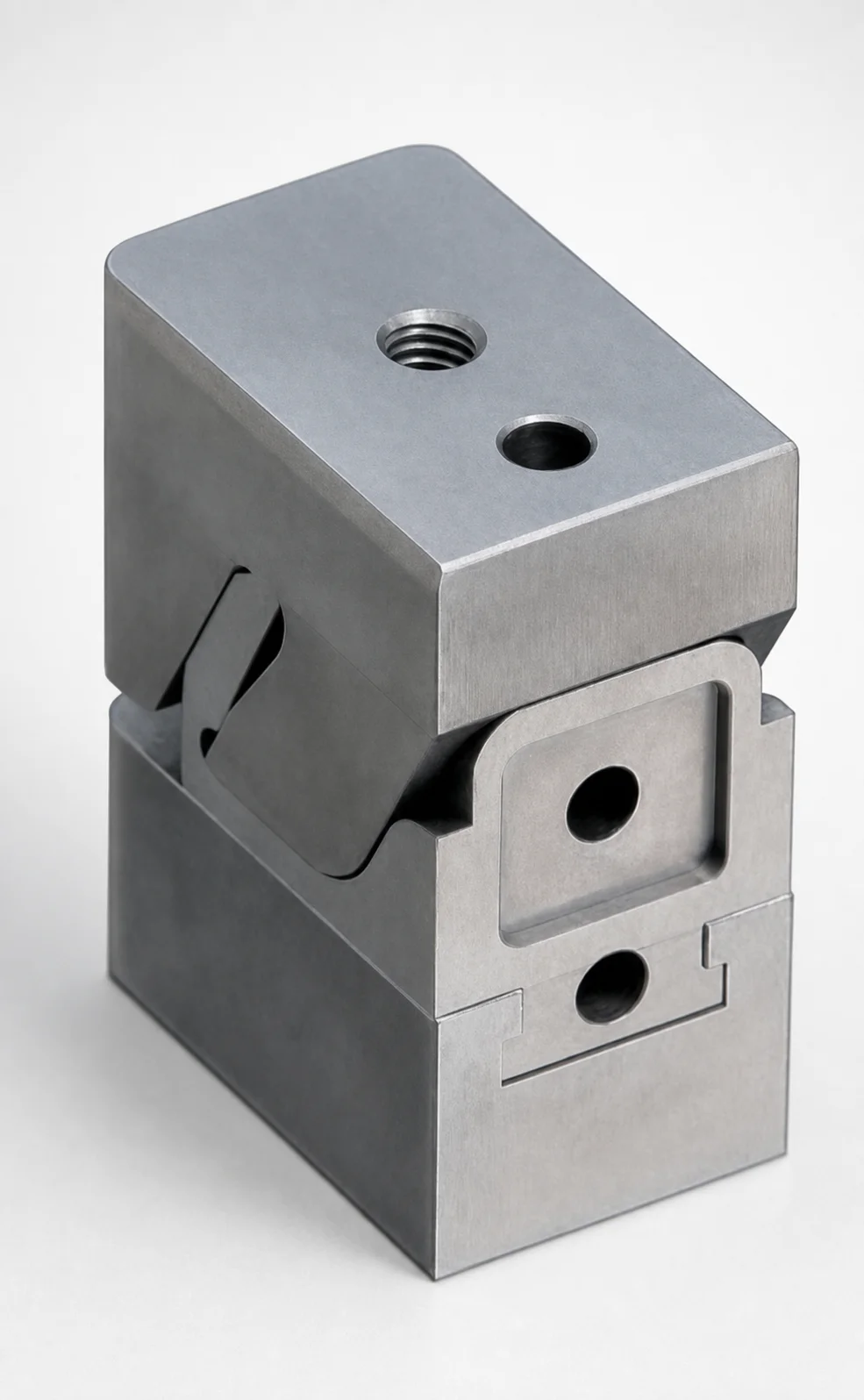
Mini Slide Core Units Slim Slide Stroke 10 mm Retracting Mechanism
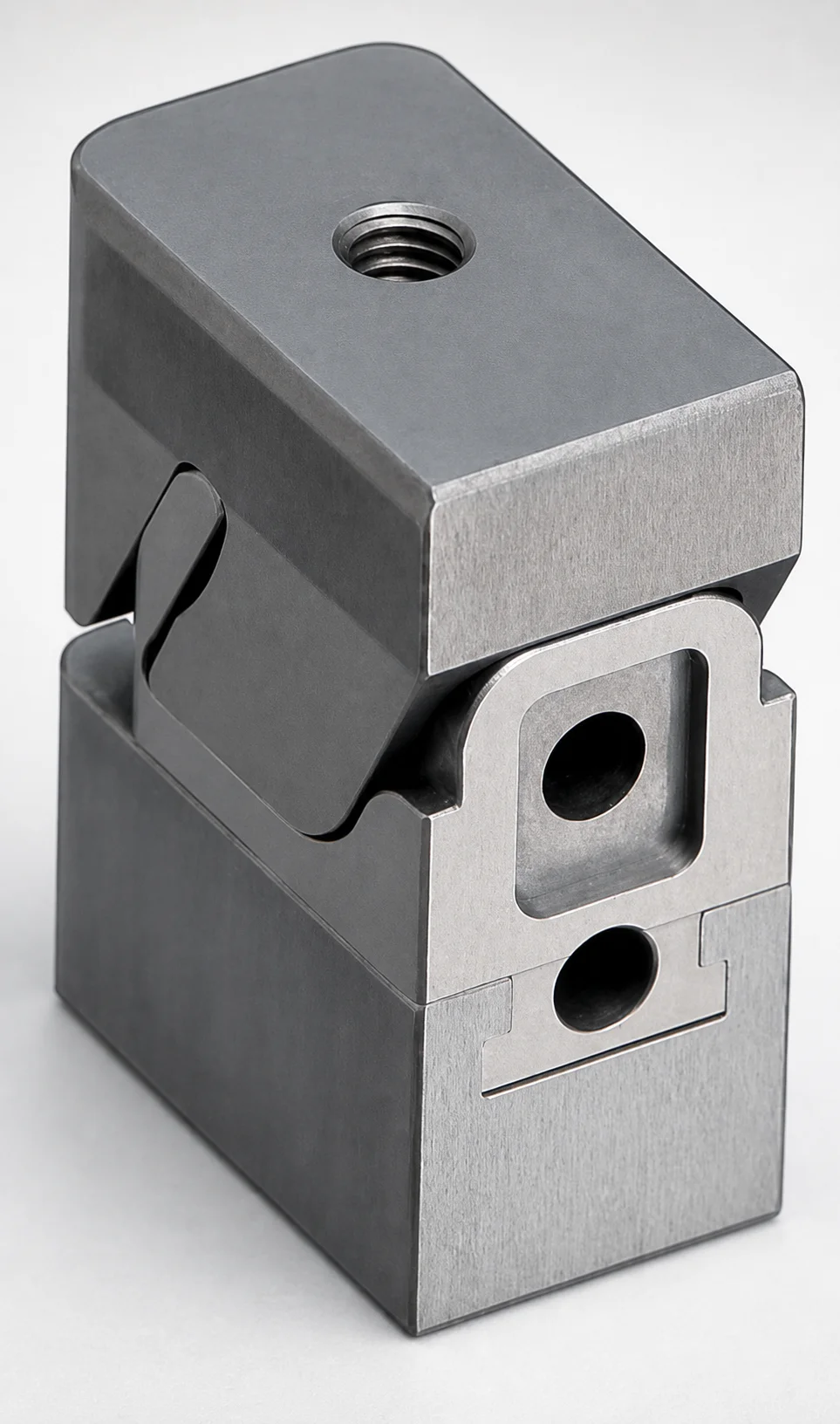
Mini Slide Core Units Slim Slide Core Retractor 6 mm Stroke
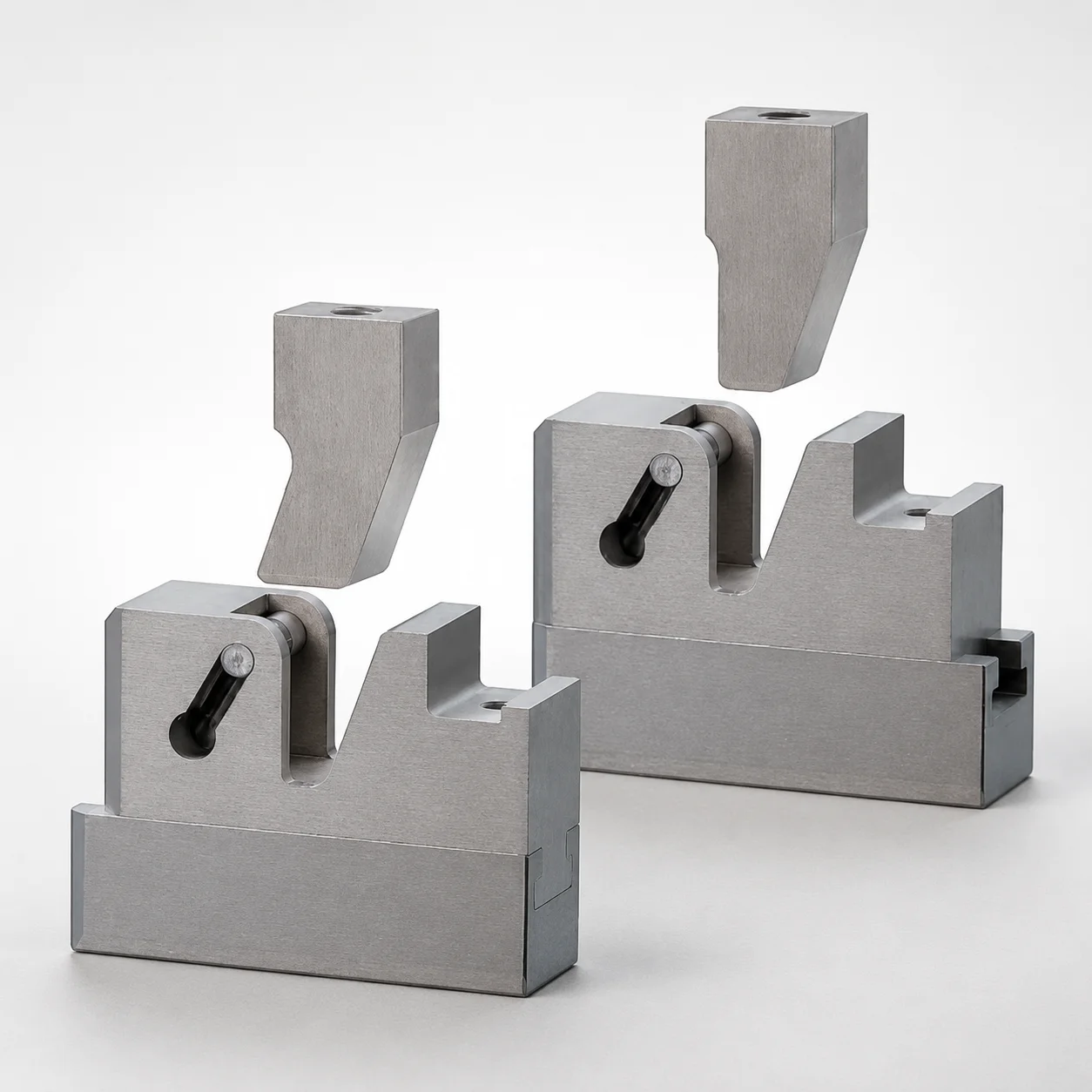
SCTM Two-Color Slide Core Units
Need Custom Specifications?
Our engineering team can help with custom configurations, material selection, and volume pricing.