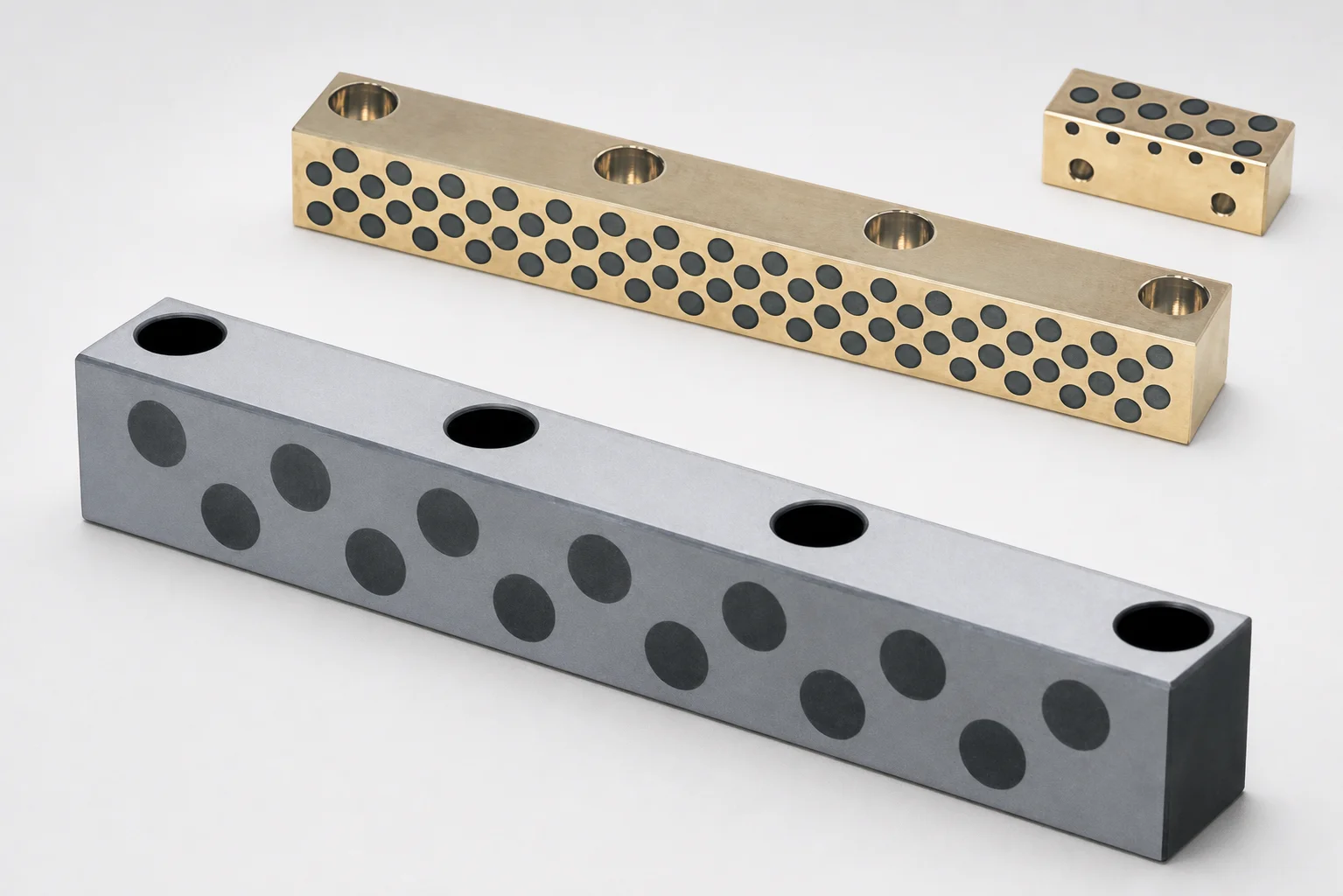
Tool Steel SKS3 Oil-Free Plain Guide Rails (No Groove)
Oil-Free Plain Guide Rails (No Groove) (SKS3 tool steel) are designed for clean, low-maintenance linear guidance where oil-free motion is required in motion systems and machine frames. The plain heel construction simplifies mounting while maintaining smooth sliding performance.
- Oil-free design with no groove to support clean operation in lubrication-sensitive setups
- SKS3 tool steel rail body for reliable wear resistance under intermittent cutting and positioning loads
- Consistent rail geometry supports accurate linear alignment for smooth, stable travel
- Suitable for applications requiring oil-free guide rail assemblies, including guilder blocks and slide mechanisms
Specifications
188 configurations available
| Material | Rail Thickness T (mm) | Rail Width W (mm) | Rail Length L (mm) | type |
|---|---|---|---|---|
| SKS3 | 10 ~ 20 | 15 | 40 ~ 120 | - |
| SKS3 | 15 ~ 30 | 20 | 50 ~ 150 | - |
| Copper alloy | 10 | 12.5 | 40 | - |
| Copper alloy | 10 | 12.5 | 50 | - |
| Copper alloy | 10 | 12.5 | 60 | - |
| Copper alloy | 10 | 12.5 | 70 | - |
| Copper alloy | 10 | 12.5 | 80 | - |
| Copper alloy | 10 | 12.5 | 90 | - |
| Copper alloy | 10 | 12.5 | 100 | - |
| Copper alloy | 15 | 12.5 | 40 | - |
| Copper alloy | 15 | 12.5 | 50 | - |
| Copper alloy | 15 | 12.5 | 60 | - |
| Copper alloy | 15 | 12.5 | 70 | - |
| Copper alloy | 15 | 12.5 | 80 | - |
| Copper alloy | 15 | 12.5 | 90 | - |
| Copper alloy | 15 | 12.5 | 100 | - |
| Copper alloy | 20 | 12.5 | 40 | - |
| Copper alloy | 20 | 12.5 | 50 | - |
| Copper alloy | 20 | 12.5 | 60 | - |
| Copper alloy | 20 | 12.5 | 70 | - |
| Copper alloy | 20 | 12.5 | 80 | - |
| Copper alloy | 20 | 12.5 | 90 | - |
| Copper alloy | 20 | 12.5 | 100 | - |
| Copper alloy | 10 | 15 | 40 | - |
| Copper alloy | 10 | 15 | 50 | - |
| Copper alloy | 10 | 15 | 60 | - |
| Copper alloy | 10 | 15 | 70 | - |
| Copper alloy | 10 | 15 | 80 | - |
| Copper alloy | 10 | 15 | 90 | - |
| Copper alloy | 10 | 15 | 100 | - |
| Copper alloy | 10 | 15 | 110 | - |
| Copper alloy | 10 | 15 | 120 | - |
| Copper alloy | 10 | 15 | 130 | - |
| Copper alloy | 10 | 15 | 140 | - |
| Copper alloy | 10 | 15 | 150 | - |
| Copper alloy | 15 | 15 | 40 | - |
| Copper alloy | 15 | 15 | 50 | - |
| Copper alloy | 15 | 15 | 60 | - |
| Copper alloy | 15 | 15 | 70 | - |
| Copper alloy | 15 | 15 | 80 | - |
| Copper alloy | 15 | 15 | 90 | - |
| Copper alloy | 15 | 15 | 100 | - |
| Copper alloy | 15 | 15 | 110 | - |
| Copper alloy | 15 | 15 | 120 | - |
| Copper alloy | 15 | 15 | 130 | - |
| Copper alloy | 15 | 15 | 140 | - |
| Copper alloy | 15 | 15 | 150 | - |
| Copper alloy | 20 | 15 | 40 | - |
| Copper alloy | 20 | 15 | 50 | - |
| Copper alloy | 20 | 15 | 60 | - |
Product Guide
Application Scenarios+
These oil-free plain guide rails are used inside injection mold tooling wherever linear slide motion must stay clean with minimal lubrication. The no-groove rail design helps prevent contamination transfer in environments that cannot tolerate oil mist or residue buildup.
- Automotive connector and bracket molds: install the rails in lifter or slide mechanisms where frequent opening/closing demands stable alignment and smooth motion during positioning cycles.
- Medical device housing molds: use the oil-free configuration to support cleaner mold operation for parts produced in tighter hygiene workflows.
- General undercut plate / slide plate systems: the plain heel construction supports straightforward mounting and repeatable travel geometry for guider blocks and moving plates.
This variant is suited because it combines oil-free operation (no oil groove) with a steel rail body, supporting reliable guidance while reducing maintenance demands.
Material & Process Details+
SKS3 tool steel (oil-free plain guide rail body) is selected for dimensional stability and practical wear resistance in guide applications with intermittent loading and positioning cycles. Unlike higher-hardness tool steels, SKS3 is typically used with a balance of toughness and machining practicality, which helps maintain sliding performance under repeated starts and stops.
- Hardness: SKS3 is commonly supplied in an oil-tempered/pre-hardened condition for tooling use; final hardness depends on the manufacturer’s heat treatment route. Verify your required wear level and contact conditions against the system’s expected loads.
- Wear resistance vs. toughness: increased hardness improves wear resistance but can reduce impact toughness at the rail edges; SKS3 is often chosen to balance both.
- Alternative option: the rail material can also be specified as a copper alloy, which may be used for specific friction/compatibility needs but typically trades off strength and load-bearing wear performance versus steel.
Sizing & Selection Guide+
To select the correct guide rail size, match the rail geometry to the mold slide’s load path and the available mounting envelope on the undercut plate or slide plate. This series offers variable dimensions that should be chosen based on cavity/core layout and required stroke travel.
- Rail thickness (T): choose within 10–35 mm to suit stiffness requirements and mounting screw boss depth.
- Rail width (W): select from 12.5, 15, 20, 25, 30 mm to provide adequate contact area for stable alignment.
- Rail length (L): pick 40–200 mm to cover the full guided travel range plus allowance for end clearance.
For proper fit, ensure the rail thickness and width align with the guider block or mating slide-plate pocket geometry. Because actual machining tolerances depend on the mold component design and supplier process, confirm the required clearance/fit for smooth oil-free sliding at operating temperatures.
Frequently Asked Questions
Can I use these oil-free plain guide rails in lubrication-sensitive injection mold slide mechanisms?+
Yes. The design specifies oil-free operation with no groove, which helps reduce oil residue and contamination risks in lubrication-sensitive mold environments. They are intended for clean linear guidance in slide systems and guider-block arrangements.
What steel options are available for the SKS3 guide rail series, and how do they differ?+
The series supports SKS3 as the primary tool steel option and also lists a copper alloy alternative. SKS3 is selected for reliable wear resistance and a practical toughness balance in guided motion. Copper alloy is typically chosen where friction/compatibility requirements override maximum load-bearing wear performance.
How do I select the correct rail thickness and width for stable alignment in a slide plate setup?+
Use the rail thickness T = 10–35 mm to meet stiffness and mounting constraints of your slide plate. Select rail width W = 12.5, 15, 20, 25, or 30 mm to ensure sufficient contact area and maintain alignment under positioning loads. Confirm that the mating guider block geometry matches the chosen T and W to maintain smooth travel.
What rail length range should I choose for full guided travel in an undercut plate mechanism?+
Choose rail length L = 40–200 mm so the guided support covers the entire motion stroke. Include practical end clearances so the rail does not bind at the travel extremes. Then validate the length against the slide plate’s guide bearing span and your mechanism’s stroke design.
Do the no-groove rails require special clearance or tolerances compared with grooved guide rails?+
Because this variant is specified as no groove and oil-free, the clearance strategy must focus on preventing contact during thermal growth and wear while maintaining stable guidance. Exact tolerance values depend on your guider block and slide-plate machining, so confirm the required clearance/fit in your assembly drawing and during first-article verification.
Related Products
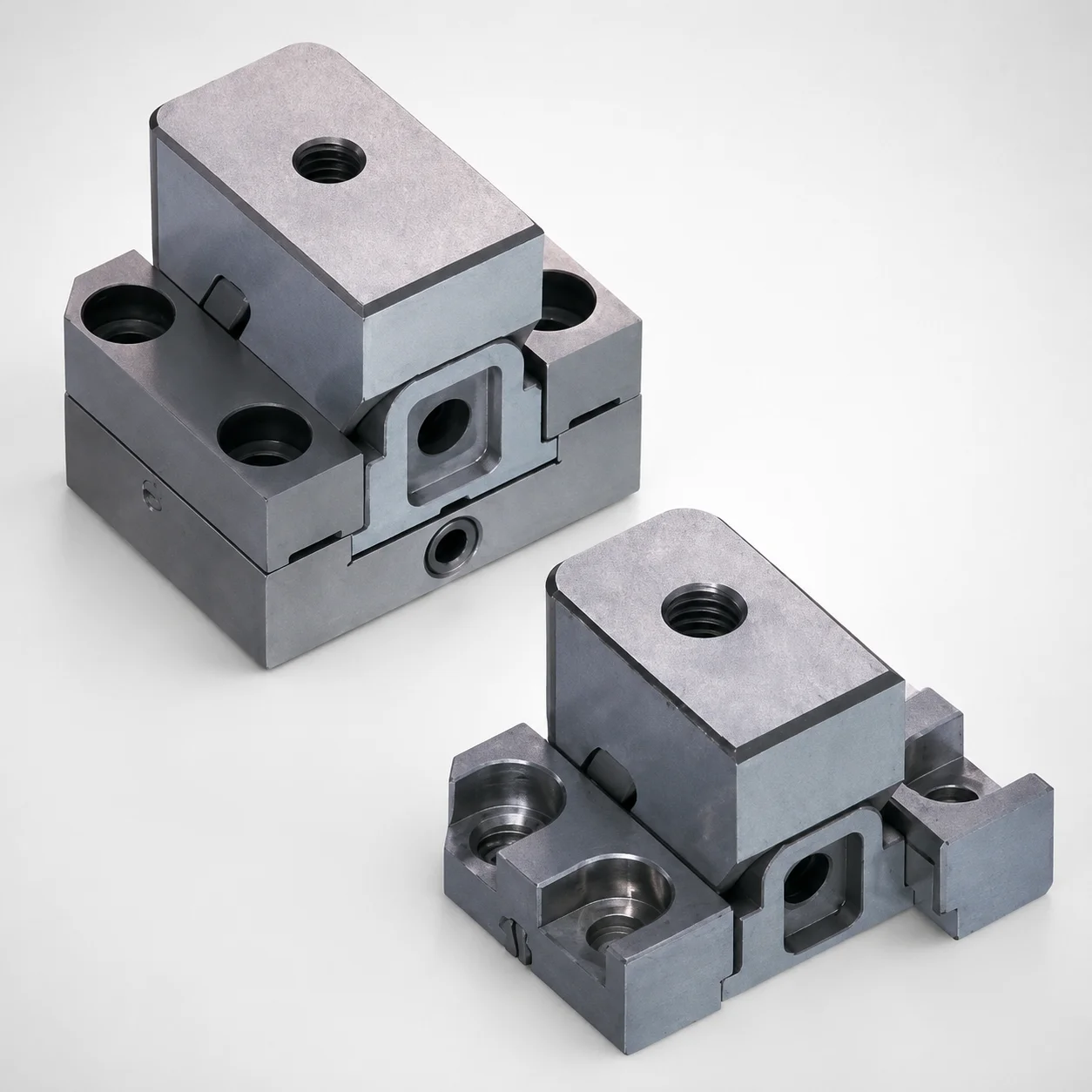
Standard Type Mini Slide Core Units
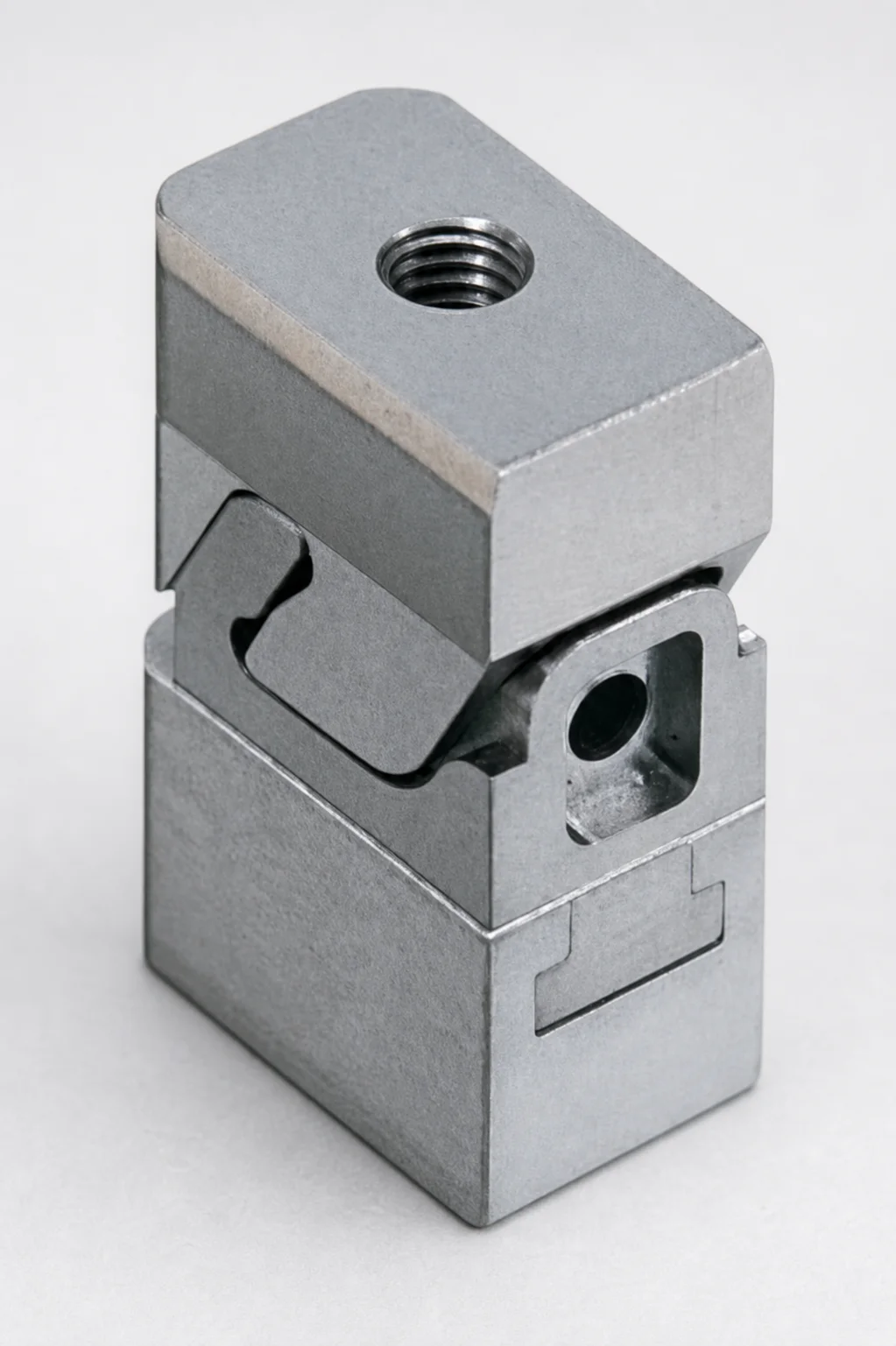
Mini Slide Core Units Slim Type (3 mm Stroke) for Inlay Tapped MSCS-Type
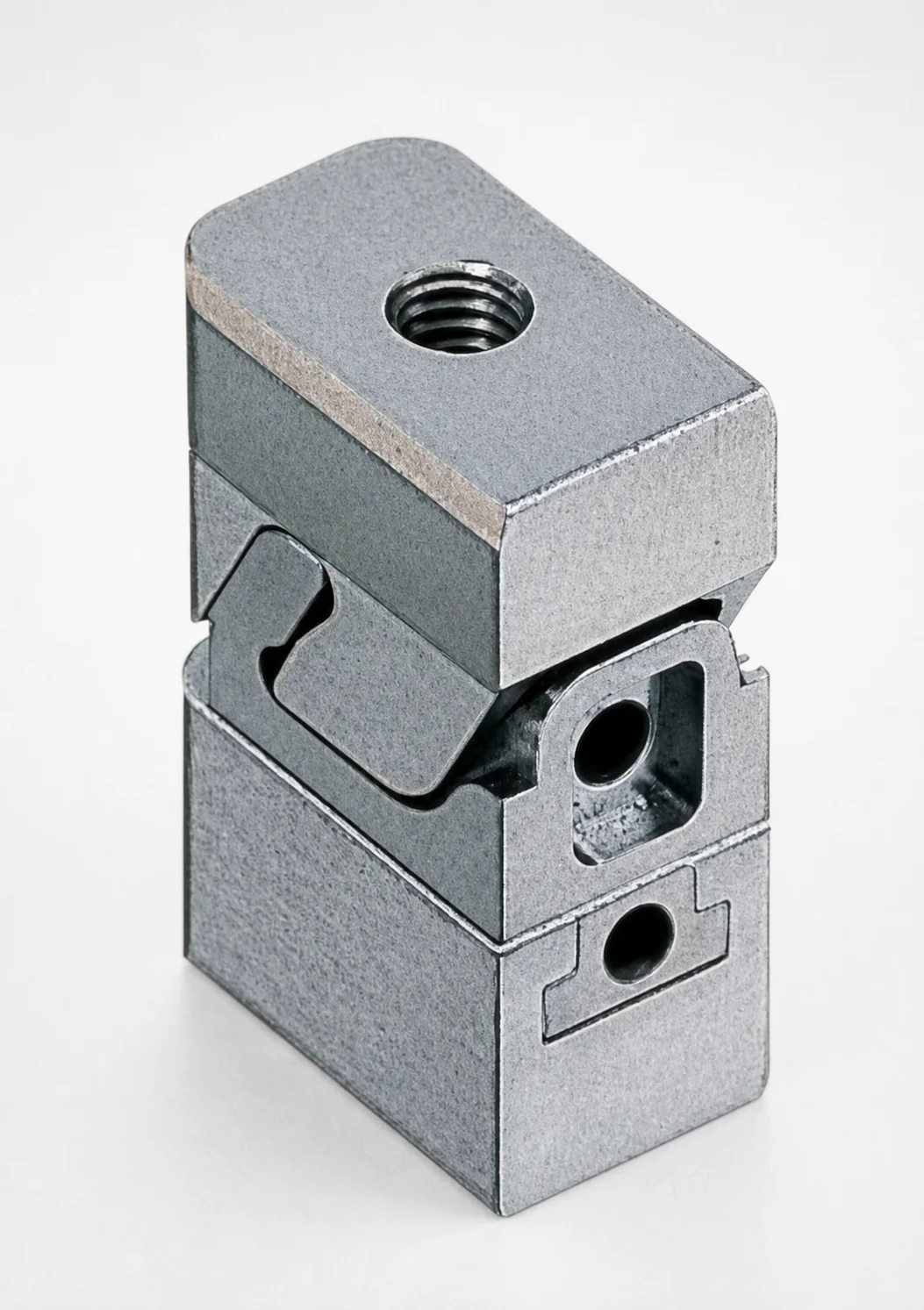
Mini Slide Core Units Slim Slide Stroke 3 mm Retractor Mechanism
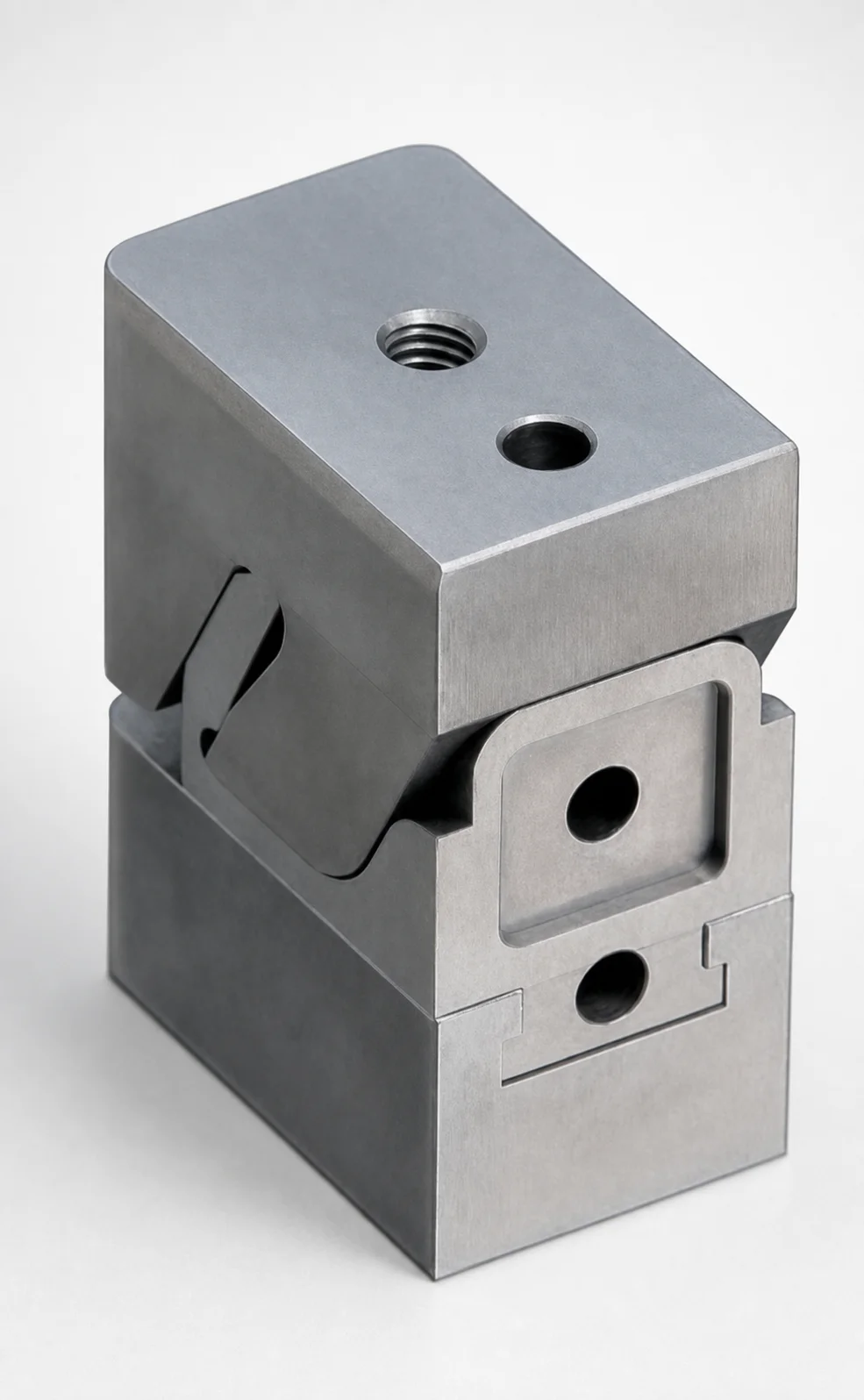
Mini Slide Core Units Slim Slide Stroke 10 mm Retracting Mechanism
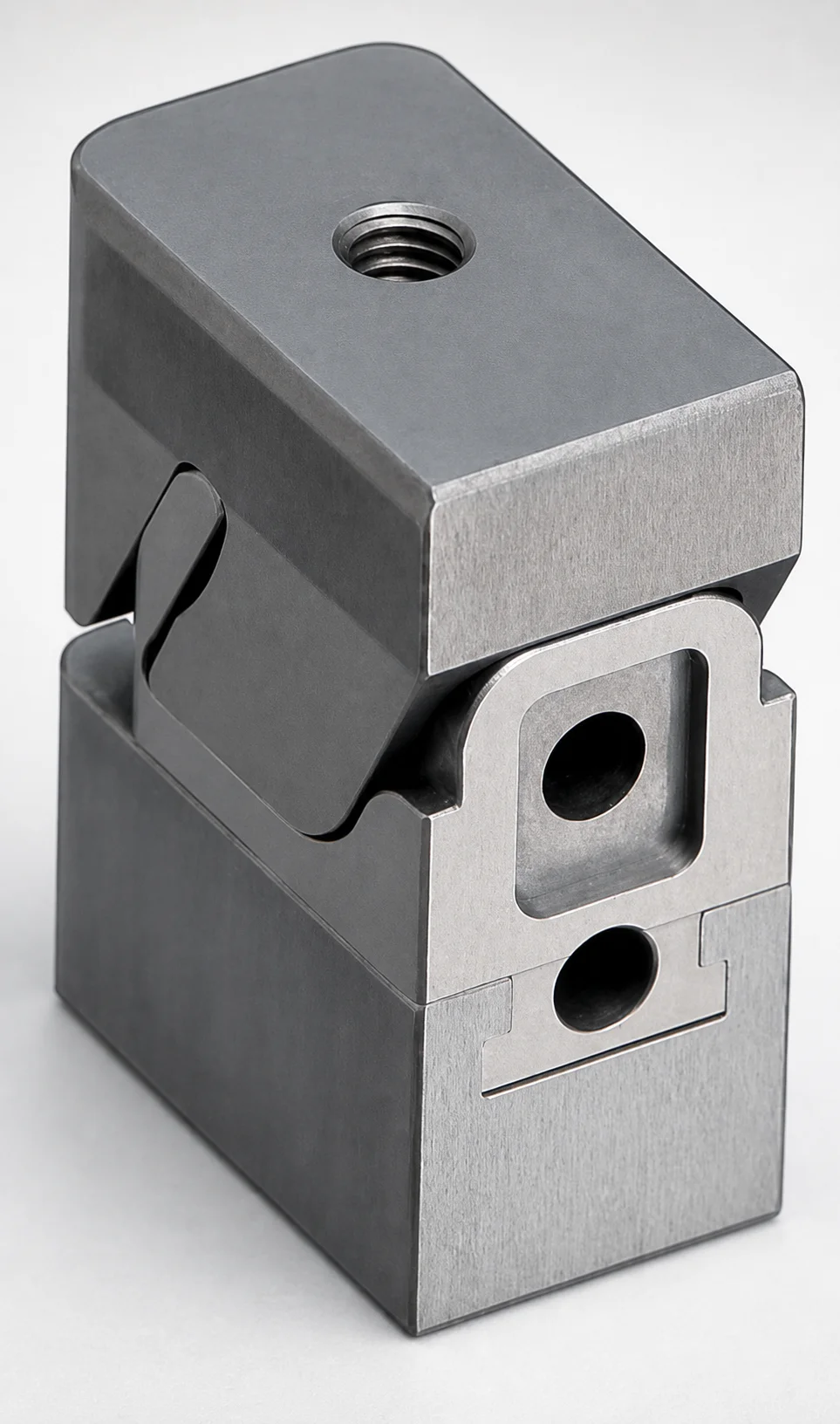
Mini Slide Core Units Slim Slide Core Retractor 6 mm Stroke
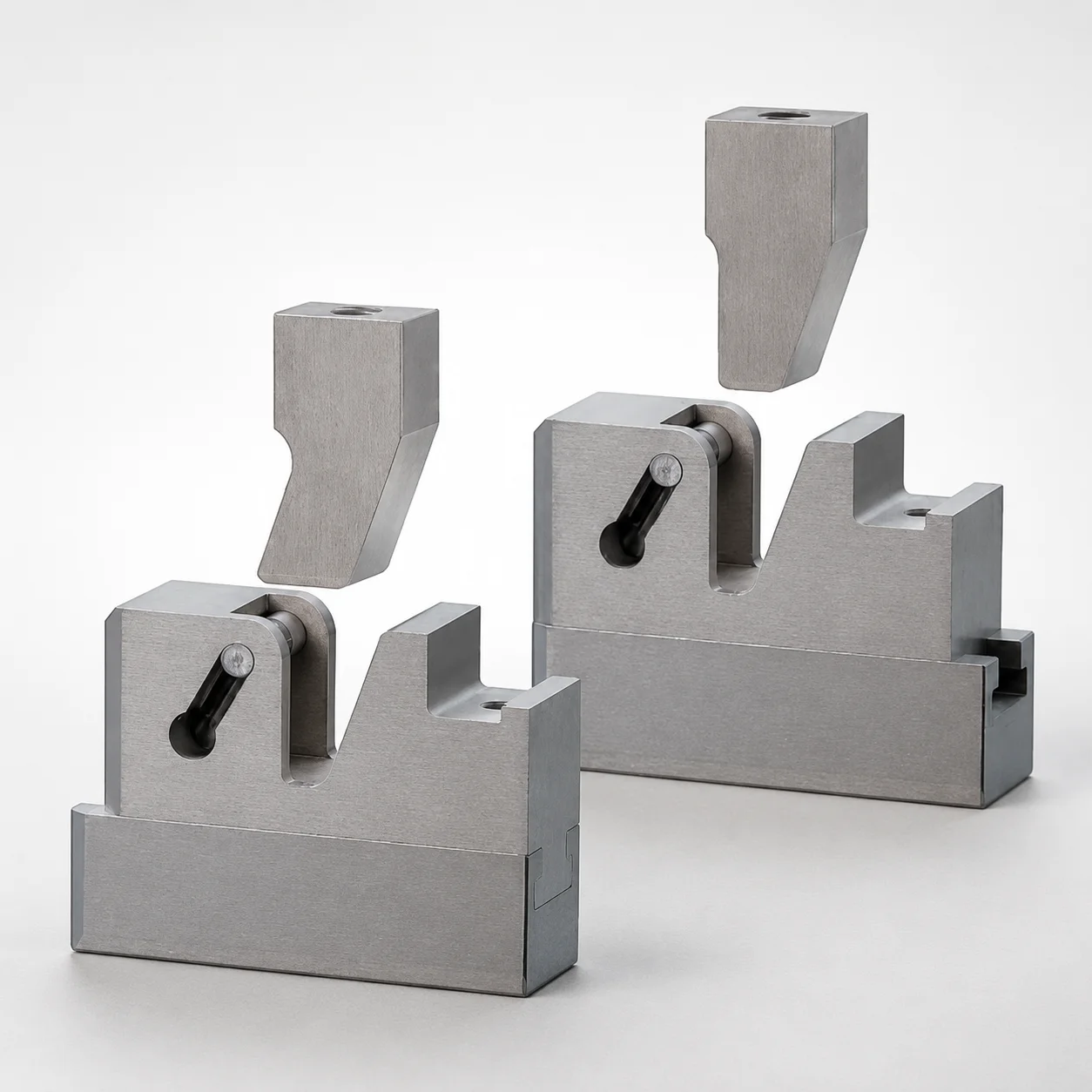
SCTM Two-Color Slide Core Units
Need Custom Specifications?
Our engineering team can help with custom configurations, material selection, and volume pricing.