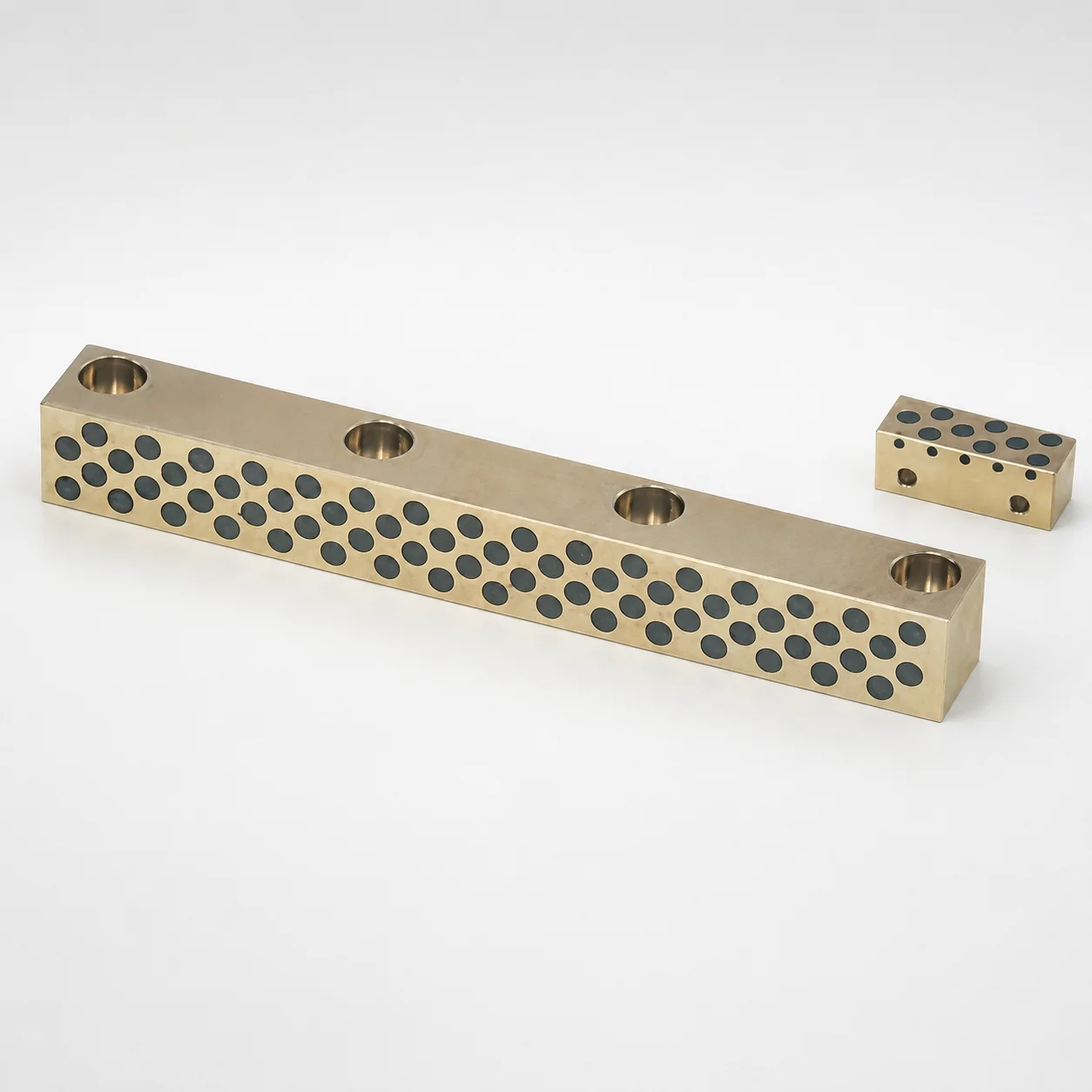
Oil-Free Plain Guide Rails (Copper Alloy) Heel No Groove
Oil-Free Plain Guide Rails (Copper alloy) with heel no groove are designed to support stable, low-maintenance guiding in motion systems where lubrication must be minimized. The oil-free construction helps keep slide surfaces cleaner during operation.
- Heel no groove profile provides consistent seating and guidance geometry for rails assemblies
- Copper alloy material supports smooth sliding performance in oil-free applications
- Oil-free build supports reliable movement for bolt hole pitch configurable mounting
- Ideal for machine tool slide components and guided positioning systems requiring reduced lubrication
Specifications
18 configurations available
| Rail Width W (mm) | No. of mounting holes (pieces) | type |
|---|---|---|
| 12.5 | 2 | - |
| 15 | 2 | - |
| 20 | 2 | - |
| 25 | 2 | - |
| 25 | 2 | - |
| 30 | 2 | - |
| 12.5 | 3 | - |
| 15 | 3 | - |
| 20 | 3 | - |
| 20 | 3 | - |
| 25 | 3 | - |
| 25 | 3 | - |
| 30 | 3 | - |
| 12.5 | 4 | - |
| 15 | 4 | - |
| 20 | 4 | - |
| 25 | 4 | - |
| 30 | 4 | - |
Product Guide
Application Scenarios+
Oil-free plain guide rails with a heel no groove profile are used inside injection mold tooling and production fixtures where slide motion must stay clean with minimal lubrication. They are commonly specified for ejector/actuator guided sub-assemblies, helping maintain stable alignment during repeated opening and closing cycles.
For automated mold bases and assembly platforms, the copper-alloy oil-free design supports smooth travel while reducing the risk of lubricant migration onto molded parts or optics. The heel no groove geometry helps preserve consistent seating, so the guiding surface remains properly referenced to the mounting plate.
- Guided slide plates: suited to keep motion stable in oil-reduced workshops
- Machine tool slide components: supports clean, repeatable positioning under frequent cycles
Material & Process Details+
This variant is made from a copper alloy, selected for controlled friction and smooth sliding behavior in oil-free motion environments. Copper-based alloys are commonly used where surface interactions must remain stable without relying on frequent lubrication.
Material behavior is a trade-off: copper alloys typically provide good wear resistance for sliding, but their toughness and load capacity can be more sensitive to contact pressure and misalignment than harder tool steels. Because no specific hardness or heat-treatment condition is provided in the available data, hardness values (e.g., HRC) and whether the part is quenched & tempered, nitrided, or pre-hardened cannot be stated here.
- Oil-free copper alloy: optimized for clean sliding and reduced contamination risk
- Tool steels (for comparison): offer higher hardness, but may require additional anti-wear surface management to achieve comparable oil-free running
Sizing & Selection Guide+
Choose the rail width W to match the guided interface length and stiffness required by your mold’s slide plate. Available widths are 12.5, 15, 20, 25, 30 mm; select the smallest width that still maintains stable contact under your expected loading and deflection.
Next, match the number of mounting holes to your base plate design. This product supports 2, 3, or 4 mounting holes (pieces), allowing selection of a configuration that aligns with your bolt pattern or clamp layout.
- Core/cavity-related fit: ensure the seating plane and rail alignment are consistent, since heel no groove geometry depends on proper reference during installation
- Tolerance considerations: align and torque-mount within your standard assembly tolerances to avoid binding; copper alloy guide surfaces can be sensitive to angular misalignment
Frequently Asked Questions
What mounting hole configurations are available for the heel no groove copper alloy guide rail, and how do I select between them?+
Which rail width options (W) should I use for different guided slide stiffness requirements?+
Why does the heel no groove design matter for mold slide alignment in oil-free applications?+
Is this rail suitable for injection molding tooling where lubricant contamination must be minimized?+
Can I confirm the hardness (HRC) and heat treatment state from the provided specifications?+
Related Products
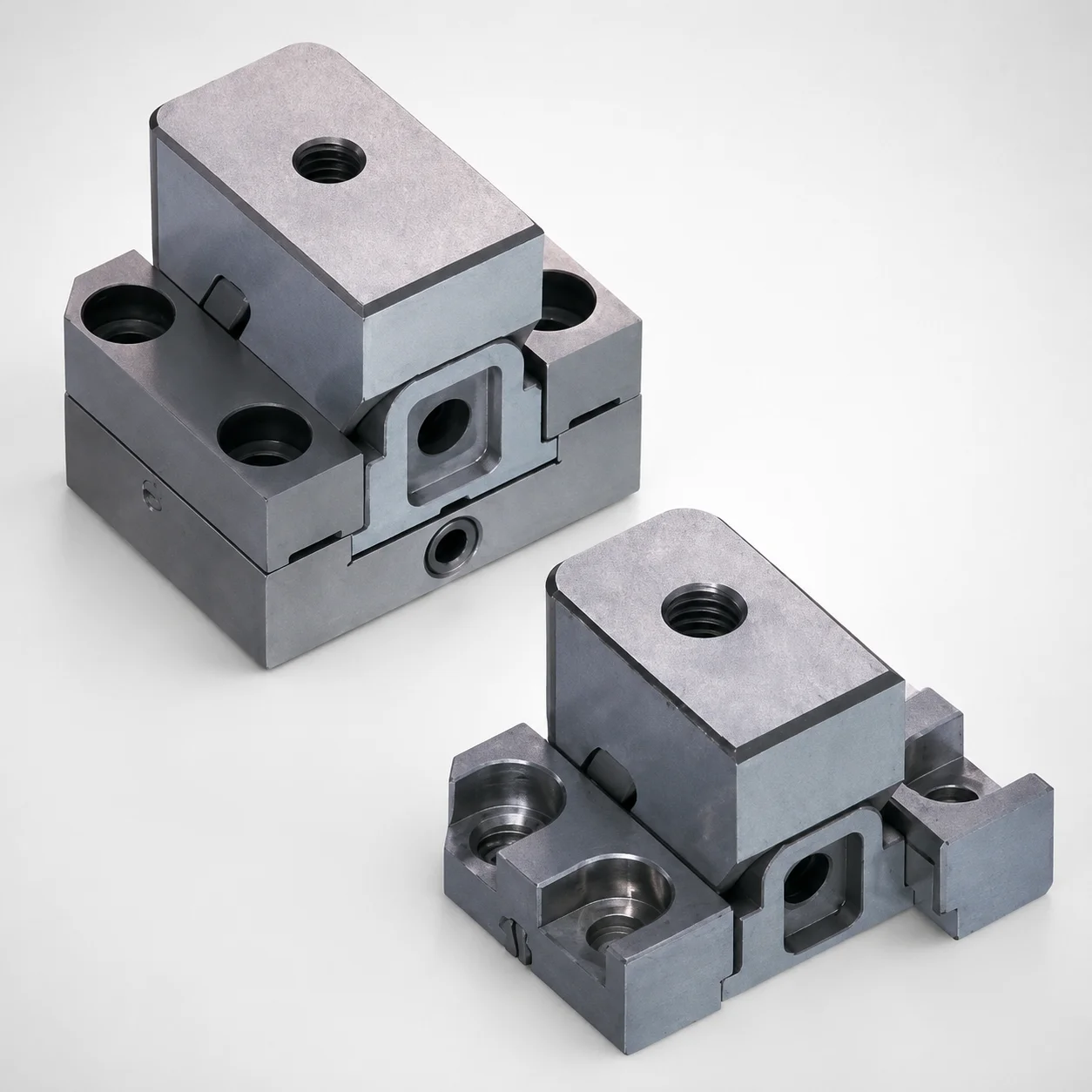
Standard Type Mini Slide Core Units
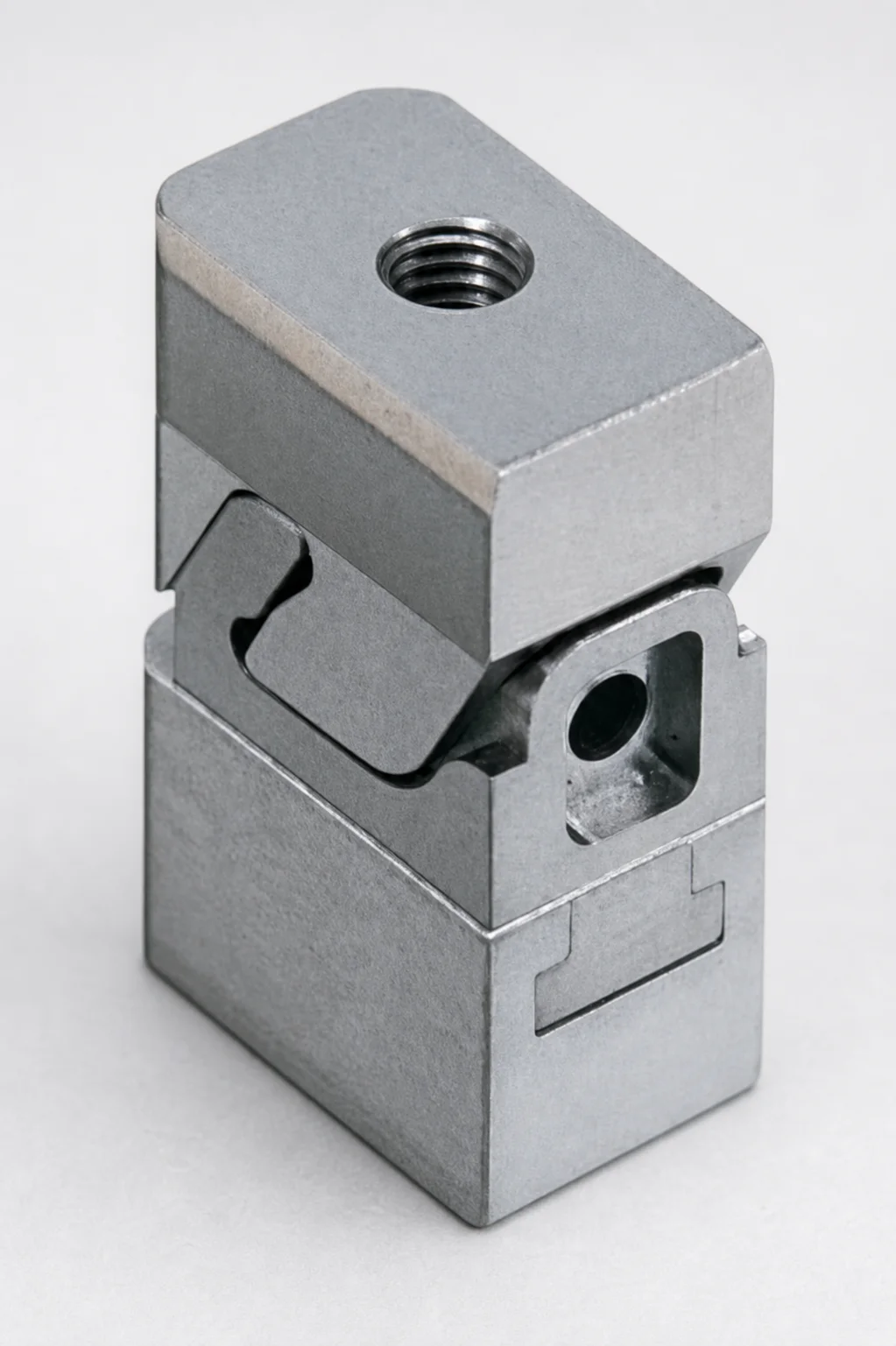
Mini Slide Core Units Slim Type (3 mm Stroke) for Inlay Tapped MSCS-Type
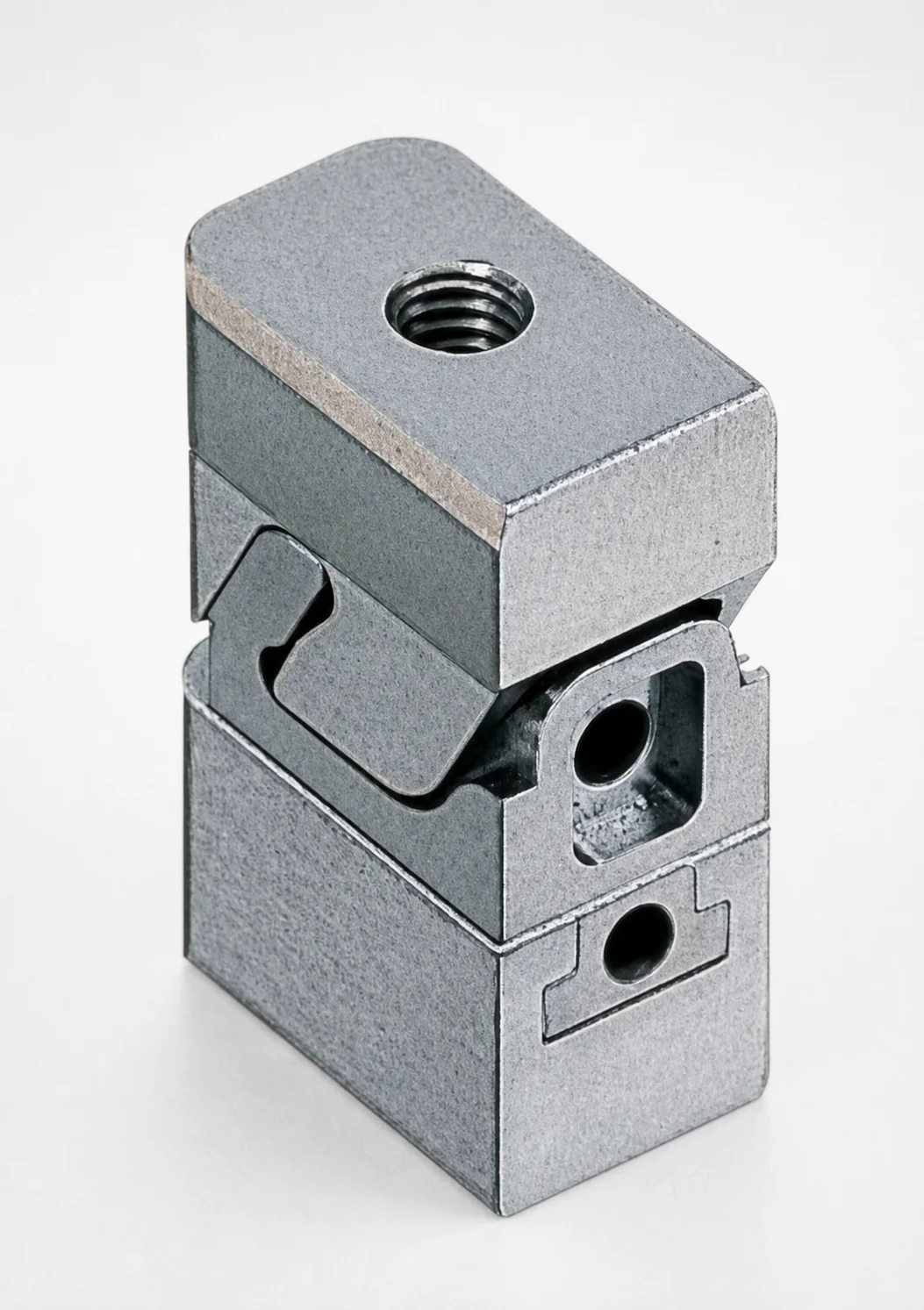
Mini Slide Core Units Slim Slide Stroke 3 mm Retractor Mechanism
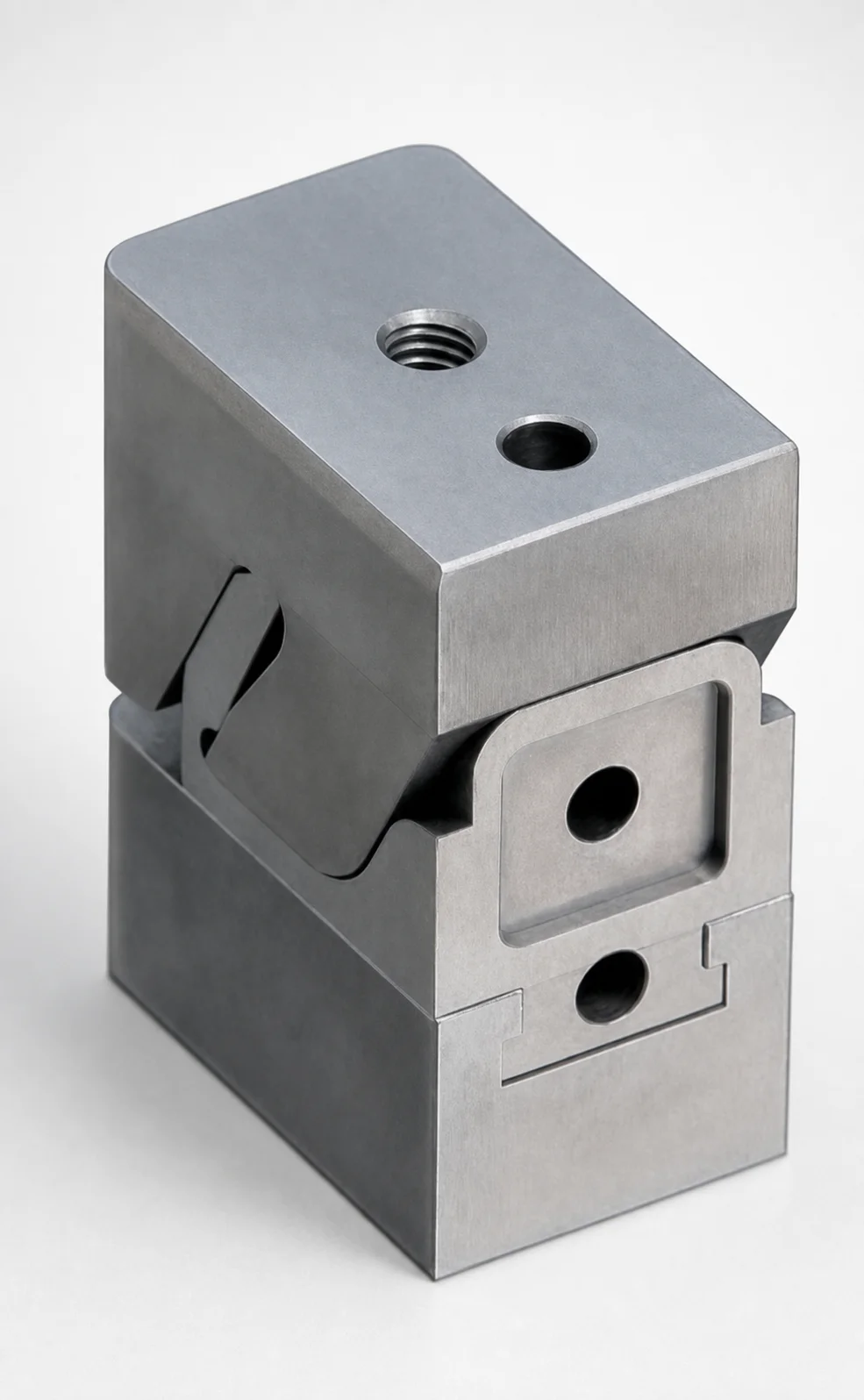
Mini Slide Core Units Slim Slide Stroke 10 mm Retracting Mechanism
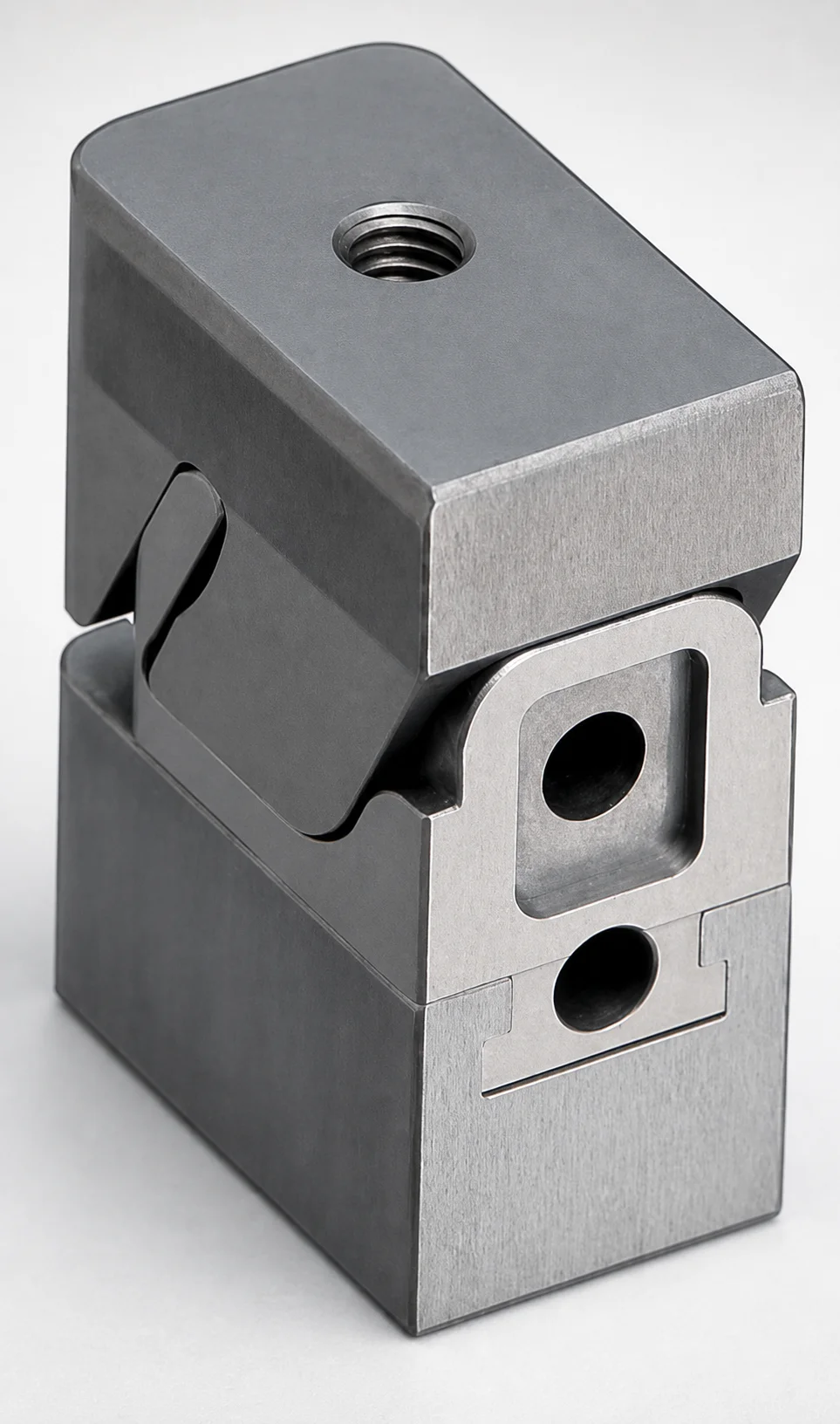
Mini Slide Core Units Slim Slide Core Retractor 6 mm Stroke
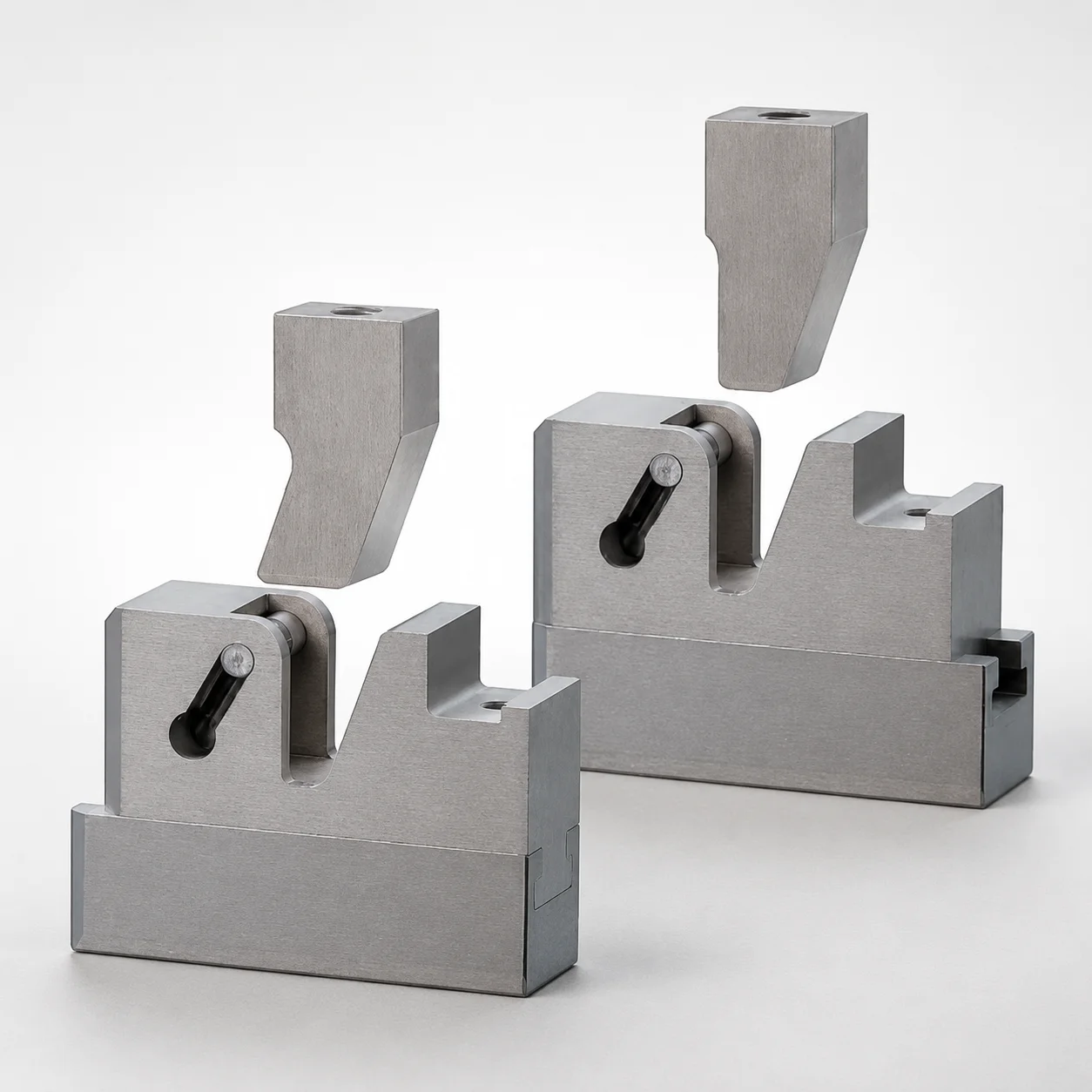
SCTM Two-Color Slide Core Units
Need Custom Specifications?
Our engineering team can help with custom configurations, material selection, and volume pricing.