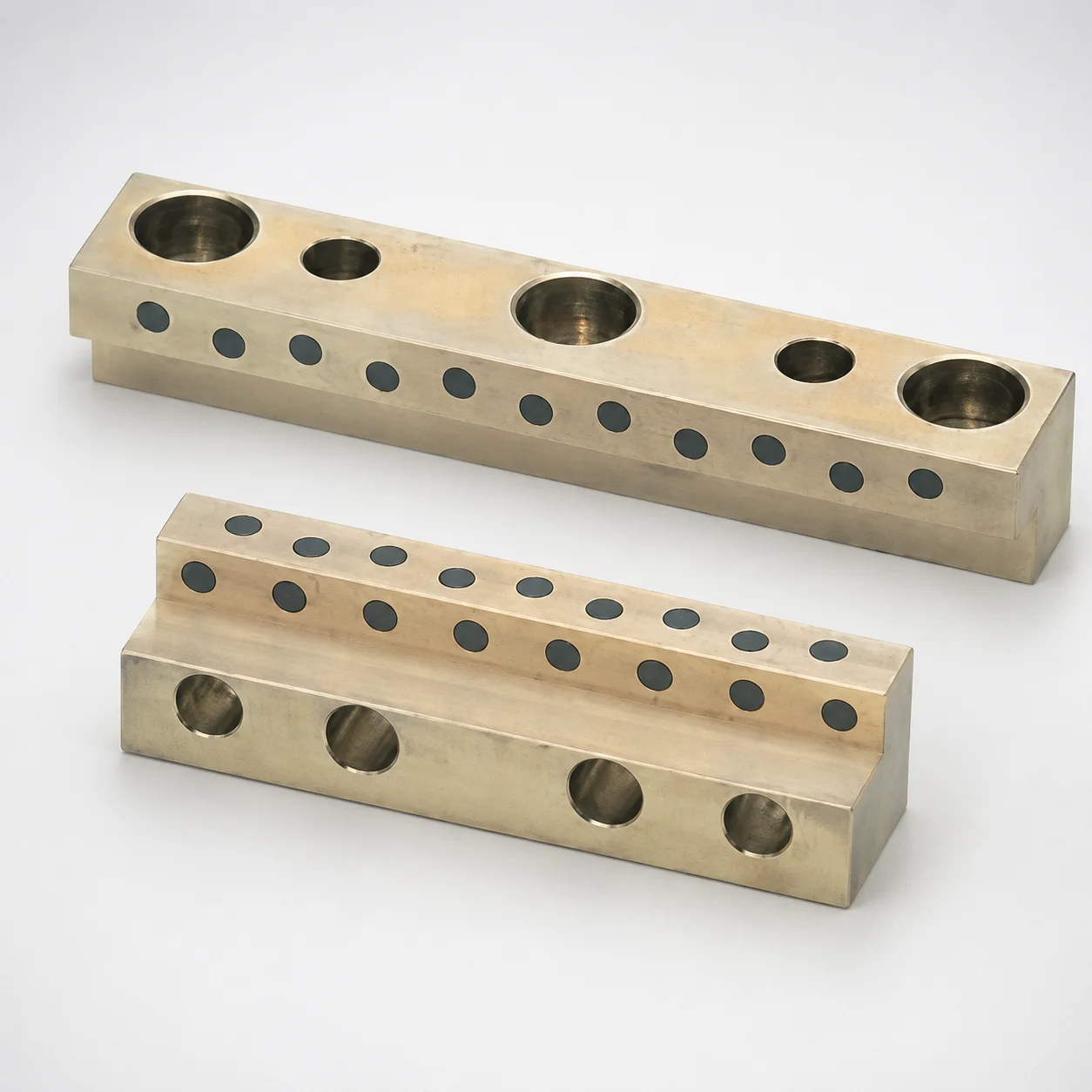
Oil-Free Guide Rails (SRTL Type) Copper Alloy
Oil-free guide rails (SRTL type) (copper alloy) provide stable linear guidance for machinery that must minimize lubrication and contamination. The no-groove heel construction helps maintain consistent sliding behavior over production cycles.
- SRTL type guide rail design delivers controlled motion in sliding guide assemblies
- Copper alloy material selection supports smooth movement and wear resistance
- No groove heel and oil-free structure reduce maintenance related to oil channels
- Designed for use with dowel-hole mounting layouts in machine tool and automation applications
Specifications
13 configurations available
| Rail Width W (mm) | Rail Length L (mm) | type |
|---|---|---|
| 15 | 60 | - |
| 15 | 80 | - |
| 15 | 100 | - |
| 15 | 120 | - |
| 20 | 80 | - |
| 20 | 100 | - |
| 20 | 120 | - |
| 20 | 140 | - |
| 25 | 80 | - |
| 25 | 100 | - |
| 25 | 120 | - |
| 25 | 140 | - |
| 25 | 160 | - |
Product Guide
Application Scenarios+
Oil-free linear guidance is ideal in injection mold tooling and adjacent automation cells where lubricant migration can contaminate parts or attract debris. In sliding guide assemblies for production equipment, these rails support stable motion during repeated open/close cycles, helping maintain dimensional consistency at the guide interface.
Common scenarios include automotive connector and terminal molds where tight part cleanliness requirements limit allowable oil carryover, and multi-cavity molds using automation-driven ejector or transfer slides that demand reliable motion without lubrication. The copper-alloy variant is suited for these applications because it is engineered for smooth sliding behavior and stable wear performance under oil-free operation.
Another fit is high-throughput packaging or consumer goods mold lines with frequent changeovers, where maintenance time is critical. The no-groove heel design helps reduce sensitivity to oil-channel-related residue accumulation, supporting consistent sliding performance over long production runs.
Material & Process Details+
This SRTL type guide rail uses a copper alloy designed to provide smooth sliding behavior in oil-free linear motion environments. Copper alloys are selected to support stable friction characteristics and wear resistance when lubrication is minimized, reducing the risk of contamination from lubricants in the mold shop.
For this product, no specific heat treatment or grade (e.g., SKD61/H13) is provided in the available specifications, so a definitive hardness value (HRC) or exact quench/temper state cannot be stated from the given data. In manufacturing, guide rails of this class are typically produced with precision machining for straightness and surface finish to control friction and alignment in the slide system.
- Wear vs. toughness trade-off: copper-alloy sliding performance prioritizes low-friction wear behavior in oil-free conditions rather than maximum impact toughness.
- Comparison note: compared with tool steels, copper alloys generally focus on anti-galling / low-friction sliding behavior for guides that operate with reduced or no lubrication.
Sizing & Selection Guide+
Selection starts with matching the rail width W and rail length L to the slide guide interface in your mold base or automation sub-assembly. This product is available with W = 15, 20, or 25 mm and L = 60, 80, 100, 120, 140, or 160 mm.
- Match width (W): choose the rail width that fits the designed guide pocket/plate slot and provides the intended bearing area for controlled linear motion.
- Match length (L): select a length that spans the required stroke coverage in the guide system, accounting for end clearance and stable guidance across the full travel range.
Because no tolerance values are provided in the specification, engineers should verify fit using the drawing tolerances for the mating dowel-hole/mounting layout and the guide interface surfaces. If your system uses a dowel-hole mounting design, ensure the rail length and mounting geometry align with the cavity/core slide travel and do not over-constrain thermal expansion.
Frequently Asked Questions
Is this SRTL type oil-free guide rail suitable for injection mold automation slides where lubrication cannot be used?+
Yes. The SRTL type is specifically described as oil-free, targeting stable linear guidance while minimizing lubrication and contamination risks. This makes it a good fit for guide assemblies associated with mold automation cells where oil carryover is a concern.
How do I choose between rail widths W = 15, 20, and 25 mm for a sliding guide plate?+
Select W based on the available pocket/slot width and the required bearing area for the guide interface. Wider rails (e.g., 20–25 mm) generally provide more contact area, while W = 15 mm can be used when space is limited by the mold base or guide plate thickness.
What rail length options are available, and how should I match L to the required stroke coverage?+
Available L values are 60, 80, 100, 120, 140, and 160 mm. Choose a length that ensures consistent guidance throughout the full travel, considering end clearances so the rail remains supported during forward and return motion.
What is the benefit of the no-groove heel construction for guide performance?+
The metadata highlights a no groove heel structure intended to maintain consistent sliding behavior across production cycles. In an oil-free setup, this design also helps reduce sensitivity to residue build-up associated with groove or oil-channel structures.
Does the copper alloy rail require a lubrication interval for long production runs?+
The description states the rails are oil-free, indicating they are intended to operate without lubrication as part of the slide system concept. No lubrication interval is provided in the available specifications, so adherence should follow your system design requirements and maintenance strategy for oil-free linear guides.
Related Products
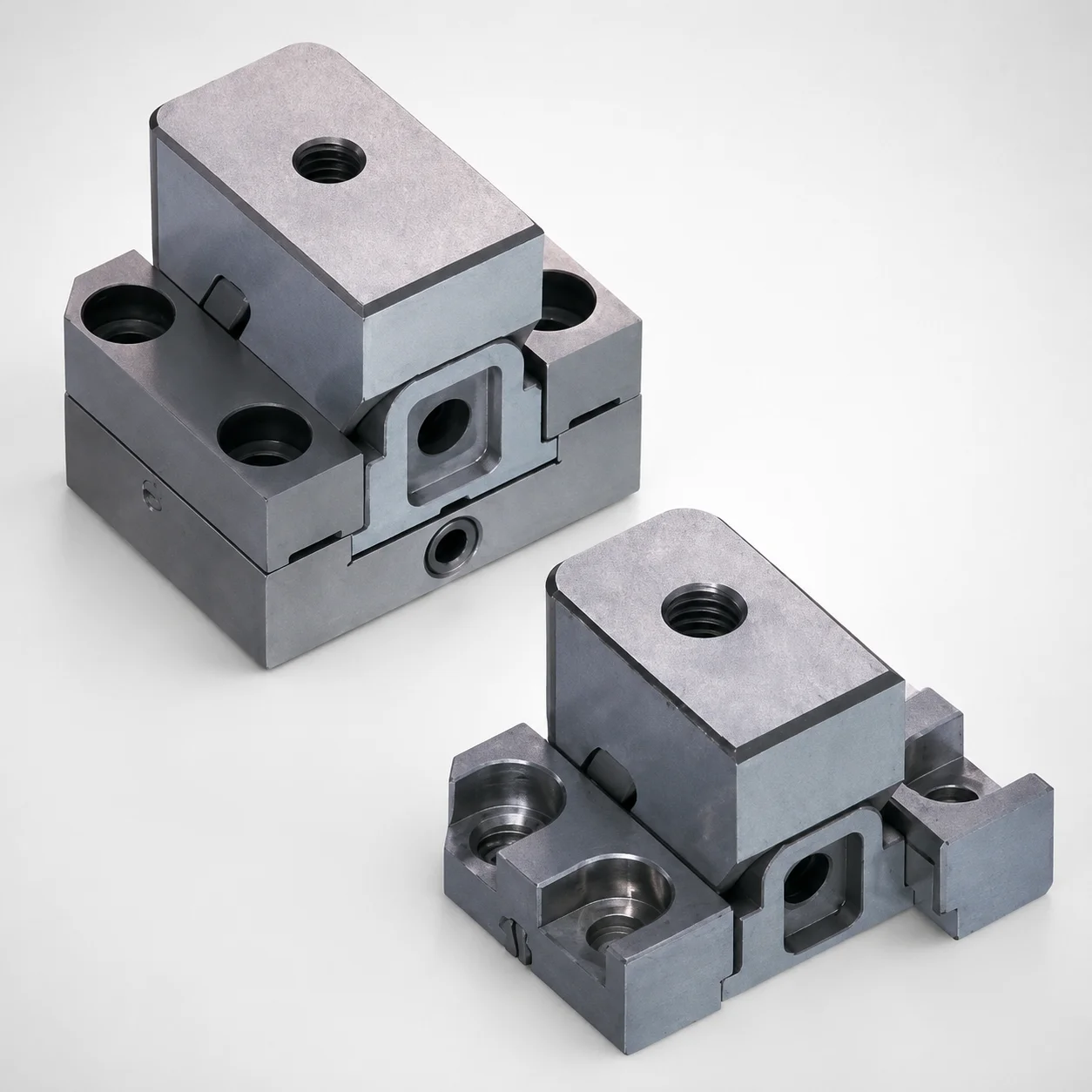
Standard Type Mini Slide Core Units
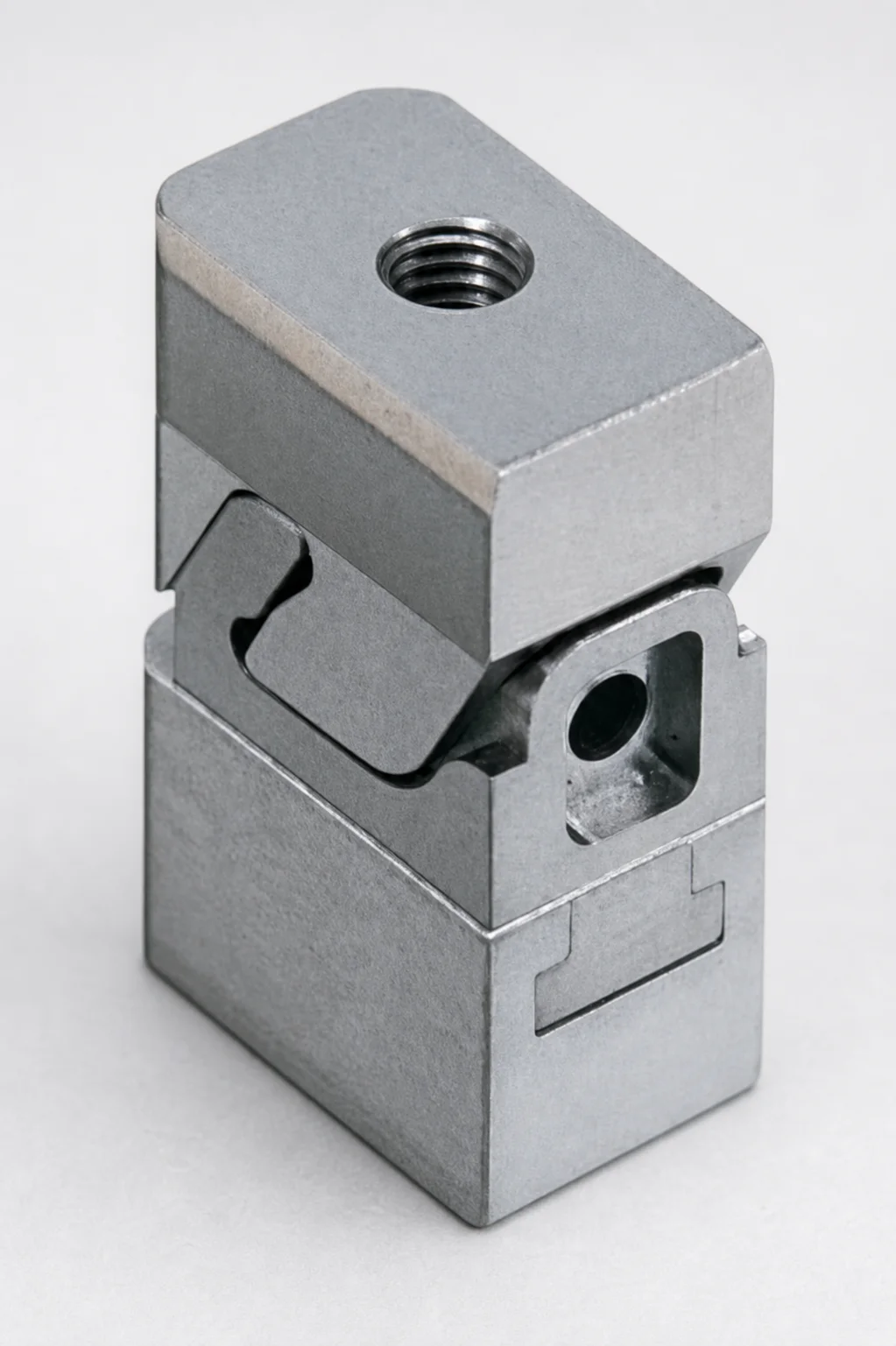
Mini Slide Core Units Slim Type (3 mm Stroke) for Inlay Tapped MSCS-Type
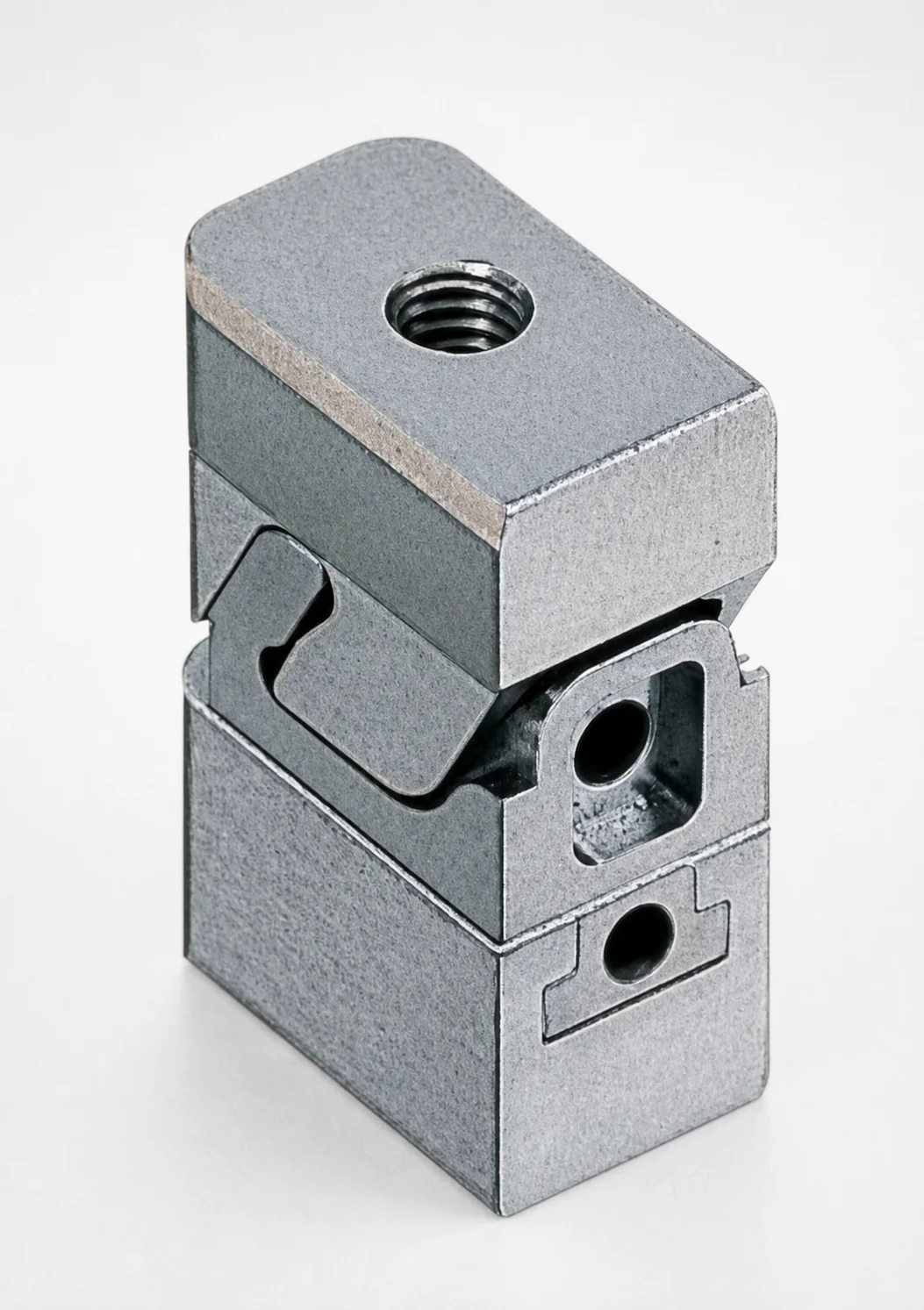
Mini Slide Core Units Slim Slide Stroke 3 mm Retractor Mechanism
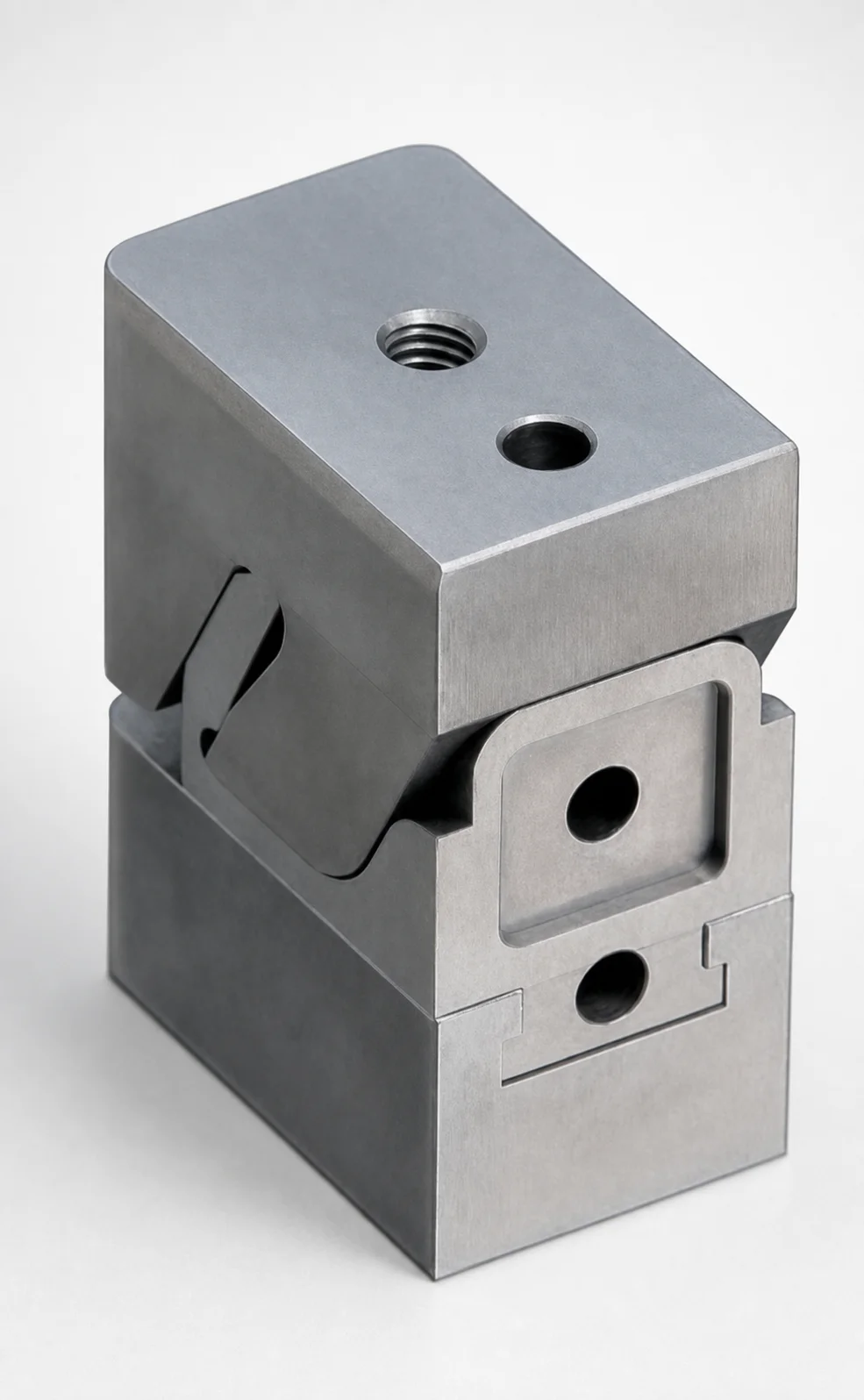
Mini Slide Core Units Slim Slide Stroke 10 mm Retracting Mechanism
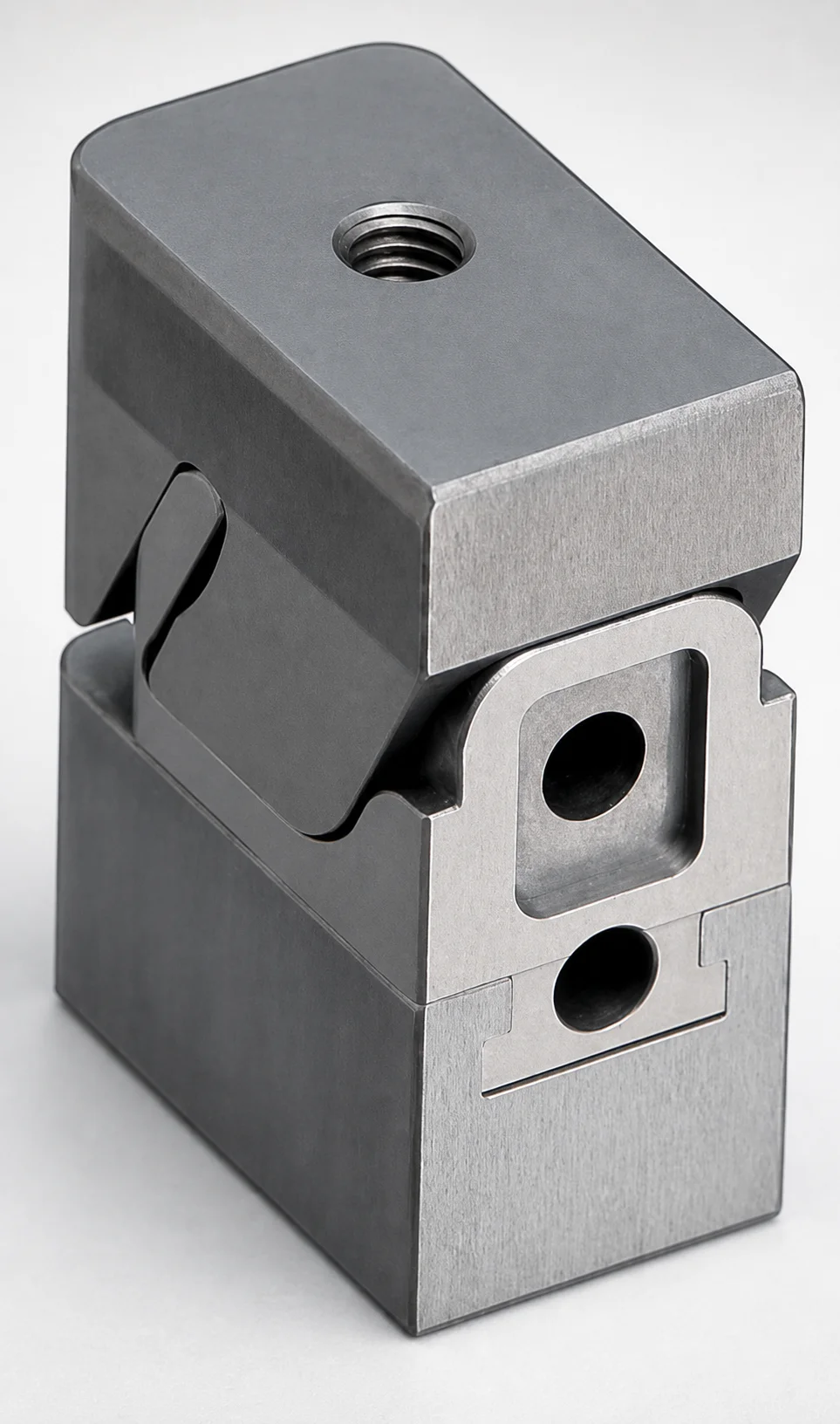
Mini Slide Core Units Slim Slide Core Retractor 6 mm Stroke
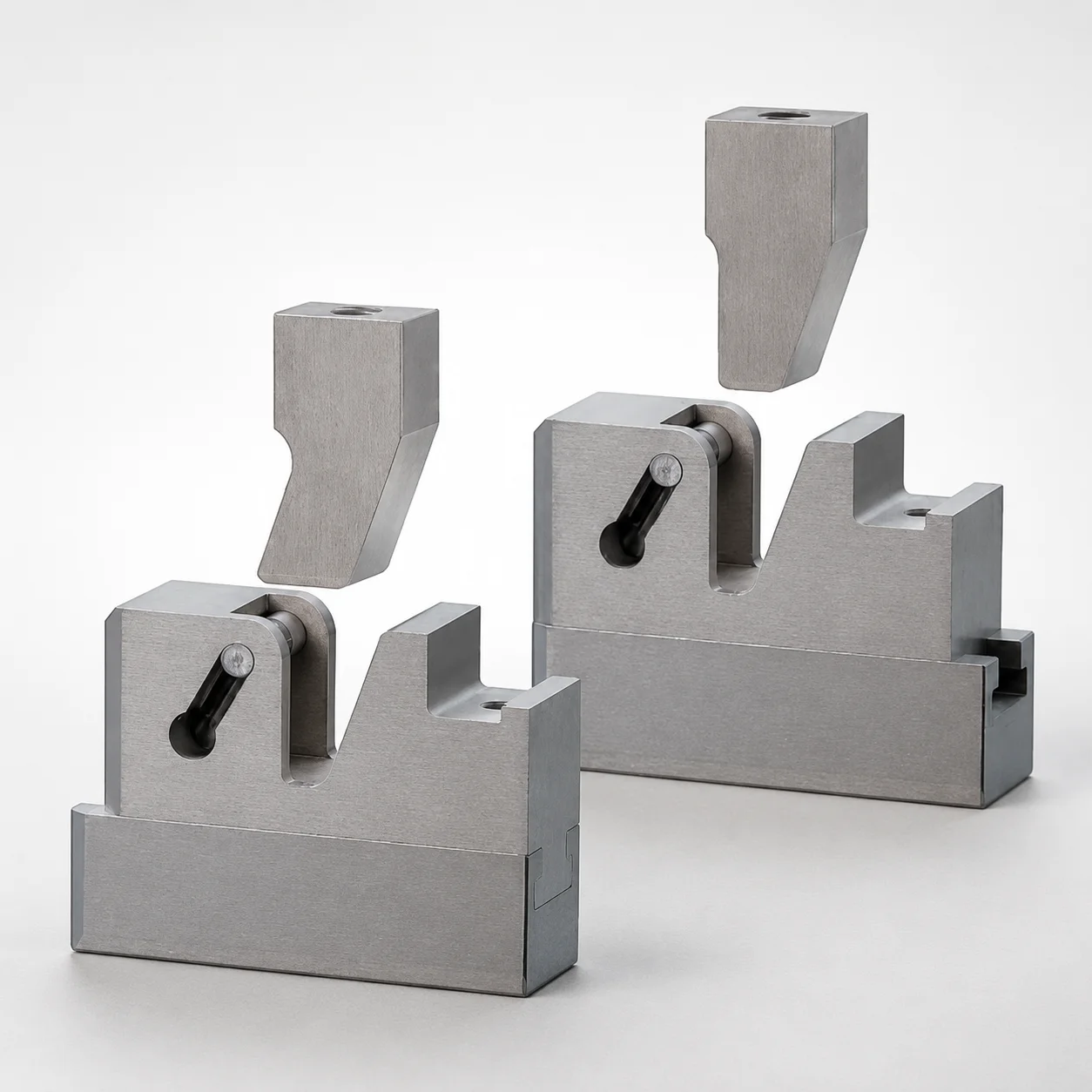
SCTM Two-Color Slide Core Units
Need Custom Specifications?
Our engineering team can help with custom configurations, material selection, and volume pricing.