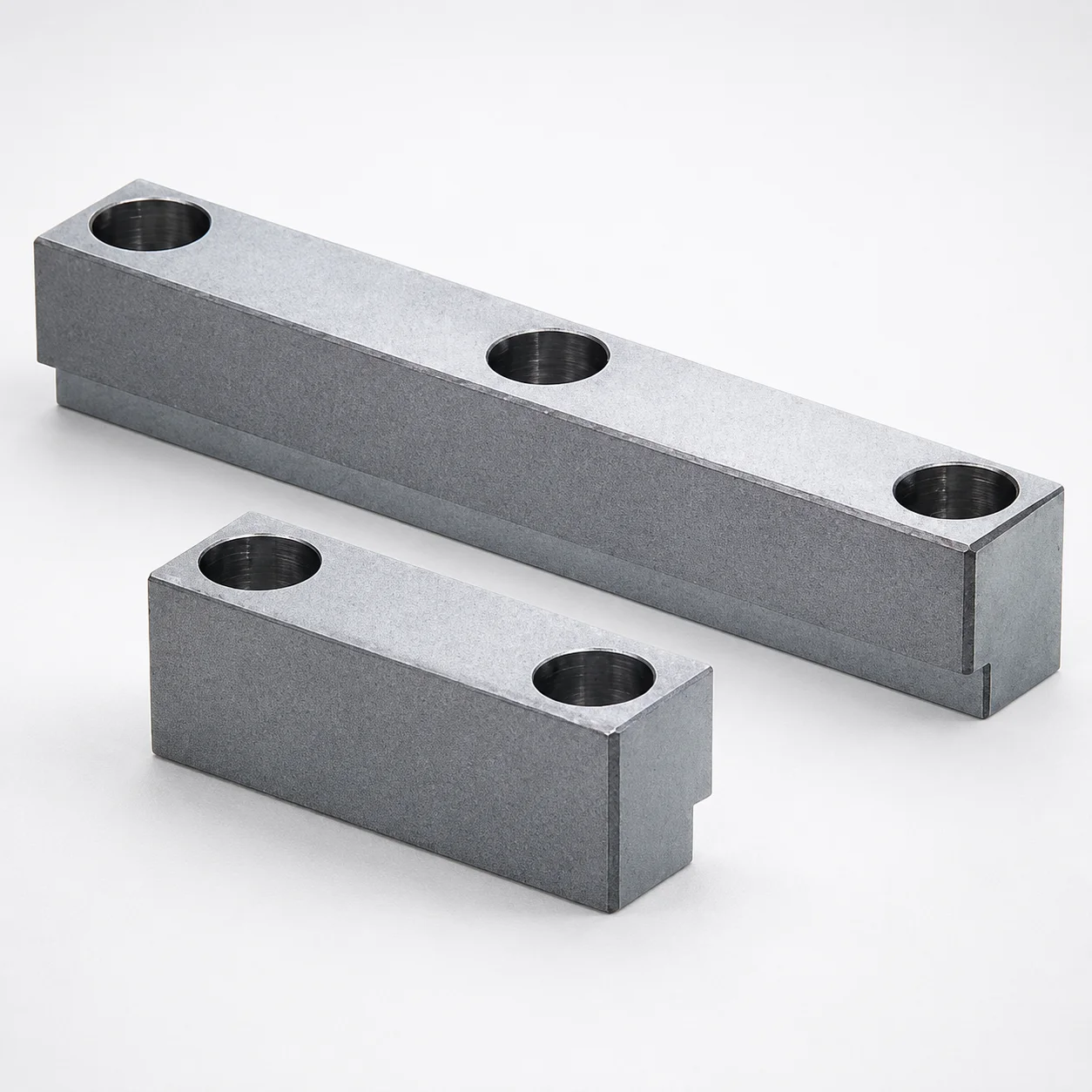
Heel Guide Rails No Groove Configurable
Heel Guide Rails No Groove Configurable are precision guide rails designed for stable slide positioning when a heel groove is not required. Fully configurable construction supports consistent alignment for reliable motion.
- Heel design without groove for clean, controlled mounting alignment
- Tool steel options: SKS3 or HPM2T for wear-resistant guidance
- Configurable oil groove choice: oil groove or non-oil groove
- Suited for machine slides and jig systems needing repeatable rail guidance
Specifications
84 configurations available
| Material | Oil Groove | Rail Thickness T (mm) | Rail Width W (mm) | Rail Length L (mm) | Heel height (mm) | Heel width (mm) | No. of mounting holes (pieces) | A (Bolt hole pitch) (mm) | B (Bolt hole pitch) (mm) | C (Bolt hole pitch) (mm) | D (Bolt hole pitch) (mm) | type |
|---|---|---|---|---|---|---|---|---|---|---|---|---|
| SKS3 | Non-oil groove | 10 ~ 20 | 10 | 35 ~ 100 | 1 ~ 13 | 0.5 ~ 2 | 2 | 6 ~ 84 | 16 ~ 94 | - | - | - |
| SKS3 | Non-oil groove | 10 ~ 30 | 12.5 | 35 ~ 100 | 1 ~ 23 | 0.5 ~ 4 | 2 | 6 ~ 84 | 16 ~ 94 | - | - | - |
| SKS3 | Non-oil groove | 10 ~ 40 | 15 | 40 ~ 150 | 1 ~ 33 | 1 ~ 6.5 | 2 | 6 ~ 134 | 16 ~ 144 | - | - | - |
| SKS3 | Non-oil groove | 15 ~ 50 | 20 | 40 ~ 200 | 1 ~ 39 | 0.5 ~ 6.5 | 2 | 7.5 ~ 179.5 | 20.5 ~ 192.5 | - | - | - |
| SKS3 | Non-oil groove | 20 ~ 50 | 25 | 40 ~ 200 | 1 ~ 39 | 0.5 ~ 9.5 | 2 | 9 ~ 175 | 25 ~ 191 | - | - | - |
| SKS3 | Non-oil groove | 25 ~ 50 | 30 | 50 ~ 200 | 1 ~ 37 | 0.5 ~ 12 | 2 | 10.5 ~ 170.5 | 29.5 ~ 189.5 | - | - | - |
| SKS3 | Non-oil groove | 30 ~ 50 | 40 | 50 ~ 200 | 1 ~ 35 | 0.5 ~ 19.5 | 2 | 10.5 ~ 168.5 | 31.5 ~ 189.5 | - | - | - |
| SKS3 | Non-oil groove | 10 ~ 20 | 10 | 35 ~ 100 | 1 ~ 13 | 0.5 ~ 2 | 3 | 6 ~ 74 | 16 ~ 84 | 26 ~ 94 | - | - |
| SKS3 | Non-oil groove | 10 ~ 30 | 12.5 | 35 ~ 100 | 1 ~ 23 | 0.5 ~ 4 | 3 | 6 ~ 74 | 16 ~ 84 | 26 ~ 94 | - | - |
| SKS3 | Non-oil groove | 10 ~ 40 | 15 | 40 ~ 150 | 1 ~ 33 | 1 ~ 6.5 | 3 | 6 ~ 124 | 16 ~ 134 | 26 ~ 144 | - | - |
| SKS3 | Non-oil groove | 15 ~ 50 | 20 | 40 ~ 200 | 1 ~ 39 | 0.5 ~ 6.5 | 3 | 7.5 ~ 159 | 20.5 ~ 175 | 33.5 ~ 191 | - | - |
| SKS3 | Non-oil groove | 20 ~ 50 | 25 | 40 ~ 200 | 1 ~ 39 | 0.5 ~ 9.5 | 3 | 9 ~ 109 | 25 ~ 125 | 41 ~ 191 | - | - |
| SKS3 | Non-oil groove | 25 ~ 50 | 30 | 50 ~ 200 | 1 ~ 37 | 0.5 ~ 12 | 3 | 10.5 ~ 151.5 | 29.5 ~ 170.5 | 48.5 ~ 189.5 | - | - |
| SKS3 | Non-oil groove | 30 ~ 50 | 40 | 50 ~ 200 | 1 ~ 35 | 0.5 ~ 19.5 | 3 | 10.5 ~ 147.5 | 31.5 ~ 168.5 | 52.5 ~ 189.5 | - | - |
| SKS3 | Non-oil groove | 10 ~ 20 | 10 | 40 ~ 100 | 1 ~ 13 | 0.5 ~ 2 | 4 | 6 ~ 64 | 16 ~ 74 | 26 ~ 84 | 36 ~ 94 | - |
| SKS3 | Non-oil groove | 10 ~ 30 | 12.5 | 40 ~ 100 | 1 ~ 23 | 0.5 ~ 4 | 4 | 6 ~ 64 | 16 ~ 74 | 26 ~ 84 | 36 ~ 94 | - |
| SKS3 | Non-oil groove | 10 ~ 40 | 15 | 40 ~ 150 | 1 ~ 33 | 1 ~ 6.5 | 4 | 6 ~ 114 | 16 ~ 124 | 26 ~ 134 | 36 ~ 144 | - |
| SKS3 | Non-oil groove | 15 ~ 50 | 20 | 40 ~ 200 | 1 ~ 39 | 0.5 ~ 6.5 | 4 | 7.5 ~ 153.5 | 20.5 ~ 166.5 | 33.5 ~ 179.5 | 46.5 ~ 192.5 | - |
| SKS3 | Non-oil groove | 20 ~ 50 | 25 | 40 ~ 200 | 1 ~ 39 | 0.5 ~ 9.5 | 4 | 9 ~ 140 | 25 ~ 159 | 41 ~ 175 | 57 ~ 191 | - |
| SKS3 | Non-oil groove | 25 ~ 50 | 30 | 50 ~ 200 | 1 ~ 37 | 0.5 ~ 12 | 4 | 10.5 ~ 132.5 | 29.5 ~ 151.5 | 48.5 ~ 170.5 | 67.5 ~ 189.5 | - |
| SKS3 | Non-oil groove | 30 ~ 50 | 40 | 50 ~ 200 | 1 ~ 13 | 0.5 ~ 19 | 4 | 10.5 ~ 126.5 | 31.5 ~ 147.5 | 52.5 ~ 168.5 | 73.5 ~ 189.5 | - |
| SKS3 | Oil groove | 10 ~ 20 | 10 | 40 ~ 100 | 1 ~ 13 | 0.5 ~ 2.5 | 2 | 6 ~ 84 | 16 ~ 94 | - | - | - |
| SKS3 | Oil groove | 10 ~ 30 | 12.5 | 40 ~ 100 | 1 ~ 23 | 0.5 ~ 4 | 2 | 6 ~ 84 | 16 ~ 94 | - | - | - |
| SKS3 | Oil groove | 10 ~ 40 | 15 | 40 ~ 150 | 1 ~ 33 | 1 ~ 6.5 | 2 | 6 ~ 134 | 16 ~ 144 | - | - | - |
| SKS3 | Oil groove | 15 ~ 50 | 20 | 40 ~ 200 | 1 ~ 39 | 0.5 ~ 6.5 | 2 | 7.5 ~ 179.5 | 20.5 ~ 192.5 | - | - | - |
| SKS3 | Oil groove | 20 ~ 50 | 25 | 40 ~ 200 | 1 ~ 39 | 0.5 ~ 9.5 | 2 | 9 ~ 175 | 25 ~ 191 | - | - | - |
| SKS3 | Oil groove | 25 ~ 50 | 30 | 50 ~ 200 | 1 ~ 37 | 0.5 ~ 12 | 2 | 10.5 ~ 170.5 | 29.5 ~ 189.5 | - | - | - |
| SKS3 | Oil groove | 30 ~ 50 | 40 | 50 ~ 200 | 1 ~ 35 | 0.5 ~ 19.5 | 2 | 10.5 ~ 168.5 | 31.5 ~ 189.5 | - | - | - |
| SKS3 | Oil groove | 10 ~ 20 | 10 | 40 ~ 100 | 1 ~ 13 | 0.5 ~ 2 | 3 | 6 ~ 74 | 16 ~ 84 | 26 ~ 94 | - | - |
| SKS3 | Oil groove | 10 ~ 30 | 12.5 | 40 ~ 100 | 1 ~ 23 | 0.5 ~ 4 | 3 | 6 ~ 74 | 16 ~ 84 | 26 ~ 94 | - | - |
| SKS3 | Oil groove | 10 ~ 40 | 15 | 40 ~ 150 | 1 ~ 33 | 1 ~ 6.5 | 3 | 6 ~ 124 | 16 ~ 134 | 26 ~ 144 | - | - |
| SKS3 | Oil groove | 15 ~ 50 | 20 | 40 ~ 200 | 1 ~ 39 | 0.5 ~ 6.5 | 3 | 7.5 ~ 159 | 20.5 ~ 175 | 33.5 ~ 191 | - | - |
| SKS3 | Oil groove | 20 ~ 50 | 25 | 40 ~ 200 | 1 ~ 39 | 0.5 ~ 9.5 | 3 | 9 ~ 109 | 25 ~ 175 | 41 ~ 191 | - | - |
| SKS3 | Oil groove | 25 ~ 50 | 30 | 50 ~ 200 | 1 ~ 37 | 0.5 ~ 12 | 3 | 10.5 ~ 151.5 | 29.5 ~ 170.5 | 48.5 ~ 189.5 | - | - |
| SKS3 | Oil groove | 30 ~ 50 | 40 | 50 ~ 200 | 1 ~ 35 | 0.5 ~ 19.5 | 3 | 10.5 ~ 147.5 | 31.5 ~ 168.5 | 52.5 ~ 189.5 | - | - |
| SKS3 | Oil groove | 10 ~ 20 | 10 | 40 ~ 100 | 1 ~ 13 | 0.5 ~ 2 | 4 | 6 ~ 64 | 16 ~ 74 | 26 ~ 84 | 36 ~ 94 | - |
| SKS3 | Oil groove | 10 ~ 30 | 12.5 | 40 ~ 100 | 1 ~ 23 | 0.5 ~ 4 | 4 | 6 ~ 64 | 16 ~ 74 | 26 ~ 84 | 36 ~ 94 | - |
| SKS3 | Oil groove | 10 ~ 40 | 15 | 40 ~ 150 | 1 ~ 33 | 1 ~ 6.5 | 4 | 6 ~ 114 | 16 ~ 124 | 26 ~ 134 | 36 ~ 144 | - |
| SKS3 | Oil groove | 15 ~ 50 | 20 | 40 ~ 200 | 1 ~ 39 | 0.5 ~ 6.5 | 4 | 7.5 ~ 153.5 | 20.5 ~ 166.5 | 33.5 ~ 179.5 | 46.5 ~ 192.5 | - |
| SKS3 | Oil groove | 20 ~ 50 | 25 | 40 ~ 200 | 1 ~ 39 | 0.5 ~ 9.5 | 4 | 9 ~ 140 | 25 ~ 159 | 41 ~ 175 | 57 ~ 191 | - |
| SKS3 | Oil groove | 25 ~ 50 | 30 | 50 ~ 200 | 1 ~ 37 | 0.5 ~ 12 | 4 | 10.5 ~ 132.5 | 29.5 ~ 151.5 | 48.5 ~ 170.5 | 67.5 ~ 189.5 | - |
| SKS3 | Oil groove | 30 ~ 50 | 40 | 50 ~ 200 | 1 ~ 35 | 0.5 ~ 40 | 4 | 10.5 ~ 126.5 | 31.5 ~ 147.5 | 52.5 ~ 168.5 | 73.5 ~ 189.5 | - |
| HPM2T | Non-oil groove | 10 ~ 20 | 10 | 35 ~ 100 | 1 ~ 13 | 0.5 ~ 2 | 2 | 6 ~ 84 | 16 ~ 94 | - | - | - |
| HPM2T | Non-oil groove | 10 ~ 30 | 12.5 | 35 ~ 100 | 1 ~ 23 | 0.5 ~ 4 | 2 | 6 ~ 84 | 16 ~ 94 | - | - | - |
| HPM2T | Non-oil groove | 10 ~ 40 | 15 | 40 ~ 150 | 1 ~ 33 | 1 ~ 6.5 | 2 | 6 ~ 134 | 16 ~ 144 | - | - | - |
| HPM2T | Non-oil groove | 15 ~ 50 | 20 | 40 ~ 200 | 1 ~ 39 | 0.5 ~ 6.5 | 2 | 7.5 ~ 179.5 | 20.5 ~ 192.5 | - | - | - |
| HPM2T | Non-oil groove | 20 ~ 50 | 25 | 40 ~ 200 | 1 ~ 39 | 0.5 ~ 9.5 | 2 | 9 ~ 175 | 25 ~ 191 | - | - | - |
| HPM2T | Non-oil groove | 25 ~ 50 | 30 | 50 ~ 200 | 1 ~ 37 | 0.5 ~ 12 | 2 | 10.5 ~ 170.5 | 29.5 ~ 189.5 | - | - | - |
| HPM2T | Non-oil groove | 30 ~ 50 | 40 | 50 ~ 200 | 1 ~ 35 | 0.5 ~ 19.5 | 2 | 10.5 ~ 168.5 | 31.5 ~ 189.5 | - | - | - |
| HPM2T | Non-oil groove | 10 ~ 20 | 10 | 35 ~ 100 | 1 ~ 13 | 0.5 ~ 2 | 3 | 6 ~ 74 | 16 ~ 84 | 26 ~ 94 | - | - |
Product Guide
Application Scenarios+
Heel guide rails without a heel groove are used in injection mold tooling where rail-based slide positioning must remain stable, but a heel groove would reduce sealing area or complicate assembly. The configurable rail design helps maintain consistent alignment across repeated cycles, especially when guide surfaces must stay clean.
Common scenarios include:
- Automotive connector and bracket molds: use the no-groove heel configuration to support precise slide travel in compact tooling, while selecting the oil groove option when long running lubrication control is needed.
- Appliance and consumer-part molds: pair the rails with slide plates or undercut mechanisms to reduce positional drift under vibration and ejection forces.
- Jig systems and small machine fixtures: the selectable oil/no-oil groove and steel choices provide wear-resistant guidance for reliable repeatability.
This variant is suited because it delivers controlled guide rail motion without requiring a heel groove, while still allowing lubricant management through the selectable oil groove option.
Material & Process Details+
This heel guide rail is available in SKS3 or HPM2T steel, giving engineers a choice between standard wear guidance and higher wear-focused performance.
- SKS3: high-carbon die/guide steel commonly used for wear parts; typically supplied as pre-hardened or heat-treatment-ready stock for guidance components.
- HPM2T: an improved tool steel option selected for better wear resistance for sliding contact; used where guidance surfaces experience frequent motion and abrasion.
Heat treatment is typically specified by the supplier/process route for the chosen grade (e.g., quench & temper or hardening to reach target hardness). For guide rails, hardness trades off against toughness: higher hardness improves wear resistance but can reduce resistance to chipping or edge damage under shock loading.
Manufacturing is generally via precision forming/machining to hold rail thickness/width and bolt-hole geometry, followed by surface finishing suitable for sliding contact.
Sizing & Selection Guide+
Select dimensions by matching the rail geometry to the mold slide plate and mounting base requirements. The rail is specified by thickness T (10–30 mm), width W (10–40 mm), and length L across multiple ranges: 35–100, 40–150, 40–200, 50–200, or 40–100 mm, depending on the configuration you choose.
- Choose L to cover the full bearing travel zone on the slide—too short can concentrate load at the ends; too long may interfere with neighboring tooling features.
- Match T and W to the available rail pocket/seat on the guide plate so the rail sits correctly without rocking.
- Verify mounting hole count (2, 3, or 4 pieces) and the pitch set: A (6–10.5 mm), B (16–31.5 mm), and C (26–52.5 mm), plus the overall D pitch/extent options (36–94, 36–144, 46.5–192.5, 57–191, 67.5–189.5, 73.5–189.5).
Because the product supports configurable oil groove and multiple size ranges, ensure your cavity/core and slide design uses the same mounting pattern; allow for manufacturing tolerances in hole pitch and alignment to prevent binding during cycling.
Frequently Asked Questions
When should I choose the no-oil groove versus oil groove option for heel guide rails?+
How do I select rail thickness T (10–30 mm) and width W (10–40 mm) without creating misalignment?+
Which rail length L range (e.g., 35–100, 40–150, 40–200, 50–200) is best for the expected slide travel?+
What are the practical differences between SKS3 and HPM2T for guide rail sliding wear?+
How do I ensure the mounting hole pitch (A/B/C) and extent (D) fit my mold slide plate?+
Related Products
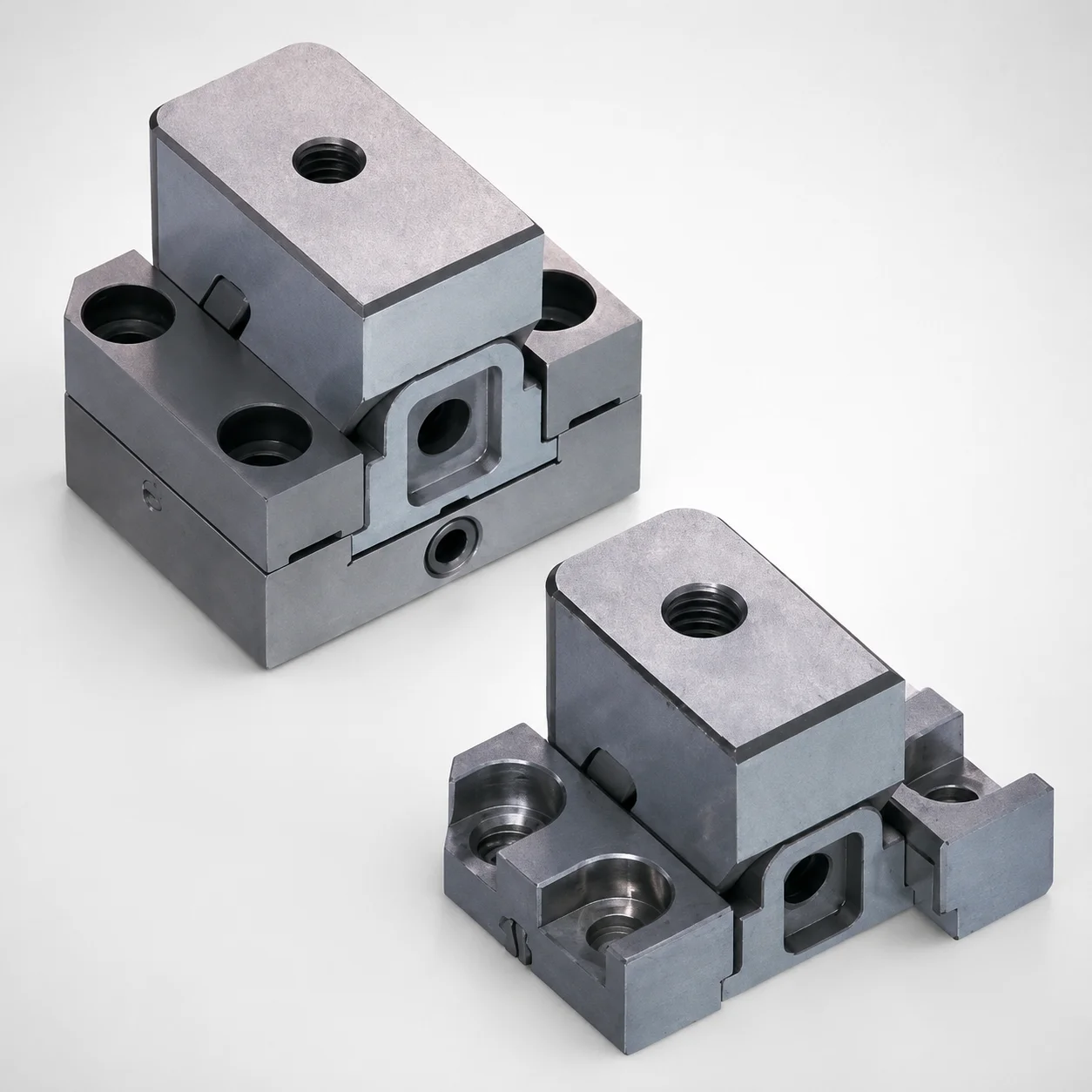
Standard Type Mini Slide Core Units
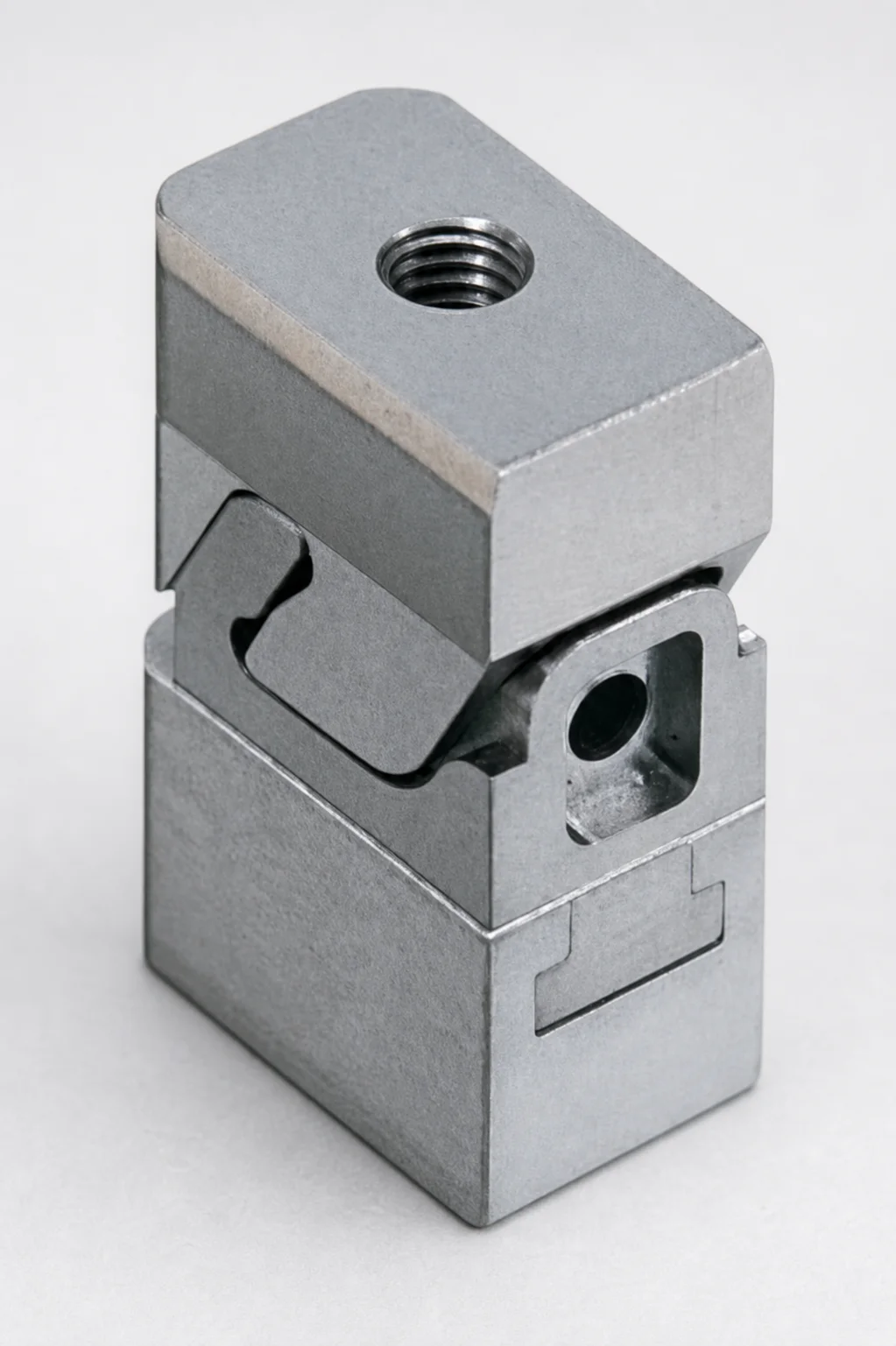
Mini Slide Core Units Slim Type (3 mm Stroke) for Inlay Tapped MSCS-Type
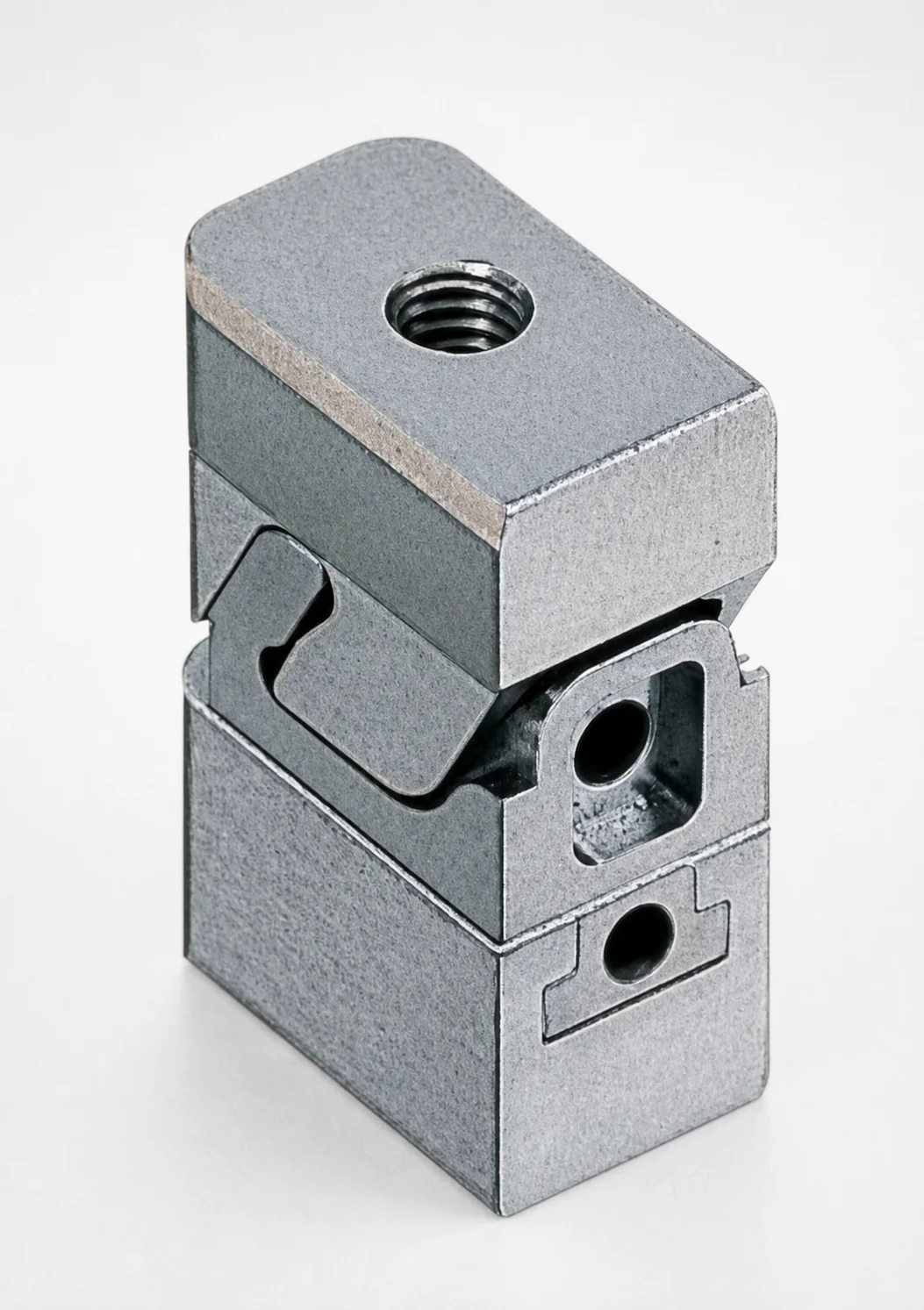
Mini Slide Core Units Slim Slide Stroke 3 mm Retractor Mechanism
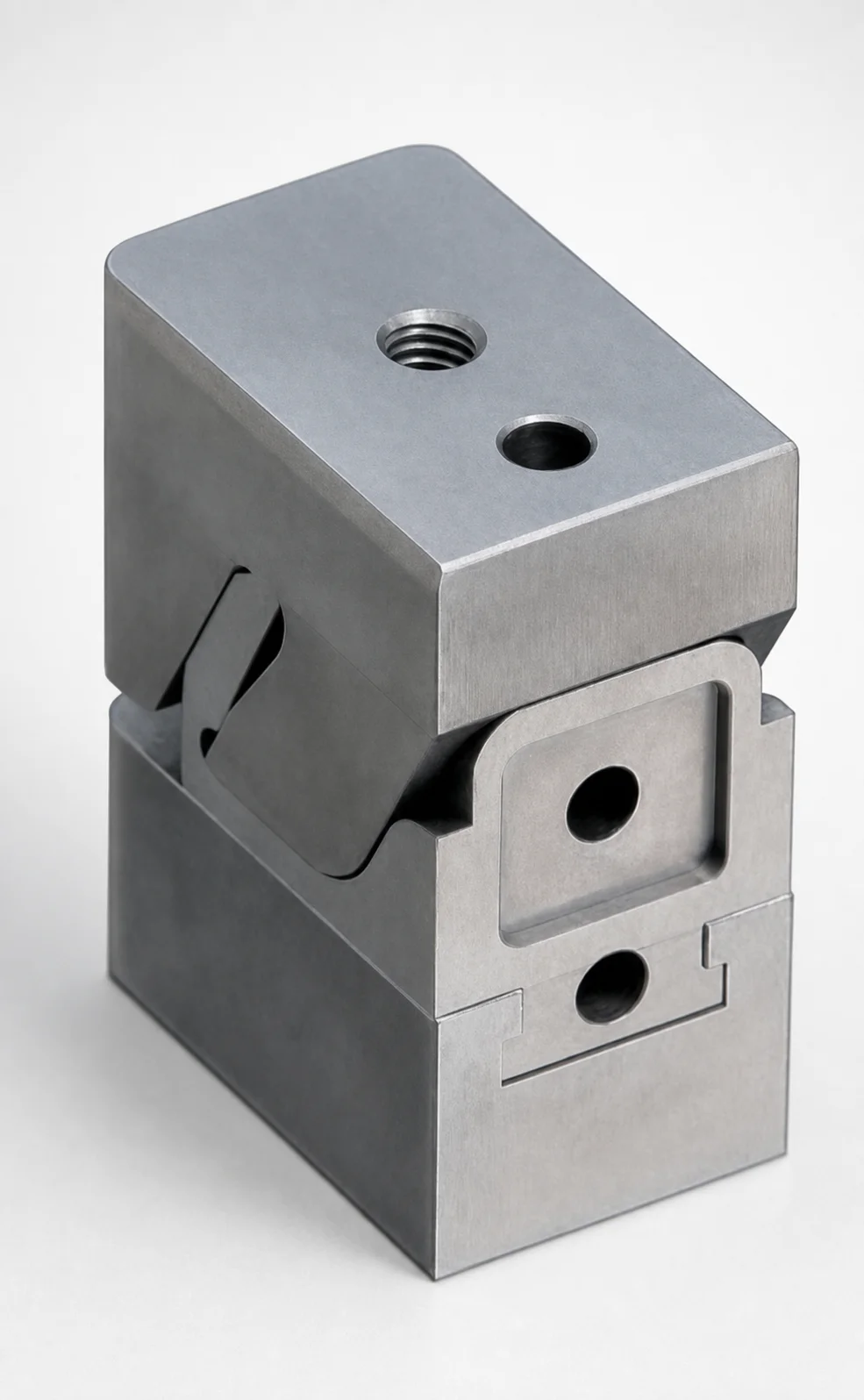
Mini Slide Core Units Slim Slide Stroke 10 mm Retracting Mechanism
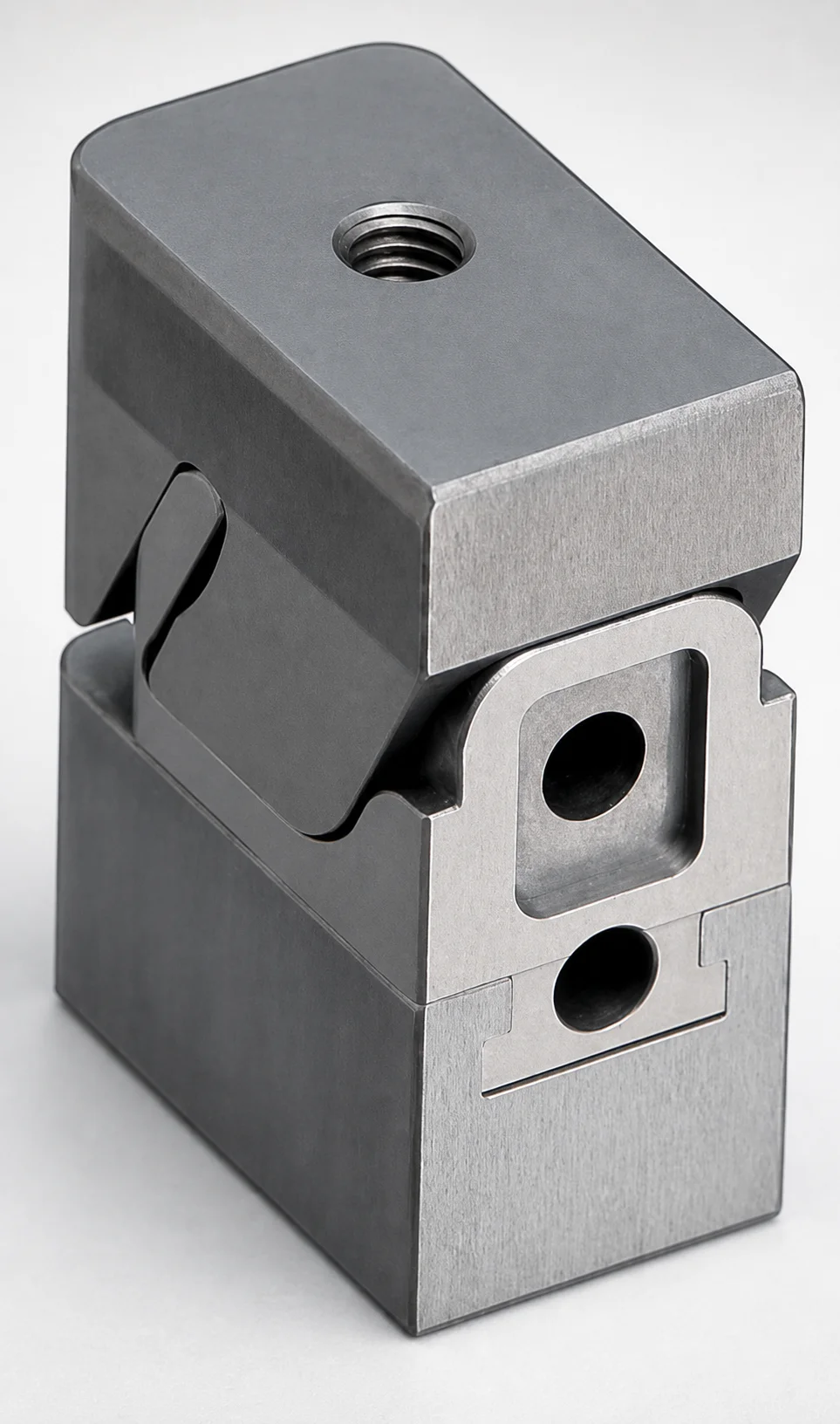
Mini Slide Core Units Slim Slide Core Retractor 6 mm Stroke
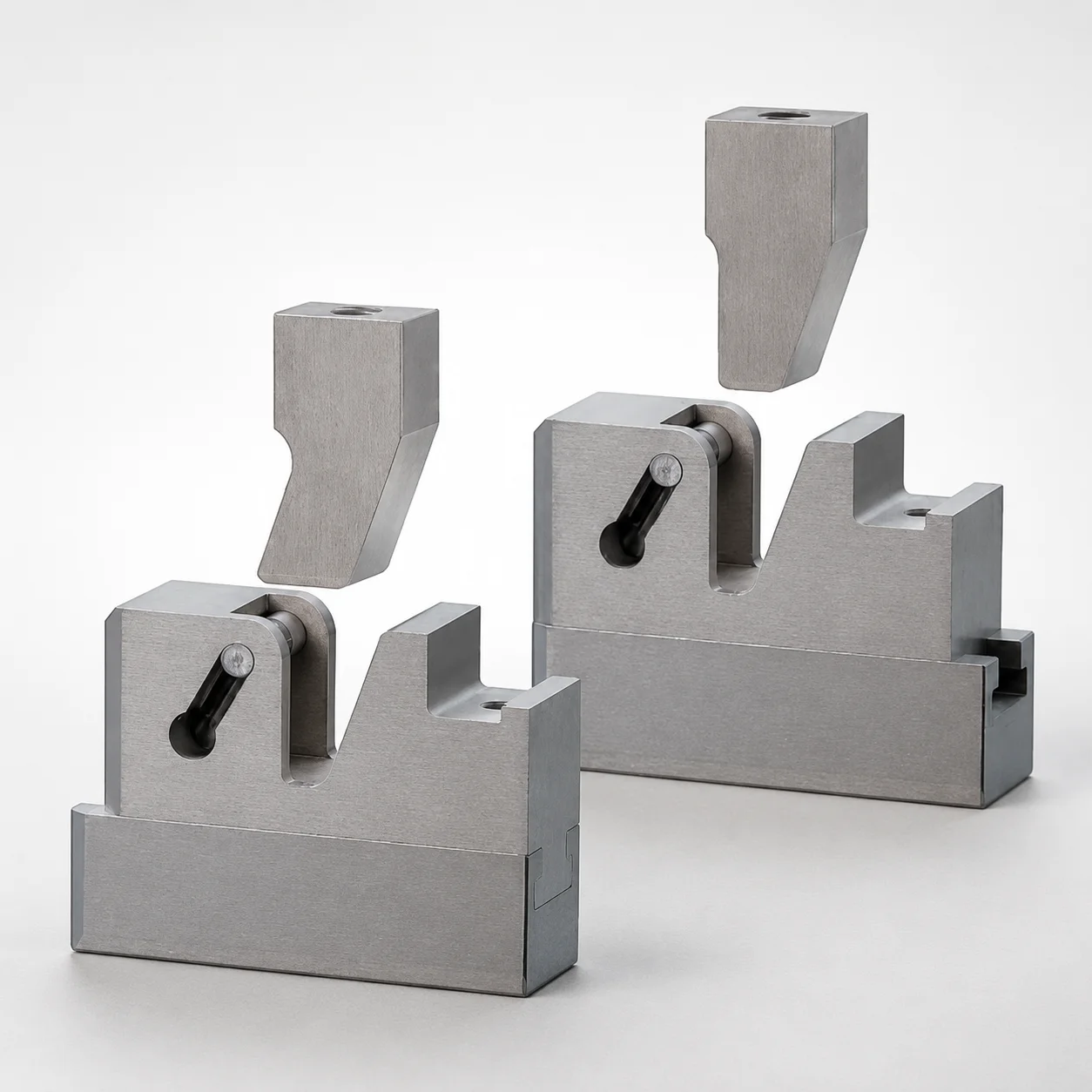
SCTM Two-Color Slide Core Units
Need Custom Specifications?
Our engineering team can help with custom configurations, material selection, and volume pricing.